Best Places to Install Downlights in Your Living Room?

Time:2026-06-09 Author:Isabella
0%

In creating a welcoming living room, the strategic placement of downlights plays a crucial role. When considering "where to place downlights in a living room," homeowners often overlook the significant impact of proper lighting. According to a report by the American Lighting Association, well-placed lighting can enhance the overall aesthetics of a space and contribute to better mood and productivity.

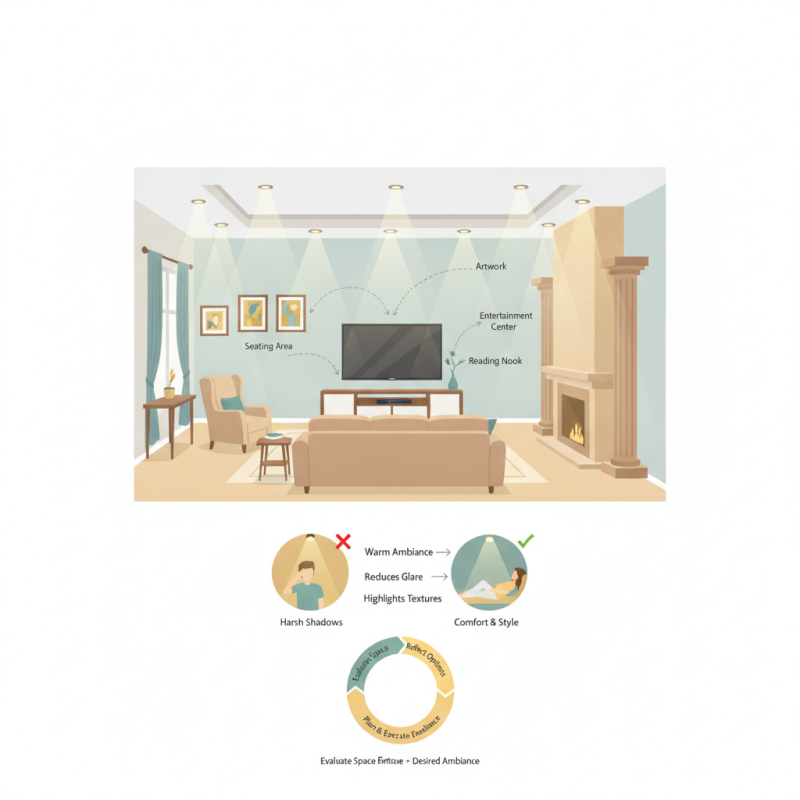
Research indicates that about 80% of individuals feel that lighting influences their daily activities. Proper downlight placement can help highlight key areas, such as artwork, seating arrangements, and architectural features. For instance, positioning downlights above a reading nook or entertainment center not only adds functionality but also creates an inviting atmosphere.

However, it’s important to evaluate the space and personal preferences before making decisions. Some might struggle with spots that create harsh shadows or overly bright areas. Reflecting on various placement options and their effects can lead to better lighting solutions that enhance comfort and style in the living room. Proper planning and thoughtful execution are essential to achieve the desired ambiance.
Best Places to Install Downlights in Your Living Room?

Optimal Ceiling Areas for Downlight Installation in Living Rooms

When choosing optimal ceiling areas for downlight installation in living rooms, consider the layout and function of the space. Placing downlights directly above seating areas enhances ambiance and provides focused illumination. It's essential to space them evenly to avoid dark spots. Aim for a 4-6 feet spacing between lights for a balanced effect.

Another key area is above artwork or feature walls. Installing downlights here can create impressive highlights, bringing texture and depth to your living room. Avoid clusters; instead, distribute lights to open up the area. Remember to think about dimming options, which provide flexibility in mood lighting.

However, don’t rush into decisions. Some homeowners struggle with positioning and adjust after installation. Reflect on light intensity and color; these factors can change the entire atmosphere. Experimenting with placement is crucial for achieving that perfect blend of function and style.

Considerations for Downlight Placement Near Seating Areas

When placing downlights in your living room, consider their proximity to seating areas. Good lighting creates an inviting atmosphere. However, improper placement can lead to glare or uneven lighting.

Place downlights approximately 1.5 to 2 feet above seating for optimal illumination. This height reduces harsh shadows on faces while accentuating the room's layout. Situate lights about 4 to 6 feet apart to avoid overly bright spots. Adjusting brightness levels is also essential; dimmable options provide flexibility for various moods.

Tips: Use soft white lamps for warmth. Test placements by using standard bulbs to see effects before installation. Imagine a cozy evening, where the lights highlight your favorite reading nook without overwhelming brightness. Inadequate attention to these details might lead to underwhelming results. Reassess your design if the lighting feels off. Aim for balance and warmth in your living room with thoughtful downlight placement.

Enhancing Ambiance with Downlights Above Artwork and Features

Installing downlights above artwork and features in your living room can dramatically enhance the ambiance. The right lighting focuses attention on your favorite pieces. Consider spacing the lights to create even illumination without overwhelming the space. Choose warm tones to add a cozy feel while highlighting textures and colors.

Downlights can also accentuate architectural features. A thoughtful placement can make a statement and draw the eye. However, be cautious—too bright lights can create harsh contrasts. It's essential to balance brightness with softness. Experimenting with dimmers can aid in achieving this harmony.

Not every installation will be perfect. You may find shadows or glare that distract instead of enhance. It’s important to adjust the angles and brightness. Trusting your instincts while considering feedback can guide decisions. Lighting is an art, not a science. Embrace the process of finding what works best for your unique space.

Functional Lighting: Installing Downlights in High-Activity Zones

When considering the installation of downlights in high-activity zones of your living room, focus on areas that require the most illumination. According to the Illuminating Engineering Society, proper lighting significantly enhances functionality and mood. Relying on downlights can elevate spaces used for family activities, reading zones, or entertainment areas.

In kitchens, for example, 72% of homeowners prefer bright task lighting. Downlights strategically placed above counters and cooking areas can enhance visibility and safety. Studies show that well-lit environments can improve productivity by up to 25%. Positioning downlights on dimmers can allow flexibility according to the activities, transitioning from vibrant lighting for cooking to softer tones for intimate gatherings.

Consider the layout of your living room carefully. Avoid over-lighting certain spots while neglecting others. Uneven lighting can lead to visual discomfort and fatigue. A balanced approach, ideally, involves a combination of downlights and other light sources. Professional recommendations suggest a distance of around 5 to 7 feet between downlights to create an evenly lit atmosphere without harsh shadows. Each adjustment is vital in crafting a welcoming and functional space.

Best Places to Install Downlights in Your Living Room

Creating Layered Lighting: Balancing Downlights with Other Fixtures

When creating layered lighting in your living room, balancing downlights with other fixtures is crucial. Downlights offer focused illumination, but they should not dominate the space. According to a recent lighting industry report, optimal lighting involves layering ambient, task, and accent lights. This approach creates a warm and inviting atmosphere.

Consider the placement of downlights carefully. They work well above seating areas but can create harsh shadows if not installed correctly. Aim for a height of 10 to 12 feet to ensure even light distribution. Additionally, using dimmers can enhance versatility. Dimmers allow you to adjust the brightness for various activities, from reading to hosting gatherings.

Tip: Mix downlights with floor and table lamps for a balanced look. This combination softens the light and adds texture to the room. Consider fixtures with warm tones to promote a cozy vibe. Remember, too much downlight can feel clinical, so aim for a mix that resonates with your style while providing functional light. Embrace imperfections; not every fixture needs to match perfectly. A curated collection adds character to your living space.

FAQS

: How can downlights enhance the ambiance of a living room?

: They focus attention on artwork, creating a cozy and inviting atmosphere.

What light tones should I choose for a warm feel?

Warm tones highlight textures and colors effectively, enhancing comfort.

How can I avoid harsh contrasts when using downlights?

Balance brightness with softer lighting and avoid overly bright bulbs.

Why should I experiment with dimmers for downlights?

Dimmers allow flexibility in lighting, adapting to various moods and activities.

What should I do if I notice shadows or glare from my downlights?

Adjust angles and brightness to minimize distractions and enhance ambiance.

How should I plan the layout of downlights in high-activity zones?

Focus on areas needing illumination, avoiding over-lighting or neglecting spots.

What is a recommended distance for spacing downlights?

A distance of 5 to 7 feet creates even lighting without harsh shadows.

Can downlights improve productivity in work areas?

Yes, bright task lighting can boost productivity by up to 25%.

What mix of lighting sources is ideal for a balanced approach?

Combine downlights with other sources to avoid visual discomfort.

Is lighting an exact science when it comes to home decor?

No, it’s more of an art; trust your instincts and adjust based on feedback.

Conclusion

When considering where to place downlights in a living room, it’s crucial to identify optimal ceiling areas that maximize both functional and aesthetic value. Focus on spaces such as the center of the room and zones directly above seating areas for effective lighting. Additionally, downlights should enhance ambiance by illuminating artwork and decorative features, creating a warm and inviting atmosphere.

For high-activity zones, such as reading corners or entertainment areas, functional lighting is essential. It’s beneficial to create layered lighting by balancing downlights with other fixtures like floor lamps or wall sconces. This approach not only ensures adequate brightness but also adds depth and character to the living space, ultimately transforming the living room into a welcoming environment.

Isabella

Isabella

Isabella is a dedicated marketing professional with a sharp focus on driving brand growth and engagement through strategic content creation. With an extensive background in digital marketing, she combines her passion for storytelling with her keen understanding of industry trends to deliver......