Engineered for architectural, commercial, and heavy-duty industrial integration. Explore the core product range with advanced efficacy and selectable configurations.
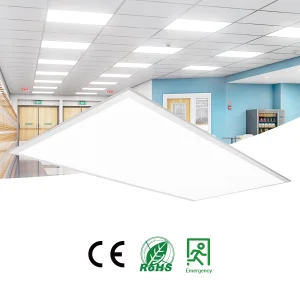
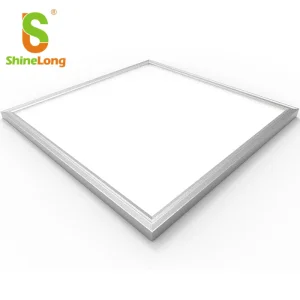
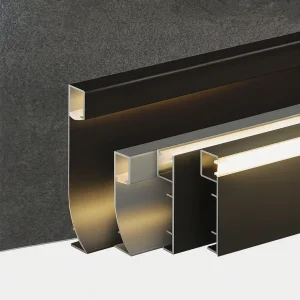
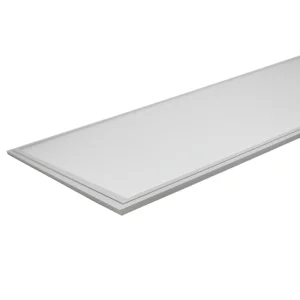
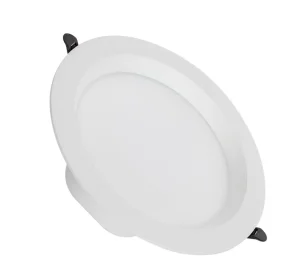
A technical examination of architectural solid-state lighting integration across commercial, institutional, and industrial environments.
The global transition from legacy fluorescent troffers to advanced LED panel luminaires is driven by energy conservation mandates, corporate ESG targets, and human-centric design. Solid-state lighting (SSL) is no longer viewed merely as an energy-saving substitute but as a critical infrastructure component that directly impacts visual comfort, workforce productivity, and structural asset valuation.
According to current market intelligence, the global architectural and commercial lighting sector has adopted edge-lit and back-lit LED configurations to meet stringent building regulations, such as Title 24 in California and the European Union’s Energy Related Products (ErP) directives. These regulations enforce tight standards for luminous efficacy (lm/W), Unified Glare Rating (UGR), and Color Rendering Index (CRI). As a result, procurement executives prioritize factories that offer comprehensive testing data sheets, stable driver options (such as LIFUD, MeanWell, or Tridonic), and customized optical diffusers that reduce glare while maintaining maximum lumen output.
Global building codes demand rapid reduction in lighting power density (LPD). Modern panel lights operating above 120 lm/W meet EU Class A+ and DLC Premium expectations, facilitating green building certifications like LEED and BREEAM.
Advanced office setups rely on CCT-selectable (Correlated Color Temperature) and dimmable panel arrays to support circadian rhythm lighting. This active lighting model adjusts output spectral distributions dynamically to mimic natural daylight patterns.
By engineering optimized Light Guide Plates (LGP) utilizing PMMA instead of cost-reduced Polystyrene (PS), premium manufacturers guarantee zero yellowing and high transmittance index over 50,000 operational hours.
How localized clustering, advanced automation, and vertical integration establish China as the premier sourcing hub for high-performance luminaires.
China's dominance in the LED panel light manufacturing segment is built on industrial clusters, integrated raw material supply lines, and advanced electronics capabilities. In lighting manufacturing hubs like Hangzhou and the Pearl River Delta, the complete supply chain—from aluminum extrusion, light guide plate precision molding, and driver design to automated SMD LED packaging—is located within a compact geographical area.
This structural proximity allows Chinese exporters to rapidly adjust production parameters, customize OEM requirements, and accelerate time-to-market compared to other manufacturing hubs. Automation in surface-mount technology (SMT) and robot-assisted assembly lines further decreases manufacturing tolerances, increases yield rates, and maintains competitive pricing structures for large-scale projects.
| Production Phase | Technological Standard | Quality Verification Parameter | Procurement Value Delivered |
|---|---|---|---|
| SMT Chip Placement | High-speed placement machinery | Co-planarity & solder joint alignment checks | Elimination of thermal resistance & dead pixel failures |
| LGP & Optics Assembly | Dust-free positive pressure cleanroom | Light guide optical extraction distribution test | Uniform surface brightness without dark spots or banding |
| Driver Pairing | Class II insulated configurations (e.g., LIFUD, custom OEM) | Total Harmonic Distortion (THD) <15%, Power Factor >0.90 | Compliance with international grid harmonics regulations |
| Aging & Burn-in | 100% active dynamic cycling lines | Continuous thermal imaging & high-voltage surge simulation | Near-zero early failure rates (Infant Mortality) post-shipment |
Adapting photometric designs and mounting methods to different spatial configurations and operational requirements.
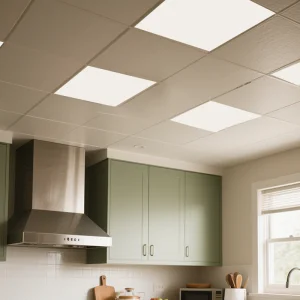
Modern workplaces prioritize reducing eye strain and increasing cognitive performance. Standard specifications require UGR <19, flicker-free drivers, and CCT-selectable engines (3000K/4000K/5000K). This ensures smooth transitions from collaborative tasks to screen-focused activities without inducing headaches or fatigue.
Clinical settings require lighting that supports precise task execution and clean maintenance protocols. Sealed IP44-rated panel systems prevent dust and moisture ingress, making them suitable for sterile zones. Additionally, high CRI (>90) models allow clinical personnel to accurately perform tissue examination and diagnostics.
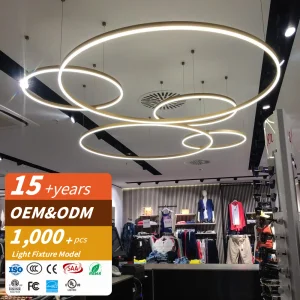
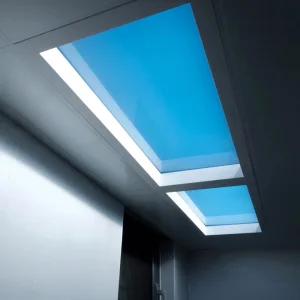
For retail displays and lobbies, lighting aesthetics and structural integration are key considerations. Suspended aluminum linear panels, backlit skylights, and custom perimeter lighting help delineate spatial flows. They provide smooth, ambient illumination that highlights products without creating harsh reflections or glare.
Hangzhou Pina Light Co., Ltd. — Your Trusted Solid-State Lighting Manufacturer and Strategic OEM Partner.
Hangzhou Pina Light Co., Ltd. is a professional manufacturer and exporter of innovative LED lighting solutions, headquartered in Hangzhou, China. With a strong manufacturing network and strategic partnerships across China, the company specializes in the design, development, production, and global distribution of high-quality lighting products for commercial, industrial, residential, and specialty applications.
Our core product portfolio includes LED grow lights, commercial lighting, warehouse and high-bay lighting, flood lights, street lights, area lighting, security lighting, retrofit solutions, and customized OEM/ODM lighting products. Leveraging advanced LED technology and intelligent lighting systems, Pina Light is committed to providing energy-efficient, environmentally friendly, and cost-effective solutions for customers worldwide.
Serving clients across North America, Europe, South America, the Middle East, Southeast Asia, and other international markets, our products are manufactured in accordance with strict international quality and safety standards. Many of our products carry globally recognized certifications such as CE, RoHS, FCC, ETL, UL, and other market-specific approvals, ensuring reliable performance and regulatory compliance.
At Hangzhou Pina Light, innovation is at the heart of our business. Our experienced engineering and R&D teams continuously develop new products and improve existing technologies to meet evolving market demands. From product design and prototyping to mass production and quality assurance, every stage of the manufacturing process is carefully monitored to ensure superior quality, consistency, and long-term reliability.
With years of experience in the lighting industry, we have established an efficient supply chain and comprehensive quality management system that enable us to deliver competitive pricing, stable production capacity, and timely shipment schedules. Our dedicated quality control team conducts rigorous inspections throughout the production process, guaranteeing that every product meets customer expectations before leaving the factory.
In addition to our standard product range, we provide flexible OEM and ODM services for lighting brands, distributors, wholesalers, contractors, and project developers. Our team works closely with customers to create customized solutions tailored to specific technical requirements, market preferences, and branding needs.
Sustainability is an important part of our corporate philosophy. By promoting energy-saving LED technologies and environmentally responsible manufacturing practices, we help customers reduce energy consumption, lower operating costs, and contribute to a greener future.
Whether you are a lighting distributor, importer, contractor, project developer, horticultural grower, retailer, or OEM partner, Hangzhou Pina Light Co., Ltd. is committed to being your trusted lighting solutions provider. Our professional sales and technical support teams are ready to provide prompt service, expert guidance, and long-term partnership opportunities to customers around the world.
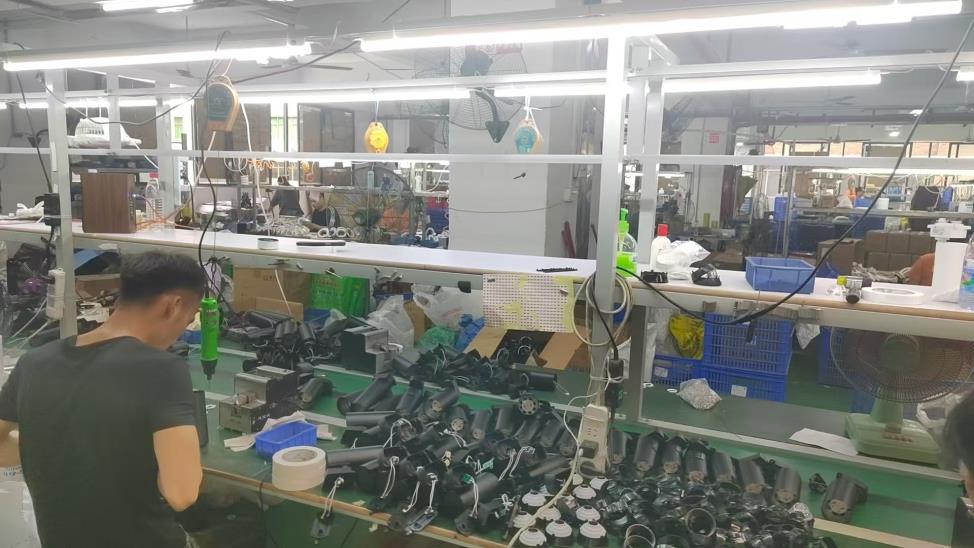
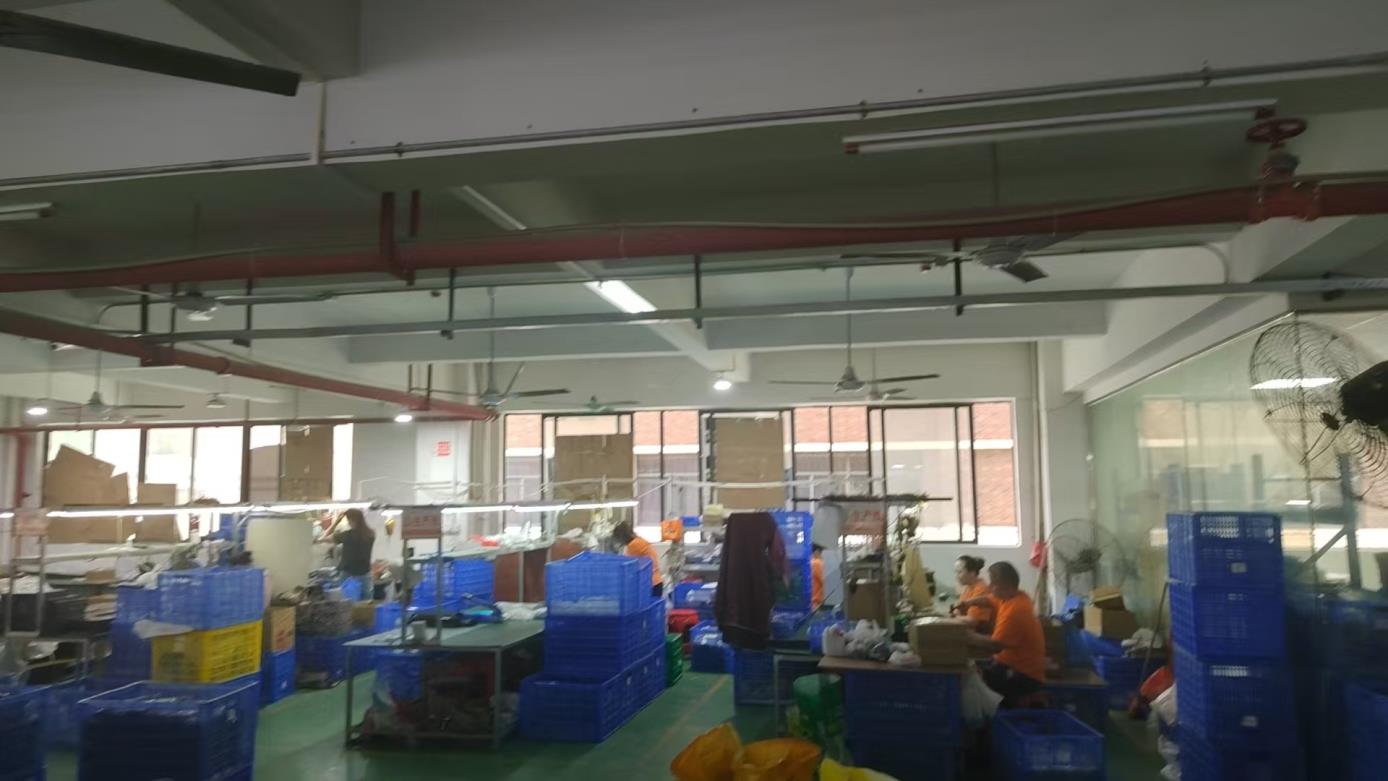
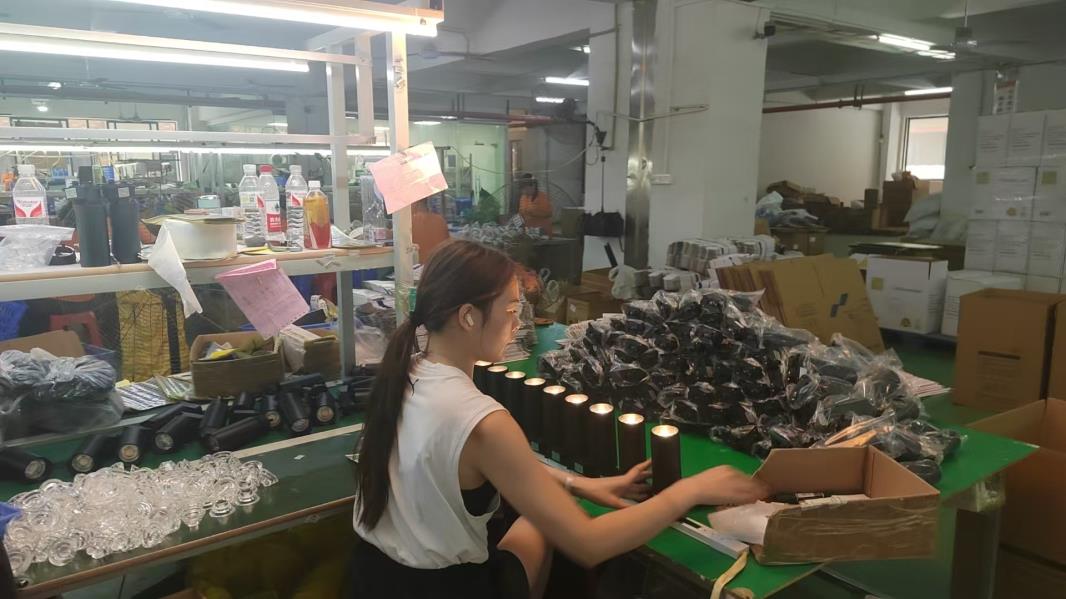
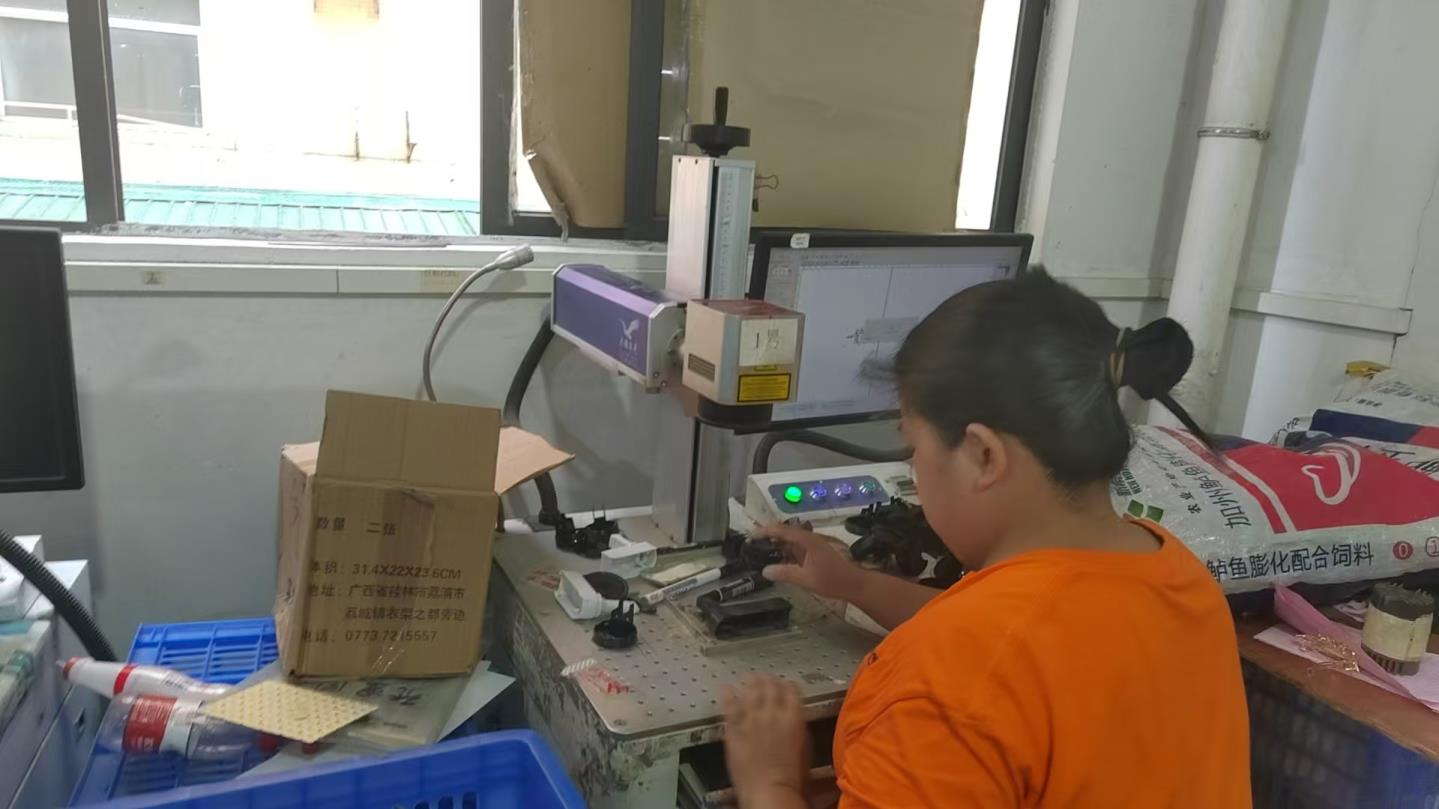
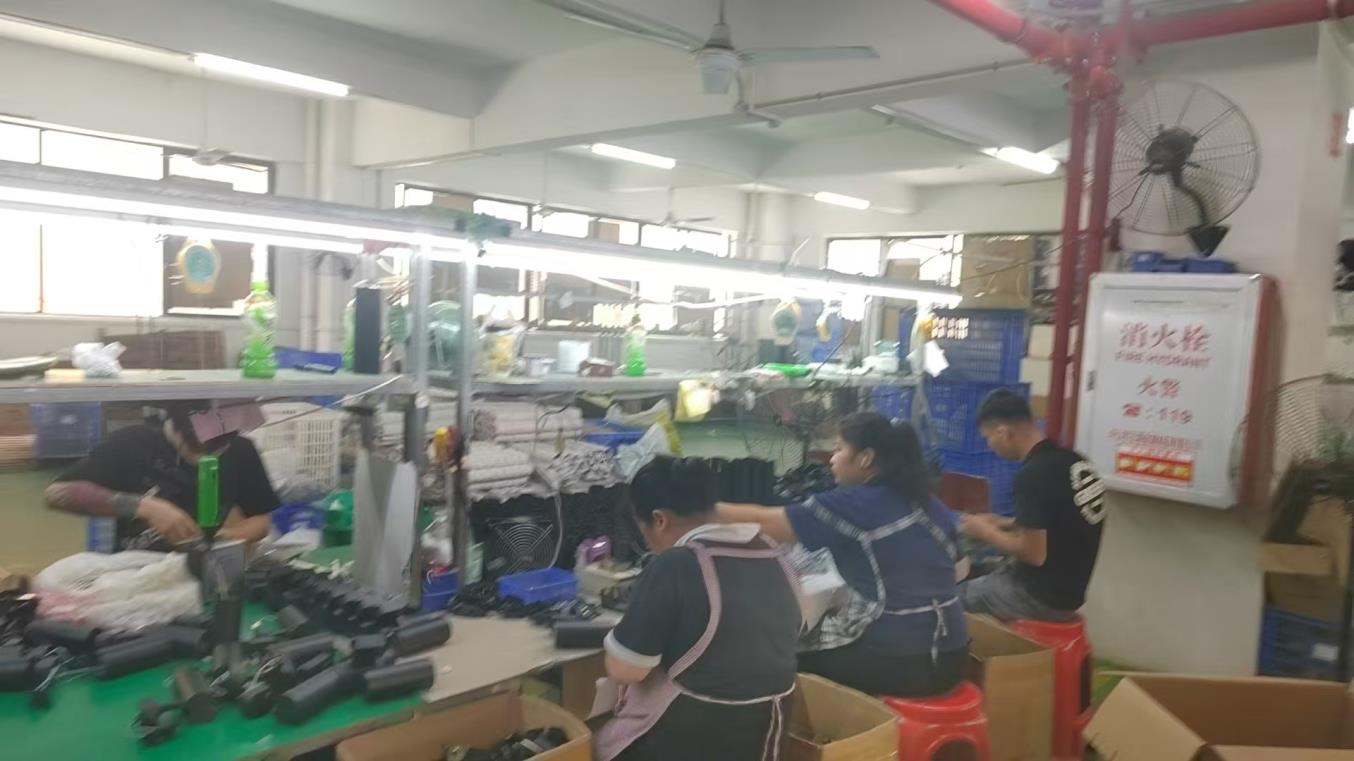
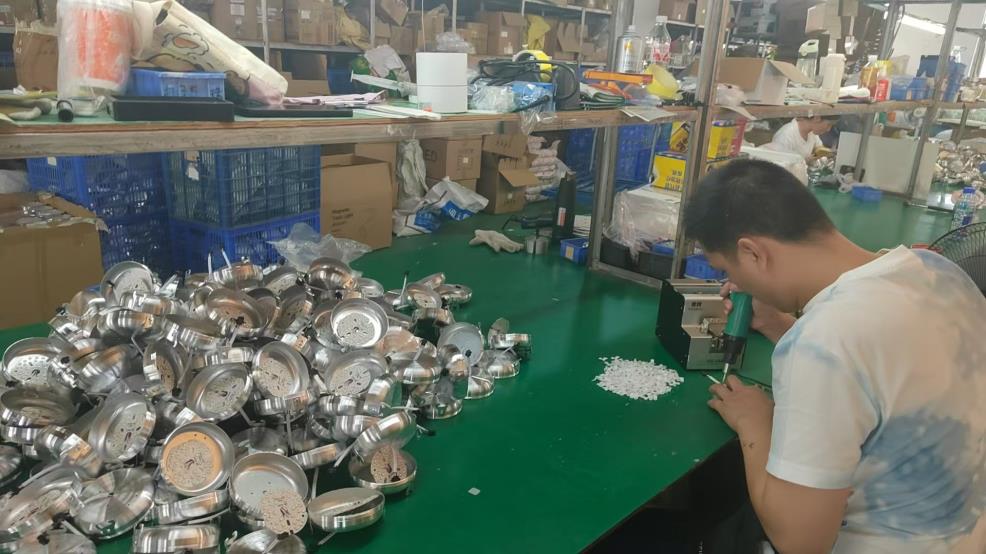
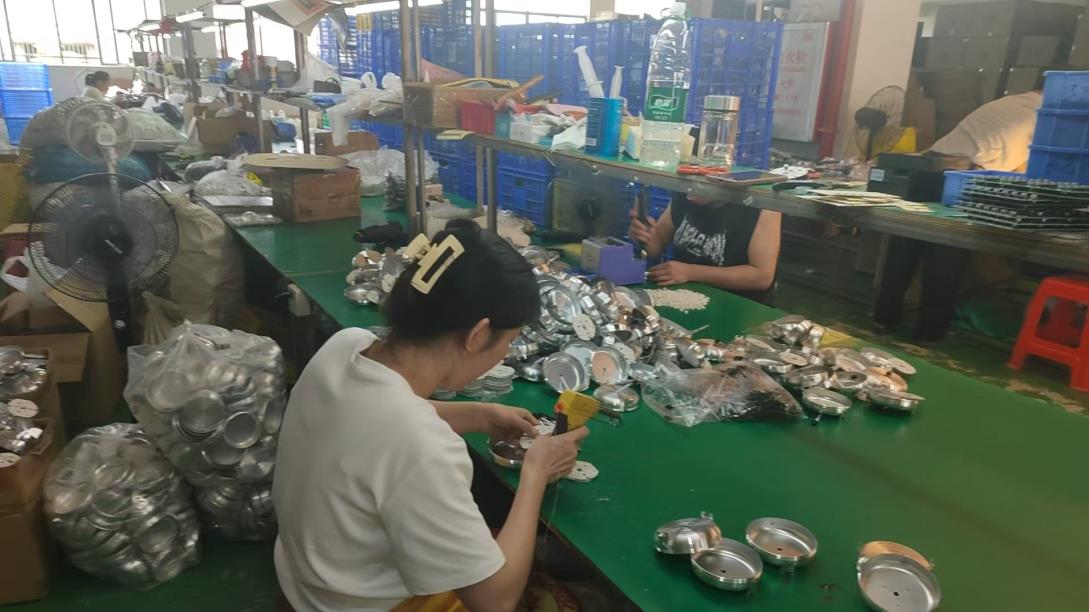
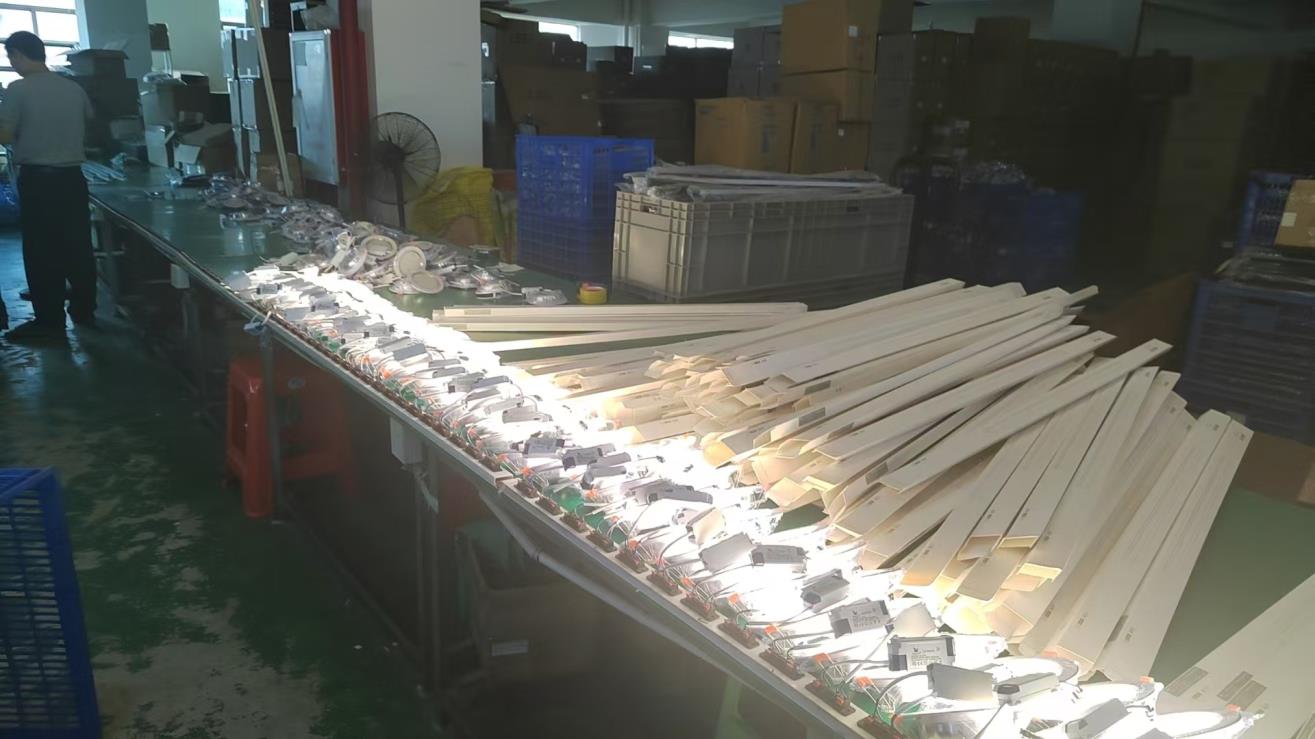
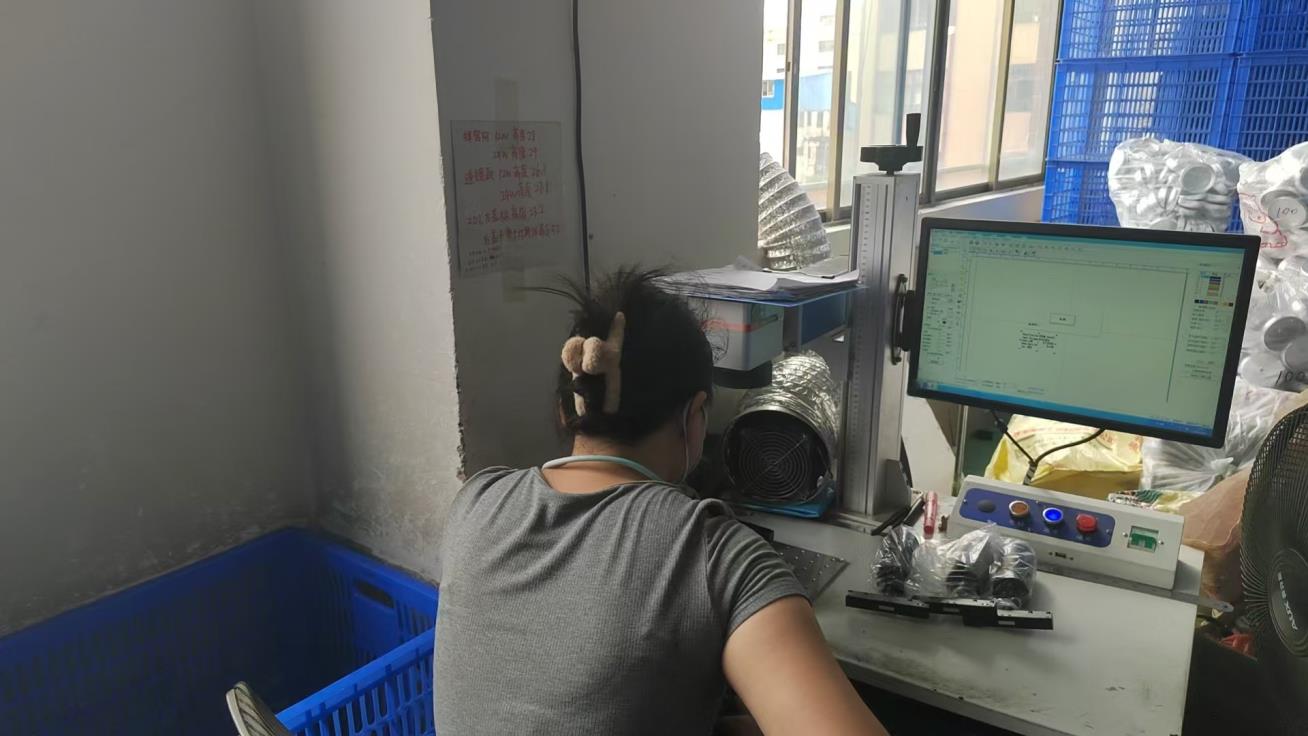
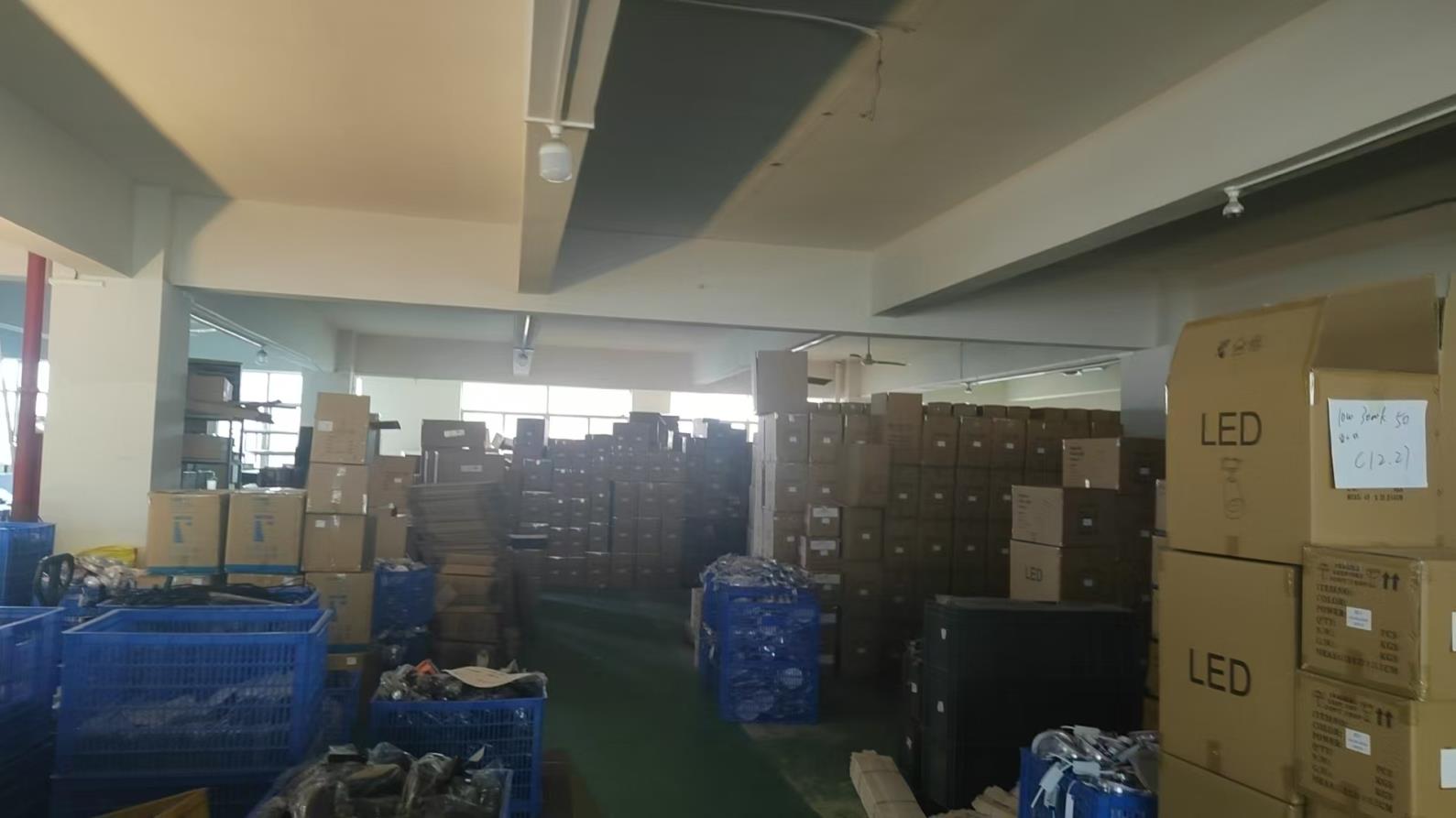
A photographic breakdown of our quality control verification, testing protocols, assembly precision, and logistics staging.
Key design developments and optical innovations for next-generation architectural projects.
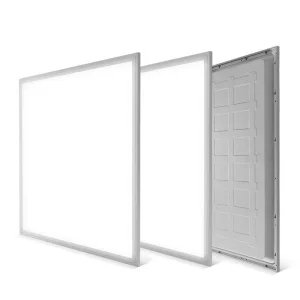
Historically, edge-lit panels dominated due to their thin profiles. However, next-generation back-lit LED panels are gaining market share. By placing light sources directly behind the diffuser, they eliminate light guide plates, which reduces weight, increases efficiency to over 140 lm/W, and prevents the edge-yellowing common in cheaper PMMA substitutes.
Panel lights are increasingly integrated into building automation systems. Incorporating Tuya, Zigbee, DALI-2, or Bluetooth Mesh protocols allows operators to adjust illumination levels based on daylight harvesting sensors, occupancy triggers, and time-of-day automation schedules.
To align with circular economy frameworks, manufacturers are shifting toward modular designs. Using recyclable aluminum housings and easily replaceable, clip-in LED drivers allows facilities to repair or upgrade components rather than discarding the entire fixture.
A practical checklist for engineers, project developers, and procurement managers to mitigate import risks.
When sourcing LED panel lights from international factories, verifying certification compliance is critical. For the North American market, UL, ETL, and Energy Star or DLC listing are required for insurance and local utility rebate eligibility. In Europe, CE marking, RoHS compliance, and compliance with the latest ErP directive are mandatory. Procurement agents should request official test reports from accredited third-party laboratories rather than relying on self-declarations.
Additionally, evaluating the total cost of ownership (TCO) requires assessing the quality of internal components. Drivers are typically the first component to fail in solid-state luminaires. Choosing premium driver brands like LIFUD or MeanWell with a high power factor (PF >0.90) and low total harmonic distortion (THD <15%) helps protect building grids from electrical noise and ensures long-term operational stability.
Detailed answers to technical and logistical questions from global buyers and engineers.
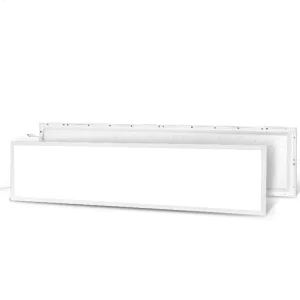
Edge-lit panel lights position the LEDs around the inner frame, using a light guide plate (LGP) to direct light downward. This design allows for a very thin profile, but requires high-quality LGP materials (like PMMA) to prevent yellowing over time.
Back-lit panel lights place the LEDs directly behind the diffuser. This design eliminates the need for an LGP, which reduces cost and weight while providing higher luminous efficacy (lm/W). However, back-lit panels are typically thicker to allow for proper light mixing and avoid hotspots.
CCT-selectable panels feature a physical switch or digital controller on the driver, allowing installers to select between different color temperatures (typically 3000K, 4000K, and 6000K) prior to final installation.
This versatility allows distributors to reduce inventory overhead by stocking a single SKU that meets multiple user preferences, while giving installers the flexibility to adjust light settings based on site requirements.
The driver regulates the power supply to the LEDs. Cheap drivers often exhibit high output ripple, which causes visible or stroboscopic flicker that can lead to headaches and eye strain.
High-quality drivers, such as LIFUD or other certified brands, provide stable current, high power factor (PF > 0.9), and protection against voltage surges. This ensures consistent performance and minimizes maintenance costs over the lifetime of the installation.
UGR stands for Unified Glare Rating, an approximate measure of the glare from luminaires in an indoor environment. European and US standards (such as EN 12464-1) specify a UGR limit of 19 or lower for office work spaces.
Panels designed with micro-prismatic diffusers control the angle of light emission, redirecting it downward to minimize direct glare. This helps improve employee comfort and focus during long working hours.
Our OEM/ODM services include custom dimension configurations (such as 600x600, 300x1200, or 620x620), customized power consumption levels (27W to 60W), integration of smart controls (DALI, Zigbee, 1-10V dimming), and specialized mounting hardware for recessed, surface, or suspended installation.
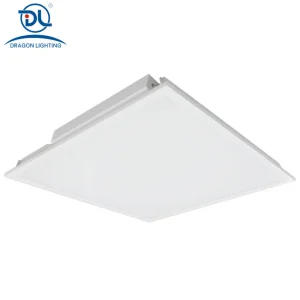
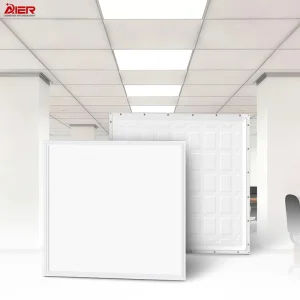
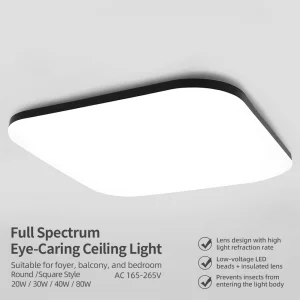
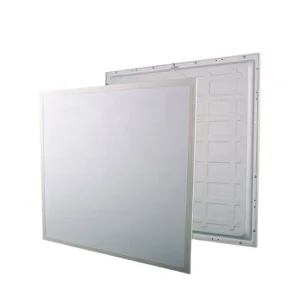
Complementary products featuring specialized footprints, edge designs, mounting trims, and smart configurations.
 Pina Light