Pina Light
Global Pendant Lighting Market Analysis: Industrial Status & Demands
An in-depth guide to modern B2B luminaire procurement, supply chain efficiency, and structural trends.
The global commercial and residential architectural landscape is witnessing an unprecedented transformation. High-performance pendant lighting systems have evolved from decorative accents into critical components of smart build-out strategies. As governments enforce tighter energy efficiency standards (such as the EU Ecodesign Directive and North American DLC Premium standards), the global demand for LED-integrated hanging lights has reached new heights.
1. The Architectural Shift Towards Smart & Biophilic Hanging Solutions
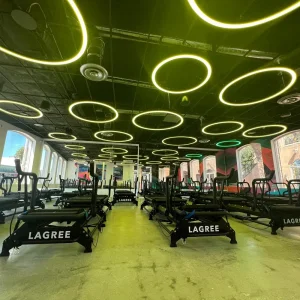
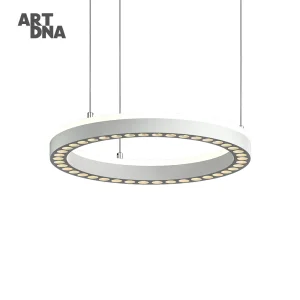
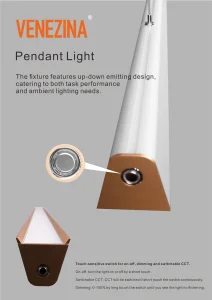
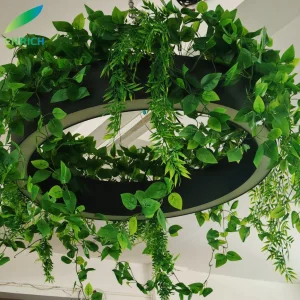
Contemporary corporate workspaces, hotels, and educational campuses are redefining interior lighting. Specifiers are targeting products that support human-centric lighting (HCL) protocols, such as tunable White CCT and localized dimming, which mimic natural daylight cycles to improve employee wellbeing and productivity. Concurrently, biophilic design elements—such as integrating simulated greenery with high-efficiency circular LED profiles—allow developers to register projects for LEED or WELL building certifications.
2. Unveiling China’s Manufacturing Clusters & Sourcing Efficiencies
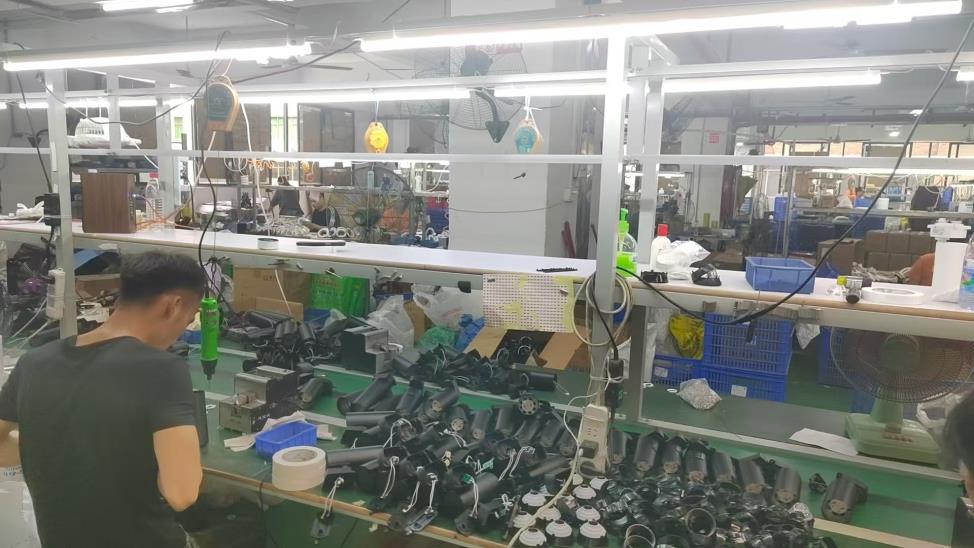
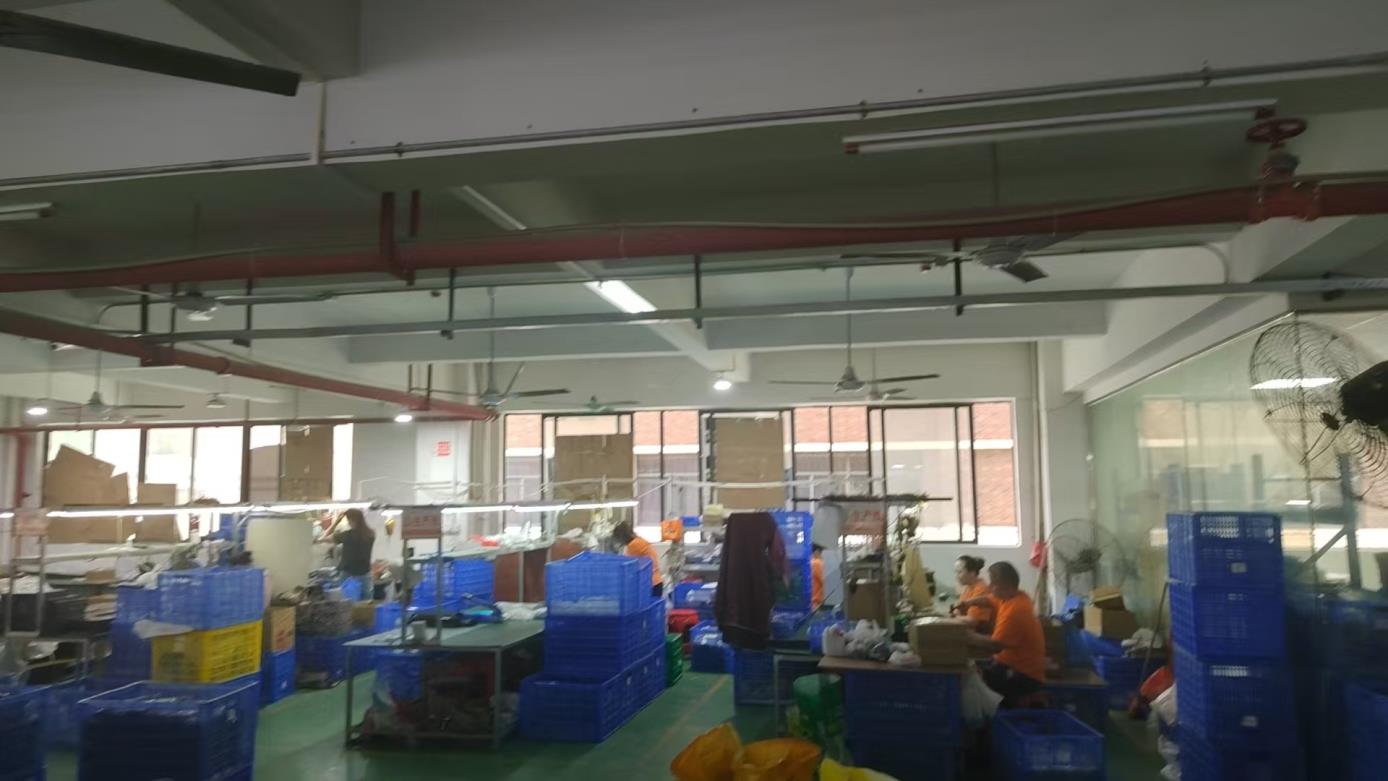
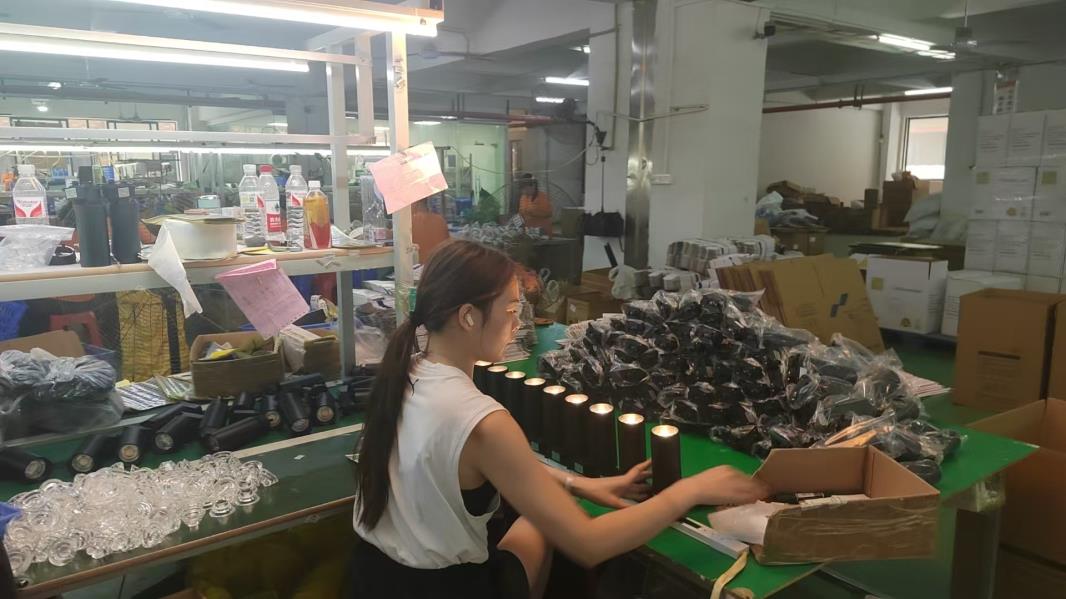
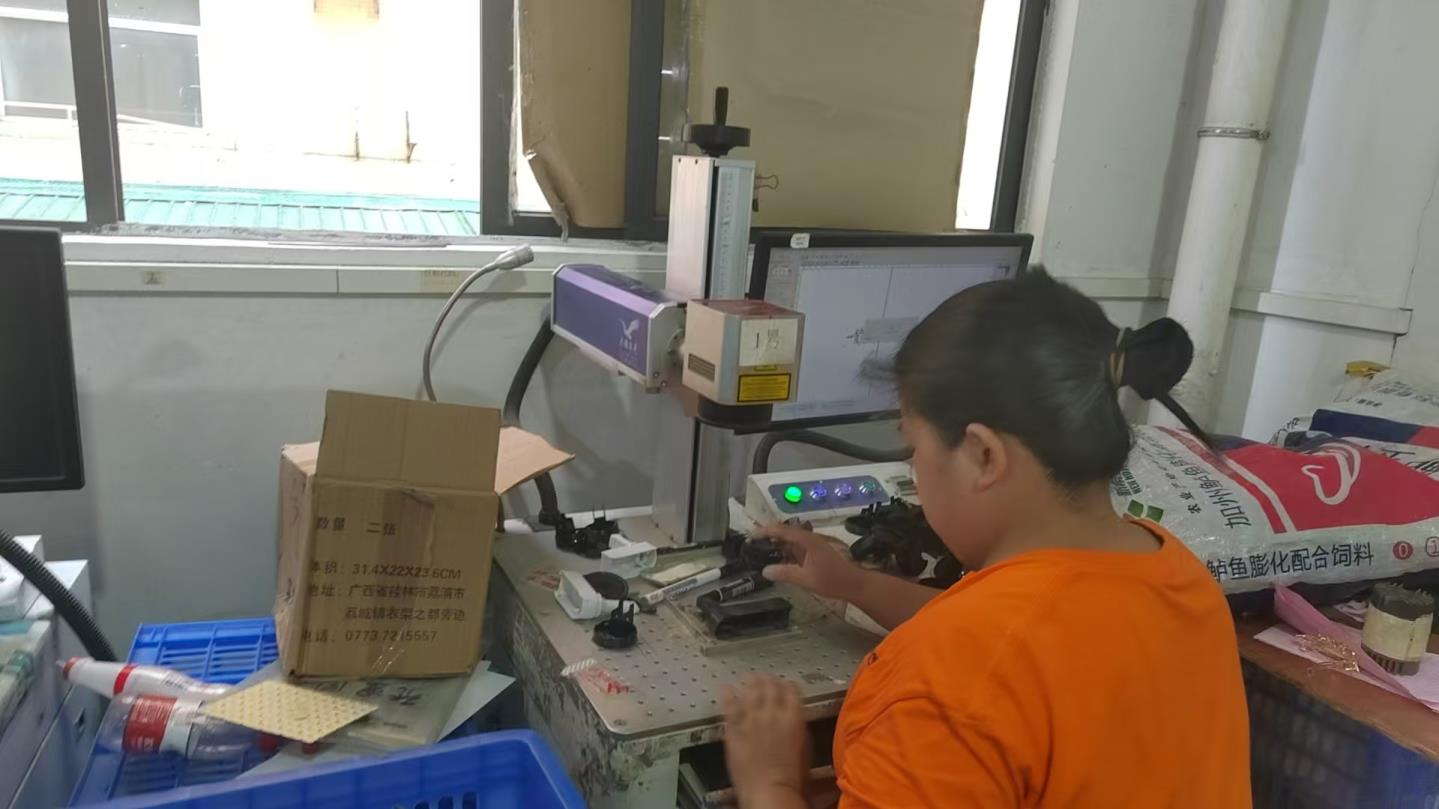
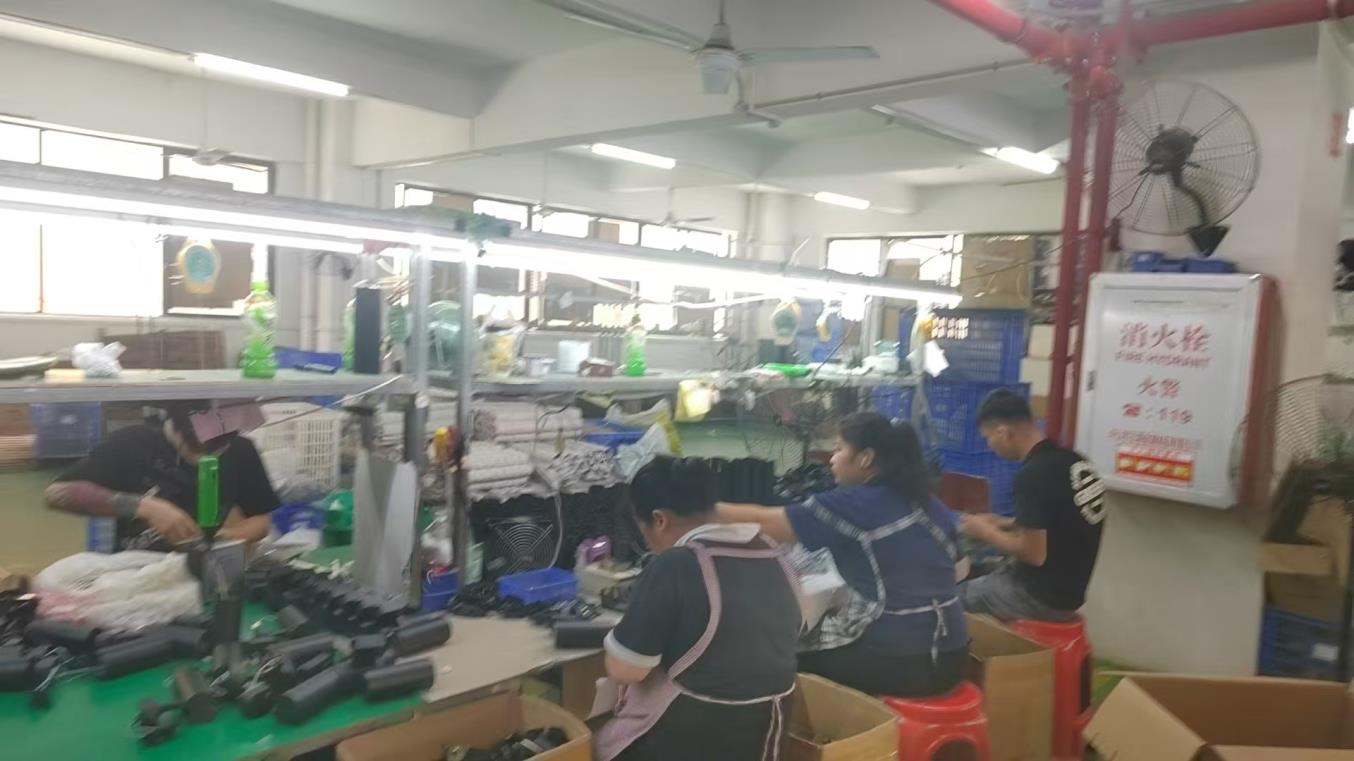
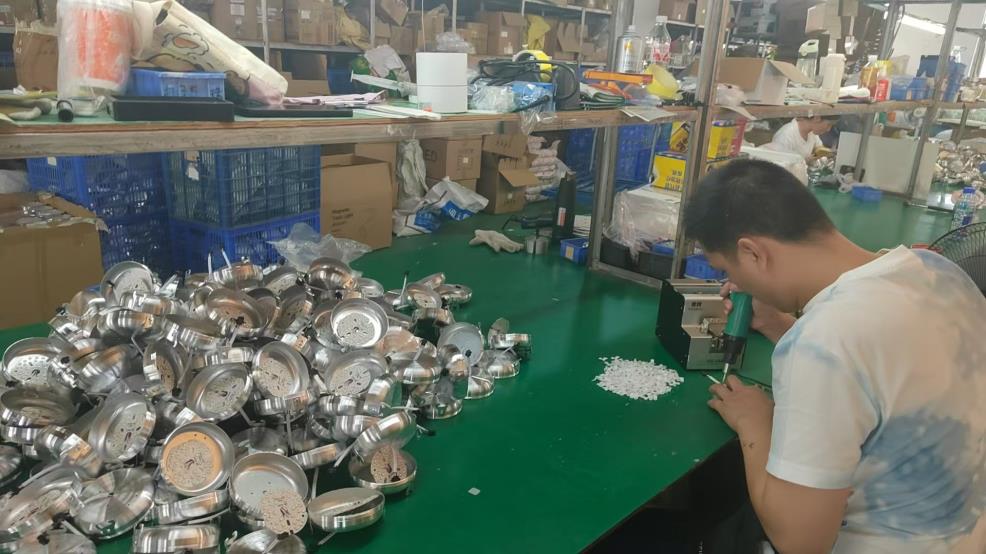
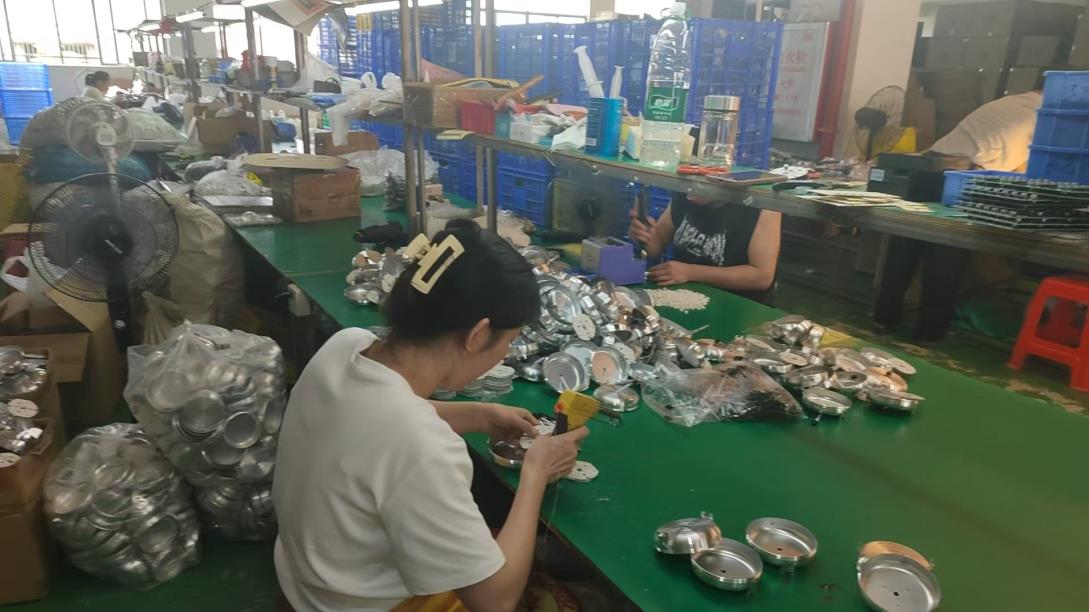
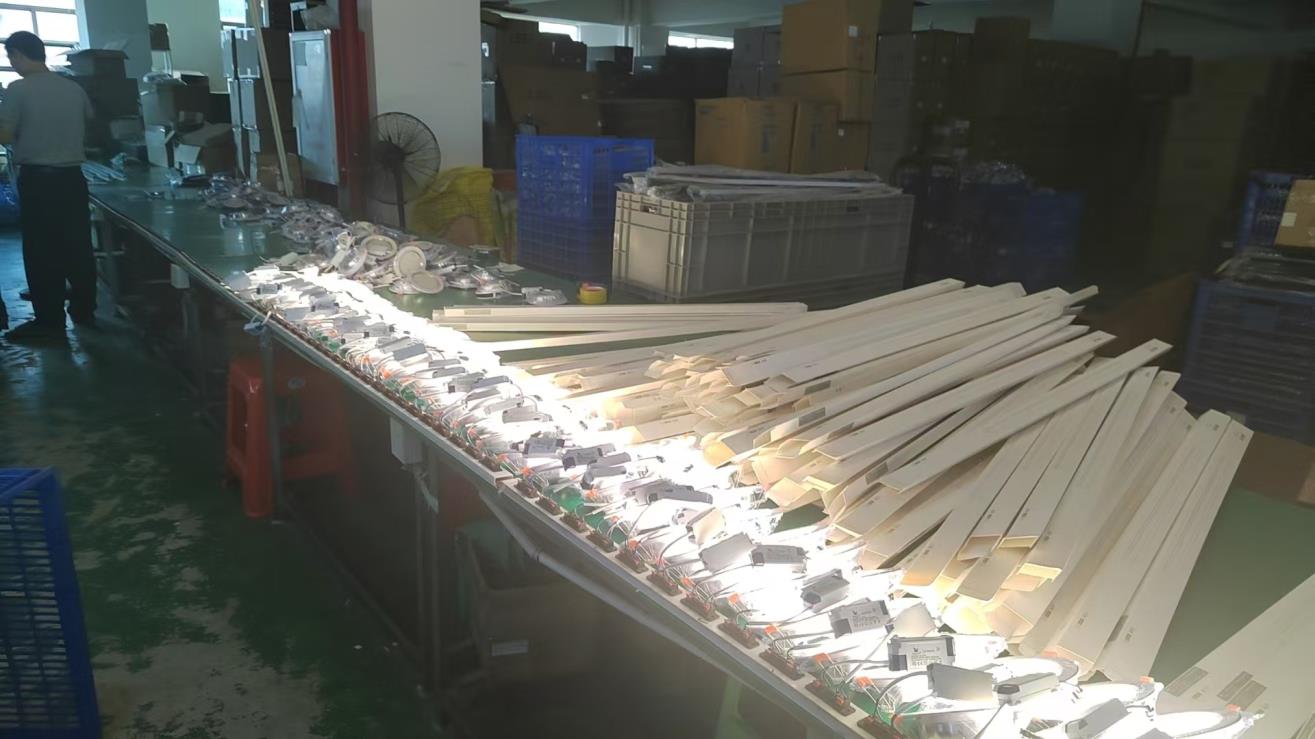
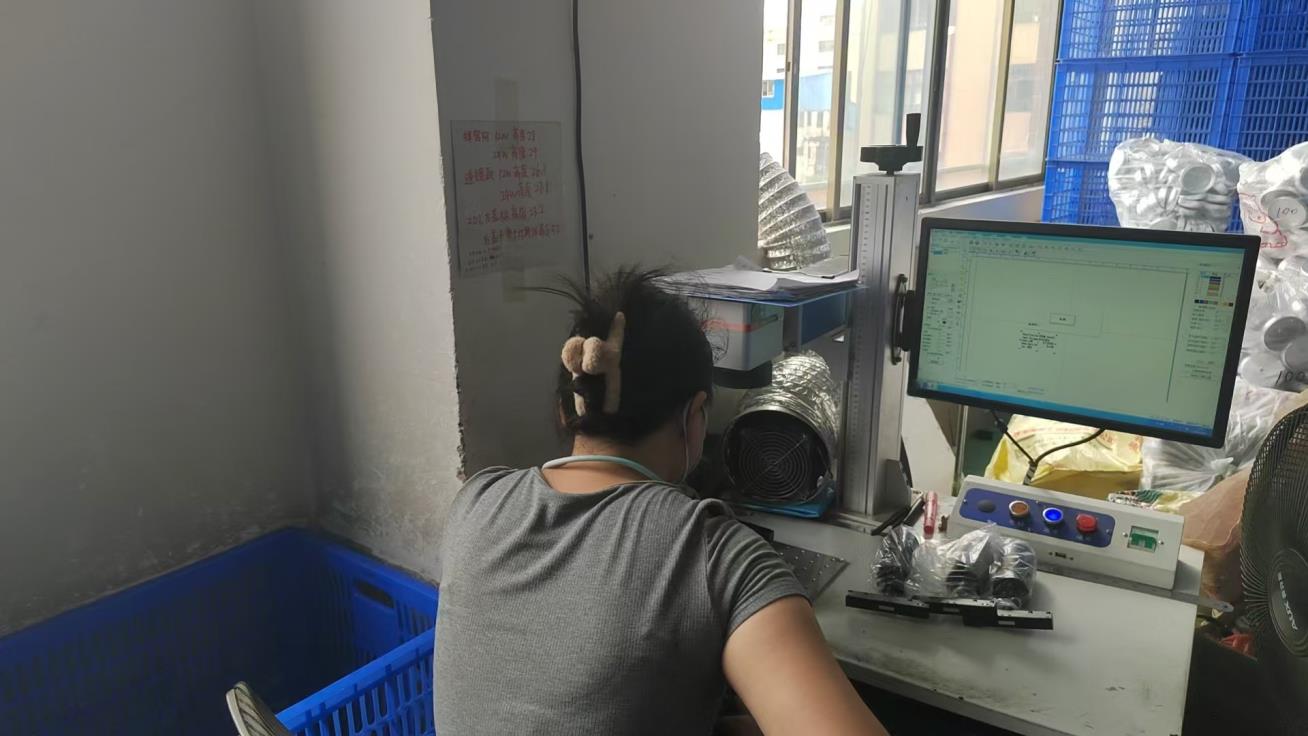
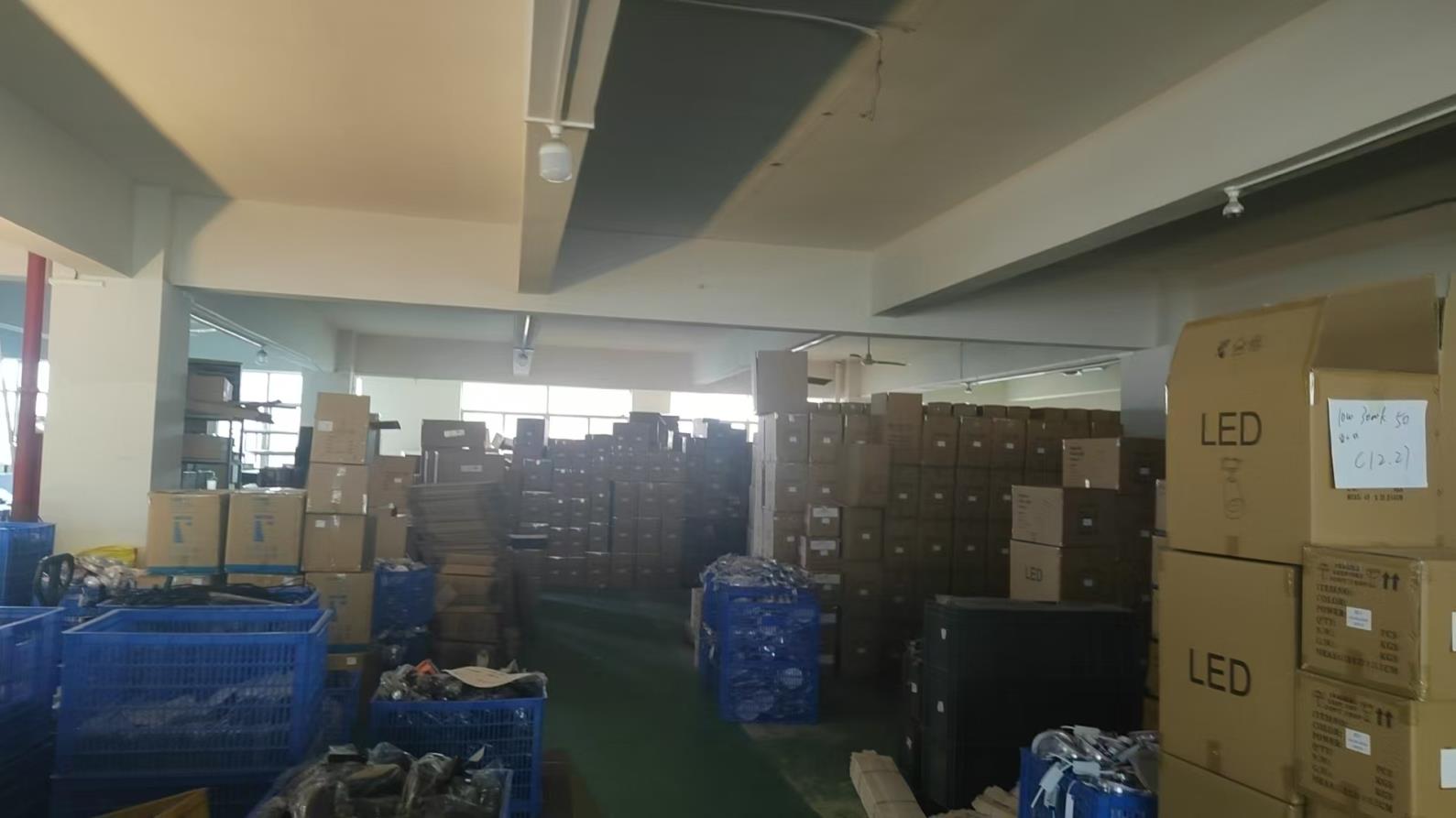
Why do top-tier global contractors, lighting designers, and distribution agencies prefer Chinese OEM/ODM lighting manufacturers? The answer lies in the highly localized industrial ecosystem. Clusters like the Yangtze River Delta (centered around Hangzhou and Ningbo) house dense vertical networks of chip packaging centers, driver manufacturers, high-precision metal extrusion workshops, and accredited testing laboratories.
This concentration allows manufacturers like Hangzhou Pina Light Co., Ltd. to fast-track prototype design, quickly scale production, and implement sophisticated thermal modeling simulations. The result is rapid turnarounds on custom orders and unbeatable value compared to fragmented Western sourcing chains.