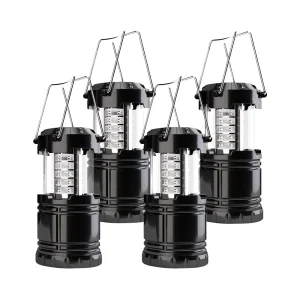
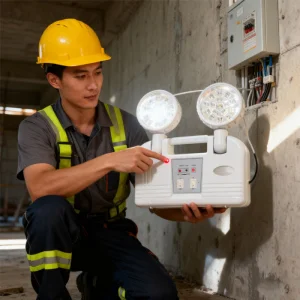
As the international manufacturing sector transitions toward automated, resilient, and energy-conscious infrastructures, the role of a premier emergency lights exporter expands far beyond basic commercial distribution. Emergency lighting is a core safety pillar integrated within modern building management systems, critical infrastructure frameworks, and industrial operations. Over the past decade, rapid urbanization, tightening municipal building safety codes, and safety standards globally have significantly transformed user search intent and technical requirements within this vertical.
To succeed in today's market, emergency lights exporters must recognize that clients are not simply searching for generic illumination fixtures. Procurement managers, electrical contractors, and municipal planners seek complex, modular hardware configurations that integrate seamlessly with smart grids, fire detection systems, and hazardous environment criteria. This shifting dynamic has driven the research and deployment of high-efficiency solid-state LED systems, decentralized battery backups, and IoT-enabled remote monitoring platforms.
Requires scalable, aesthetically versatile solutions with integrated self-testing microcontrollers, satisfying standard codes like NFPA 101 and EN 1838. Long-term reliability and low visual disruption are key parameters.
Must withstand severe ambient conditions, moisture, chemical vapor, and physical impacts. Key metrics include high-grade IP ratings (IP65, IP66, and IP68) and corrosion-resistant enclosures.
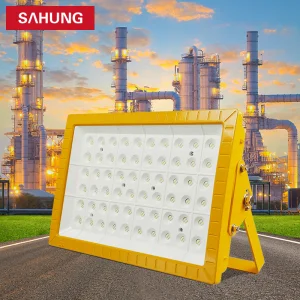
Demands strict flame-proof construction, heavy-duty explosion-proof certifications (such as ATEX / IECEx), and failsafe operations to protect human life in volatile atmospheric regions.
As a global exporter, the structural safety of emergency lights is determined by rigorous alignment with international electrical standards. Compliance defines market entry capability. Each geopolitical region enforces unique compliance directives to ensure that electrical systems do not become ignition hazards during emergency evacuation situations.
Our focus on E-E-A-T (Experience, Expertise, Authoritativeness, and Trustworthiness) requires a thorough detailing of these international frameworks:
Essential for the North American market. Dictates the construction, performance, and testing specifications of emergency lighting and power equipment, mandating 90 minutes of continuous runtime upon AC power loss.
Crucial for hazardous, explosive environments (chemical plants, oil refineries, mining). Governs ignition-proofing of electrical circuits, ensuring that structural enclosures can contain internal sparks.
Controls commercial supply within the European Economic Area. Outlines the specific photometrical requirements, escape route illumination levels, and color rendering indices (CRI) required for public pathways.
Ingress Protection (such as IP65, IP66, and IP68) verifies resistance to dust, high-velocity water jets, and complete immersion, guaranteeing system integrity in outdoor or highly humid environments.
Furthermore, modern environmental directives including **RoHS (Restriction of Hazardous Substances)** and **WEEE** require exporters to eliminate toxic elements like lead, mercury, and cadmium from circuitry. This transition has accelerated the research of clean battery chemistries and recyclable thermoplastic casings, cementing a cleaner, more sustainable supply chain.
At Hangzhou Pina Light Co., Ltd., we understand that standard catalog solutions do not always meet complex architectural designs or specific industrial challenges. We offer robust and flexible OEM and ODM services, catering to lighting brands, developers, contractors, and national distributors who require bespoke product variations designed from the ground up.
Design of tailored battery management systems (BMS). We transition designs from traditional Lead-Acid and Nickel-Cadmium (Ni-Cd) cells to highly efficient Lithium Iron Phosphate (LiFePO4) arrays, optimization of volumetric efficiency and temperature tolerance.
Our engineering team designs customized reflector assemblies, wide-angle lens arrays, and specialized light distribution curves (Type I to V) to maximize spacing between emergency fixtures, minimizing installation costs.
Production of high-durability enclosures ranging from marine-grade die-cast aluminum alloys to impact-resistant polycarbonate housings with V-0 flame-retardant certification, designed to resist harsh external stress.
Reliable emergency lighting depends on rigid production consistency. Below is a comprehensive look inside the assembly, testing, and distribution phases at Hangzhou Pina Light Co., Ltd. Every stage of manufacturing undergoes stringent auditing to align with global safety standards and supply chain expectations.
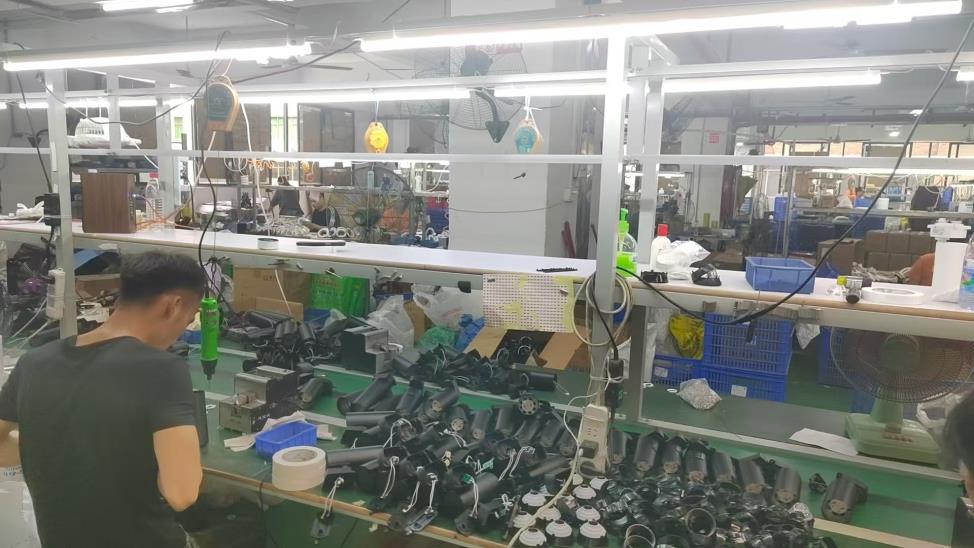
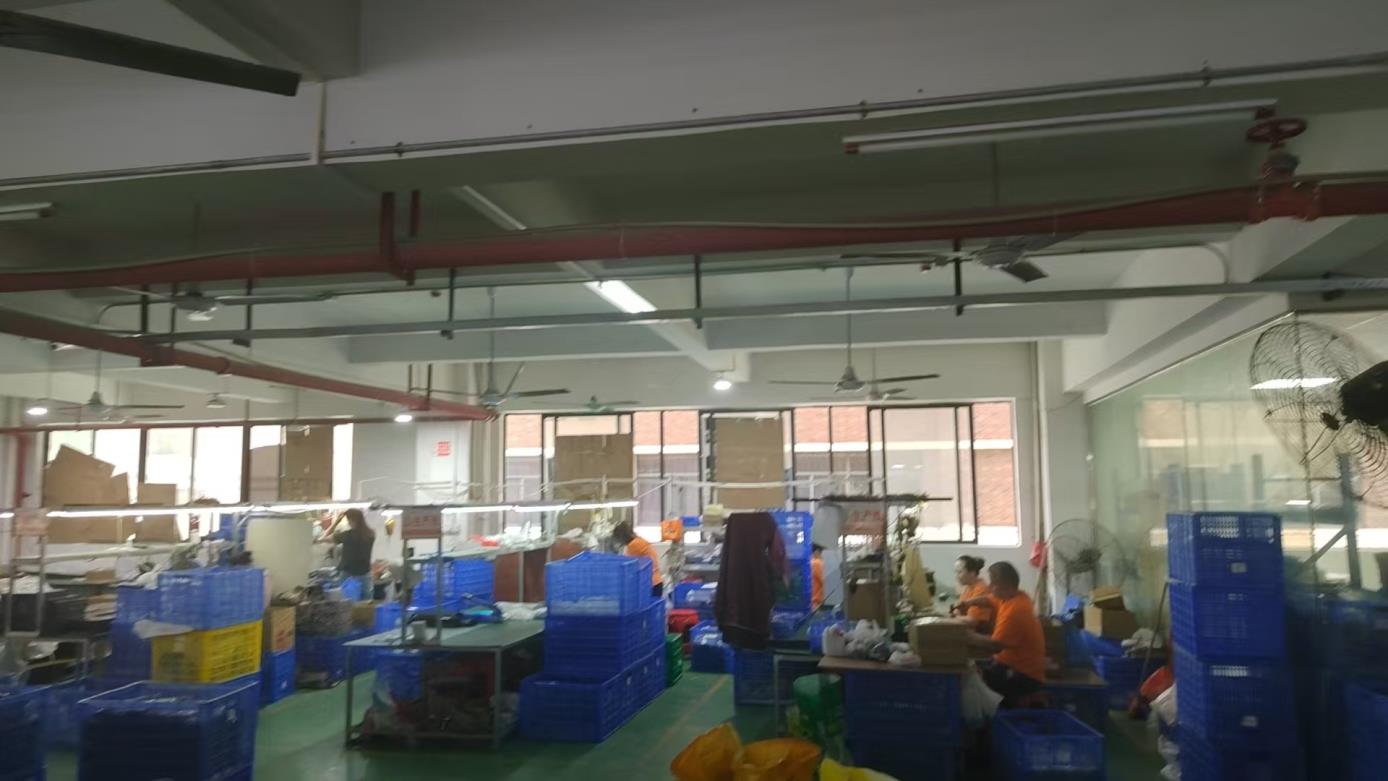
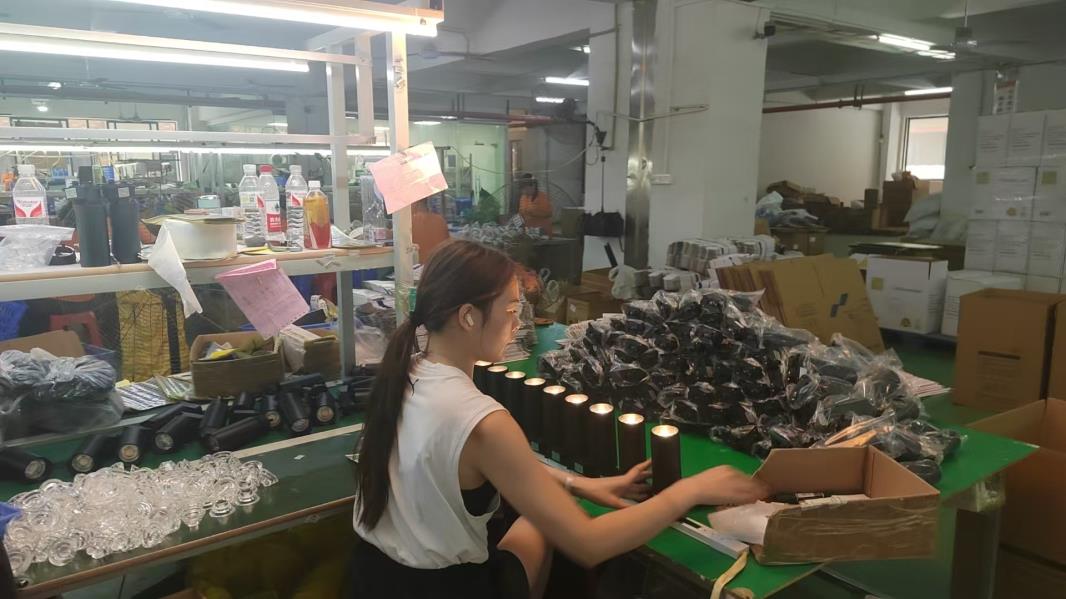
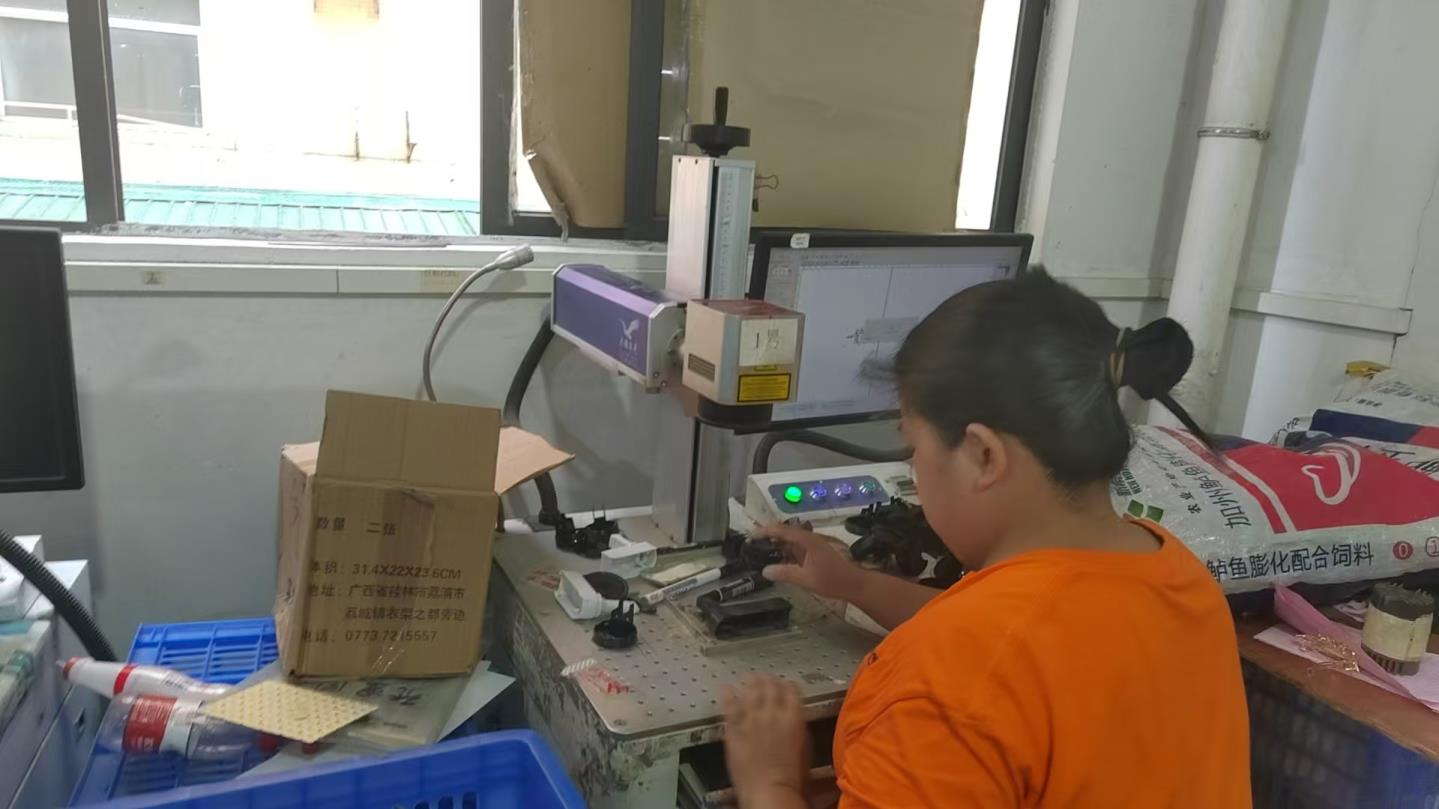
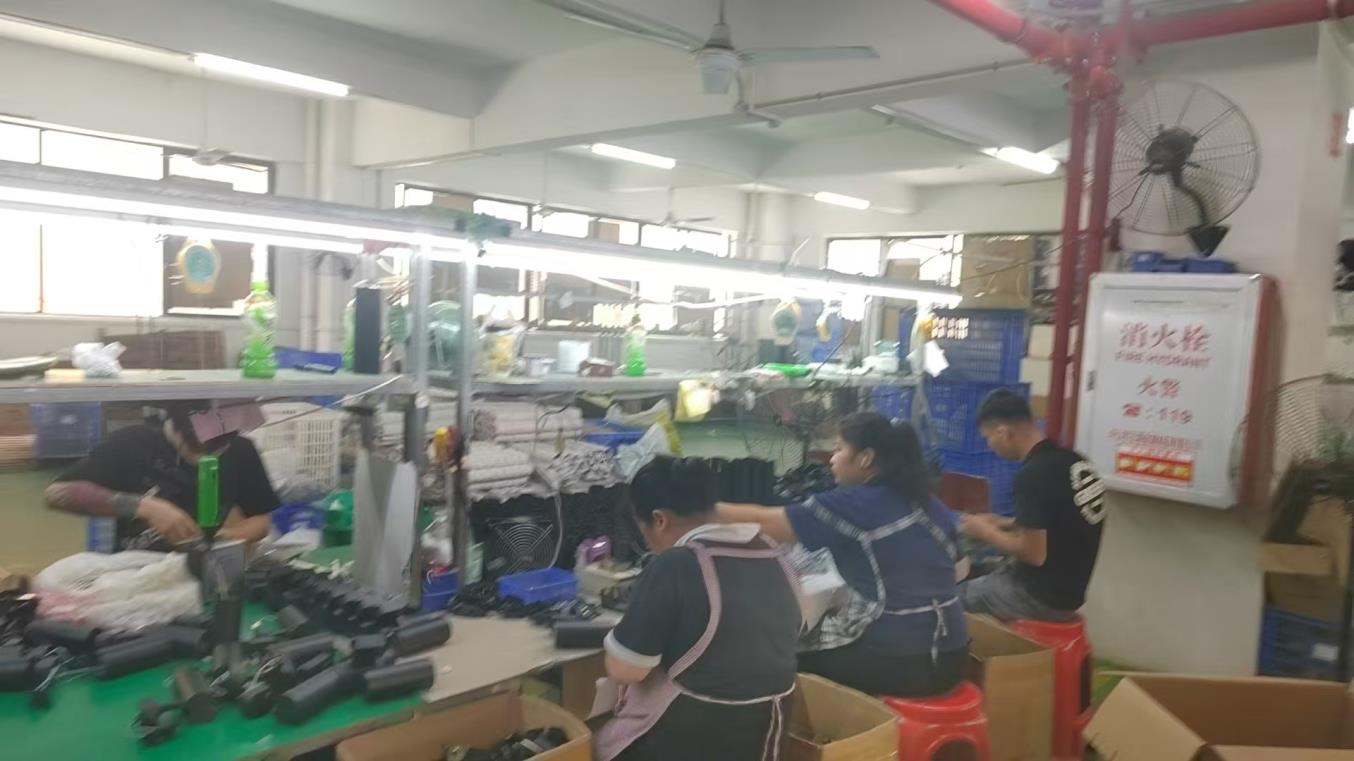
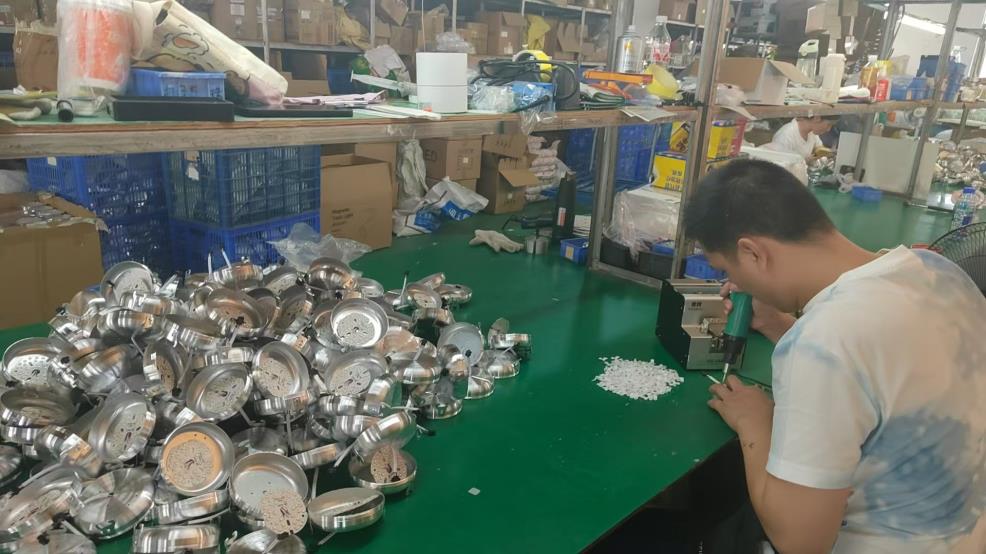
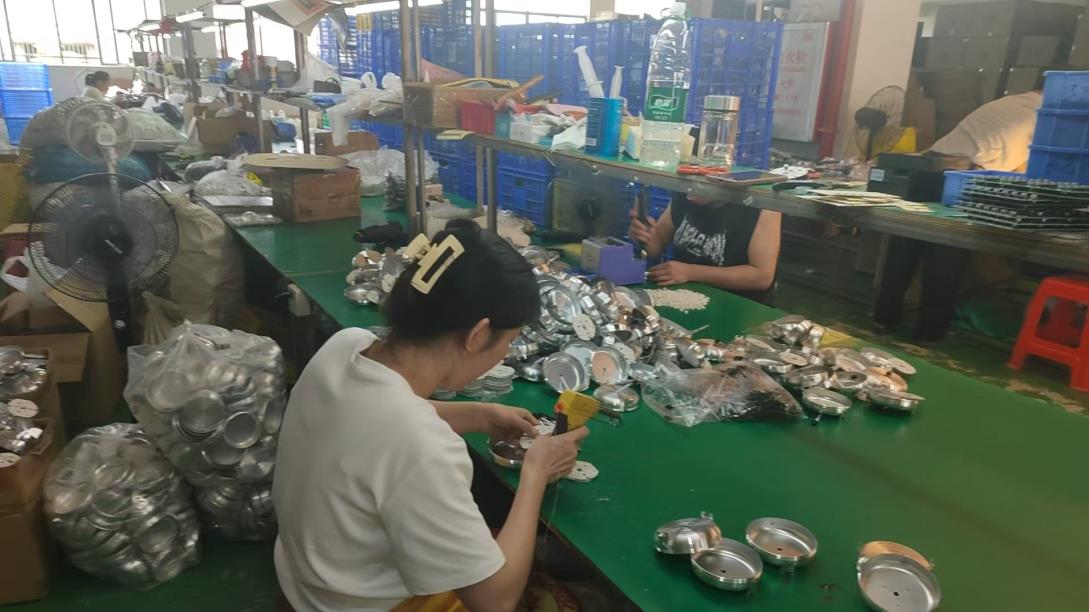
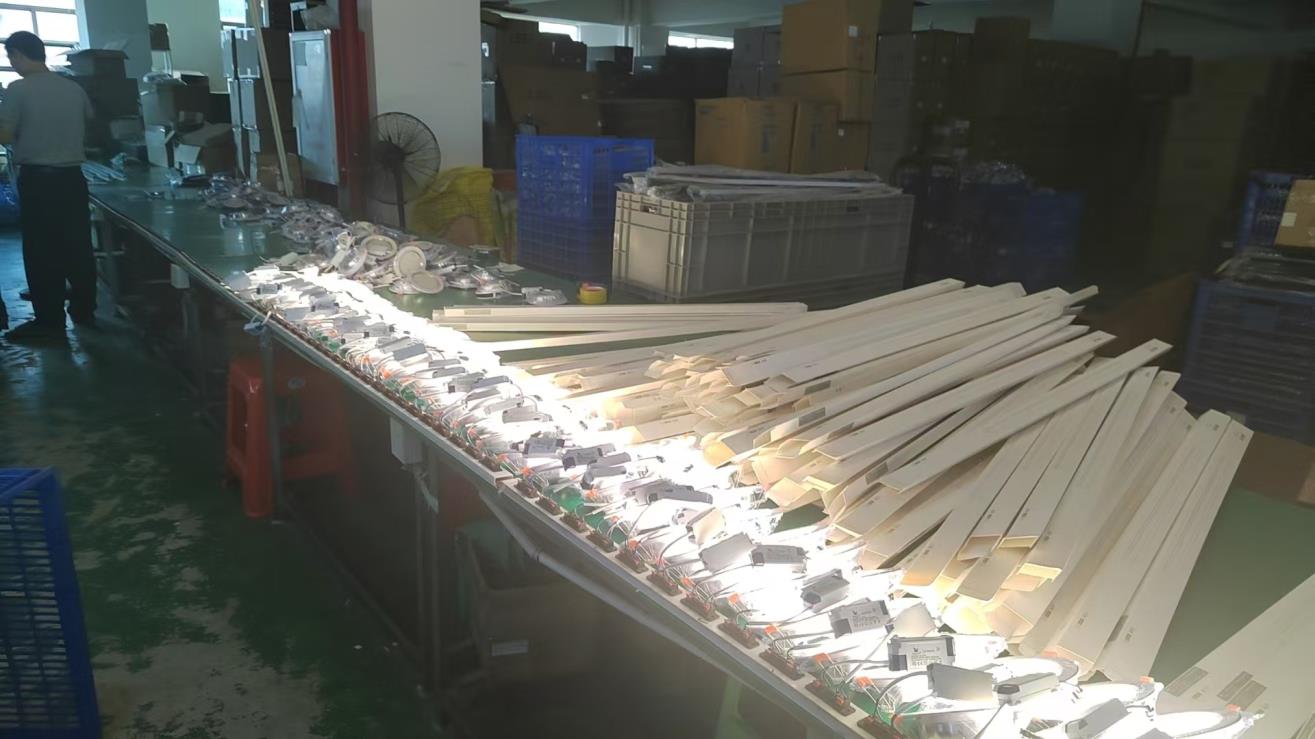
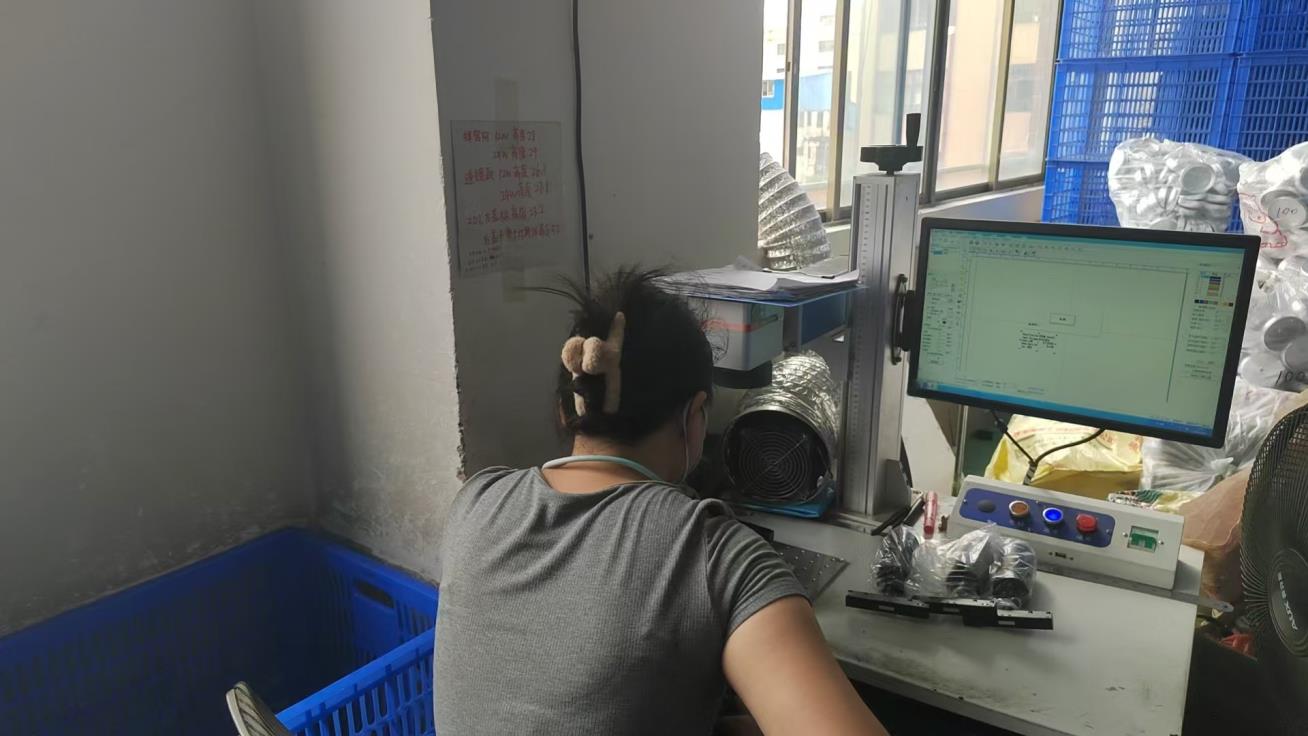
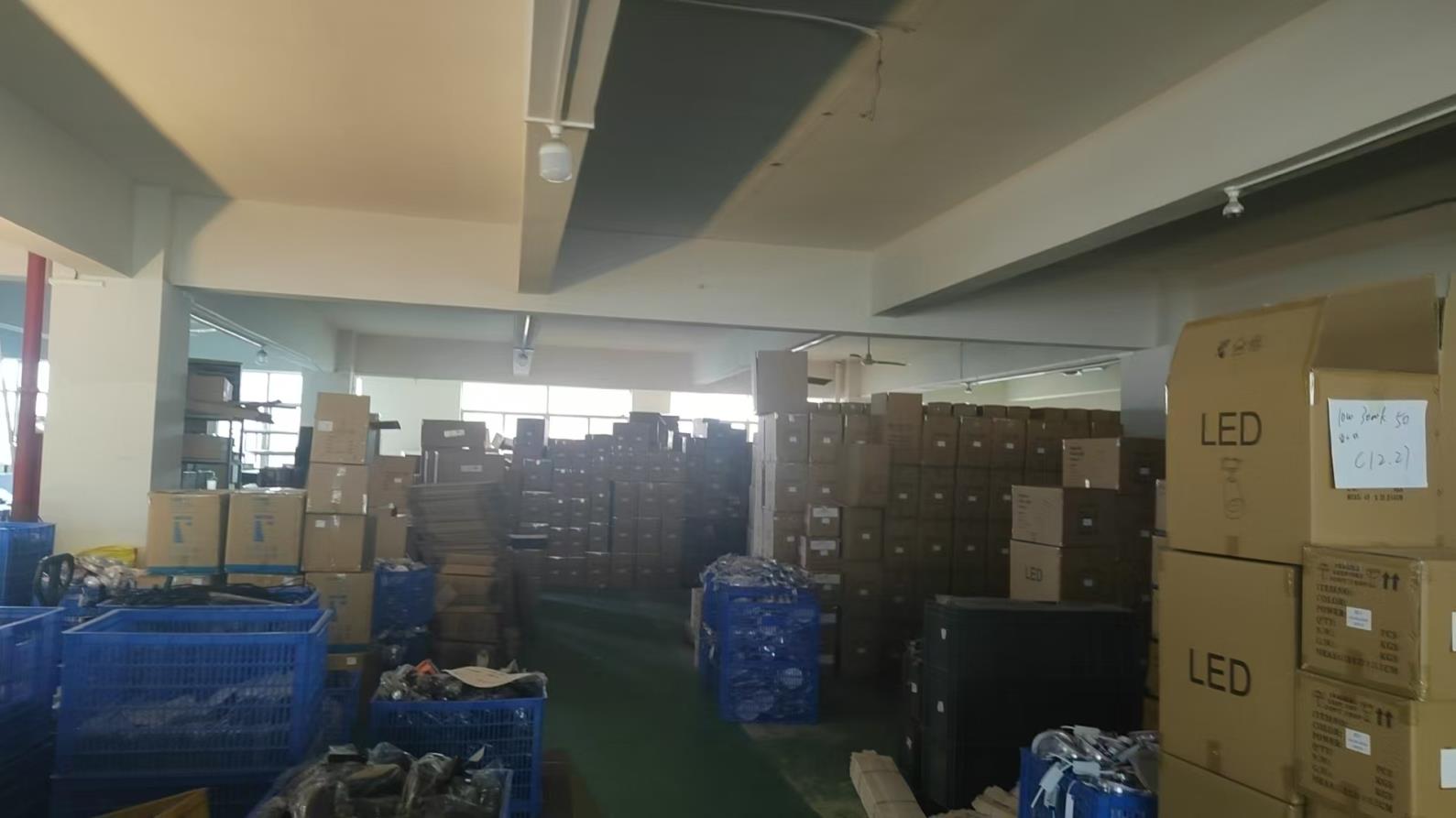
Our QC protocols include 100% burn-in aging tests, photometric distribution mapping, temperature cycle chambers, and water-ingress testing pools. This robust oversight guarantees zero-defect shipments, keeping your projects safe and regulatory audits completely clean.
A reliable emergency light is a critical defensive system that operates under various physical situations. Different environments present distinct hazards that dictate structural and functional engineering parameters.
Volatile compounds and corrosive atmospheres require copper-free aluminum alloy structures and toughened glass covers. Dust-ignition and explosion-proof certifications keep operations running without risking static-discharge disasters.
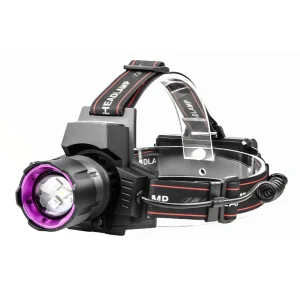
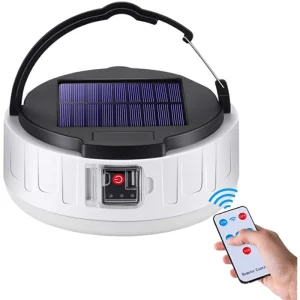
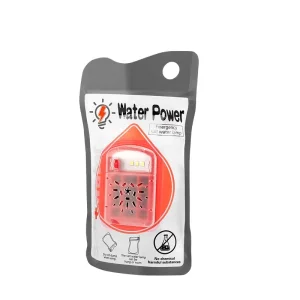
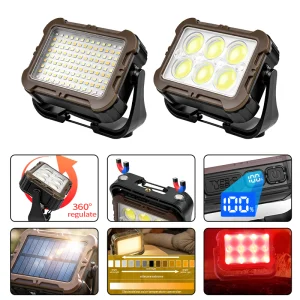
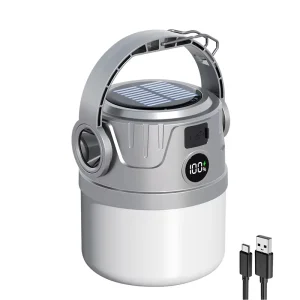
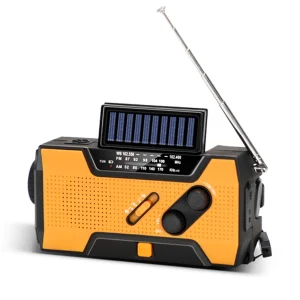
Field emergencies require rugged, high-output portable lights with alternative power generation, such as integrated solar panels or salt-water activated batteries, ensuring emergency lighting during extended utility blackouts.
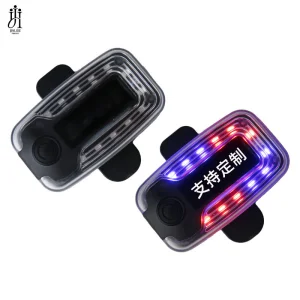
Requires lightweight, vibration-tested warning lights conforming to EN13164 guidelines, featuring red/blue strobing signaling, strong magnetic bases, and robust power integrations to guide responders under low-visibility conditions.
The global emergency lighting sector is evolving from passive fixtures to active, data-driven safety systems. Looking ahead, emergency lights exporters must align their portfolios with upcoming digital frameworks.
By integrating LoRaWAN, Zigbee, or Bluetooth Mesh protocols directly into LED drivers, emergency lights can communicate diagnostic reports, system alerts, and battery health profiles to centrally located building management software, reducing manual testing costs.
Incorporating thin-film photochemistry, solar harvesting modules, and high-efficiency solid-state thermal energy converters allows backup units to charge continuously from ambient indoor light, drastically decreasing overall grid-load dependencies.
Future systems will dynamically change exit-sign paths based on real-time fire detection metrics, routing evacuees away from active danger points using intelligent flashing paths and directional sound warning indicators.
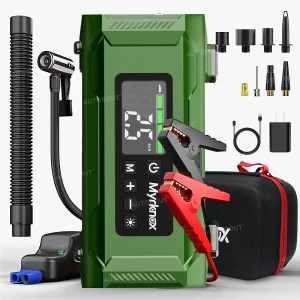
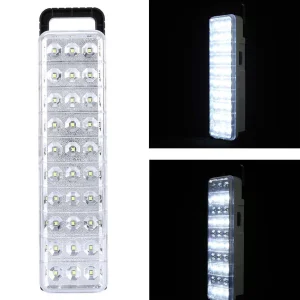
Hangzhou Pina Light Co., Ltd. is a professional manufacturer and exporter of innovative LED lighting solutions, headquartered in Hangzhou, China. With a strong manufacturing network and strategic partnerships across China, the company specializes in the design, development, production, and global distribution of high-quality lighting products for commercial, industrial, residential, and specialty applications.
Our core product portfolio includes LED grow lights, commercial lighting, warehouse and high-bay lighting, flood lights, street lights, area lighting, security lighting, retrofit solutions, and customized OEM/ODM lighting products. Leveraging advanced LED technology and intelligent lighting systems, Pina Light is committed to providing energy-efficient, environmentally friendly, and cost-effective solutions for customers worldwide.
Serving clients across North America, Europe, South America, the Middle East, Southeast Asia, and other international markets, our products are manufactured in accordance with strict international quality and safety standards. Many of our products carry globally recognized certifications such as CE, RoHS, FCC, ETL, UL, and other market-specific approvals, ensuring reliable performance and regulatory compliance.
At Hangzhou Pina Light, innovation is at the heart of our business. Our experienced engineering and R&D teams continuously develop new products and improve existing technologies to meet evolving market demands. From product design and prototyping to mass production and quality assurance, every stage of the manufacturing process is carefully monitored to ensure superior quality, consistency, and long-term reliability.
With years of experience in the lighting industry, we have established an efficient supply chain and comprehensive quality management system that enable us to deliver competitive pricing, stable production capacity, and timely shipment schedules. Our dedicated quality control team conducts rigorous inspections throughout the production process, guaranteeing that every product meets customer expectations before leaving the factory.
In addition to our standard product range, we provide flexible OEM and ODM services for lighting brands, distributors, wholesalers, contractors, and project developers. Our team works closely with customers to create customized solutions tailored to specific technical requirements, market preferences, and branding needs.
Sustainability is an important part of our corporate philosophy. By promoting energy-saving LED technologies and environmentally responsible manufacturing practices, we help customers reduce energy consumption, lower operating costs, and contribute to a greener future.
Whether you are a lighting distributor, importer, contractor, project developer, horticultural grower, retailer, or OEM partner, Hangzhou Pina Light Co., Ltd. is committed to being your trusted lighting solutions provider. Our professional sales and technical support teams are ready to provide prompt service, expert guidance, and long-term partnership opportunities to customers around the world.
 Pina Light