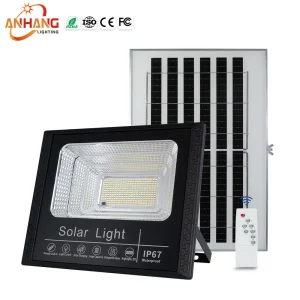
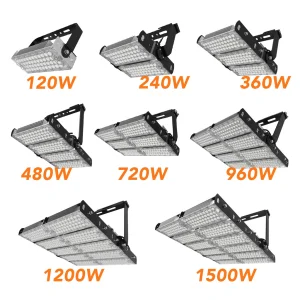
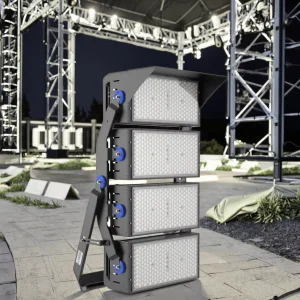
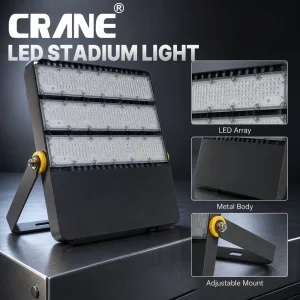
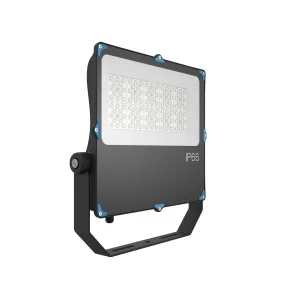
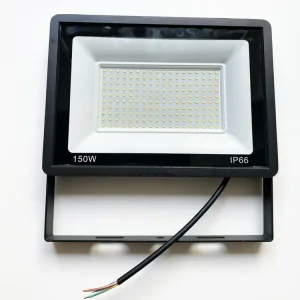
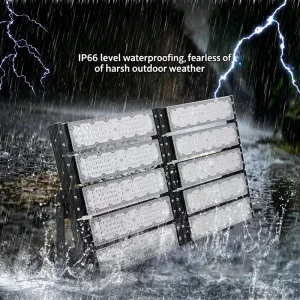
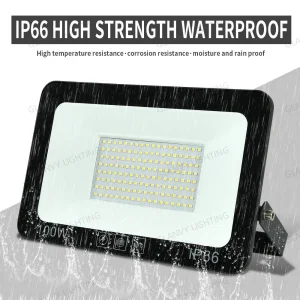
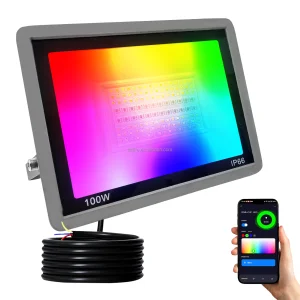
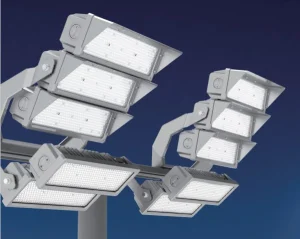
High-efficiency, heavy-duty outdoor flood lighting units engineered for high-altitude stadium arrays, solar-powered systems, and commercial billboards.
The shift toward high-efficacy, smart-controlled solid-state fixtures.
The global outdoor lighting landscape is experiencing an unprecedented evolution. Traditional metal halide (MH), high-pressure sodium (HPS), and halogen floodlights are rapidly being phased out due to strict environmental mandates and efficiency protocols worldwide (such as the EU's Ecodesign Directive and North America's DLC 5.1 requirements). Today’s industrial, maritime, and municipal sports lighting operators demand more than mere lumen density; they prioritize optical control, spectral quality, smart connectivity integration, and long-term mechanical durability.
Modern floodlighting targets complex architectural projects, multi-sport stadiums, infrastructure hubs, and petrochemical zones. These projects require specialized illumination characterized by low unified glare ratings (UGR), high television lighting consistency indexes (TLCI), and minimal lumen depreciation curves ($L_{90} > 50,000$ hours). In response, leading global engineering specifications mandate die-cast aluminum alloys with low copper content, marine-grade powder coats, and advanced thermal channels to ensure operation in extreme ambient conditions.
Decoupling heat flux, optical distribution, and transient voltage protection.
High-power LED arrays generate concentrated heat flux at the p-n junctions. Our engineering utilizes die-cast aluminum heat sinks designed with specialized air-convection channels. By maximizing vertical thermal transfer and separating the driver housing from the LED board, junction temperatures remain under 75°C in 45°C ambient conditions, preventing lumen degradation.
Standard outdoor illumination often suffers from excessive light spill. We integrate UV-stabilized, impact-resistant polycarbonate lenses featuring asymmetric light distributions (Type II, III, and IV optics). This directs light precisely onto targeted areas—such as tennis courts, highway tunnels, or billboards—reducing light pollution and optimizing Lux-to-Lumen performance ratios.
Fluctuating grids and lightning strikes pose constant challenges for outdoor fixtures. Our advanced power supplies include active Power Factor Correction (PFC > 0.95), low Total Harmonic Distortion (THD < 10%), and integrated 10kV/20kV surge protection devices (SPD). This ensures system stability across input ranges from 90V to 480V AC.
In step with global IoT adoption, modern commercial floodlights serve as sensor endpoints. Hangzhou Pina Light incorporates intelligent control options, including 7-pin NEMA sockets and Zhaga Book 18 interfaces. These systems support daylight harvesting, motion-sensing radar, photocells, and mesh communication protocols (LoRaWAN, Zigbee, DALI-2). Operators can monitor power usage, receive automated maintenance alerts, and dim individual fixtures remotely, reducing municipal energy costs by up to 70%.
Tailoring solid-state luminaires to diverse geographical and atmospheric realities.
Coastal installations expose fixtures to corrosive salt-laden air. Standard aluminum housings can degrade rapidly under these conditions. Solutions require marine-grade ADC12 aluminum castings finished with electrophoretic painting or multi-layer C5-M anti-corrosion powders. We also use 316 stainless-steel brackets and silicone gaskets to prevent galvanic corrosion, ensuring system integrity on offshore rigs, ports, and beach resorts.
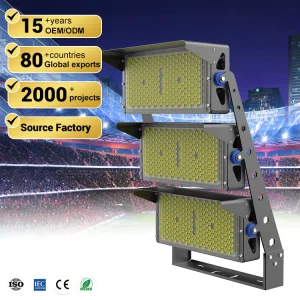
For sporting events and televised broadcasts, high slow-motion replay quality requires flicker-free light. Stadium fixtures need advanced power supplies with modulation frequencies exceeding 50kHz to eliminate visible flicker. Delivering high color rendering index (CRI > 80, TLCI > 90) performance ensures color fidelity for cameras, while customized visors prevent glare for both players and spectators.
Operating in harsh climates requires specialized engineering. For high-heat desert installations, fixtures must dissipate thermal loads in ambient temperatures up to 55°C. Conversely, cold-storage warehouses and high-latitude zones require drivers that cold-start reliably down to -40°C. Thermally decoupled driver chambers and low-temperature rated electrolytic capacitors prevent premature failure in these extremes.
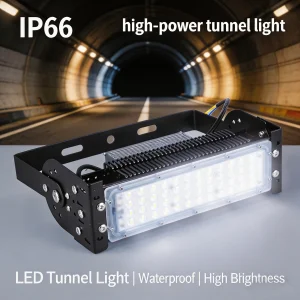
Tunnels, heavy railway yards, and overhead crane mounts subject lighting fixtures to continuous mechanical vibration. Standard mounting brackets can fail from structural fatigue. Engineers use structural reinforcements, dual safety cables, and vibration-dampening brackets. These designs are validated through rigorous 3G vibration testing (ANSI C136.31) to guarantee safety and performance.
How Hangzhou Pina Light Co., Ltd. integrates materials access, automated production, and quality assurance.
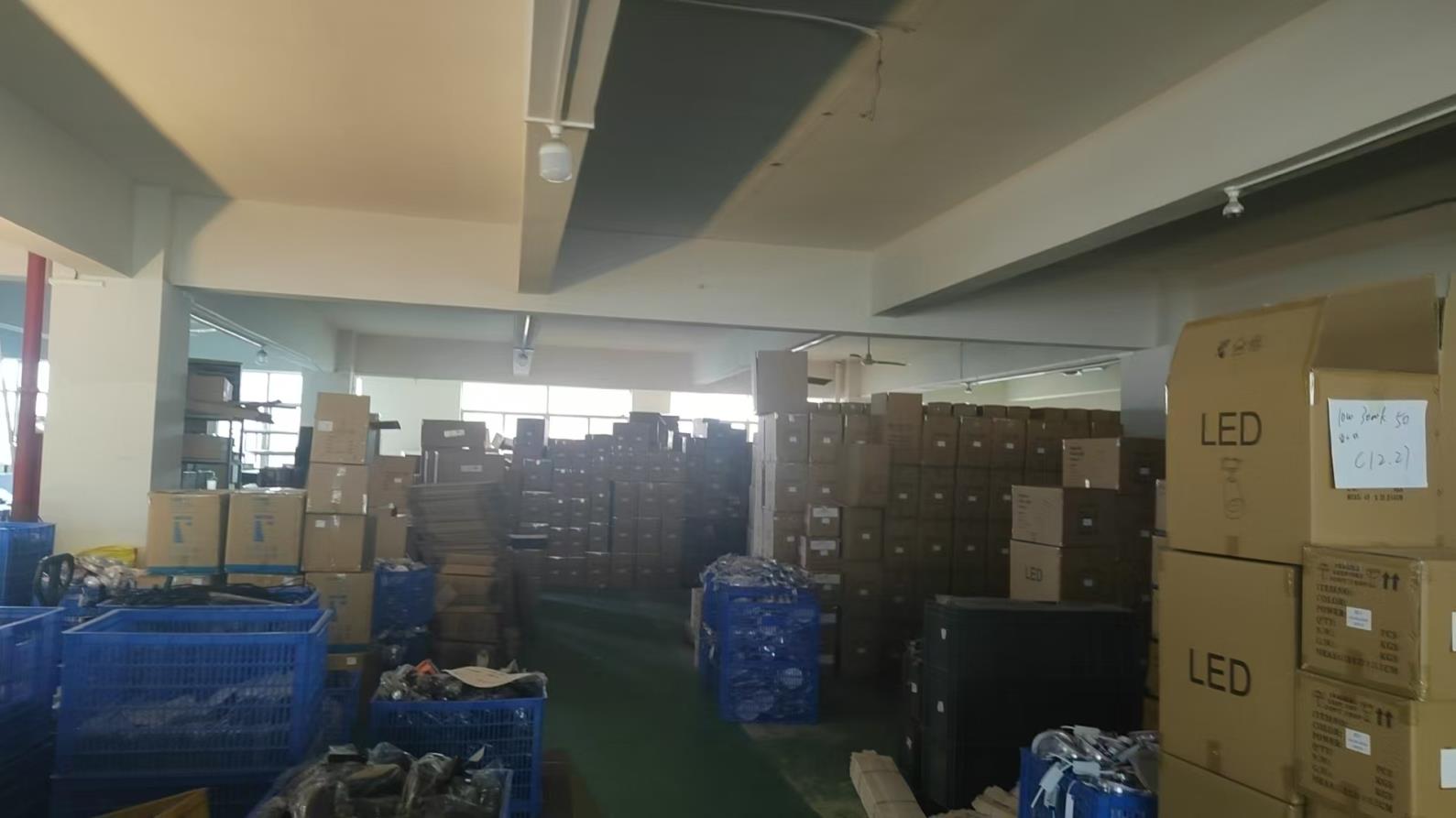
Hangzhou Pina Light Co., Ltd. is a specialized manufacturer and exporter of advanced LED lighting solutions, headquartered in the high-tech hub of Hangzhou, China. Operating within a mature manufacturing network, the company handles the design, prototyping, testing, and production of high-performance fixtures for commercial, industrial, and municipal projects worldwide.
The company's core portfolio includes high-power LED flood lights, stadium illumination, modular tunnel fixtures, warehouse high-bays, and smart streetlights. By leveraging local supply chains for raw aluminum, specialized optics, and high-performance drivers, Pina Light delivers energy-efficient, robust lighting systems that meet diverse client specifications.
Servicing international markets across North America, Europe, South America, the Middle East, and Southeast Asia, our facilities operate under strict quality management frameworks. Our products carry globally recognized certifications, including CE, RoHS, FCC, ETL, and UL, ensuring compliance with local grid and safety regulations.
With an experienced R&D team, Pina Light offers comprehensive OEM/ODM services, helping distributors, contractors, and utility operators develop custom solutions. From initial photometric modeling (DiaLux simulations) to thermal analysis and mass production, we ensure fast lead times, competitive pricing, and reliable quality control.
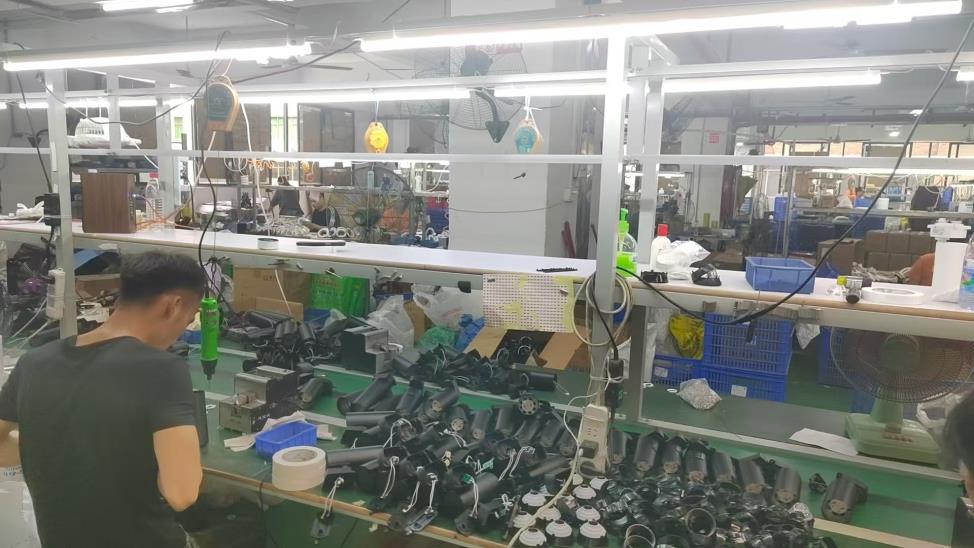
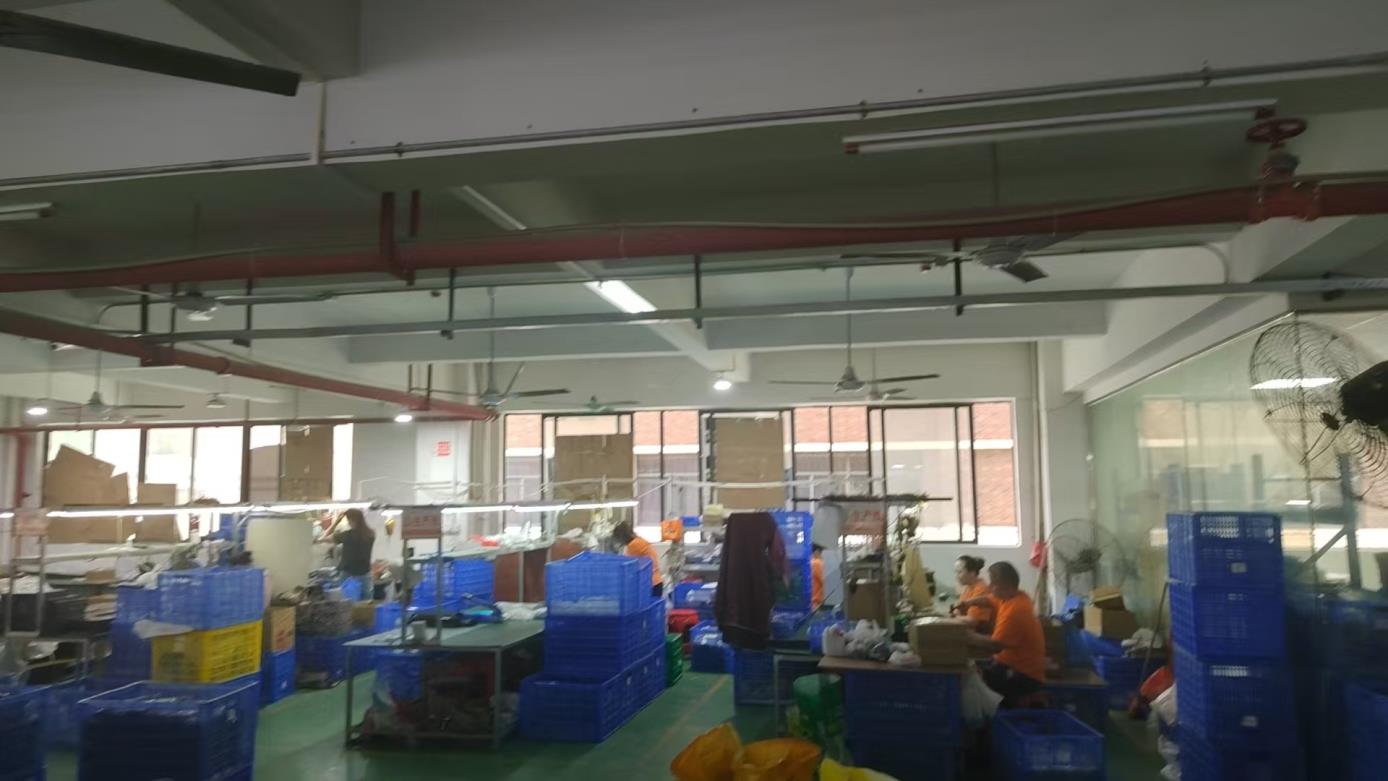
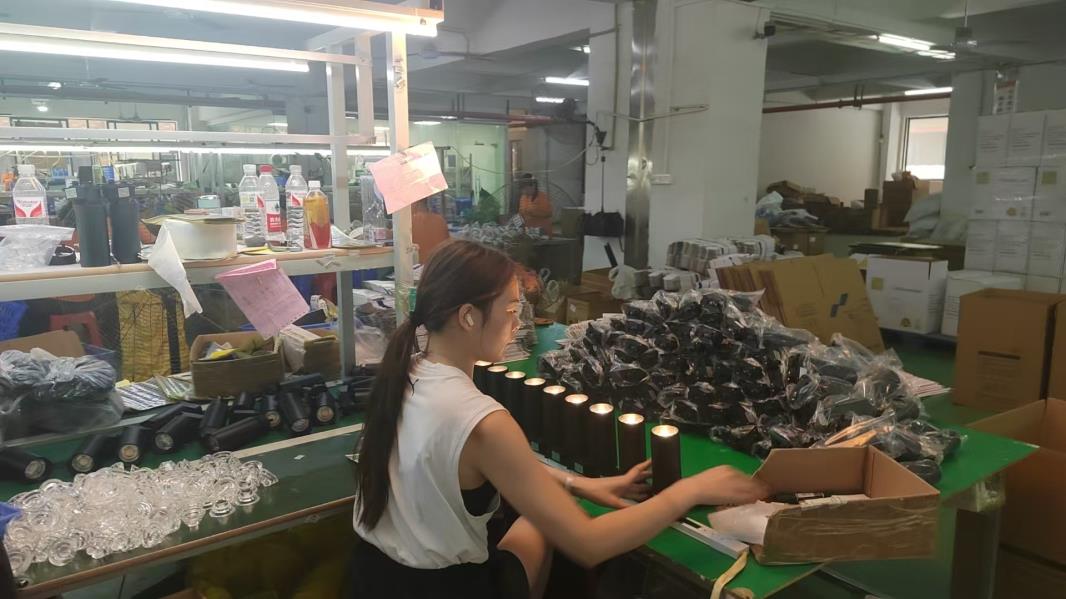
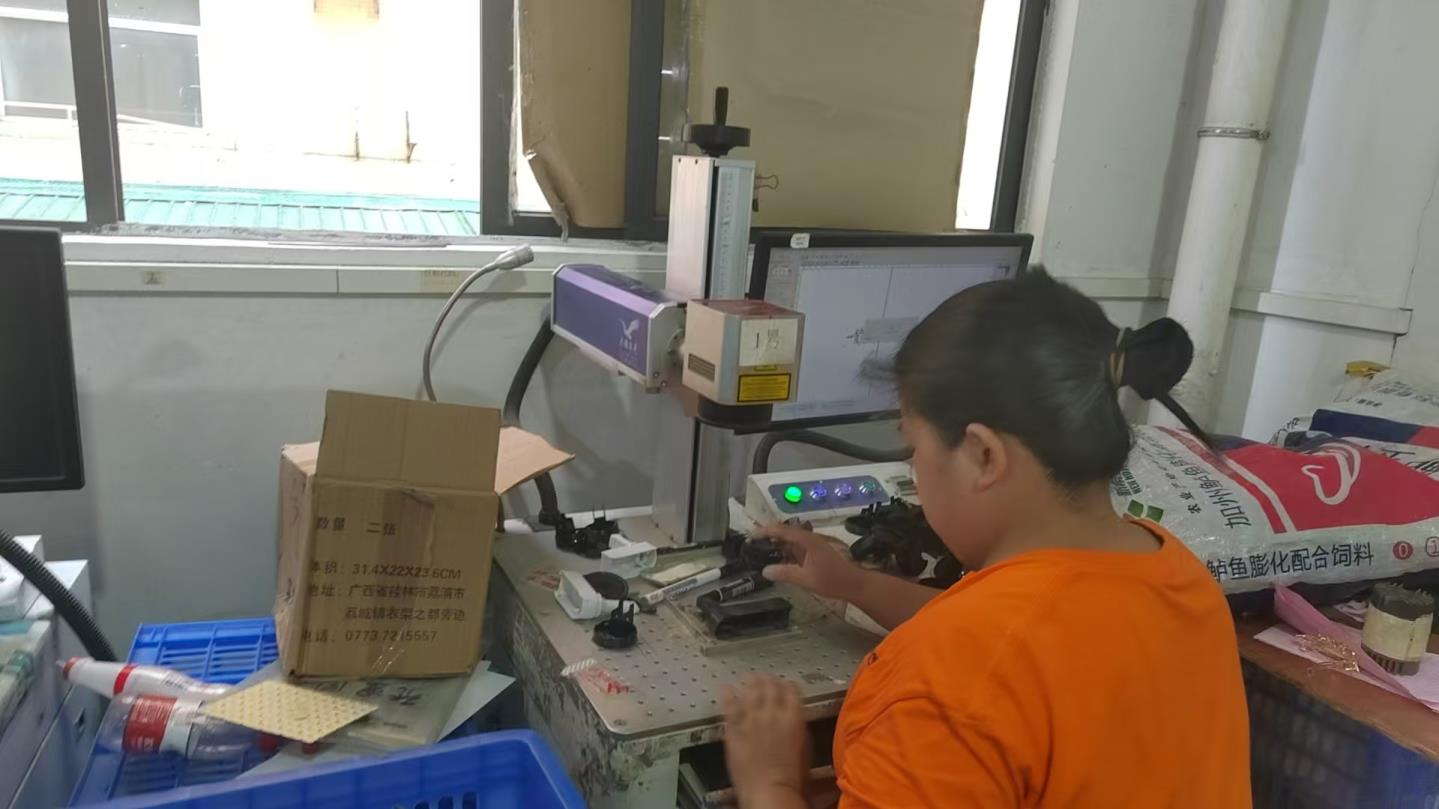
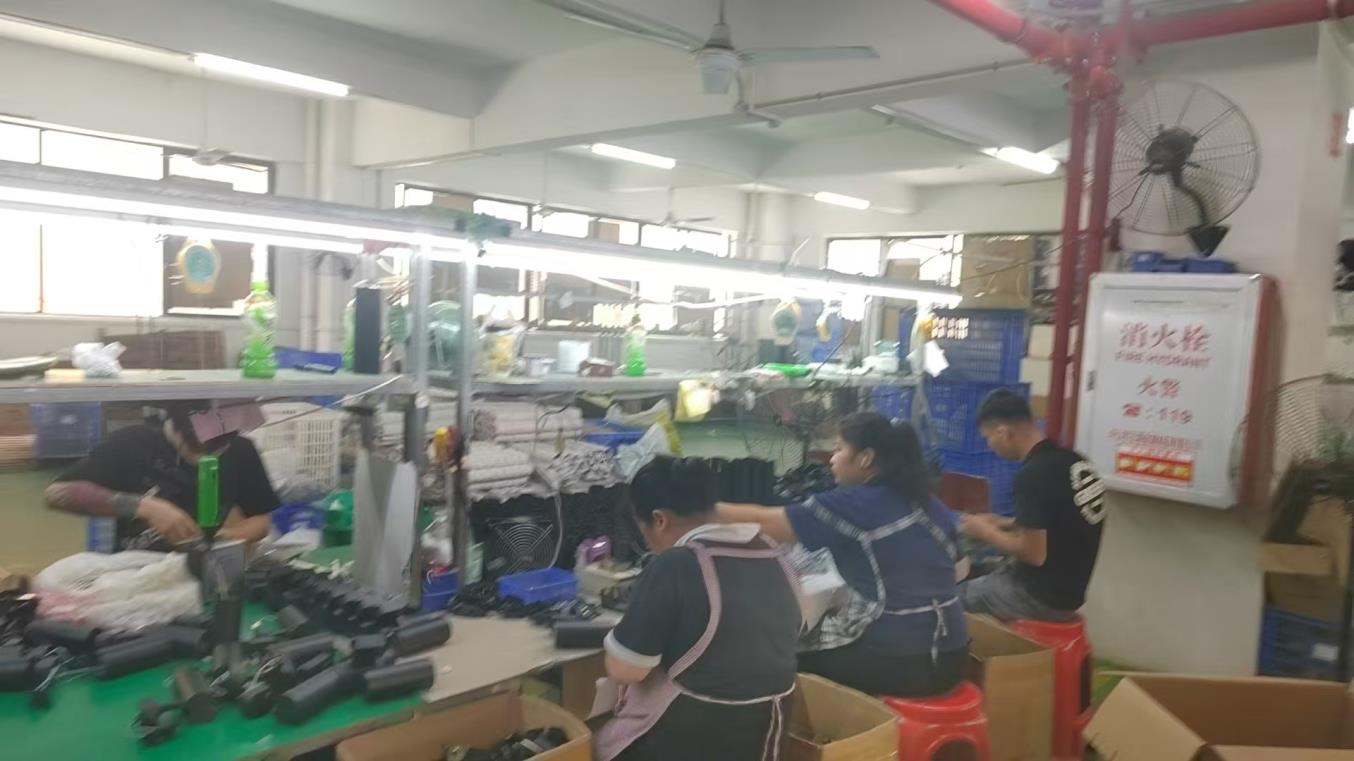
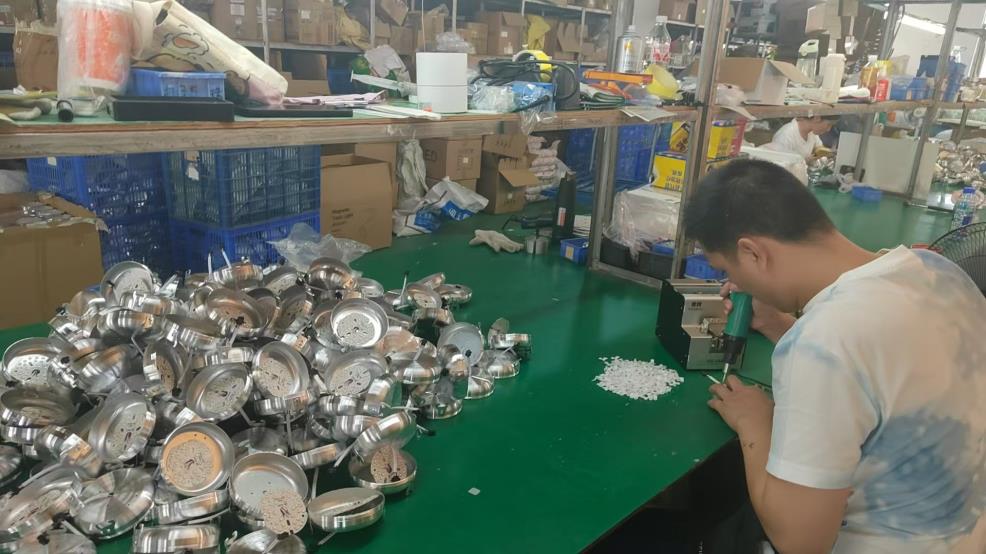
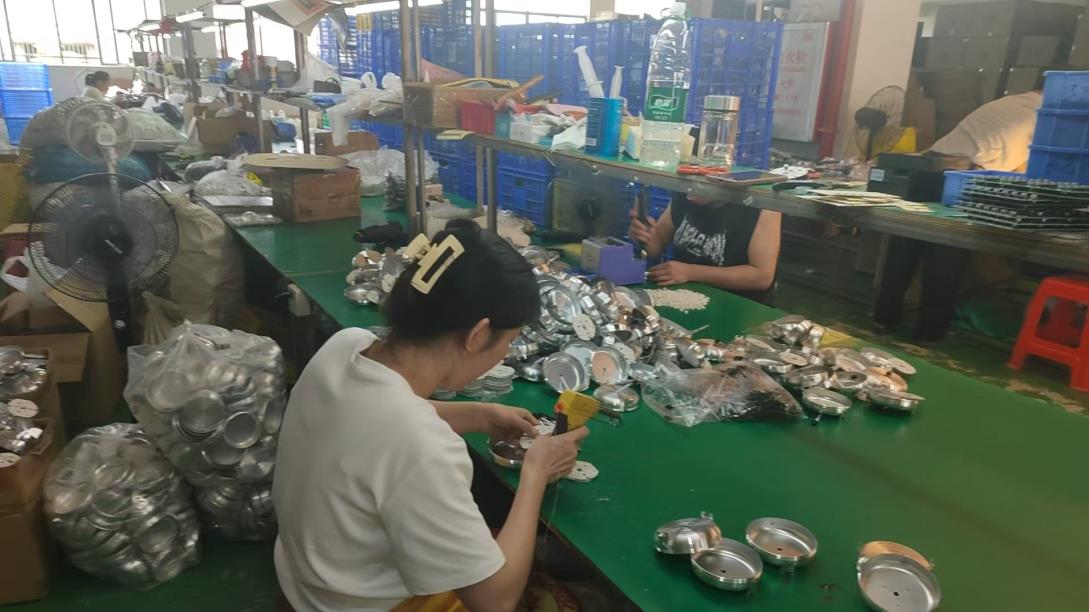
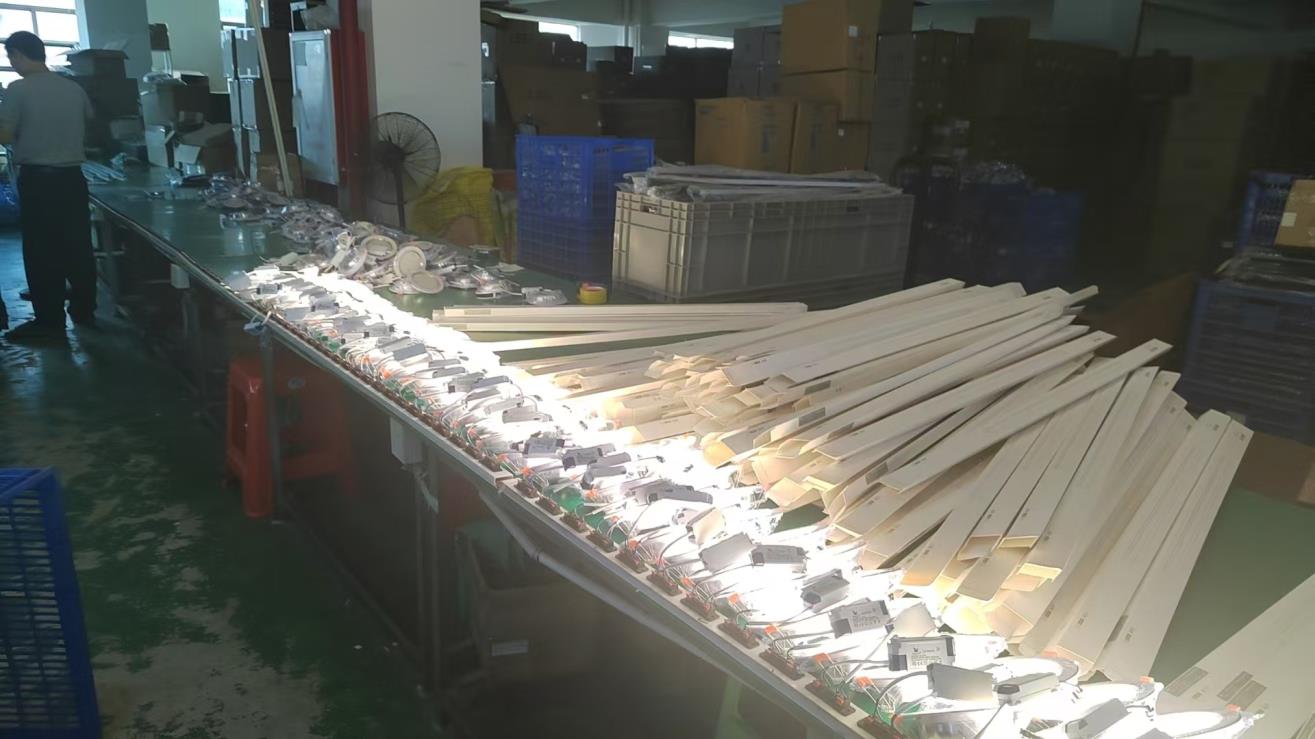
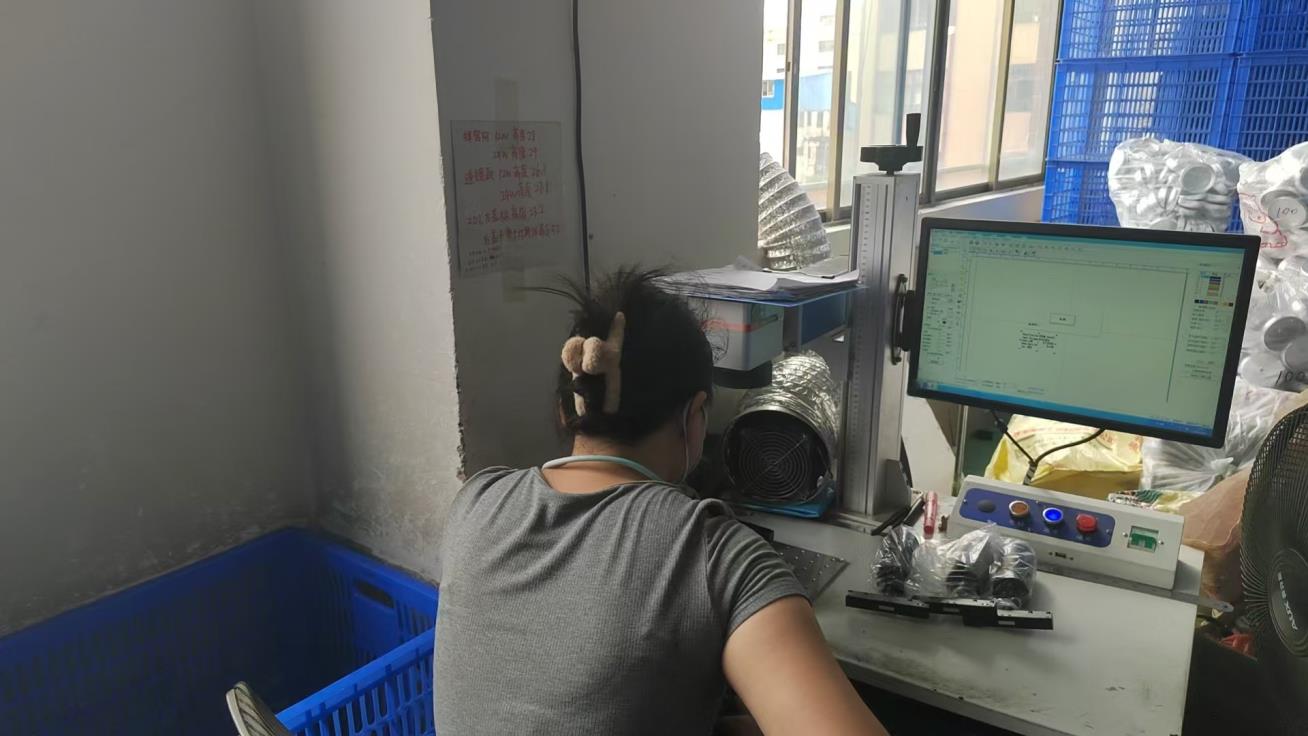
Our quality assurance workflow runs through every phase of production. We use automated SMT placement, high-pressure die casting, precision goniophotometer measurement, and high-voltage isolation checks. Our testing protocols include 100% load burn-in trials inside specialized thermal chambers to verify thermal stability before packaging.
Mitigating deployment risks through engineering support and global certifications.
We prevent over-illumination and dark spots by providing detailed IES photometric files and custom DiaLux simulations. This supports engineers and lighting consultants in planning configurations, heights, tilt angles, and spacing before purchasing equipment.
Our products comply with regional electrical and safety standards worldwide. We maintain up-to-date certifications, including UL/cUL for North America, CE/RoHS for Europe, and SAA/C-Tick for Oceania. This guarantees compliance with municipal standards and building codes.
We support diverse branding, color temperature, and driver options. Our engineering teams customize features such as custom brackets, special coatings (C5-M), unique input voltages (347-480V AC), and specific color spectra (e.g., green turf preservation or amber wildlife-friendly lighting).
Answering critical engineering questions regarding LED floodlight selection and installation.
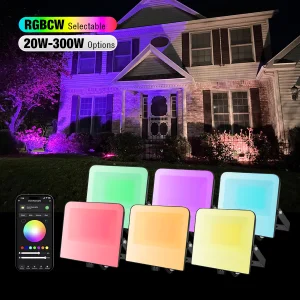
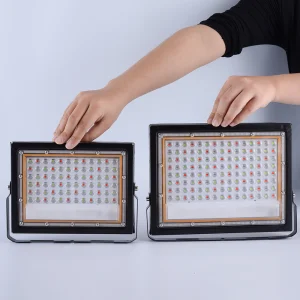
Featuring advanced smart lighting, color-changing RGBCCT setups, sport court systems, and high-voltage industrial tunnel lights.
 Pina Light