Understanding why plant leaves turn yellow under grow lights is crucial for indoor gardeners. According to a 2021 report by the American Society for Horticultural Science, improper lighting conditions contribute significantly to plant health issues. Many factors lead to yellowing leaves, including nutrient deficiencies and light stress.
Grow lights provide essential energy but can also cause problems. Light intensity and duration impact plant health directly. Research shows that overexposure to strong light can lead to leaf burn and discoloration. The ideal spectrum for most plants is between 400 to 700 nanometers.
Additionally, monitoring soil moisture and nutrient levels is necessary. A study published in the Journal of Plant Nutrition found that 70% of indoor gardeners neglect proper watering techniques. This oversight may lead roots to suffer, ultimately affecting leaf color. Addressing these issues can help mitigate yellowing leaves, allowing plants to thrive under grow lights.
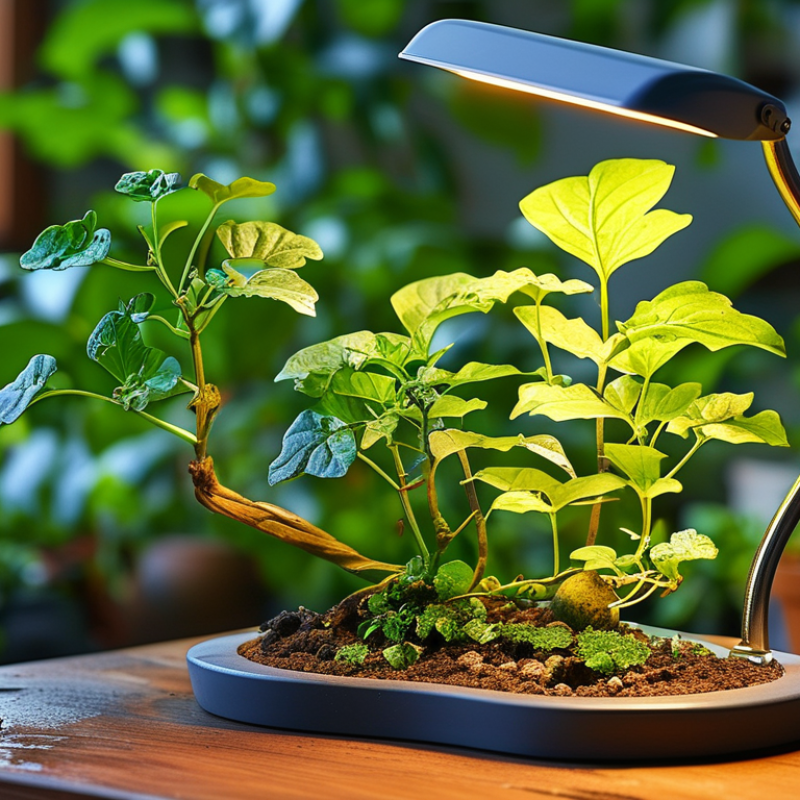
Understanding the Causes of Yellow Leaves Under Grow Lights
Under grow lights, yellow leaves can signal various underlying issues. First, consider light intensity. Too much light can scorch the leaves. Conversely, insufficient light can lead to symptoms of distress. Understanding your plant’s specific needs is crucial. Each species has optimal light levels, which vary widely. Always adjust lights based on your plants' responses.
Nutrient imbalances often contribute to yellowing leaves. A lack of nitrogen can result in pale foliage. Alternatively, excessive nutrients can cause toxicity. Regular soil testing can reveal your plants' nutritional status. Watering practices also matter. Overwatering can suffocate roots, leading to yellow leaves. On the flip side, underwatering can stress the plant, causing similar symptoms.
Temperature fluctuations impact plant health. Most plants thrive in stable environments. When temperatures swing too high or low, leaf yellowing often occurs. Monitor your grow space to maintain ideal conditions. Reflecting on these factors can help troubleshoot issues effectively. Regular observation is key. Stay vigilant, and adjust as needed. Further research into specific plants can enhance your success.
Assessing Light Intensity and Spectrum for Optimal Growth
When growing plants under artificial lights, light intensity and spectrum are critical for preventing yellow leaves. Studies show that plants thrive with specific light wavelengths. For instance, red light promotes flowering, while blue light enhances vegetative growth. Understanding these wavelengths can lead to healthier plants.
Assessing light intensity is equally important. Too much light can cause stress, resulting in yellowing leaves. Aim for an intensity between 200 to 400 µmol/m²/s for most indoor plants. You may need to adjust the distance of your lights accordingly. Monitor your plants closely. If leaves start to curl or yellow, it’s time to rethink your light setup.
Tip: Use a light meter to gauge the actual intensity your plants receive. Additionally, consider rotating your plants under the lights. This ensures even light exposure. Experiment with different spectrums and intensities to find what works best for your specific plants. Remember, not all plants have the same requirements. Keep observing and adjusting based on their responses.
2026 Best Tips for Fixing Yellow Leaves Under Grow Lights
This bar chart illustrates the relationship between different levels of light intensity and the corresponding health scores of plants. As light intensity increases, the health score typically improves, highlighting the importance of optimal lighting for plant growth.
Evaluating Watering Practices and Soil Conditions
Yellow leaves can often signal issues with watering or soil conditions. Understanding these factors is essential for healthy plant growth under grow lights. Overwatering is a common mistake. When soil retains too much moisture, roots can suffocate. This may lead to yellowing leaves. Testing your soil’s moisture can help. Use your finger to gauge the dampness. Simply sticking it into the soil can provide instant feedback.
Soil quality plays a crucial role. If your substrate lacks essential nutrients, plants may struggle. Ensure your soil is well-draining and rich in organic matter. Adding compost can improve soil health. Fertilization may also be necessary, but it must be done with caution. Over-fertilization can lead to salt buildup, which can harm roots. Reflect on your routine and adjust as needed. Consider conducting a soil test to identify deficiencies accurately. Regular monitoring of both watering habits and soil conditions can promote healthier foliage and vibrant growth under artificial lights.
2026 Best Tips for Fixing Yellow Leaves Under Grow Lights
| Tip |
Details |
Best Practices |
Common Issues |
| Adjust Watering Schedule |
Ensure water is not being over or under-applied. |
Water when top inch of soil is dry. |
Yellowing due to root rot or dehydration. |
| Check Soil Drainage |
Utilize well-draining soil to avoid water retention. |
Add perlite or sand to improve aeration. |
Heavy soils leading to root issues. |
| Monitor Light Levels |
Ensure plants are getting adequate light daily. |
Adjust light height to 12-24 inches above plants. |
Insufficient light can cause yellowing. |
| Evaluate Nutrient Levels |
Check for nitrogen deficiency in fertilizing routine. |
Use balanced fertilizer every 4-6 weeks. |
Nutrient deficiencies can lead to yellow leaves. |
| Control Humidity Levels |
Maintain an optimal humidity level for plants. |
Use a humidifier if necessary, especially in dry climates. |
Lack of humidity can stress plants leading to yellowing. |
Nutrient Deficiencies and Their Impact on Leaf Color
Yellow leaves under grow lights can signal nutrient deficiencies in plants. A study by the University of Florida highlights that nitrogen deficiency often results in chlorosis, where leaves turn yellow due to lack of chlorophyll. This is particularly common in fast-growing plants that require enough nitrogen for healthy development.
Phosphorus deficiency is another culprit. According to research from the American Society of Horticultural Science, plants deficient in phosphorus exhibit dark green leaves with yellowing in older foliage. This deficiency hampers root development and increases susceptibility to disease. A lack of magnesium can also cause yellowing, specifically in the interveinal areas of leaves.
Identifying nutrient deficiencies can be complex. Not all yellow leaves indicate the same problem. For instance, over-fertilization can mimic deficiency symptoms, leading to confusion. Observing leaf patterns and growth characteristics is essential. Consistent monitoring and adjusting nutrient levels can help ensure the plants receive what they need. Regular soil testing is advised to prevent these issues.
Implementing Effective Solutions to Restore Leaf Health
Yellow leaves under grow lights can signal underlying issues. Effective solutions focus on restoring leaf health through careful observation and regular adjustments. Monitoring the environment is crucial. According to a recent industry report, nearly 70% of indoor growers experience yellowing leaves at some point. Poor lighting, improper watering, or nutrient imbalance often contribute to this problem.
Adjust the light intensity. Many growers assume that more light equals better growth. Yet, too much light can stress plants, leading to yellow leaves. Aim for a balance based on specific plant needs. Invest time in researching optimal light spectrums. This can improve leaf health. Humidity levels also play a role. Ideal humidity should range from 40% to 60%. Regularly assess and maintain these levels for better growth.
Nutrient deficiencies often lead to yellowing as well. Testing soil or growth medium can provide insight. A lack of nitrogen usually causes leaves to yellow from the bottom upward. When addressing this, careful application of balanced fertilizers can help. However, over-fertilization can create the opposite effect. Be cautious and adjust based on plant response. Recognizing these nuances is essential for success in indoor gardening.
Conclusion
When plants grow under artificial lights, many growers often encounter the issue of yellowing leaves, prompting the question, "Why are my plant leaves turning yellow under grow lights?" This problem can stem from various factors, including excessive light intensity or an inappropriate light spectrum that fails to meet the plants' needs. It's essential to evaluate these conditions to ensure optimal growth.
Additionally, improper watering practices and poor soil conditions can contribute to leaf discoloration. Overwatering or underwatering affects the plant's health, leading to nutrient deficiencies that further impact leaf color. By understanding these causes and implementing effective solutions, such as adjusting light settings, improving watering habits, and addressing nutrient needs, growers can restore their plants to vibrant health and prevent yellowing leaves in the future.

 Pina Light