Lighting plays a crucial role in kitchen design, especially with cabinet lighting. Homeowners often wonder, "What is the best voltage for kitchen cabinet lights?" Expert electrician John Smith states, "Choosing the right voltage ensures safety and efficiency."
For under-cabinet lighting, most experts recommend using 12V or 24V systems. These lower voltages are safer and ideal for residential settings. However, not all bulbs are equal in brightness and energy consumption.
The right voltage enhances your kitchen’s ambiance. It’s vital to consider the specific needs of your space. A poorly lit kitchen can make cooking frustrating. Try to experiment with different fixtures and settings. There is a learning curve when selecting the best setup. Ensuring you have proper voltage could save you from frequent replacements and potential hazards.
Understanding the Importance of Voltage in Kitchen Cabinet Lighting
When choosing lighting for kitchen cabinets, understanding voltage is crucial. The right voltage not only affects brightness but also impacts energy efficiency. Most kitchen cabinet lights operate on 12V or 24V. Choosing the appropriate voltage helps in achieving the desired ambiance and functionality of your kitchen space.
Consider these tips when selecting lighting. First, determine the size of your cabinets. Larger spaces may benefit from 24V systems, offering more power for brighter illumination. For smaller cabinets, 12V options can suffice and help in reducing energy consumption. Always choose fixtures and wiring that match your voltage choice to ensure safety and reliability.
Remember to think about bulb types too. LED bulbs are popular due to their energy efficiency and longevity. However, they can be sensitive to voltage fluctuations. It's important to check compatibility with your chosen setup. Take time to research and measure your needs before making a decision. Adjustments may be necessary, so don’t rush the process.
Best Voltage for Kitchen Cabinet Lights
This bar chart illustrates the recommended voltage levels for kitchen cabinet lighting, showcasing the effectiveness and common usage of 12V, 24V, and 120V systems.
Types of Voltage Options for Kitchen Cabinet Lights
When considering kitchen cabinet lights, understanding voltage options is essential.
Low voltage, typically around 12 volts, is a popular choice. It offers energy efficiency and minimizes heat output.
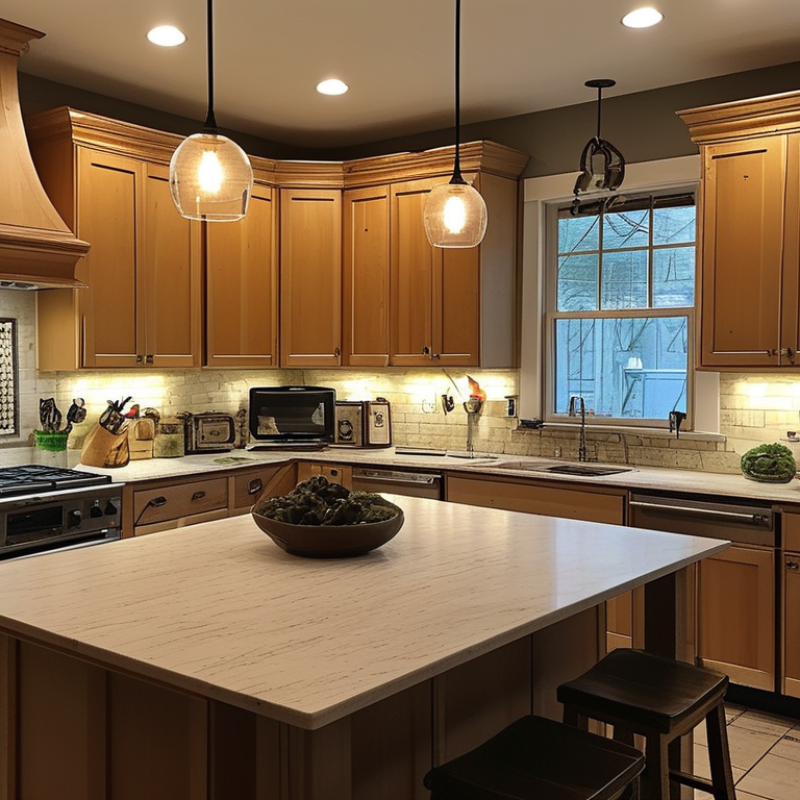
This option is ideal for under-cabinet lighting, providing a soft glow without overwhelming brightness. The result is a warm atmosphere perfect for meal prep.
On the other hand, line voltage lights operate at 120 volts. They deliver more brightness, which can be useful in larger kitchens.
Many homeowners choose line voltage for its convenience, as it avoids the need for a transformer. However, their installation can be more complex.
They might require professional help to ensure safety and compliance with local codes.
It's also worth noting that not all fixtures are created equal. The aesthetic appeal varies, and some may feel too harsh in certain settings.
Lighting quality is key. Although low voltage systems can be more forgiving, they may not suffice in larger spaces.
Carefully evaluate your kitchen's size and design before making a decision. Finding the right balance is crucial for functional yet stylish lighting.
Factors to Consider When Choosing Voltage for Cabinet Lights
When selecting the perfect voltage for kitchen cabinet lights, several factors demand close attention. A crucial aspect is whether to choose 12V or 24V options. According to industry reports, 12V systems are popular for their safety benefits. They are suitable for DIY projects and better for small installations. However, a 24V system can efficiently power larger layouts. The light output remains consistent, reducing voltage drop across longer distances.
Next, consider energy efficiency. A 2019 survey by the U.S. Department of Energy found that LED lights, especially in lower voltages, consume significantly less power than traditional fixtures. They last longer, reducing replacement frequency. This is essential for cabinet lighting, where longevity is key. Think about the color temperature as well. Warmer tones create inviting spaces, while cooler tones improve visibility. This choice can shift the mood of the room.
Reflect on installation complexities too. Higher voltage systems may require specialist installation. Misjudging your choice can lead to poor performance. It's vital to assess your spatial requirements, desired lighting levels, and how colors interact with your cabinets. Balancing these elements ensures you don’t overlook functional needs in favor of aesthetics. Each decision impacts the overall efficiency and ambiance in your kitchen.
Best Voltage for Kitchen Cabinet Lights Top Tips to Know?
| Voltage Option |
Typical Applications |
Pros |
Cons |
| 12V |
Under-cabinet lighting, accent lighting |
Safe for low-voltage applications, easier to install |
Requires a transformer, may have limited distance |
| 24V |
Larger installations, longer runs |
Greater efficiency over longer distances |
Higher installation cost, may require specific fixtures |
| 120V |
Standard home lighting, general-purpose lighting |
Widely available fixtures, no need for transformers |
Higher voltage can be dangerous, harder to install in some settings |
| 277V |
Commercial applications, industrial use |
High efficiency for large areas, reduced wiring costs |
More complex installation, requires specialized knowledge |
Safety Tips for Installing Low-Voltage and Line-Voltage Lights
When it comes to kitchen cabinet lights, safety is paramount, particularly when dealing with voltage levels. Low-voltage lighting systems typically operate at 12V or 24V. These systems reduce shock hazards, making them ideal for moist areas like kitchens. According to a report from the National Electrical Manufacturers Association (NEMA), low-voltage systems have a significantly lower risk of electrical faults, offering peace of mind for homeowners. However, proper installation techniques are crucial to ensure safety.
Line-voltage systems, usually at 120V, require careful installation. Over 50% of electrical fires are linked to faulty wiring, as cited by the U.S. Fire Administration. Encasing wires properly and using high-quality materials can help prevent these risks. Homeowners should be cautious about overloading circuits. A circuit should not carry more than 80% of its rated capacity. Know your limits and avoid cramming too much into one circuit.
Lastly, always use fixtures rated for the specific voltage type. Not all fixtures can handle both low and line voltage, risking serious issues. Regular maintenance checks on your kitchen lighting can significantly reduce hazards. Remain vigilant and always consult with professionals for installations. Sometimes, guidance from experts is the safest route.
Energy Efficiency: The Impact of Voltage on Kitchen Lighting Costs
When selecting kitchen cabinet lights, understanding voltage is crucial. Lower voltage options, such as 12V, are popular for their energy efficiency. These lights consume less power, reducing utility bills over time. However, you may need a transformer and additional components. This adds complexity and cost.
Higher voltage options, like 120V, are simpler to install. They connect directly to your home’s power without a transformer. These lights can be brighter, which is great for task lighting. Yet, they often draw more energy, increasing long-term costs. Assess your specific needs carefully.
Energy efficiency often influences decision-making. Choosing the right voltage can impact both initial and ongoing expenses. Reflecting on the balance between brightness and cost is important. Take your time to evaluate how your choices will affect your kitchen's aesthetics and budget.
FAQS
: Voltage affects brightness and energy efficiency. It’s key to achieving the desired ambiance.
Most kitchen lights use 12V or 24V systems, depending on the space size.
Larger cabinets may need 24V for brighter lights, while 12V suits smaller ones to save energy.
LED bulbs are energy-efficient but sensitive to voltage changes. Check compatibility carefully.
Low-voltage systems reduce shock risks. They are ideal for kitchens, but installation must be proper.
Properly encase wires and use high-quality materials. Avoid overloading circuits to reduce fire risks.
Many overload circuits beyond 80% capacity. Knowing your limits can enhance safety.
Yes, 12V lights often need a transformer, adding complexity and cost to installation.
Higher voltage lights can be brighter but consume more energy, increasing long-term utility expenses.
Experts help ensure safety and compliance. Their guidance can prevent common mistakes in setup.
Conclusion
When considering kitchen cabinet lighting, understanding voltage is crucial for achieving optimal functionality and aesthetics. The best voltage for kitchen cabinet lights typically falls within low-voltage (12V or 24V) and line-voltage (120V) options. Low-voltage systems are known for their energy efficiency and safety, making them a popular choice for many homeowners. However, line-voltage options provide more power and are easier to install, which can be appealing for larger lighting setups.
When choosing the appropriate voltage, several factors must be considered, including the layout of the kitchen, desired brightness, and energy consumption. Safety is also paramount; proper installation is essential to ensure that low-voltage and line-voltage systems operate safely. Overall, being informed about these options can help homeowners make the best decision tailored to their specific needs, maximizing both aesthetic appeal and energy efficiency in their kitchen lighting design.

 Pina Light