Understanding how to calculate the power needed for indoor grow lights is essential for successful indoor gardening. Proper lighting directly impacts plant growth, yield, and overall health. Many growers, both beginners and experienced, struggle with this aspect. The right power calculation ensures plants receive adequate light for photosynthesis.
When assessing your lighting needs, consider factors like room size, the type of plants you grow, and the light spectrum. It’s easy to underestimate these requirements. Many often think more light equals better growth, but that’s not always true. A careful balance is crucial.
Individuals may find themselves overwhelmed by choices in the market. LED, fluorescent, and HID lights all offer different power requirements. Each type has its pros and cons, and understanding these can help you inform your decision. This guide will walk you through the process of making informed choices for your indoor garden. With clarity on power calculations, you can create an environment that fosters plant growth sustainably.
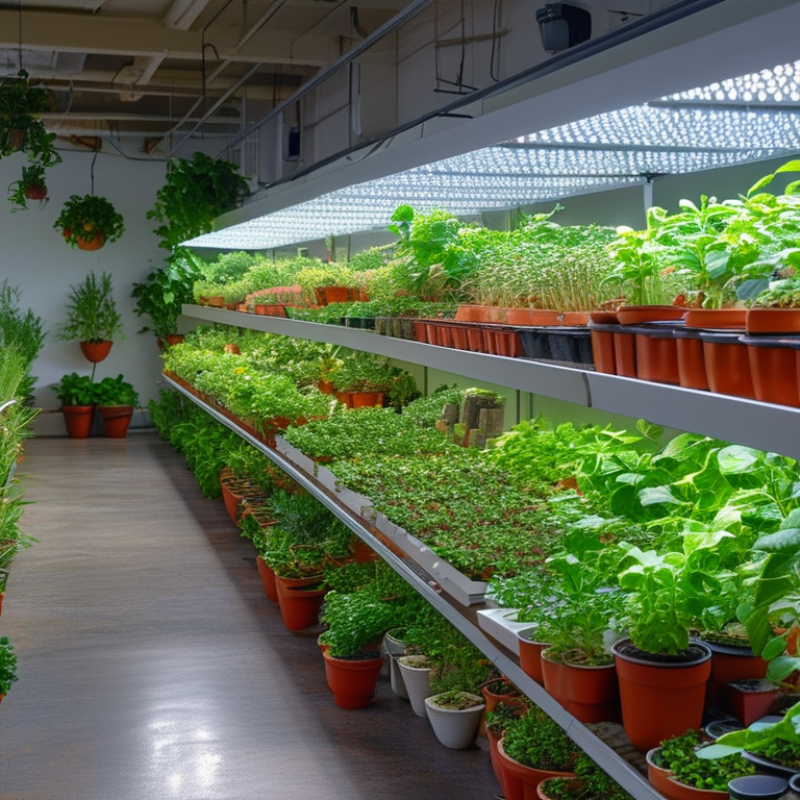
Understanding the Basics of Indoor Grow Lights
Indoor grow lights are essential for optimizing plant growth in controlled environments. Understanding the basics involves knowing the types, intensities, and the power they consume. Brightness is measured in lumens, and plants typically require 10,000 to 20,000 lumens per square meter. Additionally, the spectrum of light is crucial—plants need both blue light for vegetative growth and red light for flowering.
One key factor is the power draw of grow lights, usually measured in watts. A common recommendation is that 32 watts per square foot can support healthy plant growth. However, this number can vary based on the type of light used. High-Pressure Sodium (HPS) and LED lights differ significantly in efficiency. For instance, LEDs can produce the same amount of light as HPS while consuming less energy.
Tips: Consider the height of your plants and the distance from the lights. Improper distances can lead to insufficient light or plant burn. Pay attention to the ambient temperature, as lights can affect the room's climate. If you notice stretching or yellowing, reassess your lighting setup. Regularly checking the wattage and lumens will help ensure your plants receive optimized growth conditions.
Factors Influencing Power Requirements for Grow Lights
When considering indoor grow lights, it's essential to examine several key factors that influence their power requirements. One significant aspect is the type of plants being cultivated. Different species have varying light needs. For instance, leafy greens may require less light compared to fruiting plants. Reports suggest that leafy greens thrive with 200-300 µmol/m²/s, while fruiting plants often require 400-700 µmol/m²/s of light intensity.
Another important factor is the growth stage of the plants. Seedlings generally need less light compared to mature plants. During the vegetative stage, a light intensity of around 300-400 µmol/m²/s is adequate. As plants transition to flowering, this requirement can increase significantly. Understanding these growth phases helps growers optimize energy consumption.
Finally, the distance between the light source and plants plays a crucial role. The intensity of light diminishes with distance, necessitating higher wattage to achieve desired levels. Additionally, the efficiency of the grow light itself matters. LED lights consume less power while providing adequate light. Some studies indicate that switching to LEDs can reduce energy consumption by 30-50%. This not only cuts costs but also minimizes heat output, creating a more stable environment for plant growth.
Calculating Power Needs Based on Plant Types and Growth Stages
Calculating the power requirements for indoor grow lights is essential for healthy plant growth. Different plants have varying light needs. For instance, leafy greens like lettuce require less light, around 20-30 watts per square foot. In contrast, fruiting plants, such as tomatoes, often need about 40-50 watts. Knowing this helps in selecting the right lighting system for your indoor garden.
Growth stages also play a critical role in determining power needs. Seedlings need moderate light, roughly 25 watts per square foot. Young plants in the vegetative phase usually thrive with more intense lighting, about 35-50 watts. During the flowering phase, they often benefit from even higher wattage. This shift ensures plants receive adequate energy to produce flowers and fruit. It’s easy to underestimate the light needs of plants at different stages, leading to poor growth.
Growers often overlook specific light spectra that influence plant health. While it’s common to maximize wattage, balance is key. Some growers rush into high-power options without understanding their plants' needs. Observing how plants react to light levels can guide adjustments. Each indoor garden is unique, and constant monitoring leads to better outcomes.
Choosing the Right Wattage for Indoor Growing Spaces
When considering the wattage for indoor grow lights, accuracy is crucial. Different plants require varying light intensities for optimal growth. For instance, leafy greens typically thrive with about 30-50 watts per square foot. In contrast, flowering plants may need 50-70 watts. Evaluating your plant type guides you in selecting the right wattage.
Using too much wattage can lead to issues. It may cause overheating or light stress for sensitive plants. Conversely, insufficient wattage results in inadequate growth. Balancing your workspace size with ideal light intensity helps maintain a healthy environment. Always remember that the light spectrum matters, too. Plants require different wavelengths for photosynthesis, so consider full-spectrum lights for diverse growth stages.
Calculating the required wattage is not straightforward. Many growers underestimate their lighting needs. Conducting thorough research on your specific plants is essential. Observe how they react to different light levels. Document any changes. Adjusting your approach based on these observations will refine your strategy. Through this iterative process, you can optimize your indoor growing setup effectively.
How to Calculate Power Required for Indoor Grow Lights? - Choosing the Right Wattage for Indoor Growing Spaces
| Grow Space Size (sq ft) |
Recommended Light Output (lumens/sq ft) |
Total Lumens Required |
Wattage Based on Light Type |
| 10 |
50 |
500 |
100 |
| 20 |
50 |
1000 |
200 |
| 30 |
40 |
1200 |
240 |
| 40 |
35 |
1400 |
280 |
| 50 |
30 |
1500 |
300 |
Estimating Energy Costs of Indoor Grow Lights
Estimating the energy costs of indoor grow lights is crucial for efficient horticulture. According to a report by the Department of Energy, indoor grow lights can consume a significant amount of power, with an average range from 250 to 1,000 watts per fixture. This variance largely depends on the type of lights used and the scale of the indoor garden.
To calculate the energy costs, first determine the wattage of your lights. Then multiply this by the number of hours you use them daily. For example, if you use 400-watt lights for 12 hours, the calculation would be 400 watts x 12 hours = 4,800 watt-hours, or 4.8 kilowatt-hours (kWh) per day. With electricity rates averaging around $0.13 per kWh in the U.S., this translates to about $0.62 daily cost just for lighting.
Tip: Consider using energy-efficient LED grow lights. They consume less power and typically last longer than traditional lights, thereby saving costs.
It's also important to monitor your entire system. Equipment like fans and timers contribute to energy expenses. Regular assessments can reveal surprisingly high costs, prompting needed adjustments. Keeping a close eye on these elements facilitates informed decisions for cost-efficiency.
FAQS
: Factors include plant type, growth stage, and distance from the light source. Each influences light intensity requirements.
Leafy greens need less light, about 200-300 µmol/m²/s, while fruiting plants require 400-700 µmol/m²/s for healthy growth.
Seedlings require less light, around 25 watts, while flowering plants need up to 50 watts or more for optimal results.
Light intensity decreases with distance, requiring more wattage to maintain desired levels for plant health.
LEDs consume 30-50% less power, reduce heat output, and provide adequate light, creating a stable environment for growth.
Multiply the light wattage by hours used daily. For example, 400 watts for 12 hours equals 4.8 kWh daily.
Growers often underestimate light needs and rush into high-power options without adjusting for specific plant requirements.
Other equipment, like fans and timers, can add to energy costs. Regular monitoring reveals potential savings and necessary adjustments.
Use energy-efficient LEDs and regularly assess your setup to identify and adjust high energy consumption areas.
Assess light intensity needs based on plant type and growth stage. Balance wattage and monitor plant reactions for best results.
Conclusion
In the article "How to Calculate Power Required for Indoor Grow Lights," readers will gain a comprehensive understanding of the fundamentals of indoor grow lights and the various factors that influence their power requirements. The article discusses how to calculate the power needed for indoor grow lights by considering different plant types and their growth stages, helping growers choose the appropriate wattage for their specific growing spaces.
Additionally, it provides insights into estimating the energy costs associated with operating these lights, enabling users to make informed decisions about their indoor gardening setups. By synthesizing these essential elements, the article serves as a valuable guide for anyone looking to optimize their indoor growing conditions effectively.

 Pina Light