In the world of retail, efficient lighting is crucial for creating an inviting atmosphere. However, one often overlooked aspect is the LED driver. Understanding what causes LED driver failure in shop lighting can be pivotal for maintaining consistent illumination. According to Dr. Emily Tran, a leading expert in lighting technology, "The average lifespan of an LED driver can be drastically reduced by poor thermal management and excessive voltage."
LED drivers play a vital role in regulating the power supply to LED lights. When these drivers fail, it can lead to entire sections of a store being poorly lit or even dark. Many factors can contribute to this issue, making it essential for retailers to comprehend the root causes of failures. Common reasons include overheating, inadequate input voltage, and environmental stresses.
Retailers often overlook the importance of selecting high-quality drivers. They might be tempted to cut costs, but that choice can lead to unexpected downtime. Investing in reliable LED drivers not only prolongs the life of the lighting system but also enhances the shopping experience. Ultimately, recognizing what causes LED driver failure in shop lighting is essential for making informed decisions about lighting solutions.
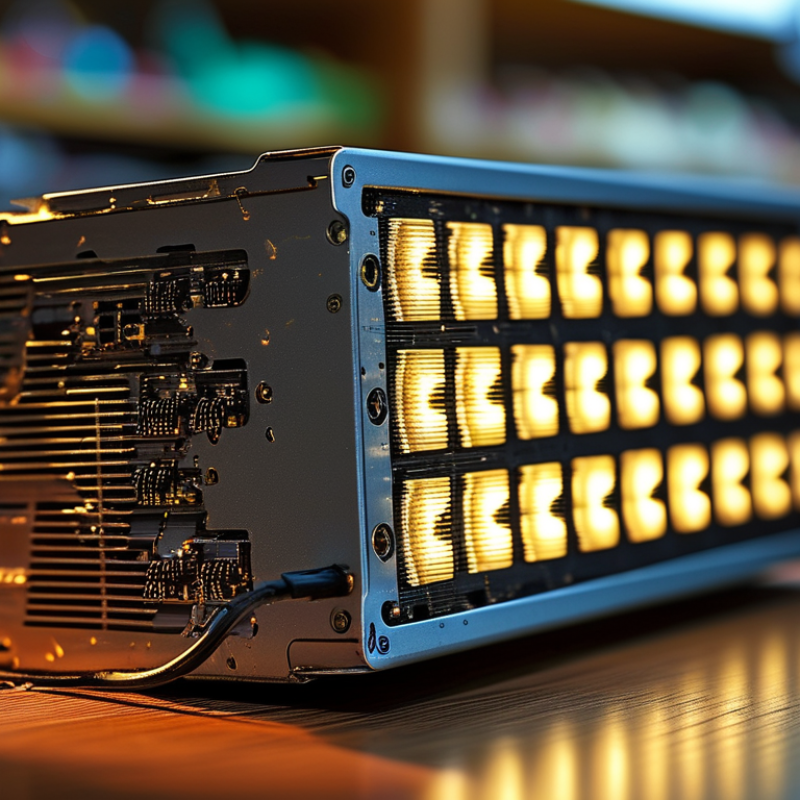
LED drivers play a crucial role in the functionality of shop lighting solutions. They convert incoming AC voltage into a regulated DC output, ensuring that LEDs receive the correct level of power. This process maintains optimal brightness and extends the lifespan of the lighting systems. However, drivers can experience failures, which may go unnoticed until significant problems arise. A single faulty driver can result in dim lights or complete outages, affecting both aesthetics and safety.
Understanding the causes of these failures is vital for effective lighting management. Overheating is a common issue, often linked to inadequate ventilation or high ambient temperatures. High temperatures can degrade components within the driver, leading to premature failure. Additionally, electrical surges can disrupt the driver’s operation, causing immediate or gradual damage. Regular inspection and maintenance can help identify potential issues, but many shops overlook this critical aspect.
Improper installation can also contribute to driver failures. Connections must be secure, and the driver must be suited for the specific application. Inexperienced installers might make mistakes, leading to future complications. Awareness of these factors can help shop owners make informed decisions about their lighting solutions.
: Poor thermal management and electrical surges cause nearly 40% of LED driver failures.
Incorrectly matched drivers can overheat, reducing lifespan by up to 50%.
High temperatures, extreme cold, moisture, and dust affect reliability.
Voltage fluctuations cause intermittent failures, affecting consistent lighting.
Routine checks can reveal early signs of wear and prevent failures.
Use enclosures to protect against humidity and corrosion.
Upgrade to drivers with better thermal management features.
Ensure correct matching of drivers and fixtures for optimal performance.
Dust accumulation hampers heat dissipation, leading to overheating.
Regularly evaluate for electrical noise and voltage stability to prevent issues.
LED drivers play a crucial role in the performance of shop lighting solutions, converting electrical power to ensure optimal light output. Understanding what causes LED driver failure in shop lighting is essential for maintaining effective lighting systems. Common causes of failures include overheating, poor electrical quality, and physical damage, which are exacerbated by environmental factors such as humidity and temperature fluctuations.
Identifying the signs and symptoms of failing LED drivers, such as flickering lights or inconsistent brightness, can help preempt larger issues. Implementing preventative measures—like proper ventilation, surge protection, and regular maintenance—can significantly extend the lifespan of LED drivers, ensuring reliable lighting for retail environments. By being proactive, businesses can mitigate the risks associated with LED driver failures and enhance their overall lighting solutions.

 Pina Light