A continuous linear trunk lighting system can transform any space. It blends aesthetics with efficiency. Understanding how to design a continuous linear trunk lighting system is essential for designers and architects alike.
This lighting solution offers flexibility and customization. It can enhance the ambiance of various environments, from offices to retail spaces. Designers often face challenges in alignment and spacing. These factors can impact the overall effectiveness of the system. An intuitive approach can preserve visual harmony while maximizing functionality.
Designing involves more than just technical aspects. It's about creating an experience. Illumination should highlight architectural features without overwhelming them. The choice of materials and finishes is critical. Each detail matters, from the trunk's color to the fixture's design. Reflecting on these elements can lead to a more thoughtful and successful design process.
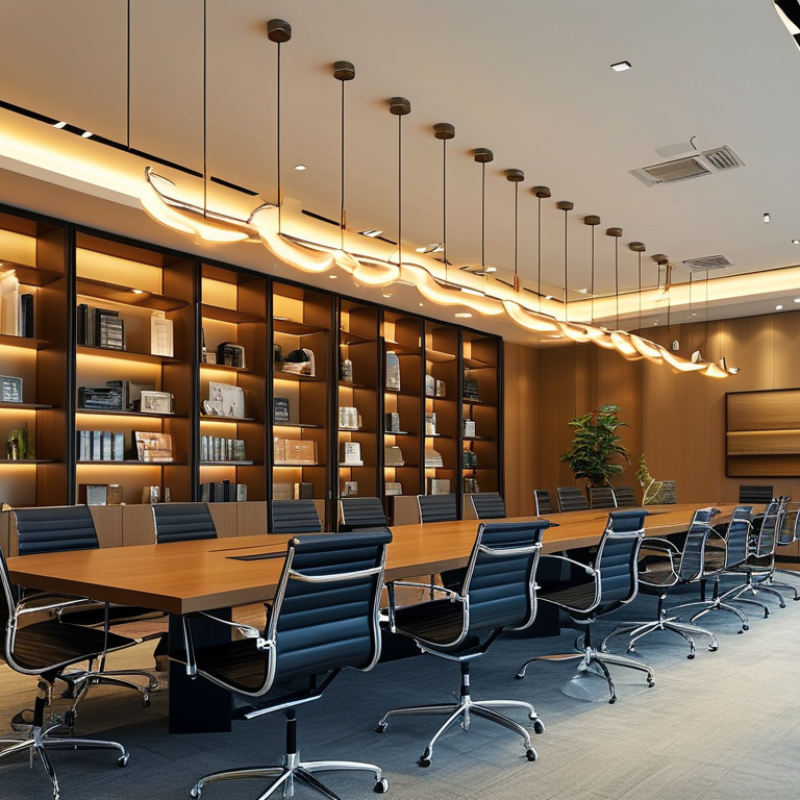
Continuous linear trunk lighting systems have emerged as a pivotal feature in modern architectural design. They blend seamlessly into various environments, enhancing aesthetics while providing efficient illumination. These systems create a uniform light distribution, which is essential for both practical and decorative purposes. Spaces can feel more open and inviting, making them ideal for offices, retail spaces, and galleries.
Tips: Consider the layout of the space. Measurement is crucial. This ensures the lighting enhances the design without overwhelming it. Lighting placement affects mood. Misalignment can lead to dark spots or glare.
Another advantage is their flexibility. Continuous linear trunk lighting can adapt to changing spaces. Designers can adjust the lighting based on the needs of the occupants. However, it's important to think about maintenance. Regular checks are necessary to ensure longevity and performance. Lack of upkeep can diminish the system's effectiveness over time.
Tips: Choose materials wisely. Durability and finish matter. They impact both appearance and function. A well-thought-out design can reduce energy consumption, promoting sustainability in modern architecture.
Continuous linear trunk lighting has become essential in various spaces due to its versatility and performance. It provides seamless illumination that enhances aesthetics and functionality. For instance, in retail environments, research indicates that lighting can influence purchasing behavior. A well-lit space can increase sales by up to 30%, according to the Retail Industry Leaders Association. This emphasizes the importance of effective lighting in creating appealing shopping experiences.
Key features of continuous linear trunk lighting include flexibility in design and installation. These systems can accommodate various ceiling heights and room configurations. Their modular design enables easy adjustments, making them suitable for dynamic spaces like offices and exhibition halls. A study by the International Energy Agency shows that energy-efficient lighting can reduce electrical consumption by up to 50%. This not only lowers costs but also contributes to sustainability efforts in building design.
Moreover, these lighting systems often support smart technologies. They can integrate with mobile applications, allowing users to control brightness and color temperature effortlessly. Real-time data from users can lead to improved layouts and energy usage. However, one challenge is ensuring compatibility with existing architectures. This requires careful planning and consideration to avoid pitfalls in design. Continuous improvement in lighting technology will address these issues over time, enhancing user experiences and overall functionality in diverse environments.
| Feature | Description | Applications | Benefits |
|---|---|---|---|
| Modular Design | Flexible installation options with customizable lengths. | Offices, Retail Spaces | Adaptable to various layouts and needs. |
| Energy Efficiency | Utilizes LED technology for reduced energy consumption. | Public Areas, Schools | Lower operating costs and environmental impact. |
| Seamless Design | Designed to create a continuous line of light without interruptions. | Showrooms, Galleries | Enhances aesthetic appeal and experience. |
| Integrated Controls | Smart lighting solutions with adjustable brightness and color temperature. | Conference Rooms, Hospitality | Improves versatility and user comfort. |
| Durability | Built to withstand various environmental conditions. | Industrial Areas, Warehouses | Longer lifespan and reduced maintenance costs. |
When installing a continuous linear trunk lighting system, several factors come into play. The design must accommodate both functionality and aesthetics. Ceiling height plays a crucial role in determining the placement of fixtures. A well-planned layout ensures adequate light distribution without harsh shadows. Proper spacing prevents overlap and maximizes brightness.
Electrical considerations are equally important. Ensure wiring is appropriate for the system's power requirements. Overloading circuits can lead to failures and safety hazards. Consideration of maintenance access is essential. Fixtures should be easy to reach for bulb replacements and cleaning. This aspect is often overlooked but can lead to frustrating experiences down the line.
Additionally, reflect on the system's adaptability. A linear trunk system should accommodate future changes in space usage. Flexibility in design allows for movement and reconfiguration. This foresight can save costs in the long run. However, striking the right balance between innovation and practicality is challenging. Explore various layout options, and think about how users interact with the lighting.
When comparing continuous linear trunk lighting systems to traditional solutions, several factors come into play. Continuous systems offer seamless illumination, which can create a more modern and aesthetic environment. Traditional lighting often suffers from shadows and inconsistent brightness across spaces. This can lead to visual discomfort and lower productivity levels in workplaces.
Tips for choosing the right lighting: Consider the purpose of the space. For a retail environment, even lighting can enhance product visibility. In a workspace, proper lighting supports concentration and reduces eye strain. When designing with continuous lighting, pay attention to potential glare issues. Use diffusers or indirect lighting strategies to minimize discomfort.
Continuous systems also allow easy scalability. Lighting can be adapted without major renovations. This flexibility is a significant advantage in dynamic spaces. Traditional systems often lack such adaptability. Reflect on the maintenance aspect too. Continuous systems generally require less upkeep, saving time and resources. Yet, installation may involve a higher initial cost, which warrants careful consideration.
Continuous linear trunk lighting systems are revolutionizing the way we illuminate spaces. These systems offer a sleek, modern aesthetic that blends seamlessly with architectural designs. They provide even light distribution, reducing shadows and enhancing visibility. Moreover, their versatility allows for innovative applications in retail, hospitality, and residential areas.
One notable trend is the integration of smart technology. These lighting systems can adapt to natural light levels, saving energy. This adaptability not only fosters sustainability but also enhances user experience. Adjustable brightness can create different atmospheres, catering to various activities.
On the flip side, designing such systems requires careful consideration of layout and placement. Poor positioning may lead to uneven lighting. It's crucial to assess how different spaces interact with light. Balancing functionality and aesthetics can be challenging. Feedback from end-users often reveals unexpected preferences. Overall, continuous linear trunk lighting systems embody innovation while demanding thoughtful execution.
: Consider both aesthetics and functionality. Ceiling height affects fixture placement and layout for light distribution.
Proper wiring is vital to prevent circuit overloads, which can cause failures and safety risks.
A flexible design allows for space usage changes, saving costs and addressing evolving needs in the long run.
Continuous systems provide seamless illumination, reducing shadows and enhancing visibility in various environments.
Proper lighting reduces eye strain and supports focus, leading to improved concentration in workplaces.
The integration of smart technology allows for energy-saving adaptations to natural light levels.
Continuous systems typically require less upkeep, but installation can involve higher initial costs.
Poor positioning can lead to uneven lighting. It's essential to assess how the space interacts with light.
End-user preferences may reveal unexpected needs, influencing layout and design choices.
A well-designed system enhances the environment while still ensuring functionality and user satisfaction.
The article "Why You Should Design a Continuous Linear Trunk Lighting System" highlights the numerous benefits of integrating continuous linear trunk lighting in modern design. These systems offer enhanced flexibility and aesthetic appeal while providing efficient illumination across various spaces. Key features include customizable lengths, integrated controls, and the ability to create dynamic lighting environments. Installation considerations emphasize the importance of planning for electrical requirements and spatial configurations to maximize effectiveness.
Additionally, the comparative analysis showcases how continuous linear trunk lighting outperforms traditional lighting solutions in terms of energy efficiency and design versatility. The article also explores innovative applications and emerging trends, suggesting that understanding how to design a continuous linear trunk lighting system can significantly elevate the functionality and ambiance of contemporary spaces.

Pina Light