What is the Difference Between PPFD and Lux in Horticulture?

Time:2026-08-03 Author:Charlotte
0%

Understanding light measurements in horticulture is essential for optimal plant growth. Two common units are PPFD (Photosynthetic Photon Flux Density) and Lux. Many growers and researchers grapple with "What is the difference between PPFD and Lux in horticulture?" The distinction between these measurements can significantly affect cultivation methods and outcomes.

Dr. Jane Smith, a renowned horticultural scientist, emphasizes this point. “PPFD directly quantifies light usable by plants, whereas Lux measures perceived brightness by the human eye.” According to a recent report by the Horticultural Lighting Alliance, PPFD provides a more accurate reflection of light availability for photosynthesis. The report highlights that plants respond to specific wavelengths, which are not adequately represented by Lux.

Understanding these measurements leads to better lighting strategies. A common mistake is relying solely on Lux, which does not ensure efficient plant growth. By incorporating PPFD into horticultural practices, growers can optimize their setups. This knowledge gap persists in the industry, often leading to suboptimal practices. Recognizing these differences can enhance productivity and improve crop yields.
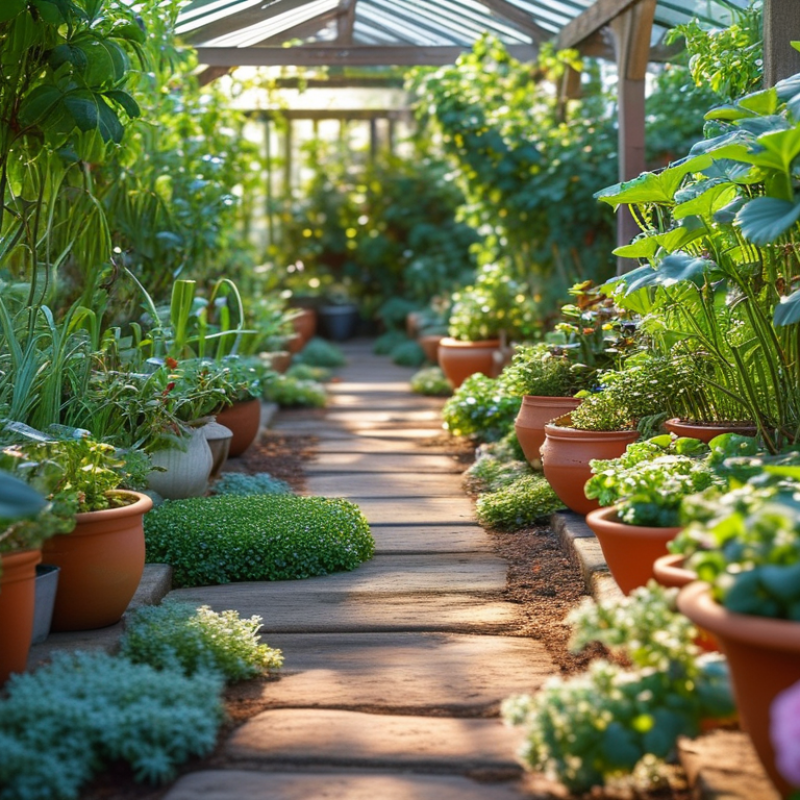
What is the Difference Between PPFD and Lux in Horticulture?

Understanding PPFD: Definition and Measurement in Horticulture

PPFD, or Photosynthetic Photon Flux Density, measures the amount of light available for photosynthesis. It is quantified in micromoles per square meter per second (µmol/m²/s). Understanding PPFD is essential for optimizing plant growth, especially in controlled environments like greenhouses. Studies indicate that plants require a specific PPFD range for different growth stages to maximize yield. For example, seedlings thrive at 200-400 µmol/m²/s, while flowering plants may need up to 600 µmol/m²/s.

When measuring light in horticulture, it is crucial to differentiate between PPFD and lux, the latter representing human-perceived brightness. Lux values do not accurately reflect the light usable by plants. For instance, a light source may produce high lux values but deliver low PPFD, resulting in insufficient energy for plant growth. Research shows that relying solely on lux can mislead growers into making ineffective lighting choices.

Inaccuracies in measurement tools can also impact the cultivation process. Some sensors may not calibrate correctly, leading to distorted readings. Additionally, light conditions vary significantly across different growth mediums and plant species. Diversities in light requirements necessitate tailored PPFD levels for optimal photosynthesis. Understanding these nuances requires careful monitoring and adjustment to achieve the best results for crop production.

Defining Lux: How It Relates to Light and Plant Growth

Lux is a unit of measurement that indicates the amount of light falling on a surface. This is particularly relevant in horticulture, where understanding light intensity is essential for plant growth. Lux measures illuminance, which reflects how light interacts with the surrounding environment. In contrast, PPFD (Photosynthetic Photon Flux Density) measures the number of photons in the light spectrum that plants can use for photosynthesis. Plants primarily utilize light within the 400-700 nm range.

Studies reveal that plants require certain light levels for optimal growth. A typical vegetable might thrive between 200 to 800 PPFD. In contrast, lux levels can significantly vary, as 1,000 lux is a common reading for well-lit indoor spaces. However, a high lux reading doesn't always correlate to sufficient photosynthetic light. Some plants may need lower lux readings but higher PPFD values for effective growth.

Tip: Always check both lux and PPFD when assessing light sources for your plants. A balance between both will enhance growth.

Different species have varying light requirements. For instance, succulents prefer lower light levels while leafy greens thrive in higher intensities. This emphasis on diverse light needs makes it crucial to monitor conditions regularly. Over-lighting may lead to stress, while insufficient lighting stalls growth.

Tip: Regularly test your light levels to ensure they match your plant's needs. Adjustments can prevent unnecessary setbacks in growth.

Comparative Analysis of PPFD and Lux: Key Differences Explored

In horticulture, understanding light measurement is essential for plant growth. Two common units are PPFD (Photosynthetic Photon Flux Density) and Lux. While both measure light intensity, their applications differ significantly. PPFD quantifies the amount of photosynthetically active radiation (PAR) that plants utilize, measured in micromoles per square meter per second. Lux, on the other hand, measures visible light as perceived by the human eye. This distinction is crucial for growers optimizing their environments.

Many growers might overlook the importance of PPFD. Relying solely on Lux could lead to poor plant performance. Lux readings may be high, but they don't guarantee effective light for photosynthesis. Consider using a PPFD meter in your growing space. This will provide more accurate insights into your plants' light needs.

When assessing light conditions, check for variations in different stages of growth. Young seedlings require less PPFD than mature plants. Monitoring these changes can enhance yield. Regular adjustment of light sources based on specific plant needs is crucial. Nature is dynamic, and so should be your approach.

Industry Standards: Recommended PPFD Levels for Various Crops

In horticulture, understanding PPFD (Photosynthetic Photon Flux Density) is critical for optimizing plant growth. Different crops have specific light requirements. For instance, leafy greens thrive at 200-400 µmol/m²/s. In contrast, fruiting plants often need higher levels, ranging from 400-700 µmol/m²/s. This light intensity ensures robust growth and better yields.

Industry standards for PPFD are based on crop types and growth stages. Seedlings might require lower light levels, around 100 µmol/m²/s. However, as plants mature, their light needs increase. Research indicates that insufficient light can stunt growth. Overexposure could cause photobleaching or stress.

Understanding these levels helps growers make informed decisions. It may take time to balance light intensity and crop needs. Observing plant responses to various PPFD levels can lead to better practices. Adjustments often lead to improved health and productivity. Each crop is unique, and growers should not overlook these light requirements.

Practical Applications: Choosing Between PPFD and Lux for Optimal Lighting

In horticulture, light measurement plays a crucial role in plant growth. PPFD (Photosynthetic Photon Flux Density) and Lux provide different insights into how plants utilize light. Choosing between them affects plant health and yield significantly.

PPFD measures the amount of light a plant receives, focusing on the specific wavelengths useful for photosynthesis. This data is vital for indoor growers who aim to mimic natural light conditions. Lux, on the other hand, measures the intensity of visible light as perceived by the human eye. This measurement can mislead growers. It does not account for the wavelengths that plants absorb.

When selecting between PPFD and Lux, consider your horticultural goals. For optimizing plant growth, rely on PPFD. Understanding light needs can be a trial-and-error process. Some growers might initially prioritize Lux based on easy-to-find charts, only to discover their plants are not thriving. This realization can prompt a reevaluation of light strategies. Therefore, focusing on PPFD can lead to more fruitful outcomes and healthier plants over time.

PPFD vs Lux in Horticulture

This chart illustrates the difference between PPFD (Photosynthetic Photon Flux Density) and Lux in horticulture. PPFD is measured in micromoles per square meter per second (μmol/m²/s), and is crucial for understanding the light available for photosynthesis, while Lux measures visible light intensity. The data below provides insight into the effective lighting scenarios for various plants.

FAQS

: What is PPFD and why is it important for plants?

: PPFD stands for Photosynthetic Photon Flux Density. It measures light available for photosynthesis, which is vital for plant growth.

How is PPFD measured?

PPFD is measured in micromoles per square meter per second (µmol/m²/s). This quantifies light intensity for plants.

What is the difference between PPFD and Lux?

PPFD measures light usable by plants, while Lux measures light perceived by the human eye. They serve different purposes.

Can high Lux values assure good plant growth?

No, high Lux doesn’t guarantee effective light for photosynthesis. It’s crucial to focus on PPFD instead.

What PPFD levels do seedlings and flowering plants need?

Seedlings need around 200-400 µmol/m²/s. Flowering plants may require up to 600 µmol/m²/s for optimal growth.

How can measurement inaccuracies affect plant growth?

Incorrectly calibrated sensors can give distorted readings. This may lead to poor lighting decisions for plants.

Why should light conditions be monitored regularly?

Light needs change as plants grow. Regular monitoring helps adjust PPFD levels for better yields.

What happens if light conditions are not tailored?

Plants may not receive adequate light, resulting in stunted growth or reduced yields.

Should I use a PPFD meter for growing plants?

Yes, a PPFD meter provides accurate insights into your plants' light requirements, enhancing growth potential.

How does the dynamic nature of light impact cultivation?

Light conditions change with growth stages. Adapting your approach ensures plants receive the right PPFD throughout their life cycle.

Conclusion

The article "What is the Difference Between PPFD and Lux in Horticulture?" provides a comprehensive exploration of these two critical concepts in horticultural lighting. It begins by defining PPFD (Photosynthetic Photon Flux Density) and its measurement in terms of light intensity, emphasizing its importance for plant photosynthesis. In contrast, Lux is explained as a measure of illuminance relevant to human perception of light and its indirect effects on plant growth.

The comparative analysis highlights the fundamental differences between PPFD and Lux, particularly their applications in horticulture. While industry standards recommend specific PPFD levels suited for various crops, the article also discusses practical considerations for choosing between PPFD and Lux to optimize lighting setups in cultivation. Ultimately, understanding these differences is crucial for growers aiming to enhance plant health and productivity through adequate light management.

Charlotte

Charlotte

Charlotte is a seasoned marketing professional with a deep understanding of the company's portfolio and a passion for elevating its presence in the market. With a keen eye for detail and a commitment to excellence, she ensures that our professional blog is regularly updated with insightful articles......