What is the Difference Between Trunking Light and Track Light?

Time:2026-07-02 Author:Henry
0%

When exploring the world of lighting solutions, many encounter the question, "What is the difference between trunking light and track light?" To shed light on this topic, we turn to industry expert John Smith, who states, "Understanding the nuances of lighting options is essential for creating functional spaces."

Trunking lights and track lights serve distinct purposes. Trunking lights are often used in commercial settings. They provide efficient and uniform lighting across long spaces. On the other hand, track lights offer versatility. They allow users to adjust the direction of light, making them suitable for galleries or retail spaces.

Choosing between these two types can be overwhelming. Each has its pros and cons. A trunking system may require careful installation, while track lights offer flexibility but can complicate fixture selection. Ultimately, the decision hinges on the specific needs of each space. Understanding these differences is crucial for optimal illumination.
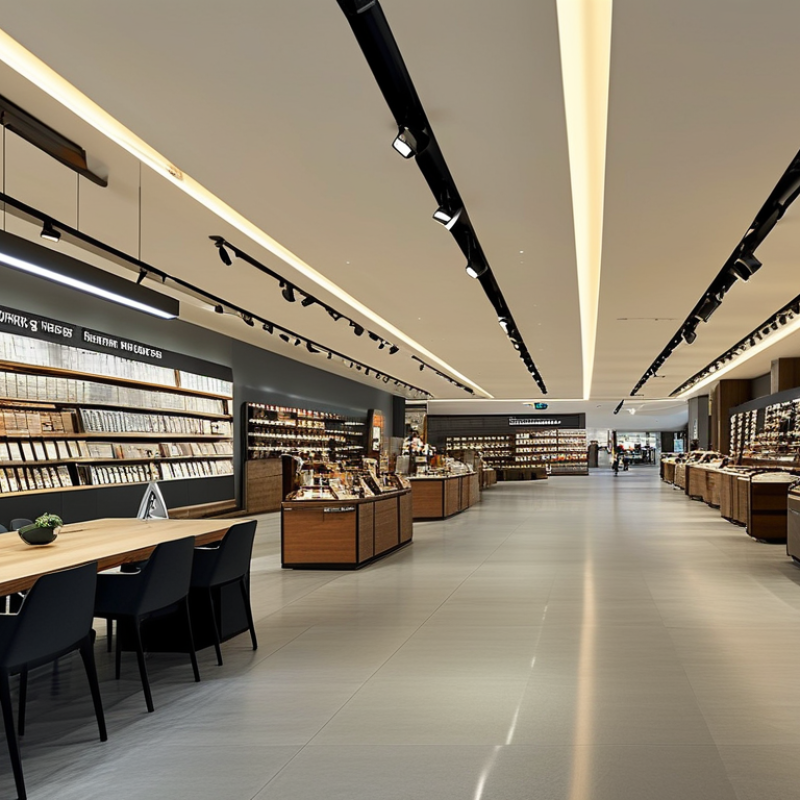
What is the Difference Between Trunking Light and Track Light?

Definition of Trunking Light and Track Light

Trunking light and track light serve distinct purposes in lighting design. Trunking light refers to a modular lighting system that consists of a long, continuous fixture mounted on the ceiling. It allows for flexible placement of lights along the track. This system is popular in commercial settings where lighting needs can change frequently.

In contrast, track light consists of individual fixtures attached to a track. This design allows for greater focus and can direct light to specific areas. Track lighting is often found in galleries or retail spaces, where highlighting specific items is essential. Both systems can create dramatic effects but require careful planning to maximize their impact.

While trunking light offers versatility, it may pose challenges in installation. The layout must accommodate future changes. On the other hand, track light’s adjustable nature can sometimes lead to visual clutter if not organized well. Balancing aesthetics and functionality is crucial. Each system has its pros and cons, and understanding these elements can enhance any lighting project.

Key Features of Trunking Light

Trunking light systems are transforming the way we approach commercial lighting. These systems consist of a series of modular tracks. This allows for flexible placement of light fixtures. They are often used in retail and warehouse environments. According to a report by the International Energy Agency, efficient lighting can reduce energy consumption by up to 50%. Trunking systems are designed for efficiency and versatility.

One of the key features of trunking light is its ability to adapt to various settings. The fixtures can be easily moved along the track, accommodating shifting store layouts. This flexibility is crucial in today’s fast-paced retail environment. Research has shown that well-lit spaces can improve customer engagement and increase sales. A study conducted by the Lighting Research Center found that lighting affects consumers' mood and purchasing behavior significantly.

Another notable feature is energy efficiency. Many trunking lights use LED technology, which can last up to 25 times longer than traditional bulbs. This longevity leads to lower replacement costs. However, not all installations are flawless. Some users report difficulties in aligning the fixtures perfectly. It’s essential to consider proper installation techniques. This ensures the system achieves optimal performance.

Comparison of Key Features: Trunking Light vs Track Light

Key Features of Track Light

Track lighting systems are versatile fixtures designed to illuminate specific areas. According to a recent report by the American Lighting Association, track lights account for approximately 18% of residential lighting sales. This popularity stems from their ability to be adjusted easily to focus light where it’s most needed. Available in multiple styles, they can enhance modern and traditional aesthetics alike.

Key features of track lights include adjustable heads and customizable layouts, allowing users to spotlight artwork or architectural elements. The report also states that LEDs in track lighting improve energy efficiency significantly. Many systems now have color temperature options, holding a color rendering index (CRI) above 90 for better visual clarity. However, installation can be challenging for some homeowners.

Cost-effectiveness is another factor to consider. Track lights often have higher upfront costs but lower long-term energy expenses. A study from the Department of Energy indicates that LED track lights can save about 75% in energy consumption compared to traditional fixtures. Still, selecting the right type can be confusing due to varying intensities and styles available on the market. Users must carefully assess their lighting needs before making a decision.

Comparison of Installation Methods for Both Lighting Types

When it comes to installation methods, trunking light and track light differ significantly. Trunking lighting often requires a mounted aluminum track that holds multiple fixtures. The process is straightforward. Install the trunking parallel to the wall or ceiling, then attach the fixtures as needed. This type of installation is beneficial for large spaces.

Track lights, on the other hand, offer more flexibility. They can be installed on walls or ceilings in different orientations. The rail acts as both a power source and a support for the fixtures. Carefully position the track to achieve the desired lighting effect. This adaptability makes track lighting ideal for galleries and retail settings.

Tip: Always measure the space before installation. This prevents errors during the setup. Ensure your chosen lighting suits the room size and purpose.

Another point to consider: wiring can become complex. With trunking, the wiring is usually concealed. However, with track lighting, visible cables may require additional attention. Keep safety and aesthetics in mind.

Tip: Use a professional if unsure. Their expertise ensures proper installation and safety compliance. This step can save time and future headaches.

What is the Difference Between Trunking Light and Track Light?

Feature Trunking Light Track Light
Installation Method Mounted along ceiling or wall with a continuous track Mounted on a single rail that can be adjusted
Flexibility Less flexible; limited to predefined layout More flexible; can move and reposition fixtures
Light Direction Fixed angle Adjustable heads for directional lighting
Installation Cost Higher initial costs due to extensive wiring Lower initial cost, easier installation
Common Use Cases Large commercial spaces, showrooms Art galleries, retail stores, residential areas

Applications and Use Cases for Trunking and Track Lighting

Lighting is crucial in modern design, particularly in retail and commercial spaces. Trunking light systems excel in flexibility, making them ideal for dynamic environments. These systems allow easy rearrangement of lights, accommodating seasonal displays in stores. According to a 2022 report by the Lighting Research Center, trunking lights can enhance energy efficiency by up to 30% when properly utilized.

Track lights, on the other hand, are typically fixed and provide focused illumination. Their versatility makes them a favorite for galleries and museums. They showcase artwork beautifully, drawing attention to details. Research indicates that 57% of gallery owners prefer track lighting for this very reason. However, track lights can sometimes create hot spots, requiring careful planning.

Both lighting types have unique applications. Trunking systems suit large areas requiring adaptable lighting, while track lights serve specific tasks. Choosing the right one depends on the space’s purpose. Some professionals may overlook the importance of light placement, leading to less-than-optimal results. Understanding the distinct applications can guide better lighting choices.

FAQS

: What are the main features of track lights?

: Track lights have adjustable heads and customizable layouts, perfect for highlighting art or architectural details.

How do LED track lights impact energy consumption?

LED track lights can save about 75% in energy use compared to traditional fixtures, making them highly efficient.

What challenges might homeowners face with track light installation?

Some homeowners find track light installation complicated due to wiring complexities and the need for precise positioning.

How do trunking lights differ in installation from track lights?

Trunking lights need a mounted track for multiple fixtures, while track lights can be installed in various orientations.

Why is it important to measure the space before installing lights?

Measuring ensures the lights suit the room’s size and purpose, preventing costly mistakes during installation.

What should you consider if using track lights in a gallery?

Track lights can create hot spots, so careful planning is necessary to achieve even illumination and avoid distractions.

How can trunking lighting systems benefit retail spaces?

Trunking systems allow easy rearrangement of lights, making them great for dynamic displays in retail environments.

What is a common misconception about lighting placement?

Some professionals might overlook the importance of proper light placement, leading to less optimal results.

Are the upfront costs of track lights worth it?

Yes, track lights have higher initial costs but lower long-term energy expenses, making them cost-effective over time.

Why might someone prefer to hire a professional for installation?

Professionals help ensure safety and compliance, saving time and potential difficulties during the installation process.

Conclusion

When exploring the question, "What is the difference between trunking light and track light," it is essential to understand their definitions and key features. Trunking lights are typically mounted on a continuous trunking system, allowing for easy flexibility and adjustment in lighting configuration. They are highly efficient for large spaces, providing uniform illumination. In contrast, track lights come mounted on tracks, enabling versatile positioning and angle adjustments of individual light fixtures, making them ideal for highlighting specific areas or objects.

Installation methods also differ; trunking lights require a more extensive setup process linked to their fixed tracks, while track lights allow for easier adjustments post-installation. Both lighting types have unique applications: trunking lights are suitable for industrial and commercial spaces, whereas track lights are favored in galleries and retail environments. Understanding these features and applications helps in choosing the appropriate lighting solution for specific needs.

Henry

Henry

Henry is a dedicated marketing professional with a profound expertise in the company's offerings. With years of experience in the industry, he possesses an impressive understanding of the market dynamics and consumer behaviors that drive success. Henry is committed to sharing his insights through......