Commercial lighting can quietly consume a large share of a building’s electricity. A warehouse with hundreds of metal halide fixtures may glow brightly, yet waste energy as heat. LED technology changes that balance through higher efficiency, longer service life, and better optical control.
The practical question is simple: How much energy do LED commercial lights save? In many retrofit projects, LEDs reduce lighting electricity use by roughly 40% to 75%, according to widely cited U.S. Department of Energy and ENERGY STAR guidance. Actual savings depend on wattage, operating hours, controls, utility rates, and existing equipment. A 400-watt fixture replaced with a 150-watt LED can save 250 watts whenever it operates. Across a store open twelve hours daily, that difference becomes measurable on monthly bills.
There is more to the calculation than multiplying wattage. Occupancy sensors, daylight dimming, and scheduling can deepen the savings. Reduced lamp replacement also lowers maintenance visits, especially in high-bay spaces with lifts and difficult access. Still, not every LED project delivers its advertised result. Poor layouts, excessive brightness, weak controls, or low-quality products can reduce the benefit.
Details matter.
This guide examines five practical facts behind LED savings, using energy calculations, real operating conditions, and recognized efficiency guidance. It also considers installation costs, lighting quality, and the limits of simplified estimates. The goal is not to promise identical results for every building. It is to provide a dependable framework for judging whether a commercial LED upgrade makes financial and environmental sense.
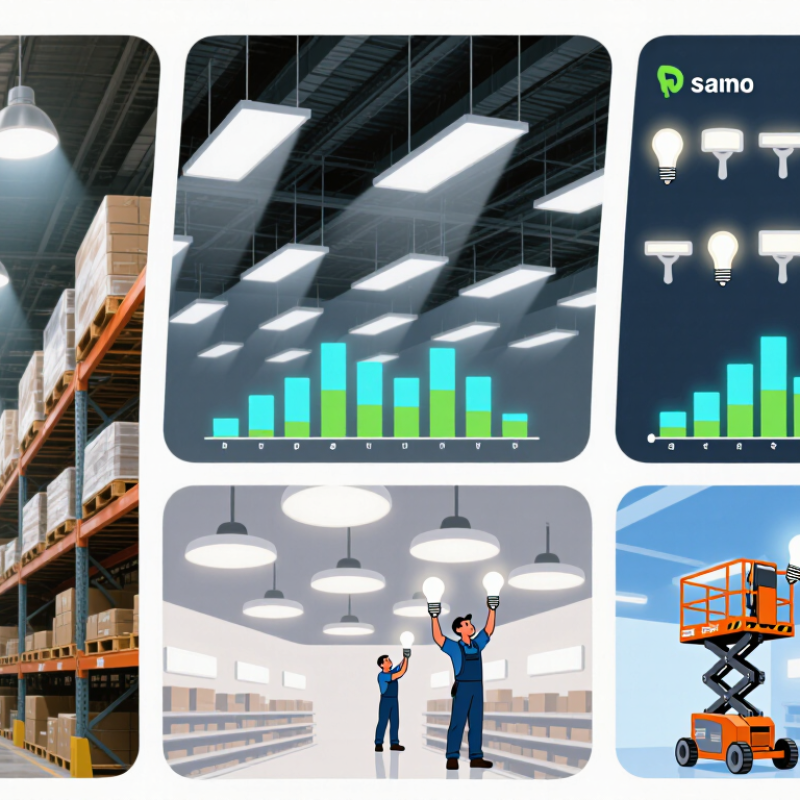
LED commercial lights are fixtures built with light-emitting diodes instead of traditional fluorescent tubes or metal-halide lamps. A diode produces light when electrical current passes through a semiconductor material. It does not heat a wire until it glows. Less wasted heat means more electricity becomes useful illumination.
The design is compact and controlled. A driver changes incoming power into a stable current for the diodes. A heat sink carries away excess warmth, while lenses direct light onto aisles, desks, loading areas, or display shelves. Good optics can reduce dark corners and unnecessary over-lighting. They start quickly. There is no long warm-up period.
Energy savings depend on the existing system, operating hours, and control settings. Replacing a 400-watt high-intensity fixture with a suitable 150-watt LED fixture can cut lighting energy substantially. In a busy warehouse, motion sensors and daylight controls may reduce consumption further. Field audits often reveal surprising waste, such as lights running through empty rooms. Still, LED efficiency is not automatic. Poorly sized fixtures can create glare, uneven brightness, or disappointing savings. Maintenance records, measured wattage, and actual operating schedules should guide the decision. The numbers deserve checking.
LED commercial lights use semiconductor chips to convert electricity into light. A driver regulates power, while the housing and heat sink manage heat. The chart compares typical lamp wattages for similar light output.
Estimated annual electricity use assumes one lamp operates 12 hours per day for 365 days. A typical 15-watt LED uses about 75% less electricity than a 60-watt incandescent lamp and about 79% less than a 72-watt halogen lamp. Actual savings vary by fixture, light level, operating schedule, and controls.
LEDs also produce less heat, reduce cooling demand in conditioned spaces, and generally have a longer service life than traditional lighting technologies.
How Much Electricity Can LED Commercial Lights Save?
LED commercial lights can reduce electricity use by 40% to 70% compared with older fluorescent, metal-halide, or high-pressure sodium systems. Actual savings depend on wattage, operating hours, lighting levels, and controls. The U.S. Department of Energy reports that LED products can use at least 75% less energy than incandescent lighting. Its solid-state lighting research also shows that occupancy sensors and daylight dimming can produce additional savings in commercial spaces.
Consider a warehouse replacing a 100-watt fixture with a 60-watt LED fixture. If it operates 12 hours daily for 300 days, the annual reduction is about 144 kilowatt-hours per fixture. At $0.15 per kilowatt-hour, that equals roughly $22 in direct energy savings. A site with 500 fixtures could save about $10,800 annually, before maintenance savings. The International Energy Agency identifies lighting as approximately 15% of global electricity demand, showing why efficiency improvements matter beyond one building.
The estimate is not universal. Poorly designed retrofits may create glare, uneven brightness, or unnecessary over-lighting. That wastes energy again. Professional audits should measure existing wattage, operating schedules, lux levels, and utility rates before installation. Results can also fall short when fixtures remain active in empty rooms. LEDs save power, but thoughtful controls often determine whether the projected savings become real.
| Commercial Lighting Replacement | Existing Fixture Input Power | LED Fixture Input Power | Annual Electricity Before LED | Annual Electricity With LED | Annual Electricity Saved | Energy Reduction | Estimated Annual Cost Savings |
|---|---|---|---|---|---|---|---|
| 400 W high-intensity discharge fixture to LED | 400 W | 150 W | 1,600 kWh | 600 kWh | 1,000 kWh | 62.5% | $150 |
| 250 W metal halide fixture to LED | 250 W | 100 W | 1,000 kWh | 400 kWh | 600 kWh | 60.0% | $90 |
| Four-lamp fluorescent fixture with ballast to LED | 148 W | 60 W | 592 kWh | 240 kWh | 352 kWh | 59.5% | $52.80 |
| 175 W high-intensity discharge fixture to LED | 175 W | 70 W | 700 kWh | 280 kWh | 420 kWh | 60.0% | $63 |
| 100 W high-pressure sodium fixture to LED | 100 W | 40 W | 400 kWh | 160 kWh | 240 kWh | 60.0% | $36 |
LED commercial lighting can reduce energy use, but savings depend on more than replacing one lamp. A high-efficiency LED fixture may use 40 to 70 percent less electricity than older fluorescent or metal-halide equipment. The real result depends on wattage, light output, operating hours, and electricity rates. A warehouse running lights 16 hours daily may save more than a small office using them briefly.
Controls often determine the final savings. Occupancy sensors can switch lights off in empty aisles, while daylight sensors reduce output near windows. Dimming also helps, but only when the system is installed and calibrated correctly. Poor placement may leave dark work areas and encourage staff to override the controls. Fixture design matters too. A narrow beam can illuminate shelves effectively, while an unsuitable beam wastes light on walls or ceilings. Lower heat output may also reduce cooling demand, although this benefit varies by building, climate, and ventilation.
Tips: Compare measured watts, not lamp names. Record operating hours for one week. Check illumination at desks, floors, and storage racks. Include installation, controls, maintenance, and disposal costs in the calculation. In my experience, projected savings can look impressive, yet actual results fall short when schedules are inaccurate or sensors are ignored. Measure the lighting load before and after installation, then review the data after several months. A realistic estimate is more useful than a perfect-looking promise.
Commercial LED lighting can reduce electricity use by 40% to 70%, depending on existing fixtures and operating hours. A warehouse running lights twelve hours daily may see substantial savings on monthly utility bills. However, results depend on wattage, controls, ceiling height, and local electricity prices.
Lower consumption also reduces operating emissions from power generation. LEDs usually last longer than older lamps, so businesses may purchase fewer replacements and schedule less maintenance. Fewer ladder visits can improve workplace safety. The financial benefit is not automatic. Poorly designed installations may create glare, uneven brightness, or excessive lighting. That wastes money and weakens the environmental case. A lighting audit should compare energy use, fixture output, labor costs, and disposal requirements before upgrading.
Tips: Measure current wattage and annual operating hours before choosing replacements. Match light levels to each task, rather than making every room extremely bright. Add occupancy sensors in storage areas and timers where appropriate. Keep invoices and meter readings for at least twelve months. This evidence reveals the real payback period. Some estimates look impressive on paper, but actual savings can disappoint. Feedback from workers matters, too. A comfortable, well-lit workspace supports productivity without encouraging unnecessary energy use.
A practical LED efficiency plan begins with a room-by-room lighting audit. Record operating hours, fixture wattage, occupancy patterns, and monthly electricity use. Measure light levels with a handheld meter, not just with visual judgment. Some areas may be overlit, while storage aisles may remain uncomfortable or unsafe. Replacing fixtures alone can waste money if the control system stays unchanged.
Use occupancy sensors in meeting rooms, restrooms, and low-traffic corridors. Add daylight dimming near windows, especially in offices with strong afternoon sunlight. Schedule lights to reduce output after closing, while keeping essential security lighting active. Clean lenses and reflectors regularly because dust lowers useful light. Choose suitable color temperature and glare control for each task. Bright is not always better.
Test one area before upgrading the entire building. Compare kilowatt-hours, light levels, complaints, and maintenance time for four weeks. Check sensor settings during real working hours. They often switch off too quickly. Review the results with staff, because comfort problems may not appear in energy data. Also, document installation dates and warranty details. Small records matter. A common mistake is trusting projected savings without measuring actual performance. Revise the plan when the numbers disagree.
They are commercial fixtures using light-emitting diodes instead of fluorescent tubes or metal-halide lamps. A semiconductor produces light when current passes through it. A driver stabilizes the electrical current. A heat sink removes excess warmth. Lenses guide light toward aisles, desks, loading areas, or shelves. They start quickly. No long warm-up.
Electricity enters the driver and becomes stable current for the diodes. The diodes create light with less wasted heat than glowing wires. The heat sink carries away remaining warmth. Optics shape the beam and reduce dark corners. The system still needs proper sizing. Otherwise, glare may replace darkness.
They may reduce lighting electricity by about 40% to 70% compared with older systems. Actual savings depend on wattage, schedules, lighting levels, and controls. For example, replacing a 100-watt fixture with a 60-watt fixture saves 40 watts during operation. At 12 hours daily for 300 days, one fixture saves about 144 kilowatt-hours yearly. Estimates can disappoint.
Operating hours strongly affect results. A warehouse running lights twelve hours daily has more saving potential than an empty office. Utility rates also change the financial result. Sensors and daylight dimming can reduce consumption further. Existing fixtures, measured wattage, and maintenance costs should be checked. Projected savings are not guaranteed.
Yes. Occupancy sensors can switch lights off in meeting rooms, restrooms, and quiet corridors. Scheduling can reduce output after closing. Essential security lighting can remain active. Sensors may switch off too quickly, though. Test them during real working hours. A dark corridor is not an efficiency success.
Begin with a room-by-room audit. Record fixture wattage, operating hours, occupancy patterns, and monthly electricity use. Measure light levels with a handheld meter. Check whether storage aisles are dim or work areas are overlit. Test one area for four weeks before upgrading the whole building. Small pilots expose expensive mistakes.
Occupancy sensors suit rooms with irregular use. Daylight dimming works near windows with strong afternoon sunlight. Time schedules can lower output after closing. Controls should preserve required security lighting. Review sensor settings after installation. They often need adjustment.
Select fixtures with suitable optics and glare control. Match color temperature to the task and space. Avoid simply choosing the brightest available fixture. Measure light levels across desks, aisles, and loading areas. Poor placement can create bright patches beside dark corners. Staff feedback matters, because meters cannot describe every discomfort.
Clean lenses and reflectors regularly because dust reduces useful light. Record installation dates, fixture wattage, sensor settings, and warranty details. Compare energy use, light levels, complaints, and maintenance time. Review results when actual numbers disagree with the plan. Four weeks may miss seasonal changes. The decision should remain open to revision.
LED commercial lights use light-emitting diodes to convert electricity into illumination more efficiently than traditional lighting systems. The key question, “How much energy do LED commercial lights save,” depends on the existing fixtures, operating hours, light levels, and control systems, but many businesses can significantly reduce lighting electricity use by switching to LEDs. Their lower wattage, longer service life, and reduced heat output help deliver the same brightness with less energy.
Energy savings can increase when businesses combine LEDs with occupancy sensors, daylight controls, dimming systems, and scheduled operation. Lower electricity consumption can reduce monthly operating costs, while fewer replacements may decrease maintenance expenses and material waste. LEDs also support environmental goals by lowering energy-related emissions and extending equipment life. Before upgrading, businesses should assess room usage, required brightness, fixture placement, and control needs to select an efficient lighting plan that provides reliable performance without unnecessary energy consumption.
Pina Light