When considering the question of "How many hours a day should grow lights be on?", it's essential to understand the needs of different plants. Research indicates that most plants benefit from 12 to 16 hours of light per day. The American Society for Horticultural Science highlights that the light duration can significantly affect plant growth, flowering, and fruiting.
Understanding plant requirements is crucial. Some species thrive under extended light, while others require shorter periods. Factors like plant type and growth stage can influence the ideal light duration. For instance, seedlings often need more light to encourage robust growth. However, too much light can lead to stress and hinder development.
Balancing these variables requires experience and observation. Monitoring your plants can help determine their specific needs. Conditions like light intensity, temperature, and humidity also play vital roles. Therefore, tailoring light duration is not a one-size-fits-all approach. Adjustments may be necessary based on plant response.
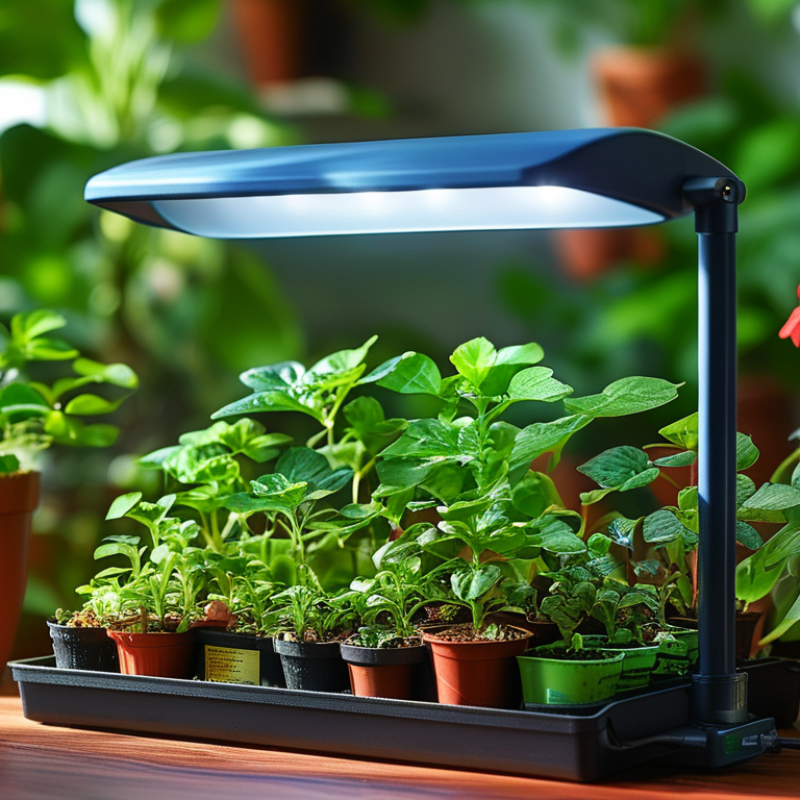
Factors Influencing Grow Light Duration for Plants
Lighting is crucial for plant growth, particularly in indoor gardening. Various factors influence how long grow lights should be on. Light intensity, plant species, and growth stage play significant roles. Some plants thrive with 12 to 16 hours of light daily, while others may need only 8 to 10 hours.
For instance, a study from the University of Arizona showed that leafy greens benefit from longer light durations compared to flowering plants. The plant's photoperiod sensitivity influences its light needs. Certain species, like succulents, can do well with shorter light periods. Understanding these nuances is key for optimal growth.
Tips: Monitor your plants closely. If they appear leggy, they may need more light. Conversely, yellowing leaves can indicate too much exposure. Adjust as necessary. Remember, too much or too little light can hinder growth and yield uneven results. Experiment with light durations to find what works best for your specific plants.
How Many Hours a Day Should Grow Lights Be On for Plants?
This chart illustrates the recommended daily duration (in hours) of grow light exposure for different plant types based on their light requirements.
Recommended Light Hours for Different Plant Types
When it comes to grow lights, different plants have varying light needs. For instance, leafy greens such as lettuce thrive with 12 to 16 hours of light daily. This duration encourages strong growth and vibrant colors. On the other hand, fruiting plants like tomatoes usually require about 14 to 18 hours of light. The extra light helps produce more flowers and subsequently, more fruit.
For flowering plants, a balance is essential. Many prefer around 12 to 16 hours of light. However, it’s important to adjust based on the plant's response. Some may need slightly more or less, indicating a need for monitoring. Remember, too much light can be harmful. Plants can get stressed, leading to issues like leaf burn or slow growth.
Keep in mind that the quality of light matters too. Not all grow lights provide the same spectrum. Some plants may respond differently to varying wavelengths. Adjusting light duration is a process that may take time. Observing your plants closely can guide you in finding the perfect balance for optimal growth.
Effects of Light Intensity on Growth and Development
Light intensity plays a crucial role in the growth and development of plants. Different plants require varying levels of light for optimal growth. For instance, some plants thrive under bright, direct light, while others prefer lower-light conditions. Understanding these needs is essential for any indoor gardener.
When using grow lights, the intensity impacts photosynthesis significantly. Plants convert light energy into chemical energy, promoting growth. Insufficient light can lead to leggy, weak plants. Conversely, excessively intense light can cause leaf burn. It’s a delicate balance that requires close observation. Monitoring your plants' response to light levels can guide adjustments.
Experimenting with light duration is also important. Grow lights should typically run between 12 to 16 hours daily, depending on the plant species. However, adjustments may be necessary based on growth patterns. Recording the changes you observe can steer future decisions. This attentive approach helps optimize the health of your plants and improves your gardening skills.
Adjusting Light Schedules for Seasonal Changes
When adjusting light schedules for plants, it’s essential to account for seasonal changes. Plants have natural rhythms influenced by day length. Research suggests that most plants benefit from 12 to 16 hours of light per day during their growing season. However, as seasons shift, plants may need less light. In fall and winter, reducing the light exposure gradually to about 10 hours can support healthy growth.
Turning off grow lights at the same time each day helps establish a routine for your plants. Proper timing can also mimic nature. By observing outdoor day length, you can adjust your indoor schedules effectively. Reports indicate that plants exposed to consistent light schedules display better growth patterns.
Tips: Monitor the responses of your plants. Yellowing leaves may indicate too much light. On the contrary, leggy growth suggests they need more. Adjust accordingly as you observe their reactions. Make incremental changes to avoid stressing the plants. Remember, flexibility in your light schedule may lead to better results.
Signs of Inadequate or Excessive Light Exposure
Inadequate light exposure can stunt plant growth. Signs of insufficient light include stretching stems and pale leaves. Plants often reach for the light, resulting in elongated growth. This can lead to imbalanced structures and increased vulnerability to diseases. A study from the Journal of Horticultural Science noted that crops require about 12 to 16 hours of light daily for optimal growth.
On the other hand, excessive light can be equally detrimental. Plants may exhibit leaf burn or discoloration. Overexposure often leads to scorched leaves, where edges turn brown and crispy. Research from the American Society for Horticultural Science indicates that different species have unique light saturation points. For instance, some thrive at 600 µmol/m²/s, while others prefer around 300 µmol/m²/s.
Finding the right balance is critical. Observing plant reactions provides valuable insights. Over time, growers should adjust light exposure based on plant response. It’s essential to remember that environmental factors such as temperature and humidity also play a role in light absorption.
FAQS
: It varies. Most plants need 12 to 16 hours, but some only require 8 to 10 hours daily.
Insufficient light can result in leggy, weak plants. This indicates they are not growing as they should.
Yes, succulents often do well with shorter light durations, showing flexibility in light needs.
If your plants appear leggy or stretched, they likely need more light to grow properly.
Yes, excessive light can cause leaf burn and slow growth. Balance is essential for healthy plants.
Adjustments should be based on your plants’ responses. Monitor their growth and make changes as needed.
Light intensity affects photosynthesis. Too low can hinder growth, while too high may damage leaves.
Yes, experimenting helps find the best light duration for your specific plants. It may take some time.
Very important. Different plants respond to different light spectrums. Quality impacts their overall health.
Observe changes closely. Keeping a record of growth patterns will guide your light management decisions.
Conclusion
Understanding "How many hours a day should grow lights be on" is crucial for optimizing plant growth. Several factors influence the duration of light exposure, including the type of plants being grown and their specific light requirements. Generally, leafy greens may thrive with 12-16 hours of light, while flowering plants often need around 12 hours for optimal blooming.
Furthermore, light intensity plays a significant role in plant development; too little light can stunt growth, while excessive light can lead to burning. It's also important to adjust light schedules according to seasonal changes, ensuring plants receive the appropriate amount of light throughout the year. Observing plants for signs of inadequate or excessive light exposure can further guide adjustments, ensuring the plants remain healthy and productive.

 Pina Light