Can Regular LED Lights Be Used as Horticulture Lights?

Time:2026-08-13 Author:Oliver
0%

The debate around horticultural lighting often raises a crucial question: "Can regular LED lights be used as horticulture lights?" Many home gardeners and indoor plant enthusiasts ponder this question. Regular LED lights are widely available and energy-efficient. However, their effectiveness in promoting plant growth is not universally acknowledged.

Plants require specific light spectrums for photosynthesis. Common LED bulbs emit limited wavelengths that may not meet these needs. For instance, red and blue lights are vital for growth and flowering. Regular LEDs may lack these essential spectrums. Some may argue their convenience and lower cost make them suitable. Still, results can be inconsistent.

It's essential to evaluate both benefits and drawbacks. Regular LED lights may improve certain growth aspects, but they often fall short for serious horticulture purposes. Experimentation can offer insights, but relying solely on them is risky. Assessing the unique light requirements of plants is necessary. The potential for success remains, but clarity on their effectiveness is crucial for informed gardening decisions.
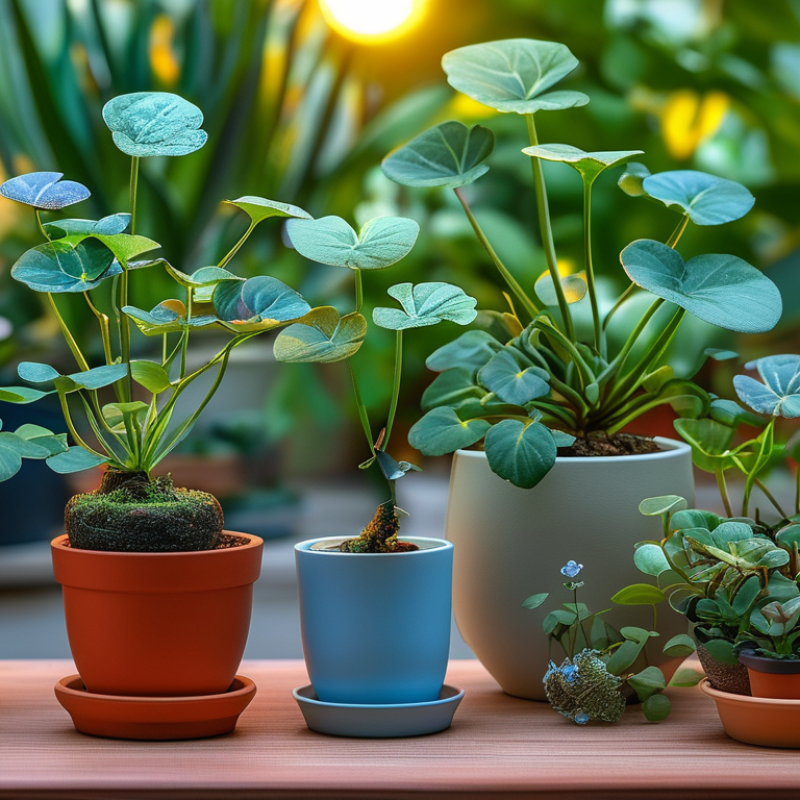
Can Regular LED Lights Be Used as Horticulture Lights?

Definition of Horticulture Lights and Their Importance in Plant Growth

Horticulture lights are essential for optimal plant growth. They provide the specific light spectrum that plants need for photosynthesis. Unlike regular LED lights, horticulture lights are designed to support various growth stages, from seedlings to bloom. Research shows that plants under specialized wavelengths grow taller and yield more fruit.

Artificial lighting can enhance crop production in indoor farming. For instance, studies indicate that plants exposed to a combination of red and blue light can produce up to 30% more biomass. Regular LEDs may not offer the precise spectrum needed for effective growth. They might work for basic illumination, but plants typically respond better to tailored light solutions.

Using standard LED lights may lead to uneven growth. Some plants may thrive, while others struggle. Without the proper light intensity, photosynthesis can become inefficient. This variability highlights the importance of understanding plant needs. Investing in horticultural lighting systems creates opportunities for higher yield and healthier plants.

Comparison of Regular LED Lights and Horticulture Lights

When comparing regular LED lights and horticulture lights, several key differences emerge. Regular LED lights typically emit a broad spectrum of light. This broad output is not tailored for plant growth. In contrast, horticulture lights are designed to provide specific wavelengths of light. These wavelengths are crucial for photosynthesis and growth.

Horticulture lights often combine blue and red spectrums to enhance plant development. Blue light supports vegetative growth, while red light encourages flowering. Regular LED lights might not deliver these specific benefits. They can sometimes use more energy without supporting plant health. This disparity can impact the efficiency of indoor gardening efforts.

Using regular LED lights may seem cost-effective initially. However, in the long run, they may lead to slower growth and lower yields. It's important to reflect on your gardening goals. If you're serious about cultivating plants indoors, horticulture lights might be a better investment. They are designed to meet the unique needs of plants, unlike standard LED options. Choosing the right lighting can make a significant difference in your gardening success.

Light Spectrum Requirements for Effective Plant Growth

When considering plant growth, the light spectrum is critical. Plants primarily absorb blue light (400-500 nm) and red light (600-700 nm) for photosynthesis. A study by the University of Georgia indicated that red and blue light can enhance the growth of leafy greens by up to 25%. This highlights the importance of selecting the right light source.

Regular LED lights may emit a broad spectrum, but they usually lack adequate red and blue wavelengths required for optimal plant growth. A controlled study demonstrated that specialized horticulture lights resulted in a 30% increase in biomass compared to standard LEDs. Although regular LEDs provide some benefit, they may not comprehensively meet the unique requirements of various plant species.

Variable light wavelengths also influence flowering and fruiting cycles. Certain wavelengths can stimulate or inhibit these processes. For example, a 2022 report from the Journal of Horticultural Science showed that using specific light wavelengths can result in earlier flowering for some crops. Thus, growers should consider how light spectrum affects plant development before relying solely on typical LED lights for their horticultural needs.

Potential Benefits and Limitations of Using Regular LED Lights

When considering the use of regular LED lights for horticulture, it's crucial to reflect on their benefits and limitations. Regular LED lights emit a wide spectrum of light. This can be beneficial for plant growth. Plants need different wavelengths at various growth stages. However, they may not provide the optimal spectrum that specialized horticultural lights offer. This can lead to slower growth rates and lower yields over time.

Another aspect to consider is energy efficiency. Regular LEDs are generally energy-efficient, which can reduce electricity costs. Still, when used for horticulture, they may require longer operating hours to match the effectiveness of dedicated grow lights. This could diminish their cost-saving benefits. Additionally, regular LEDs often have heat dissipation issues, potentially affecting plant health.

Lastly, the durability of LED lights is worth noting. While they are designed to last, they can degrade over time. This leads to diminished light output. Regularly monitoring their performance is essential to maintain healthy plant growth. In summary, while regular LED lights can be convenient, they are not always the best option for horticulture. It's important to weigh these factors carefully.

Can Regular LED Lights Be Used as Horticulture Lights? - Potential Benefits and Limitations of Using Regular LED Lights

Aspect Regular LED Lights Horticulture Specific LED Lights
Light Spectrum Limited spectrum, mainly white light Full spectrum, includes specific wavelengths for growth
Energy Efficiency High efficiency Very high efficiency tailored for plant growth
Heat Emission Can produce heat Minimal heat production
Cost Generally lower cost Higher initial investment
Lifespan Long lifespan Even longer lifespan with better durability
Effectiveness for Plant Growth Not optimal Highly effective
Adjustability Limited options Highly adjustable for various growth stages

Practical Tips for Implementing Regular LED Lights in Horticulture

Regular LED lights can be an effective choice for horticulture. However, they require thoughtful implementation. Using these lights can enhance plant growth if done correctly.

Adjusting the light spectrum is vital. Most plants thrive under specific light conditions. Regular LED lights often emit a broader spectrum than needed. Consider using filters to adjust color output. This can help to optimize photosynthesis rates.

Timing is equally important. Ensure lights are on for the right duration. Too much light can stress plants. Monitor the growth response and adjust accordingly. Not all plants respond the same way. Some may need more light, while others thrive in dim conditions. Experimentation is key.

Lastly, keep an eye on heat production. Regular LEDs can get warm. This might affect plant health in closed environments. Position lights away from foliage to prevent burning. Testing different setups and staying alert to plant signals can lead to better outcomes.

FAQS

: What is the key difference between regular LED lights and horticulture lights?

: Regular LED lights emit a broad spectrum. Horticulture lights provide specific wavelengths crucial for plant growth.

Why is the light spectrum important for plant growth?

Plants absorb blue and red light for photosynthesis. These wavelengths significantly enhance their growth.

How does blue light affect plant growth?

Blue light supports vegetative growth. It helps plants develop strong leaves and stems.

What role does red light play in plant development?

Red light encourages flowering. It helps plants transition to their reproductive phase.

Can regular LED lights effectively support indoor gardening?

While they seem cost-effective, they might lead to slower growth. This can affect overall yields.

What has research shown about light wavelengths and plant growth?

Studies show red and blue light can enhance growth by up to 25%. It’s essential to choose the right light source.

Should I consider using horticulture lights for indoor plants?

Yes, they meet plants' unique needs better than regular LEDs. This investment can improve gardening success.

How do different wavelengths influence flowering?

Certain wavelengths can stimulate or inhibit flowering. Light can significantly impact flowering cycles.

Are there any drawbacks to using regular LED lights for plants?

They may not provide adequate red and blue wavelengths. This could compromise plant health and growth.

How can choosing the right light impact my gardening efforts?

Correct lighting leads to better growth and higher yields. It’s a crucial factor in indoor gardening success.

Conclusion

The article titled "Can Regular LED Lights Be Used as Horticulture Lights?" explores the role of horticulture lights in plant growth and how they differ from conventional LED lights. Horticulture lights are specifically designed to meet the unique light spectrum requirements essential for effective plant development. The comparison emphasizes that while regular LED lights may offer energy efficiency, they often lack the specific wavelengths needed for optimal plant health.

The summary also discusses the potential benefits and limitations of using regular LED lights in horticultural practices. While they can be employed as a supplementary light source, growers must consider factors such as light intensity and spectral distribution. Practical tips are provided for implementing regular LED lights in horticulture, highlighting the importance of understanding plants' light needs to maximize growth potential. Ultimately, the article concludes that regular LED lights can be used in horticulture with certain adjustments, but may not fully replace specialized horticulture lighting solutions.

Oliver

Oliver

Oliver is a seasoned marketing professional with a wealth of expertise in driving brand awareness and engagement. With a deep understanding of our company's product offerings, he consistently delivers high-quality content that enriches our professional blog. His insights not only shed light on......