Top 10 Reasons Why Are My Recessed Downlights Flickering?

Time:2026-10-23 Author:Madeline
0%

Why are my recessed downlights flickering? This question often appears after a light begins pulsing above a kitchen island, hallway, or bedroom. Flickering may seem harmless, but it can indicate an incompatible dimmer, loose connection, failing LED driver, or unstable power supply. Sometimes, the cause is surprisingly simple.

This guide examines the top 10 reasons recessed downlights flicker and explains what each symptom may reveal. You may notice flickering only when the lights are dimmed, when another appliance starts, or after the fittings become warm. These details matter. A compatible LED lamp can still flicker with an outdated dimmer. A recently installed fitting may also expose wiring problems that were previously unnoticed. Not every diagnosis is obvious.

Reliable troubleshooting requires more than changing the bulb. Check the fitting’s specifications, dimmer compatibility, circuit load, and driver rating. Look for patterns, such as several lights flickering together or one fitting behaving differently. Never remove energized fittings or handle exposed wiring without proper training. A qualified electrician should inspect loose terminals, damaged cables, earthing issues, and voltage irregularities. Small warning signs deserve attention.

This overview combines practical observations with common electrical principles. It also recognises an uncomfortable truth: quick fixes sometimes mask the underlying problem. The safest answer may not be the cheapest one. By comparing symptoms carefully, you can narrow the likely cause and decide when professional testing is necessary.
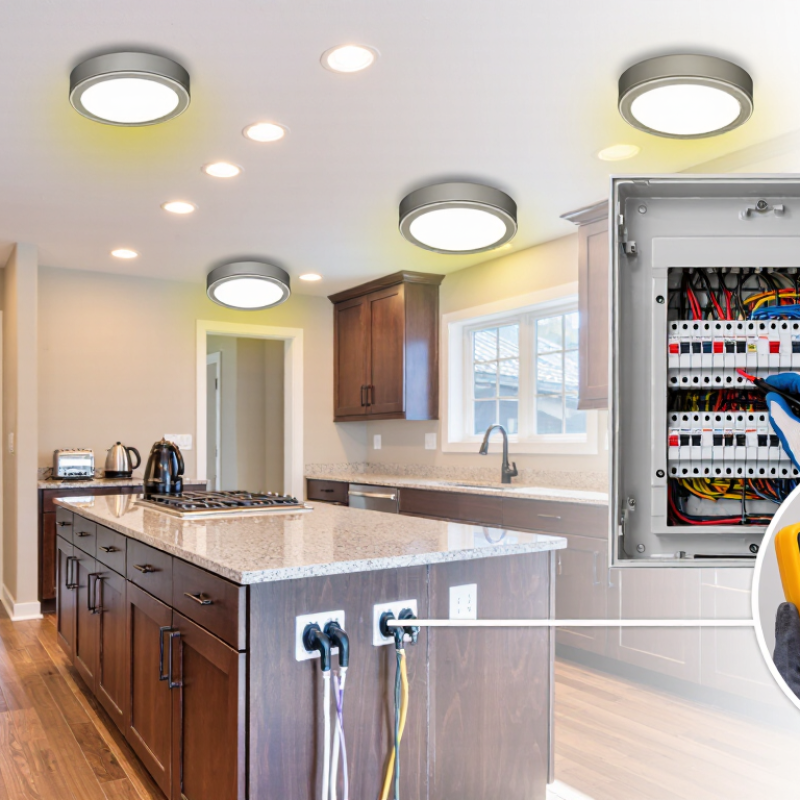
Top 10 Reasons Why Are My Recessed Downlights Flickering?

Understanding the Main Causes of Flickering Recessed Downlights

Flickering recessed downlights usually signal an electrical or compatibility problem, not a harmless visual effect. The common causes include loose terminals, aging wiring, unstable voltage, and an overloaded circuit. A dimmer switch may also conflict with LED downlights, especially when the minimum load is too high. Sometimes, the light’s internal driver is failing. Heat trapped above the ceiling can shorten its life as well.

Moisture near a bathroom fitting, a loose neutral connection, or a poorly seated lamp can create intermittent flickering. A failing switch may produce a faint buzz or delayed response. In older homes, insulation damage and corroded connections deserve careful attention. Practical inspections should check the circuit, connections, dimmer compatibility, and supply voltage. Replacing the lamp alone may hide the real fault. That is an easy mistake to make.

Tips: Turn off the circuit before checking anything. Do not touch exposed wiring. Note whether one light or several lights flicker. If flickering changes when appliances start, the circuit may be experiencing voltage instability. A qualified electrician can test connections with proper instruments and inspect heat clearance above the ceiling. Keep a record of when the problem appears; patterns often reveal more than a quick visual check.

Top 10 Reasons Why Are My Recessed Downlights Flickering?

Common causes are ranked by diagnostic priority, not by measured market frequency. Always switch off the power before inspecting wiring, and consult a qualified electrician for mains-voltage work.

How to read the chart: Start with the highest-priority checks: dimmer compatibility, loose connections, LED driver problems, and unstable power. Flickering can also result from incompatible controls, overloaded circuits, voltage fluctuations, or heat-related failure.

Checking Bulbs, Sockets, Switches, and Dimmer Compatibility

Top 10 Reasons Why Are My Recessed Downlights Flickering?

Checking Bulbs, Sockets, Switches, and Dimmer Compatibility

Flickering recessed downlights often start with a simple bulb problem. Turn off the circuit, then let the fitting cool before checking it. A loose bulb can vibrate inside the socket and create irregular contact. Inspect the socket for dark marks, bent contacts, or melted plastic. These signs suggest overheating or a damaged connection. Replace the bulb with the correct voltage and wattage. Mixing older bulbs with newer LED lamps can also produce unstable lighting.

The wall switch deserves attention too. A worn switch may interrupt power when pressed or touched. If flickering changes when the switch moves, stop using it and arrange a qualified electrical inspection. Dimmer compatibility is another common cause. Some dimmers require a minimum electrical load, while certain LED bulbs need compatible dimming control. A low-load circuit may flicker, buzz, or fail to turn off completely. I have seen installations where changing only the dimmer solved the problem, but this is not guaranteed.

Tips: Test one light at a time. Try a known-compatible bulb. Check whether flickering occurs at full brightness or only while dimming. Do not ignore warmth, buzzing, or a burning smell. Record what changes before calling an electrician. It prevents guesswork. I sometimes replace the bulb too quickly, yet the socket is the real fault. Rechecking each part is slower, but safer.

Inspecting Wiring, Connections, and Power Supply Problems

Recessed downlights rarely flicker without an electrical cause. During practical inspections, loose wiring is one of the first problems I check. A poorly tightened terminal can create a small electrical arc inside the ceiling. Heat marks, a faint buzzing sound, or a burnt smell may appear nearby.

Turn off the circuit breaker before touching any fitting. Then verify that the power is actually off with a suitable tester.

Connections can fail even when the switch seems normal. Wires may loosen from vibration, repeated heating, or careless installation. Damaged insulation can also allow unstable contact within a junction box. Inspect the cable ends, terminal screws, and wire connectors for discoloration or movement.

I once focused too quickly on the downlight itself and missed a loose connection above it. That mistake showed me how easily a visual check can miss the real fault.

The power supply may be the wider problem. Several lights sharing an overloaded circuit can flicker when appliances start. A weak neutral connection may affect multiple rooms and requires urgent professional attention. Incompatible dimmer controls can also interrupt the current, especially at low brightness. Check whether the flicker affects one light or the whole circuit.

If the breaker trips, wiring feels warm, or flickering continues, stop testing and contact a qualified electrician. Never rely on guesswork inside a live ceiling.

Identifying Circuit Overload and Electrical Safety Risks

Top 10 Reasons Why Are My Recessed Downlights Flickering?

Flickering downlights may signal more than a failing lamp. Circuit overload is a serious possibility, especially after adding heaters, appliances, or extra lighting. When several devices share one circuit, voltage can dip as their power demand rises. The lights may pulse when a kettle, vacuum, or air conditioner starts. I have seen this pattern become worse during evening use.

Check whether the flicker affects one light or the whole room. A single fixture may have a loose connection, aging driver, or incompatible dimmer. Flickering across multiple rooms suggests a circuit, neutral, or supply problem. Warm switches, buzzing sounds, burning smells, and discolored plates require immediate attention. Do not ignore them. These signs can precede overheating or fire.

Turn off unnecessary loads and observe whether the flicker stops. Do not repeatedly reset a tripping breaker. That can hide a dangerous fault. A qualified electrician should measure circuit current, inspect terminals, and verify protective devices. They can also confirm that the circuit matches local electrical requirements. I once underestimated a small lighting circuit because its breaker never tripped. The connections were still overheated. That mistake changed my inspection routine. Electrical assumptions are not measurements. Avoid opening the panel unless you are trained and authorized. Even switched-off circuits may contain dangerous voltage.

Choosing the Right Repair or Professional Inspection Method

Top 10 Reasons Why Are My Recessed Downlights Flickering?

Choosing the Right Repair or Professional Inspection Method

Flickering downlights may reflect a loose lamp, failing driver, incompatible dimmer, or unstable circuit connection. The repair choice depends on the pattern. One light flickering alone often allows a controlled replacement test. Turn off the breaker, verify no voltage, and inspect the trim, socket, and driver. A wall switch is not enough protection. Never force a hot or discolored component.

Multiple lights flickering together need more caution. Buzzing, burning odors, warm switches, repeated breaker trips, or ceiling stains justify professional inspection. NFPA’s Home Structure Fires report found electrical distribution and lighting equipment involved in 32% of reported home structure fires from 2016 to 2020. That figure does not prove every flicker is dangerous. It does demand respect for hidden wiring.

An electrician can measure voltage stability, check connections, assess dimmer compatibility, and inspect junction boxes. Ask for a written diagnosis before approving replacement work. The U.S. Department of Energy reports that quality LED lighting can use at least 75% less energy than incandescent lighting and last up to 25 times longer. Still, efficient does not mean universally compatible. A quick trim swap can conceal the real fault. I have seen that assumption waste time. Sometimes the better repair is not the cheapest repair.

Top 10 Reasons Why Are My Recessed Downlights Flickering? - Choosing the Right Repair or Professional Inspection Method

No. Possible Reason Typical Signs What It Means Appropriate First Check Repair or Inspection Priority
1 Loose connection One fitting flickers when nearby wiring, the switch, or the ceiling is disturbed. A loose terminal, splice, lampholder, or connector can create intermittent contact and heat. Turn the circuit off at the breaker and look for discoloration, melted insulation, or a loose trim. Do not test exposed live wiring. Professional inspection is recommended because the connection may be inside the ceiling or junction box. High
2 LED and dimmer incompatibility Flicker appears mainly at low brightness, during start-up, or across several lights on the same dimmer. Some LED drivers require a dimmer designed and rated for LED loads. Confirm the dimmer is LED-compatible and check the fitting instructions for minimum and maximum load requirements. Replace the control with a correctly rated dimmer or use a qualified electrician for rewiring. Medium
3 Failing LED driver The light pulses, dims, or shuts off after warming up, while other lights remain steady. Integrated LED downlights use electronic drivers that can degrade from age, heat, or voltage stress. Allow the fitting to cool, then compare it with a known-good fitting of the same type if replacement is permitted. Replace the compatible fitting or driver according to the manufacturer’s electrical specifications. Medium
4 Overheating or poor ventilation Flickering begins after extended use; the fitting or surrounding ceiling feels unusually hot. Excess heat can activate thermal protection and shorten the life of LED electronics. Switch off the light and check whether insulation, recessed covers, or other materials obstruct the fitting’s required clearance. Correct clearance and ventilation only according to the fitting’s instructions; arrange an inspection if heat damage is visible. High
5 Circuit overload or voltage drop Lights flicker when a high-power appliance starts, or the circuit breaker trips. Large loads can cause temporary voltage changes; repeated breaker trips indicate a circuit problem that should not be ignored. Note which appliances operate when the flicker occurs. Do not repeatedly reset a tripping breaker. Have a qualified electrician measure circuit load, voltage, and protective-device operation. High
6 Unstable neutral connection Multiple lights vary in brightness, especially in different rooms, or appliances behave abnormally. A loose or damaged neutral can cause unstable voltage and presents a serious electrical hazard. Turn off affected circuits if safe to do so and unplug sensitive electronics. Do not open the panel unless qualified. Urgent professional inspection of the circuit, service connections, and distribution board. Urgent
7 Faulty switch or dimmer Flicker changes when the switch is pressed, feels warm, buzzes, or has a loose action. Worn contacts, an unsuitable dimmer, or an incorrect connection can interrupt the lighting current. Stop using the control if it is hot, buzzing, cracked, or smells burnt. Replace or inspect the switch with the breaker isolated; line-voltage work should be performed by a qualified person. High
8 Three-way or multi-location wiring issue Flicker occurs only when one of two or more switches is used. Incorrect traveler wiring or incompatibility between controls can cause unstable operation. Record which switch positions trigger the symptom, then isolate the circuit before any inspection. Professional testing is preferable, especially where smart controls or multiple circuits are involved. Medium
9 Moisture or water intrusion Flicker follows condensation, a roof leak, bathroom steam, or recent water damage. Moisture can corrode contacts, reduce insulation resistance, and create shock or fire risks. Switch off the affected circuit and do not touch wet fittings or exposed wiring. Arrange electrical and building-envelope inspection before restoring power. Urgent
10 External supply disturbance Several lights flicker throughout the property, including lights on different circuits. The cause may be upstream utility equipment, a service connection, or a wider supply-voltage problem. Check whether nearby properties are affected and note the time, duration, and frequency of the event. Contact the electricity provider when the disturbance is area-wide; use an electrician if it is limited to the property. Medium–High
Safety note: Turn off power at the circuit breaker before removing a downlight or inspecting accessible connections. Stop immediately and seek professional help if there is a burning smell, scorching, buzzing, water intrusion, repeated breaker tripping, or flickering across multiple circuits.

FAQS

Why are my recessed downlights flickering?

Flickering usually indicates an electrical, connection, or compatibility problem. Common causes include loose terminals, unstable voltage, aging wiring, and failing internal drivers. It is rarely harmless.

Can a loose bulb cause intermittent flickering?

Yes. A poorly seated bulb can create irregular contact inside the socket. Turn off the circuit and let the fitting cool first. Check for dark marks, bent contacts, or melted plastic. A compatible replacement bulb may help, but it may not solve the real fault.

How can I tell whether the dimmer switch is causing flickering?

Notice whether flickering appears only during dimming. Buzzing, delayed response, or failure to switch off may indicate incompatibility. Some dimmers require a higher minimum load than LED lamps provide. Changing the dimmer can help. It is not guaranteed.

Why do several downlights flicker together?

Several lights may share an overloaded circuit or unstable power supply. Watch whether flickering begins when an appliance starts. A loose neutral connection can affect multiple rooms. This requires prompt professional inspection.

What wiring problems can cause recessed lights to flicker?

Loose terminals, damaged insulation, and corroded connectors can interrupt electrical contact. Heat marks, buzzing, discoloration, or a burnt smell are warning signs. Wiring may loosen above the ceiling. A quick visual check can miss it.

Can heat above the ceiling damage a downlight?

Yes. Trapped heat can shorten the life of the internal driver and other components. Check whether insulation blocks the fitting’s required clearance. Do not disturb hidden wiring casually. A qualified electrician can inspect the space safely.

Could moisture cause recessed downlights to flicker?

Moisture near a bathroom fitting can create unstable operation and connection problems. Stop using the light if moisture, warmth, or a burning smell appears. Keep hands away from exposed wiring. Arrange a qualified inspection.

What should I do before investigating flickering lights?

Turn off the circuit breaker before checking any fitting. Confirm the power is off with a suitable tester. Do not touch exposed wiring. Record when flickering occurs and whether one light or several are affected. I sometimes replace the bulb too quickly, and that can hide the real problem.

Conclusion

Flickering recessed downlights can be caused by several issues, and identifying the source is the first step toward a safe solution. If you are asking, “Why are my recessed downlights flickering,” begin by checking whether the bulbs are loose, damaged, or incompatible with the sockets. The switch and dimmer should also be examined, since some dimmers may not work properly with certain light types. Inconsistent flickering may also indicate poor wiring connections, a failing power supply, or fluctuations in the electrical system.

Another possible cause is circuit overload, especially when multiple high-power appliances share the same circuit. Overloading can create performance problems and increase electrical safety risks. Tightening accessible connections, replacing unsuitable bulbs, or using compatible controls may solve minor faults, but electrical wiring and power supply problems require caution. If flickering continues, produces heat, buzzing, or a burning smell, turn off the circuit and arrange a professional inspection to determine the correct repair method safely.

Madeline

Madeline

Madeline is a dedicated marketing professional with a wealth of expertise in our company's core offerings. With a keen understanding of the industry, she brings a unique perspective to her role, consistently delivering high-quality content that highlights the superior aspects of our products. As......