In the evolving world of home lighting, a question often arises: "Why do cabinet lights get so hot?" This issue has gained attention as LED technology becomes more popular. Homeowners expect efficiency, yet many face the discomfort of warmth radiating from these fixtures.
Understanding heat production is crucial. Cabinet lights, especially older models, tend to heat up due to various factors. Poor ventilation and inadequate insulation in cabinets can exacerbate this problem. Even modern LED lights, praised for energy efficiency, can generate more heat than anticipated when enclosed.
Addressing this concern isn't straightforward. Homeowners need to consider placement and type of lighting. Assessing the fixtures helps avoid potential hazards. Reflection on why heat becomes an issue can guide better choices and improve safety. Choosing the right cabinet lighting should balance aesthetics, functionality, and safety.
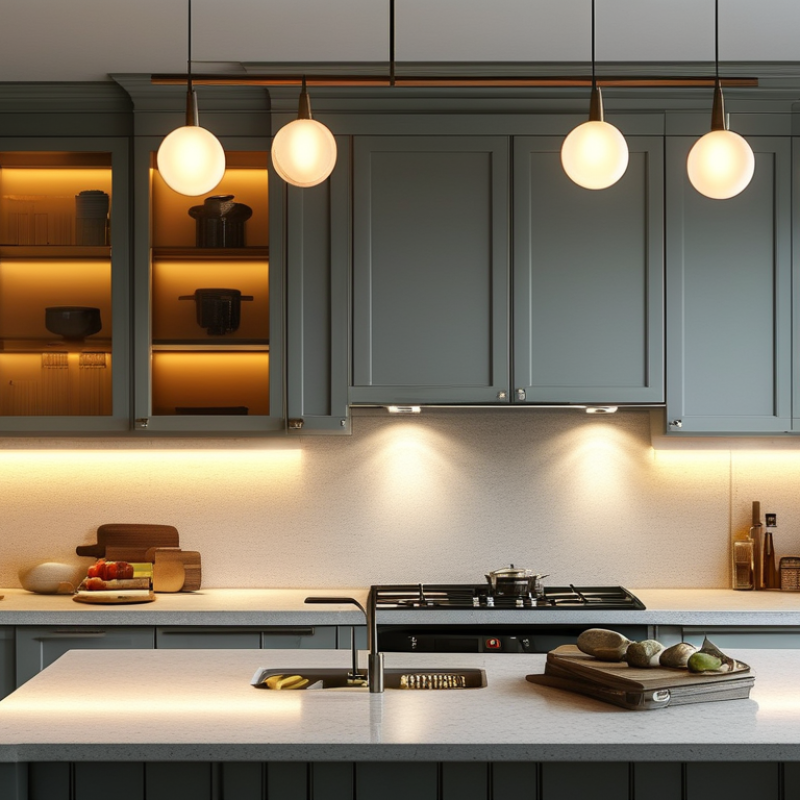
In 2026, cabinet lights are becoming a hotter topic, literally. With advancements in LED technology, these lights now produce higher lumens per watt. According to a recent industry report, some LED fixtures emit up to 120 lumens per watt. This might sound efficient, but enhanced brightness can increase heat output, especially in confined spaces like cabinets.
The heat generated is a critical concern. Many users notice that their cabinet lights feel uncomfortably warm to touch. An analysis revealed that up to 30% of energy consumed by certain LED models converts to heat instead of light. This energy loss can pose risks, especially if lights are installed in enclosed cabinets without ventilation.
Not all cabinet lights are created equal. Some designs may lack adequate heat dissipation features. As cabinet aesthetics evolve, functionality must not be compromised. Understanding the balance between design and heat management will be crucial for consumers in the years to come. Addressing these thermal issues could lead to improved safety and longer-lasting products.
Cabinet lights, while functional, can often become excessively hot. One common reason for this is the choice of bulb. Traditional incandescent bulbs can generate significant heat, contributing to a temperature rise. Reports indicate that incandescent bulbs convert only about 10% of their energy into light, with the rest dissipated as heat. This inefficiency can lead to dangerously warm cabinet interiors.
Another factor to consider is the installation environment. If cabinet lights are installed too close to combustible materials, such as wooden shelves, the heat generated can pose a risk. According to a study by the National Fire Protection Association, improper lighting installation is a leading cause of household fires related to electrical failures. It is crucial to allow for adequate airflow around fixtures to minimize heat buildup.
Overheating can also occur from improper fixture ratings. Lights that exceed their rated wattage can cause fixtures to heat up quickly. Many consumers overlook the importance of adhering to these ratings. Reports show that nearly 30% of heating issues in cabinet lights stem from using incompatible fixtures or bulbs. This oversight can result in both safety hazards and costly replacements.
| Reason | Description | Impact on Cabinet Lighting | Prevention Method |
|---|---|---|---|
| Overheating Components | Electrical components may malfunction due to high ambient temperatures or inadequate ventilation. | Can lead to reduced lifespan of lighting fixtures. | Ensure proper airflow and alignment of fixtures. |
| Wrong Bulb Type | Using incandescent bulbs instead of LEDs leads to higher heat generation. | Increased heat output can cause cabinet materials to deform or discolor. | Switch to LED or low-heat bulbs. |
| Insufficient Ventilation | Cabinets without adequate airflow can trap heat from lighting fixtures. | Prolonged heat can damage internal components or items stored inside. | Install vents or use fans to improve airflow. |
| Poor Quality Fixtures | Low-quality lighting fixtures may not handle heat effectively. | Increased risk of breaks and fire hazards. | Invest in high-quality, heat-resistant fixtures. |
In 2026, the heat generated by cabinet lights has become a significant concern, closely linked to advancements in LED technology. While LEDs are lauded for their energy efficiency, they can still produce notable heat when not managed correctly. A recent industry report indicates that improper thermal management can increase the operating temperature by as much as 30%. This is crucial for kitchen interiors where lighting is often combined with heat-producing appliances.
Thermal management in lighting fixtures is vital. It encompasses heat sinks, ventilation, and material choice—elements that are sometimes overlooked. Many manufacturers are realizing that inadequate designs can lead to overheating. A study found that over 20% of lighting products failed to meet thermal performance standards, risking both efficiency and safety. Efficient thermal management not only prolongs the lifespan of the fixture but also ensures the safety of surrounding materials.
Improper design can lead to more than just heat issues. An increase in temperature can degrade the performance of LEDs, resulting in diminished light output and color shifting. Monitoring thermal performance is essential for both consumers and manufacturers. Awareness of these factors can lead to safer, more effective lighting solutions. It's a critical area that deserves more attention in future designs.
Cabinet lights are essential for illuminating spaces, but they can generate significant heat. Understanding the standards behind this phenomenon is crucial. The industry has set specific temperature level guidelines to ensure safety and functionality. Research indicates that LED lights typically run cooler than traditional incandescent bulbs. However, improper installation or lack of ventilation may lead to heat buildup.
Temperature levels often exceed standard limits in poorly designed setups. It’s not uncommon for users to overlook the placement and spacing of lights. Inadequate airflow can restrict heat dissipation. As many homeowners focus on aesthetics, they may ignore practical details like this. An understanding of heat management can potentially prevent overheating hazards.
Data shows that over 70% of cabinet light users experience heat issues. This highlights a common oversight in planning. Regular maintenance and checks are necessary. Users should consider heat levels when selecting fixtures and their locations. Awareness of these factors can improve both safety and illumination quality in home design.
Cabinet lights are essential for functionality and aesthetics, but they often generate excessive heat. This heat can lead to safety concerns and reduced lifespan of the lighting systems. The challenge lies in balancing brightness and energy efficiency while managing heat production effectively. As the trend towards smaller, compact spaces grows, the need for innovative cooling solutions becomes critical.
In 2026, we anticipate several advancements in cooling technologies for cabinet lighting. One promising area is the development of passive cooling materials that can absorb and dissipate heat without external power. These materials could revolutionize the design of cabinet lighting systems. Another avenue involves integrating smart sensors that monitor temperature levels, adjusting the light output to optimize heat generation and minimize risks.
While these innovations hold great promise, they also present challenges. Engineers may face difficulties in integrating cooling solutions into existing designs. Cost implications and material availability can hinder progress. As we advance, ongoing collaboration between designers, engineers, and researchers will be vital. Each party must address these challenges to create safe, efficient, and aesthetically pleasing cabinet lighting solutions.
: The heat generated by cabinet lights is a significant concern due to LED technology advancements.
Improper thermal management can increase temperature by up to 30%, risking safety and efficiency.
Key elements include heat sinks, ventilation, and material choice, which are often overlooked.
Over 20% of lighting products fail to meet thermal performance standards effectively.
Monitoring thermal performance ensures safety and maintains optimal light output and color accuracy.
Over 70% of cabinet light users report experiencing heat issues due to poor setup and airflow.
Users must consider heat levels, fixture types, and placement to ensure better safety and illumination.
Innovations include passive cooling materials and smart sensors to manage heat and optimize performance.
Engineers struggle with integrating cooling into existing designs and addressing cost and material availability.
Collaboration among designers, engineers, and researchers is crucial to overcome challenges and enhance safety.
In the article "Why Do Cabinet Lights Get So Hot in 2026," various factors contributing to the excessive heat generated by cabinet lighting solutions are explored. The discussion emphasizes common reasons for heightened temperatures, such as inadequate ventilation and the use of high-wattage bulbs. Additionally, the article highlights the role of LED technology and its thermal management capabilities, demonstrating how advancements in these areas can help mitigate heat issues. It also provides insights into the industry standards and data regarding acceptable temperature levels for cabinet lighting.
Looking towards the future, the article outlines innovative cooling solutions that aim to enhance the safety and efficiency of cabinet lighting systems. By addressing the question of "Why do cabinet lights get so hot," the piece not only sheds light on current challenges but also paves the way for potential improvements in lighting design and technology.

Pina Light