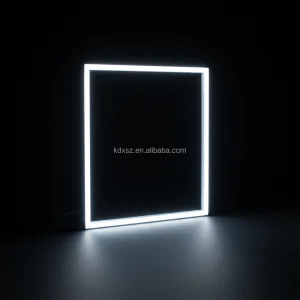
Industrial-Grade Architectural, Landscape, and Decorative Lighting Systems Designed for Extreme Environments
Understanding Market Mechanics, Supply Chain Resilience, and the Shift Toward Solid-State Architectural Lighting
The global solid-state lighting market is undergoing a structural transition. No longer treated as simple peripheral decorative components, colored LED lights (including RGB, RGBW, and addressable digital systems) have become fundamental components of urban design, commercial real estate, and intelligent industrial control. Valued at tens of billions of dollars globally, the market is powered by rapid urbanization, energy-efficiency regulations, and the rising demand for dynamic spatial designs.
For B2B buyers—importers, structural engineers, architectural lighting consultants, and commercial real estate developers—sourcing from China represents a strategic pathway. Chinese factories, particularly those situated in technology hubs such as Shenzhen, Hangzhou, and Guzhen, manufacture over 80% of the world's colored LED illumination hardware. This centralization yields substantial advantages: vertical supply chain integration, accelerated prototyping, custom silicon wafer processing, and mature mechanical and thermal design frameworks.
In terms of "Information Gain"—providing specific, verifiable engineering data rather than generic marketing claims—buyers must evaluate factories on the basis of their manufacturing rigor. Quality is determined by solid engineering practices: the binning standards of the emitter chips, the thermal management design of the aluminum printed circuit board (PCB), and the reliability of the control protocol ICs (such as the DMX512 system or addressable WS2812B/UCS1903 microcontrollers). A reliable factory must provide precise LM-79 photometric test files and LM-80 emitter lifetime datasets to verify performance under prolonged thermal stress.
Analyzing Emitters, Driver Topologies, Spectral Tuning, and Protocol Interoperability
The technical trajectory of colored LED lights is defined by three key developments: packaging innovation, control interface optimization, and spectral engineering. Understanding these concepts enables engineering teams to specify the exact parameters required for demanding municipal or commercial projects.
Standard Surface Mount Device (SMD 5050/3535) LEDs remain the industry workhorse. However, Chip-on-Board (COB) and Chip Scale Package (CSP) emitters are increasingly adopted. By removing intermediate packaging and wire bonds, CSP/COB configurations deliver higher thermal conductivity, wider beam angles, and dot-free linear diffusion.
Traditional RGB systems are being replaced by RGBW (Red, Green, Blue, White) and RGBA (Amber) arrays. By incorporating a dedicated white chip (often specified at 3000K, 4000K, or 6500K), lighting designers achieve higher color rendering index (CRI > 90) metrics and access a broader, more natural pastel spectrum.
Control systems are moving beyond basic DMX512 controllers to RDM (Remote Device Management) two-way communication. RDM enables technicians to monitor junction temperatures, run-times, and status reports directly from the central control deck. Wire-free Matter and Zigbee mesh networks are also gaining ground for localized applications.
A primary failure point in industrial colored LED installations is thermal degradation. Emitters running at junction temperatures ($T_j$) above 85°C suffer accelerated chromaticity shift and lumen depreciation. Premier Chinese manufacturers address this by using heavy copper-trace PCBs (2oz or 3oz weight) coupled with high-conductivity dielectric layers. High-power fixtures like DMX wall washers require heavy aluminum housings modeled through finite element analysis (FEA) to maximize heat dissipation via natural convection.
Simultaneously, the driver topology must incorporate active power factor correction (PFC > 0.95), over-temperature shutdown, and short-circuit protection. Constant-current driver designs prevent current runaway in multi-emitter series, ensuring stable, flicker-free dimming down to 0.1% using pulse-width modulation (PWM) rates exceeding 10kHz—crucial for high-definition television broadcast environments.
Engineered System Architectures for Scale, Reliability, and Harsh Operating Environments
Modern commercial developments require system-level solutions rather than isolated components. The deployment of colored LED fixtures across complex architectural plans demands carefully designed topologies that mitigate voltage drop, signal attenuation, and environmental ingress.
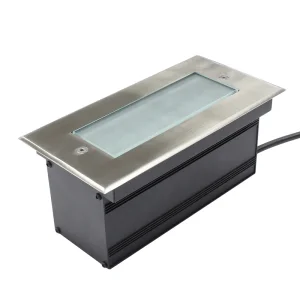
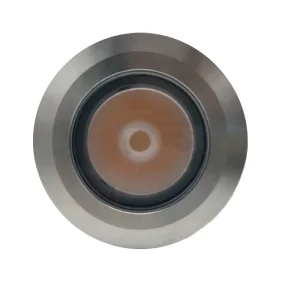
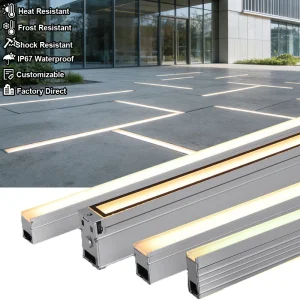
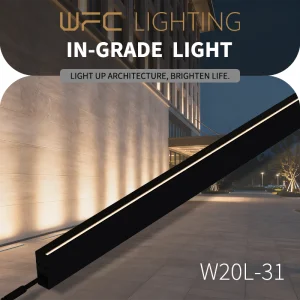
For installations featuring low-voltage linear ground lights, the primary challenge is voltage drop across extended wire runs. While 12V DC is common, professional systems utilize 24V DC or 48V DC architectures to halve or quarter the current requirements, allowing for longer continuous runs without visual dimming. IP67 and IP68 waterproof ratings are maintained using structural silicone potting, dual-stage compression cable glands, and integrated breathing valves (PTFE membranes) that balance pressure differentials without allowing moisture ingress.
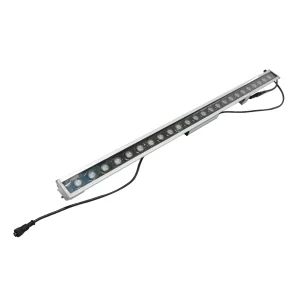
High-rise buildings and bridge installations require robust, high-power DMX wall-washer lights. Signal integrity over long distances is maintained through RS-485 transceiver chipsets and shielded twisted-pair cabling. When addressing thousands of individual pixels across an expansive facade, Art-Net or sACN (Streaming ACN) protocols translate Ethernet packets directly into local DMX channels, enabling dynamic, high-frame-rate video mapping across building skins.
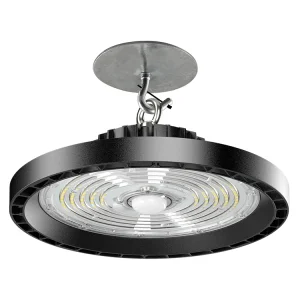
In petrochemical processing plants, warehouses, and manufacturing facilities, standard fixtures represent a hazard. Industrial operations demand ATEX- certified and explosion-proof UFO high-bay lighting. These fixtures feature copper-free aluminum alloy housings with tempered glass windows, designed to withstand internal explosions without venting sparks or hot gases into the surrounding environment. While typically white, colored versions (especially amber or red) are used for safety zone warnings and dark-adaptation conditions.
How Technical Specifications Translate to Field Performance Across Varied Projects
Colored LED fixtures serve a variety of commercial and industrial purposes around the world. The chart below outlines standard configurations for key project applications:
| Application Scenario | Primary Fixture Class | Spectral Requirements | Control Interface | Minimum IP Rating |
|---|---|---|---|---|
| Facade / Structural Illumination | DMX RGBW Wall Washers | RGB + 4000K Neutral White | DMX512-RDM / Art-Net | IP66 / IP67 |
| Subterranean & Walkway Outlines | Linear Inground LED Uplights | Tunable White or Static Mono | 0-10V Dimmable / DALI-2 | IP67 / IP68 |
| Hazardous Warehouses & Plants | Explosion-Proof High-Bay | Mono High-CRI / Amber-Alert | Emergency Mains Bypass | IP66 (Ex-certified) |
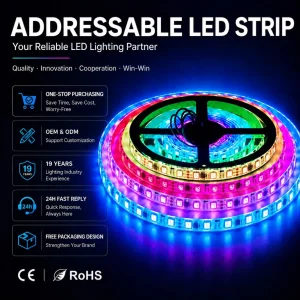
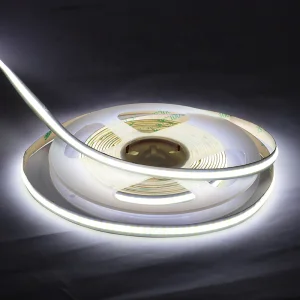
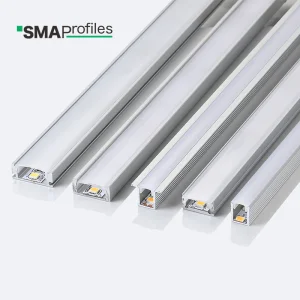
| Interior Cove & Display Lighting | Addressable WS2812B/COB Strips | RGB Dynamic Multi-Pixel | SPI / USB/ RF Controller | IP20 (Indoor) |
Hangzhou Pina Light Co., Ltd. - A Trusted Partner in Global Solid-State Illumination
Hangzhou Pina Light Co., Ltd. is a professional manufacturer and exporter of innovative LED lighting solutions, headquartered in Hangzhou, China. With a strong manufacturing network and strategic partnerships across China, the company specializes in the design, development, production, and global distribution of high-quality lighting products for commercial, industrial, residential, and specialty applications.
Our core product portfolio includes LED grow lights, commercial lighting, warehouse and high-bay lighting, flood lights, street lights, area lighting, security lighting, retrofit solutions, and customized OEM/ODM lighting products. Leveraging advanced LED technology and intelligent lighting systems, Pina Light is committed to providing energy-efficient, environmentally friendly, and cost-effective solutions for customers worldwide.
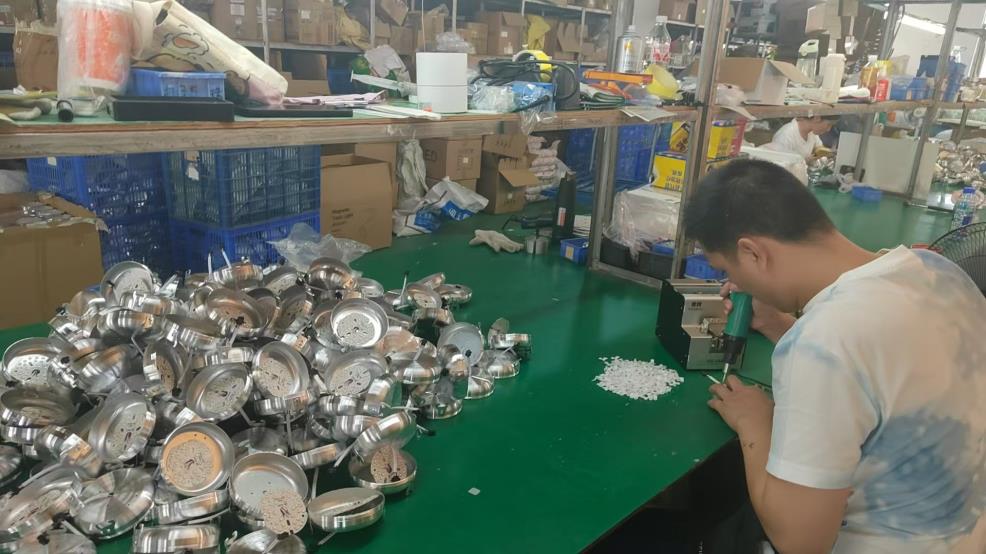
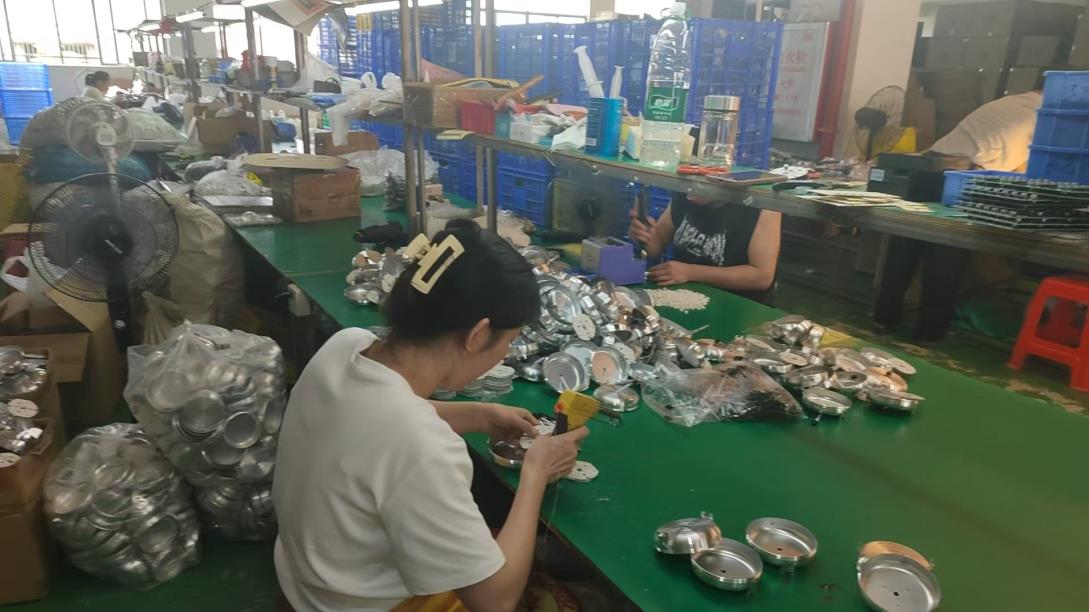
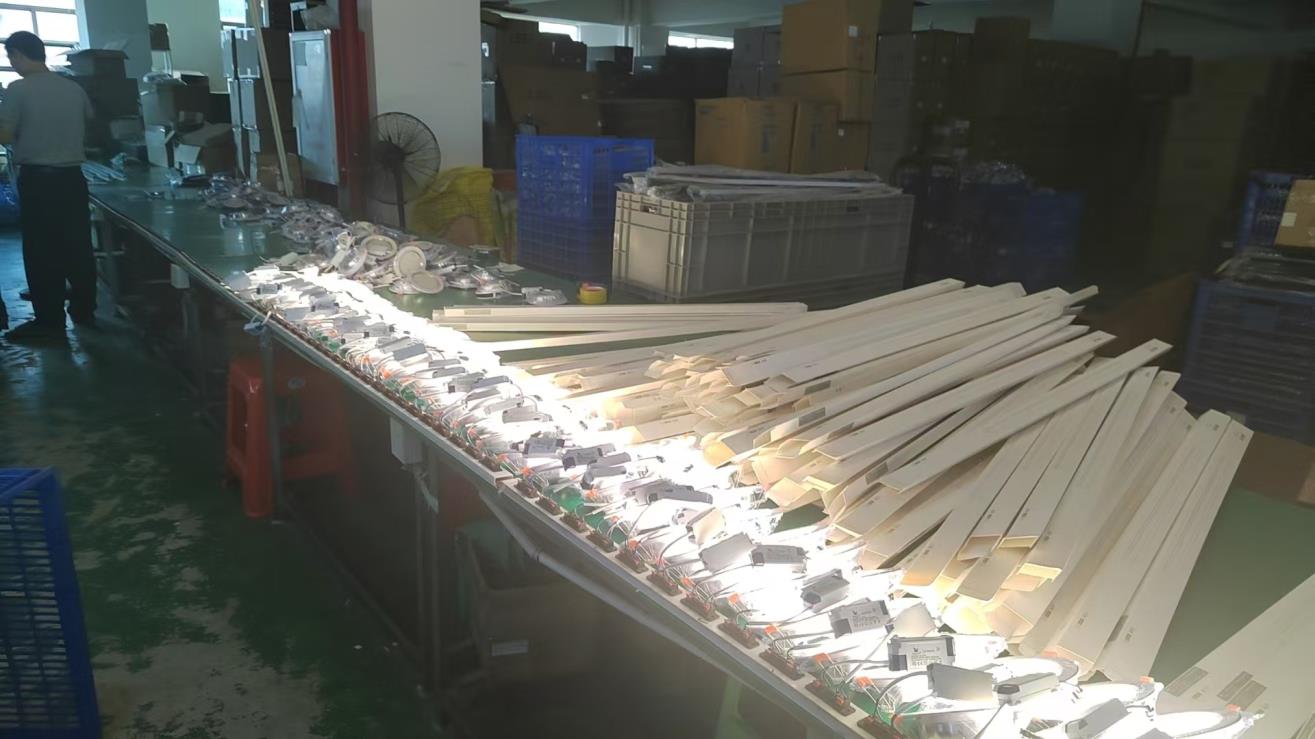
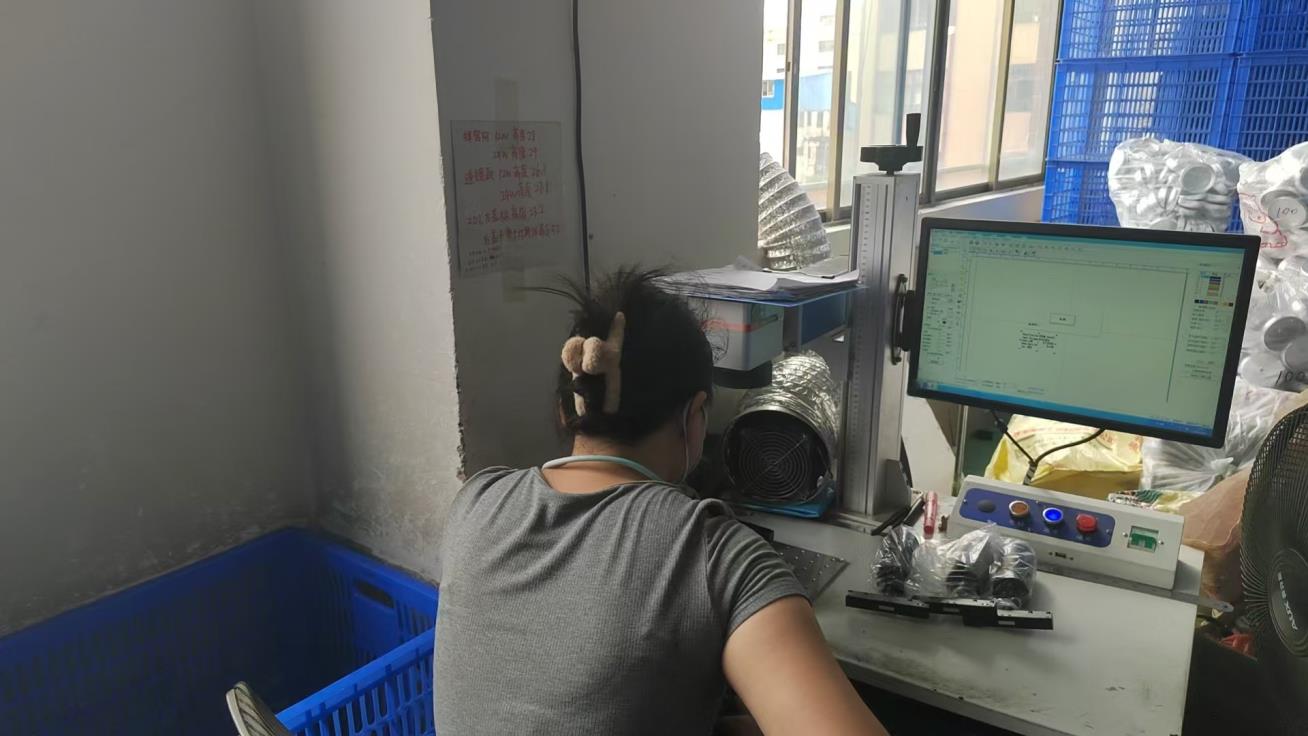
At Hangzhou Pina Light, innovation is at the heart of our business. Our experienced engineering and R&D teams continuously develop new products and improve existing technologies to meet evolving market demands. From product design and prototyping to mass production and quality assurance, every stage of the manufacturing process is carefully monitored to ensure superior quality, consistency, and long-term reliability.
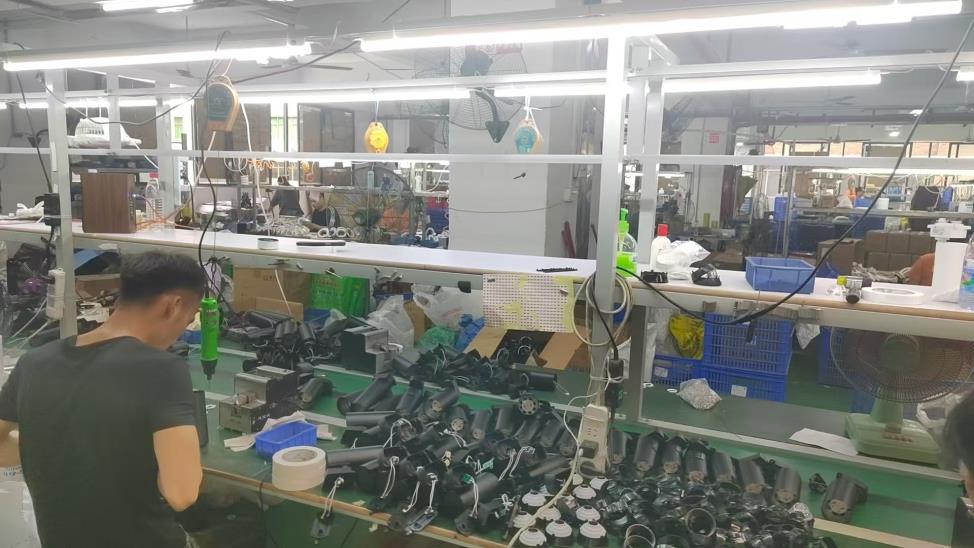
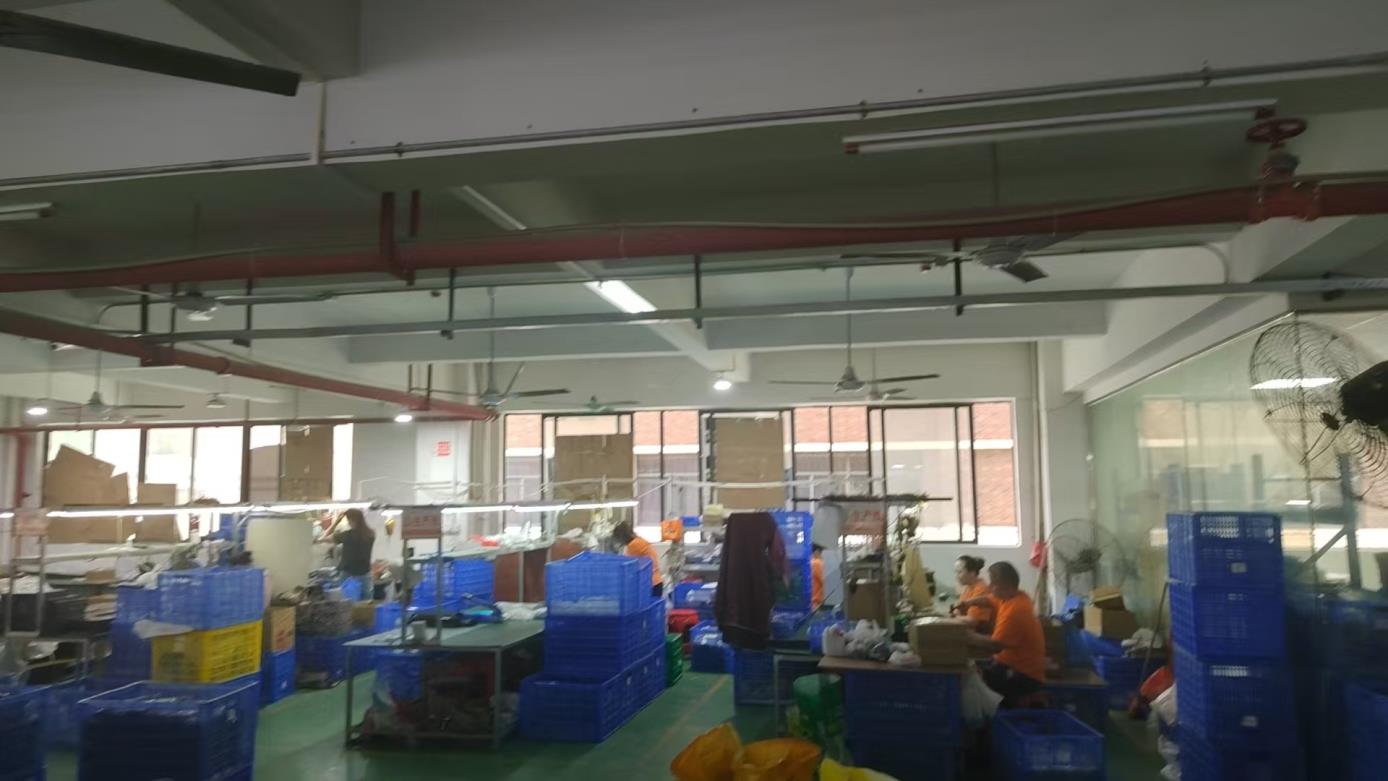
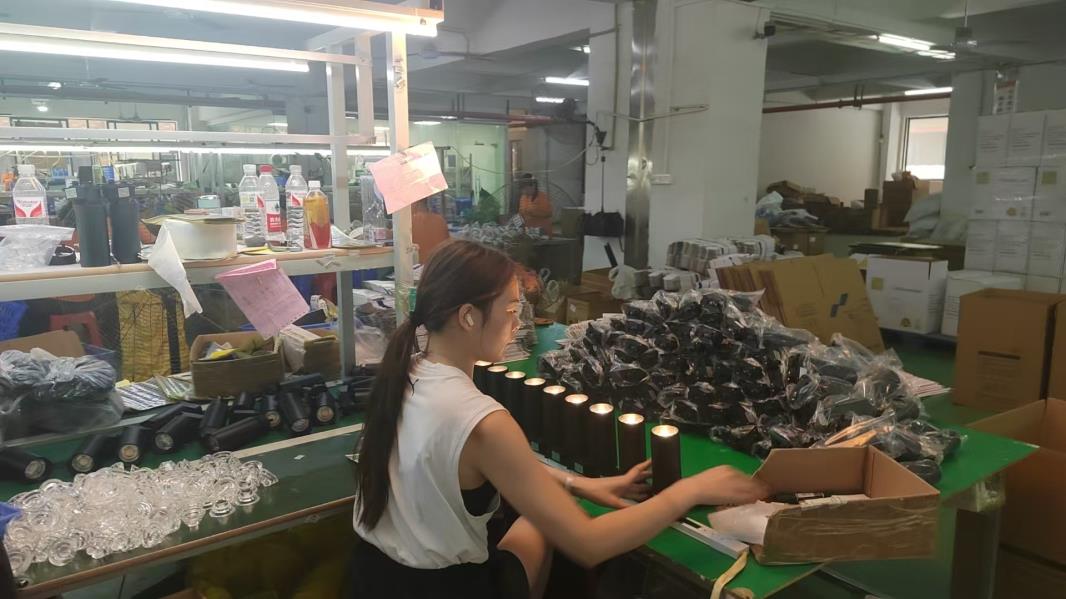
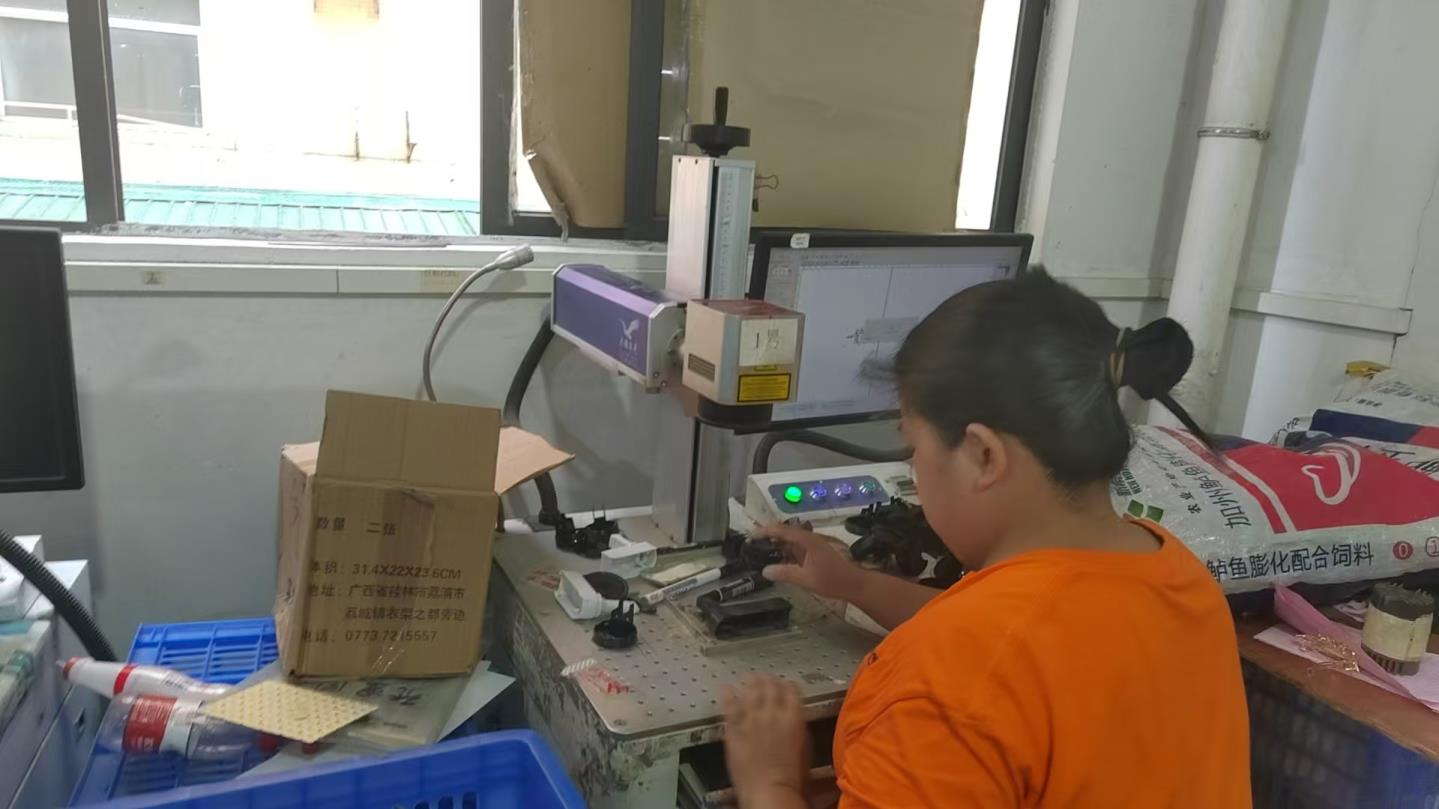
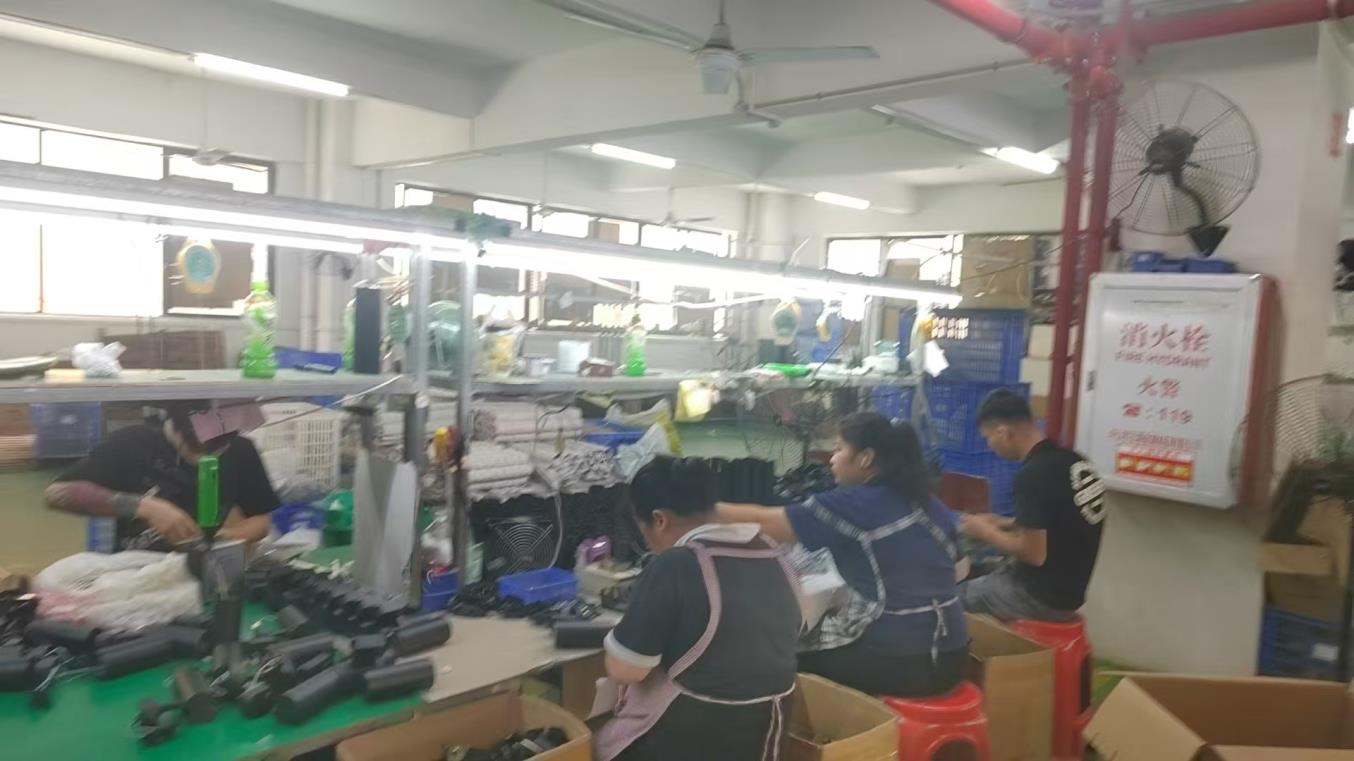
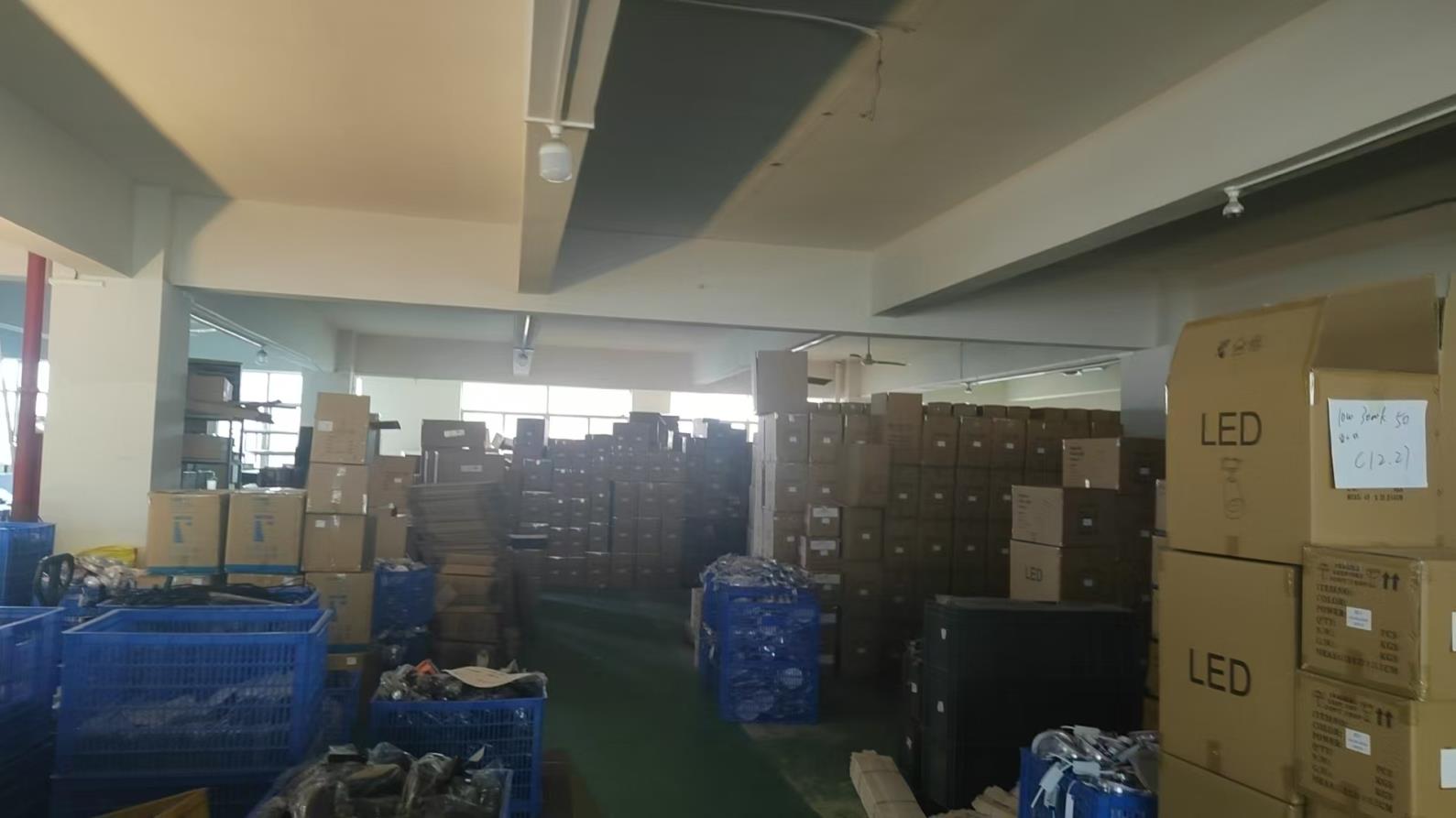
A Visual Tour of Our Manufacturing Operations, Clean-Room Assembly, and Aging Test Stages
Addressing Common Technical Queries, Standards Compliance, and Deployment Logistics
Engineered Lighting Solutions for Heavy Industrial, Hospitality, and Custom Interior Design Projects
 Pina Light