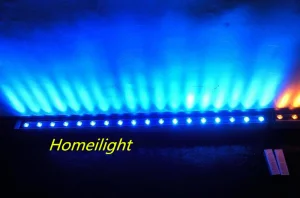
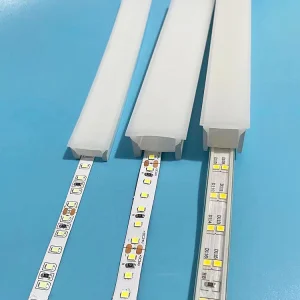
Discover our primary selection of backup emergency fixtures, outdoor industrial illumination, and architectural step lighting tailored to meet rigid global regulatory standards.
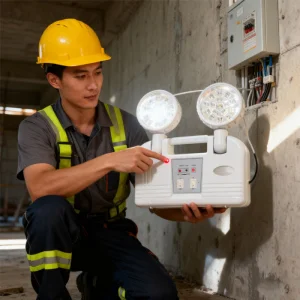
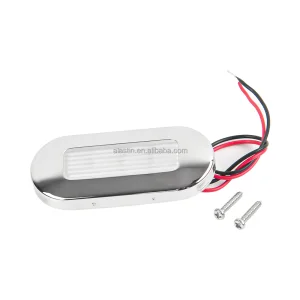
In modern architectural design and industrial facilities safety management, emergency exit lighting stands as the primary line of defense against catastrophic failure during power outages, seismic events, or fire hazards. These specialized safety luminaires are not merely architectural fixtures; they are tightly regulated, life-safety equipment required by international municipal codes to operate under extreme duress.
Global standards, such as NFPA 101 (Life Safety Code) and EN 60598-2-22, mandate that emergency exit lighting systems preserve a minimum of 90 to 180 minutes of continuous autonomous illumination. Operating on self-contained battery back-ups, these units must step down voltage efficiently to power solid-state LED systems when utility grid integrity fails.
For industrial plants, warehouses, marine applications, and outdoor corridors, typical emergency lighting is subject to atmospheric dust, water jets, and corrosive elements. Implementing IP65 to IP67 ruggedized enclosures prevents internal component breakdown, guaranteeing high luminous output and battery safety during emergency evacuations.
Modern emergency exits leverage integrated microcontroller units (MCUs) to perform periodic self-diagnostic routines. These systems automatically test backup batteries, LED driver currents, and charge controller health, signaling system status via localized LED indicators or centralized building management systems (BMS).
Hangzhou Pina Light Co., Ltd. represents the peak of China’s high-precision manufacturing ecosystems. Situated strategically within the East China lighting hub, the company integrates top-tier sub-component networks, cutting-edge semiconductor tooling, and automated assembly systems to achieve competitive pricing models and unmatched quality assurance.
By operating inside China’s primary industrial zone, Pina Light leverages direct supply paths for key electronic raw materials—including pure aluminum substrates, flame-retardant ABS plastics, and high-purity copper wiring. This ensures consistent mechanical tolerances and lowers overall Bill of Materials (BOM) costs, passing down significant pricing advantages to wholesale importers.
Emergency lighting depends entirely on energy storage reliability. Partnering with domestic tier-1 manufacturers of lithium iron phosphate (LiFePO4) and high-temperature nickel-cadmium (Ni-Cd) batteries, we integrate battery protection circuits (BMS) directly into our designs to prevent thermal runaway, deep discharge, and overcharging.
Every single batch of emergency lights goes through computerized optical analysis, temperature-rise testing, and continuous aging cycles under full-load operation. These strict controls are designed to eliminate infantile failure rates and ensure each fixture functions correctly at its nominal rating when a power failure occurs.
Explore Hangzhou Pina Light's state-of-the-art production workflow, where high-speed automated processes run alongside precise human oversight to maintain industry-leading E-E-A-T manufacturing benchmarks.
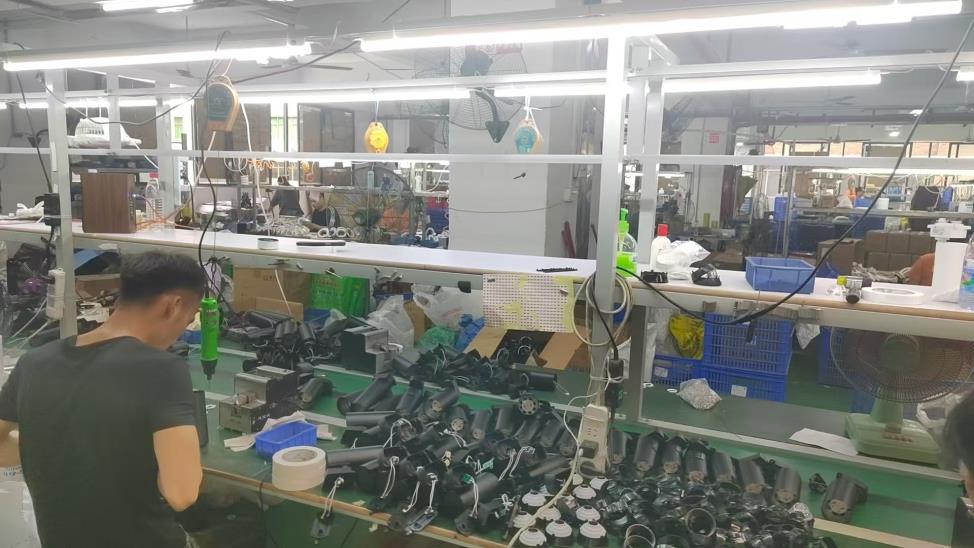
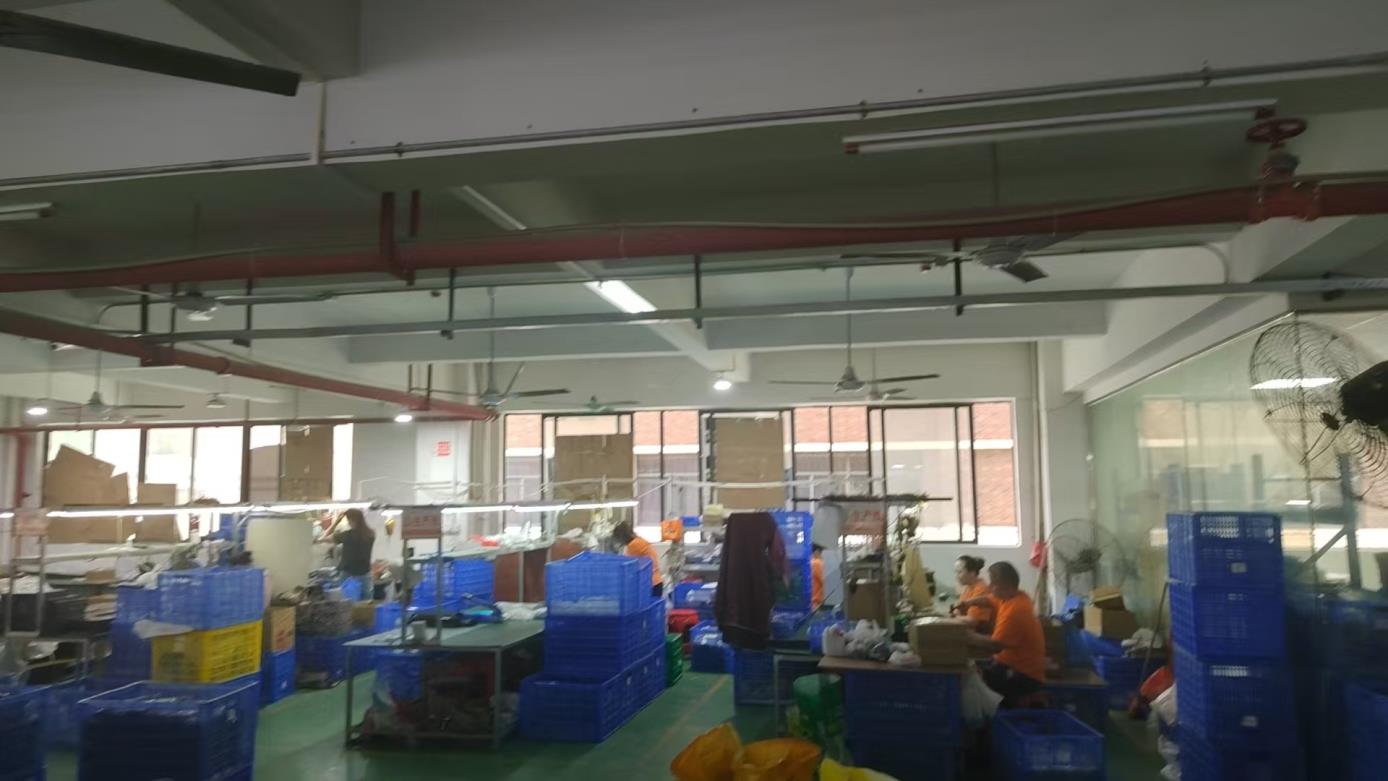
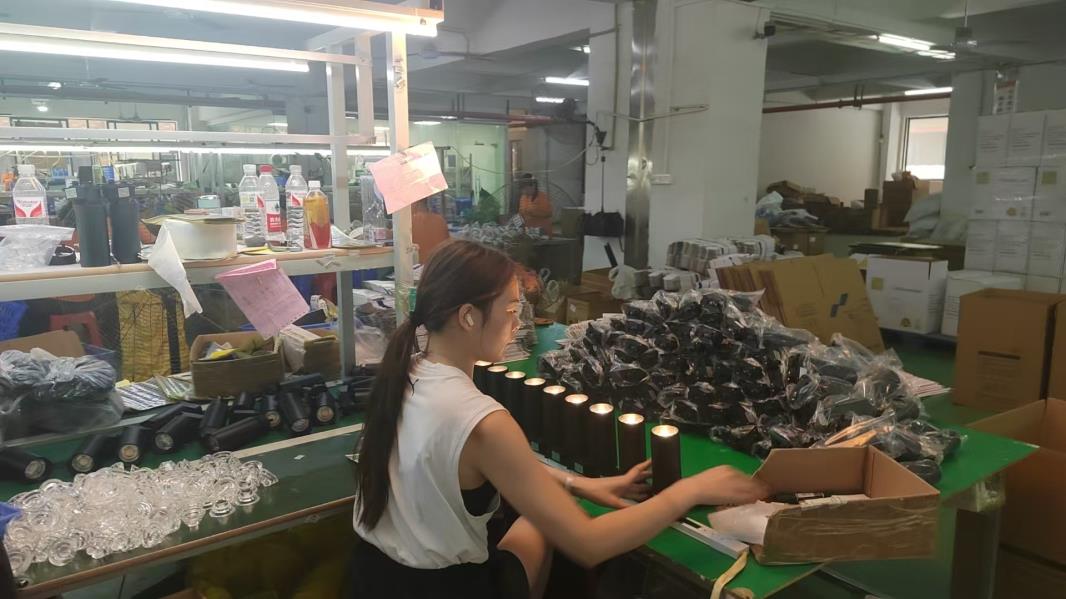
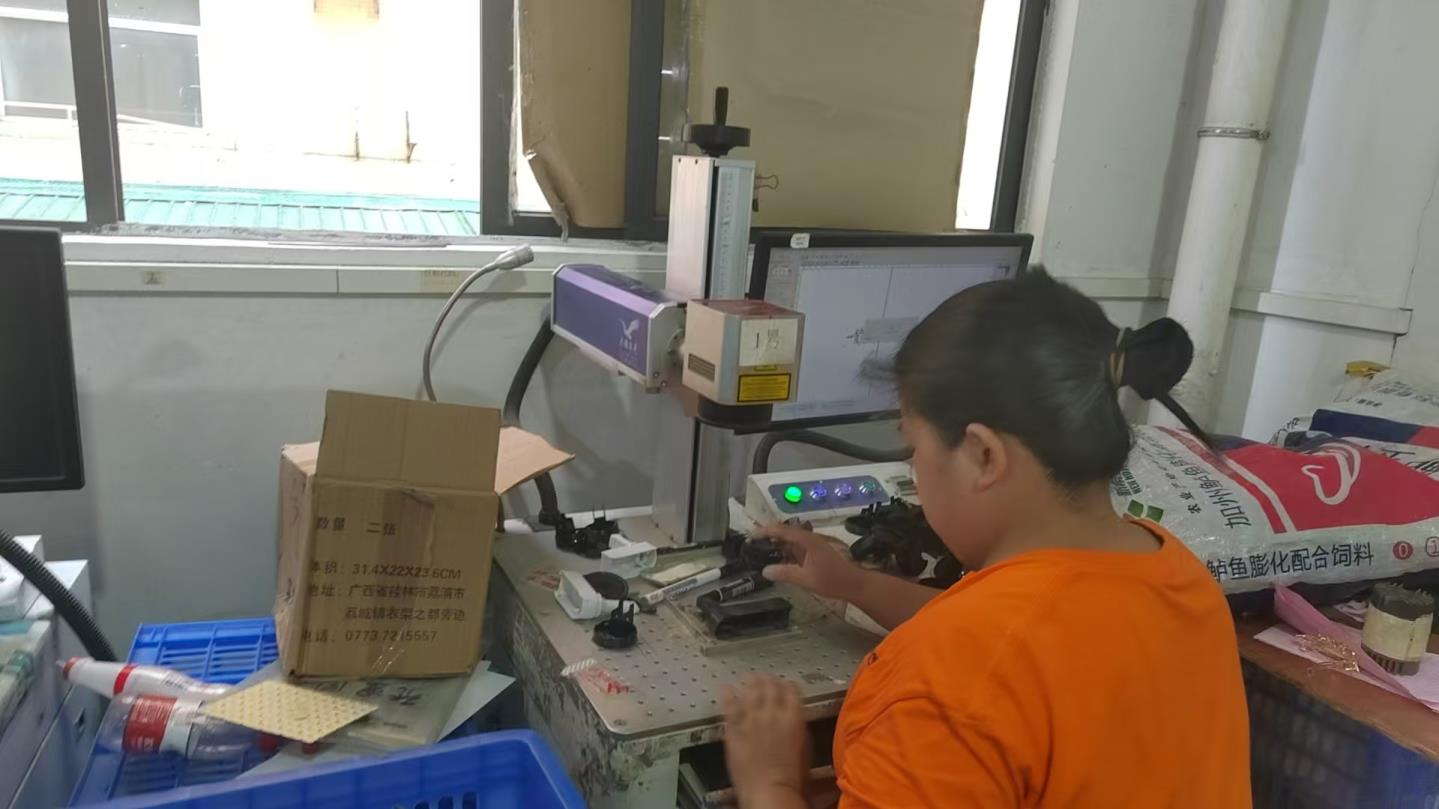
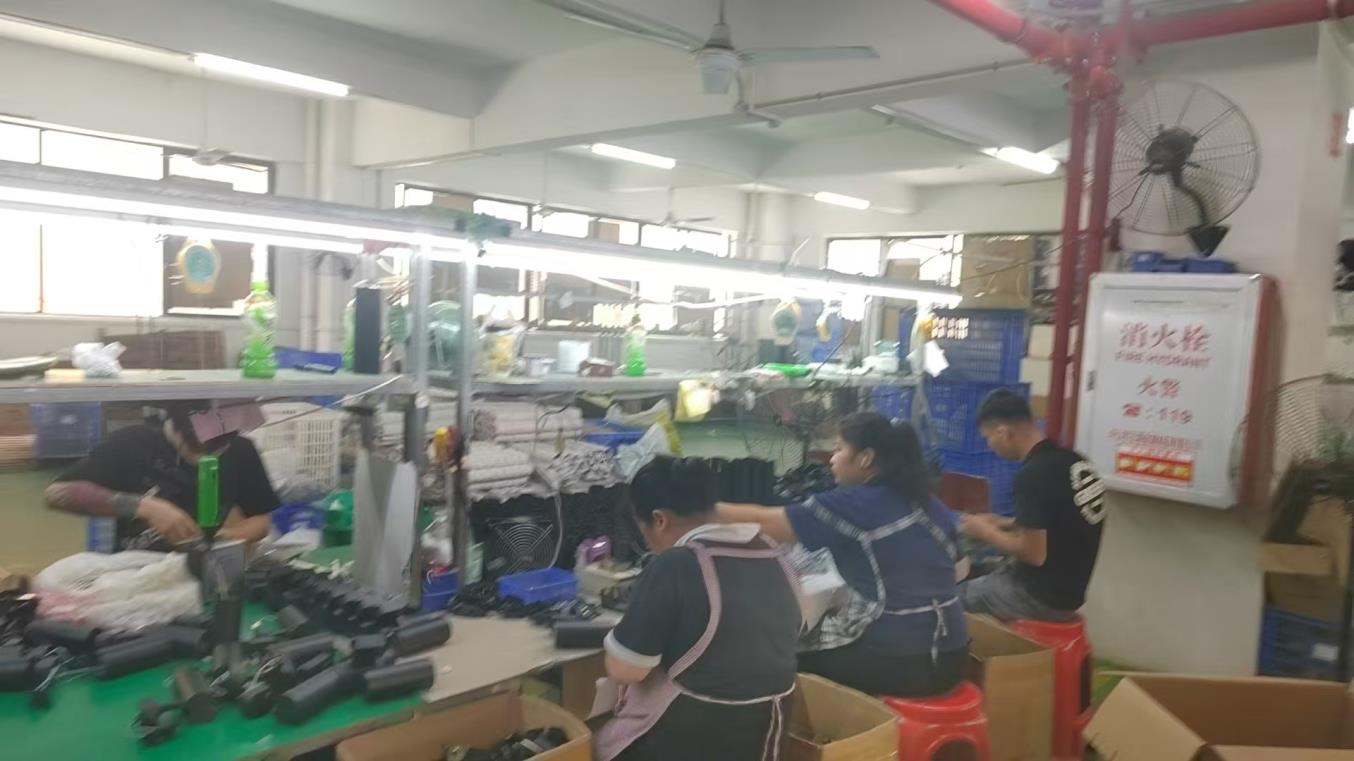
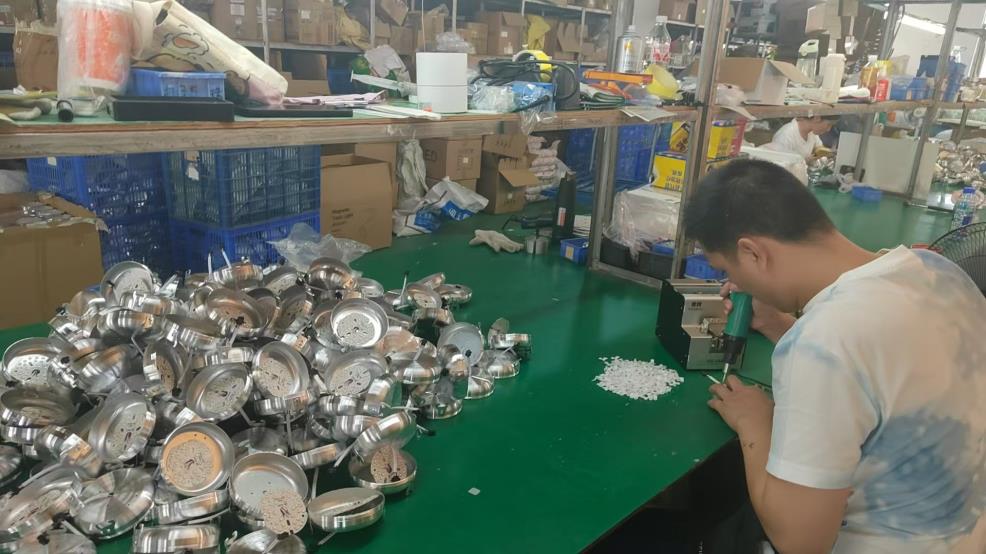
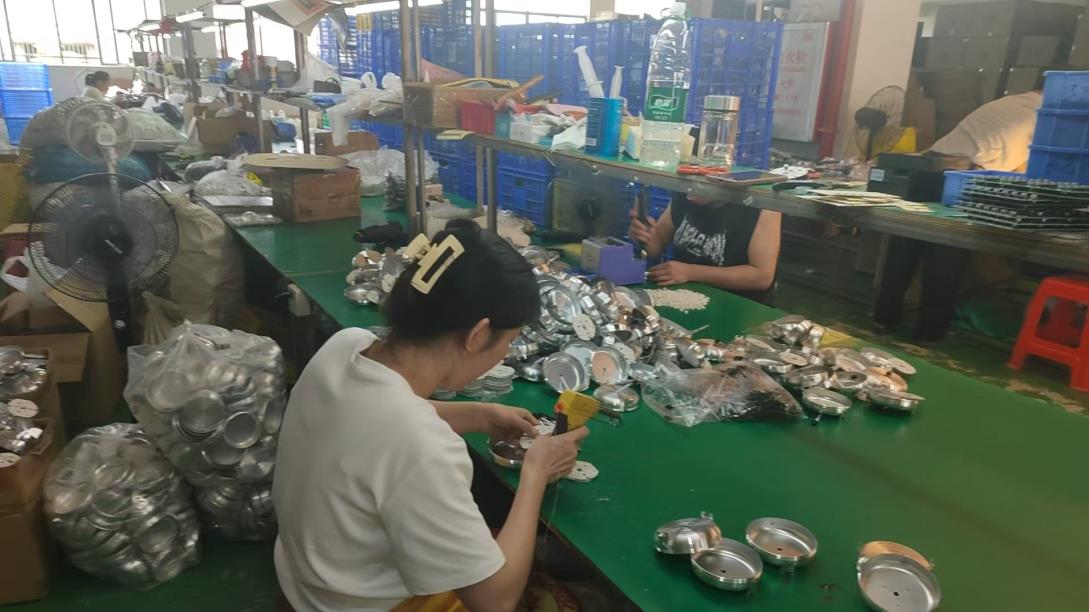
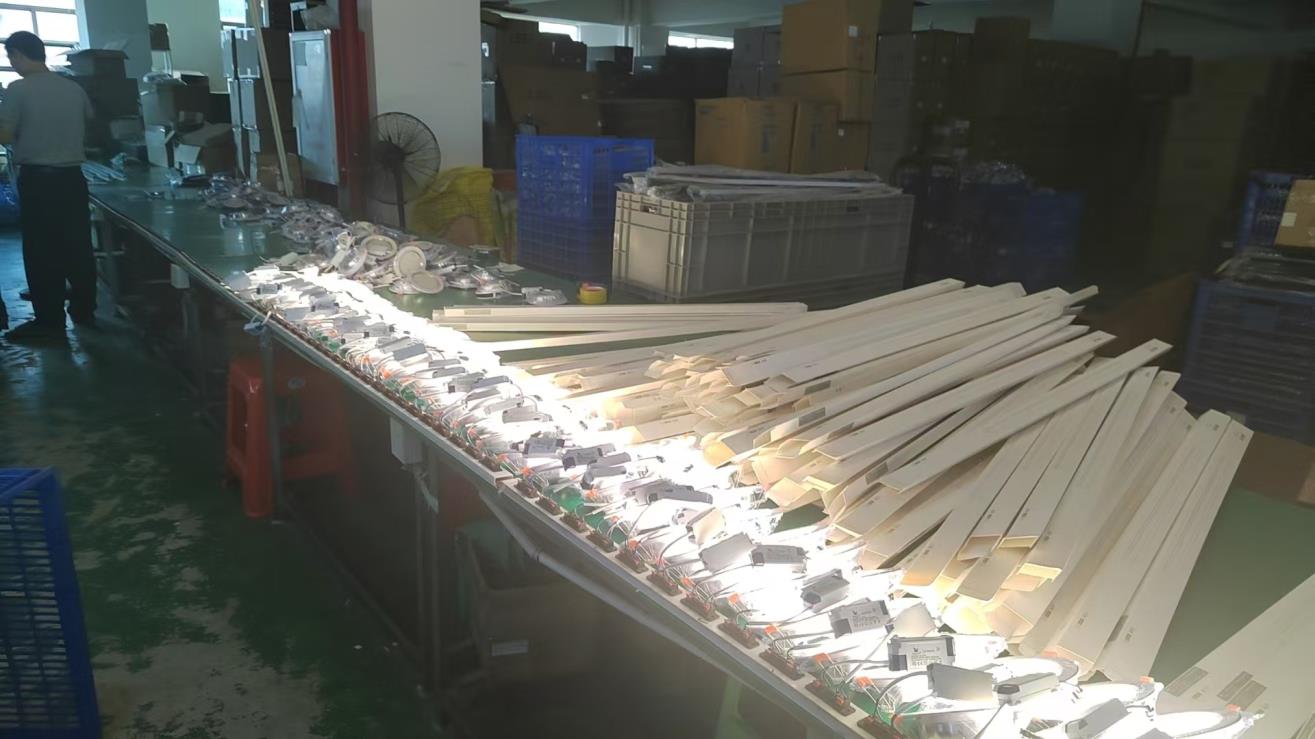
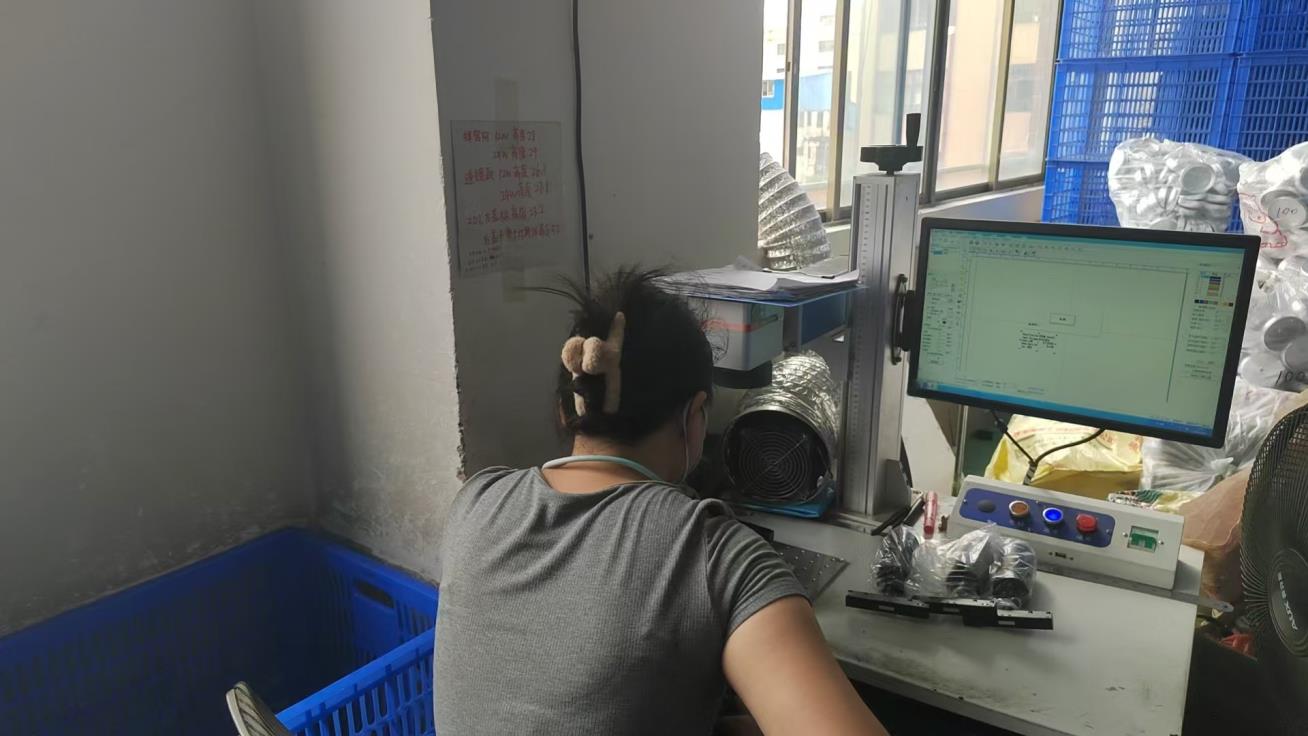
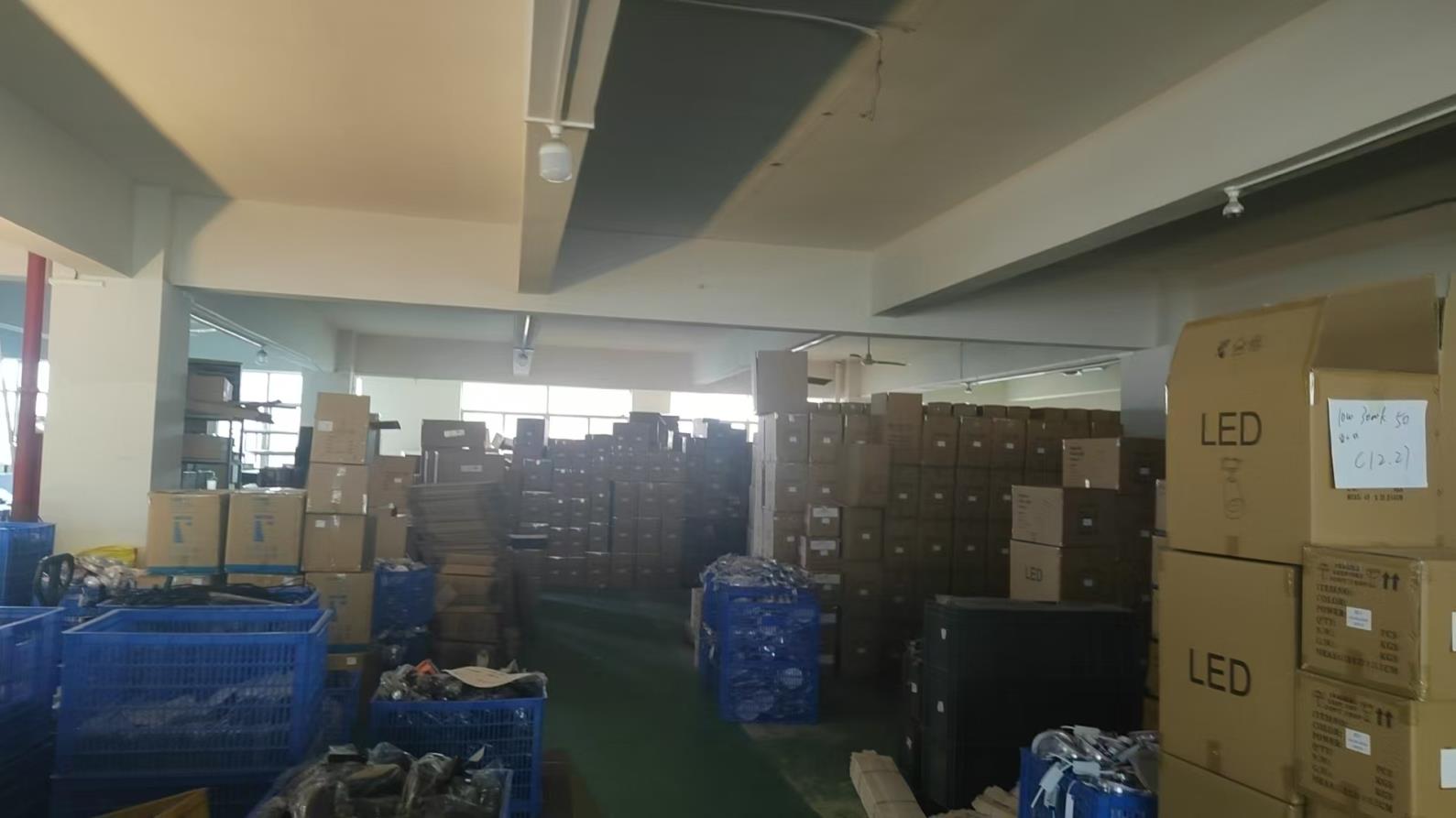
Deploying emergency exit lighting systems requires complete alignment with municipal regulations and energy policies. Importers and MEP contractors must target specific structural and mechanical benchmarks corresponding to their local jurisdictions.
In the US and Canada, all safety luminaires must strictly comply with UL 924 standards. This regulation dictates the minimum illumination level, lettering height (6 inches), stroke width, and exit sign visibility distance (typically 100 feet). Additionally, battery cells must provide a minimum runtime of 90 minutes under auxiliary power.
For operations in the European Economic Area (EEA), safety exit lights must conform to EN 60598-2-22. European systems rely heavily on standardized pictograms (ISO 7010 running man) rather than text. The standard also specifies exact emergency luminaire classification codes depending on testing, runtime (typically 180 minutes), and operation modes (maintained vs. non-maintained).
Australia mandates rigid compliance with AS/NZS 2293, which outlines testing protocols, product designs, and classification schemes. To minimize maintenance costs, systems are designed with high luminous efficacy and automatic power management to withstand extreme thermal fluctuations common in regional installations.
When sourcing emergency exit lighting directly from Chinese manufacturers, technical buyers must analyze key performance indicators to ensure long-term durability and lower the Total Cost of Ownership (TCO).
Ensure you select the right battery chemistry for your climate and budget. Traditional Nickel-Cadmium (Ni-Cd) batteries offer low upfront costs and robust high-temperature stability, but they require strict recycling plans. Lithium Iron Phosphate (LiFePO4) systems provide triple the cycle life (up to 2000+ charging cycles), higher energy density, and superior performance in freezing temperatures.
High-quality LEDs should deliver at least 100 to 120 lm/W. By focusing on optical lens design, like low-glare covers or precise light distribution patterns, you can optimize the spacing between fixtures during installation. This helps contractors use fewer total units while still meeting the required illuminance level along the path of egress.
For industrial plants, warehouses, marine environments, and outdoor stairs, typical emergency lighting is subject to dust, water jets, and corrosion. Opting for IP65 to IP67 ruggedized housing prevents internal component degradation, ensuring reliable performance in harsh conditions.
The safety lighting industry is transitioning from standalone, reactive hardware toward integrated, intelligent facility networks. Below are the key technological shifts driving the current B2B marketplace:
By using wireless mesh technologies like Zigbee, Thread, or Bluetooth Mesh, each exit light can communicate its battery level, driver status, and ambient temperature directly to a central dashboard. This eliminates the need for manual testing, reducing commercial property maintenance costs by up to 80%.
In line with global environmental initiatives, manufacturers are replacing hazardous mercury and heavy-metal components with non-toxic alternatives. We also use recyclable polymer plastics and energy-efficient LED drivers, aligning with modern corporate environmental, social, and governance (ESG) targets.
Standard static exit signs are slowly giving way to dynamic sign systems. When connected to digital fire alarm panels, these signs can adjust their display direction in real-time, guiding evacuees away from detected fire zones or smoke-filled corridors toward safe exits.
Hangzhou Pina Light Co., Ltd. is a professional manufacturer and exporter of innovative LED lighting solutions, headquartered in Hangzhou, China. With a strong manufacturing network and strategic partnerships across China, the company specializes in the design, development, production, and global distribution of high-quality lighting products for commercial, industrial, residential, and specialty applications.
Our core product portfolio includes LED grow lights, commercial lighting, warehouse and high-bay lighting, flood lights, street lights, area lighting, security lighting, retrofit solutions, and customized OEM/ODM lighting products. Leveraging advanced LED technology and intelligent lighting systems, Pina Light is committed to providing energy-efficient, environmentally friendly, and cost-effective solutions for customers worldwide.
Serving clients across North America, Europe, South America, the Middle East, Southeast Asia, and other international markets, our products are manufactured in accordance with strict international quality and safety standards. Many of our products carry globally recognized certifications such as CE, RoHS, FCC, ETL, UL, and other market-specific approvals, ensuring reliable performance and regulatory compliance.
At Hangzhou Pina Light, innovation is at the heart of our business. Our experienced engineering and R&D teams continuously develop new products and improve existing technologies to meet evolving market demands. From product design and prototyping to mass production and quality assurance, every stage of the manufacturing process is carefully monitored to ensure superior quality, consistency, and long-term reliability.
With years of experience in the lighting industry, we have established an efficient supply chain and comprehensive quality management system that enable us to deliver competitive pricing, stable production capacity, and timely shipment schedules. Our dedicated quality control team conducts rigorous inspections throughout the production process, guaranteeing that every product meets customer expectations before leaving the factory.
In addition to our standard product range, we provide flexible OEM and ODM services for lighting brands, distributors, wholesalers, contractors, and project developers. Our team works closely with customers to create customized solutions tailored to specific technical requirements, market preferences, and branding needs.
Get answers to the most common technical, logistical, and compliance questions faced by bulk importers and project engineers when sourcing exit lights.
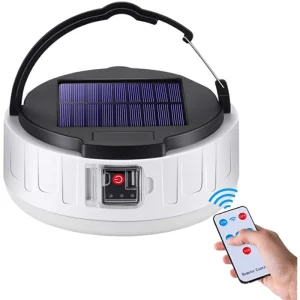
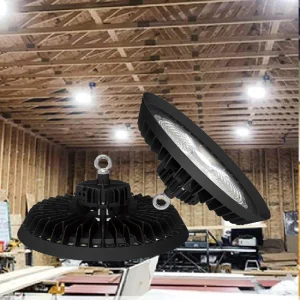
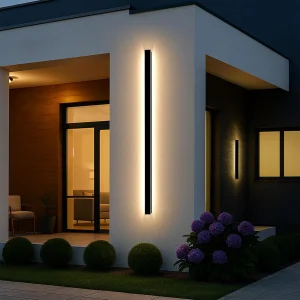
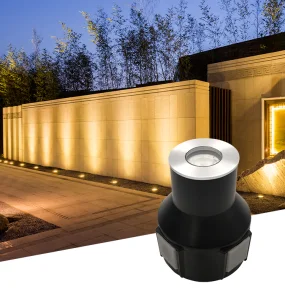
Explore our broader collection of high-performance luminaires, designed for emergency backup, industrial workspaces, and decorative architectural systems.
 Pina Light