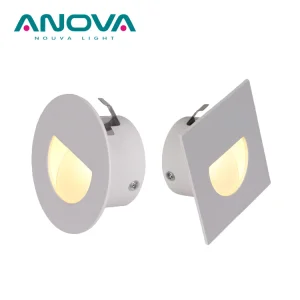
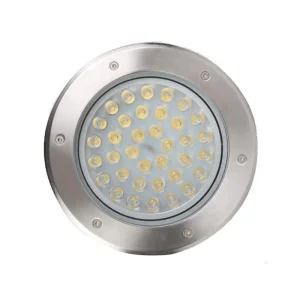
Architectural and urban developments are increasingly shifting toward seamless, integrated, and sustainable exterior lighting formats. In-ground lights (also commonly referred to as uplights, well lights, or recessed ground luminaires) represent a critical sector in this transformation. Once regarded as mere accent fixtures, modern in-ground luminaires are now primary components of municipal smart grids, high-end landscape architecture, commercial facades, and public traffic pathways.
In the context of the modern smart city, in-ground lights are evolving from static illumination units into nodes of wider IoT networks. Leading global procurers, electrical contractors, and architectural designers are demanding integration of DALI-2, DMX512, and wireless communication protocols (such as Zigbee, Thread, or Bluetooth Mesh) within compact in-ground fixtures. The challenge lies in balancing smart control components inside restricted, subterranean enclosures that must operate reliably under extreme temperature swings, moisture ingress, and physical loads.
Sourcing high-quality outdoor luminaires involves substantial technological risk. Because in-ground lights are installed flush with the ground, they are constantly exposed to horizontal water pooling, subterranean moisture, chemical agents (such as fertilizers, de-icing salts, and soil acids), and severe mechanical stress from vehicles. Common failures in low-grade fixtures include internal condensation (dew formation on the glass cover due to thermal vacuum generation), water seepage via cable entries, galvanic corrosion of metal bezels, and mechanical cracking under drive-over load conditions.
To mitigate these risks, procurement managers from North America, Europe, and Asia look for structural features like dual-chamber sealing, built-in pressure equalization valves (breathable valves that balance internal and external pressures), and high-grade 316L stainless steel bezels combined with marine-grade die-cast aluminum housings. Certifications such as CE, RoHS, ETL, and UL are the baseline requirements, but real reliability is demonstrated through rigorous lab testing profiles.
Asymmetric beam angles (15°/30°/45°/60°) and tilt-adjustable internal LED engines allow targeted wall-grazing and accentuation without causing glare for pedestrians or vehicular traffic.
Utilizes high-tensile 316L stainless steel, CNC precision-machined aluminum bodies with multi-stage powder coating, and toughened IK10 rated tempered glass to ensure high structural integrity.
Integrated heat sink design ensures the LED junction temperature remains low, preventing premature luminous decay and extending overall driver and LED lifespan to over 50,000 hours.
One of the major causes of in-ground light failure is the "breathing effect." When the luminaire is powered on, internal temperatures rise and the air expands. When powered off, the rapid cooling creates a vacuum that pulls external moisture and soil water in through micro-spaces between the rubber seal and cable jacket. Premium manufacturers resolve this by integrating an anti-capillary cable gland or injecting polyurethane resin inside the wire entry chamber, blocking any path for water to travel into the electronics.
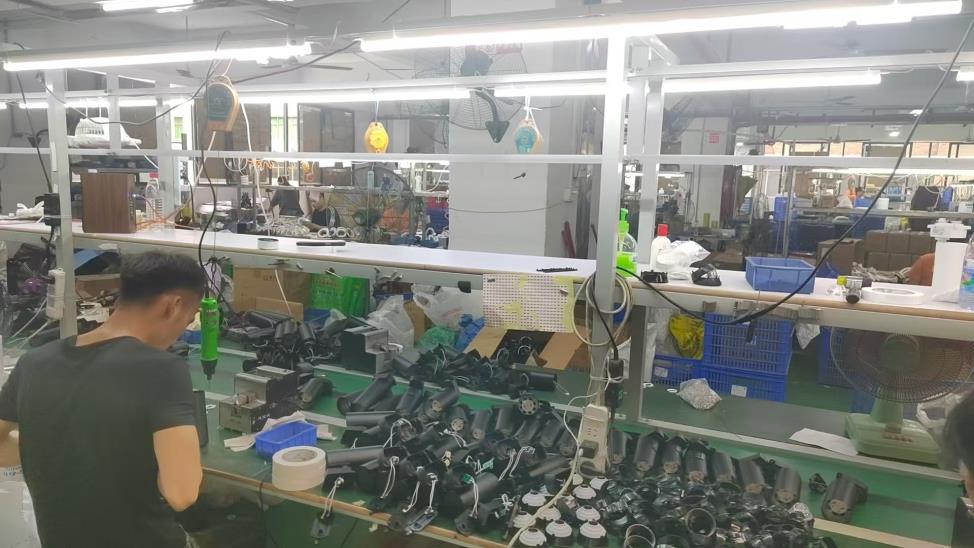
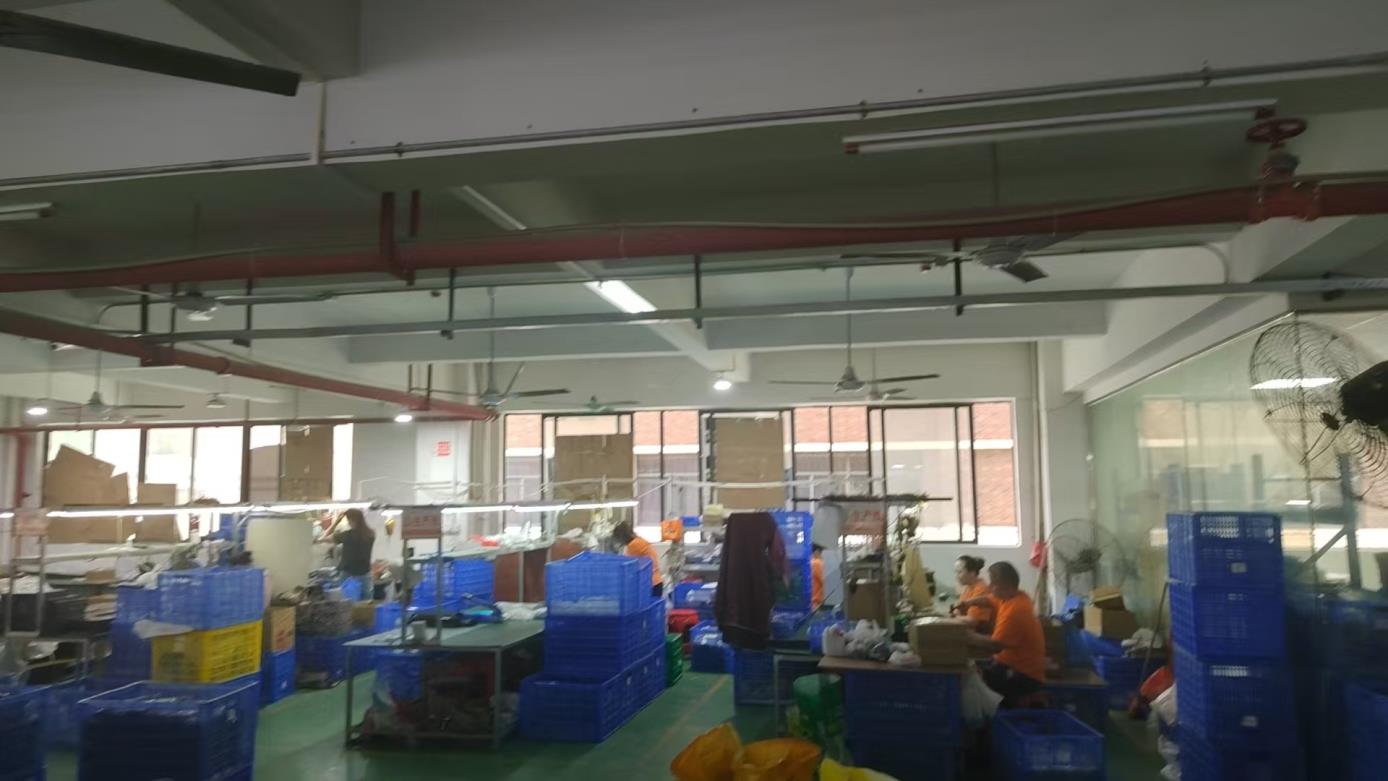
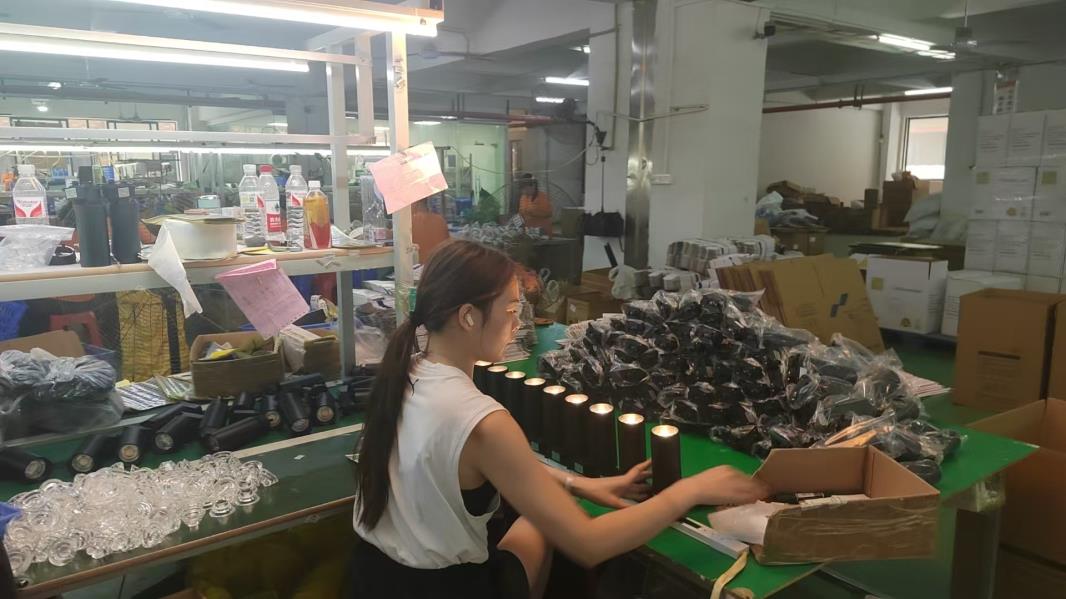
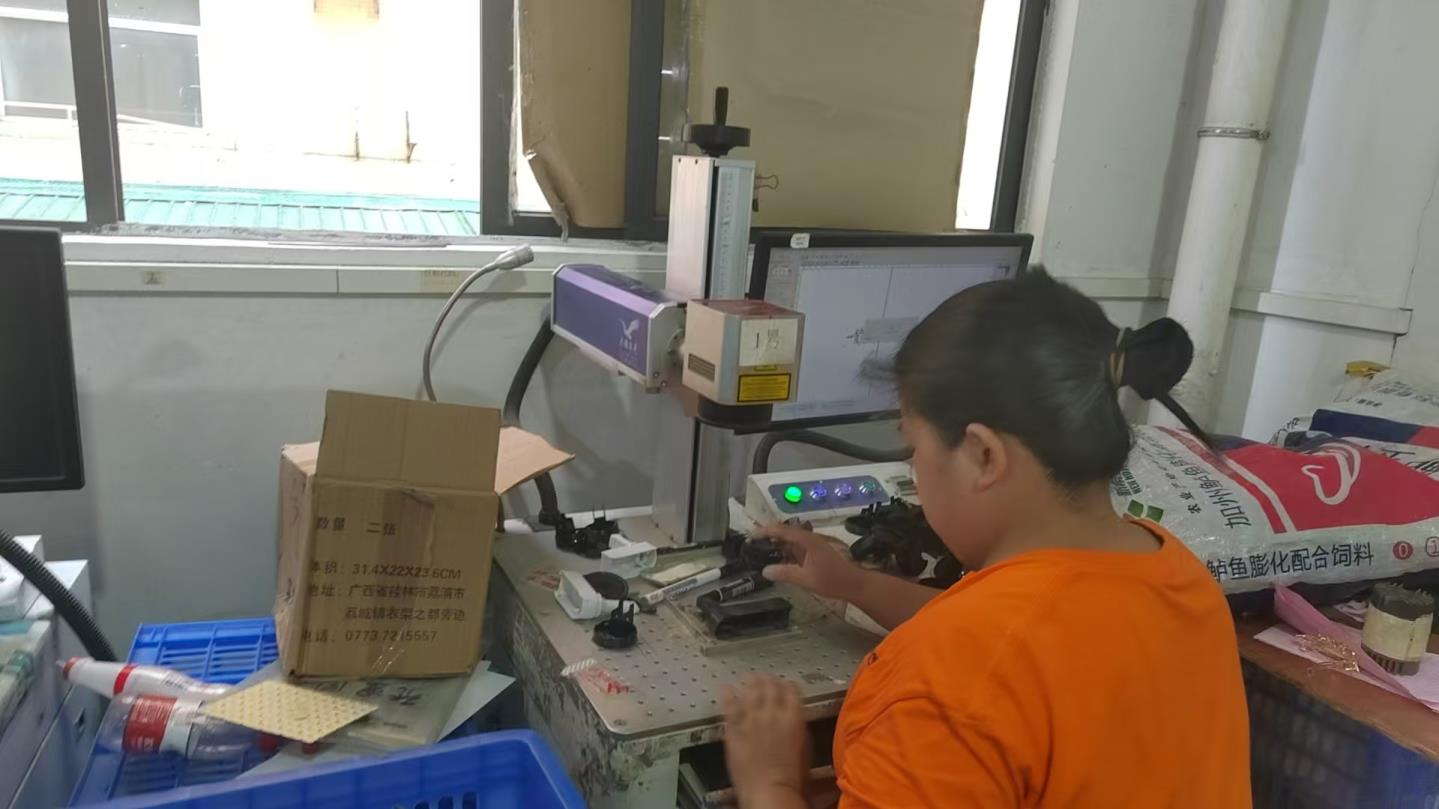
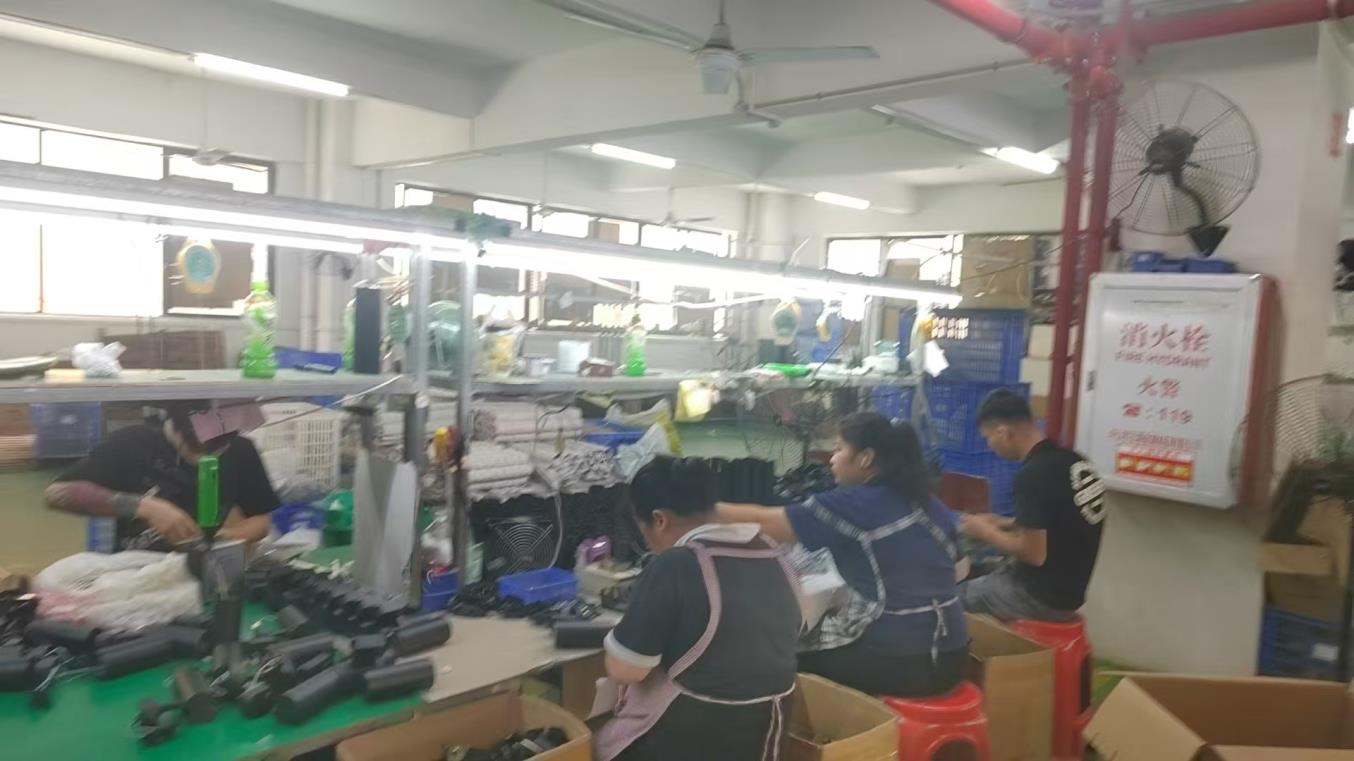
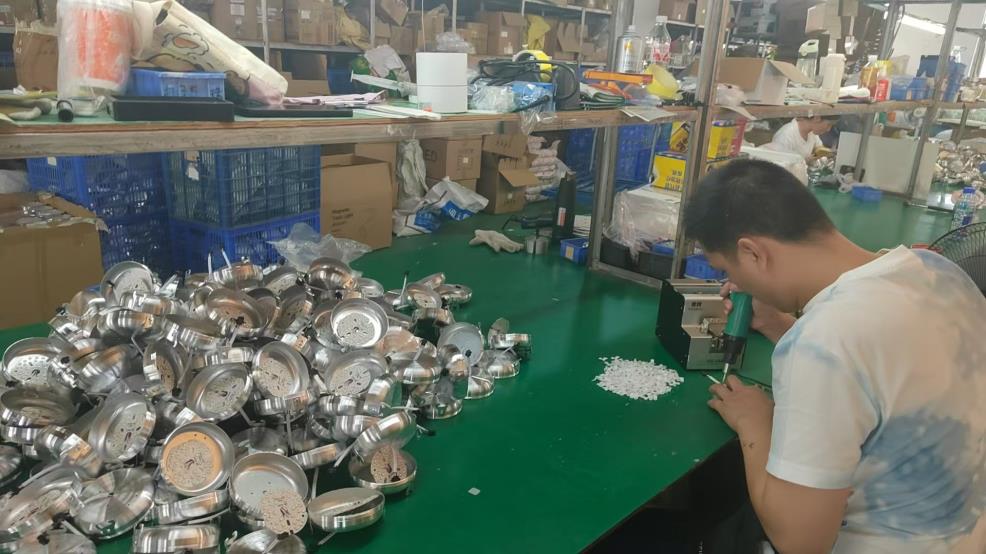
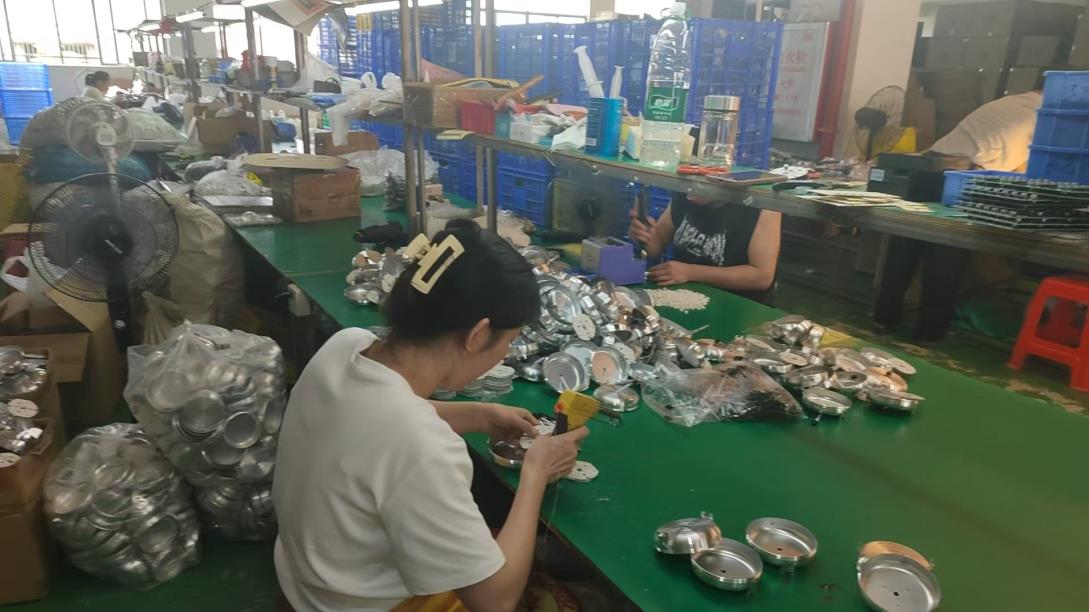
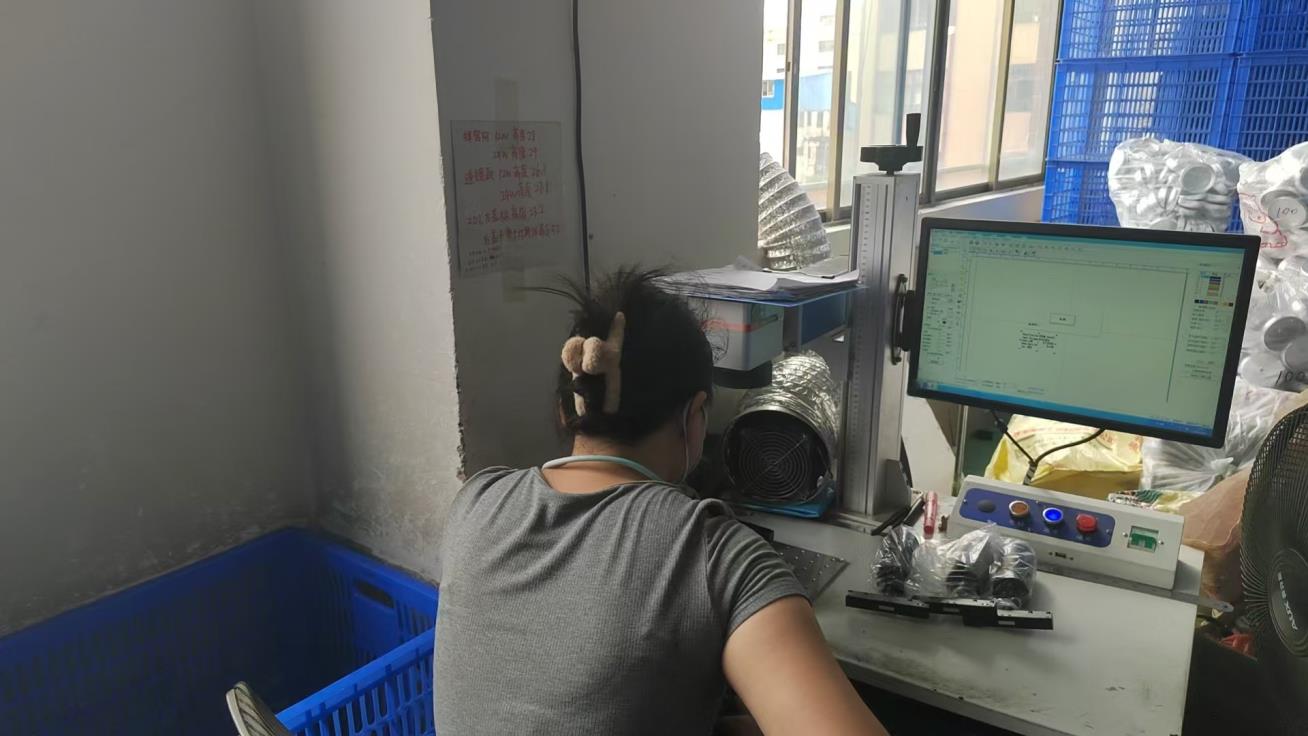
At Hangzhou Pina Light Co., Ltd., our production philosophy centers on China’s Factory 4.0 paradigm. This model integrates digital manufacturing, real-time quality analytics, and agile assembly to supply robust, highly customized OEM/ODM in-ground luminaires. Operating from our advanced facilities in Hangzhou, we utilize automated components alongside specialized craftsmanship to manage production scale with high technical consistency.
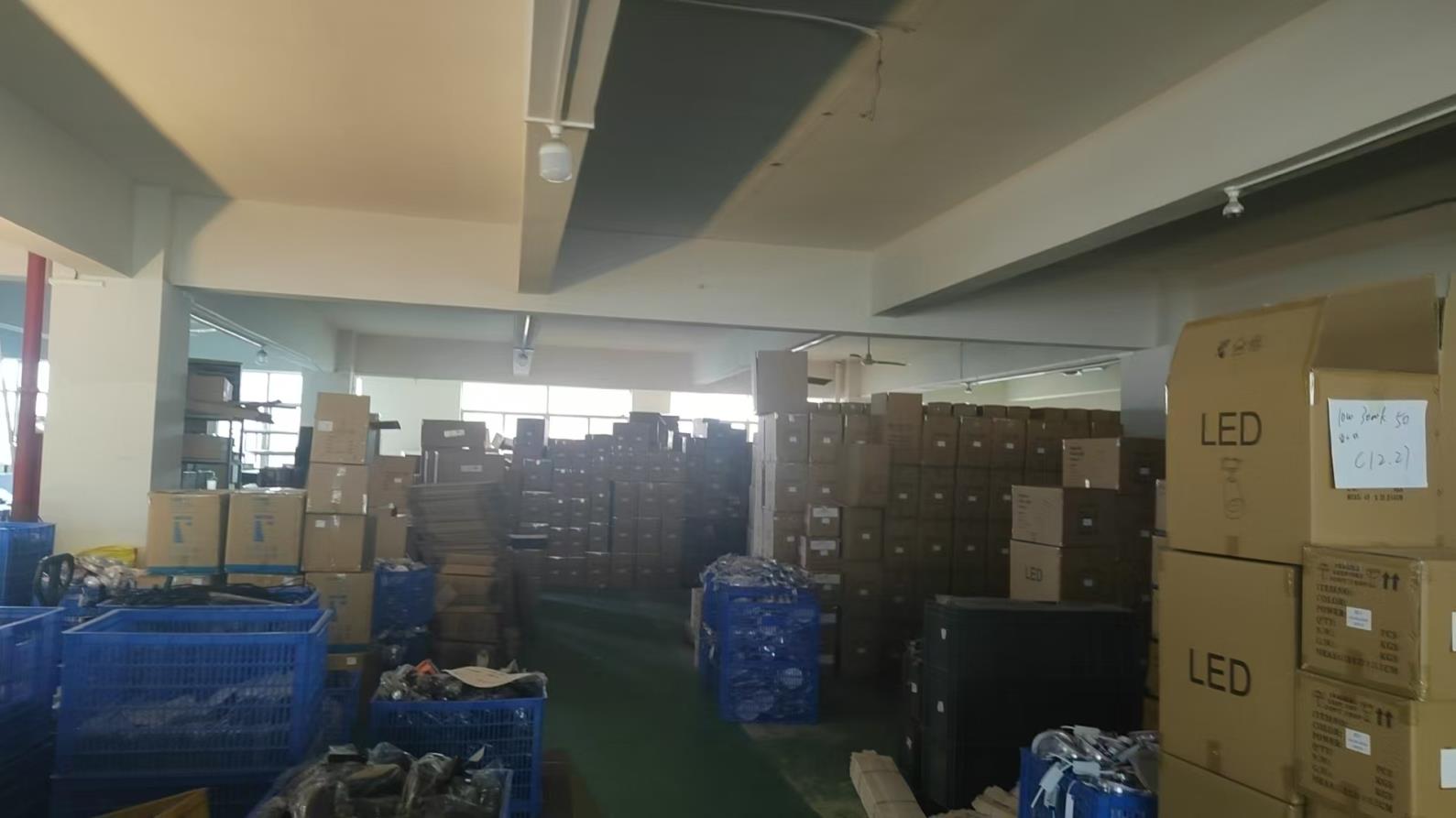
Supply chain resilience is a core advantage of Pina Light. Positioned within the Yangtze River Delta lighting cluster, we maintain direct, integrated relationships with raw material refiners, optical lens houses, precision die-casters, and driver developers. This localized, rich supply ecosystem protects our production processes from global market volatility. It also allows us to offer shorter lead times, customized material matching, and competitive pricing for large projects.
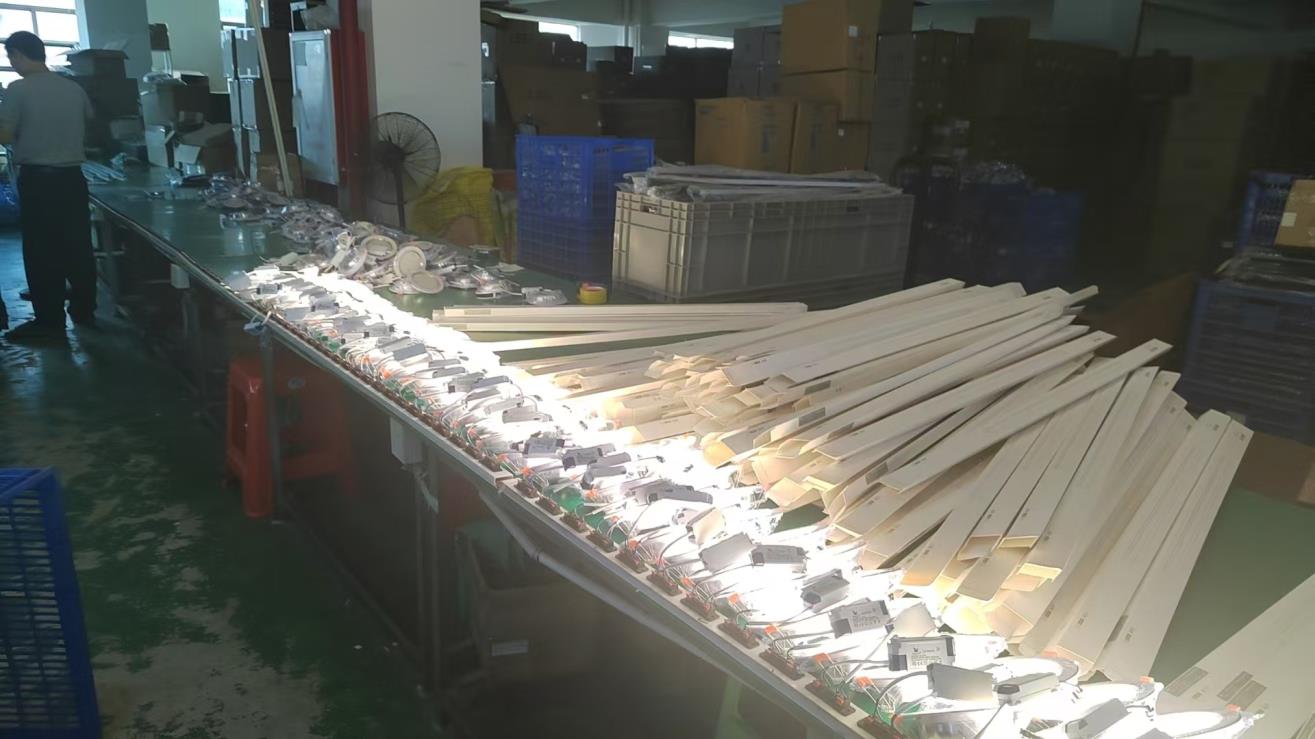
Quality assurance at Pina Light is built on multi-stage testing rather than final inspection alone. Every batch of in-ground luminaires undergoes automated spectral testing, thermal shock analysis, high-pressure IP68 water chamber testing, and mechanical impact simulation. Our facility runs automated aging lines where units are stress-tested under variable voltages to isolate and eliminate premature component failure. This systematic approach guarantees that our lights will perform reliably on site, even in demanding environments.
Our customization service (OEM/ODM) is structured to adapt standard assemblies to specific project requirements. Whether you require custom marine-grade paint finishes for seaside developments, specific RGBW architectural wash lenses, or custom drivers compatible with regional power grids, our engineering team works directly with yours to ensure compatibility, longevity, and code compliance.
Requires flush integration to prevent pedestrian tripping hazard. Precision optics with asymmetric distributions are applied to light vertical structural columns and foliage while minimizing light pollution and upward spill.
Utilized to accentuate the textural quality of stone, concrete, or glass building envelopes. Luminaire tilt options and specific micro-lenses ensure even light wash up to heights of over 15 meters.
High-impact regions that mandate IK10 tempered glass panels and robust housing to resist heavy, moving wheel loads. Designed to bear vehicle weights up to 5 tons without misalignment or lens deformation.
For reliable long-term operations, a minimum of IP67 is required to protect against brief water immersion during rainfall or irrigation. IP68 is recommended for areas subject to regular water accumulation or submersion. For mechanical resistance, particularly in public pedestrian areas and driveways, IK09 to IK10 impact ratings are necessary to ensure the glass lens can withstand physical shocks and heavy wheel loads without cracking.
Pina Light incorporates hydrophobic breather valves and pressure equalization membranes into our in-ground housings. These components allow expanding hot air to escape without letting liquid water or dust enter the fixture. When the fixture cools, pressure is normalized across the seal, preventing the vacuum effect that pulls moisture inside, which is the primary cause of internal lens condensation.
Direct contact between different metals in soil can lead to galvanic corrosion. To prevent this, Pina Light uses marine-grade 316L stainless steel bezels, chemically passivated die-cast aluminum housings, and non-conductive polymer installation sleeves. The sleeve separates the metal housing from the surrounding soil chemistry, isolating the structural components of the light from degradation.
For long runs, high-voltage configurations (110-240VAC) minimize voltage drop issues and reduce wiring complexity over long distances. For installations near water bodies, wet paths, or child-accessible zones, low-voltage inputs (24VDC) are specified for safety. The low-voltage driver can be installed in a dry, remote electrical cabinet, reducing the electrical risks associated with subterranean water contact.
Hangzhou Pina Light Co., Ltd. is a manufacturer and exporter of LED lighting solutions, headquartered in Hangzhou, China. Utilizing an integrated manufacturing network and strategic supply partnerships across China, we design, develop, and distribute high-performance lighting products for commercial, industrial, residential, and specialized applications.
Our core portfolio includes commercial lighting, warehouse and high-bay lighting, flood lights, street lights, security lighting, retrofit solutions, and customized OEM/ODM lighting products. By integrating advanced optoelectronics and smart control options, we deliver energy-efficient, reliable systems designed for global market specifications.
We serve commercial partners across North America, Europe, South America, the Middle East, and Southeast Asia. Products are manufactured in compliance with international safety and quality standards, carrying certifications like CE, RoHS, FCC, ETL, and UL to meet regional regulatory and performance demands.
Sustainability guides our product development and manufacturing processes. By upgrading our LED configurations and refining manufacturing efficiencies, we help clients lower operating costs, decrease power consumption, and support environmental targets. From initial prototyping to volume production and quality control, Pina Light supports distributors, contractors, and OEMs worldwide as a reliable partner in lighting technology.
 Pina Light