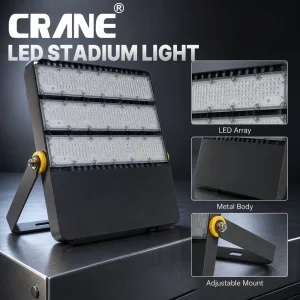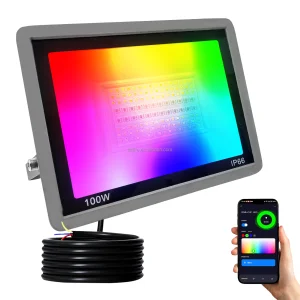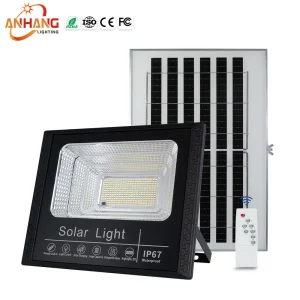
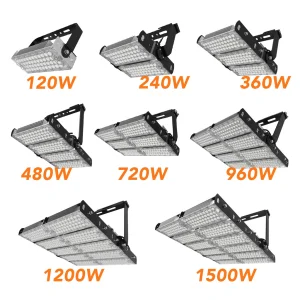
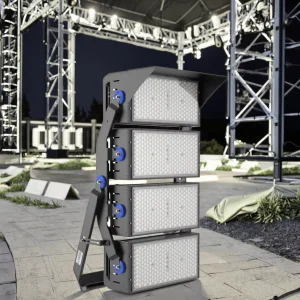
As the world's most populous nation continues its fast-paced urbanization and industrial modernization, outdoor lighting infrastructure has transitioned from a basic public utility to a key element of urban design, public safety, and energy conservation. The Indian subcontinent is undergoing a massive transformation powered by government initiatives such as the **Smart Cities Mission**, **Make in India**, and the **National Infrastructure Pipeline (NIP)**. At the core of these structural movements is the critical need for robust, high-lumen, and energy-efficient outdoor illumination. Consequently, the demand for reliable LED flood lights, high-mast sports lighting, and solar-powered outdoor systems has risen sharply, leading developers, state departments, and industrial procurement managers to seek long-term solutions from qualified global factories and exporters.
"Sustainable infrastructure development requires a careful balance between capital investment (CAPEX) and long-term operational efficiency (OPEX). High-performance LED floodlighting systems engineered with advanced thermal dissipation and surge protection are the silent enablers of India’s 24/7 manufacturing corridors, smart cities, and sporting complexes."
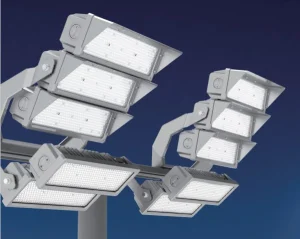
India's rapid infrastructure growth spans across multiple sectors: logistics corridors, high-speed rail lines, national highways, mega-ports, and regional sports arenas. The development of the **Delhi-Mumbai Industrial Corridor (DMIC)** and various dedicated freight pathways demands heavy-duty illumination systems that can run continuously. High-mast lighting configurations, often housing between 4 to 12 luminaires ranging from 240W to 1000W each, are necessary to ensure safety and round-the-clock operations at logistics yards, railway hubs, and container terminals. Furthermore, municipal authorities are progressively retrofitting traditional high-pressure sodium (HPS) and metal halide (MH) fixtures with smart LED floodlights to meet ambitious municipal energy reduction targets.
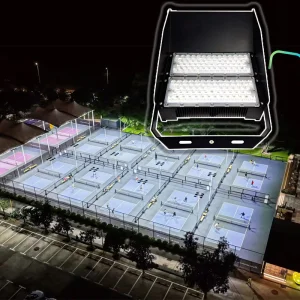
Another major driver is the rise of grassroots and elite sports complexes. Cricket stadiums, soccer pitches, and pickleball courts are popping up rapidly across tier-1 and tier-2 cities. These projects require advanced glare control, high Color Rendering Index (CRI > 80/90), and flicker-free operations suitable for high-definition sports broadcasting. In rural and semi-urban districts, decentralized solar-powered street and flood lights are addressing the energy gap. These systems supply reliable evening security lighting without placing additional burden on the local electrical grid.
Exporting industrial lighting to India is not a one-size-fits-all business. The region's diverse climate zones and unique grid conditions pose serious engineering challenges that must be addressed at the manufacturing stage:
Today's procurement managers, project contractors, and lighting consultants in India no longer focus solely on the initial purchase price. There is a clear shift toward evaluating the **Total Cost of Ownership (TCO)**, which factors in energy efficiency, maintenance costs, and fixture lifetime. Additionally, strict adherence to international and local standards is non-negotiable. Many government and large-scale industrial bids in India require certifications such as CE, RoHS, and FCC, and increasingly call for local **BIS (Bureau of Indian Standards)** compliance.
Environmental standards like LEED (Leadership in Energy and Environmental Design) and GRIHA (Green Rating for Integrated Habitat Assessment) are steering Indian developers toward choosing zero-pollution, zero-mercury lighting products. This transition is boosting demand for smart-controlled LED floodlights that support 0-10V, DALI, or Zigbee dimming interfaces, allowing operators to dim lights during off-peak hours and save up to 40% more energy.
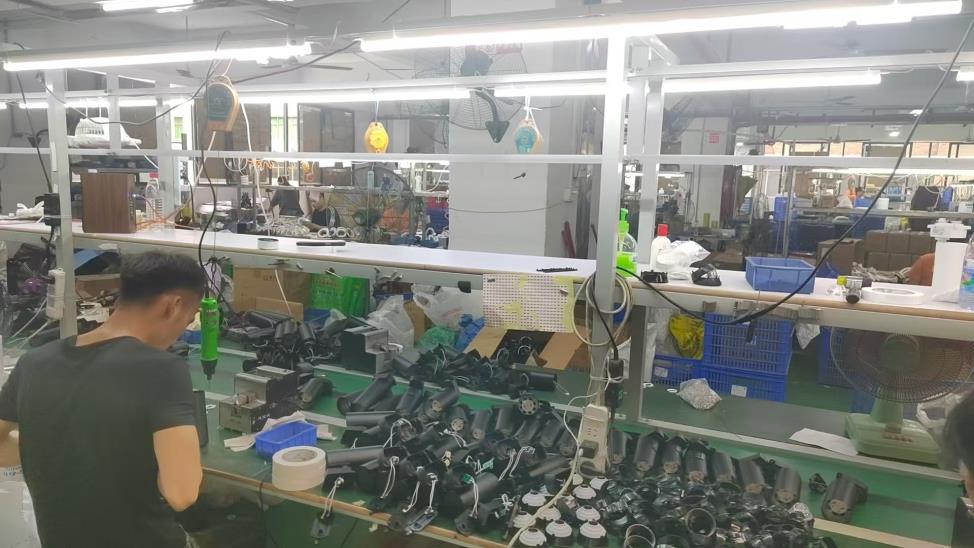
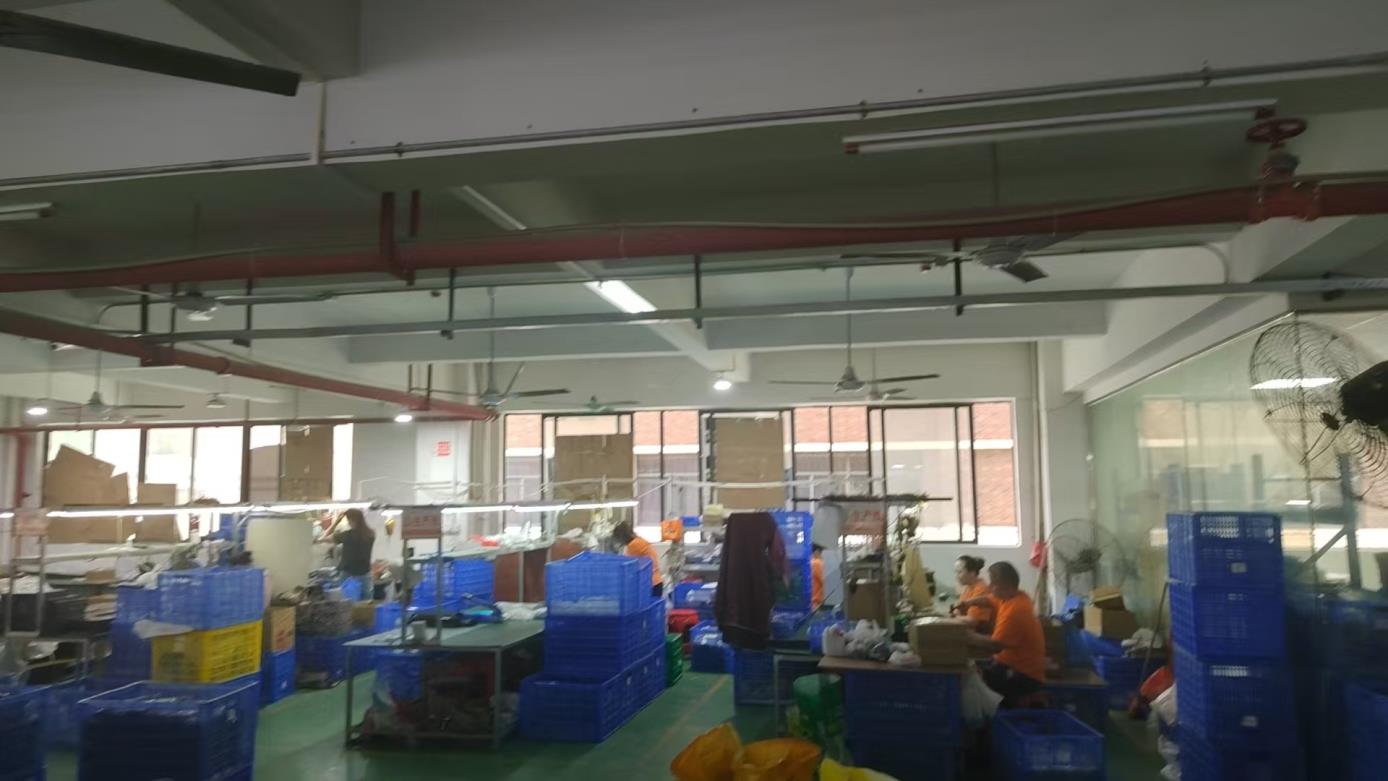
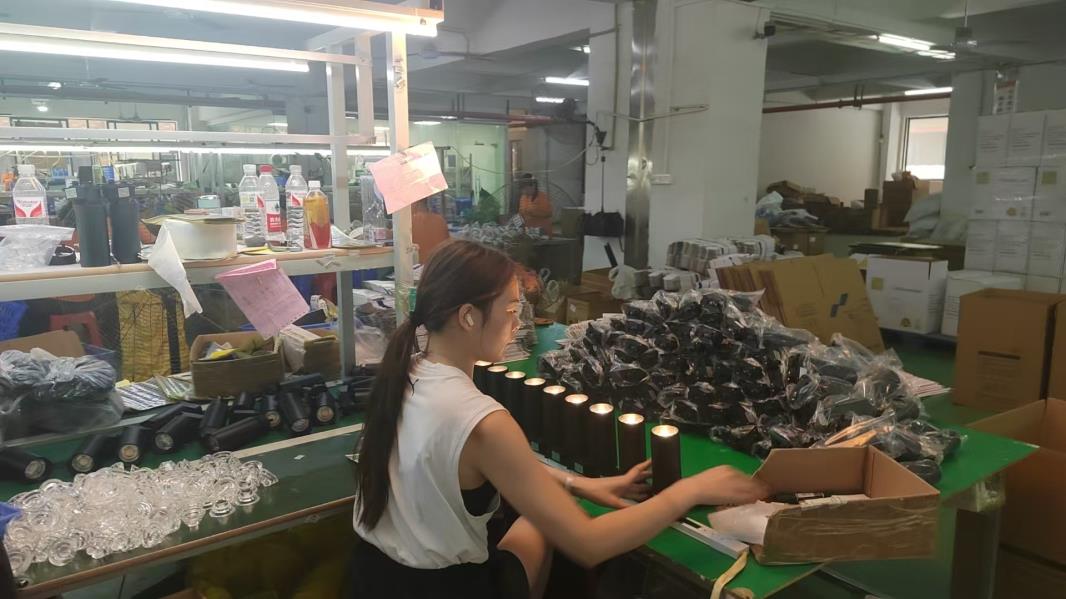
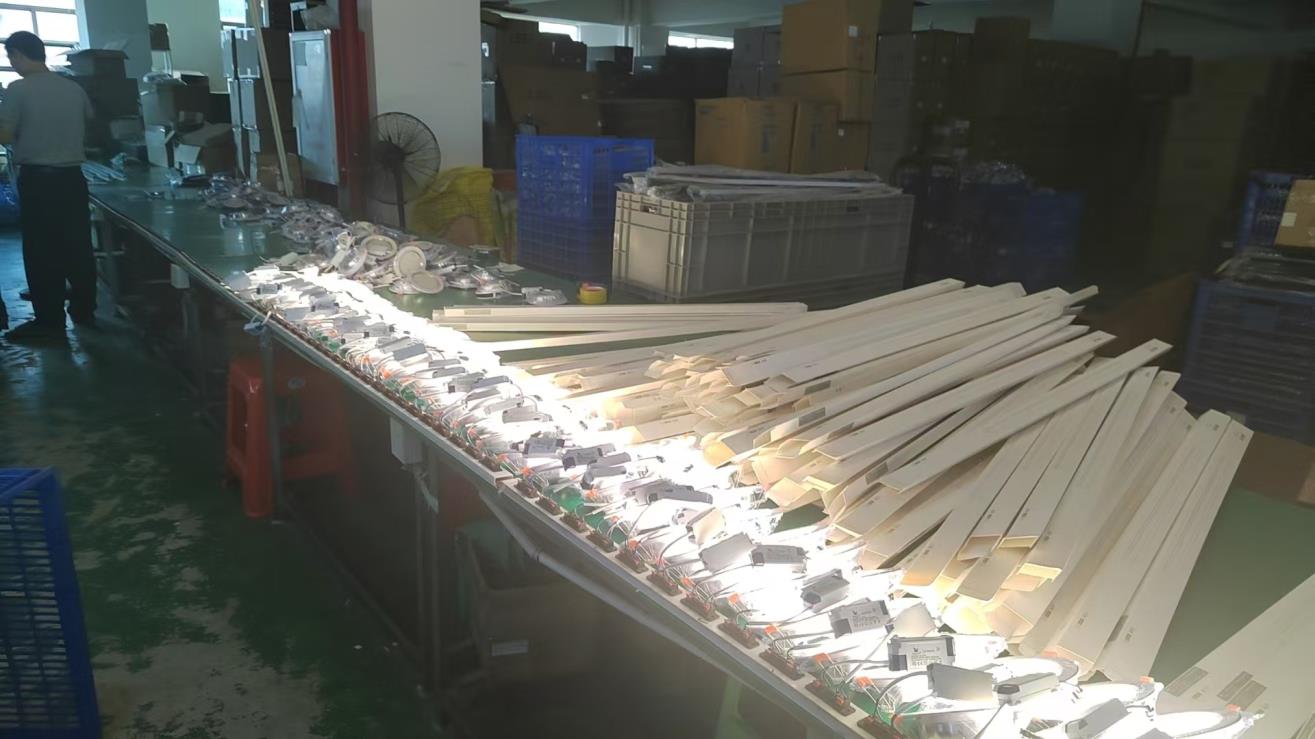
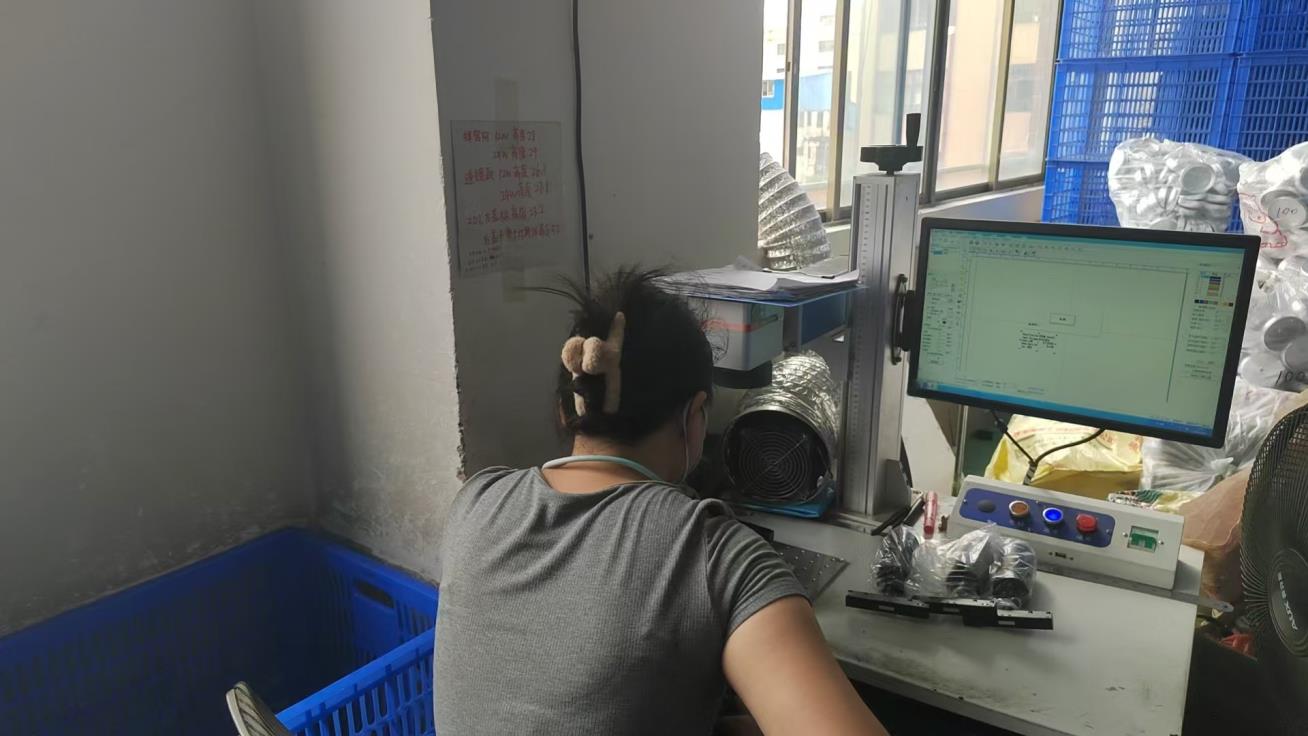
While local assembly in India is growing, the foundational components of high-efficiency LED lights—such as premium LED chips (Bridgelux, Cree, Lumileds), high-performance optical grade PMMA lenses, and automated aluminum die-casting molds—remain centered in China’s advanced manufacturing hubs. The "Factory 4.0" model combines automated SMD placement lines, robotic assembly, and computerized test chambers to deliver high-quality products with fast turnaround times.
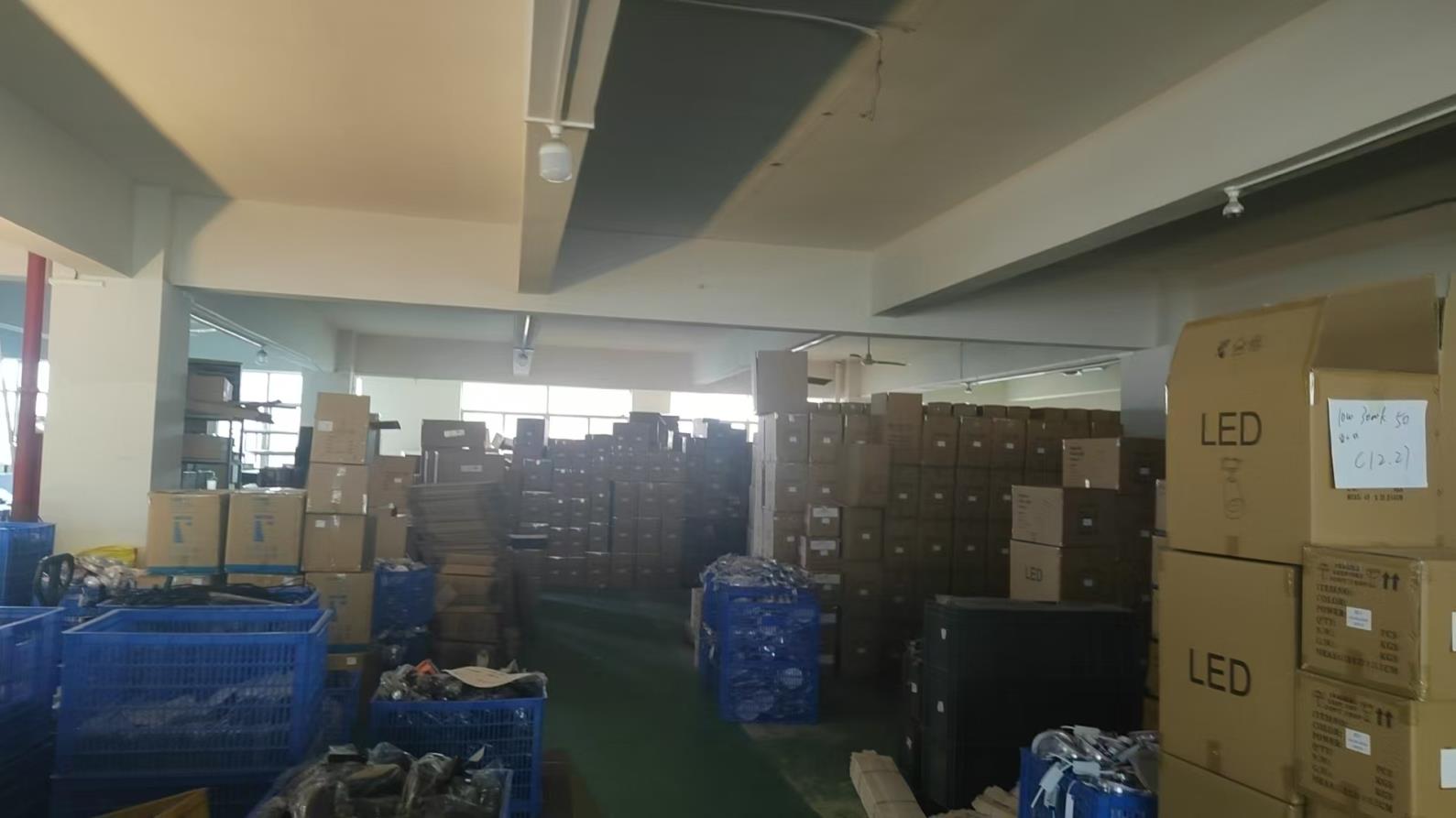
This ecosystem offers deep resilience: raw material sourcing, optical engineering, rapid prototyping, and automated testing are co-located in the same industrial clusters (such as Zhejiang and Guangdong). For Indian importers, this setup ensures consistent quality, flexible customization (OEM/ODM), and protection against supply chain disruptions. By partnering with advanced Chinese manufacturers, Indian business buyers can secure customized beam angles, tailored driver configurations, and optimized thermal designs that match the exact environment of their project sites.
Hangzhou Pina Light Co., Ltd. is a professional manufacturer and exporter of innovative LED lighting solutions, headquartered in Hangzhou, China. With a strong manufacturing network and strategic partnerships across China, the company specializes in the design, development, production, and global distribution of high-quality lighting products for commercial, industrial, residential, and specialty applications.
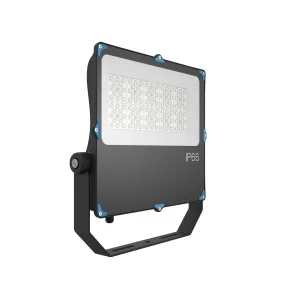
Our core product portfolio includes LED grow lights, commercial lighting, warehouse and high-bay lighting, flood lights, street lights, area lighting, security lighting, retrofit solutions, and customized OEM/ODM lighting products. Leveraging advanced LED technology and intelligent lighting systems, Pina Light is committed to providing energy-efficient, environmentally friendly, and cost-effective solutions for customers worldwide.
Serving clients across India, North America, Europe, South America, the Middle East, Southeast Asia, and other international markets, our products are manufactured in accordance with strict international quality and safety standards. Many of our products carry globally recognized certifications such as CE, RoHS, FCC, ETL, UL, and other market-specific approvals, ensuring reliable performance and regulatory compliance.
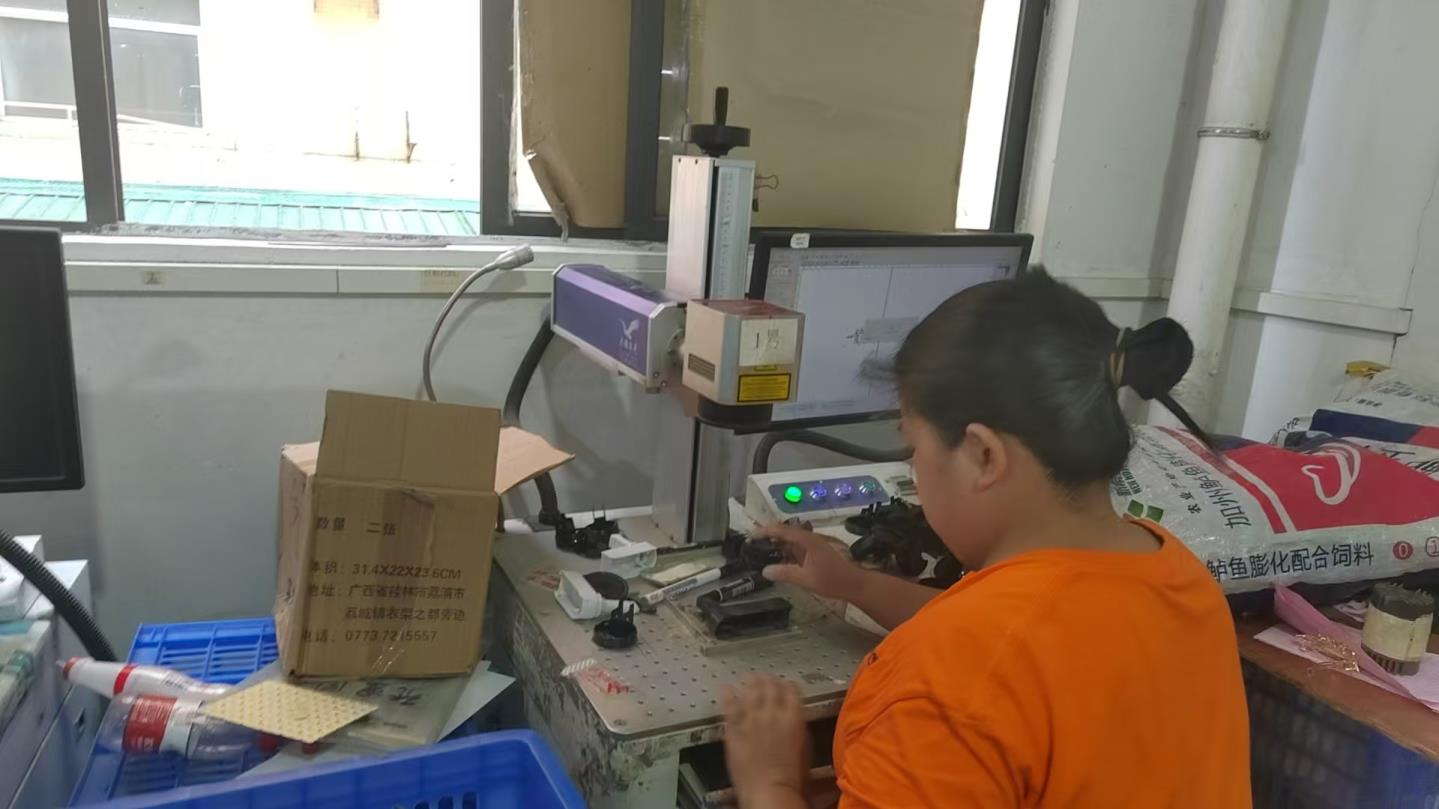
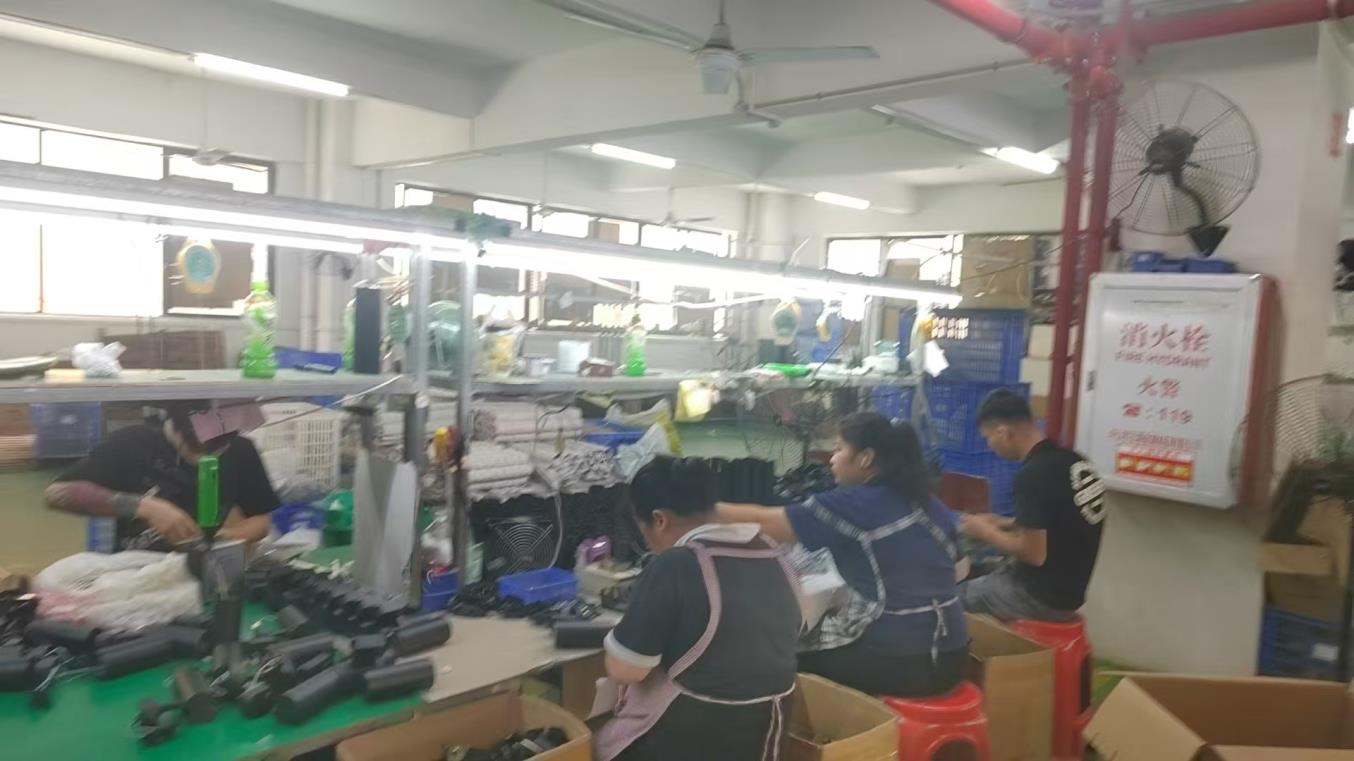
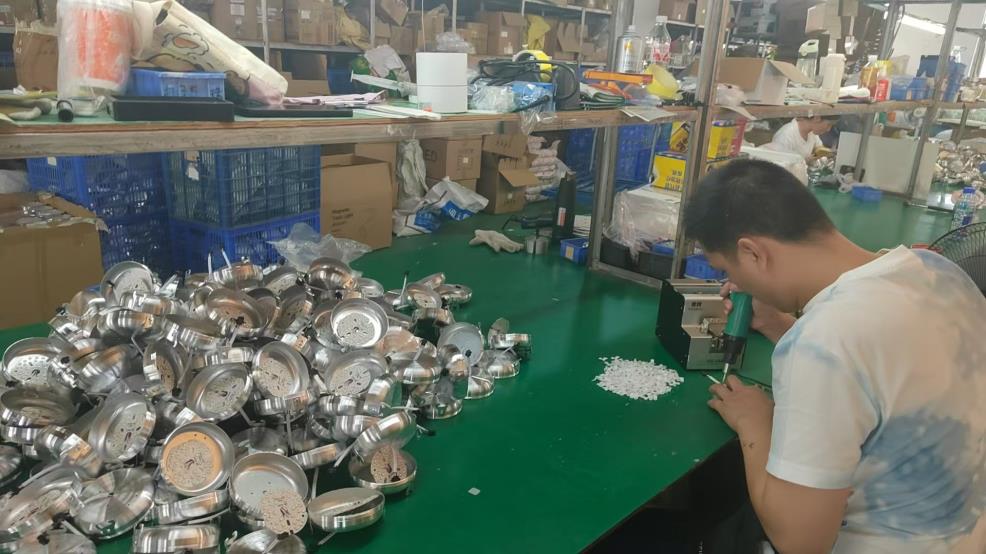
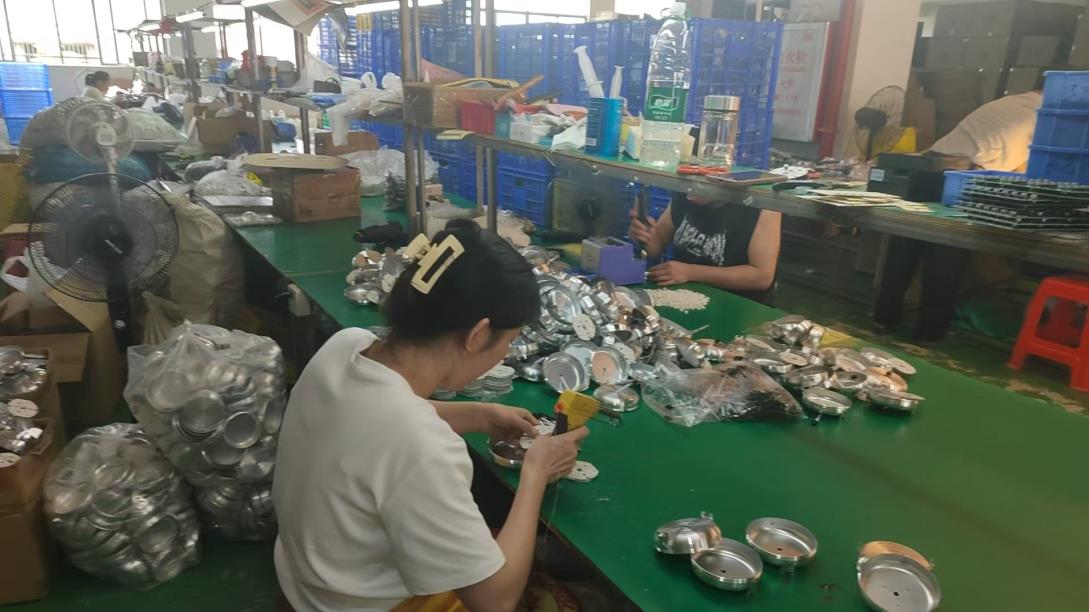
 Pina Light