High-efficiency, heavy-duty lighting systems certified to withstand extreme climate conditions and strict regulatory frameworks across Australasia.
The Australian industrial landscape presents some of the most rigorous operational conditions globally. From the extreme thermal shifts of the Western Australian Outback to the highly corrosive, saline maritime coastal hubs of New South Wales, Queensland, and Victoria, external hardware must be engineered with uncompromising specifications. Outdoor lighting systems in Australia are not merely aesthetic decisions; they are critical elements of infrastructural safety, productivity, and decarbonization strategies.
Compliance is mandatory. Lighting configurations must adhere strictly to the AS/NZS 1158 series for lighting for roads and public spaces, as well as the newly updated AS 4282:2019 standards controlling the obtrusive effects of outdoor lighting.
Australia's geographical realities call for structural modifications that go far beyond standard European or American requirements. The key environmental stressors dictate specific engineering adaptations:
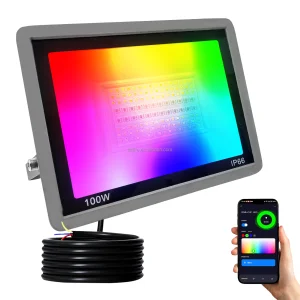
Worldwide, the industrial floodlight sector is going through a massive technology shift. The primary driver is the integration of Smart Cities and the Internet of Things (IoT). Rather than relying on simple photocells or mechanical timers, modern industrial floodlights use Dali-2, Zigbee, or LoRaWAN communication protocols to feed data back to building management systems (BMS).
Additionally, the global decarbonization movement forces corporations to minimize their carbon footprint. Replacing legacy metal halide (MH) and high-pressure sodium (HPS) systems with high-efficacy LED solutions yields immediate energy consumption drops of up to 70%, which can climb even higher when paired with adaptive dimming profiles and smart occupancy sensors.
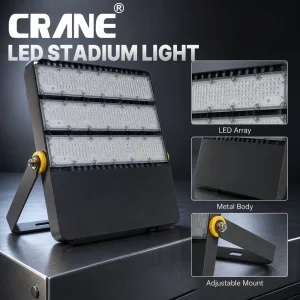
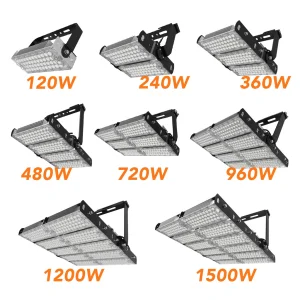
Our heavy-duty modular LED flood lamps are engineered to handle continuous high-vibration environments typical of excavators, draglines, and crushing plants. Certified IK08 to IK10 impact protection ensures durability against flying debris.
Handling yards and maritime terminals need broad, glare-controlled lighting that does not compromise crane operators' line of sight. Asymmetrical beam distributions direct light exactly where it is needed without wasting energy on spill light.
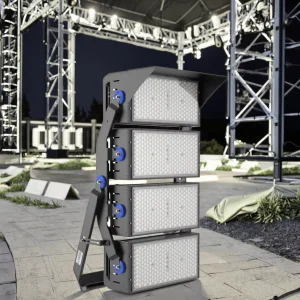
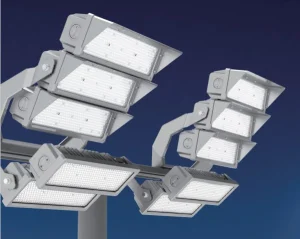
Adhering to AS 2560 sports lighting guidelines, our high-mast floodlights utilize premium optics to achieve high uniformity indices with minimal glare, ensuring safe and clear viewing conditions for regional football fields and pickleball courts.
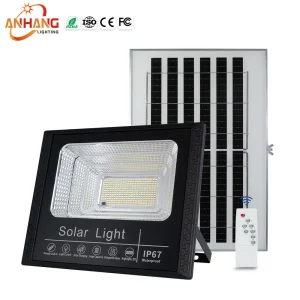
By pairing high-power solar floodlights with intelligent lithium iron phosphate (LiFePO4) battery units, remote agricultural and transport stations can achieve high-intensity perimeter security lighting without costly trenching or grid-connection investments.
Explore the engineering designs and technology roadmaps integrated into our next-generation floodlighting lines.
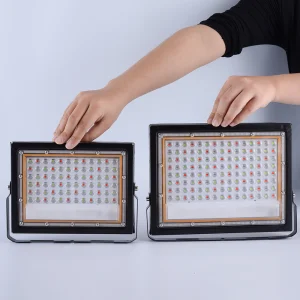
The transition toward absolute net-zero operations in Australia (aligned with national commitments to reach net zero emissions by 2050) has forced a complete redesign of the classical light fixture. Pina Light’s current technology roadmap focuses on three main developments:
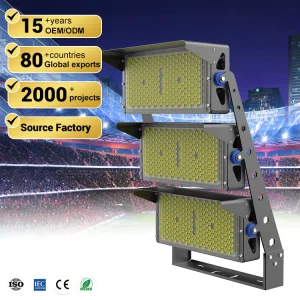
From an infrastructural perspective, procuring lighting fixtures requires a supply partner that can handle complete system designs. This includes producing lighting simulation reports using software like DiaLUX, delivering comprehensive structural analysis certifications for high wind zones (such as wind regions C and D in Australia), and offering flexible warranty packages backed by global component partners like MeanWell, Inventronics, and Osram.
A trusted global manufacturer and exporter of commercial and industrial LED lighting solutions.
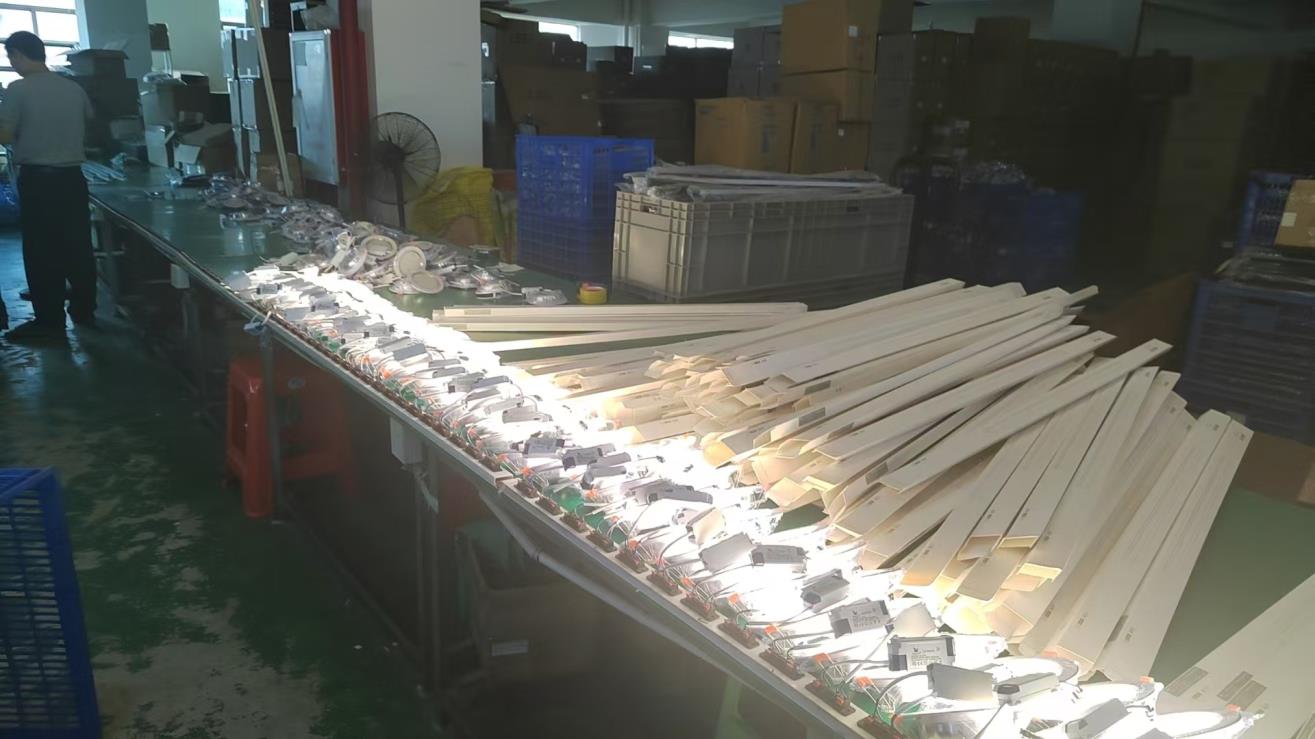
Headquartered in the technological hub of Hangzhou, China, Hangzhou Pina Light Co., Ltd. specializes in the design, development, production, and global distribution of professional lighting products. Our core product portfolio features LED grow lights, warehouse and high-bay fixtures, high-performance outdoor floodlighting, smart streetlights, and customized OEM/ODM industrial solutions.
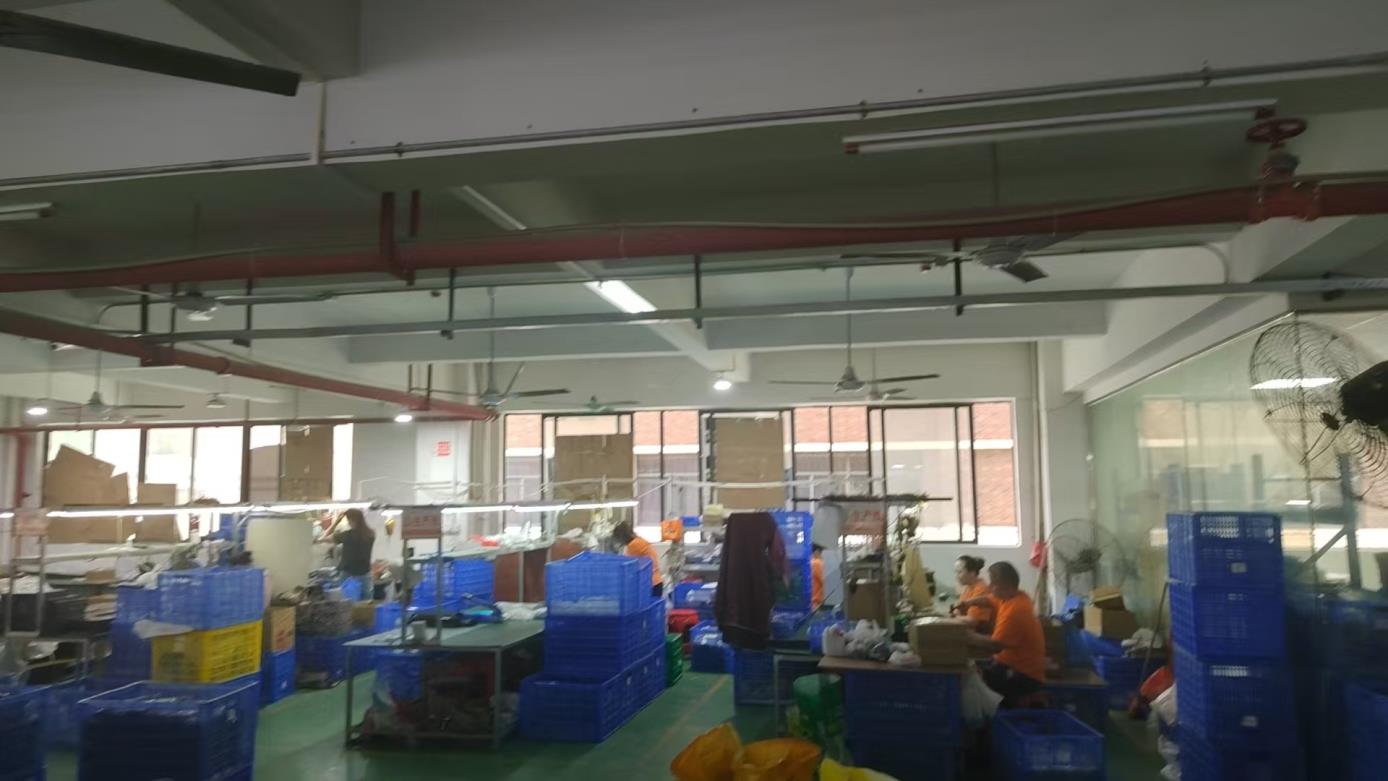
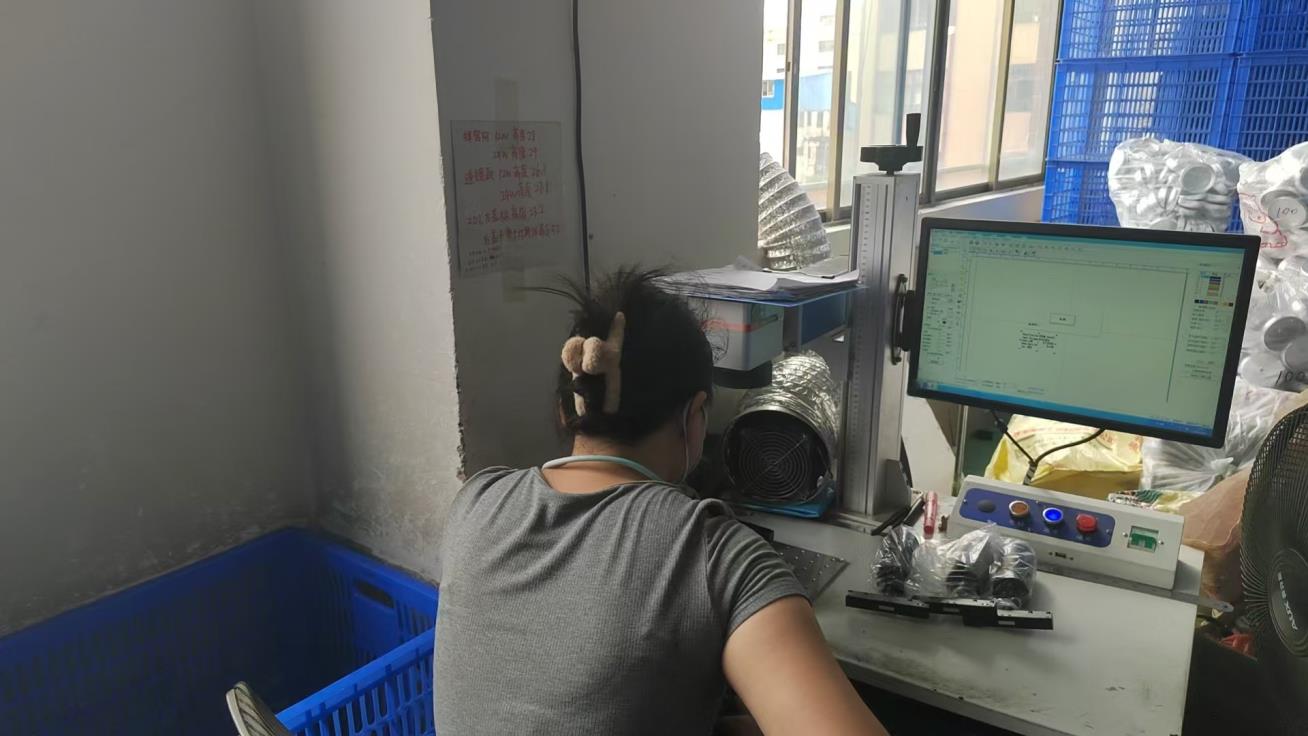
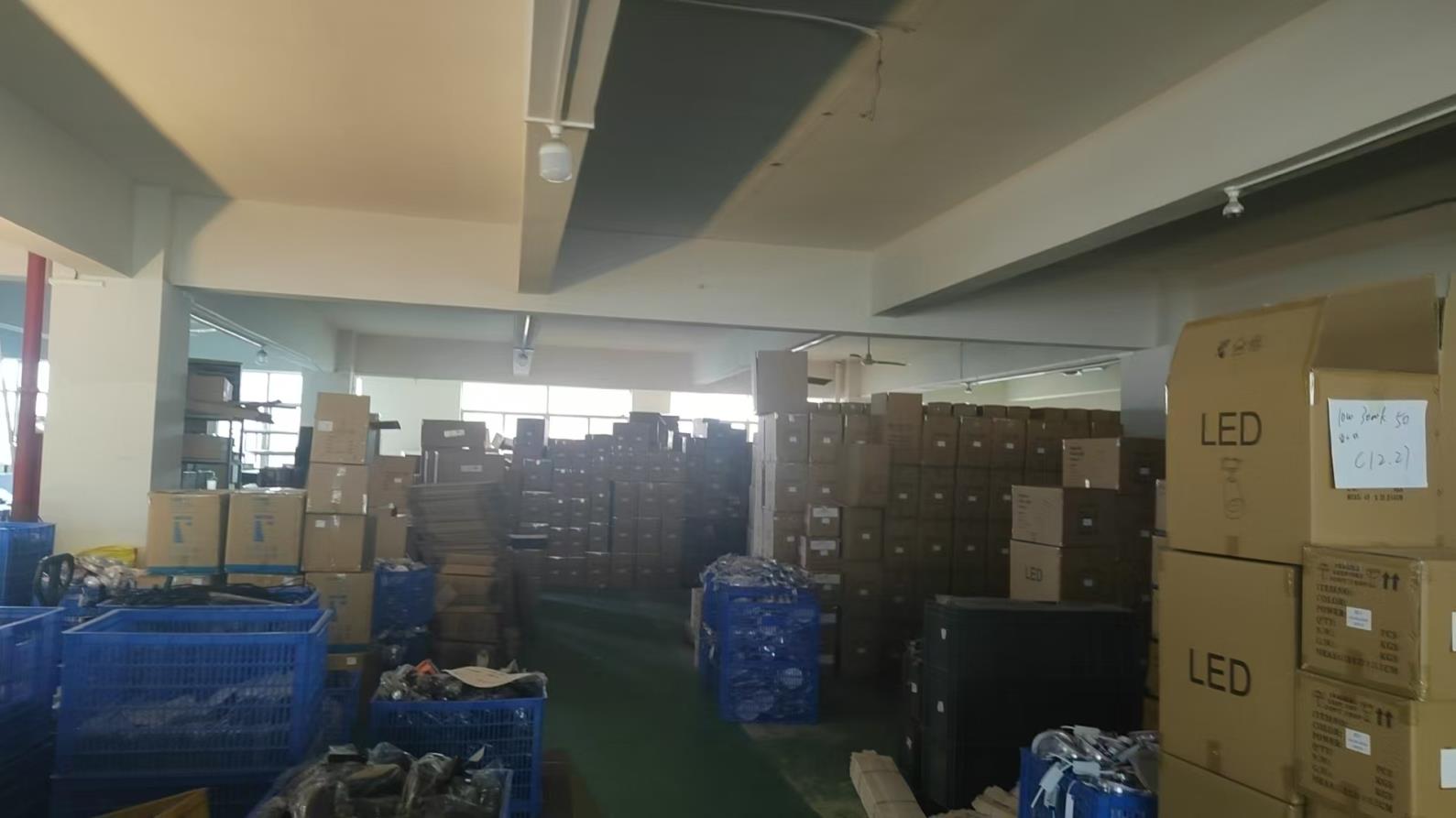
By leveraging advanced optical designs and reliable mechanical manufacturing, Pina Light supplies high-performance equipment to major markets across Australia, North America, Europe, South America, the Middle East, and Southeast Asia. Our manufacturing lines run under strict quality management protocols. Our products are fully certified with CE, RoHS, FCC, ETL, and UL markings to ensure compliance with global regulatory frameworks.
Our experienced R&D team works closely with electrical contractors, wholesalers, and infrastructure developers across Australia to deliver custom-engineered products designed to meet specific technical requirements and local operating standards.
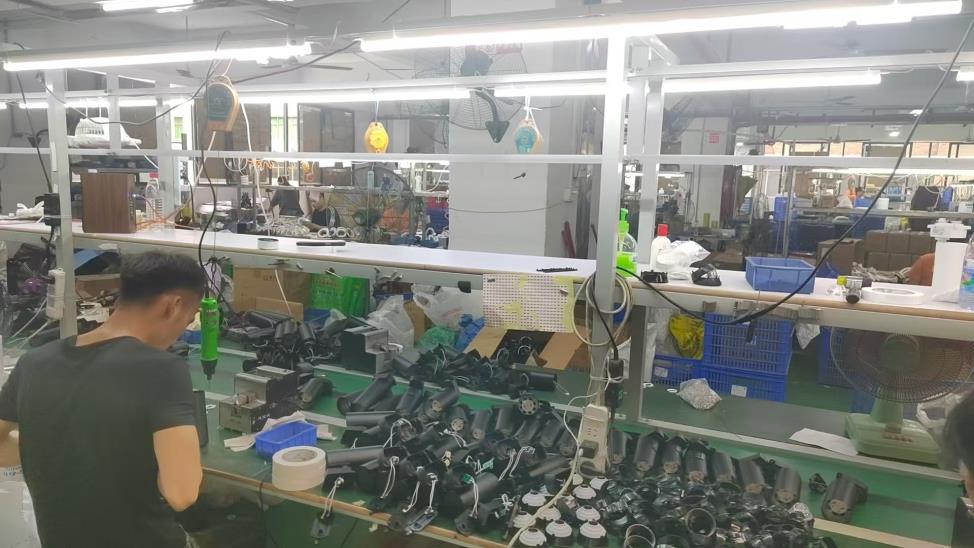
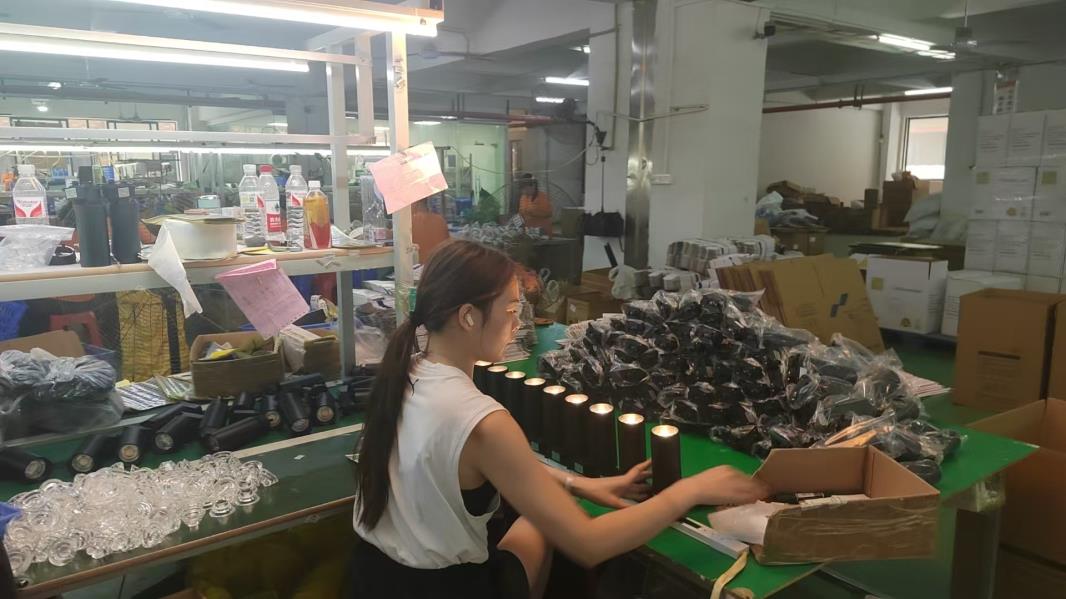
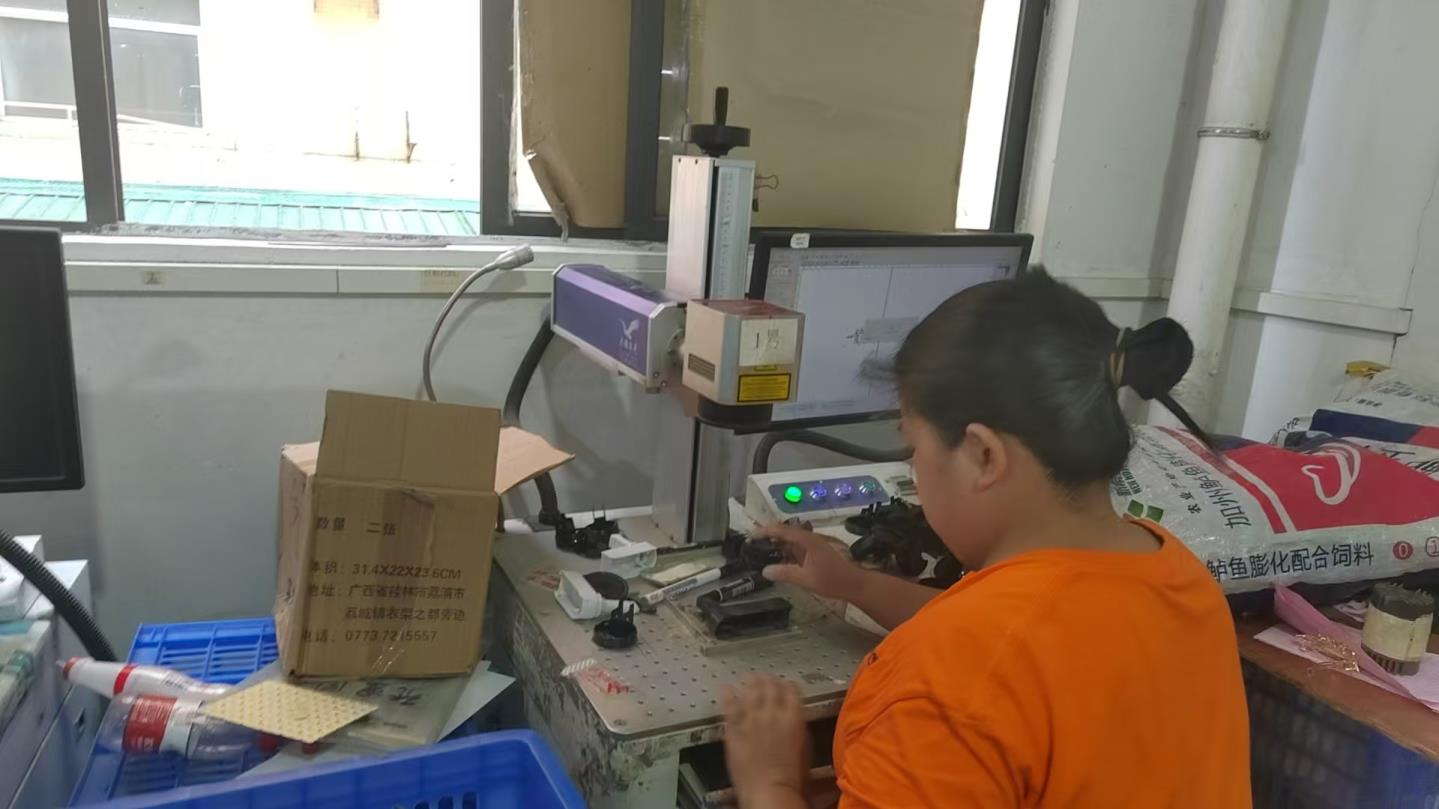
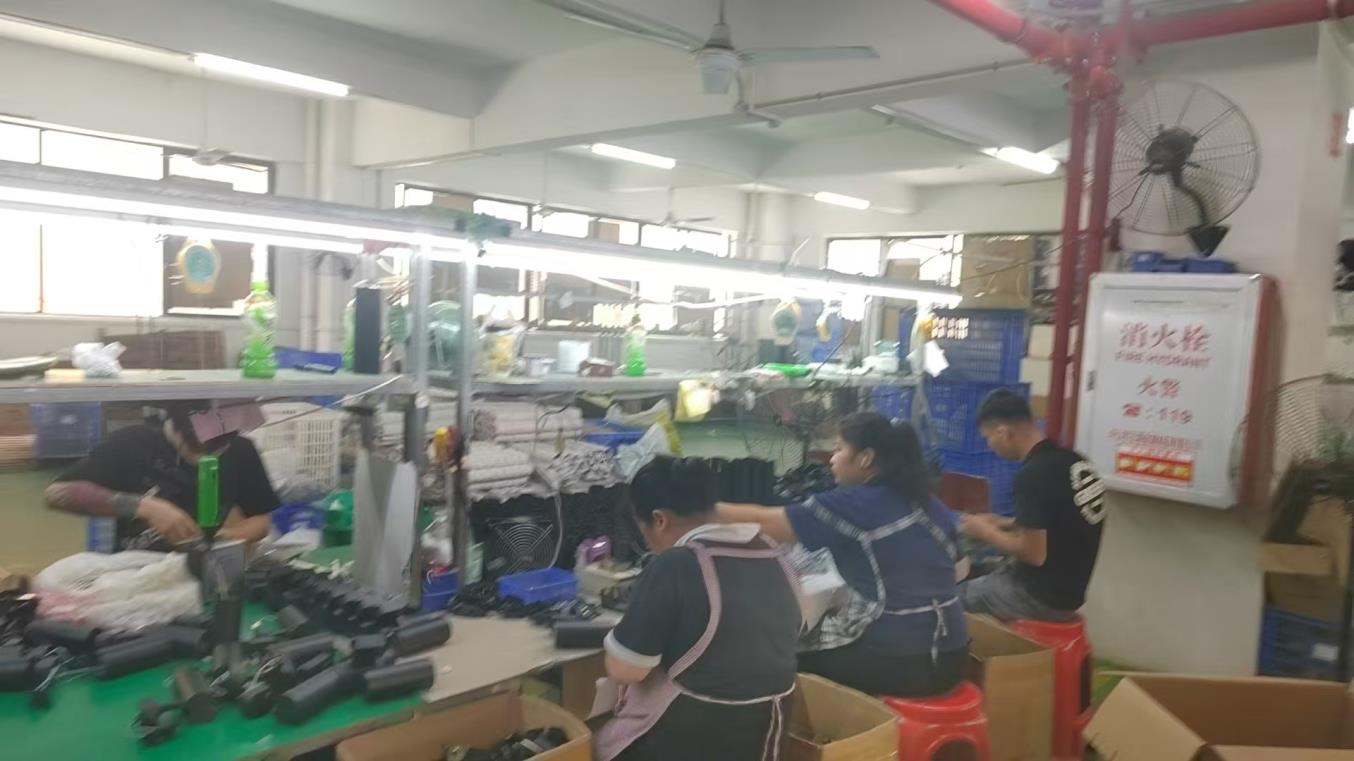
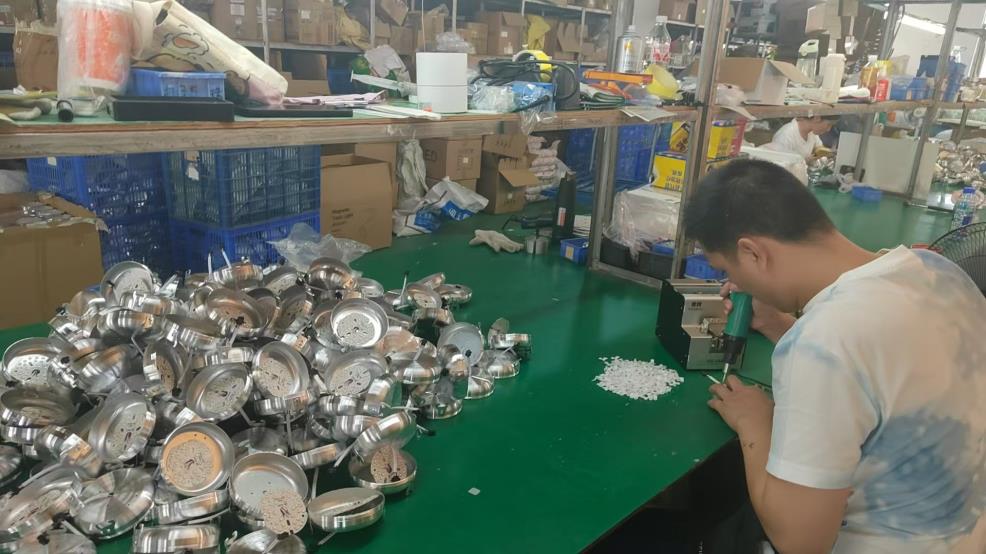
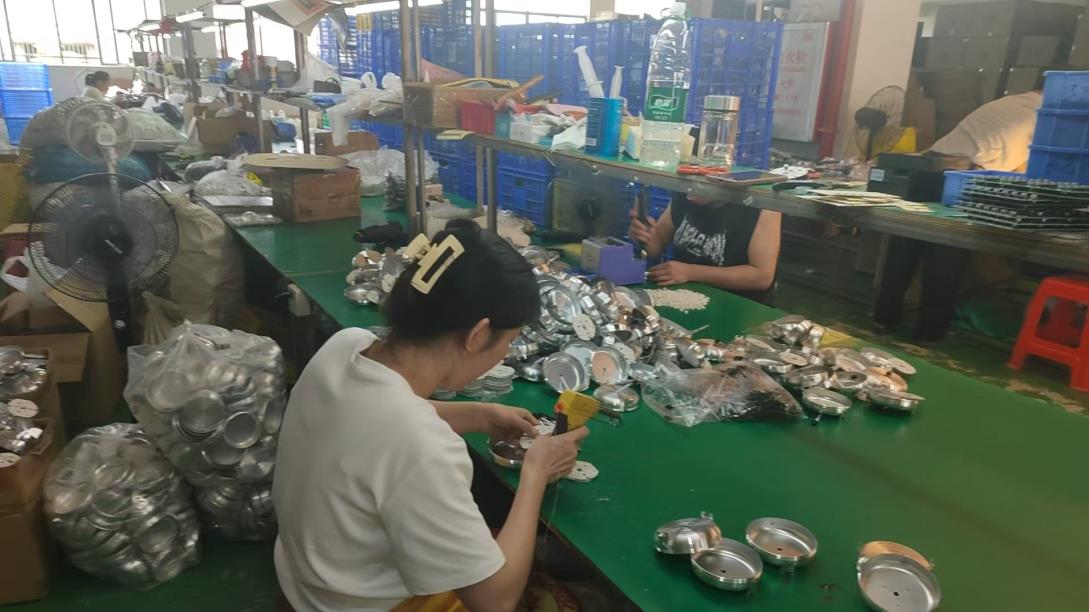
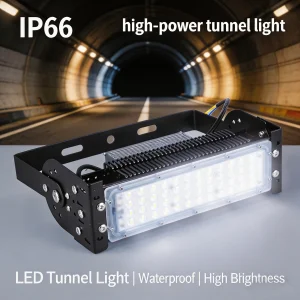
Browse our core industrial line, including high-power systems and high-efficacy architectural floodlights designed for the Australian market.
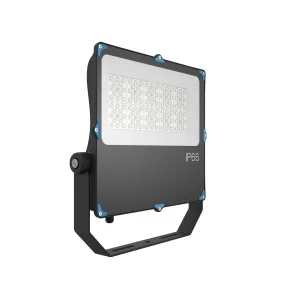
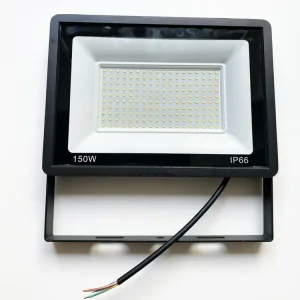
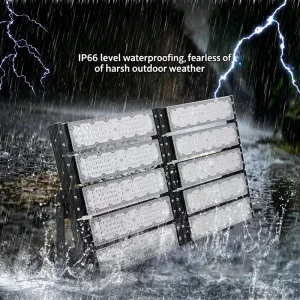
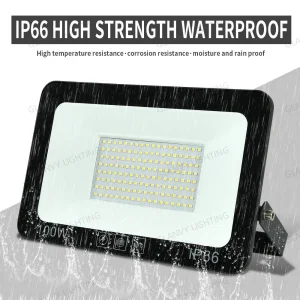
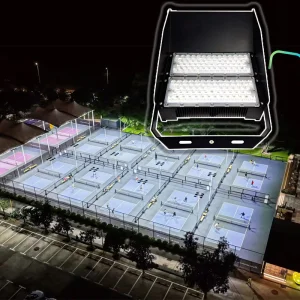
Commercial outdoor luminaires must comply with the AS/NZS 60598 series (safety requirements for luminaires) and carry the Regulatory Compliance Mark (RCM). Furthermore, the spatial design must comply with AS 4282:2019 to control the obtrusive effects of outdoor lighting, which places strict limits on spill light, glare, and upward light ratios in residential and urban areas.
ISO 12944 classifies coastal environments with high salinity as C5-M. Standard aluminum corrodes rapidly when exposed to salt mist and moisture. Pina Light applies a multi-stage chromate conversion pretreatment followed by a high-micron thermosetting polyester powder coating. This prevents galvanic and pitting corrosion, maintaining structural integrity for over 10 years.
An IK rating (up to IK10) defines the luminaire's resistance to external mechanical impacts. In Western Australian and Queensland mining operations, or regional sports grounds, fixtures are subjected to high vibration and direct impact from debris. IK08 to IK10 certified tempered glass or polycarbonate lenses prevent structural shattering, ensuring continuous operation and worker safety.
Symmetrical optics throw light in a circular pattern, often resulting in wasted light spilling into unwanted areas or creating glare. Asymmetrical optics direct light forward and laterally at precise angles (e.g., 60°x120°). This allows poles to be spaced further apart while maintaining high lux uniformity and keeping glare parameters within legal limits.
Our engineering team can generate detailed DiaLUX layouts tailored to your project. Work with us to design a system that meets your specific lighting levels and compliance needs.
Send Inquiry Now Pina Light