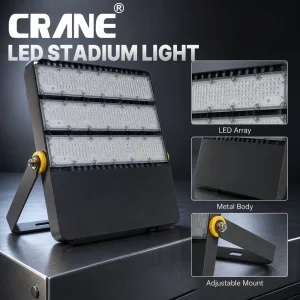
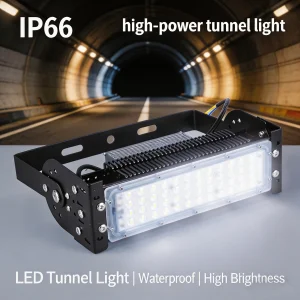
Engineered for architectural precision, harbor durability, and environmental compliance with Dutch Lichtvervuiling regulations.
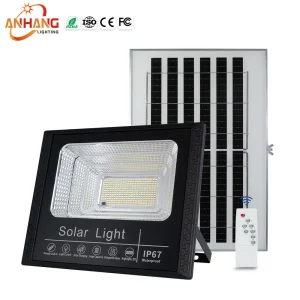
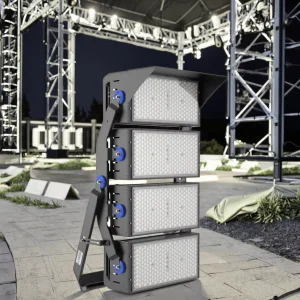
The Dutch outdoor lighting market is going through a massive transformation, driven by ambitious climate goals and strict regulations. In accordance with the Dutch Climate Agreement (Klimaatakkoord), commercial and industrial enterprises are forced to implement high-efficacy solutions to significantly reduce carbon footprints. Because the Netherlands is highly populated, issues surrounding light pollution (lichtvervuiling) are strictly regulated, especially near conservation zones like the Wadden Sea and Veluwe region.
Commercial operations in ports, logistical hubs, and sports facilities require highly tailored floodlighting. These luminaires must not only minimize glare but also satisfy strict requirements regarding unified glare ratings (UGR) and upward light ratios (ULR). Under the EIA (Energie-investeringsaftrek) scheme, Dutch corporations investing in high-efficiency LEDs (often requiring efficiency ratings exceeding 140 lm/W to 160 lm/W) can benefit from tax relief, creating an urgent demand for premium grade lighting systems.
Understanding the environmental challenges, operational demands, and regulatory expectations across key Dutch industries.
Dutch ports, including the Port of Rotterdam, demand continuous operations. Floodlighting must provide high horizontal and vertical lux levels, along with high-impact resistance. Luminaire housings need specialized C5-M marine-grade anti-corrosion coatings to resist salt air degradation.
For municipal roads and industrial parks near natural reserves, our asymmetric optic profiles project light forward and downward. This keeps light distribution strictly focused on target areas, preserving nighttime environments for local ecosystems.
From community amateur football pitches (voetbalvelden) to professional tennis courts, floodlights must deliver clean, uniform, glare-controlled light with high color rendering indexes (CRI > 80) and flicker-free drivers suitable for digital streaming.
Modern floodlighting has advanced beyond basic illumination into highly integrated digital building systems.
The global outdoor lighting landscape focuses on smart control integrations, green materials, and enhanced optical performance. Modern LED floodlighting systems use high-performance optics to minimize lumen decay and keep beam patterns tightly controlled. By integrating DALI-2, 1-10V dimming, and Zhaga sockets, developers can program floodlights for scheduled dimming, real-time diagnostic reporting, and motion-based activation.
Another priority is the circular economy. Under the EU Ecodesign Directive, luminaires are designed to allow simple maintenance and driver replacements without discarding the entire fixture housing. This sustainable approach reduces lifecycle costs and aligns with public procurement policies in the Netherlands.
Hangzhou Pina Light Co., Ltd. leads this technology shift. Our research focuses on thermal management, utilizing marine-grade ADC12 die-cast aluminum alloys with structural venting. This keeps LED junction temperatures low, preventing thermal degradation and ensuring high performance even in harsh weather conditions.
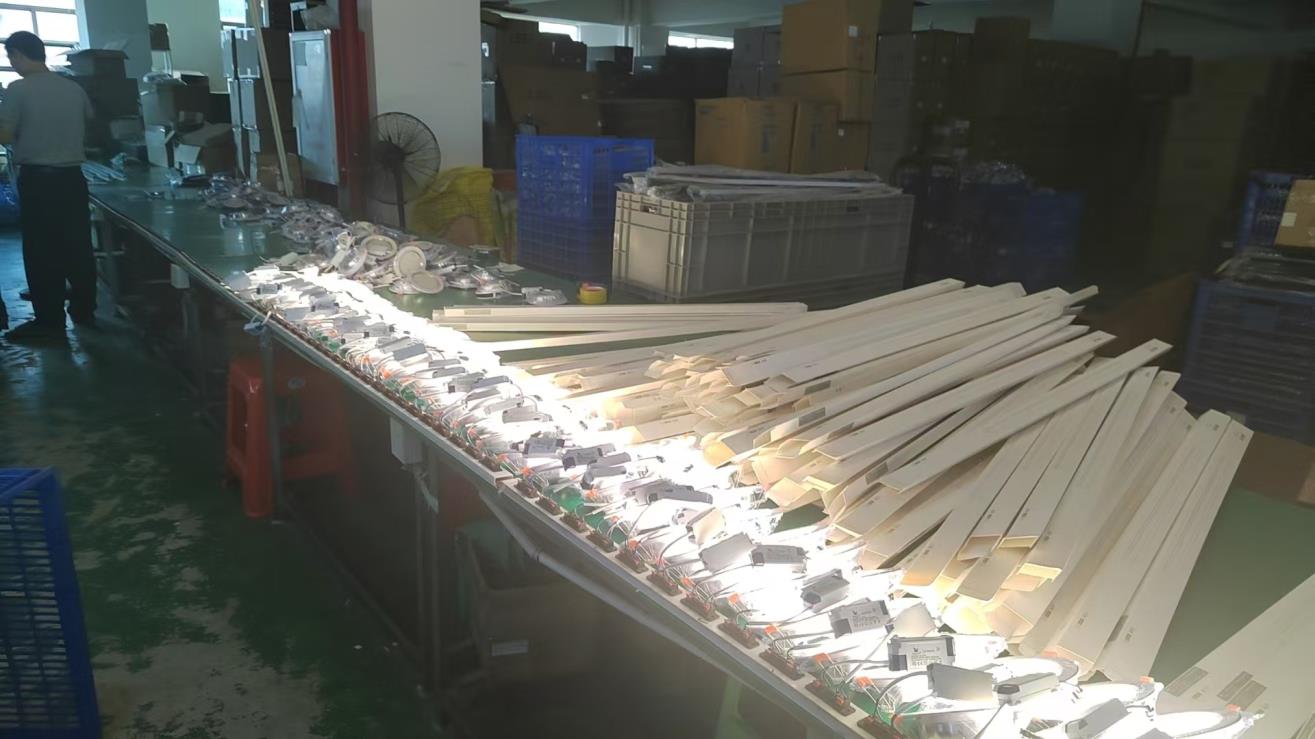
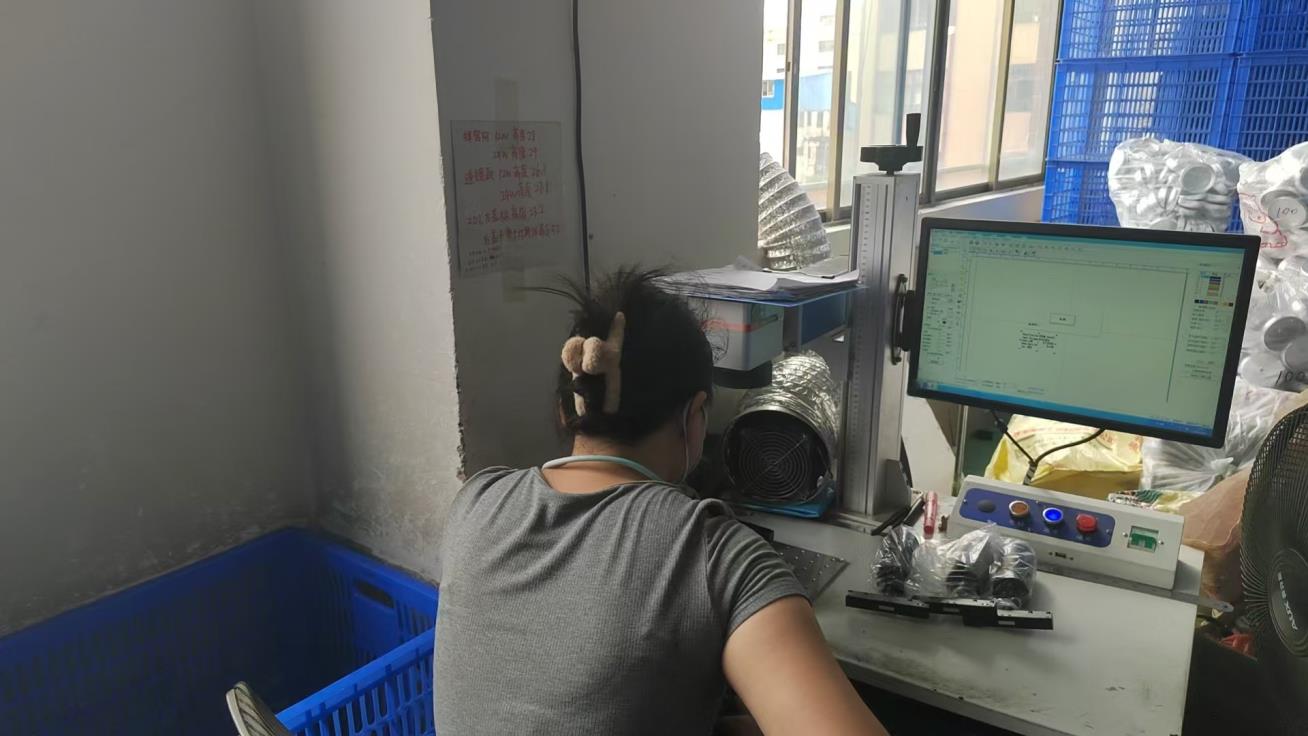
Request Technical Datasheets →As a leading exporter, Hangzhou Pina Light Co., Ltd. offers a robust and resilient supply chain. Our manufacturing facilities utilize automated component placement, advanced surface mount technology (SMT), and integrated QA systems to ensure reliable production schedules.
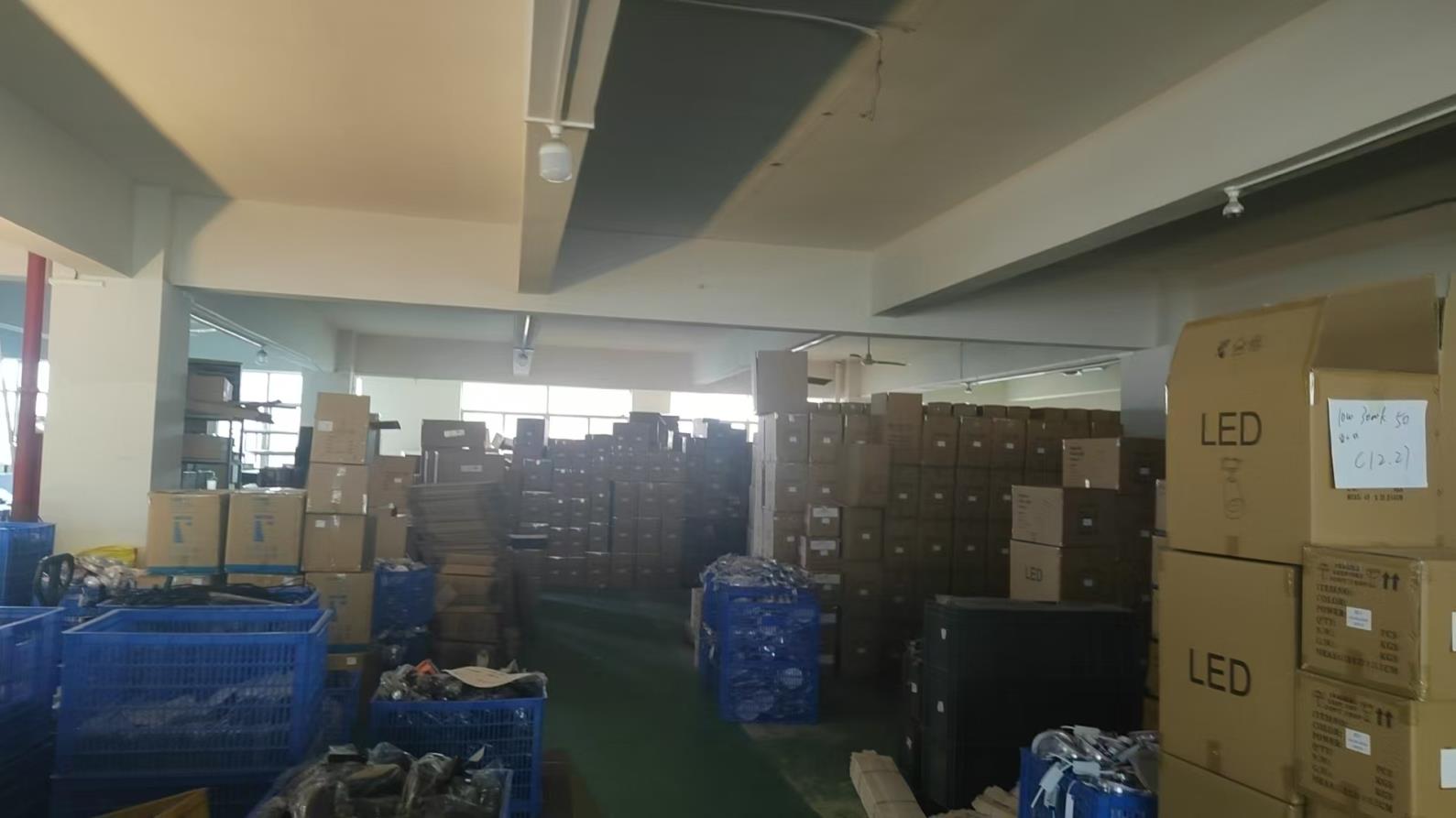
Our location in Hangzhou, near Ningbo and Shanghai ports, helps optimize shipping timelines to Rotterdam. By managing custom component designs, driver assembly, and packaging under one roof, we streamline operations to offer highly competitive pricing without compromising quality. We also maintain buffer stocks of critical chips and drivers to ensure stable delivery times, even during peak global freight seasons.
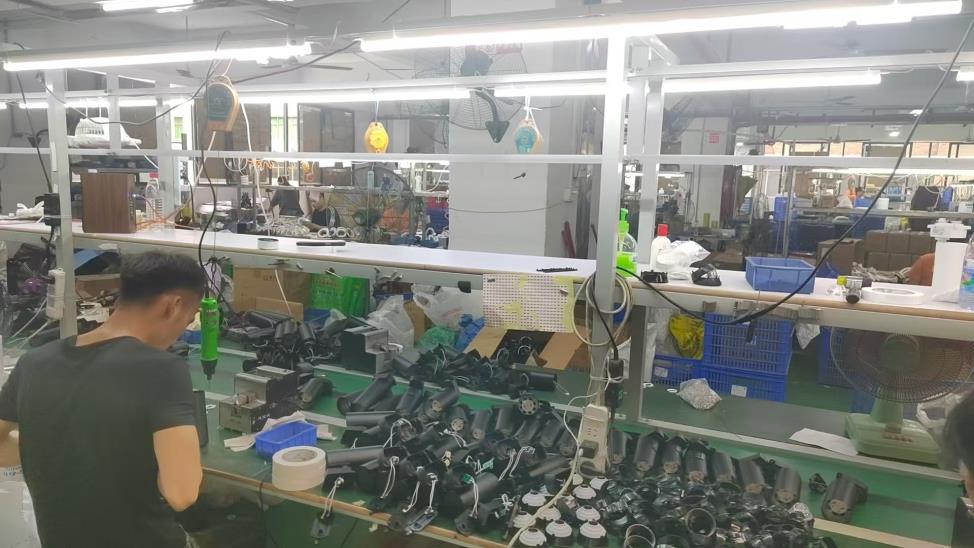
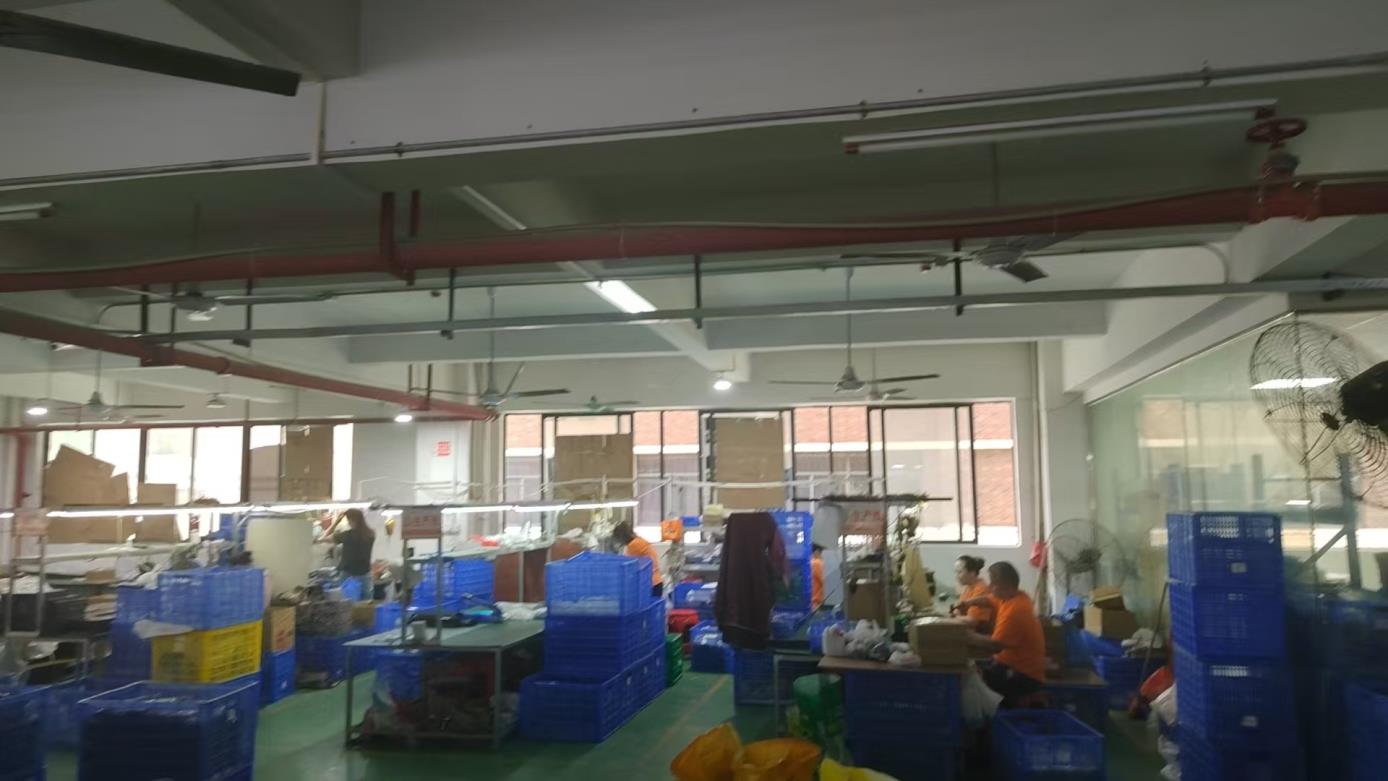
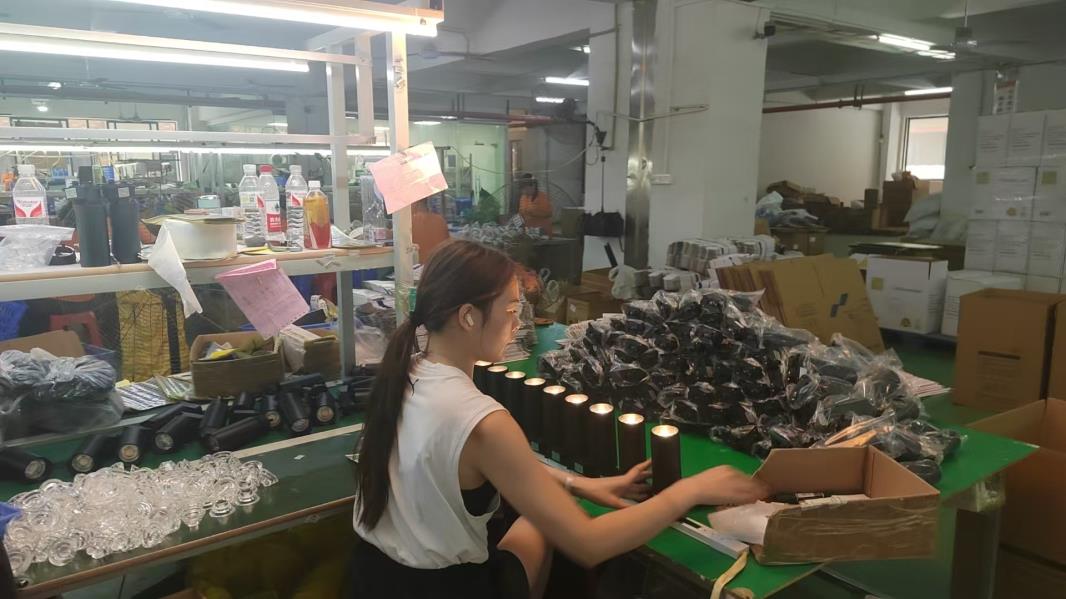
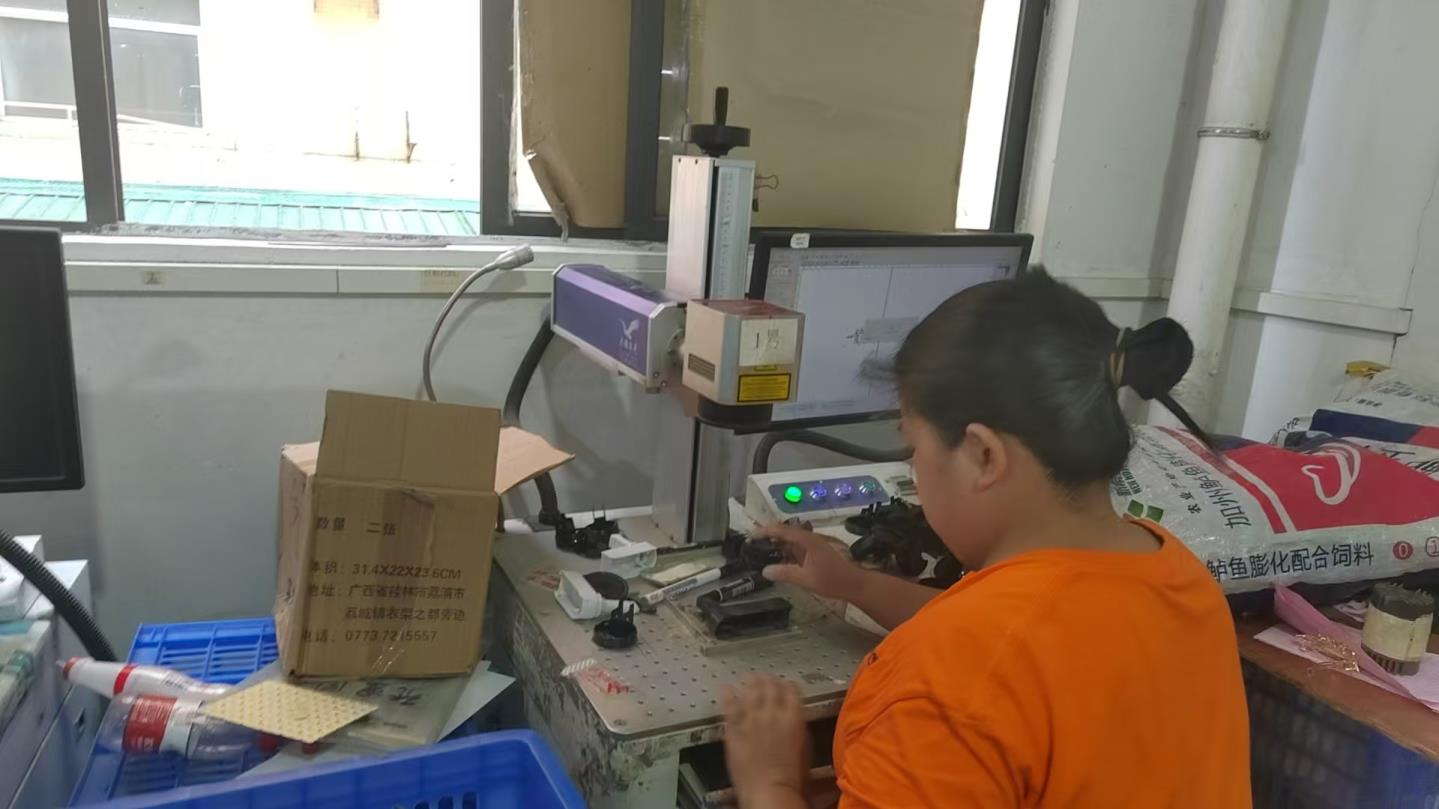
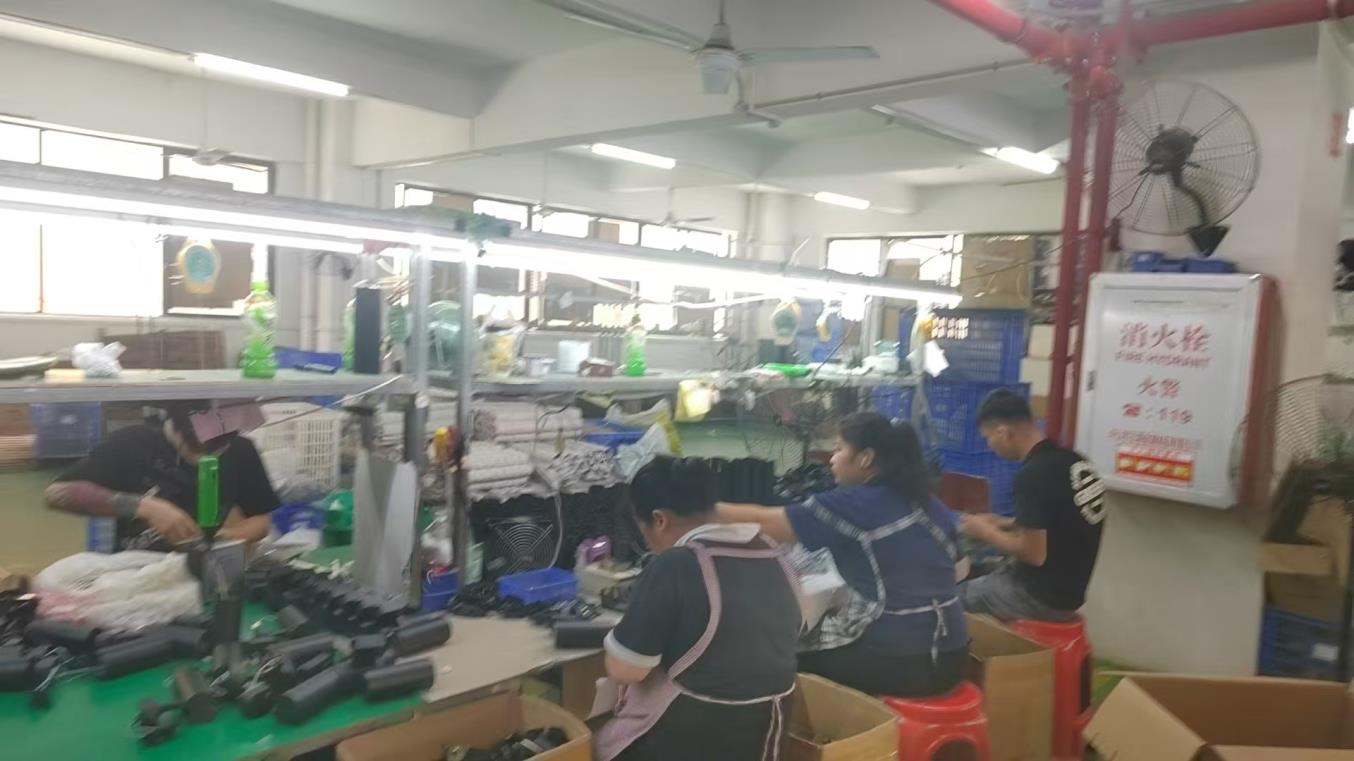
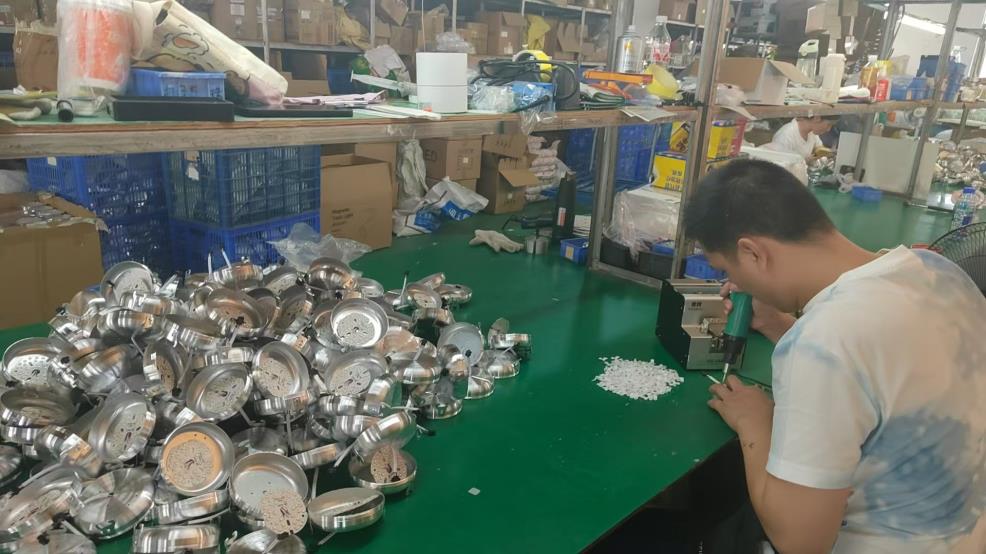
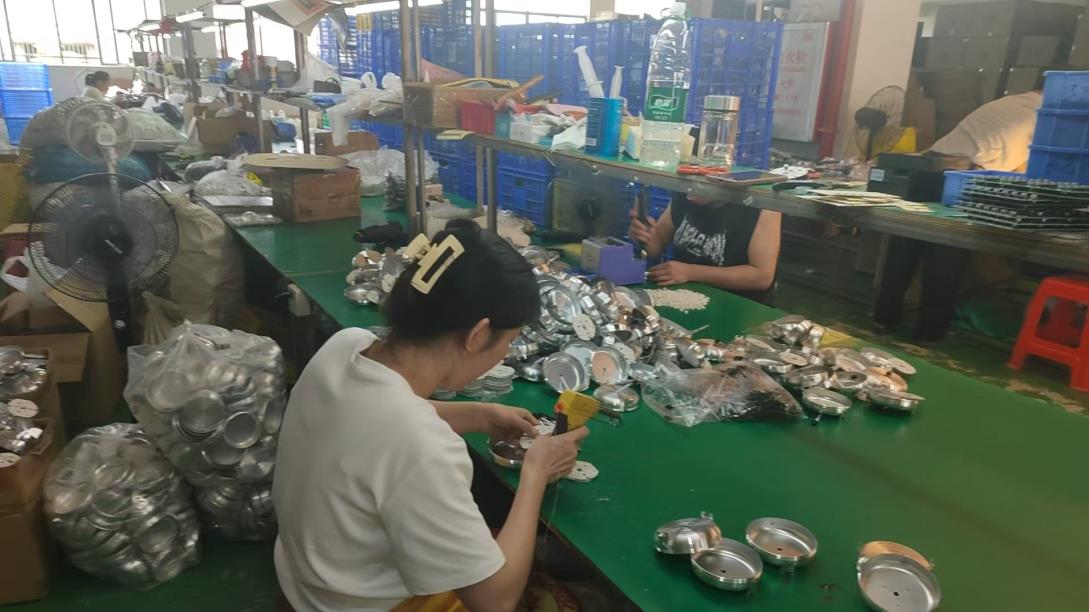
Every single product we ship to Europe passes strict certification and local regulations.
Entering the Dutch market requires adherence to technical standards. Our floodlights are developed under strict quality management systems and conform to the following standards:
Guarantees total freedom from hazardous materials in the alloy composition and electronic circuitry while conforming to EU safety standards.
Luminaires are evaluated under strict European Union electrical requirements for mechanical strength, dust protection, and water ingress prevention.
Equipped with 10kV / 20kV surge protection devices (SPD) to protect the electronics against power fluctuations and lightning strikes.
Additionally, we work closely with Dutch engineering consultants, lighting contractors, and distribution networks to provide comprehensive technical dossiers, IES file packets, and light calculations (DIALux) for custom tender bids.
Get custom DIALux lighting designs matching local European regulations.
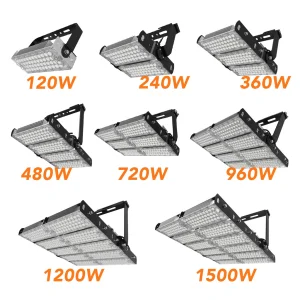
Preserved original portfolio configurations, optimized with local Netherlands application parameters.
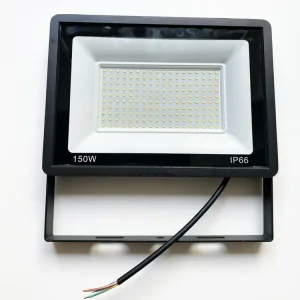
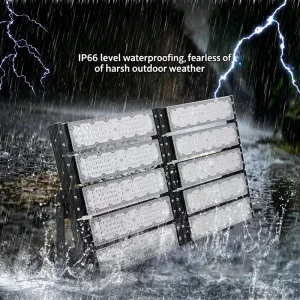
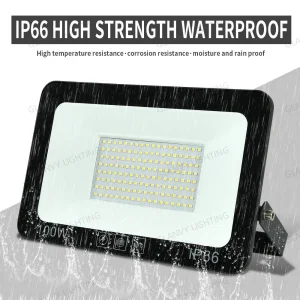
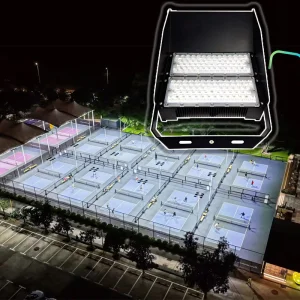
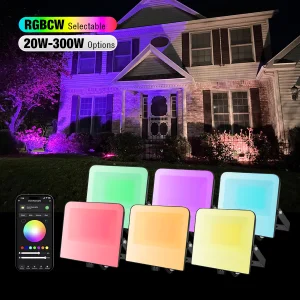
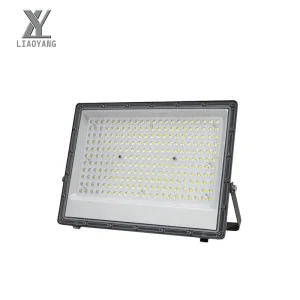
Answers to critical questions regarding imports, compliance, and custom design options for the Netherlands.
Yes, our high-efficacy LED floodlights deliver luminous efficacies exceeding 140 lm/W to 160 lm/W. This qualifies them for various eco-subsidies in the Netherlands and the wider EU. We provide full technical datasheets and testing documentation to support your application.
We design specialized asymmetric lens profiles that direct light precisely where it is needed, preventing upward scatter. This helps projects near residential and conservation zones meet strict local light pollution rules.
Our maritime-grade floodlights are treated with a multi-layered polyester powder coat over an low-copper ADC12 die-cast aluminum housing. This provides excellent resistance in high-saline conditions like coastal ports.
Yes. We offer fully integrated OEM/ODM options. Our engineering teams can install custom drivers (Inventronics, Meanwell, Sosen) and configure them with standard DALI-2, 1-10V, or Zhaga socket interfaces to match your project requirements.
For standard models, production takes 15 to 25 days. Shipping to the Port of Rotterdam takes approximately 30 to 35 days. Express air freight options are also available for urgent project requirements.
Get detailed Dialux simulations, product specifications, and direct container pricing for your upcoming commercial installation in the Netherlands.
Request a Custom Quote → Pina Light