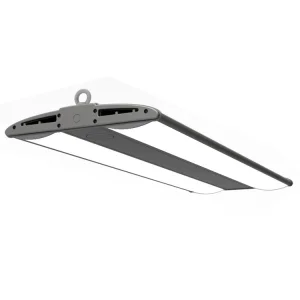
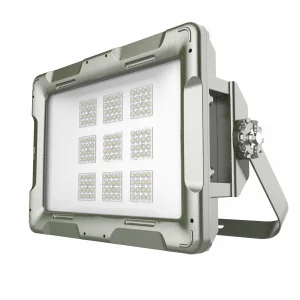
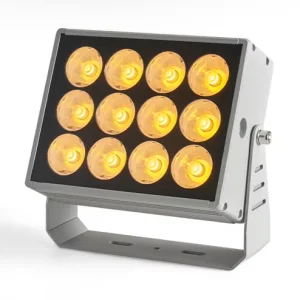
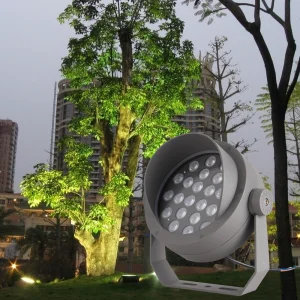
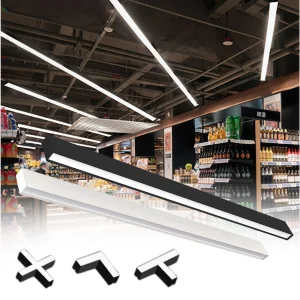
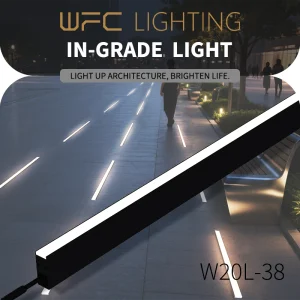
Discover our hot-selling commercial-grade LED, linear, and specialized spotlight components optimized for industrial lighting distribution.
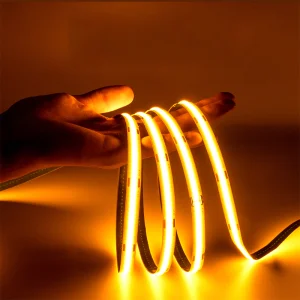
Bridging the gap between raw manufacturing capability and refined technical compliance for high-end optical systems.
Headquartered in Hangzhou, China, Hangzhou Pina Light Co., Ltd. is a professional manufacturer and exporter of innovative LED and fiber optic lighting solutions. Supported by a robust network and strategic supply chain partnerships across China, we specialize in the design, engineering, prototyping, and large-scale deployment of energy-efficient lighting. Our products serve mission-critical industrial sites, high-profile commercial spaces, infrastructure developments, and residential designs globally.
Our comprehensive product portfolio includes LED grow lights, commercial lighting systems, warehouse high-bays, high-lumen floodlights, safety-compliant street lighting, retrofit kits, and specialized fiber optic light engines. Every product is engineered to reduce carbon footprints while maintaining peak luminous efficacy.
We recognize that for B2B procurement managers, compliance is not optional—it is a critical barrier to entry. Our products adhere to the absolute highest regulatory frameworks:
The evolution of light guidance—decoupling power source from output for explosion-proof, EMI-free, and high-efficiency lighting architectures.
Plastic Optical Fiber (PMMA) delivers flexibility, ease of site modification, and cost efficiency for short-run star ceilings and side-emit signages. Glass Fiber (GOF) withstands extreme heat (exceeding 200°C), retains structural clarity, and guarantees low optical attenuation over long distance commercial infrastructure runs.
Integrating high-lumen, high-CRI LED engines with direct DMX512, DALI-2, and IoT wireless chipsets. Our smart driver architectures enable millisecond-level color synchronization, active cooling feedback, and programmable multi-channel output for complex sensory dynamic designs.
Overcoming internal reflection scattering. Through precision hot-melt coupling and multi-lens optical focus assemblies, Hangzhou Pina Light designs minimize light coupling loss down to < 0.2 dB per node, delivering unmatched output brightness and color consistency.
| Performance Parameter | Plastic Optical Fiber (PMMA) | Glass Optical Fiber (GOF) | Strategic Selection Criteria |
|---|---|---|---|
| Operating Temperature | -40°C to +80°C | -60°C to +250°C | Use GOF for sauna, steam rooms, industrial furnaces, and ovens. |
| Attenuation Rate | < 0.25 dB/m (at 650 nm) | < 0.15 dB/m (broadband) | Use PMMA for runs under 15m; GOF for long-distance commercial architectural runs. |
| Bending Radius Limit | 10x Core Diameter (Highly Flexible) | 30x Core Diameter (Requires Guided Trays) | PMMA is ideal for tight structural curves and field installation. |
| Tensile Strength | Moderate (Subject to stretch deformation) | High (Excellent longitudinal strength) | GOF performs reliably in vertical conduit pathways. |
| UV Degradation | Susceptible over 5-10 years (needs cladding) | Highly resistant (No structural degradation) | Specify GOF or specialized UV-jacketed PMMA for harsh outdoor environments. |
How industrial operators, architects, and public planners leverage the electrical isolation of fiber optics for complex environments.
In oil & gas refineries, chemical manufacturing, and grain storage elevators, traditional electrical fixtures pose a permanent ignition spark risk. Because optical fibers carry zero electrical current and generate no thermal heat at the output emitter, they provide an inherently safe lighting method.
Combine with our Hazardous Location, Explosion Proof & Marine Grade LED Flood Light 240W acting as a remote illuminator housed safely outside the zone.
Underwater safety codes limit traditional in-pool voltages due to electrocution risks. Fiber optic perimeter lights and starry-night pool floors separate the high-voltage mains from the pool structure completely. Maintained light engines sit inside dry plant rooms.
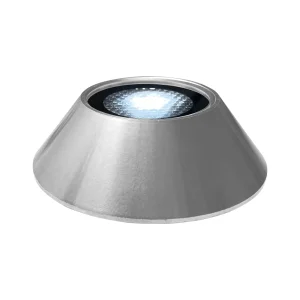
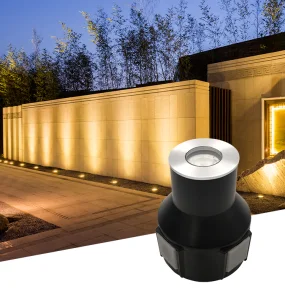
Ensure seamless exterior pathways using our LED Tunnel Deck Lights IP66 and Outdoor IP67 Waterproof LED In-Ground Well Lights.
Ultraviolet (UV) radiation and Infrared (IR) heat cause rapid, irreversible degradation of museum paintings, antique tapestries, and historical manuscripts. Optical fiber filters out UV/IR wavelengths at the light source engine, throwing cold, pure visible light onto display cases.
Precisely target details using our high CRI range including the 24W LED Narrow Beam Spotlight with adjustable angles.
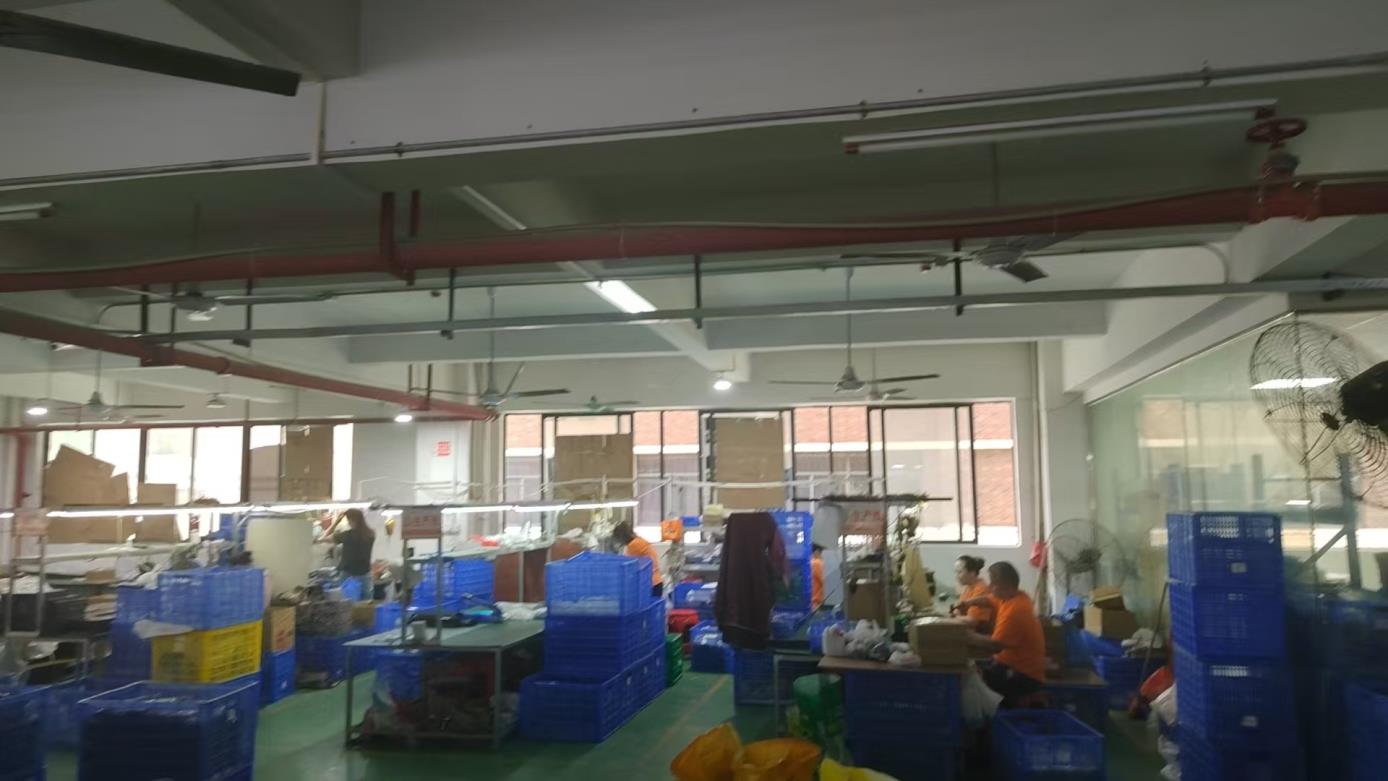
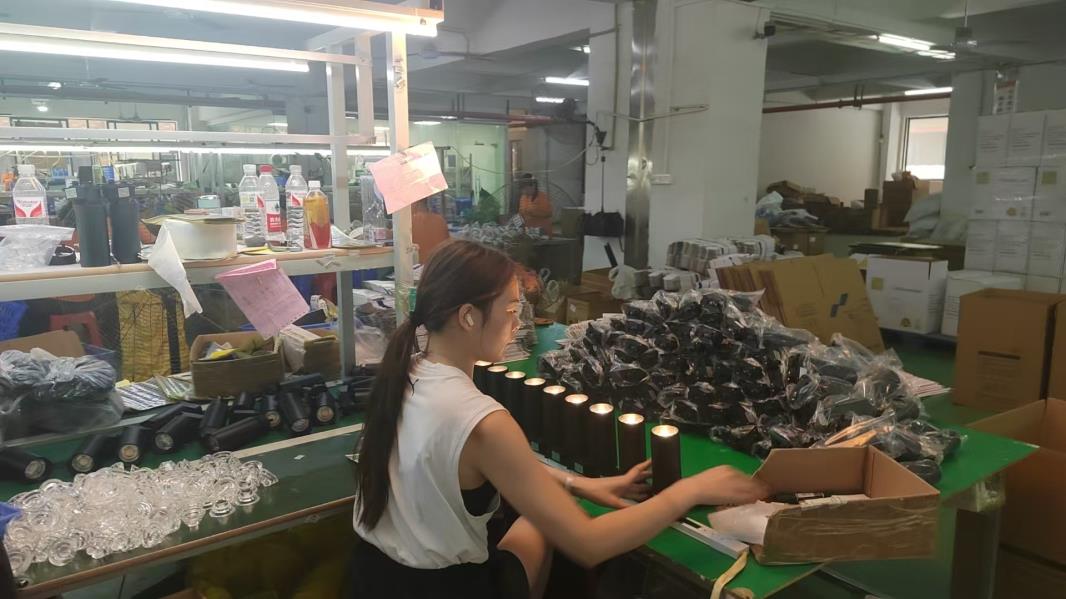
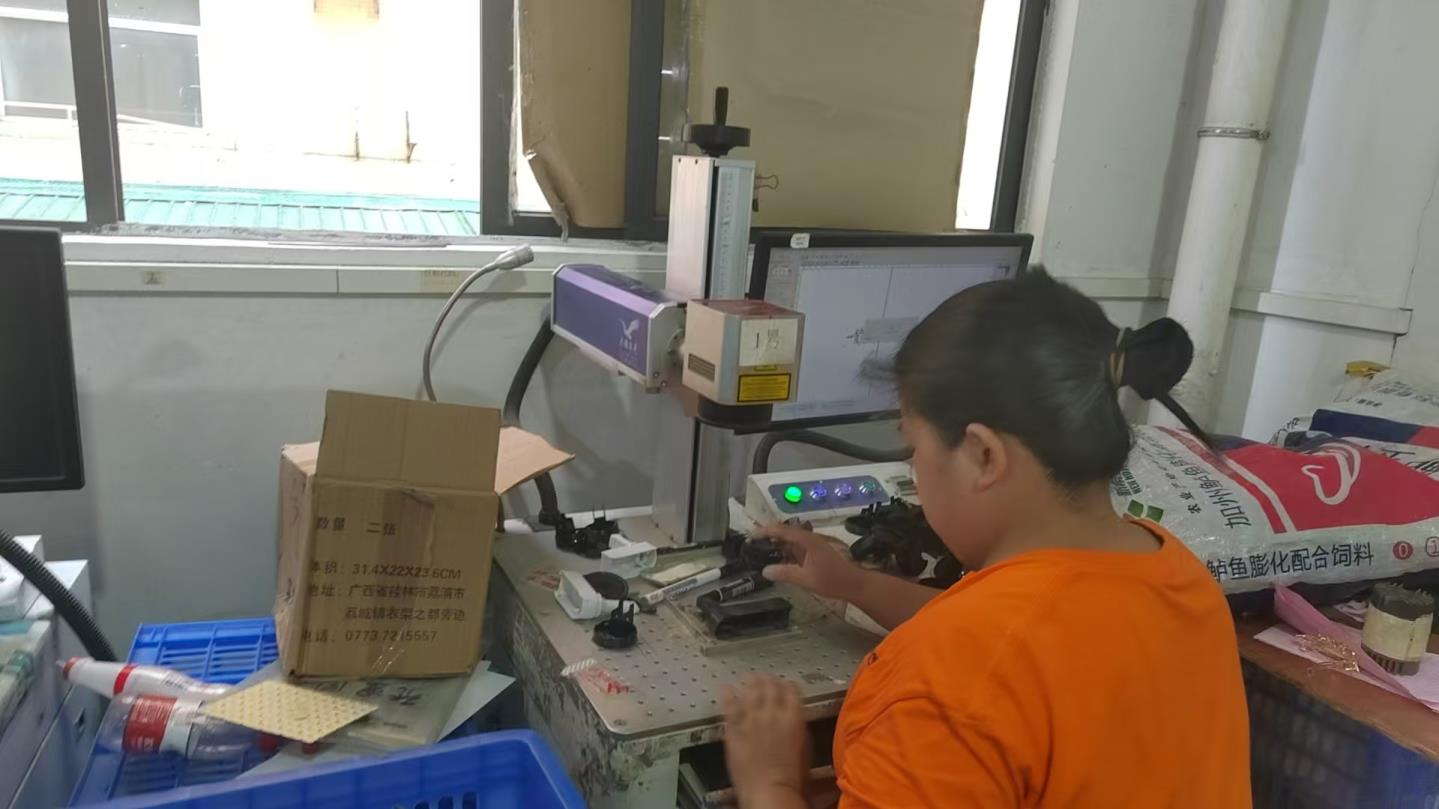
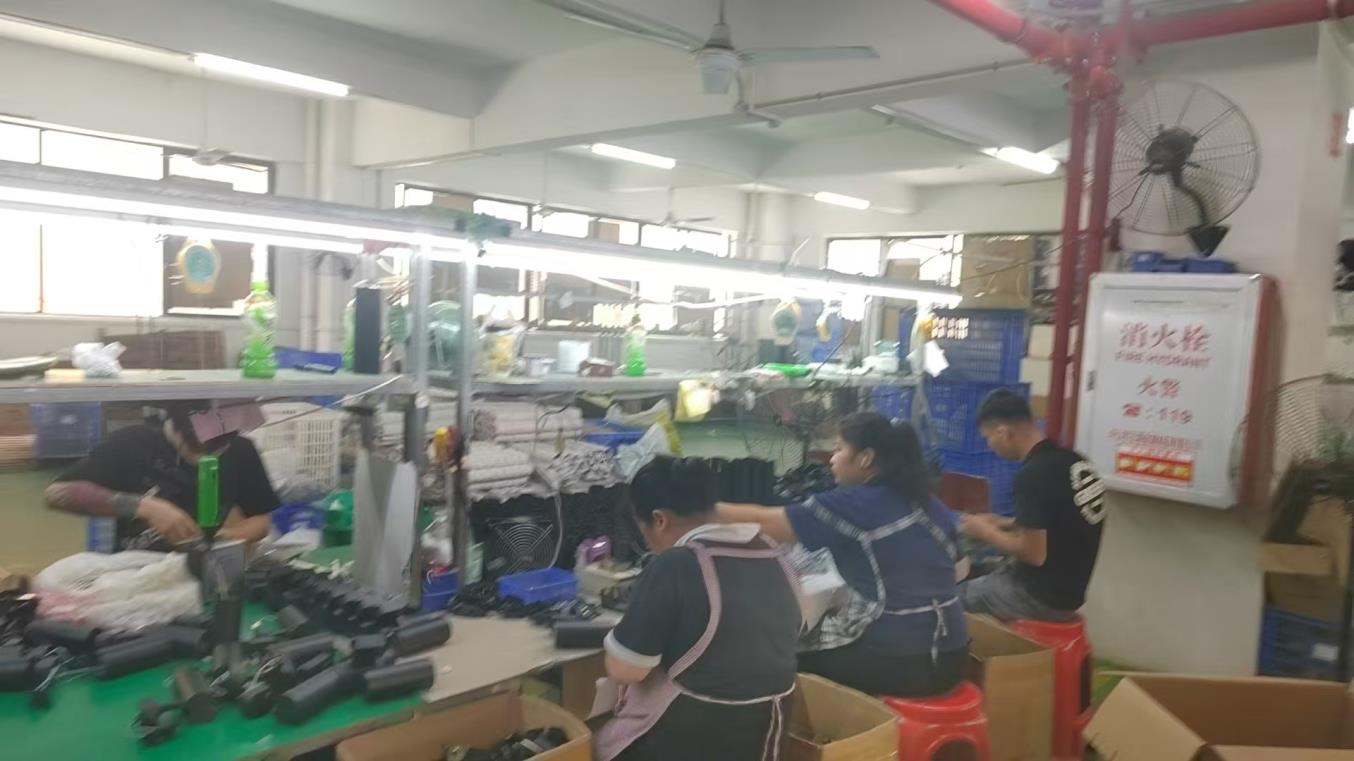
From raw PMMA extrusion to photometer testing: complete oversight of production, packaging, and shipping stages.
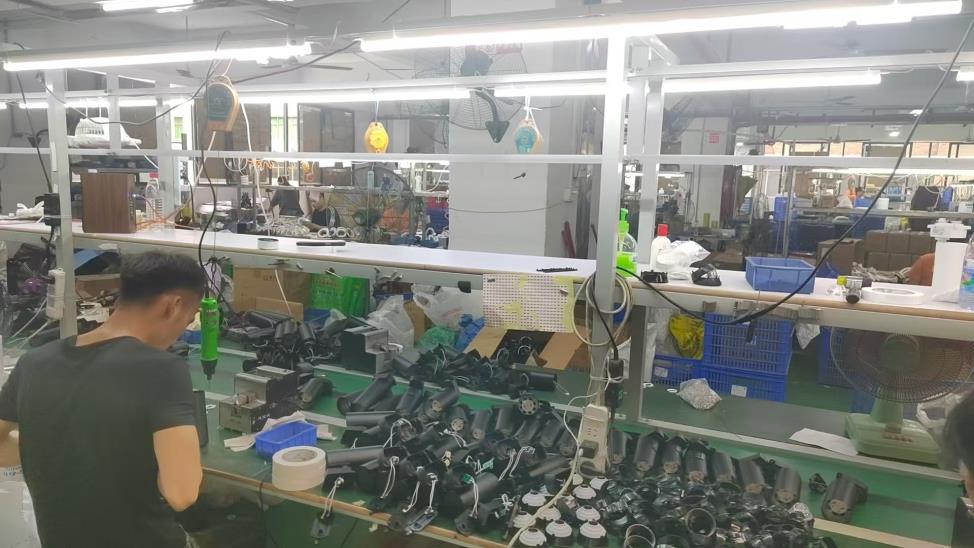
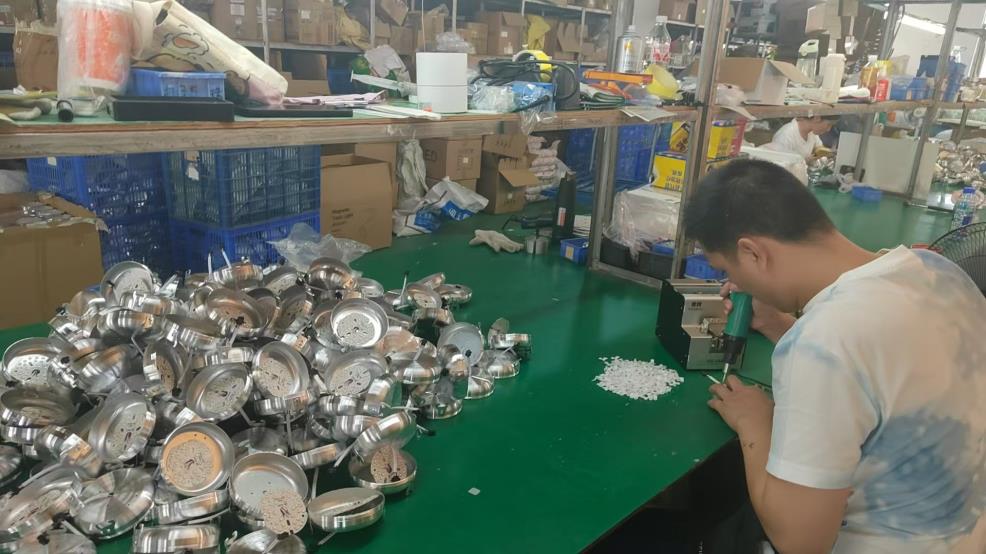
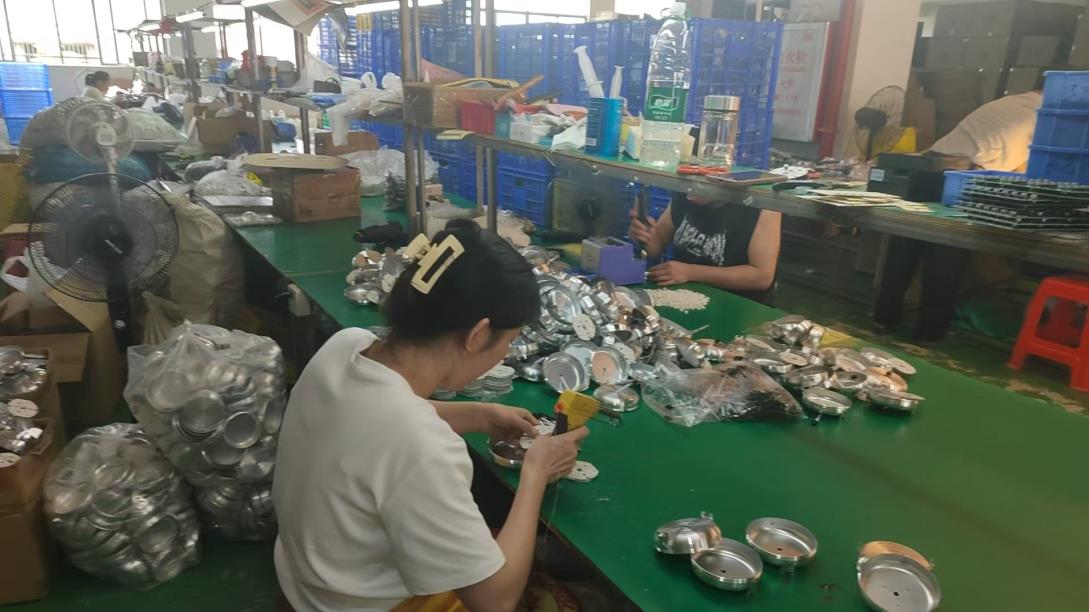
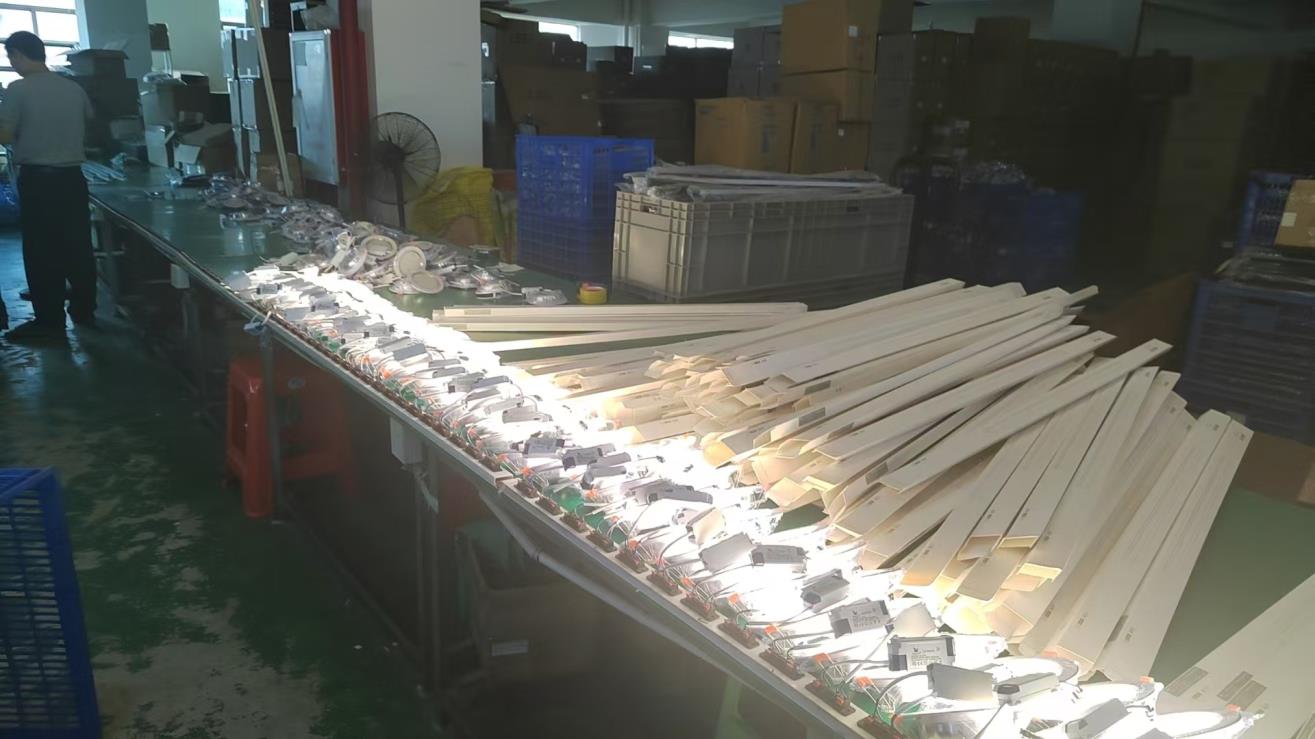
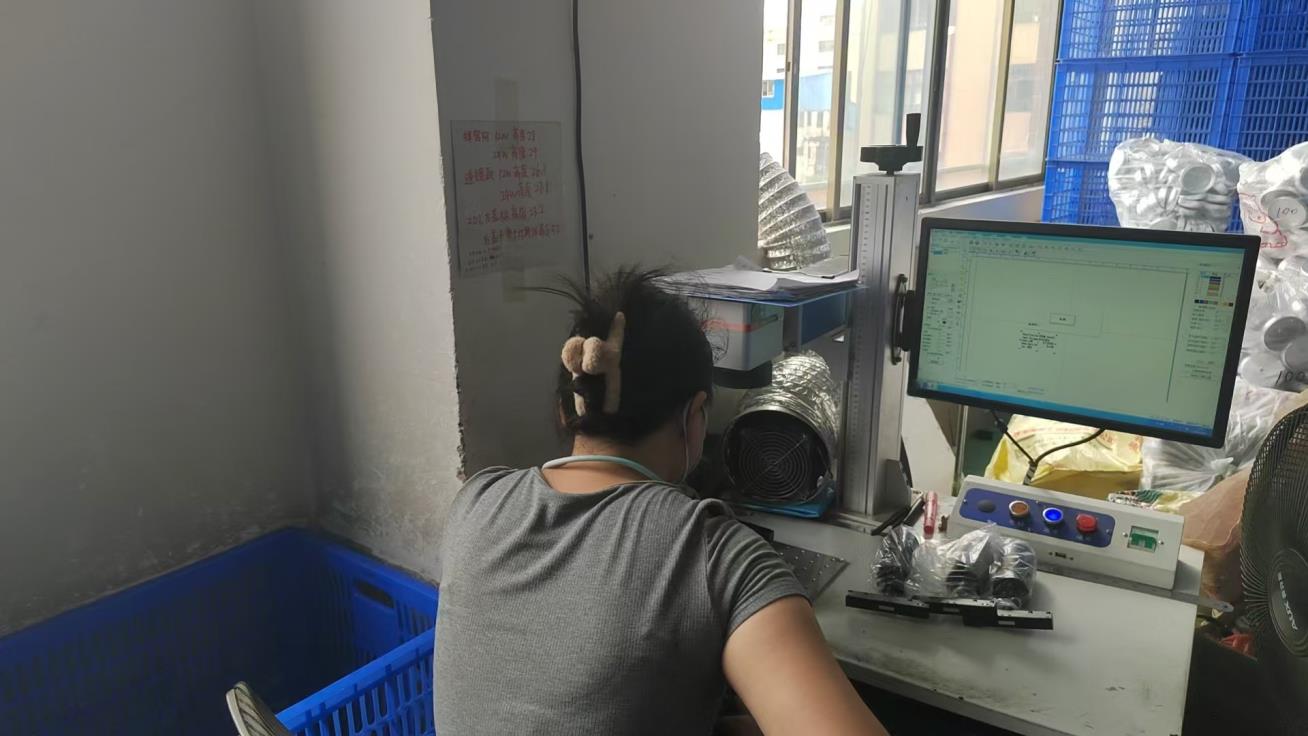
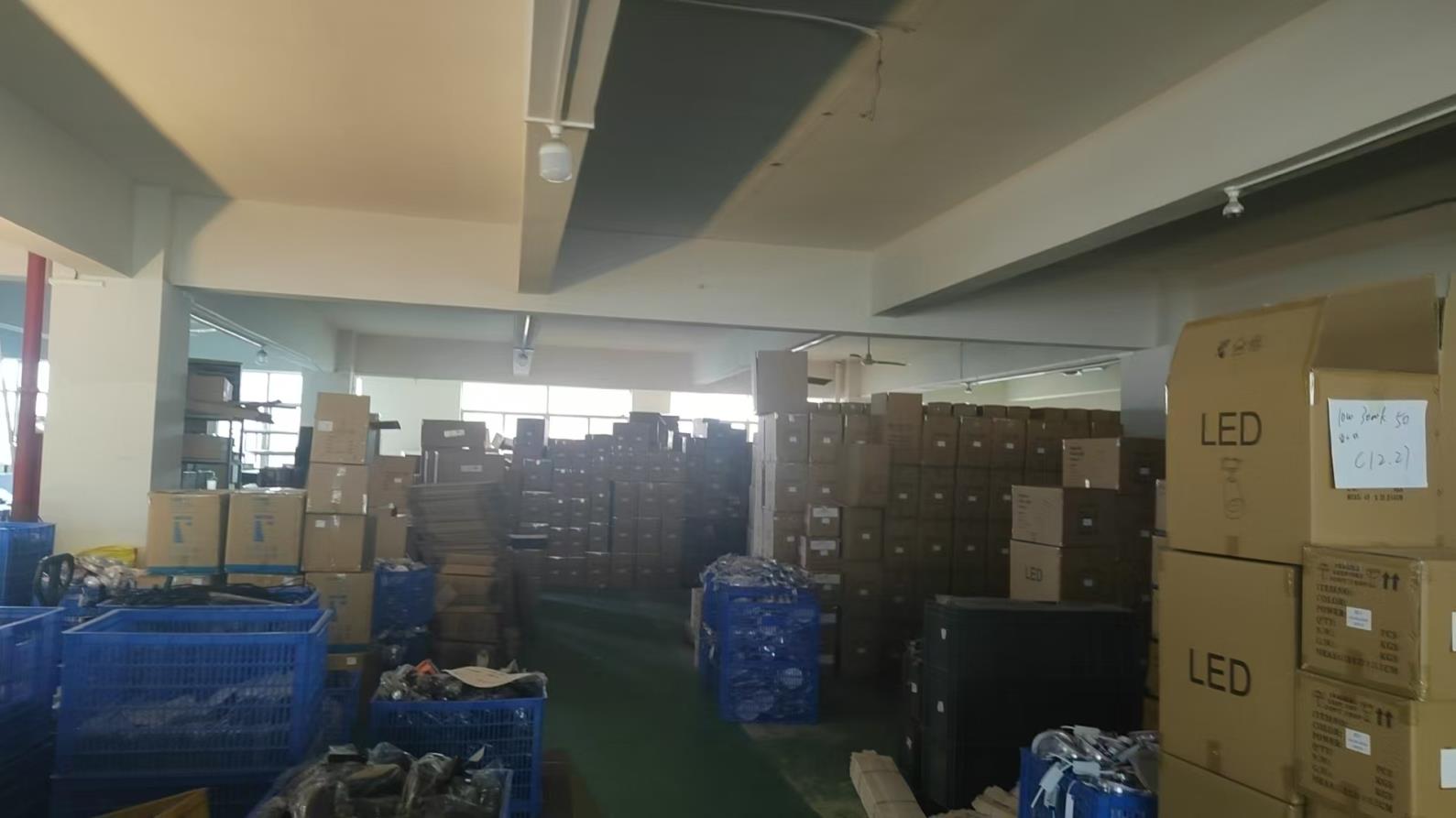
Our production facility leverages advanced assembly techniques, dedicated aging halls, and trace-monitored warehouse processes to secure short lead times and stable batch consistency. By utilizing automated optical testing equipment alongside hand-assembly for custom fiber optic wire harnesses, we serve high-volume orders without sacrificing detailed precision.
Every unit produced at Hangzhou Pina Light Co., Ltd. goes through multiple quality checkpoints: initial optical fiber end-polishing, LED driver current sweep analysis, IP67 leak-proof pressure testing, and final burn-in aging for at least 72 hours under maximum operating temperatures.
Tailored logistical paths, localized technical support, and strict contract terms for B2B distributors and contractors.
We coordinate seamless ocean, air, and overland freight pathways. By managing customs clearing paperwork, export filing, and handling regional compliance, we ensure secure delivery to your local warehouse.
Our specialized engineering team supports B2B projects with custom calculations (DIALux simulation profiles), fiber core distribution mapping, and light engine housing design matching your custom layout needs.
We back all standard linear, LED spotlight, and fiber optic hardware products with standard 3 to 5-year replacement warranties. If code compliance checks require regional verification, our local partners provide immediate support.
Answers to essential technical, logistical, and compliance questions regarding fiber optic light engines and source selection.
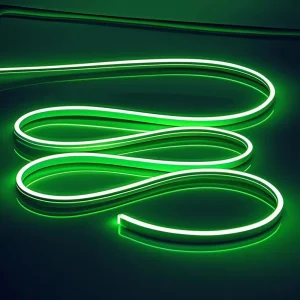
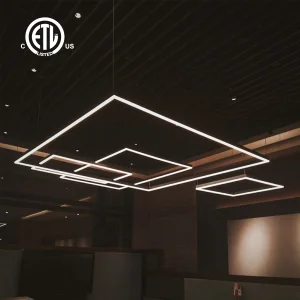
Complementary explosion-proof fixtures, commercial washers, and linear systems for robust outdoor and indoor integrations.
 Pina Light