Explore our flagship selection of engineered solid-state luminaires, built for commercial, industrial, and architectural environments globally.
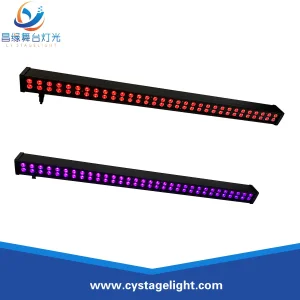
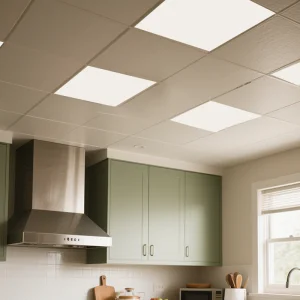
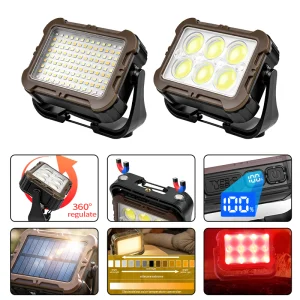
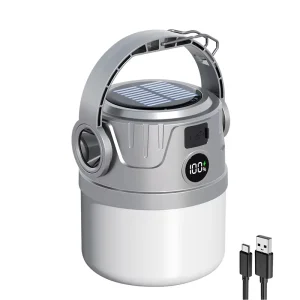
Analyzing the technical specifications, architectural demands, and manufacturing innovations that define modern specialty lighting systems.
Specialty lighting has transcended its traditional role as a simple illuminant. In modern industrial, commercial, and agricultural operations, specialty lights serve as crucial systems engineered to perform under extreme ambient conditions, fulfill complex biological spectrum requirements, and integrate seamlessly with intelligent Building Management Systems (BMS). The international wholesale market for specialty lights demands a sophisticated balance of optical precision, mechanical durability, and strict compliance with national safety grid codes.
As smart cities expand and vertical integration becomes standard in agricultural supply chains, manufacturers are forced to move away from generic lighting models. Today, components must satisfy exact, task-specific requirements. Whether it is preventing flickers in high-speed industrial scanning environments, matching precise photomorphogenesis bands for indoor agriculture, or resisting chemical degradation in coastal environments, specialized manufacturing is key to modern optical engineering. This white paper highlights the engineering protocols, supply chain dynamics, and quality control metrics that define China's premium specialty lighting manufacturing ecosystem.
"The core value proposition of high-performance specialty lighting lies in the integration of material science, optical efficiency, and custom control architectures. The modern wholesale purchaser is no longer buying luminous flux; they are investing in targeted spectrums, localized thermal dissipation solutions, and multi-decade system reliability."
Hangzhou Pina Light Co., Ltd. is a leading manufacturer and exporter of advanced LED lighting solutions, headquartered in Hangzhou, China. Backed by a robust manufacturing network and strategic domestic partnerships, the company excels in the design, development, engineering, and global export of premium-grade luminaires. Our catalog addresses critical lighting challenges in commercial, industrial, residential, and specialty sectors.
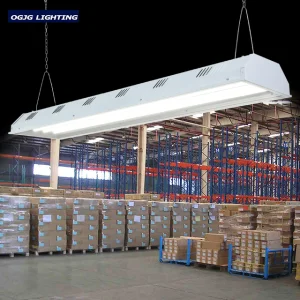
Our core product portfolio includes LED grow lights, commercial downlights, warehouse linear high-bay fixtures, IP66-rated flood lights, smart street lights, security lighting systems, energy-efficient retrofit solutions, and customized OEM/ODM builds. Leveraging state-of-the-art solid-state physics and intelligent IoT control architectures, Pina Light delivers energy-saving, green-aligned, and cost-effective lighting installations to a global audience.
Pina Light services clients across North America, Europe, South America, the Middle East, and Southeast Asia. Our manufacturing protocols align strictly with international safety, environmental, and performance benchmarks. The majority of our fixtures carry recognized safety approvals—including CE, RoHS, FCC, ETL, and UL—ensuring compliance with local utility regulations and building codes.
Continuous innovation drives our engineering division. Our specialized R&D team consistently develops new optical designs and upgrades driver topologies to match the latest global market requirements. From initial component layout and optical simulation to rapid prototyping, mass production, and final quality control, every stage of our operations is strictly monitored to guarantee thermal integrity and longevity.
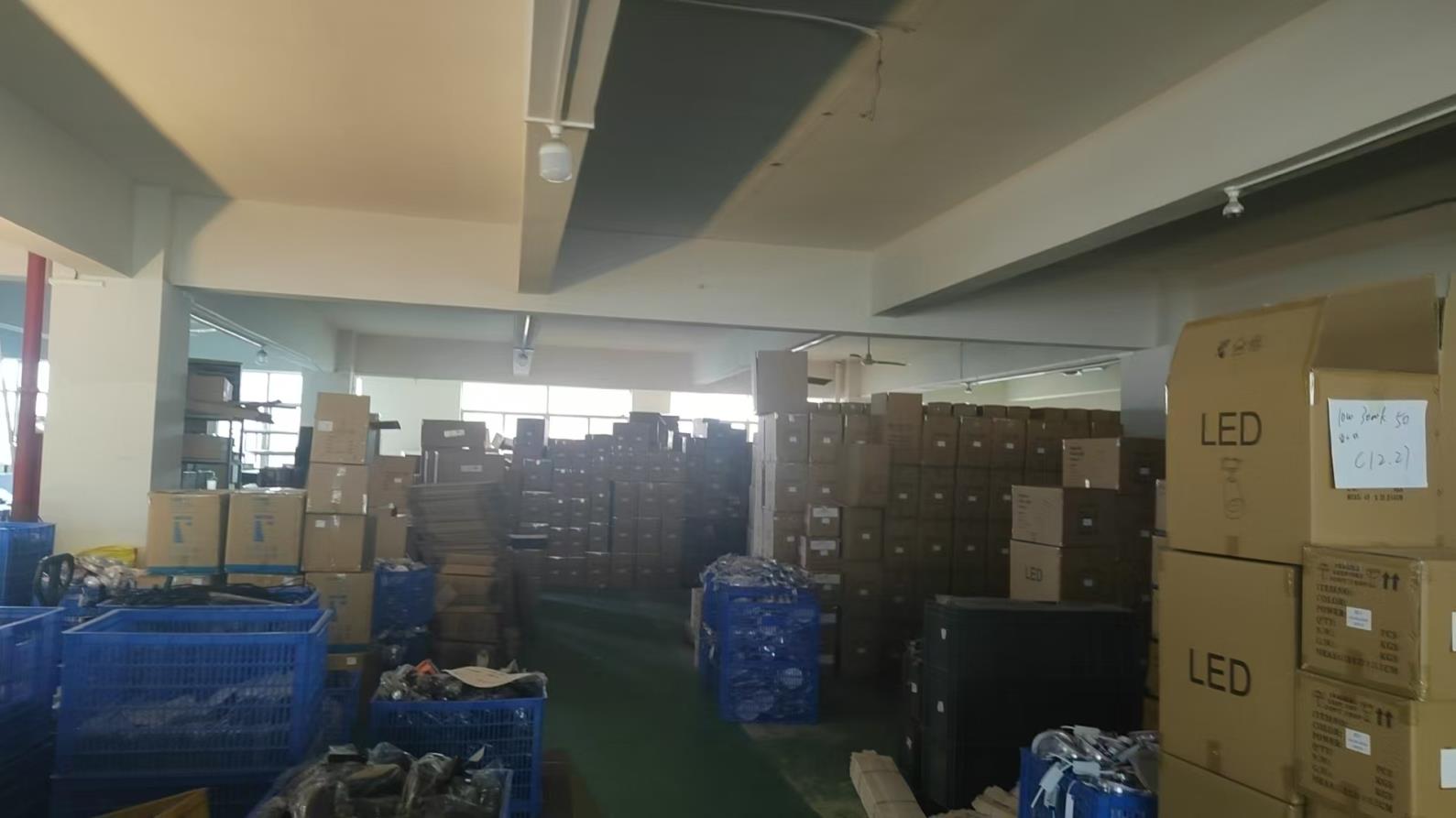
Over decades of industry service, Pina Light has built a resilient supply chain and implemented a detailed Quality Management System (QMS). These systems allow us to offer competitive pricing, stable production output, and reliable shipping schedules. Our dedicated QC inspectors perform structural and optical tests at multiple stages of production, ensuring that every batch meets the client's specifications before leaving our facility.
For brands, commercial distributors, electrical contractors, project engineers, and OEM/ODM clients, Pina Light provides flexible customization options. We cooperate closely with clients to design customized lighting properties, customize spectral distributions, alter beam angles, and engineer custom enclosures to match unique environments. Sustainability remains central to our operations; by designing high-efficacy LEDs, we help our partners minimize carbon footprints and lower operating expenses.
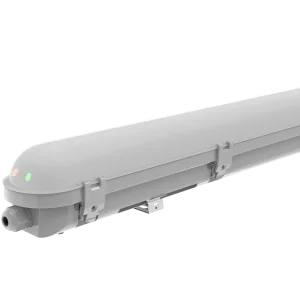
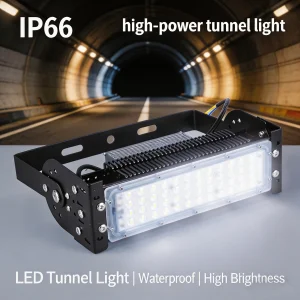
The global market for commercial and industrial lighting is shifting away from standardized products toward tailored, environment-specific systems. In industrial settings, facility managers face challenges like high vibration, chemical exposure, humidity, and extreme temperatures. Traditional fixtures often fail under these conditions, leading to unexpected maintenance costs and production downtime. High-performance specialty lights, such as vapor-tight linear tri-proof bars and IP67-rated exterior luminaires, are engineered to survive these challenging conditions. They feature heavy-duty polycarbonate or die-cast aluminum housings, silicone gasketing, and corrosion-resistant coatings to ensure continuous operation.
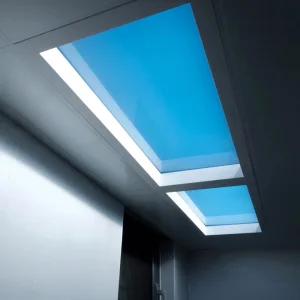
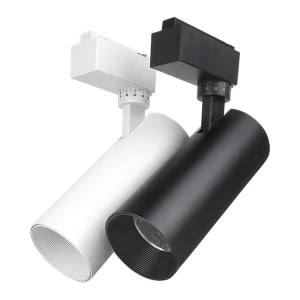
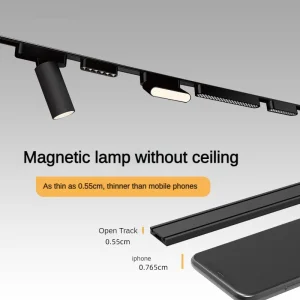
In the commercial space, lighting design focuses on human productivity, mood regulation, and visual presentation. Retailers, hospitality businesses, and corporate facilities require high Color Rendering Index (CRI > 90) track spot lights and smart skylight installations to create engaging, natural-looking spaces. These systems are no longer static; they are integrated into intelligent wireless protocols (like Zigbee, Tuya, or DALI) to allow automated dimming, color shifting, and scheduled operations. By aligning artificial lighting with circadian rhythms, modern corporate offices can improve occupant well-being and productivity, transforming lighting from a basic utility into a strategic asset.
| Lighting Category | Key Technical Metrics | Primary Industrial Applications | Standard Certifications Required |
|---|---|---|---|
| Linear High-Bay / Tri-Proof | IP65/IP66, IK08 Impact, 140+ lm/W | Cold Storage, Processing Plants, Garages | UL, ETL, CE, RoHS |
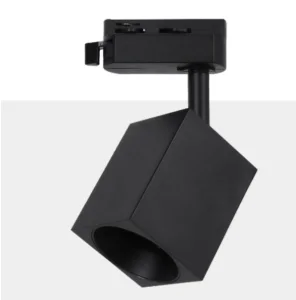
| COB Track & Spotlights | CRI > 90, UGR < 19, No-Flicker | Retail Showrooms, Art Galleries, Offices | CE, FCC, RoHS |
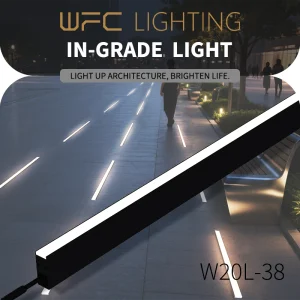
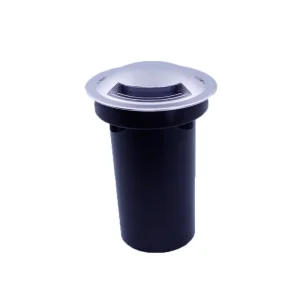
| In-Ground & Landscape Well Lights | IP67/IP68, 316 Stainless Steel, IK10 | Public Pathways, Commercial Plazas, Façades | CE, RoHS, ETL |
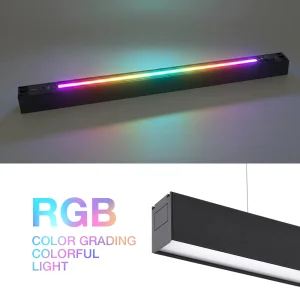
| Smart Skylights & RGB Panels | Tuya/Zigbee Control, CCT Tunable | Hospitals, Corporate Offices, Residences | CE, ETL, FCC |
Specialty lighting fixtures must perform reliably across varied localized applications, each presenting unique environmental and physical challenges:
Engineered to operate reliably in temperatures down to -30°C, using thermal expansion-compensated silicone gaskets that prevent moisture ingress during thermal cycling.
IP67 well lights housed in marine-grade 316 stainless steel and copper-free aluminum, featuring multi-layer anti-salt coatings to prevent corrosion in coastal areas.
Tunable spectra optimized for greenhouse cultivation, with robust thermal profiles designed to withstand high-humidity environments and fertilizer residues.
The specialty lighting industry is undergoing rapid technical evolution. Modern LED fixtures are transition points for wider digital system integrations. We are tracking several key technological trends that will shape the next generation of industrial and commercial lighting:
Wireless Control and Intelligent Integration: The integration of advanced protocols—such as Bluetooth Mesh, DALI-2, Artnet, and DMX512—allows operators to manage extensive lighting installations from centralized dashboards. These systems support features like real-time energy monitoring, predictive thermal failure alerts, and automated light level adjustments based on ambient daylight. This helps optimize both energy use and maintenance schedules.
Advanced LED Packaging: The transition from standard SMD components to high-power Chip-on-Board (COB) and Chip-Scale Package (CSP) designs is improving performance in compact footprints. These technologies offer better thermal dissipation and lower optical glare, allowing manufacturers to design smaller fixtures that deliver equivalent or greater light output without sacrificing lifetime ratings.
Tunable Spectrums and Human-Centric Design: Commercial facilities are increasingly adopting tunable white systems that adjust color temperatures from warm white (2700K) to cool white (6500K) throughout the workday. This shift mimics natural daylight patterns, which can help support worker focus and maintain healthy sleep-wake cycles in environments lacking natural light access.
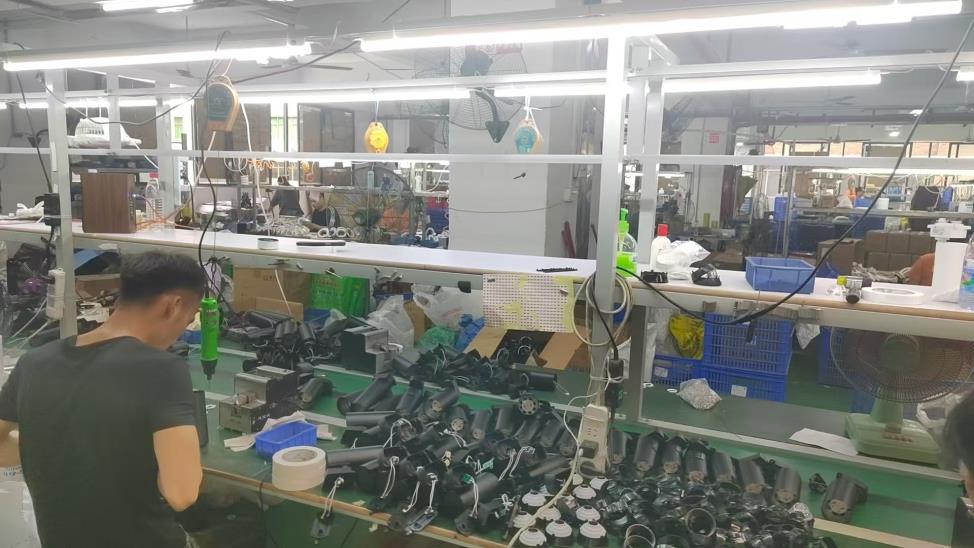
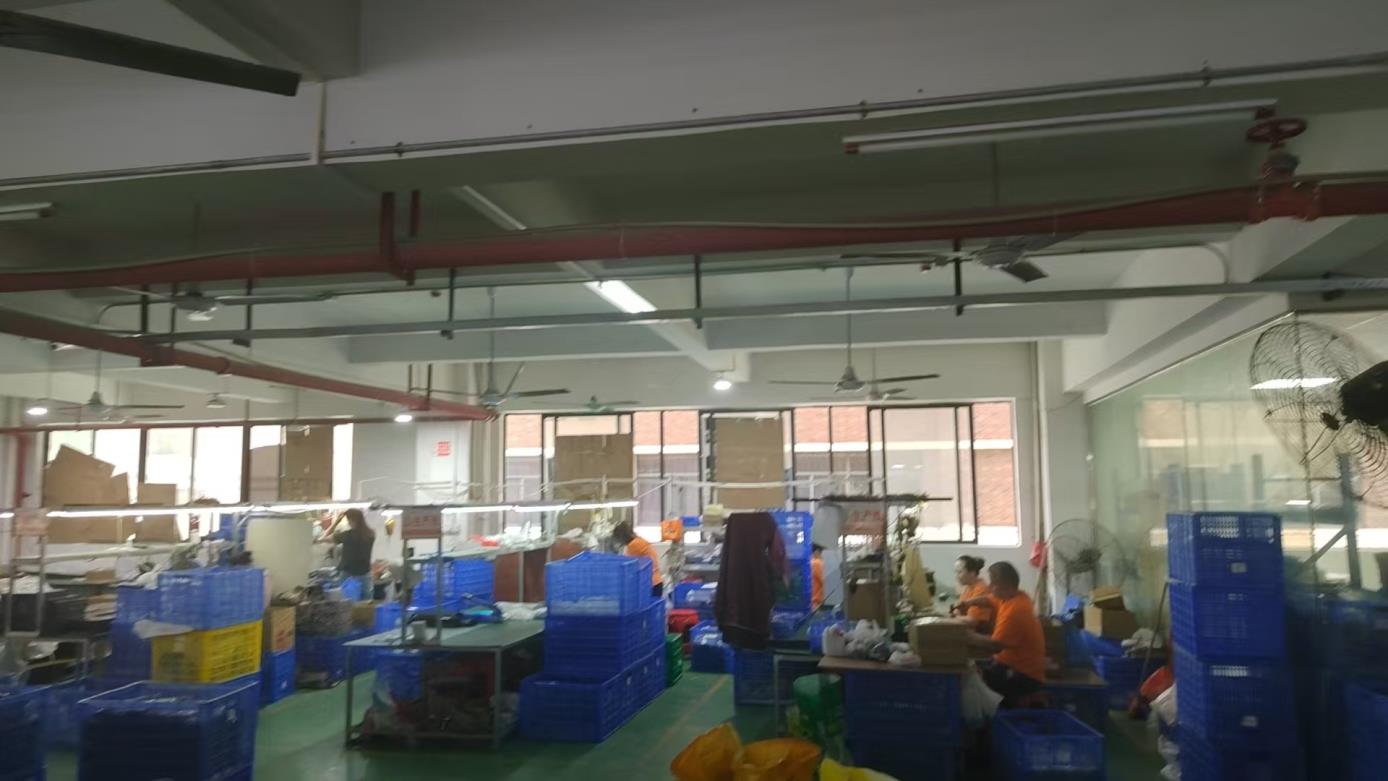
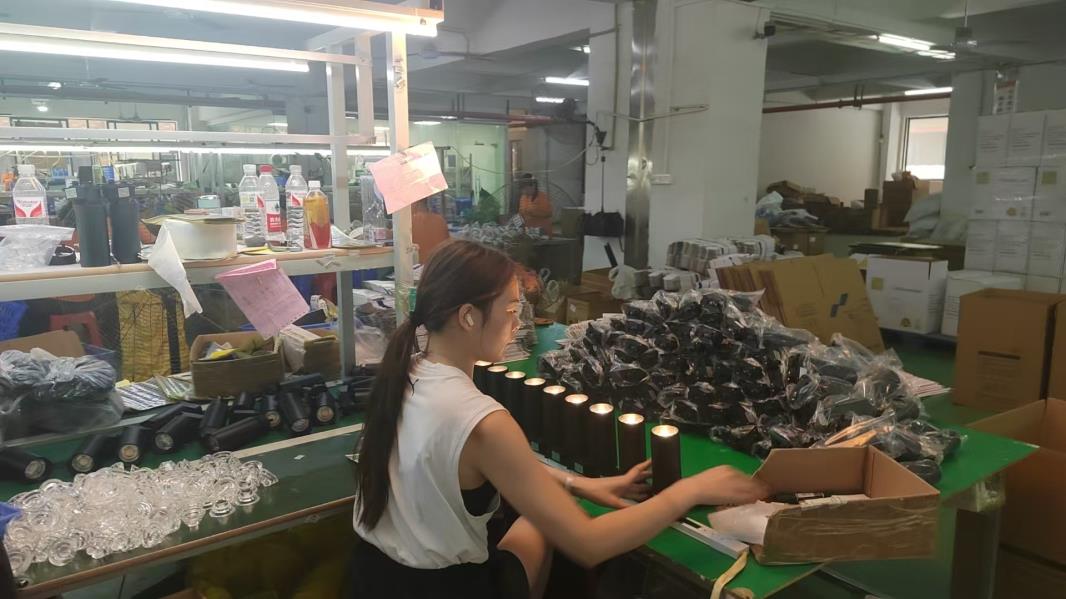
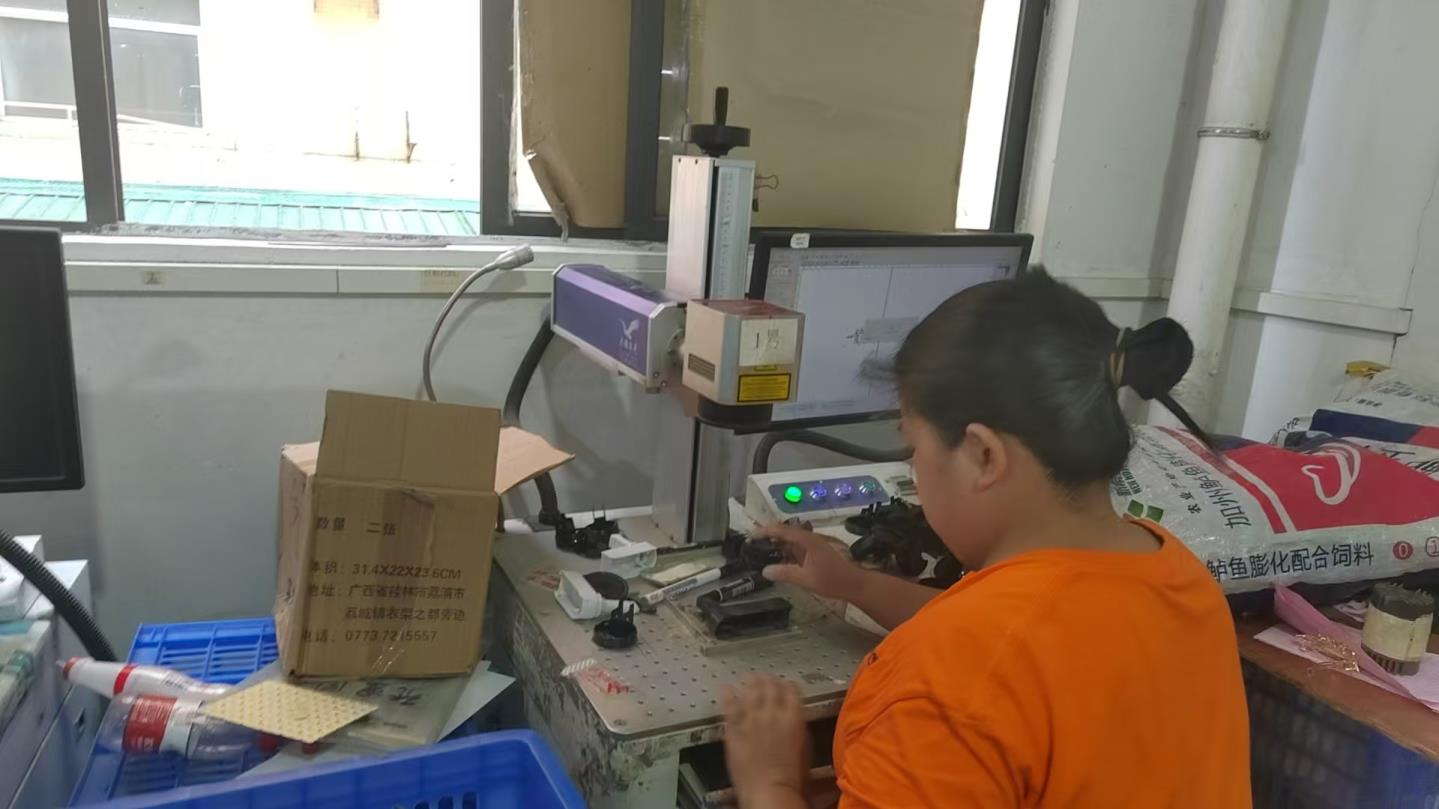
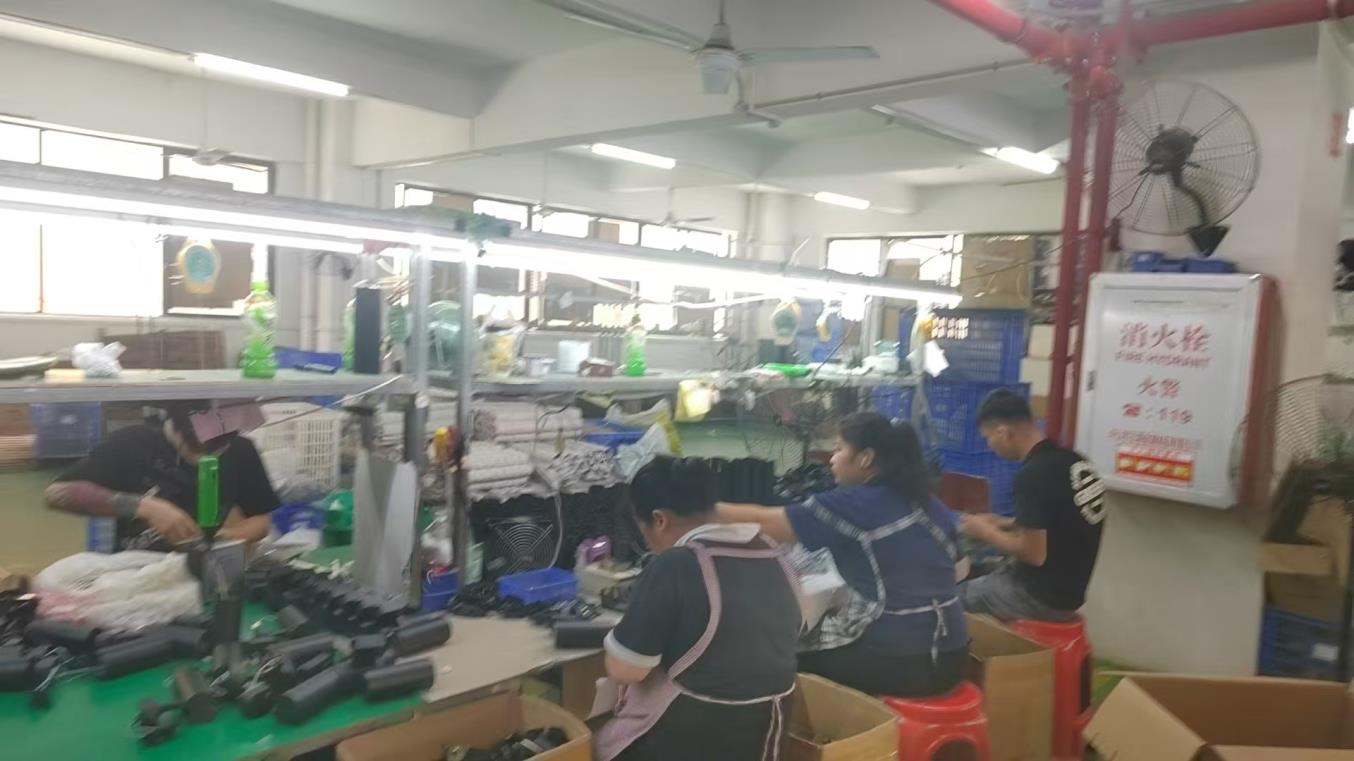
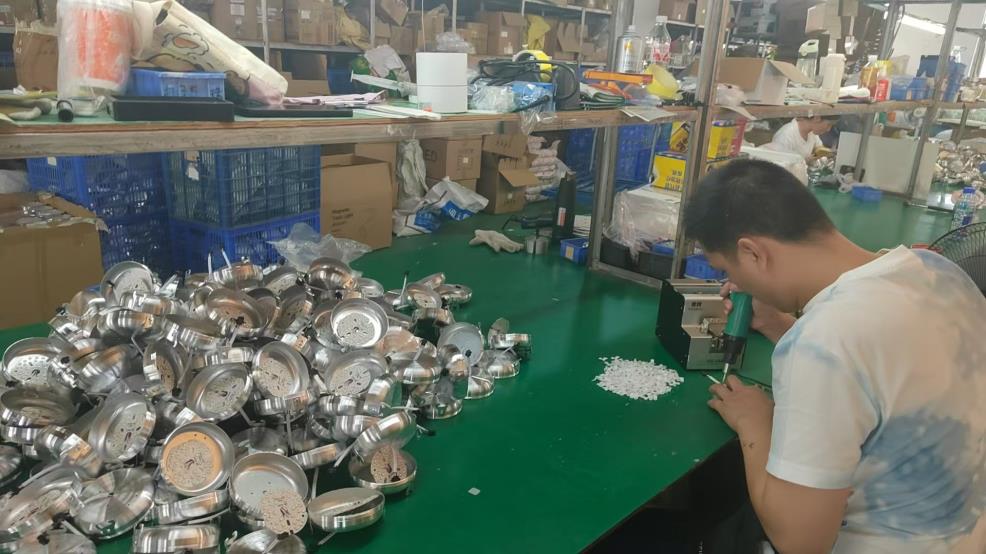
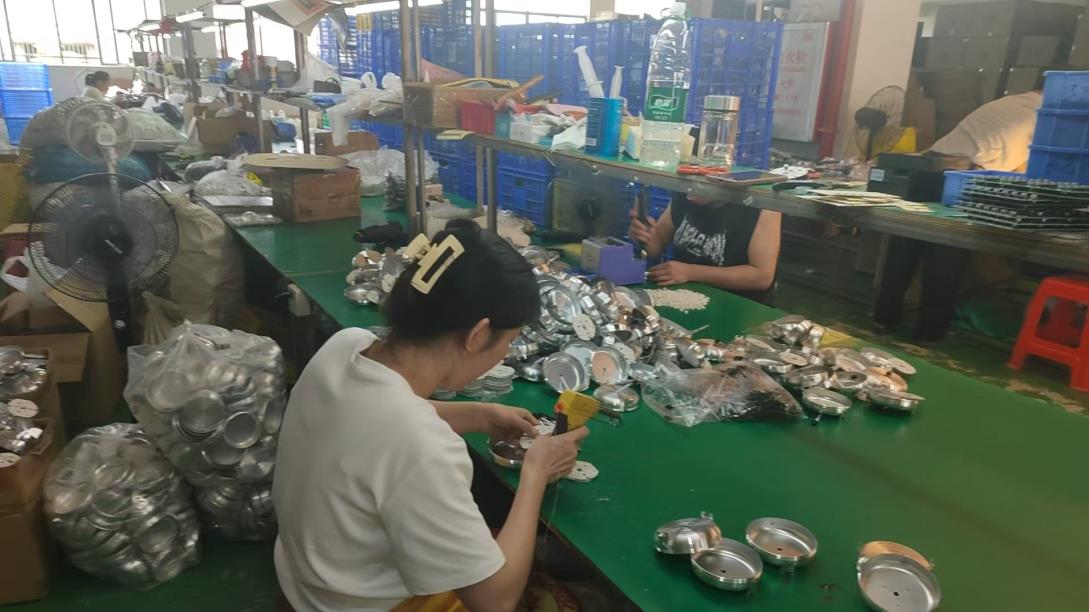
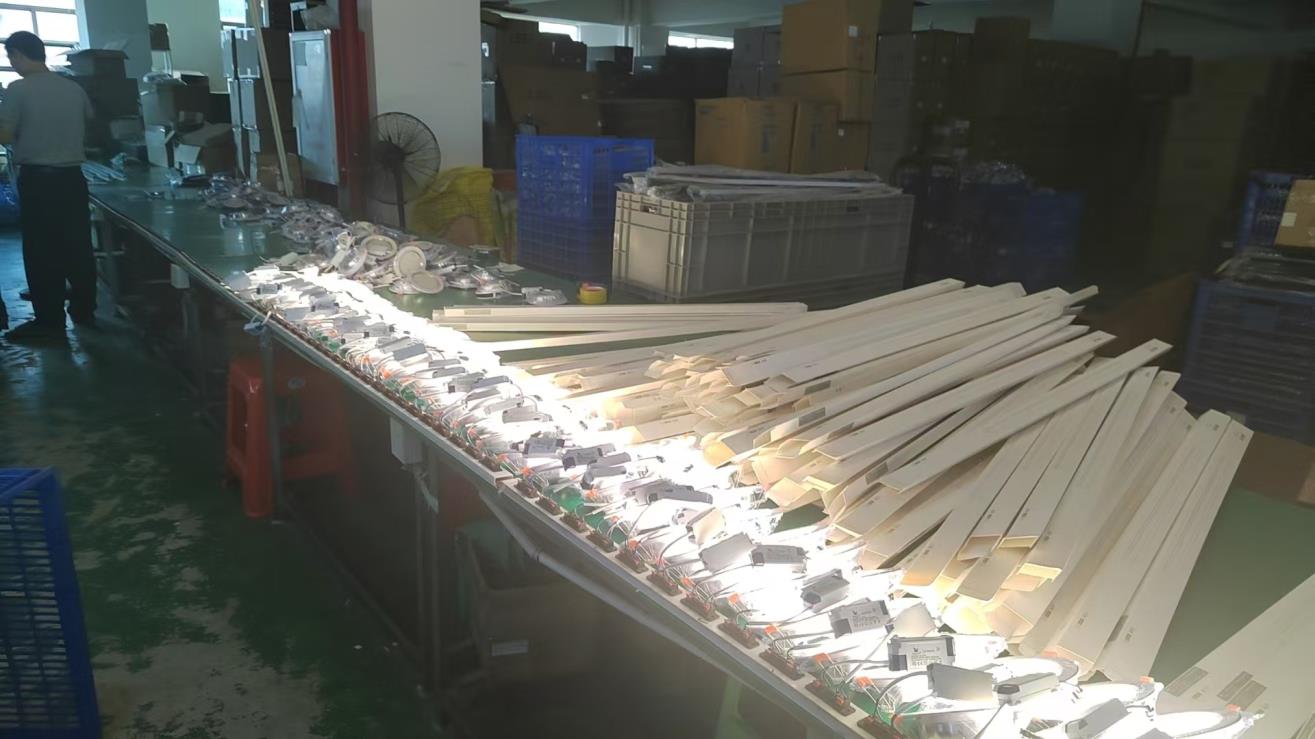
China remains a leading source for global lighting supply chains due to its deep manufacturing integration, component ecosystem, and efficient logistics infrastructure. In industrial hubs like Zhejiang and Guangdong, the entire manufacturing pipeline—including raw aluminum extrusion, custom optical lens molding, automated SMT board placement, driver assembly, and packaging—is concentrated in close geographic proximity. This clustering helps reduce lead times, facilitates prototyping, and allows factories to scale production quickly to meet large orders.
This localized supply network also provides a cost-efficiency advantage. Chinese manufacturers can source premium materials, such as high-thermal-conductivity aluminum alloys and brand-name LED chips, at competitive rates. Because domestic sub-contractors compete closely, component costs remain stable, allowing suppliers to absorb raw material price shifts without sudden price hikes for international buyers. This combination of speed, scale, and pricing stability helps protect wholesale buyers from market volatility.
Additionally, logistics hubs located near major ports like Shanghai, Ningbo, and Shenzhen ensure efficient global distribution. Developed customs protocols, consolidated container shipping, and automated warehouse management systems reduce transit delays. This structured logistics ecosystem allows Hangzhou Pina Light to maintain dependable delivery schedules, helping distributors manage inventory costs and meet project deadlines.
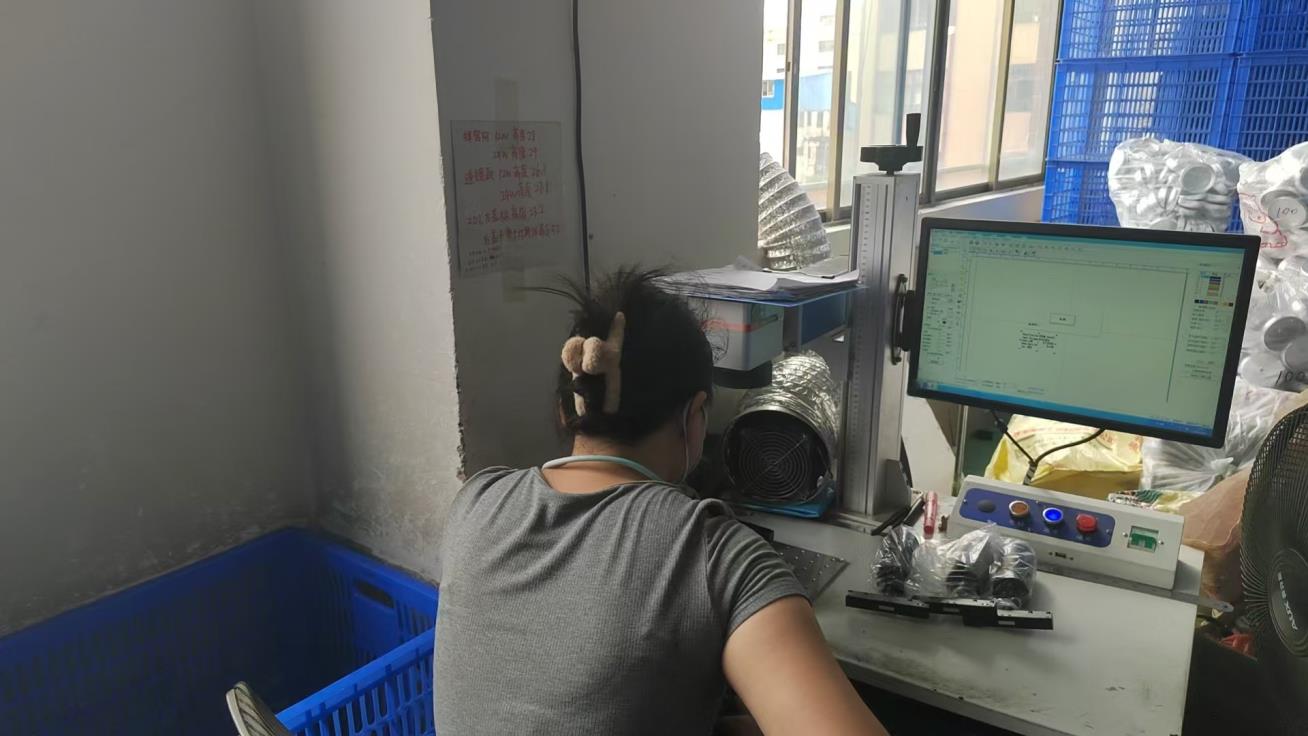
To meet international quality standards, Hangzhou Pina Light operates under a strict Quality Management System (QMS). Our testing process covers incoming component verification, in-line assembly tracking, and final performance verification. Our factories utilize automated optical inspection (AOI), high-temperature aging chambers, and integrating sphere photometer analysis to verify luminous flux, color consistency, and thermal stability before shipment.
International compliance is essential for global trade. Our engineering teams design products to align with regulatory systems including CE, RoHS, FCC, ETL, and UL. These certifications ensure that our fixtures meet safety and environmental standards, giving electrical contractors, distributors, and facility managers confidence in their performance and compliance with local electrical codes.
Get answers to critical technical, compliance, and customization questions frequently asked by electrical engineers and global buyers.
Browse our secondary selection of outdoor, smart linear, and commercial lighting fixtures engineered to global standards.
 Pina Light