High-efficacy luminaires engineered for structural integration, color consistency, and severe environment reliability.
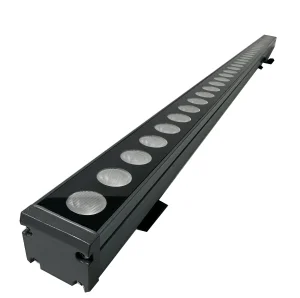
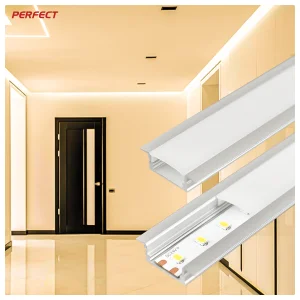
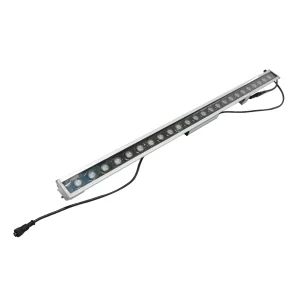
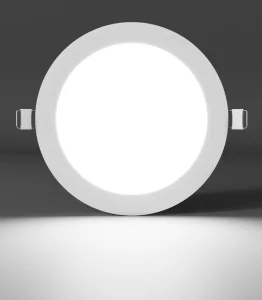
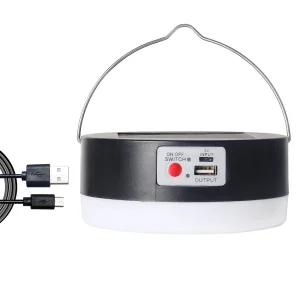
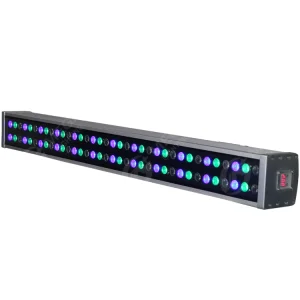
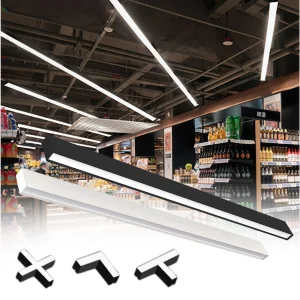
The global architectural lighting market is experiencing a profound transition driven by the demands of smart cities, decarbonization mandates, and the shift toward experiential architectural designs. Once limited to functional night-time illumination, modern architectural spotlights are now treated as dynamic structural extensions. They shape identity, guide pedestrian flow, and enhance the commercial valuation of landmark infrastructures, historical properties, and high-end retail hubs.
According to industry intelligence, the global architectural lighting market size is projected to expand at a compound annual growth rate (CAGR) exceeding 7.8% over the next decade. This growth is heavily concentrated in high-performance projectors, wall washers, and narrow-beam spotlights capable of precise optical projection over long distances. In developed regions such as North America and Europe, stringent energy frameworks (e.g., California Title 24, European Union Ecodesign Regulations) are forcing operators to retrofit legacy metal-halide and halogen installations with intelligent, high-efficacy LED equivalents.
Simultaneously, the commercial sector’s integration of human-centric lighting (HCL) and IoT-driven communication protocols (DMX/RDM, DALI-2, and wireless mesh networks) has shifted user intent. Today’s procurement professionals do not just buy fixtures; they invest in interoperable node-based systems that reduce carbon footprints, minimize light pollution, and support active structural branding.
Architectural lighting specifications demand complex balancing of photometrical performance, electrical safety, and mechanical endurance.
Architectural projects require high color fidelity (CRI > 90, R9 > 50) and tight MacAdam Ellipse binning (3-Step or 2-Step SDCM) to avoid noticeable variations in color temperature across facades. Custom architectural spotlights provide selectable or tunable CCT ranges (2000K to 6500K) to harmonize with different architectural materials, from historic masonry to contemporary curtain walls.
Exterior structural lighting must endure severe conditions. Specifications mandate minimum IP65 ratings (ideally IP66/IP67) alongside IK08/IK10 mechanical impact ratings. For maritime or highly polluted industrial zones, manufacturers must offer premium 6063 extruded aluminum housings paired with specialized anti-corrosion marine-grade powder coatings.
Precision light distribution is critical to avoiding light pollution and glare. Professional design utilizes narrow-angle lenses (e.g., 3° to 8° for columns) and asymmetric floodlights (for vertical facades). Built-in shielding accessories—such as honeycombs, snoots, and barn doors—ensure zero light spill and dark sky compliance.
China’s status as the epicenter of architectural lighting manufacturing is sustained by an integrated industrial ecosystem. The concentration of component producers, tooling factories, precision extrusion facilities, and electronic assembly plants in specialized hubs (like Zhejiang and Guangdong) enables rapid prototyping and production scalability that cannot be matched elsewhere.
Leading manufacturers like Hangzhou Pina Light Co., Ltd. utilize this clustered supply chain to deliver high-performance LED solutions. From sourcing high-grade 6063 aluminum alloys to integration with global components (such as Cree, Osram, or Bridgelux COB LEDs, and Meanwell drivers), local proximity allows Chinese manufacturers to reduce structural margins while maintaining strict design control.
This efficiency extends beyond pricing to include custom engineering speed (OEM/ODM). What typically takes months in Western markets—from initial design and thermal modeling to rapid tooling and optical verification—can be completed in weeks. Automated SMT processes, semi-automated assembly, and integrated testing facilities ensure high consistency, enabling Chinese suppliers to easily meet large-scale global project schedules.
Understanding how different spatial profiles demand specialized light distributions, structural fixtures, and smart controls.
Dynamic color-changing structures require synchronized control. Waterproof linear wall washers (IP65/IP67) featuring DMX512 controls allow architects to program custom schedules for holiday events, branding, and structural highlights.
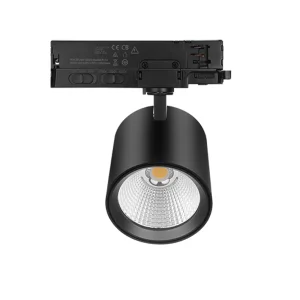
Indoor environments require precise focus and visual comfort. Adjustable track systems with switchable CCT options and ultra-slim panels allow facilities to modify lighting layouts as interior configurations change.
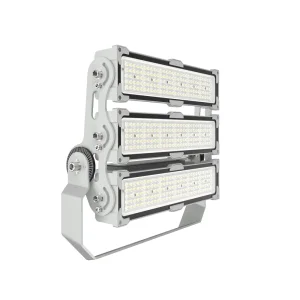
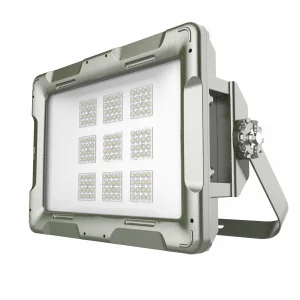
Harsh settings demand maximum thermal dissipation, long lifespans, and specialized safety ratings. Heavy-duty floodlights and explosion-proof marine-grade fixtures protect against corrosion, vibration, and dust accumulation.
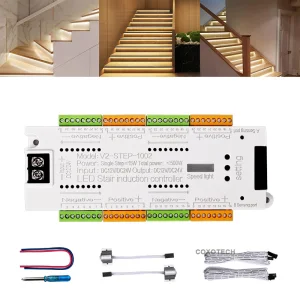
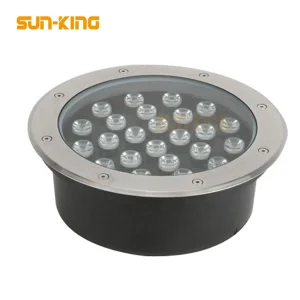
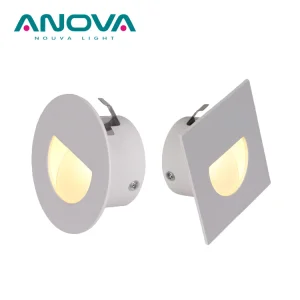
Safety-critical layouts rely on low-glare, recessed lighting. DMX-controlled buried in-ground lamps and smart stair dimmers with PIR motion sensors provide light on demand, reducing energy consumption.
The architectural lighting landscape is moving toward higher levels of system integration, digital control, and sustainability. Manufacturers are focusing on key technological trends, including:
A comparison matrix mapping structural materials, optical controls, and system protocols across the industry.
| Manufacturer Segment | Structural Metallurgy | Optical Control Options | Control Protocols | Certifications |
|---|---|---|---|---|
| Top Tier Global Brands | Die-Cast & Extruded Alum. (A380) | Ultra-narrow to Wide Asymmetric | DMX/RDM, DALI-2, PoE | CE, UL, ENEC, DLC, CCC |
| China High-End (e.g., Pina Light) | Extruded 6063 Aluminum Profile | PMMA Lenses, Asymmetric, Honeycomb | DMX512, DALI, Analog Dimming | CE, RoHS, FCC, ETL, UL Ready |
| Commercial Wholesalers | Standard Recycled Aluminum | Standard Symmetric Beams | On/Off, Triac Dimming | CE, RoHS |
| Specialist Custom Houses | Marine Grade 316 Stainless Steel | Custom Narrow Beams, Gobo Projection | ArtNet, DMX, Wireless Mesh | Local & Regional Specialist Certs |
Hangzhou Pina Light Co., Ltd. is a professional manufacturer and exporter of innovative LED lighting solutions, headquartered in Hangzhou, China. With a strong manufacturing network and strategic partnerships across China, the company specializes in the design, development, production, and global distribution of high-quality lighting products for commercial, industrial, residential, and specialty applications.
Our core product portfolio includes LED grow lights, commercial lighting, warehouse and high-bay lighting, flood lights, street lights, area lighting, security lighting, retrofit solutions, and customized OEM/ODM lighting products. Leveraging advanced LED technology and intelligent lighting systems, Pina Light is committed to providing energy-efficient, environmentally friendly, and cost-effective solutions for customers worldwide.
Serving clients across North America, Europe, South America, the Middle East, Southeast Asia, and other international markets, our products are manufactured in accordance with strict international quality and safety standards. Many of our products carry globally recognized certifications such as CE, RoHS, FCC, ETL, UL, and other market-specific approvals, ensuring reliable performance and regulatory compliance.
At Hangzhou Pina Light, innovation is at the heart of our business. Our experienced engineering and R&D teams continuously develop new products and improve existing technologies to meet evolving market demands. From product design and prototyping to mass production and quality assurance, every stage of the manufacturing process is carefully monitored to ensure superior quality, consistency, and long-term reliability.
With years of experience in the lighting industry, we have established an efficient supply chain and comprehensive quality management system that enable us to deliver competitive pricing, stable production capacity, and timely shipment schedules. Our dedicated quality control team conducts rigorous inspections throughout the production process, guaranteeing that every product meets customer expectations before leaving the factory.
In addition to our standard product range, we provide flexible OEM and ODM services for lighting brands, distributors, wholesalers, contractors, and project developers. Our team works closely with customers to create customized solutions tailored to specific technical requirements, market preferences, and branding needs.
Sustainability is an important part of our corporate philosophy. By promoting energy-saving LED technologies and environmentally responsible manufacturing practices, we help customers reduce energy consumption, lower operating costs, and contribute to a greener future.
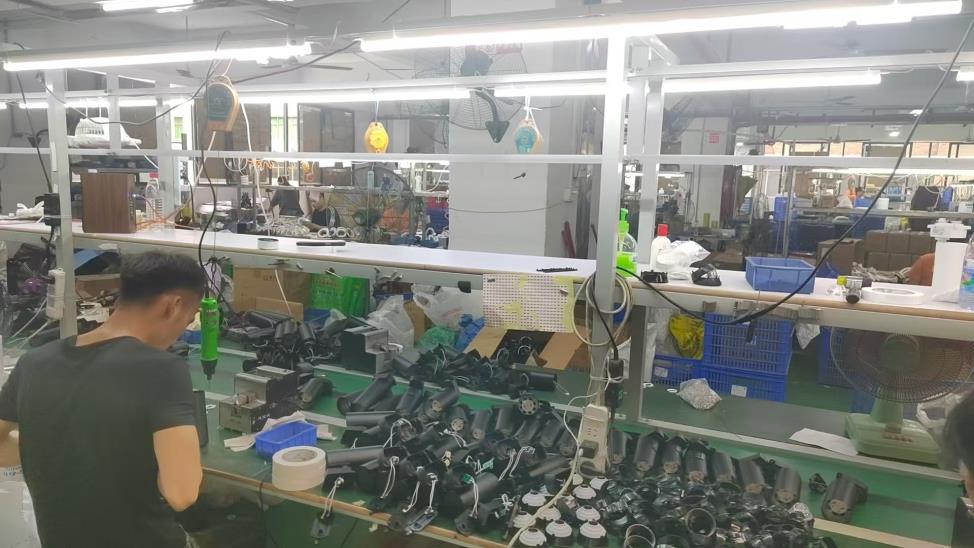
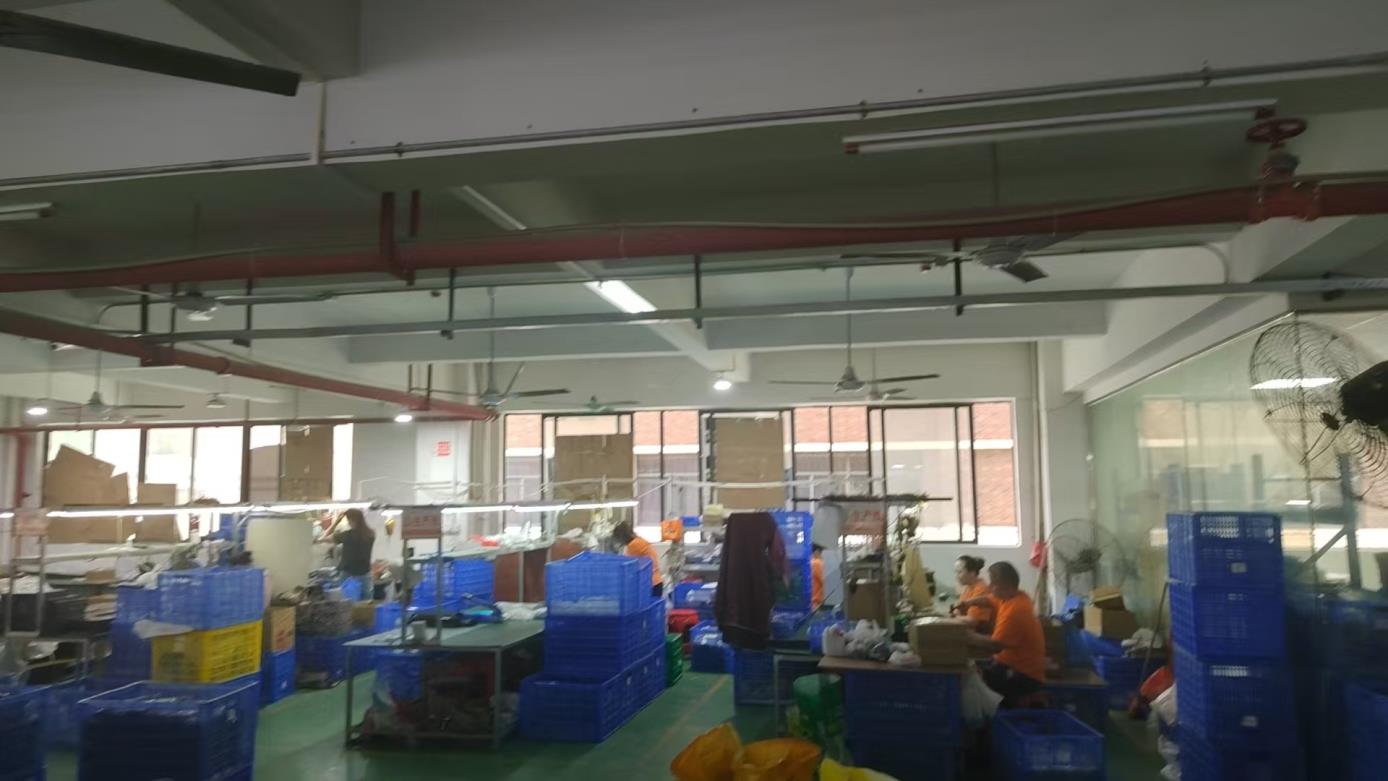
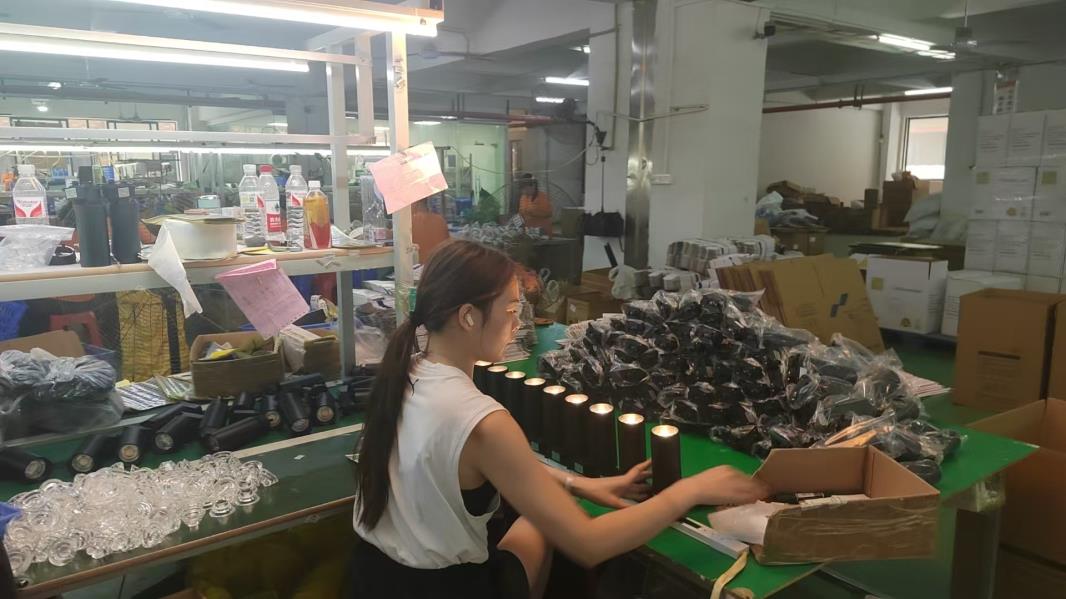
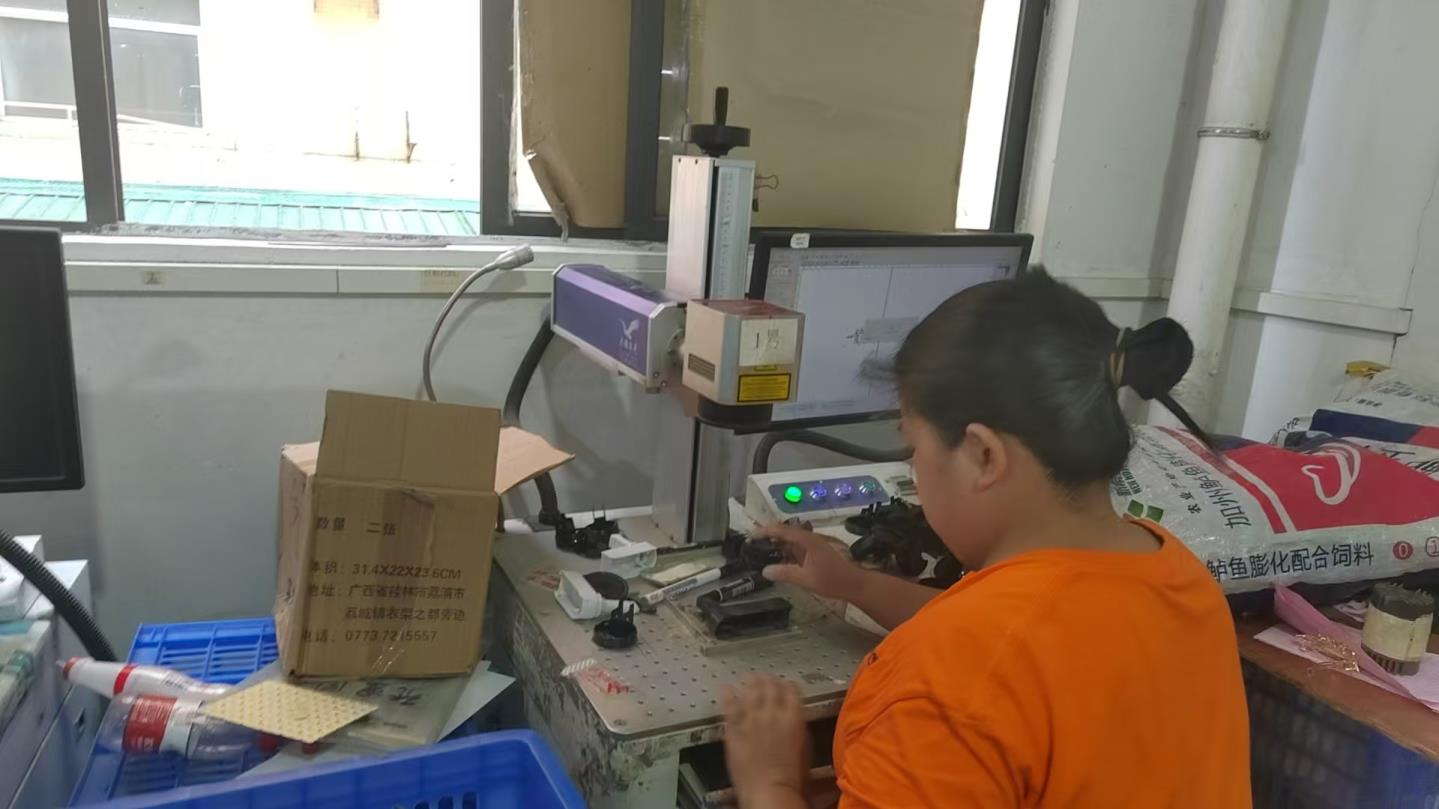
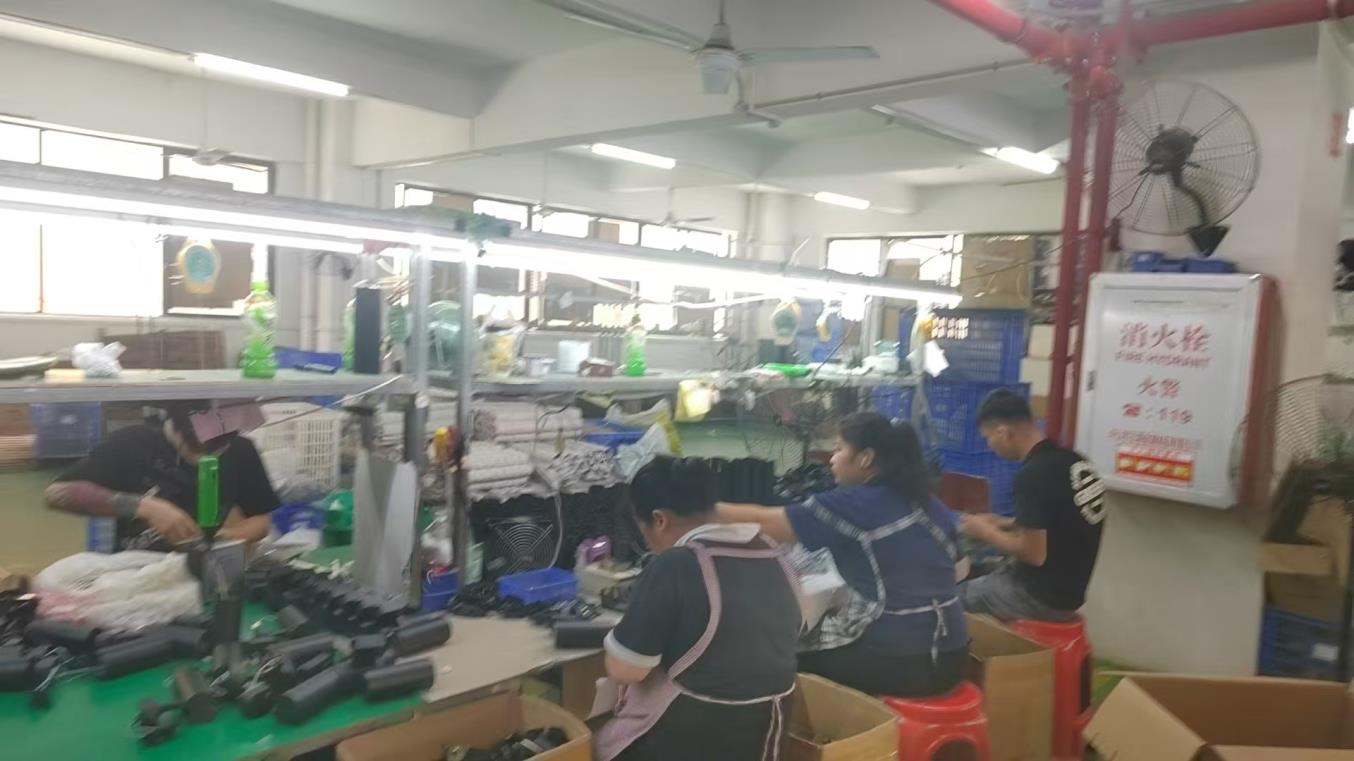
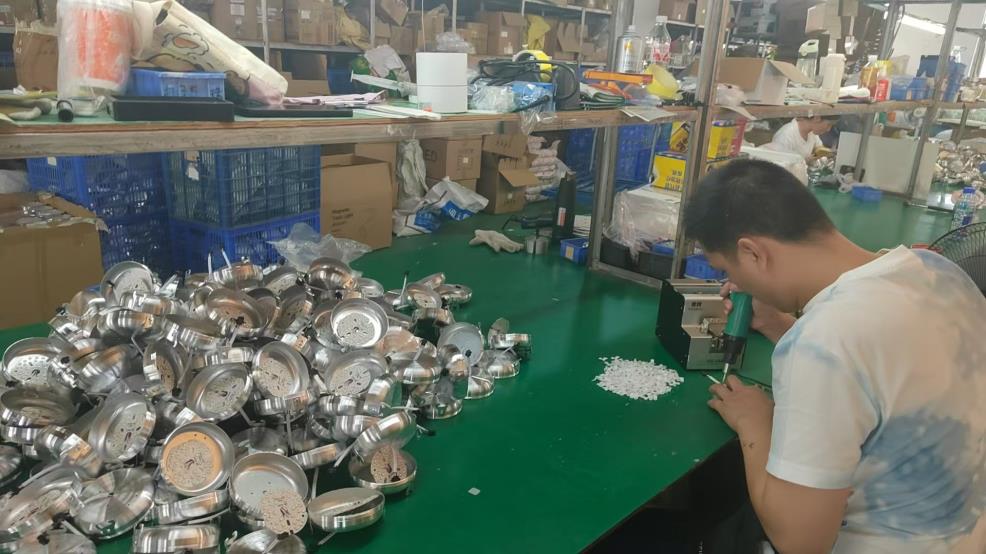
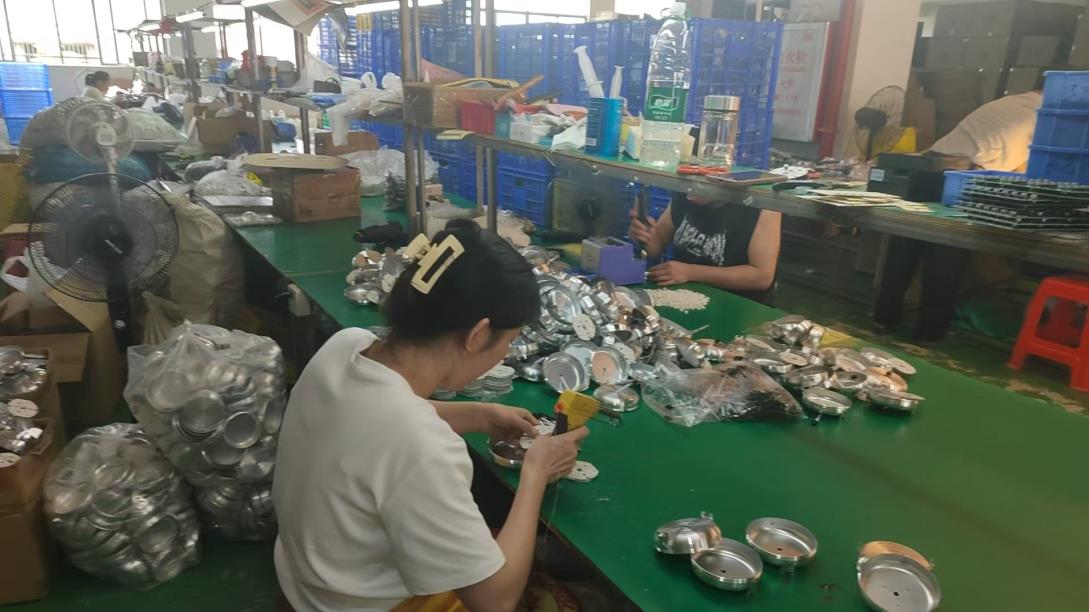
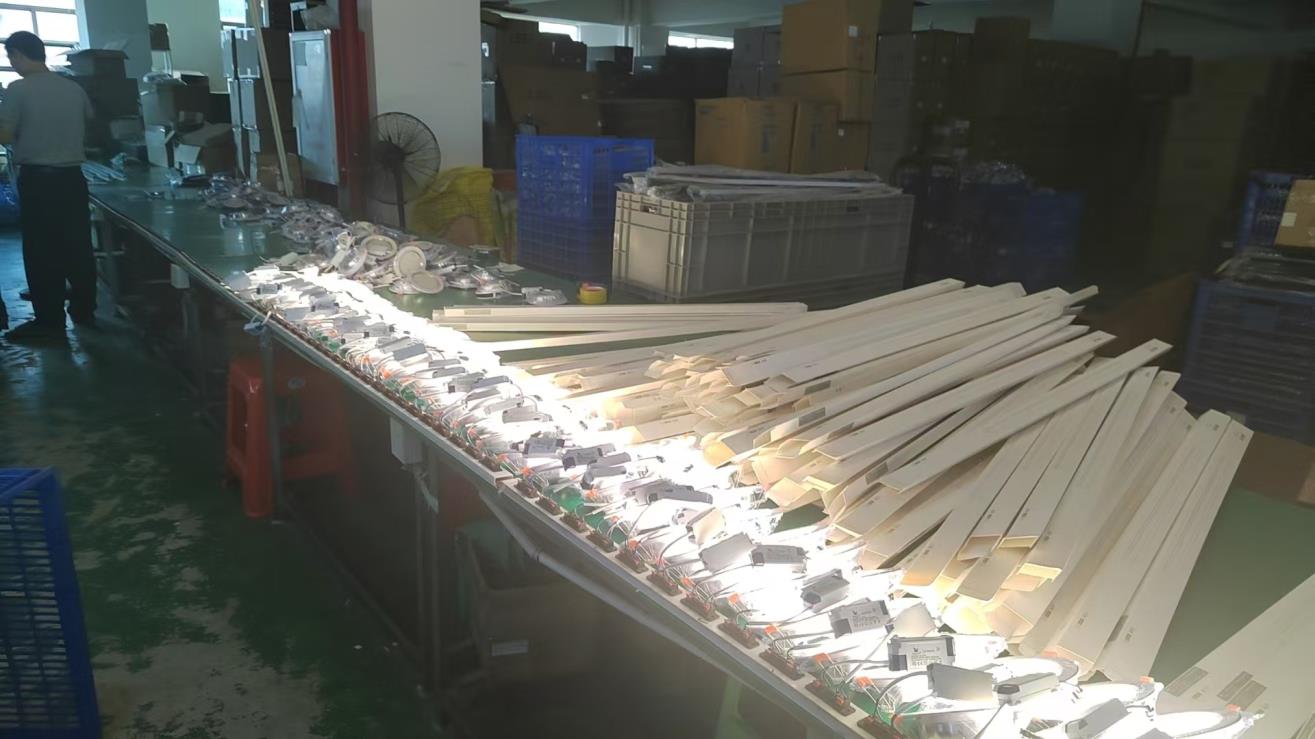
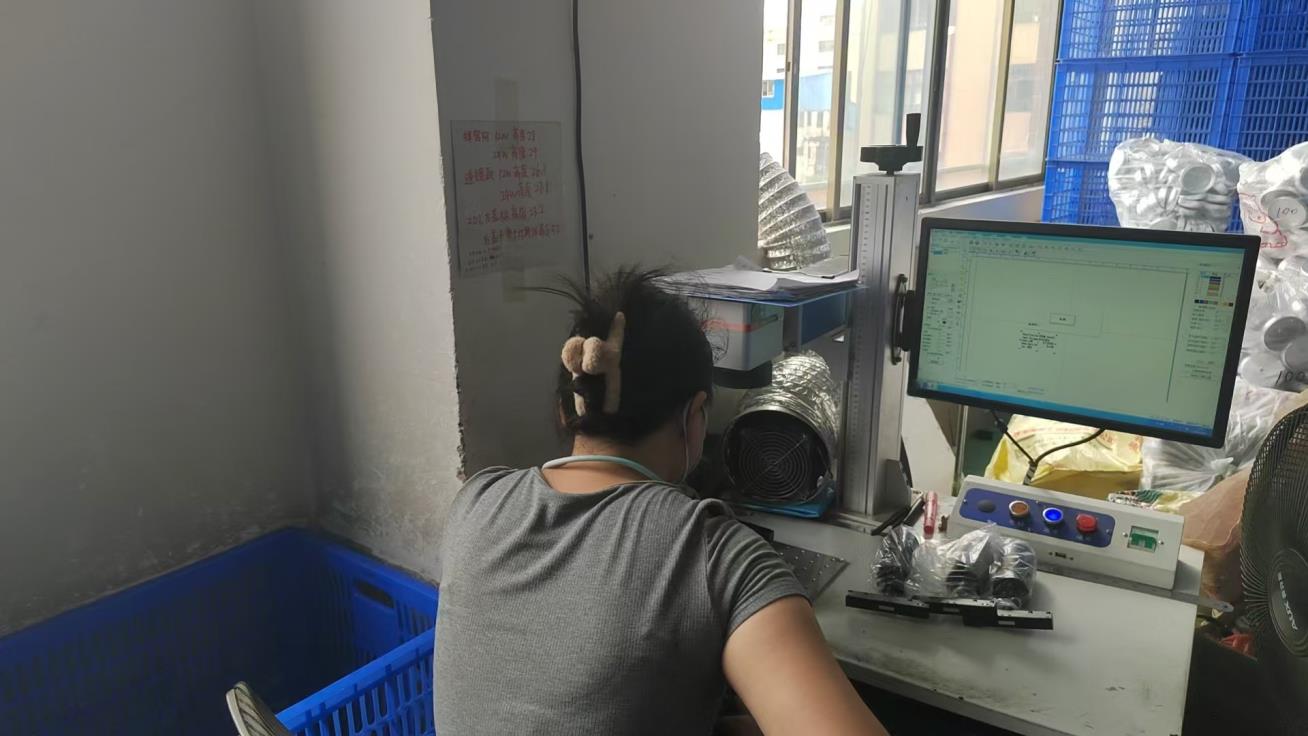
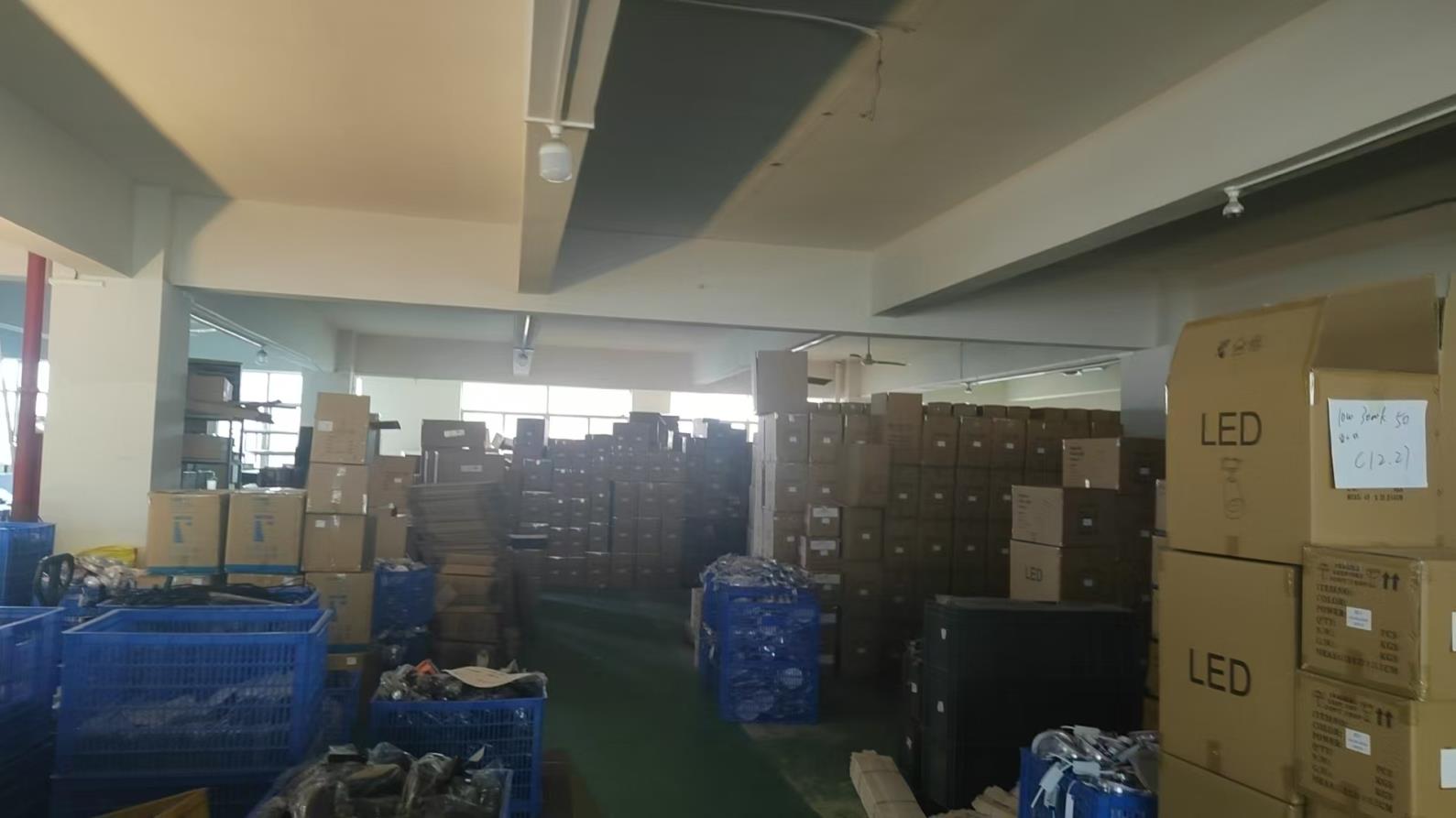
Inside the production lines of Hangzhou Pina Light Co., Ltd., showing structural assembly, testing, aging, and warehousing.
IP67 waterproof integrity depends on three core elements: premium, temperature-resistant silicone gaskets; waterproof cable glands (such as PG9 or PG11 nickel-plated brass); and built-in pressure equalization valves (Gore valves) that prevent internal condensation caused by pressure differences during thermal cycling.
The Standard Deviation of Color Matching (SDCM) defines how closely color output matches a target value. A 3-step MacAdam ellipse is generally invisible to the human eye, ensuring uniform color distribution across clean walls. In contrast, 5-step or higher binning can produce visible variations in color across the facade.
We utilize advanced structural thermal simulation software to analyze junction temperatures. By using high-grade 6063 aluminum, high-performance thermal interface materials (TIM), and heat-sink fins, we keep operating temperatures low. This design supports a projected L80B10 operational life of over 50,000 hours.
Yes. DMX512 control systems use dynamic signal addressing to manage RGB/RGBW pixels. For long runs, incorporating DMX signal amplifiers and isolated splitters helps prevent signal attenuation, while RDM (Remote Device Management) allows bidirectional device monitoring and troubleshooting from a central console.
Hazardous locations require explosion-proof classifications such as Class I Division 2 (UL844) or ATEX Zone 1/21 certifications. These fixtures must feature copper-free aluminum housings, impact-resistant tempered glass, and sealed compartments to prevent internal sparks or heat from igniting external gases or dust.
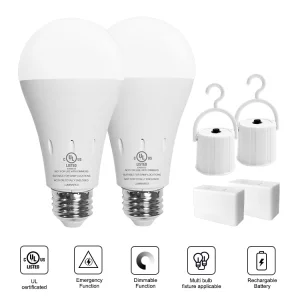
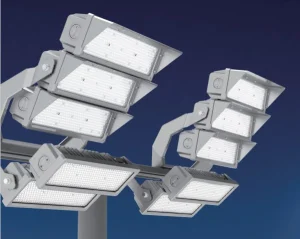
Industrial floodlights, marine-grade explosion-proof fixtures, track lights, and smart step systems for diverse design requirements.
 Pina Light