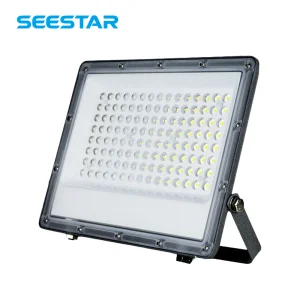
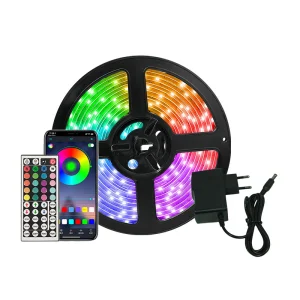
Precision engineered systems designed to elevate modern spatial aesthetics while ensuring exceptional lumen efficiency and operational reliability.
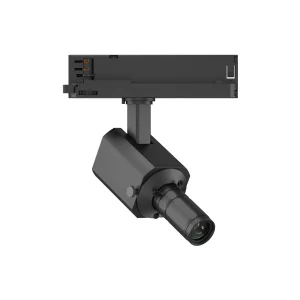
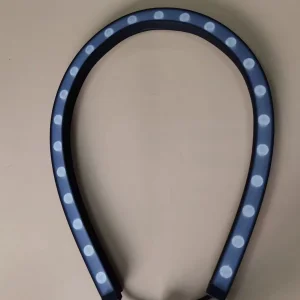
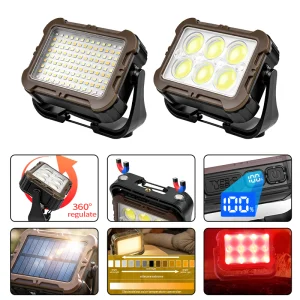
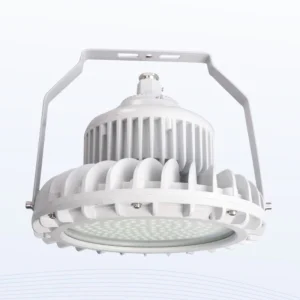
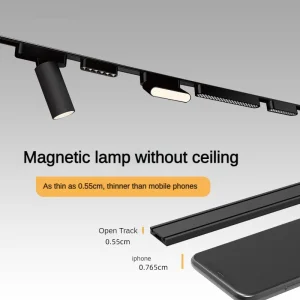
An in-depth analysis of engineering standards, manufacturing processes, and compliance matrices defining high-performance luminaire deployment.
Architectural lighting has transcended the basic paradigm of functional illumination. Today, it acts as a fundamental component of structural design, environmental identity, and emotional resonance. As global real estate and commercial projects implement strict regulatory and design criteria, procurement leaders require partners who integrate aesthetic precision with robust industrial engineering.
Hangzhou Pina Light Co., Ltd. stands at the forefront of this industrial shift. As a premier manufacturer and exporter headquartered in Hangzhou, China, we operate an expansive engineering and manufacturing network designed to deliver state-of-the-art solid-state lighting (SSL) configurations. By integrating advanced optical layouts, thermal management frameworks, and intelligent control architectures, our product lines satisfy the rigorous demands of developers, lighting designers, and contractors worldwide.
We have established our market positioning on strict compliance, design customization, and supply chain vertical integration. Whether deploying highly controlled gobo spot project projectors for museum gallery exhibits or high-output explosion-proof industrial luminaires for maritime environments, our engineering protocols align with international benchmark standards, prioritizing sustainability, operational efficiency, and lifetime performance.
Unlike basic trading brokers, Hangzhou Pina Light manages the entire product lifecycle from component metallurgy and LED driver design to final binning protocols. Our capability to control spectral variance (SDCM < 3) and custom-engineer high Color Rendering Index (CRI Ra > 95, R9 > 80) values provides a tangible product-differentiation advantage for enterprise projects.
China's dominance in the global solid-state lighting sector is built on robust industrial ecosystems. Hangzhou, a prominent high-technology hub, provides strategic proximity to advanced engineering research centers, raw material suppliers, and deep-water ports. This connectivity streamlines manufacturing, giving us significant production advantages:
Procurement processes for commercial, high-end residential, and civic infrastructure projects require precise adherence to design specifications. Our engineering division works directly with lighting consultants to meet critical technical parameters:
Full compatibility with DMX512-A, DALI-2 (Device Type 6 & 8), 0-10V analog dimming, and wireless mesh networks (Zigbee, Casambi) for seamless building automation integration.
Engineered lens profiles with custom beam spreads (ranging from 5° ultra-narrow spot to 120° wide flood) to manage glare rating (UGR < 19) and prevent light pollution.
Multi-stage internal surge protection (up to 10kV/20kV), robust active/passive cooling systems, and high-efficiency constant current drivers (Meanwell, Inventronics, Lifud).
Working with overseas manufacturers can present challenges in regulatory compliance and local legal frameworks. Hangzhou Pina Light addresses these complexities directly. We manage compliance in-house to guarantee that our products meet the certification standards of your destination market:
In addition to product certifications, we offer comprehensive engineering documentation to support the design process, including IES file libraries for Dialux simulations, architectural 3D CAD files, thermal test reports, and certificate documentation.
The solid-state lighting market is evolving rapidly. To help our clients stay competitive, our R&D efforts focus on several key emerging technologies:
Human-Centric Lighting (HCL) & Tunable White Systems: By matching natural circadian rhythms, tunable white lighting (ranging from 1800K to 6500K) enhances productivity and well-being in commercial offices, educational facilities, and healthcare spaces.
Sustainable Design & Material Circularity: In line with global decarbonization goals, we design our products for circularity. This includes using recycled aluminum housings, modular driver setups for easy replacement, and adhesive-free assembly to simplify recycling at the end of the product's life.
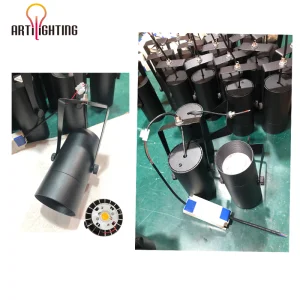
An inside look at our manufacturing workflows, showcasing our commitment to assembly precision, rigorous testing, and secure packaging.
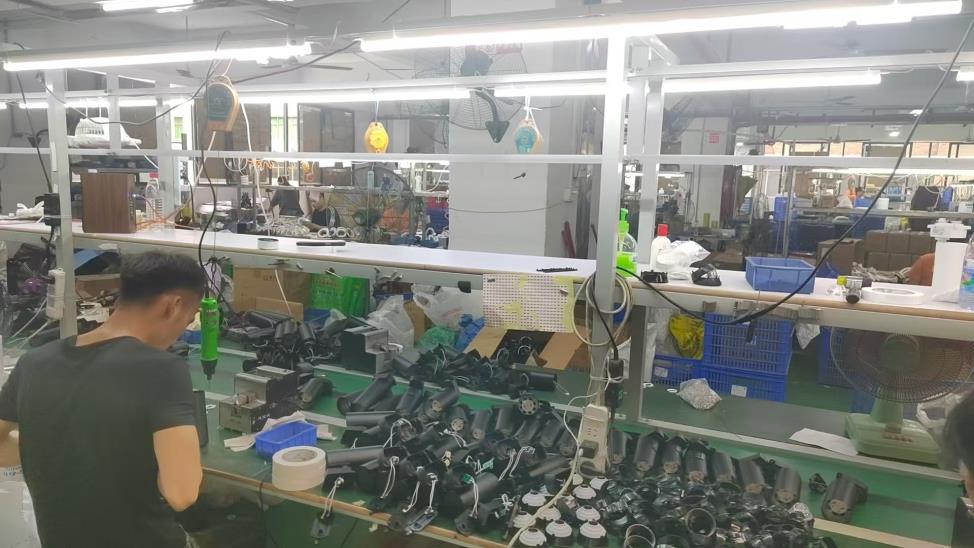
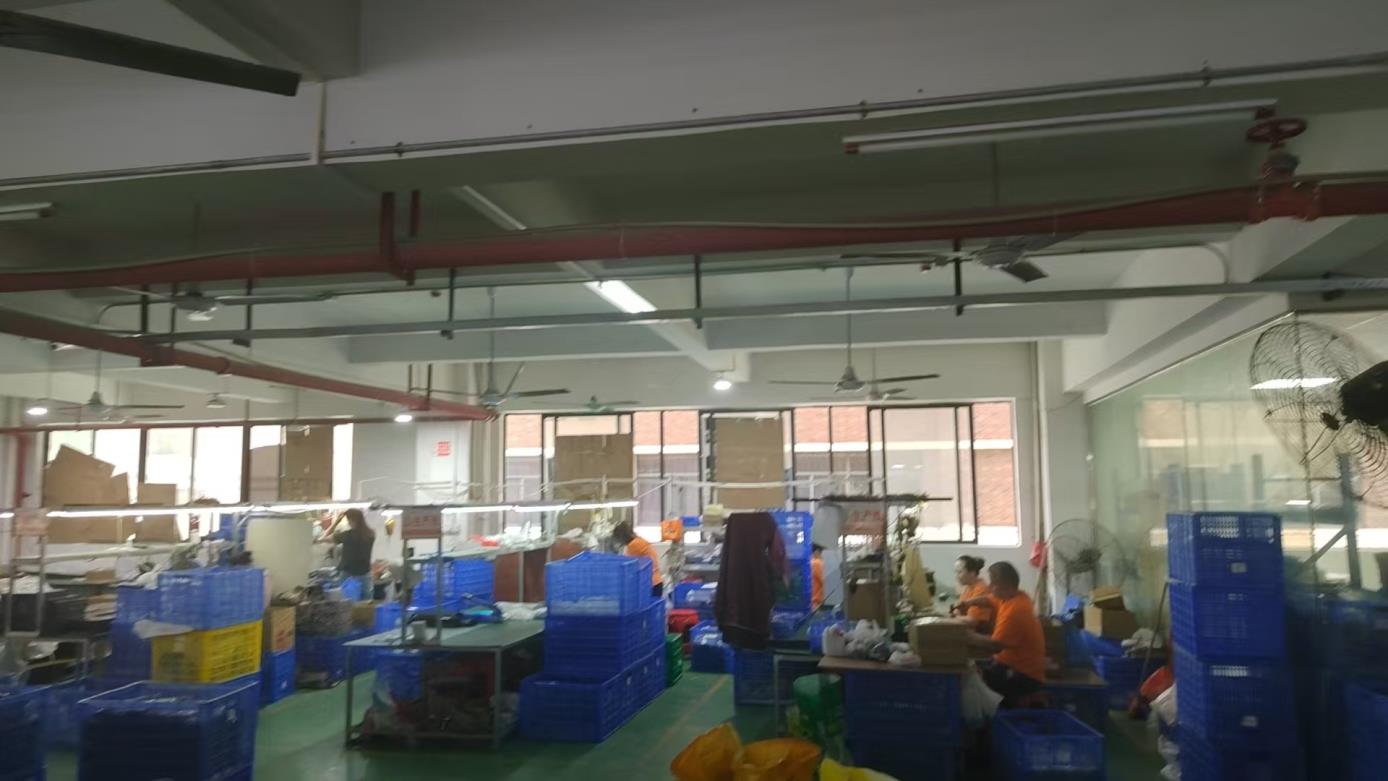
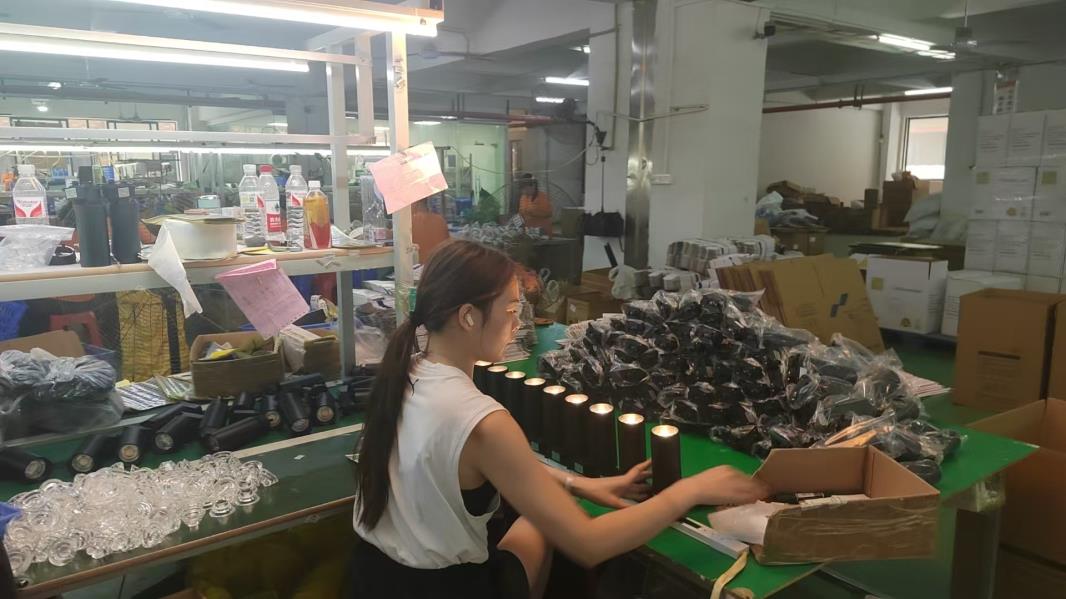
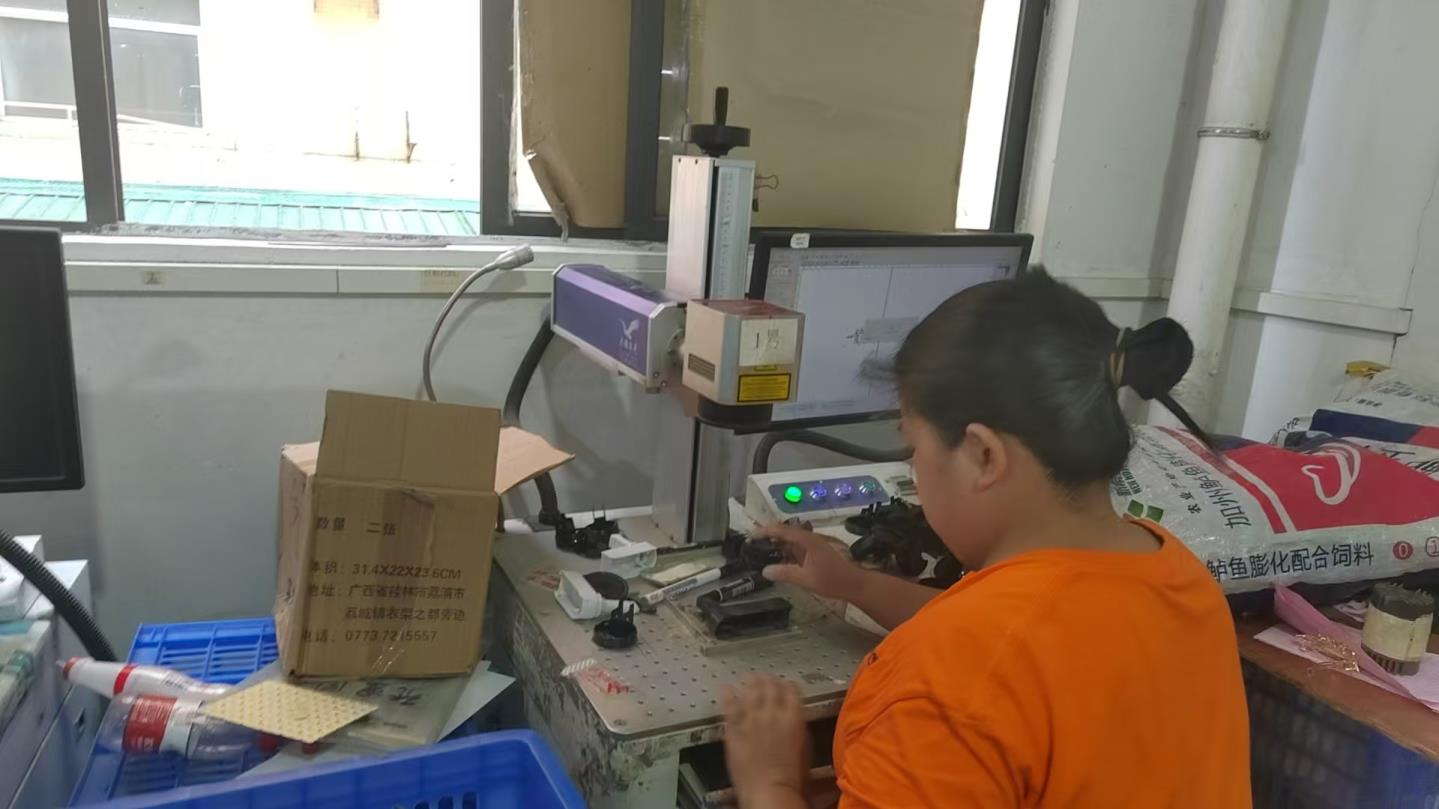
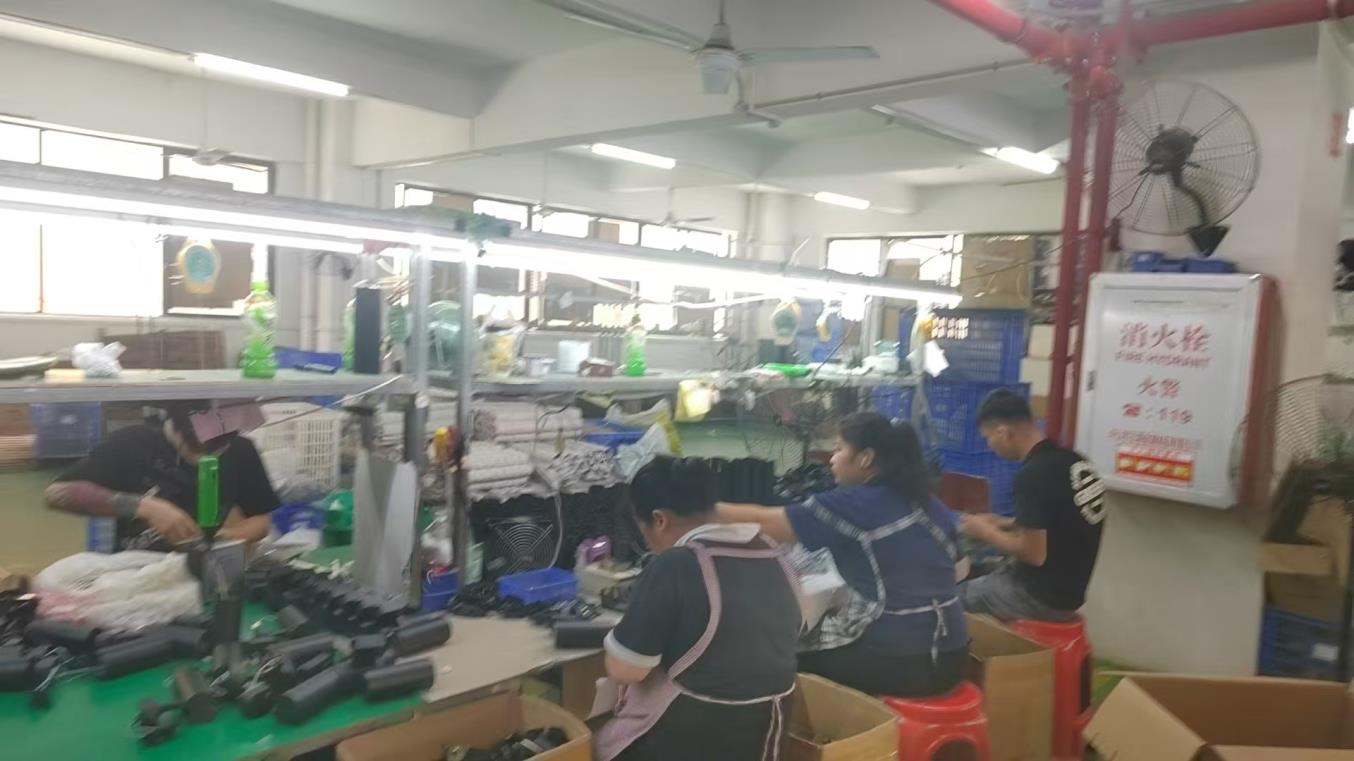
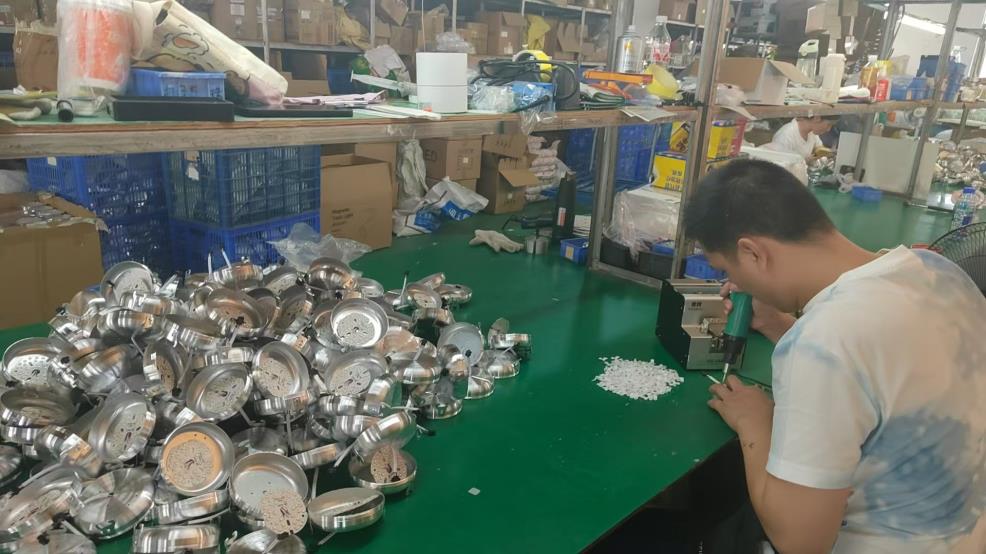
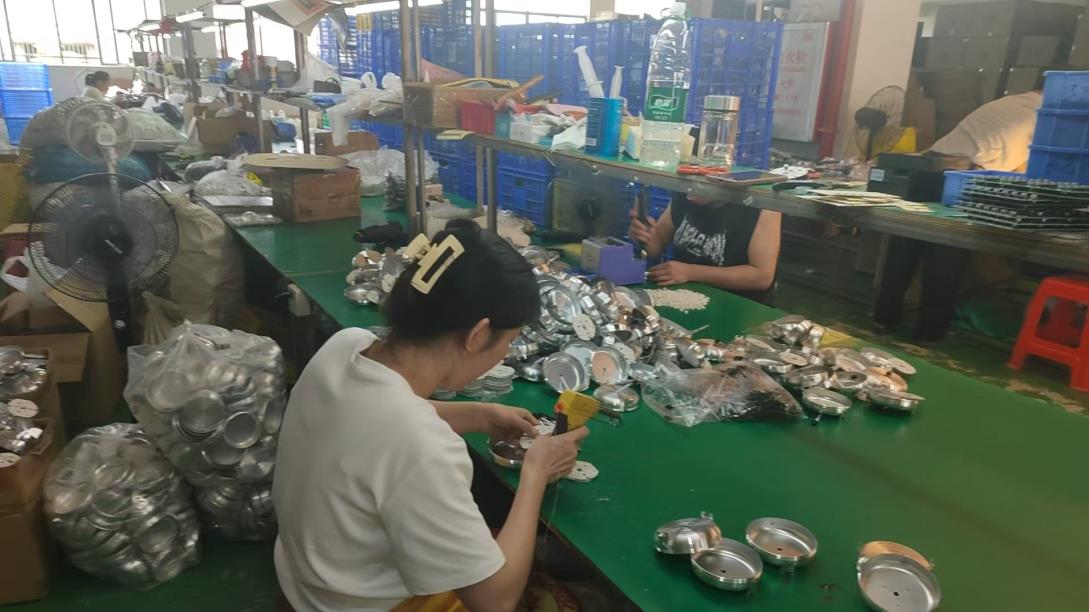
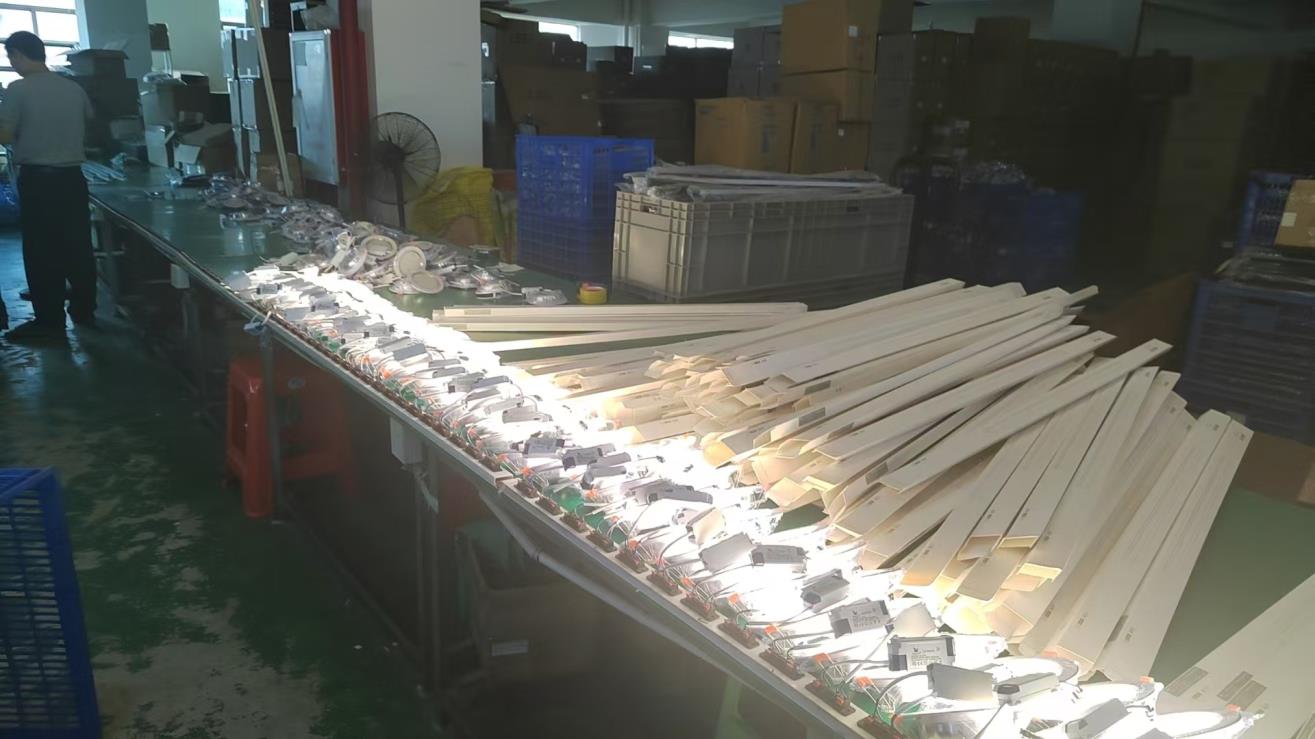
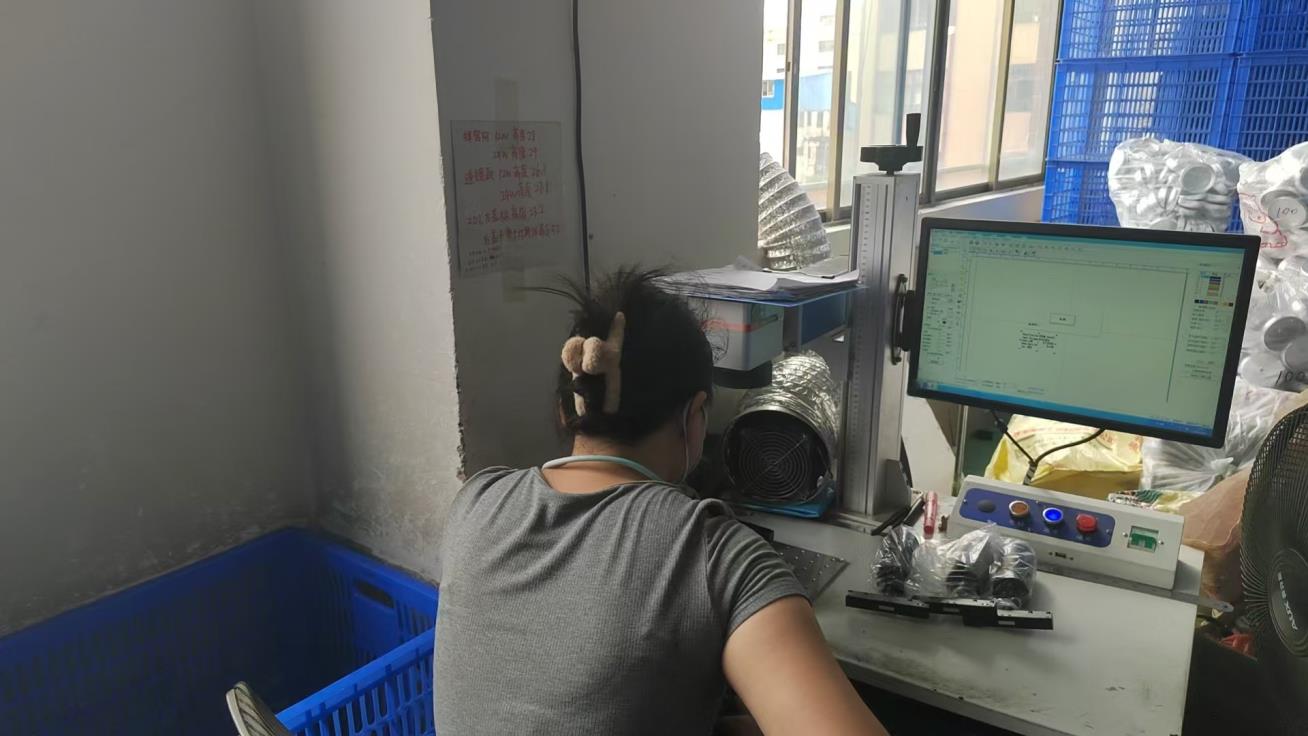
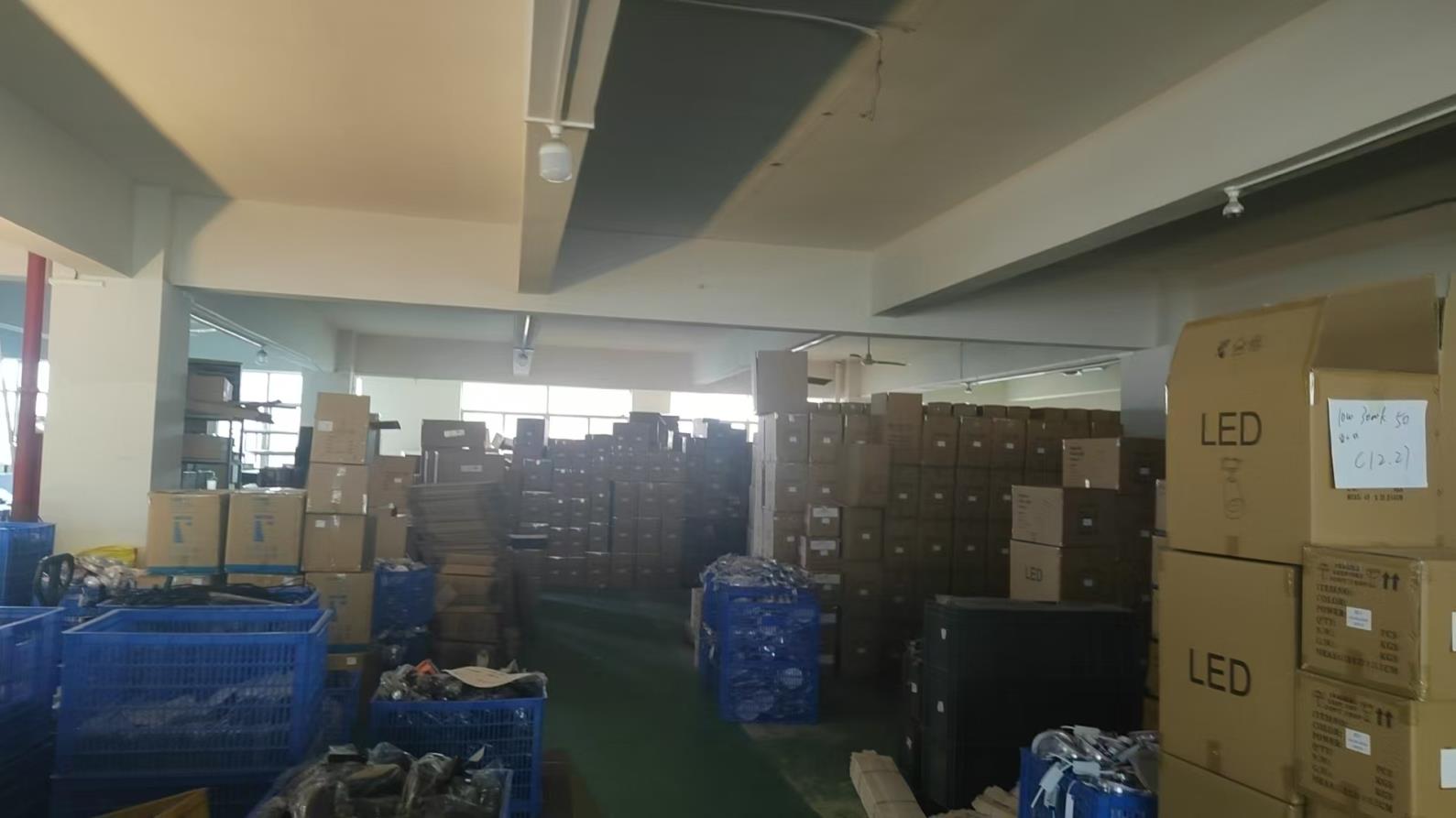
Architectural lighting layouts must be customized to the spatial demands of each project. Below, we detail four key application scenarios and how our products meet their design requirements:
These environments require precise beam control and high color fidelity. Our Gobo Framing Projectors and Zoomable DALI Track Spotlights feature high CRI (Ra > 95) and narrow beam optics. This lets designers highlight specific objects and adjust focal lengths while protecting sensitive artwork from UV exposure.
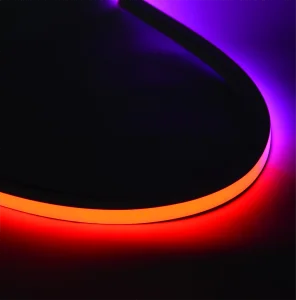
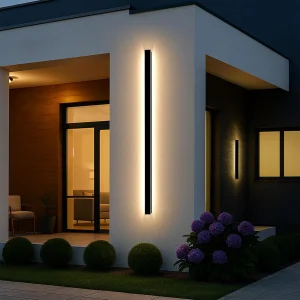
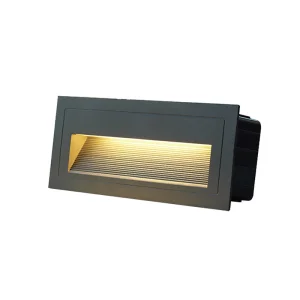
Outdoor exterior applications require rugged, weather-resistant fixtures. Our IP65/IP67 rated linear wall washers and step lights feature robust aluminum housings, UV-stabilized optics, and integrated DMX control. These features support dynamic lighting effects and ensure reliable performance in harsh weather conditions.
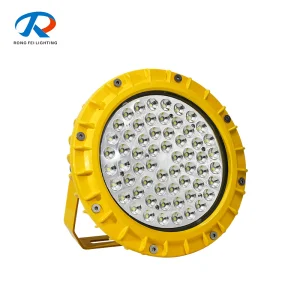
Warehouses, marine environments, and manufacturing plants require rugged, high-output lighting. Our explosion-proof LED high bays and heavy-duty floodlights feature spark-resistant structures and thermal management. This ensures reliable operation in high ambient temperatures and dusty or gas-prone environments.
Q: How does Hangzhou Pina Light manage color consistency across large production batches?
A: We use a strict 3-step MacAdam Ellipse (SDCM < 3) color binning process. By sourcing LEDs from consistent manufacturing runs and using precise color matching protocols, we ensure uniform color temperature (CCT) and prevent color shifting across large installations.
Q: What levels of customization do you offer for OEM/ODM clients?
A: We offer comprehensive OEM/ODM customization services. This includes modifying beam angles and optical lenses, engineering custom driver boards for specific control protocols (DALI, DMX, Zigbee), designing custom-extruded aluminum housings, and applying private-label branding and packaging.
Q: What testing protocols do you use to verify your IP66/IP67 waterproof and explosion-proof ratings?
A: Every waterproof and explosion-proof fixture undergoes rigorous testing. This includes vacuum pressure testing, water immersion testing, temperature-rise testing in automated environmental chambers, and spectroradiometric testing to confirm optical performance.
Q: How does the order and shipping process work for large-scale international projects?
A: We assign a dedicated project engineer and account manager to oversee every custom order. Our team handles the entire process—from drawing approval and prototype testing to mass production, final quality control inspections, export documentation, and global shipping logistics.
High-performance systems designed for architectural, landscape, and specialty lighting applications.
 Pina Light