An in-depth analysis of low-voltage (12V/24V/48V DC) power routing, smart protocol architectures, and standard compliance frameworks necessary for commercial, residential, and industrial deployments.
In modern architectural engineering and landscape design, the transition from high-voltage AC mains to Low Voltage DC Solid-State Lighting (SSL) represents a profound architectural shift. Low-voltage networks—typically operating at 12V DC, 24V DC, or emerging 48V DC—reduce systemic risk, allow for micro-dimming resolutions, and comply with safety extra-low voltage (SELV) standards. These systems minimize electrocution hazards, simplifying local code approvals for complex designs.
For global distributors, sourcing from China demands a shift from buying "off-the-shelf commodities" to partnering with vertically integrated manufacturers who design for electrical stability, long-term thermal management, and standard integration. Hangzhou Pina Light Co., Ltd. leads this space by engineering intelligent, reliable systems that meet these demands.
Designed to comply with UL 8750, EN 60598, UKCA, and CE-LVD standards, ensuring seamless integration into Western municipal and commercial systems.
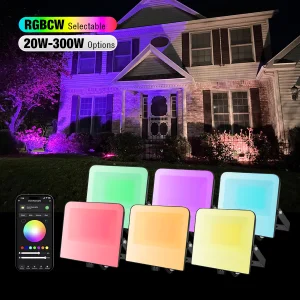
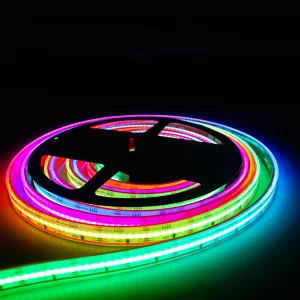
Utilizing high-frequency WS2811 and DMX512 dynamic driver chipsets for smooth color transitions without pixelation or electromagnetic interference (EMI).
The global low-voltage LED landscape is evolving rapidly, driven by energy efficiency standards (like EU ErP requirements and California Title 24) and the growth of intelligent buildings. B2B importers must track three key technical shifts:
Standard SMD configurations create distinct hot spots, requiring thick diffusion lenses. COB configurations route mini-chips directly to a flexible PCB beneath a continuous phosphor layer. This reduces thermal paths and drops operating temperatures by up to 15%, extending chip life to over 50,000 hours.
System Heat Dissipation Index (Higher is Better): 85% COB vs 55% SMD
Voltage drop occurs over long distance lines because of wire resistance ($V_d = I \times R \times L$). While 12V systems struggle over 5 meters, 24V and 48V topologies run longer distances with thinner copper traces. Pina Light uses double-sided 2oz copper PCBs to keep voltage drop under 5% over 10-meter runs.
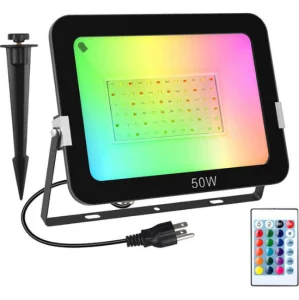
Many standard products claim high IP ratings but fail under thermal cycling. Extruded aluminum housing with silicone seals protects Pina Light’s floodlights (IP65/IP66), stopping moisture ingress from pressure differences during fast cool-downs.
For high-end residential and commercial projects, typical CRI 80 is no longer enough. High-performance projects require a minimum of $R_a \ge 90$ and $R_9 \ge 50$. Pina Light's advanced phosphor mixes deliver natural color representation across residential and commercial series.
Headquartered in Hangzhou, China, Hangzhou Pina Light Co., Ltd. is a specialized manufacturer and exporter of innovative LED lighting solutions. With an established manufacturing network and strategic industry partnerships, the company handles the design, development, production, and global distribution of high-quality lighting systems. Our products are engineered for commercial, industrial, residential, and specialty applications.
Our core portfolio features advanced LED grow lights, warehouse and high-bay lighting, flood lights, area lighting, street lights, retrofit solutions, and customized OEM/ODM products. Using modern LED technologies and intelligent controls, Pina Light delivers energy-efficient, reliable, and cost-effective solutions for clients globally.
We serve markets across North America, Europe, South America, the Middle East, and Southeast Asia. Products are built to meet strict quality standards, holding globally recognized certifications such as CE, RoHS, FCC, ETL, and UL to ensure market access and compliance.
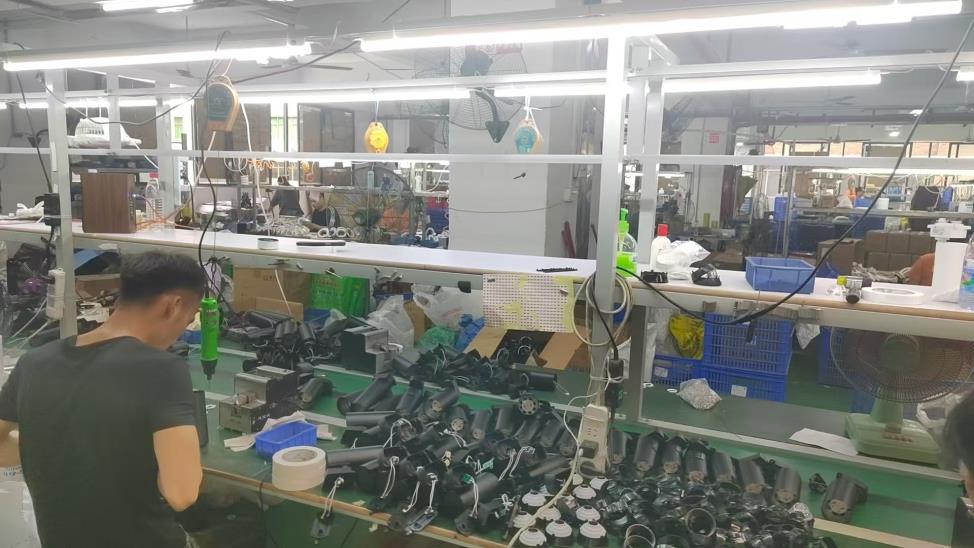
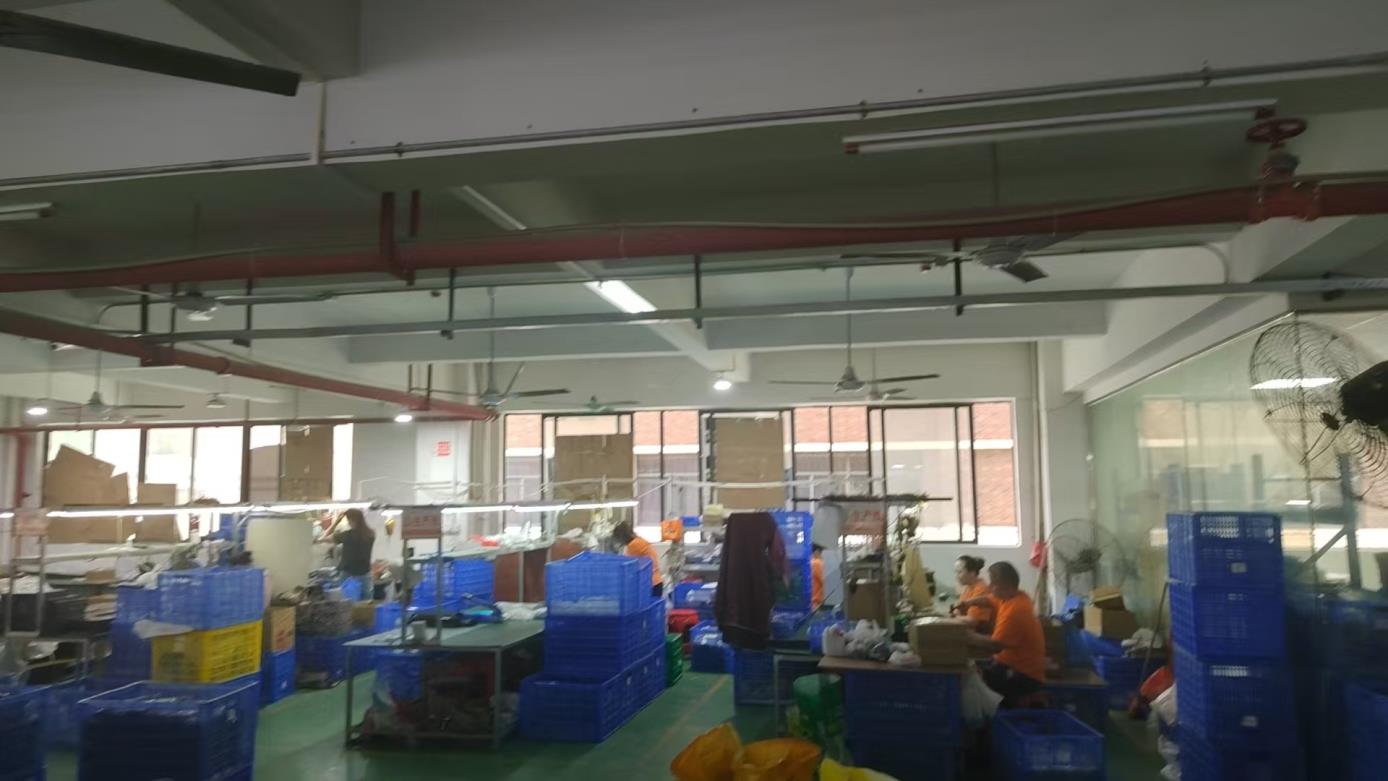
Pina Light maintains transparency at every step of manufacturing. The quality management system covers each phase of production, from raw SMT assembly to the final pre-shipment inspections:
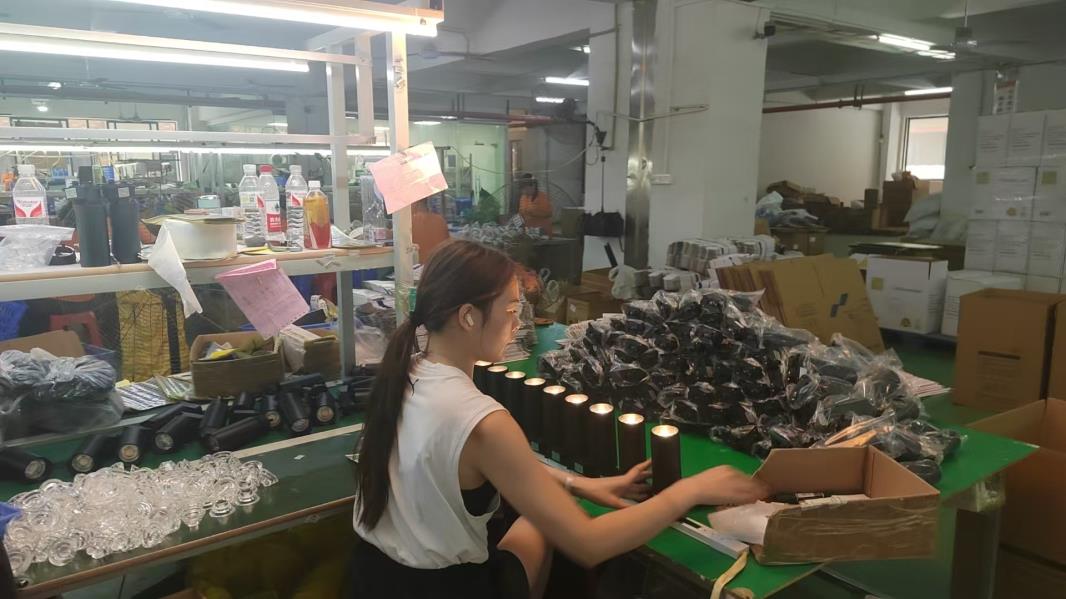
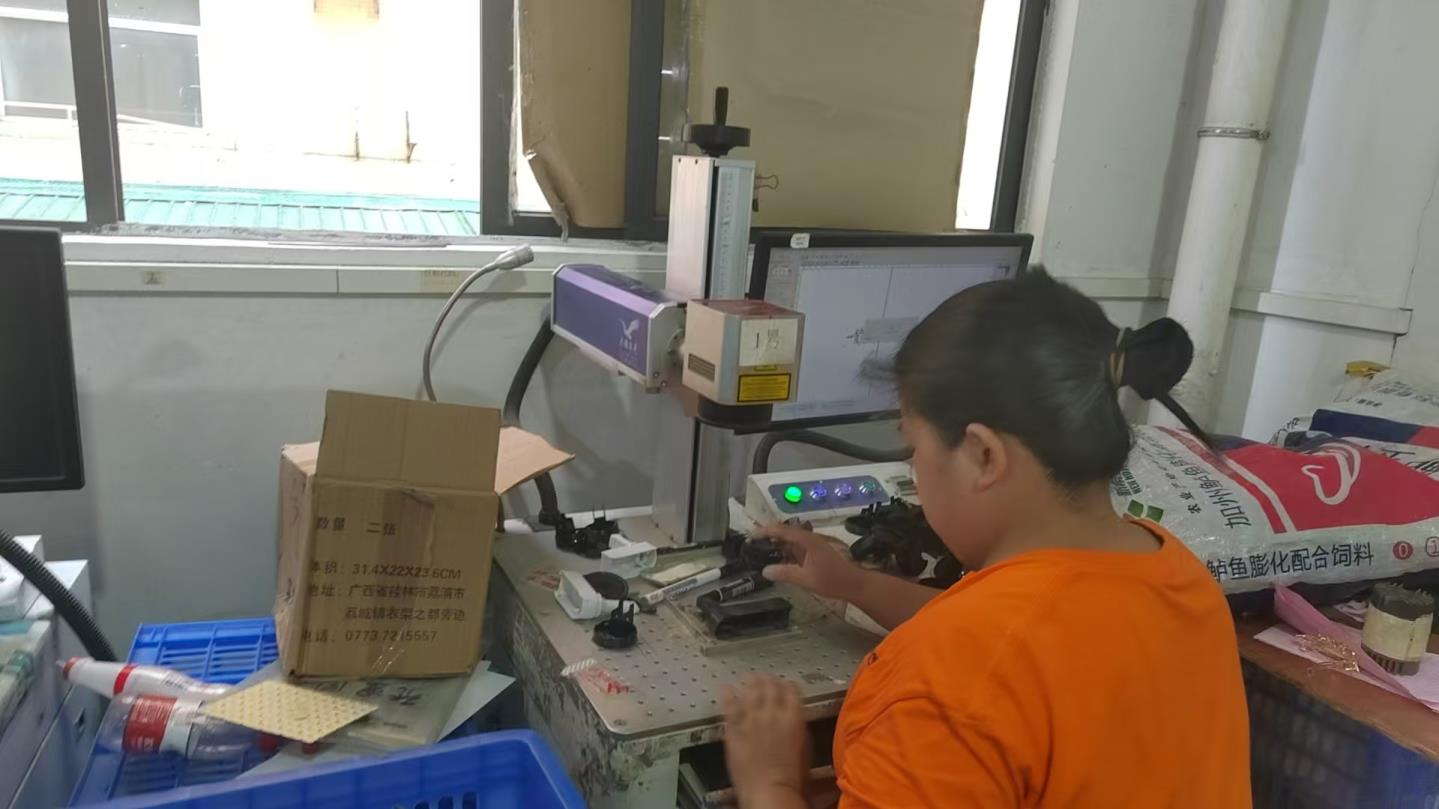
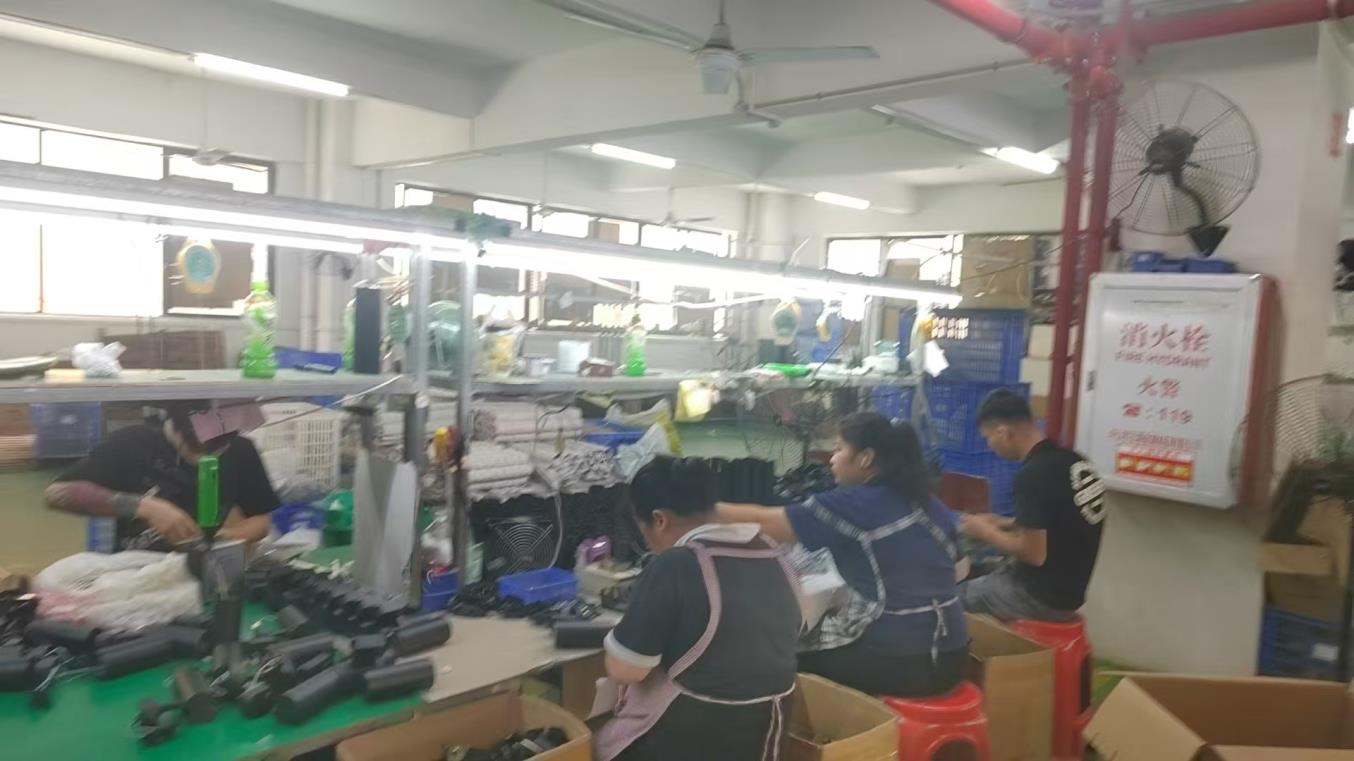
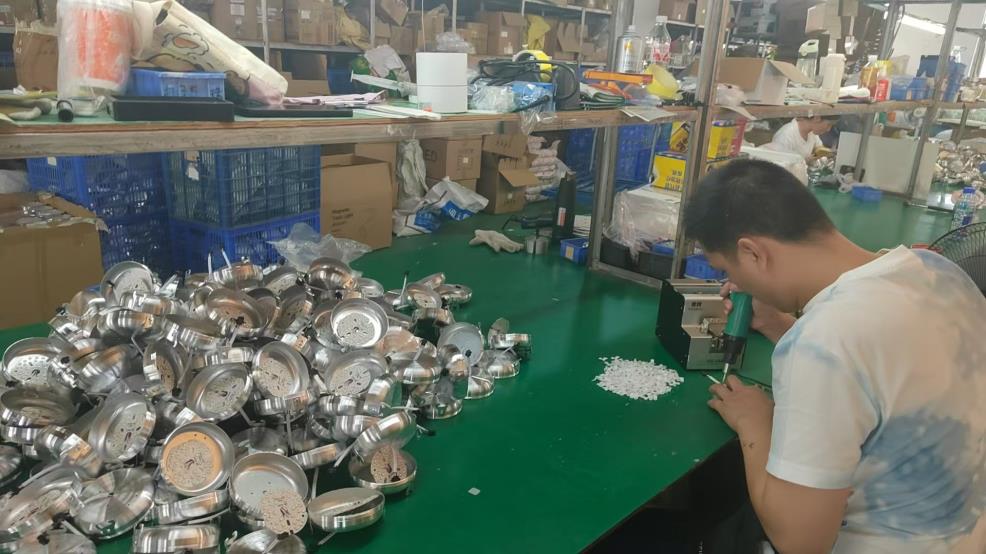
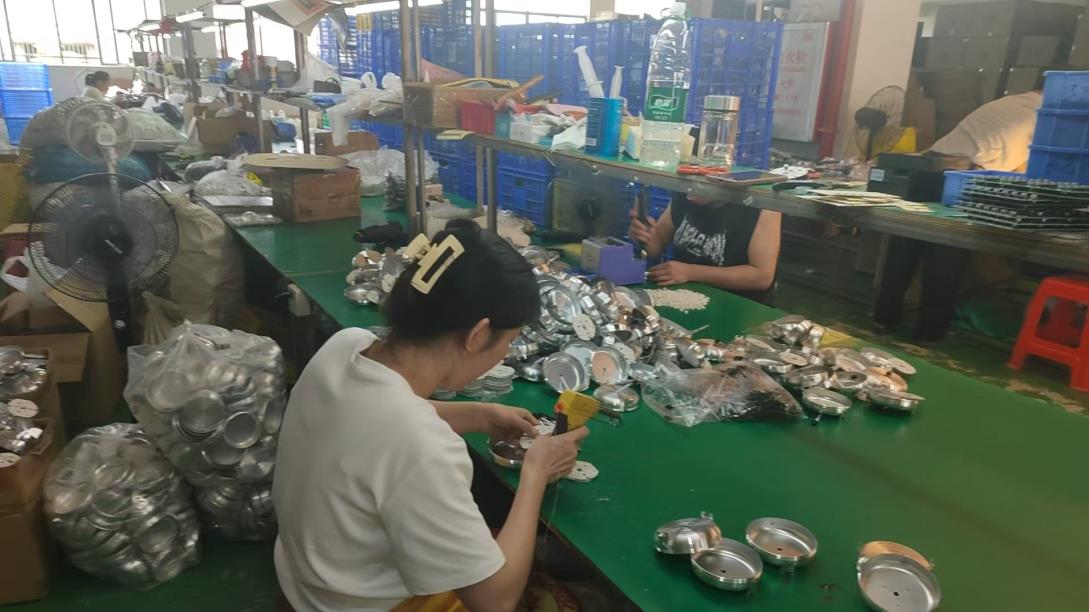
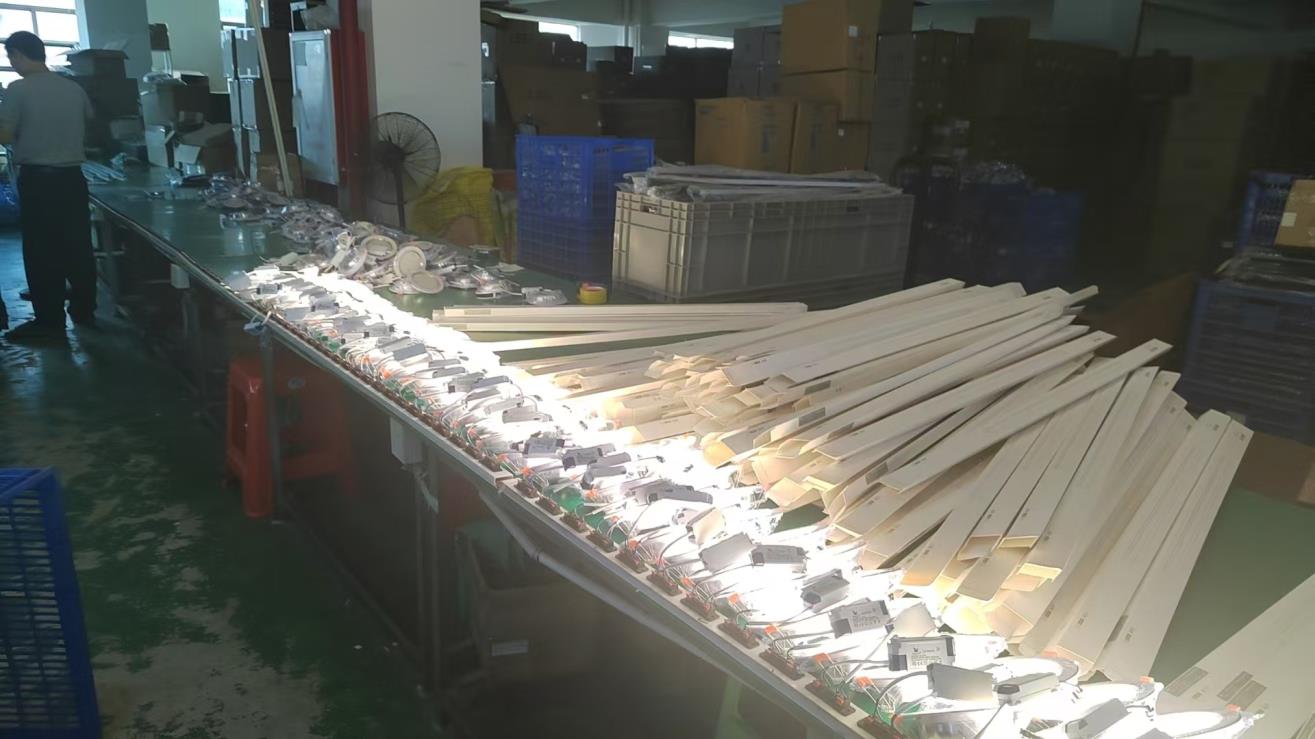
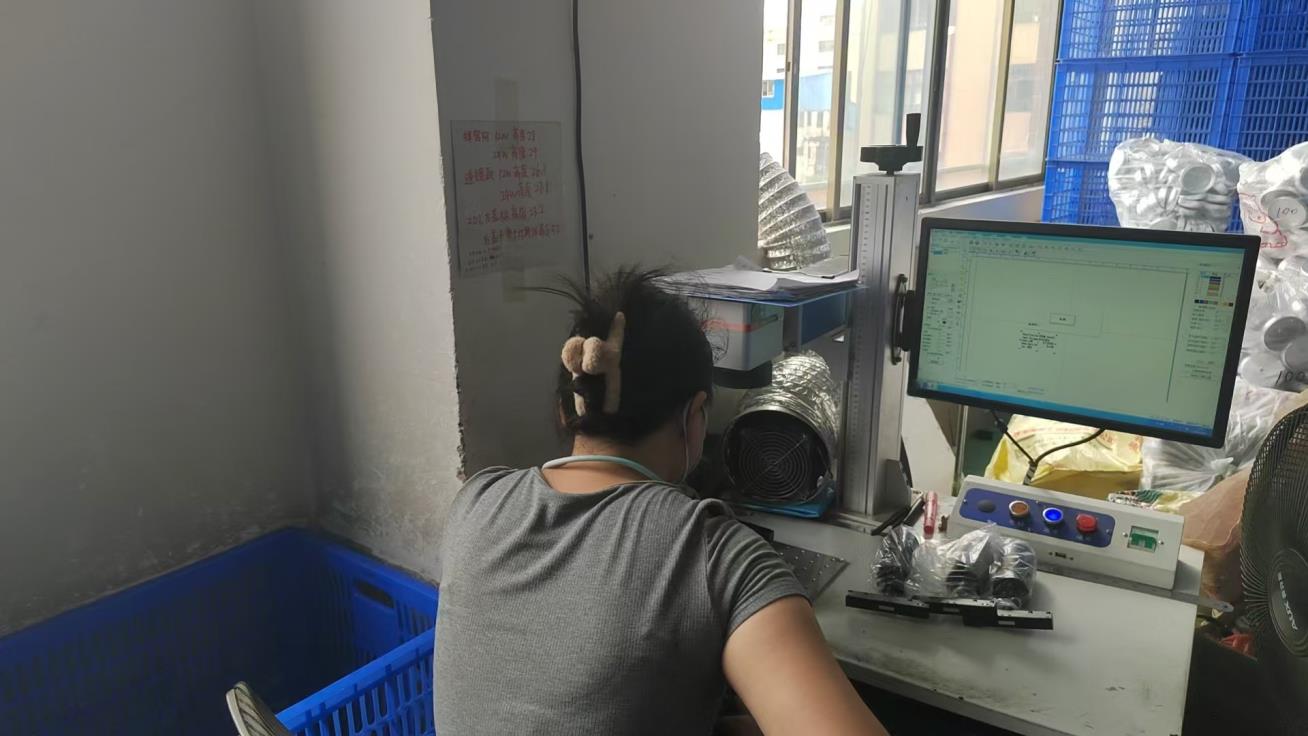
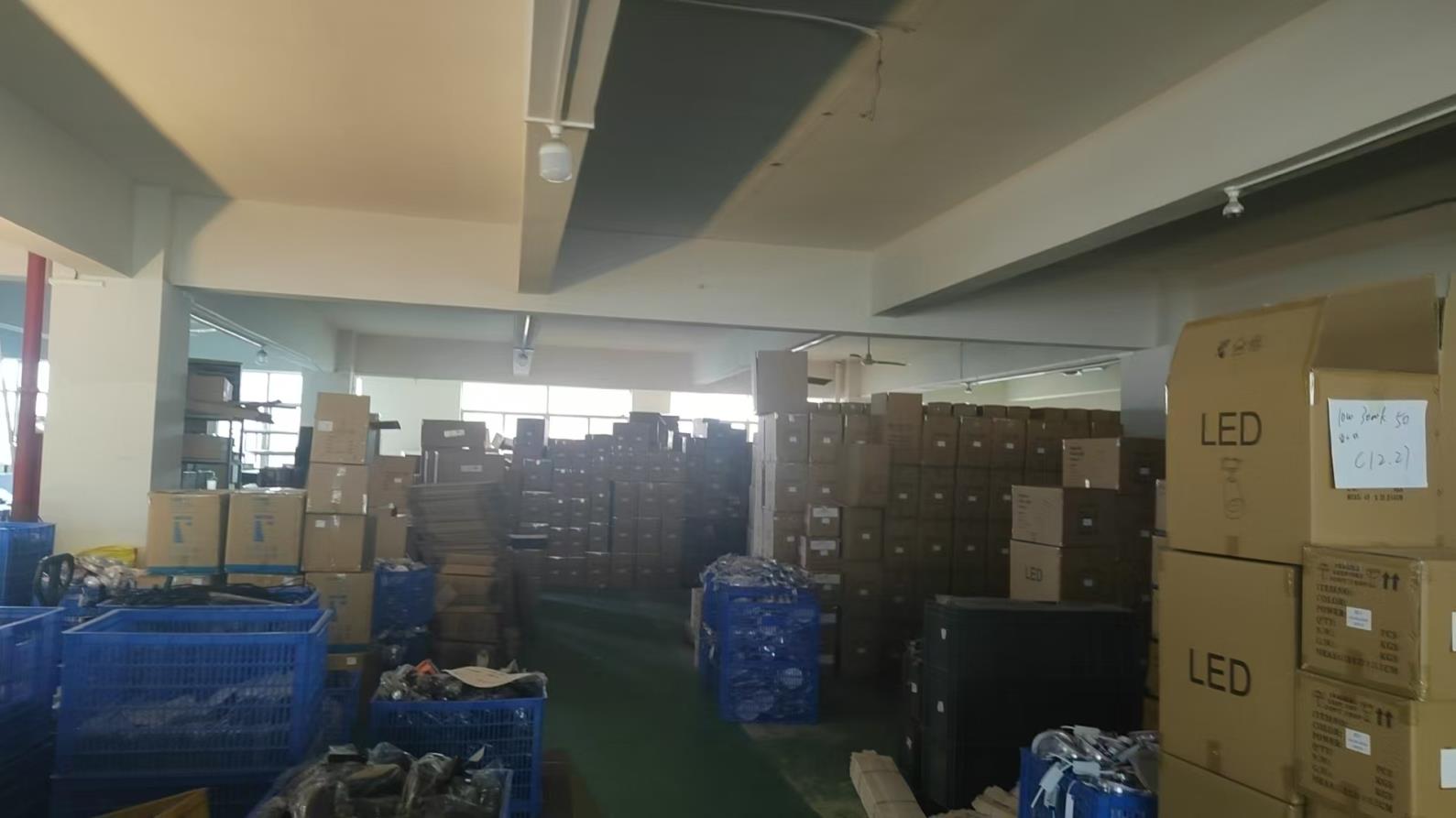
The future of low-voltage architectural lighting lies in control granularity and efficiency. As building management software becomes more intelligent, hardware must keep pace. Hangzhou Pina Light Co., Ltd. is focusing its development on three key areas:
With the rise of IoT standards like Matter, we are transitioning our low-voltage smart drivers to natively support Thread mesh networks. This ensures low-latency control and cross-brand interoperability without relying on heavy gateway hubs.
As energy prices climb, we are developing LED configurations that exceed 180 lumens per watt (lm/W) for commercial fixtures and up to 3.0 μmol/J for horticultural grow systems. This helps project developers meet strict green building certification criteria.
We are optimizing our linear fixtures and panel drivers for direct DC grid inputs and PoE networks. This allows fixtures to receive power and transmit telemetry over a single Ethernet cable, bypassing traditional AC installation steps entirely.
Operating in international markets requires navigating complex local laws, customs compliance, and safety certifications. A reliable partner must support clients beyond simple product manufacturing:
Regulatory Compliance: We verify that products are tested in accredited laboratories to meet local standards. This includes complying with Title 24 flicker and efficiency rules in North America, ErP directives in the European Union, and electrical safety standards in South America and the Middle East.
HS Code Classification and Tariff Mitigation: To prevent import clearance issues, we ensure exact HS code classification for every component. We also design products with modular drivers, allowing buyers to import components separately under favorable tariff categories.
Customized Packaging and Branding: We offer custom labeling, laser marking, and bulk packaging options. This simplifies integration into regional distribution networks and helps clients build brand consistency.
24V DC systems cut the electrical current in half compared to 12V systems for the same power load ($I = P/V$). This reduction lowers heat generation and voltage drop along the run. It allows for longer continuous installations (up to 10-15 meters) without requiring secondary power feeds, saving on wiring and installation costs.
Our floodlights feature heavy-duty ADC12 die-cast aluminum housings designed with thermal chimneys. This structure channels heat away from the LED chips and power driver. We also use high-conductivity thermal paste ($>3.0 \text{ W/m·K}$) to transfer heat efficiently to the cooling fins, keeping junction temperatures below 75°C.
Standard product samples are ready in 7-10 days, while custom OEM/ODM designs take 20-25 days for initial prototyping. Once prototypes and designs are approved, mass production orders are typically fulfilled in 30-45 days, depending on order size and custom component specifications.
Fixtures undergo automated pressure spray tests in our QC laboratory. IP65 testing uses a water jet nozzle, and IP66 testing uses high-pressure water streams from multiple angles. We then run the fixtures through temperature cycle tests to ensure the housing seals remain intact under vacuum pressure changes.
 Pina Light