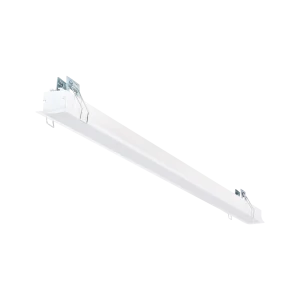
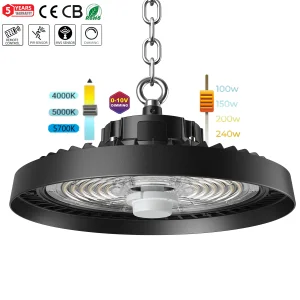
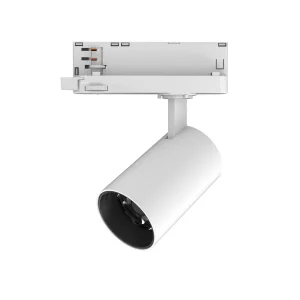
In the modern optoelectronic landscape, narrowbeam LED lighting has evolved from a niche specialty to an essential design standard across architectural, maritime, heavy industrial, and large-scale public infrastructure environments. Defined primarily by highly concentrated beam angles—typically ranging from 1° to 15°—narrowbeam illumination is engineered to cast a highly focused shaft of light over considerable distances, reducing optical spill while maintaining intense localized lux levels.
The global demand for narrowbeam solutions is driven by two main forces: architectural aesthetics and optical efficiency. Designers use narrowbeam systems to illuminate high-rise building facades, pillars, bridges, and monuments, highlighting textures and structures without causing light pollution in surrounding urban areas. Industrially, narrow beam distribution is used in high-ceiling warehouses, sports arenas, and marine vessels to direct light exactly where it is needed, minimizing energy waste.
The convergence of semiconductor innovation, optical material science, and intelligent control protocols is reshaping how narrowbeam lights are manufactured and deployed.
Traditional reflectors are increasingly replaced by Total Internal Reflection (TIR) lens designs. Solid-state PMMA (polymethyl methacrylate) and high-borosilicate glass lenses allow for exact control over optical pathways. By capturing nearly all light generated by the LED emitter, TIR lenses redirect photons into tight, coherent columns, achieving beam angles as narrow as 1.5° with minimal side-lobe glare.
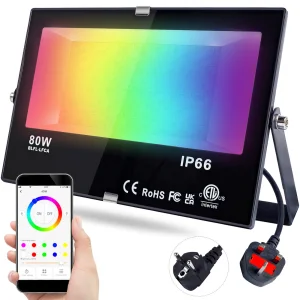
Narrowbeam systems are no longer static. Integration with DALI-2, Casambi, and DMX512 controllers allows operators to dynamically adjust beam patterns, color temperatures (CCT), and RGBW color states. In architectural settings, this allows buildings to alter their appearance dynamically depending on schedules or events, with high levels of remote-controlled precision.
Chip-on-Board (COB) technologies compress dozens of micro-LED dies into extremely small surface areas (Light Emitting Surfaces - LES). This concentration of light source makes it possible for collimating lenses to focus light from a near point-source, which is vital for maintaining tight narrow beams over long distances.
Engineering parameters defining the future path of high-intensity beam technologies.
Utilizing high-purity aluminum alloys (die-cast ADC12) and vapor chamber heat sinks to ensure junction temperatures (Tj) remain below 85°C, ensuring the longevity of critical components.
Transitioning to Gallium Nitride (GaN) driver components to reduce size, increase switching speeds, and enhance system efficiencies up to 96% with integrated surge protection (10kV/20kV).
Applying anti-reflective, hydrophobic, and anti-dust coatings at the nanometer level on outer protective glass covers to prevent transmission degradation in harsh environments.
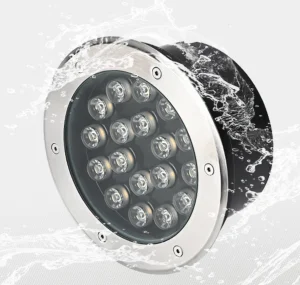
Engineering fixtures with IP66, IP67, and IP68 ratings alongside IK08/IK10 impact resistance, allowing for durable installation in marine environments, chemical processing plants, and seismic regions.
Analyzing how narrowbeam lights perform across specific municipal, industrial, and commercial installations.
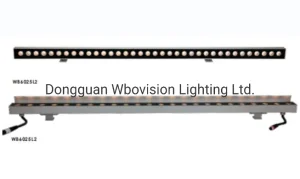
For historical towers, tall office facades, and structural pylons, narrowbeam spotlights are positioned at the base to project light straight up without spilling into windows or the night sky. This focuses the lumen output to trace column lines and structural shapes cleanly.
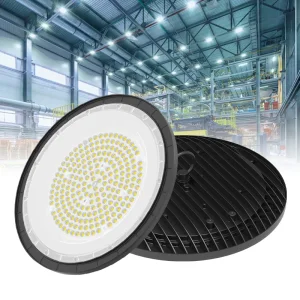
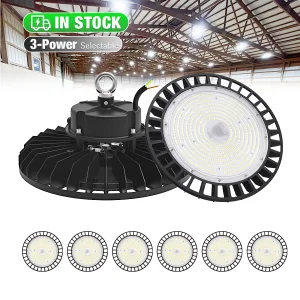
In distribution centers with ceilings higher than 15 meters, wide floodlights disperse light broadly, leading to poor illuminance at the ground level. Narrowbeam LED high-bays direct light straight down aisles, helping operators read labels clearly and work safely.
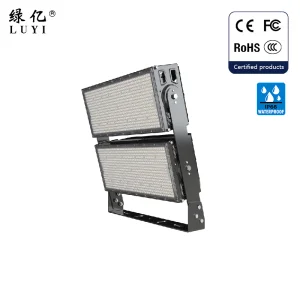
Large sports venues require precise lighting configurations. High-output narrowbeam LED floodlights allow for long throw distances from perimeter poles, focusing light onto the field of play. This provides consistent light levels for players and broadcasts while minimizing glare.
SEO Insights & Information Gain: When specifying narrowbeam lights, designers must consider the relationship between Beam Angle, Field Angle, and Distance. Our manufacturing process controls tolerances within ±0.5 degrees to ensure that simulations in Dialux match actual installation results on-site.
Hangzhou Pina Light Co., Ltd. is a professional manufacturer and exporter of innovative LED lighting solutions, headquartered in Hangzhou, China. With a strong manufacturing network and strategic partnerships across China, the company specializes in the design, development, production, and global distribution of high-quality lighting products for commercial, industrial, residential, and specialty applications.
Our core product portfolio includes LED grow lights, commercial lighting, warehouse and high-bay lighting, flood lights, street lights, area lighting, security lighting, retrofit solutions, and customized OEM/ODM lighting products. Leveraging advanced LED technology and intelligent lighting systems, Pina Light is committed to providing energy-efficient, environmentally friendly, and cost-effective solutions for customers worldwide.
Serving clients across North America, Europe, South America, the Middle East, Southeast Asia, and other international markets, our products are manufactured in accordance with strict international quality and safety standards. Many of our products carry globally recognized certifications such as CE, RoHS, FCC, ETL, UL, and other market-specific approvals, ensuring reliable performance and regulatory compliance.
At Hangzhou Pina Light, innovation is at the heart of our business. Our experienced engineering and R&D teams continuously develop new products and improve existing technologies to meet evolving market demands. From product design and prototyping to mass production and quality assurance, every stage of the manufacturing process is carefully monitored to ensure superior quality, consistency, and long-term reliability.
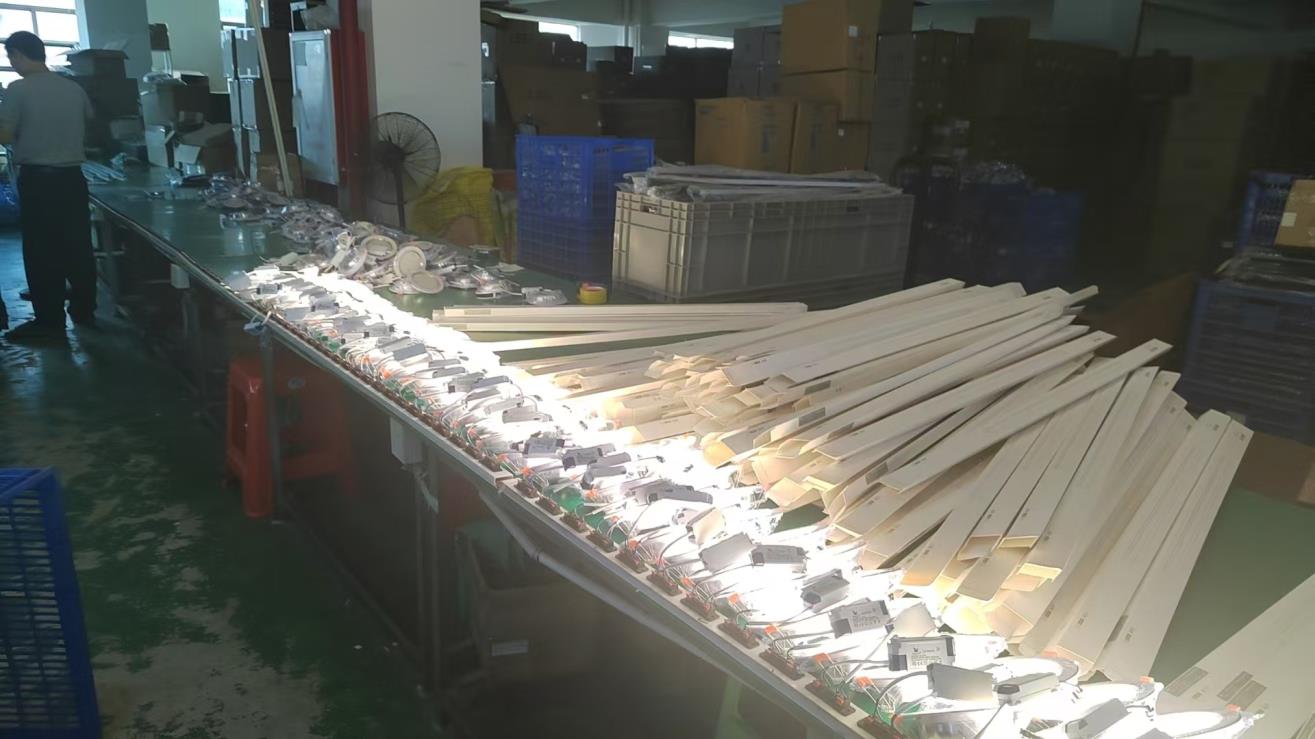
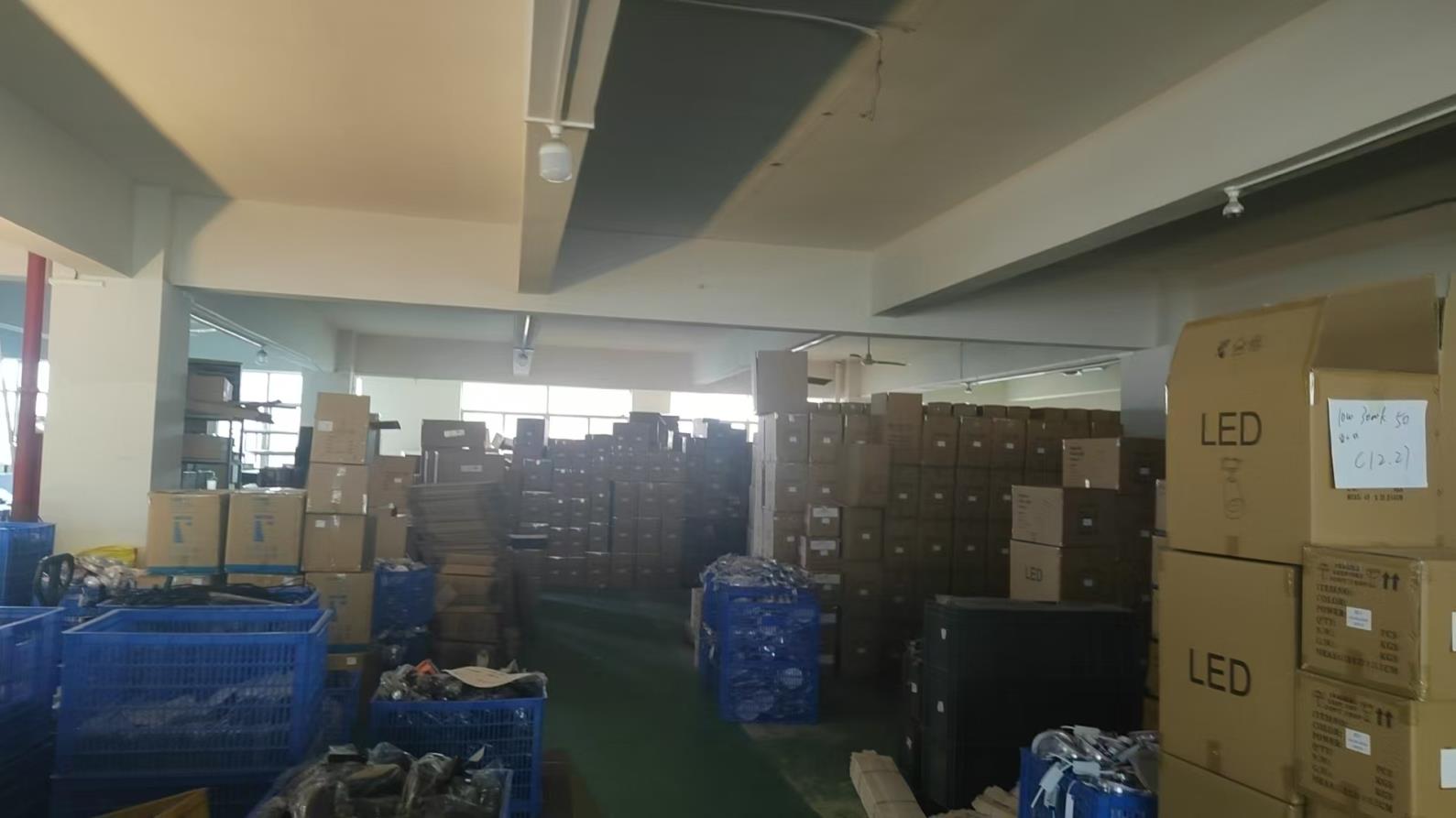
With years of experience in the lighting industry, we have established an efficient supply chain and comprehensive quality management system that enable us to deliver competitive pricing, stable production capacity, and timely shipment schedules. Our dedicated quality control team conducts rigorous inspections throughout the production process, guaranteeing that every product meets customer expectations before leaving the factory.
In addition to our standard product range, we provide flexible OEM and ODM services for lighting brands, distributors, wholesalers, contractors, and project developers. Our team works closely with customers to create customized solutions tailored to specific technical requirements, market preferences, and branding needs.
Sustainability is an important part of our corporate philosophy. By promoting energy-saving LED technologies and environmentally responsible manufacturing practices, we help customers reduce energy consumption, lower operating costs, and contribute to a greener future.
Whether you are a lighting distributor, importer, contractor, project developer, horticultural grower, retailer, or OEM partner, Hangzhou Pina Light Co., Ltd. is committed to being your trusted lighting solutions provider. Our professional sales and technical support teams are ready to provide prompt service, expert guidance, and long-term partnership opportunities to customers around the world.
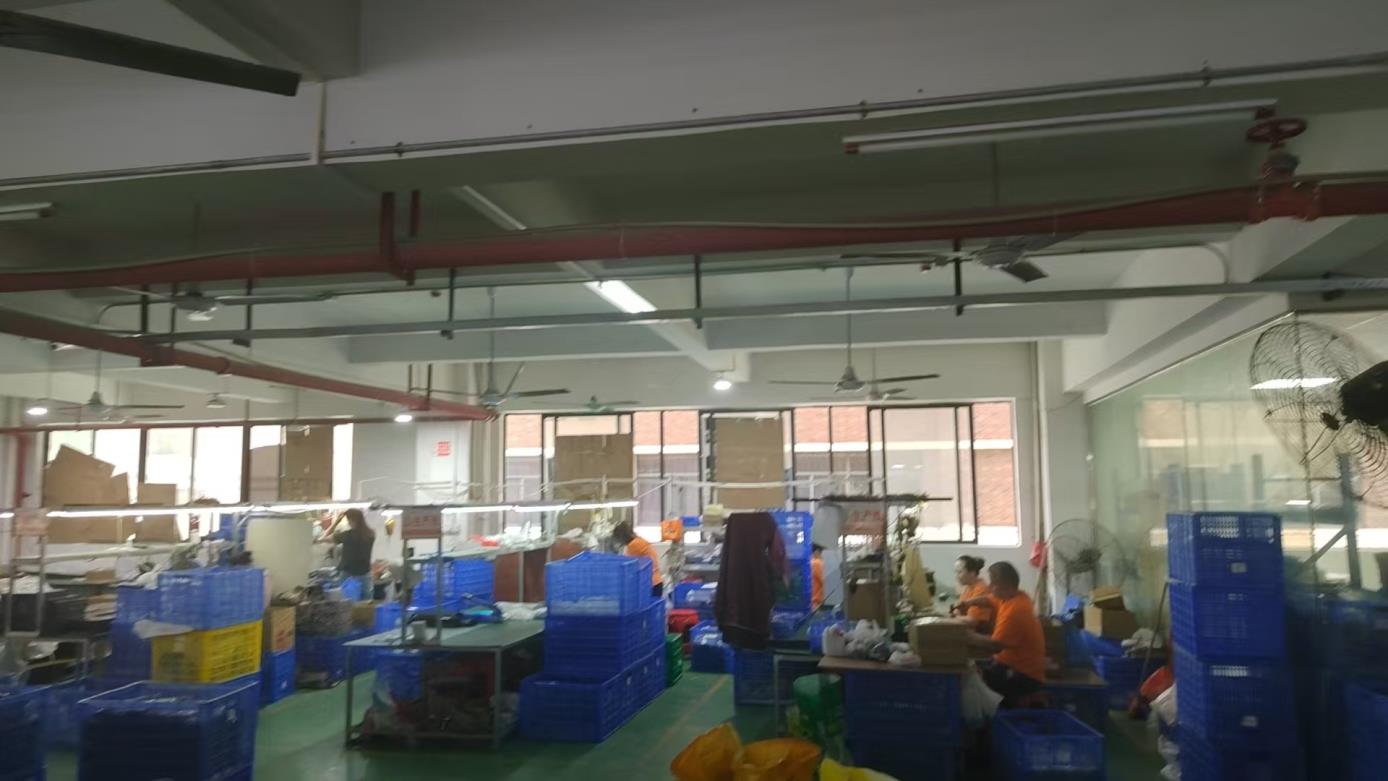
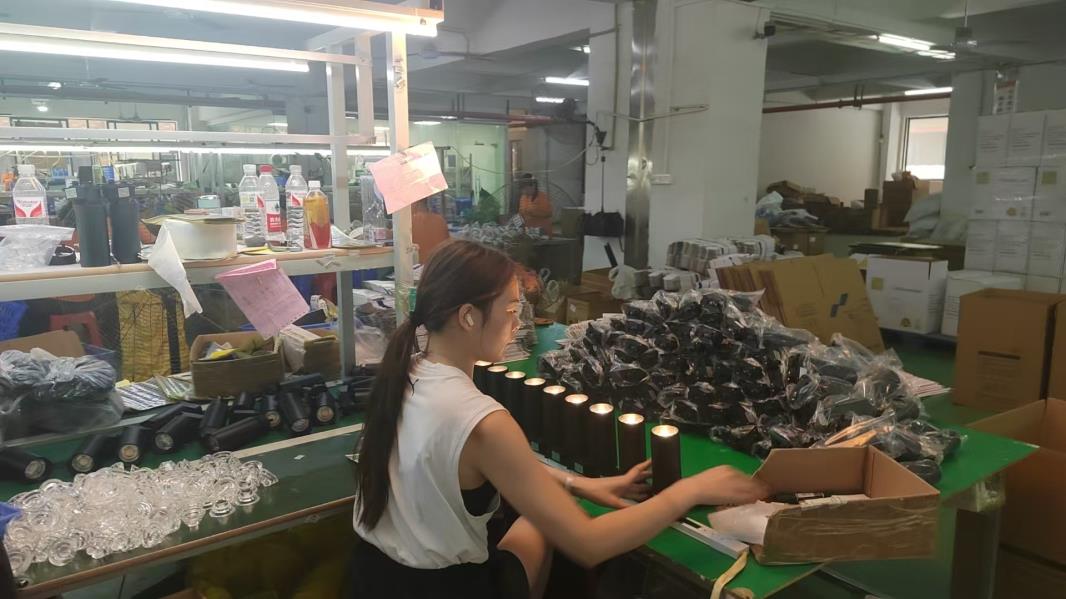
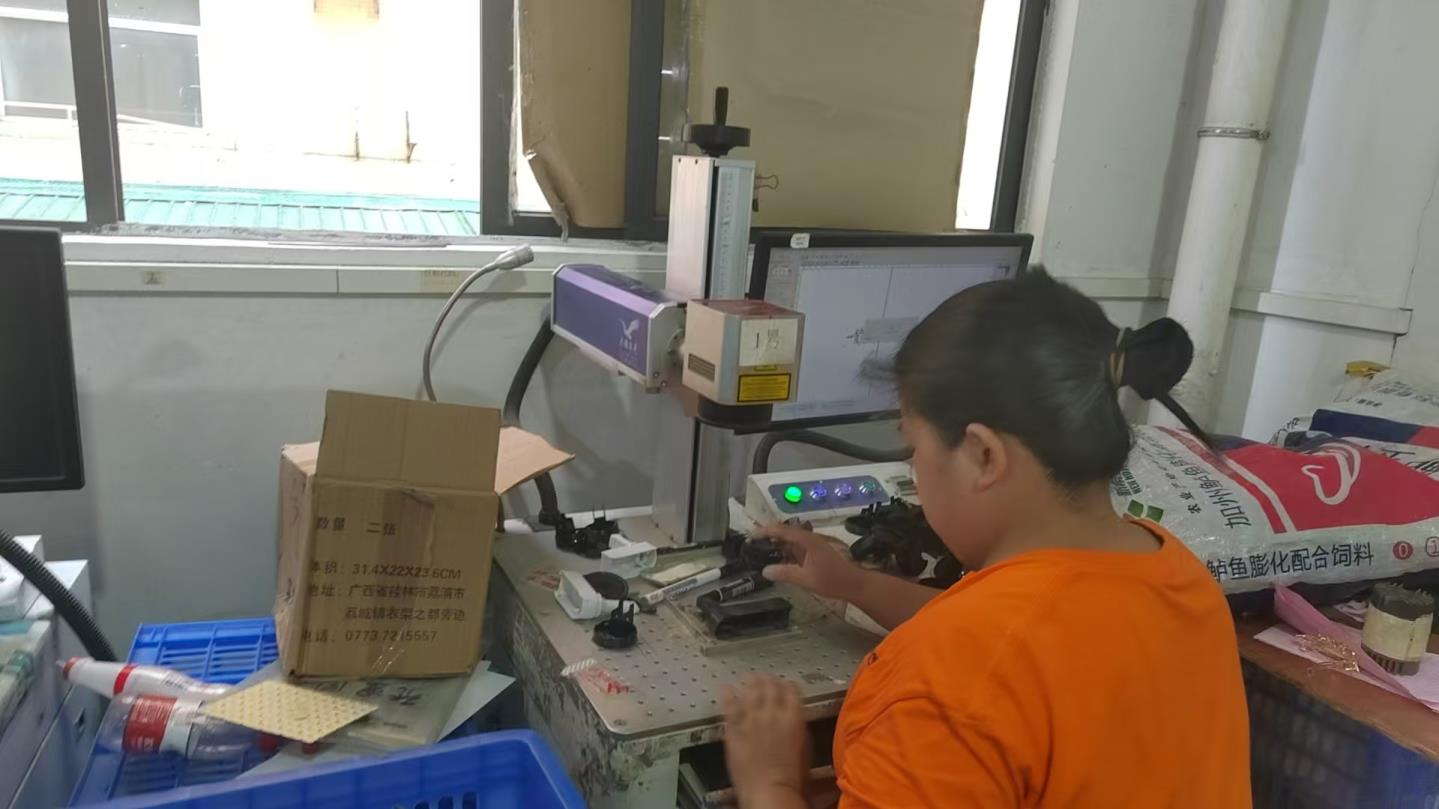
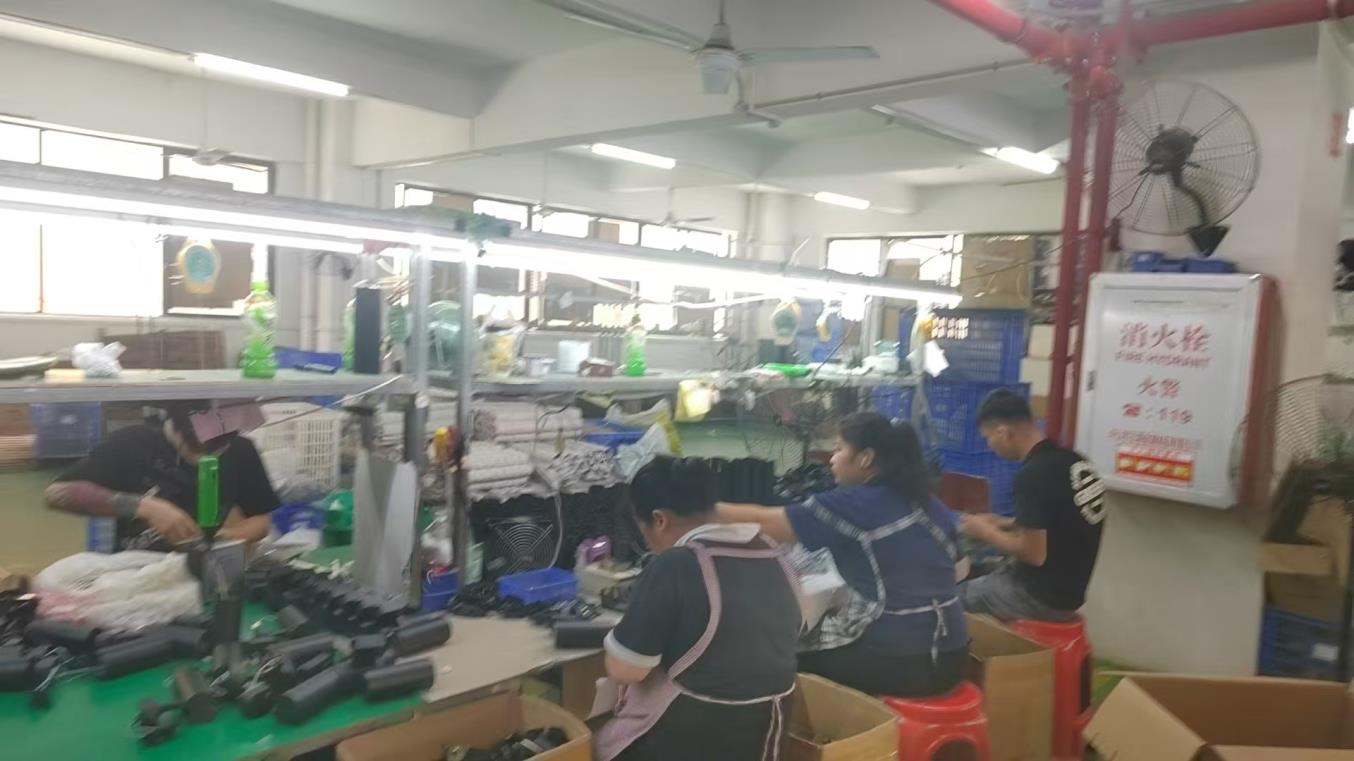

Providing end-to-end integration support, optical validation, and customization from the design phase to installation.
Using IES files and Dialux simulations to model illumination results prior to manufacturing. This validates average lux levels, uniformity ratios, and unified glare rating (UGR) levels, avoiding costly adjustments on-site.
Modifying optical components, color rendering indices (CRI > 80/90), bracket designs, and driver profiles to match local regulations, wiring systems, and specific project requirements.
Ensuring fixtures meet international standards through testing in integrating spheres, goniophotometers, salt spray tests for seaside areas, and vibration tests for bridges.
Addressing the technical considerations and specification standards for high-performance optical projects.
A narrowbeam fixture is designed with a beam angle of 15° or less. These lights focus luminous flux into a concentrated column of light, using specialized optics to project light over longer distances.
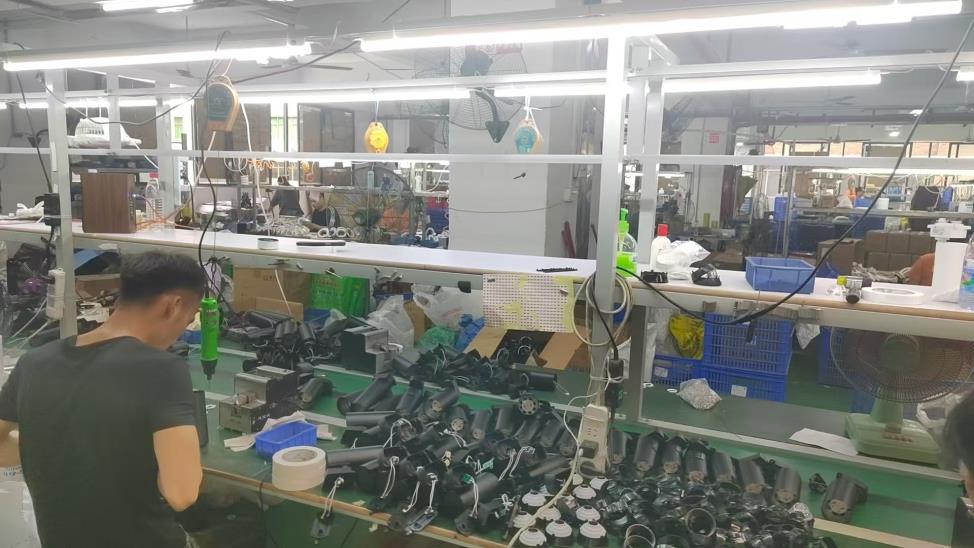
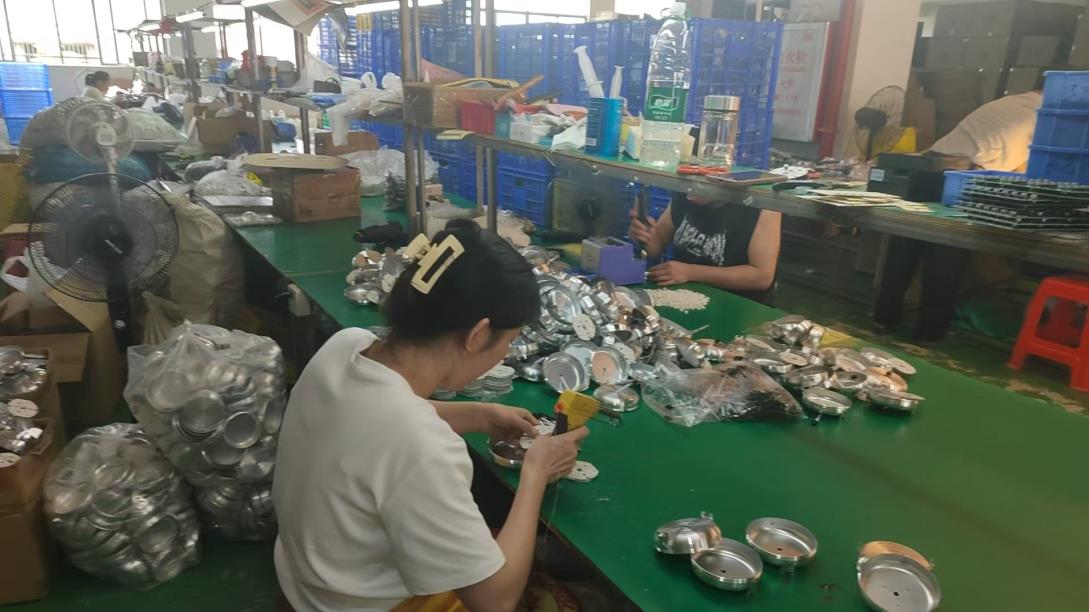
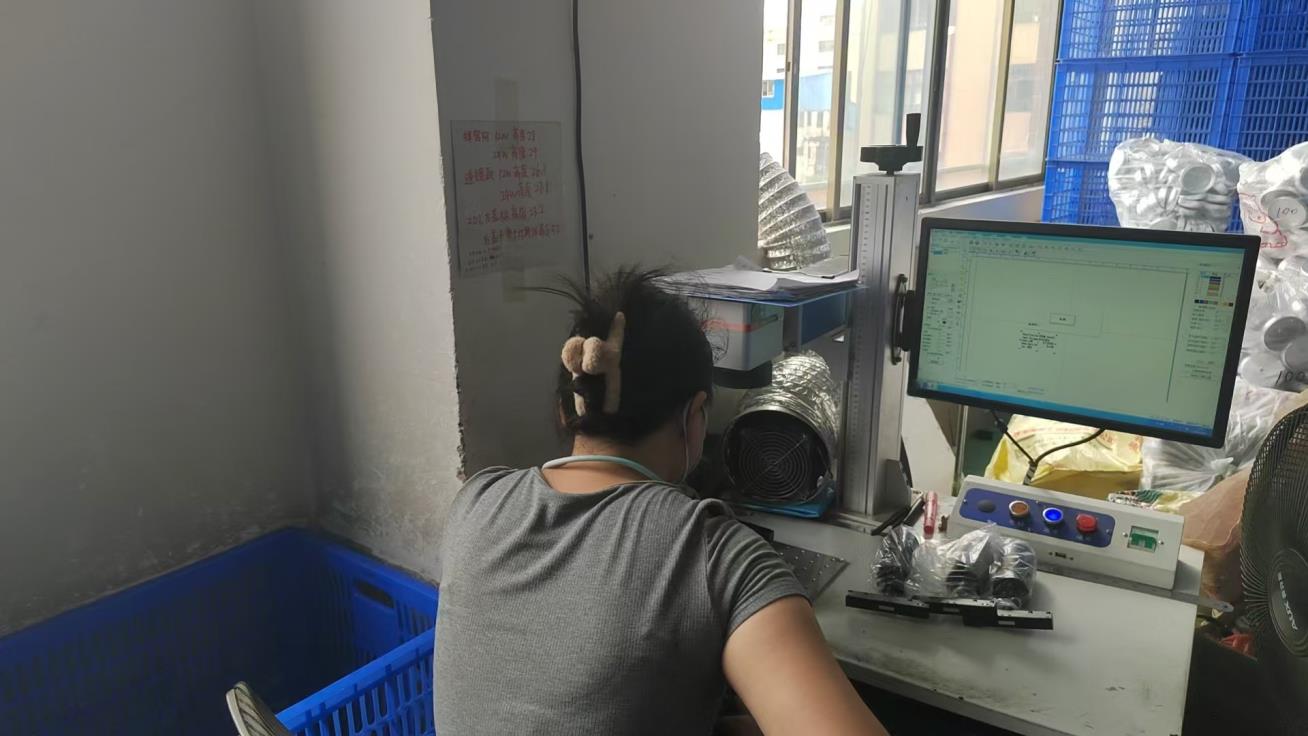
We use high-tolerance injection molding for PMMA collimating lenses and mount COB/SMD LEDs precisely using automated SMT placement machinery. Each run is verified using a goniophotometer to keep variations within ±0.5°.
Because narrowbeam spotlights often run at high wattage to project light over long distances, heat is concentrated in a small area. We design our housings with integrated thermal pathways and die-cast aluminum (ADC12) to draw heat away from the LED junction.
Our products meet international compliance rules, including CE, RoHS, and FCC, with select lines carrying ETL and UL listings to suit commercial requirements in North America and Europe.
 Pina Light