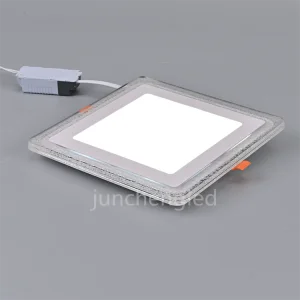
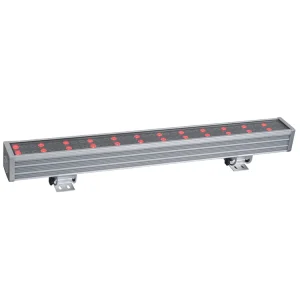
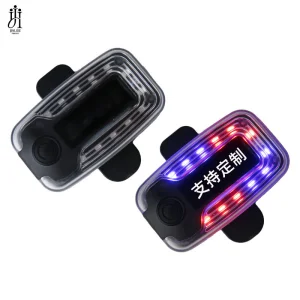
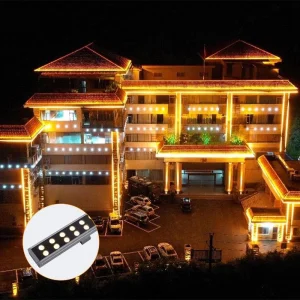
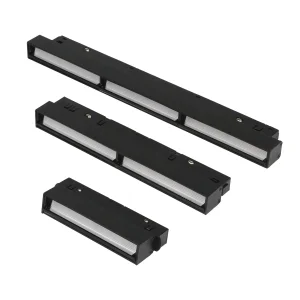
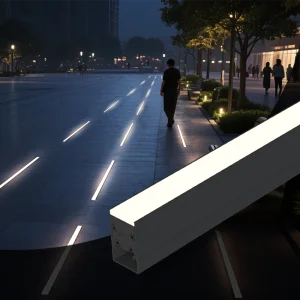
Explore our high-performance architectural linear solutions, marine lighting, and solar powered systems engineered to withstand rigorous commercial and industrial application environments.
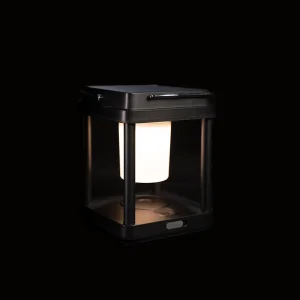
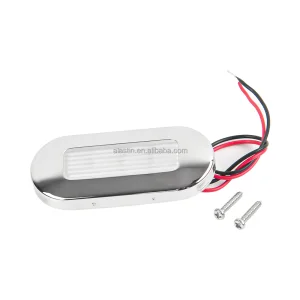
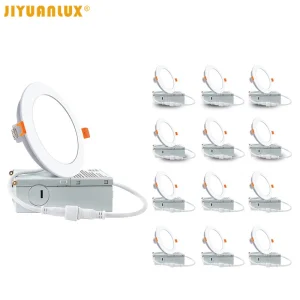
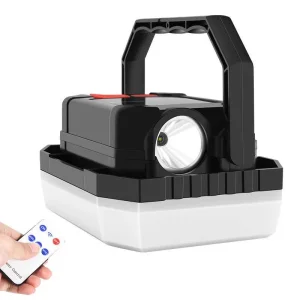
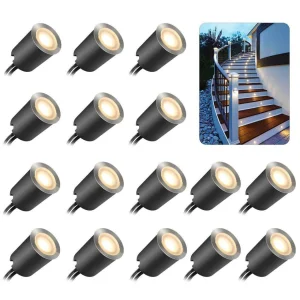
Understanding the technical transition from traditional glass gas-discharge tubes to modern semiconductor-driven LED Neon Flex.
Hangzhou Pina Light Co., Ltd. is a leading professional manufacturer and exporter of innovative LED lighting solutions, headquartered in Hangzhou, China. Utilizing a state-of-the-art manufacturing network and strategic supply chain integrations across the region, Pina Light specializes in the design, development, production, and global distribution of high-quality lighting products. Our core catalog satisfies diverse commercial, industrial, residential, and specialty application requirements.
The modern architectural and commercial lighting industries are witnessing a massive paradigm shift. Traditional neon systems, utilizing low-pressure gas-discharge tubes, are being systematically phased out globally. This transition is motivated by their high power draw (often exceeding 15,000 volts under load), structural fragility, and the environmental hazards associated with mercury vapor and glass disposal. Today, high-density LED Neon Flex systems represent the benchmark of safety, performance, and versatility.
By using flexible silicone-based extrusions combined with premium-grade light emitting diode (LED) circuit boards, modern manufacturers have resolved the historical challenges of neon lighting. These solid-state lighting components deliver uniform light output, high durability, and low voltage operation (typically 12V or 24V DC). This makes them ideal for both interior architectural detailing and demanding outdoor installations.
A primary factor distinguishing premium neon suppliers from standard vendors is the choice of extrusion materials. Early-generation LED flex systems relied heavily on Polyvinyl Chloride (PVC). PVC underperforms when exposed to harsh outdoor elements. Over time, UV radiation triggers chemical degradation in PVC, causing the jacket to yellow, crack, and lose light-transmission efficiency. Furthermore, PVC exhibits high thermal stiffness, making it difficult to bend and install in cold environments.
Hangzhou Pina Light Co., Ltd. utilizes premium silicone co-extrusion technology. Silicone (polydimethylsiloxane) features excellent molecular stability, offering superior resistance to UV light, saline exposure, and high temperatures. Key advantages of silicone-encapsulated Neon Flex include:
Maintains structural flexibility and light output in extreme temperatures, operating smoothly from -50°C to +150°C without cracking or melting.
Silicone materials boast over 93% optical clarity, minimizing internal lumen absorption and ensuring uniform, dot-free lighting effects.
Impervious to salt spray, chlorine, and mild acidic/alkaline environments, which is critical for coastal developments and luxury yacht decking.
A detailed analysis of quality metrics, electronics design, and binning rules used in elite neon lighting production.
Enterprise clients must examine specific performance parameters to ensure project durability and visual consistency. In premium architectural builds, lighting must conform to narrow tolerances across the following areas:
Color consistency across multiple production batches relies on strict LED binning processes. High-end manufacturers use a 3-Step MacAdam Ellipse (Standard Deviation of Color Matching, or SDCM). This ensures that variation in color temperature is imperceptible to the human eye, avoiding disjointed lighting along continuous installations.
For high-end retail, hospitality, and facade lighting, color accuracy is paramount. Pina Light systems deliver CRI > 90 (Ra), with special attention to R9 (red spectrum values). Furthermore, our systems conform to TM-30-18 criteria (Fidelity Index Rf > 88, Gamut Index Rg > 98) to provide natural, vivid color reproduction.
Large-scale projects must account for electrical resistance and voltage drops. Standard 12V LED lines experience dimming issues beyond 5 meters. By utilizing heavy-duty 3oz/4oz copper PCBs and designing systems for 24V or constant-current operation, we extend run lengths to 15 or 20 meters with a single power feed.
Our long-term engineering roadmap focuses on smart control integration and eco-friendly raw material sourcing. By adopting DMX512, Dali, and Bluetooth protocols, our linear systems support dynamic color chasing, active dimming, and integration into building management systems (BMS). From warm whites (2200K - 4000K) to vibrant RGBW and Pixel-addressable solutions, we design lighting products that match your exact control architecture.
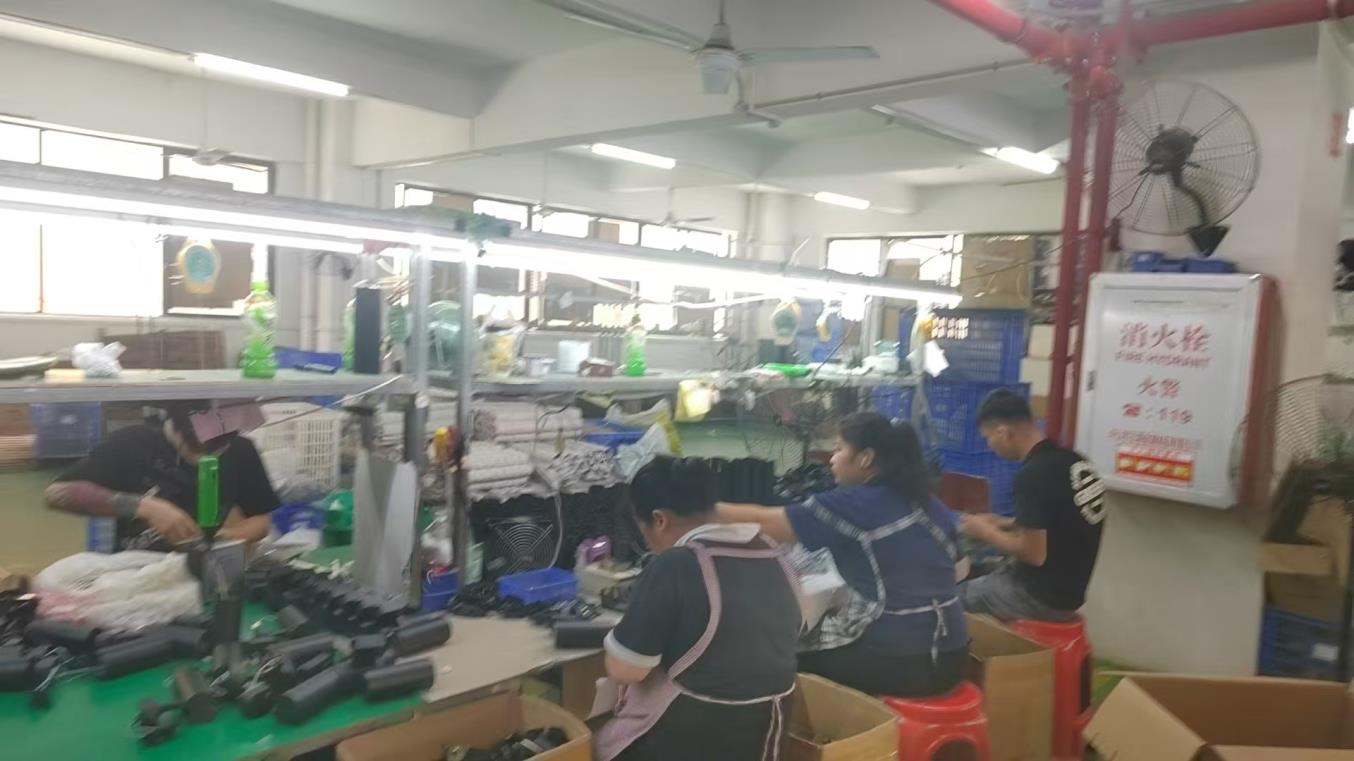
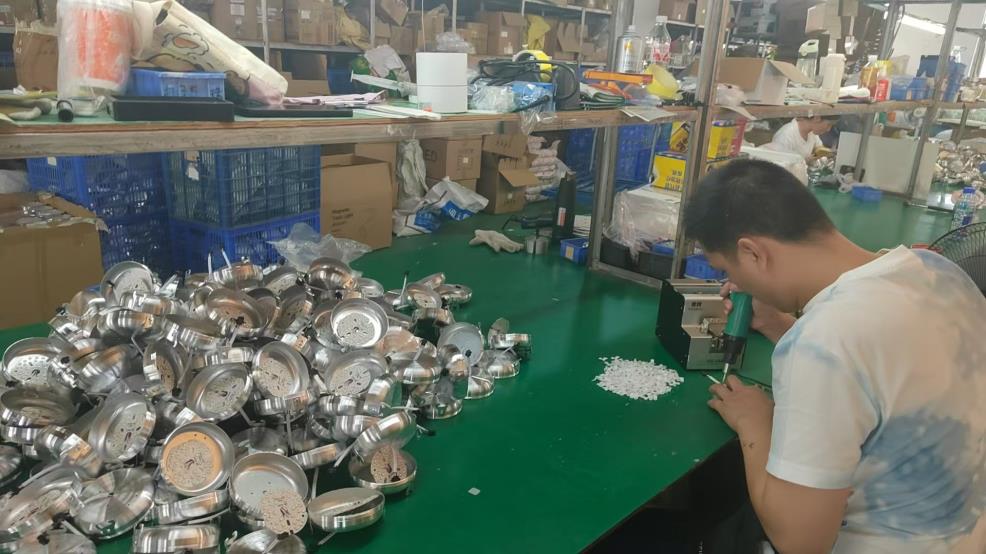
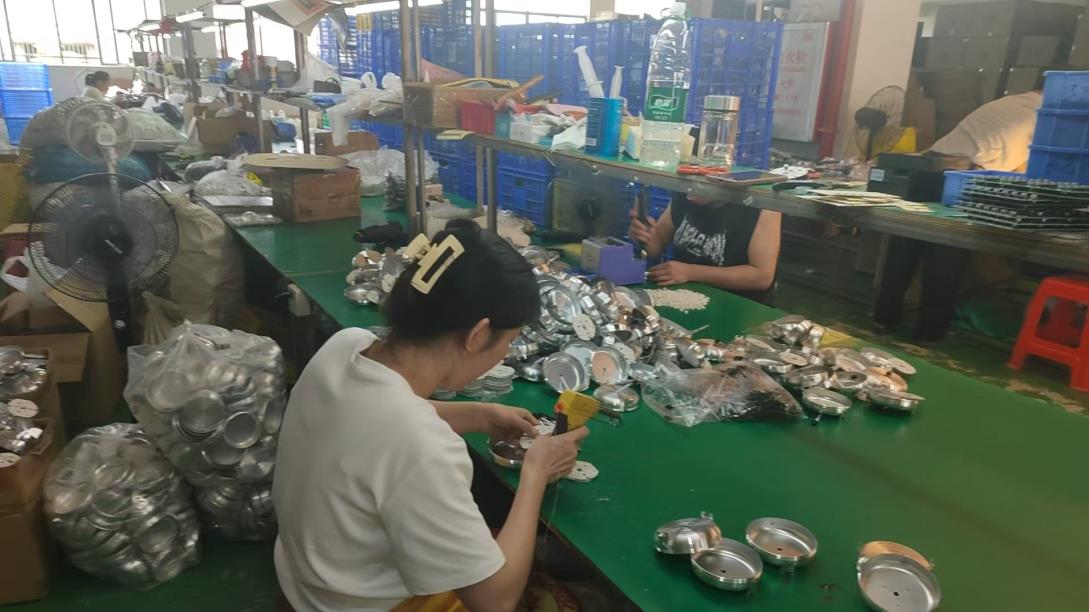
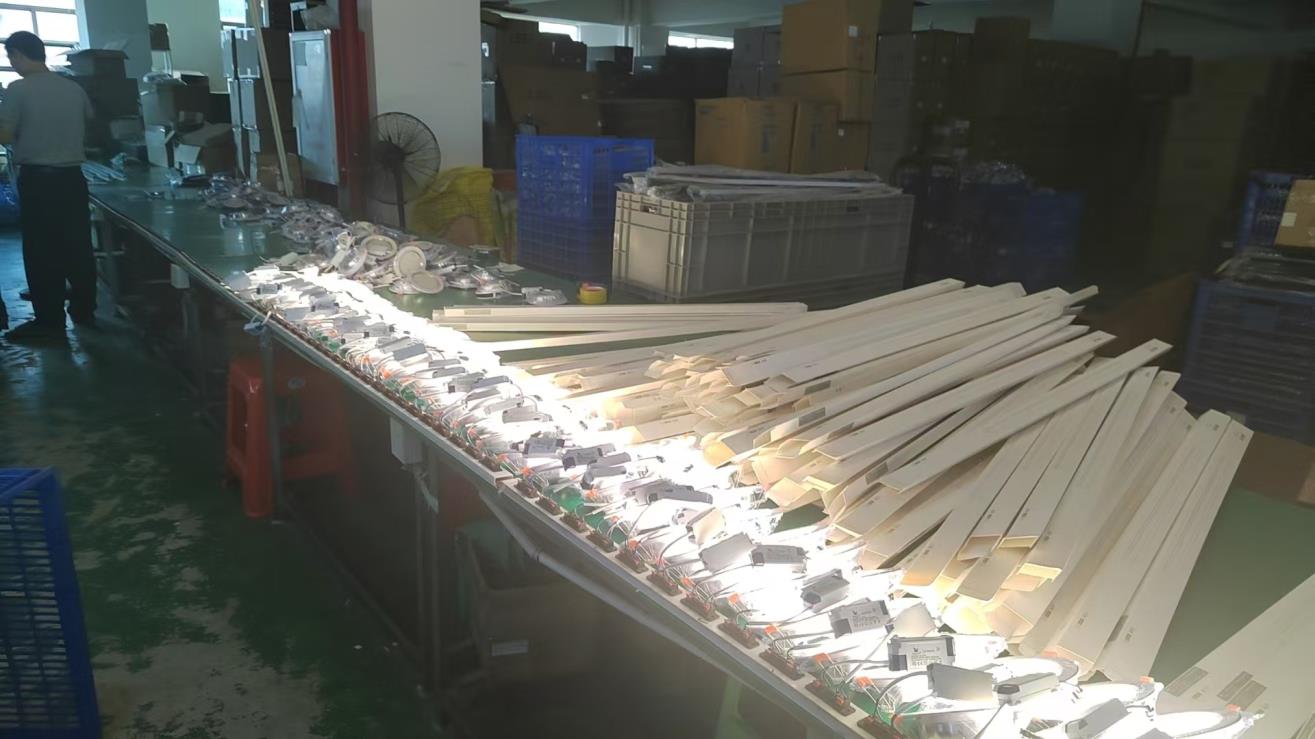
How Hangzhou Pina Light Co., Ltd. integrates automated assembly, strict inspection protocols, and aging tests to assure quality.
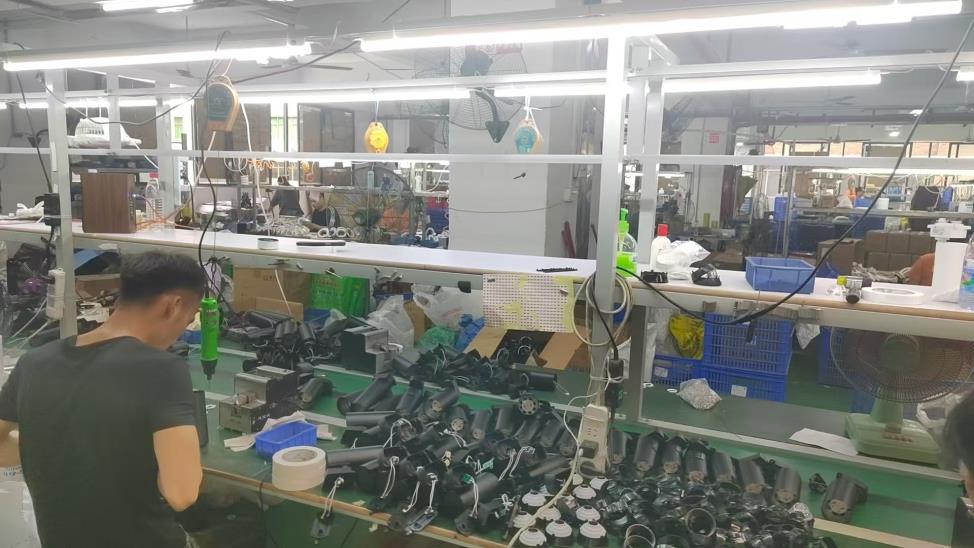
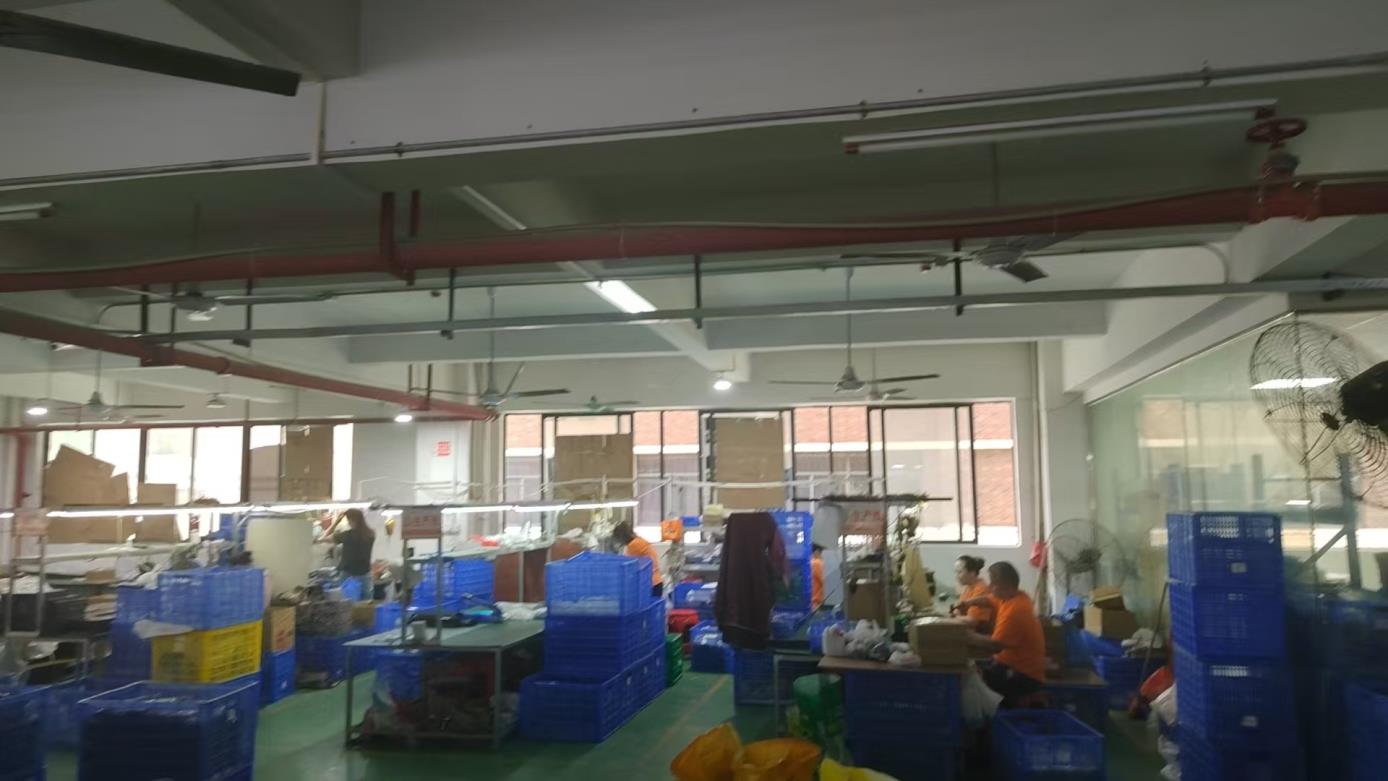
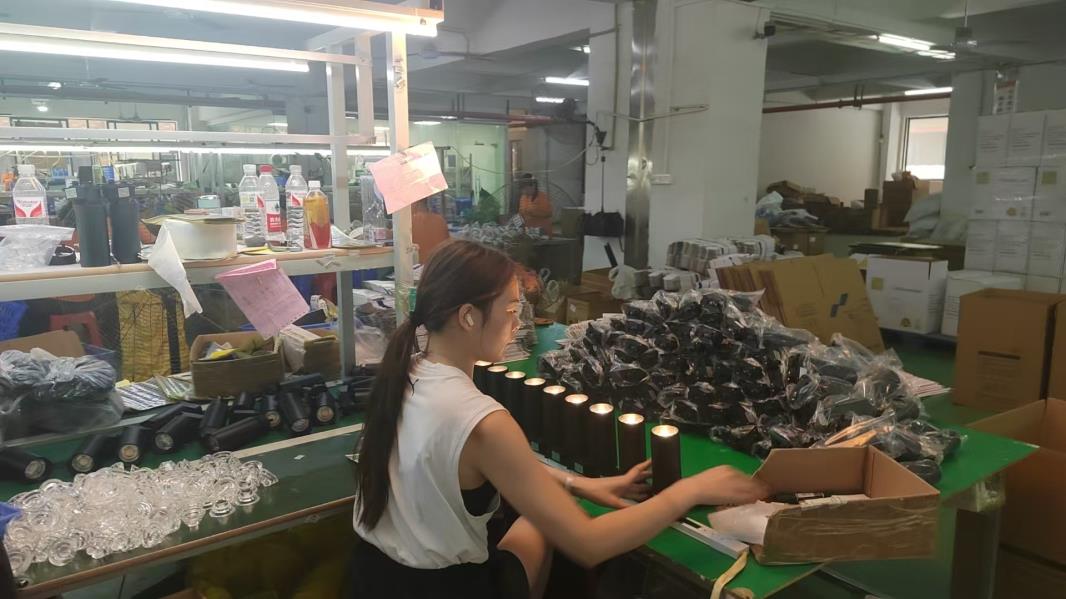
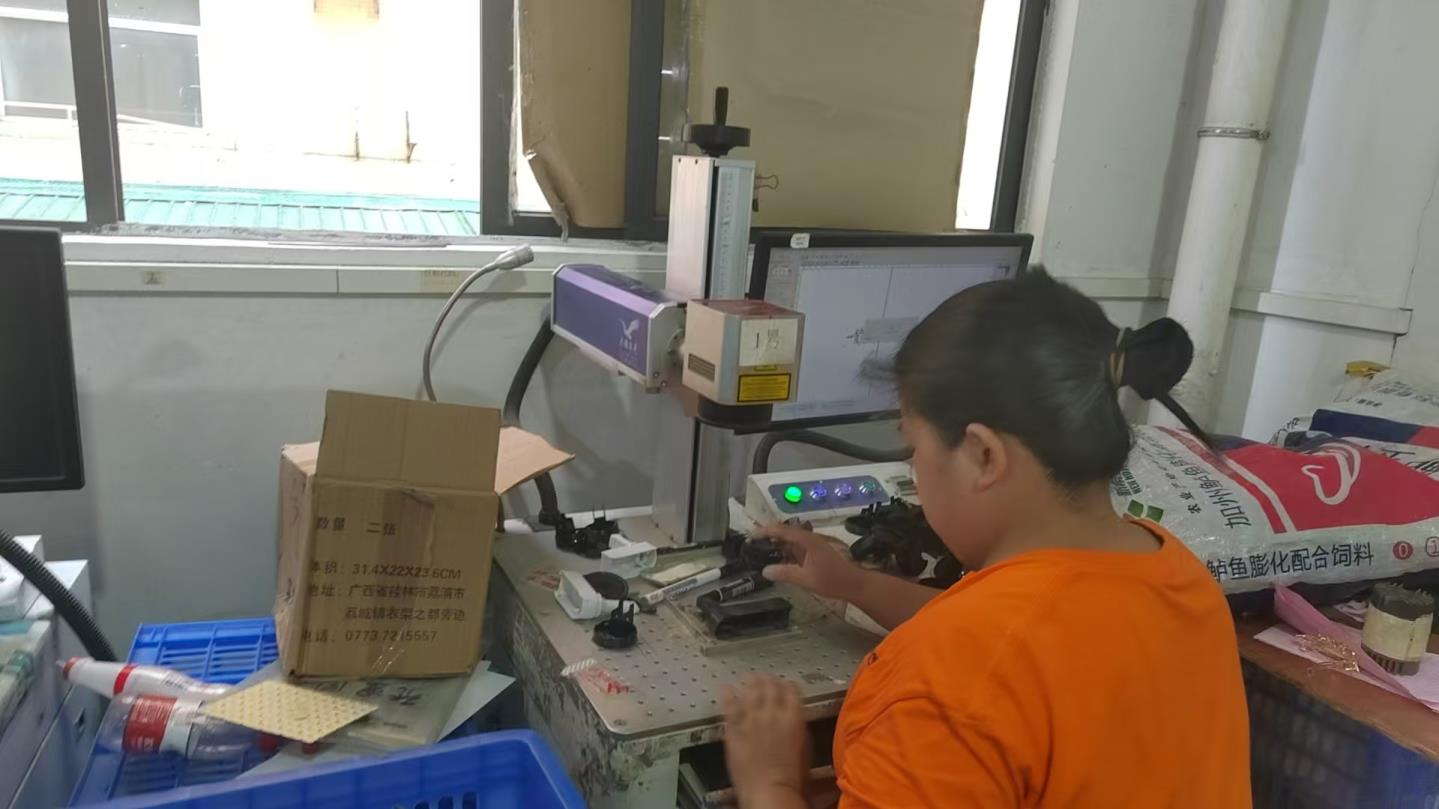
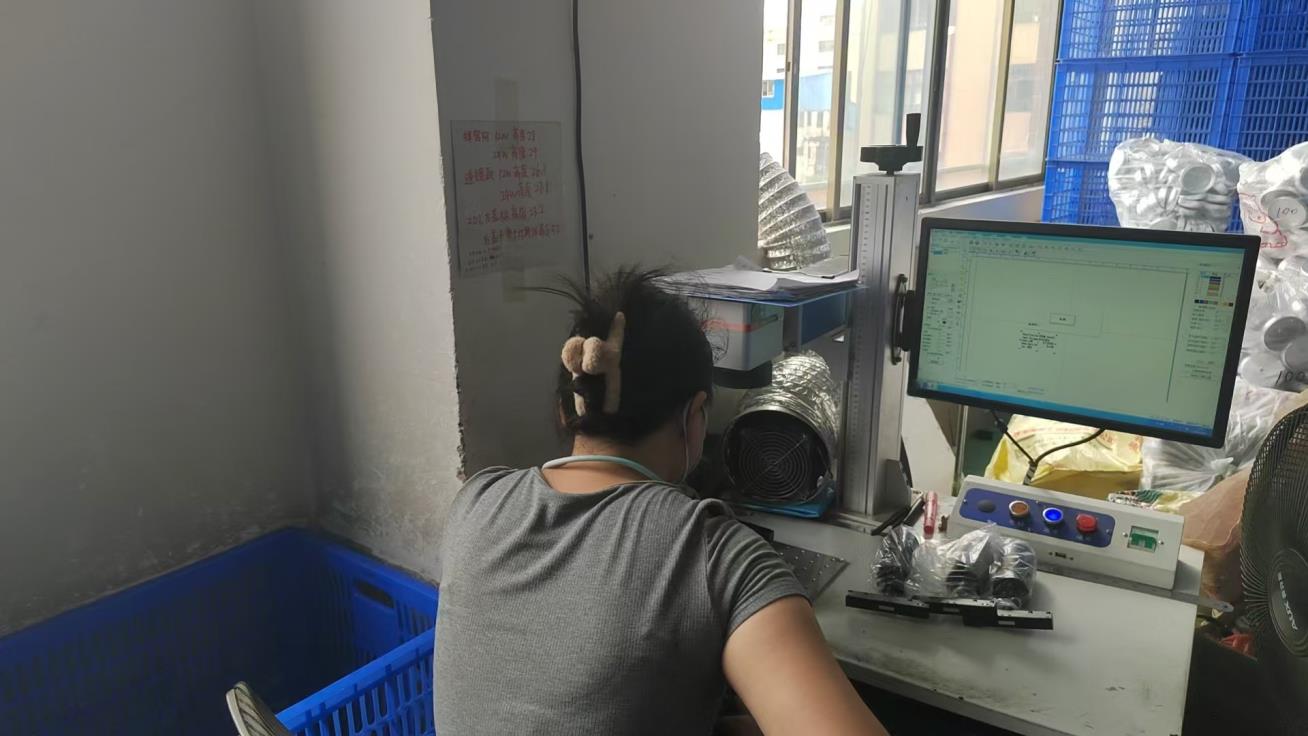
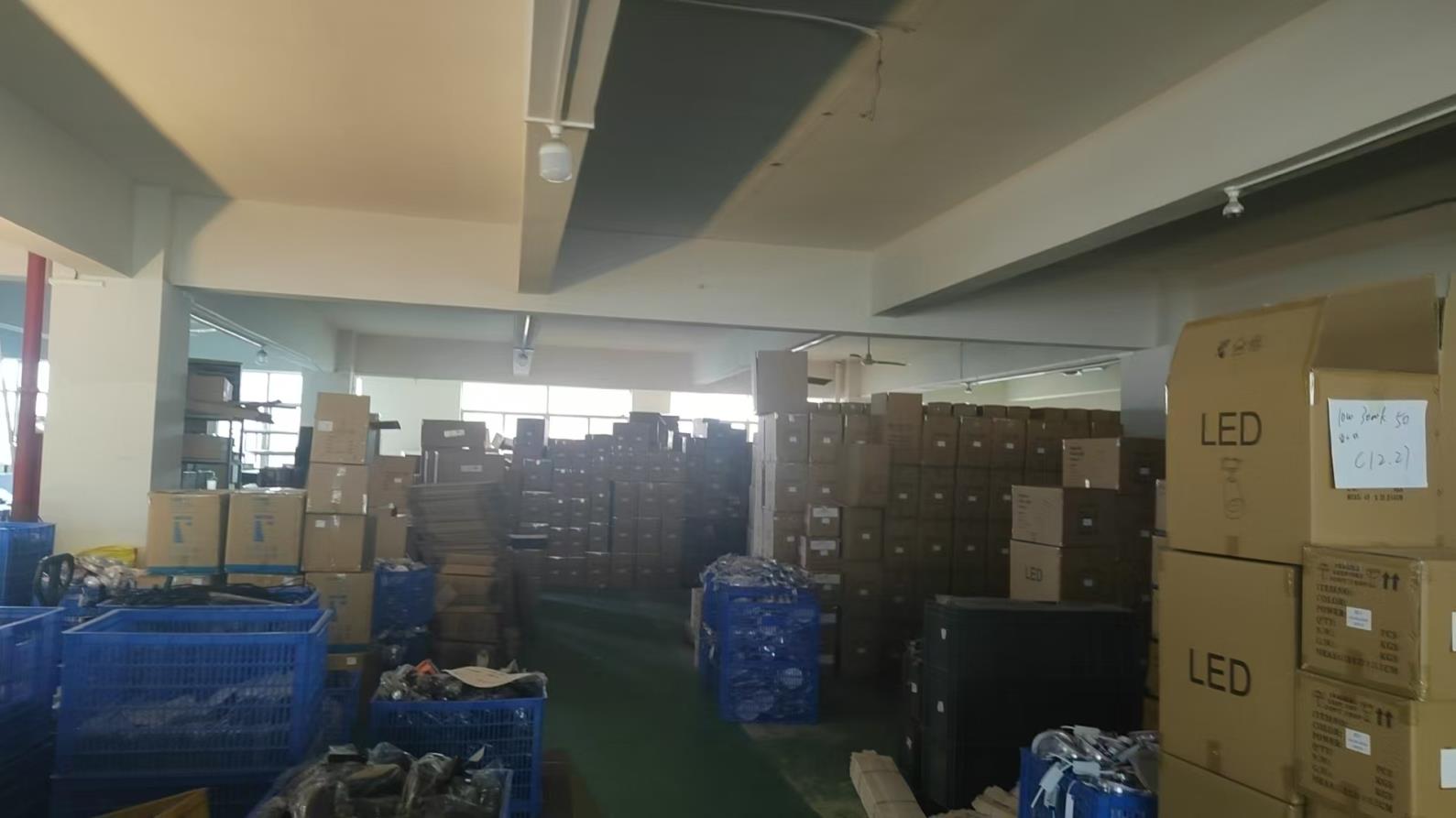
Hangzhou Pina Light Co., Ltd. operates state-of-the-art facilities that represent China's Industry 4.0 shift. Precision engineering, automated SMD lines, and strict inspection criteria are employed throughout our production cycle. From incoming raw materials to final packaging, every step is monitored to eliminate defects, ensure stable output, and speed up global delivery.
Through our comprehensive quality control system, our QA team subjects products to tests like high-temp aging, thermal cycling, salt spray testing, and ingress rating tests. These processes allow us to guarantee long-term stability and performance for our global clients.
How custom flexible lighting solutions satisfy complex spatial requirements in global projects.
Premium neon lighting is an essential tool for spatial branding, modern architecture, and marine engineering. By partnering with leading construction teams and design firms worldwide, our fixtures are deployed in demanding locations:
Our linear profiles define the contours of high-rise developments, providing structural accents that highlight dynamic building geometry.
With IP67 and IP68 ratings, our systems light public squares, parks, and walkways, delivering color-chasing effects through local weather conditions.
Using specialized silicone compounds, our marine-grade lighting resists salt air, heavy UV exposure, and water submersion on luxury vessels.
Understanding the certifications that facilitate clean market entry and verify safety performance.
For architectural lighting, safety and compliance are non-negotiable. Building codes and insurance frameworks demand certified materials. Hangzhou Pina Light Co., Ltd. maintains a robust compliance framework to guarantee seamless integration on global jobsites:
North American Compliance: Our product catalog features ETL and UL listings, proving conformity with safety standard UL 2108 (Low Voltage Lighting Systems) and CSA C22.2. These certifications simplify municipal inspections and build trust with lead electrical contractors.
European & Middle Eastern Compliance: Our items carry CE and RoHS marks, proving they meet European health, safety, and environmental directives. By excluding hazardous substances from our manufacturing line, we comply with strict global environmental standards.
Crucial parameters to evaluate when selecting your next neon lighting manufacturer.
Enterprise buyers, distributors, and design partners must vet potential manufacturers on multiple technical points to minimize risk and avoid project delays:
Ensure the manufacturer uses optical-grade silicone extrusion rather than low-cost PVC to protect the installation from early discoloration and UV cracking.
Confirm the vendor adheres to a 3-step MacAdam Ellipse standard to keep color temperatures uniform across multi-phase construction developments.
For underwater installations, check for IP68 dual-injection molded end caps instead of basic manual silicon seals, preventing water ingress.
Answering the primary technical questions raised by contractors, architects, and global purchasing agents.
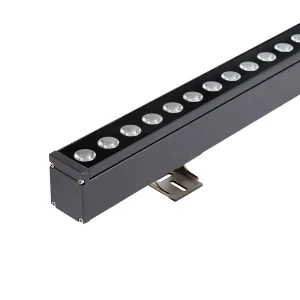
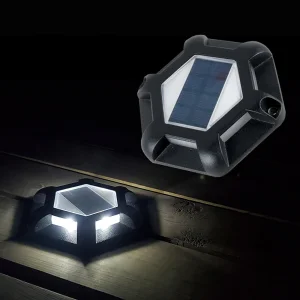
Explore our commercial landscape wall washers, buried walkway markers, and emergency signal lighting systems.
 Pina Light