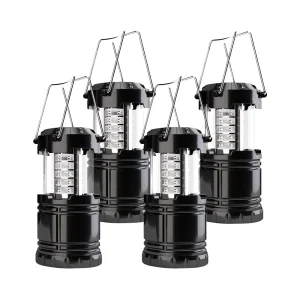
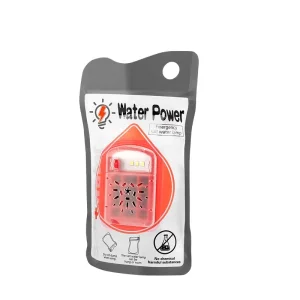
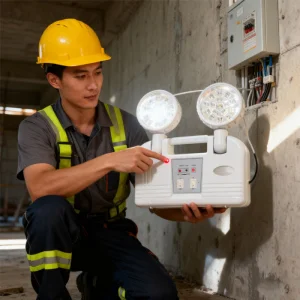
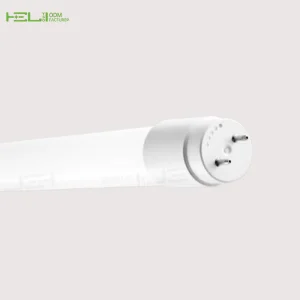
Engineered to deliver optimal lux levels in high-risk zones, commercial escape routes, and challenging industrial environments across Great Britain.
A technical briefing for commercial developers, electrical contractors, and M&E engineers regarding the transition to BS 5266-1 standards and sustainable factory supply structures.
In the United Kingdom, emergency lighting is not merely a matter of site safety; it is a strict statutory requirement governed by the Regulatory Reform (Fire Safety) Order 2005 and the Fire Safety (Scotland) Regulations. Designers, building operators, and electrical engineers must comply with BS 5266-1:2016 (the Code of Practice for the Emergency Lighting of Premises). This standard outlines the clear legal requirements for the design, installation, and routine testing of system infrastructure.
Whether specifying maintained or non-maintained luminaires, products must provide adequate illumination to allow the safe evacuation of occupants during a main power failure. Essential architectural requirements include:
Furthermore, following the UK's transition out of the European Union, the UKCA (UK Conformity Assessed) mark is the required certification scheme for commercial emergency lighting units sold in Great Britain, replacing the standard CE mark. As a global OEM supplier, Hangzhou Pina Light Co., Ltd. ensures all UK imports are manufactured, tested, and marked in full compliance with UKCA requirements, alongside standard CE and RoHS approvals.
The modern emergency lighting supply chain is undergoing a structural shift. Historically, UK distributors sourced components from multiple localized assembly shops. Today, scale, safety, and battery stability dictate that high-performance luminaire production must be consolidated within large-scale, automated factories that utilize premium LED components and automated inspection protocols.
Partnering directly with a high-capacity OEM/ODM exporter like Hangzhou Pina Light Co., Ltd. allows UK distributors, contractors, and project developers to bridge the gap between competitive offshore manufacturing costs and strict localized compliance. By maintaining tight integration between our state-of-the-art R&D facilities in China and UK-based certification frameworks, we deliver products that balance cost-effectiveness with long-term field reliability.
In the emergency lighting industry, the choice of backup power is critical. Traditionally, Nickel-Cadmium (Ni-Cd) and Nickel-Metal Hydride (Ni-MH) batteries dominated the market due to their simplicity. However, environmental concerns and strict RoHS directives in the UK and Europe have accelerated the transition to lithium-based chemistry.
Lithium Iron Phosphate (LiFePO4) has emerged as the preferred technology for next-generation emergency luminaires. The advantages of LiFePO4 in commercial and industrial environments include:
A premier global manufacturer of innovative LED lighting solutions and emergency system infrastructure.
Hangzhou Pina Light Co., Ltd. is a professional manufacturer and exporter of innovative LED lighting solutions, headquartered in Hangzhou, China. With a strong manufacturing network and strategic partnerships across China, the company specializes in the design, development, production, and global distribution of high-quality lighting products for commercial, industrial, residential, and specialty applications.
Our core product portfolio includes LED grow lights, commercial lighting, warehouse and high-bay lighting, flood lights, street lights, area lighting, security lighting, retrofit solutions, and customized OEM/ODM lighting products. Leveraging advanced LED technology and intelligent lighting systems, Pina Light is committed to providing energy-efficient, environmentally friendly, and cost-effective solutions for customers worldwide.
Serving clients across North America, Europe, South America, the Middle East, Southeast Asia, and other international markets, our products are manufactured in accordance with strict international quality and safety standards. Many of our products carry globally recognized certifications such as CE, RoHS, FCC, ETL, UL, and other market-specific approvals, ensuring reliable performance and regulatory compliance.
At Hangzhou Pina Light, innovation is at the heart of our business. Our experienced engineering and R&D teams continuously develop new products and improve existing technologies to meet evolving market demands. From product design and prototyping to mass production and quality assurance, every stage of the manufacturing process is carefully monitored to ensure superior quality, consistency, and long-term reliability.
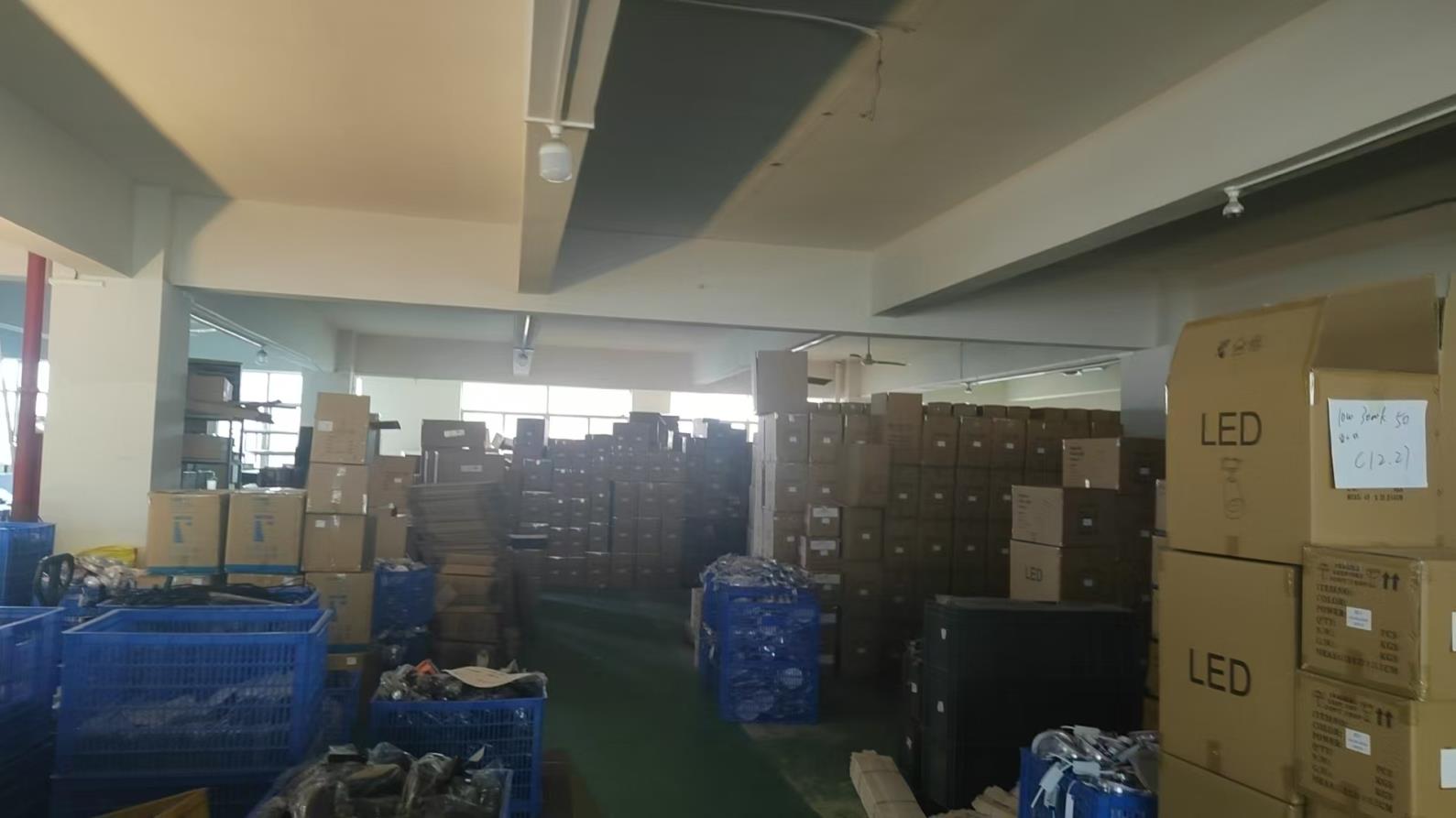
With years of experience in the lighting industry, we have established an efficient supply chain and comprehensive quality management system that enable us to deliver competitive pricing, stable production capacity, and timely shipment schedules. Our dedicated quality control team conducts rigorous inspections throughout the production process, guaranteeing that every product meets customer expectations before leaving the factory.
In addition to our standard product range, we provide flexible OEM and ODM services for lighting brands, distributors, wholesalers, contractors, and project developers. Our team works closely with customers to create customized solutions tailored to specific technical requirements, market preferences, and branding needs.
Sustainability is an important part of our corporate philosophy. By promoting energy-saving LED technologies and environmentally responsible manufacturing practices, we help customers reduce energy consumption, lower operating costs, and contribute to a greener future.
Whether you are a lighting distributor, importer, contractor, project developer, horticultural grower, retailer, or OEM partner, Hangzhou Pina Light Co., Ltd. is committed to being your trusted lighting solutions provider. Our professional sales and technical support teams are ready to provide prompt service, expert guidance, and long-term partnership opportunities to customers around the world.
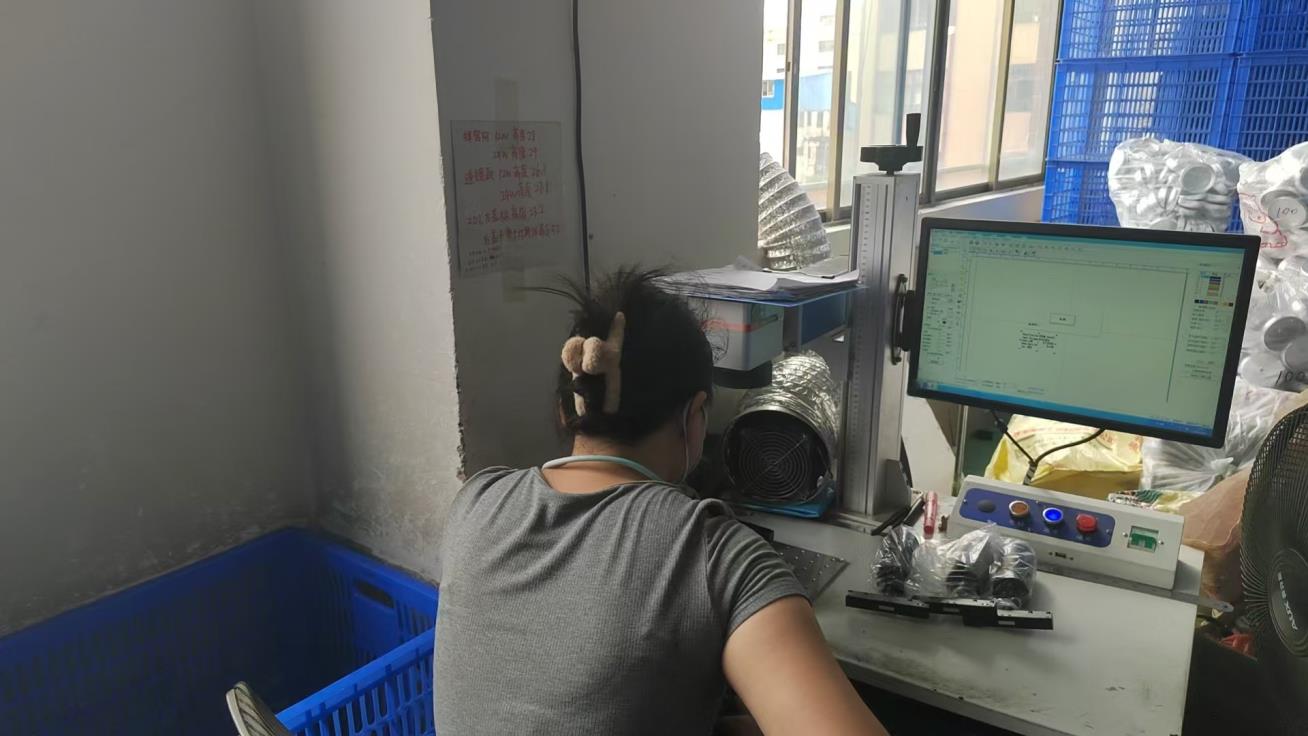
Every step of the manufacturing process at our facility is designed to meet strict international standards, ensuring that our products offer reliable performance and long-term safety in the field.
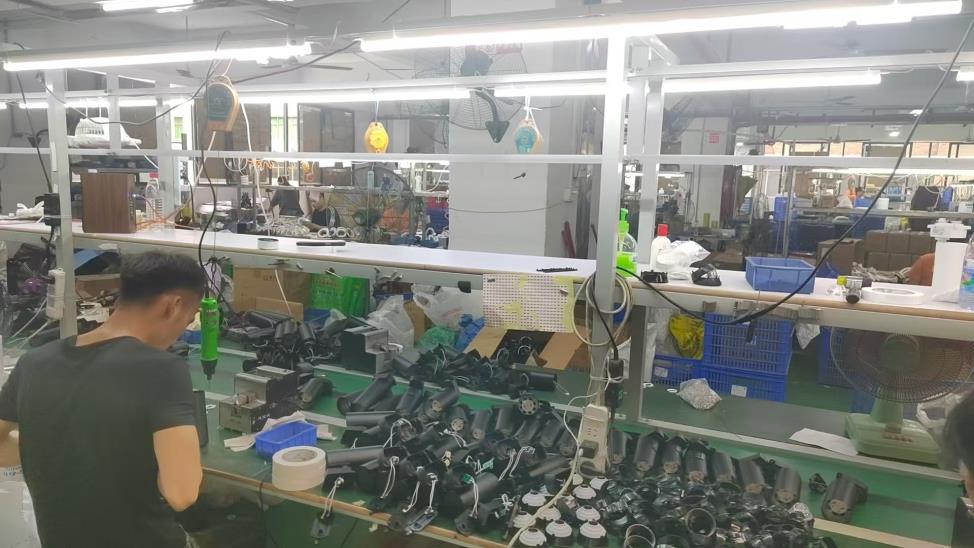
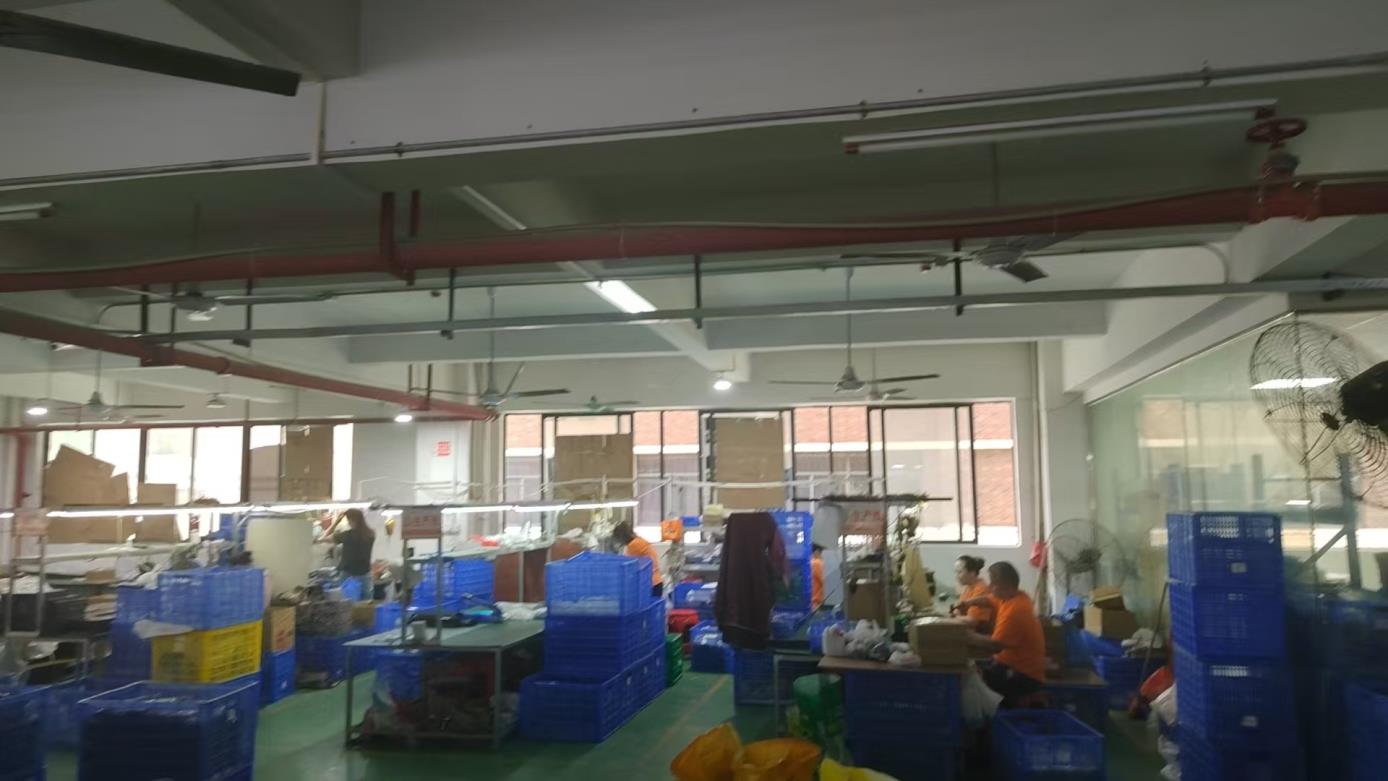
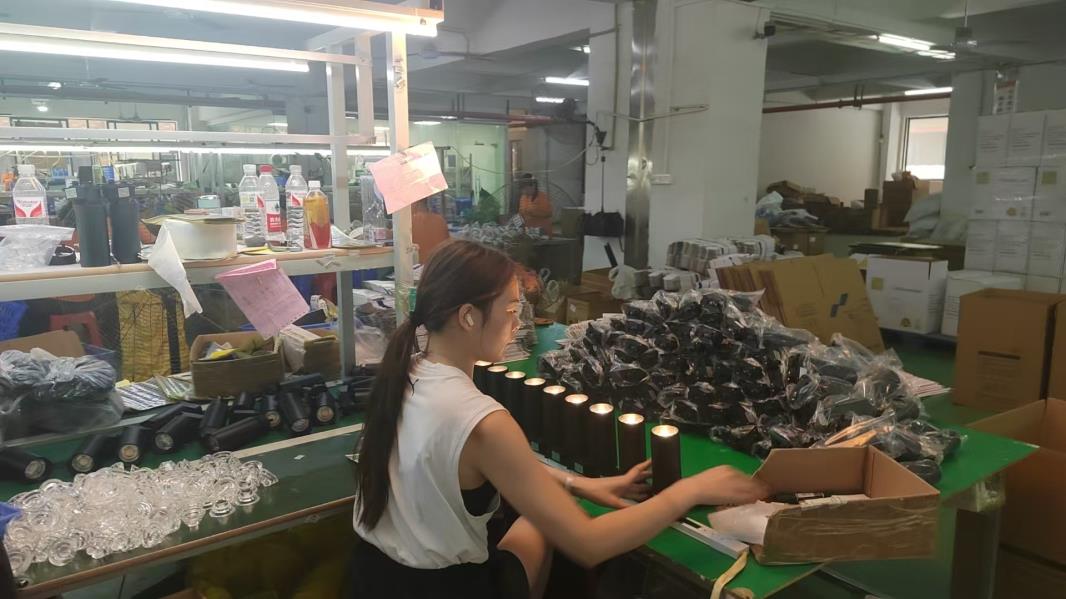
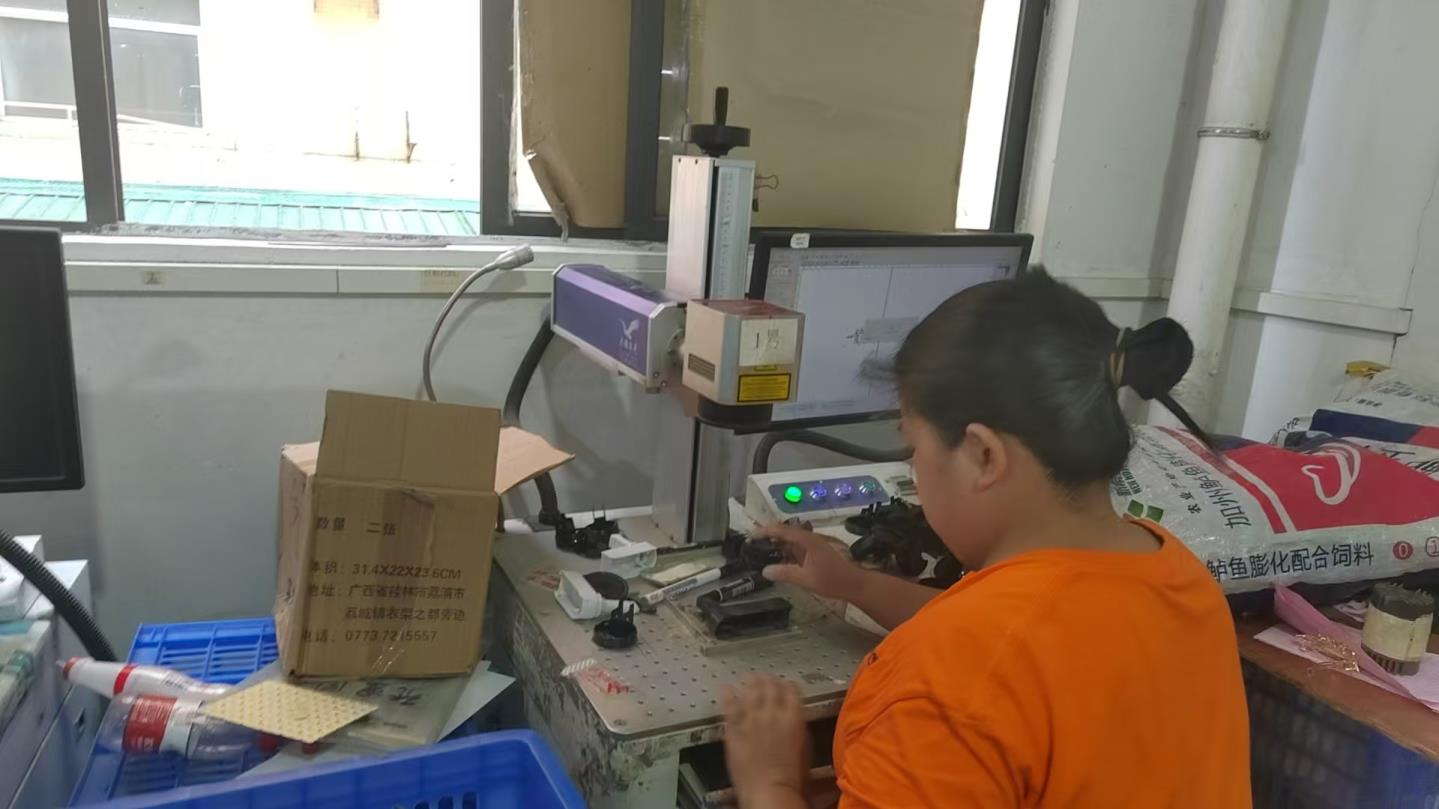
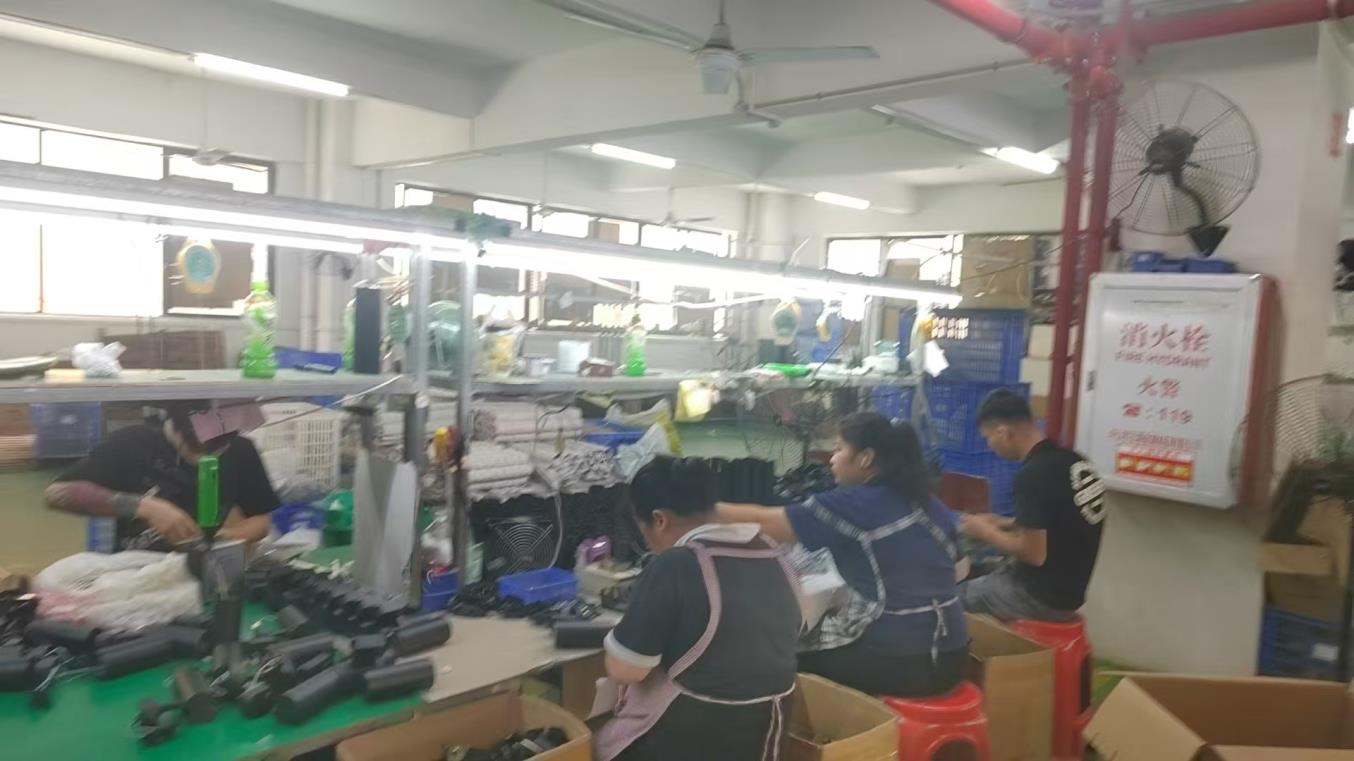
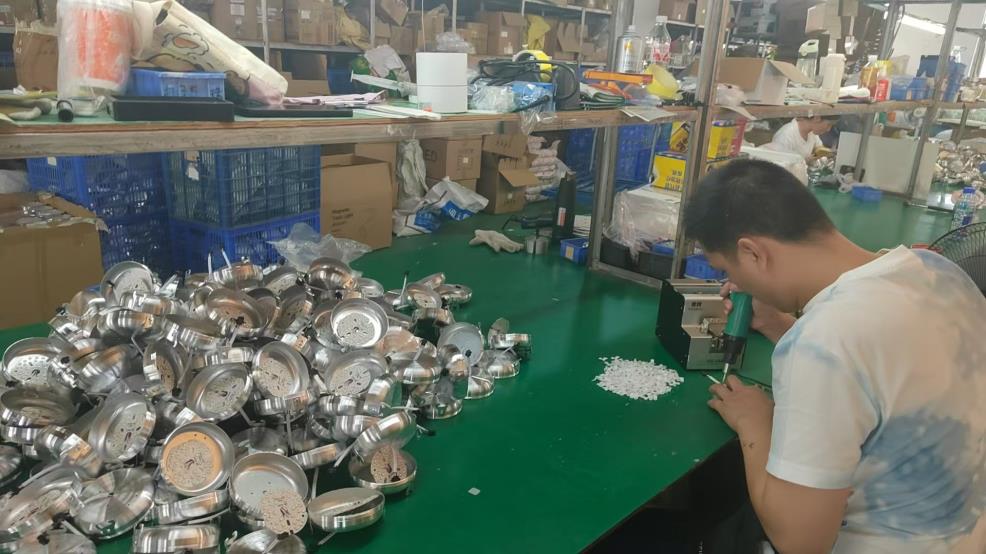
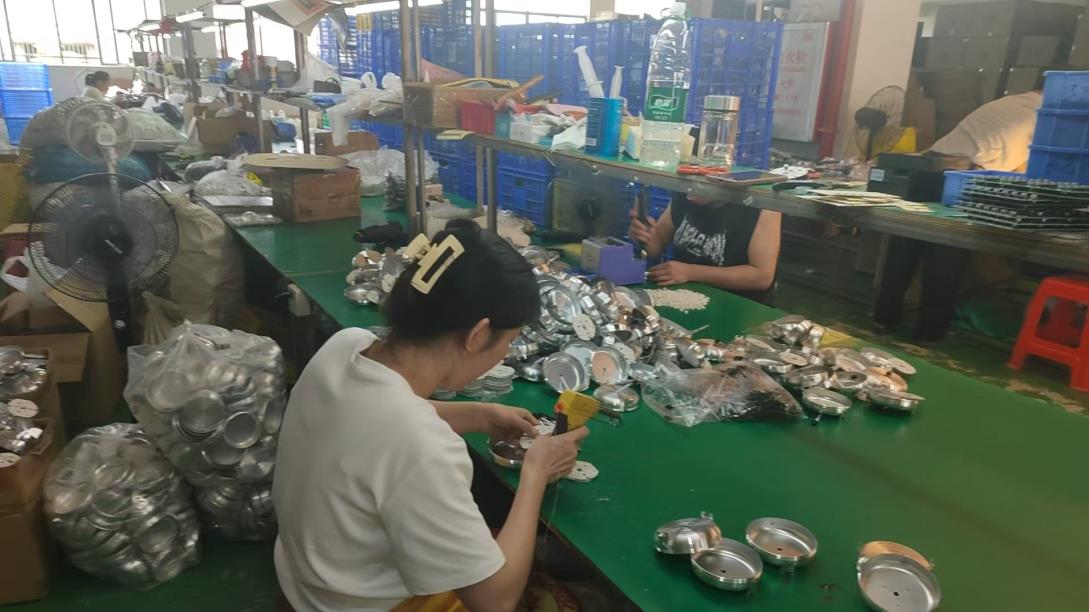
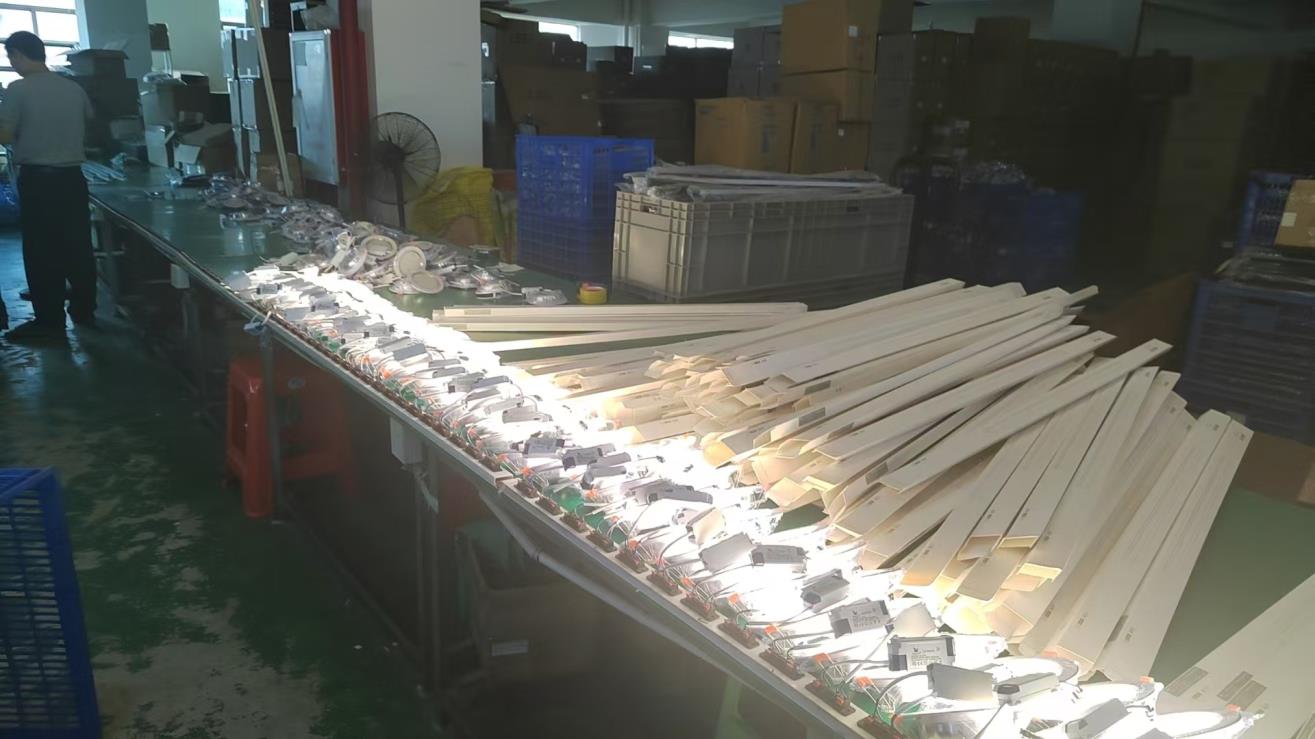
Designed for professional contractors, facility managers, and safety compliance teams. All items are manufactured to meet CE, RoHS, and UKCA performance parameters.
Essential compliance insights, technology evaluation, and commercial procurement guidance for British emergency lighting specifiers.
The UKCA (UK Conformity Assessed) mark is the primary product marking system used for goods placed on the market in Great Britain (England, Wales, and Scotland) since the post-Brexit transition. It covers most products that previously required the CE mark. Emergency luminaires must be designed and certified to meet the harmonized standards corresponding to British Standards (BS EN series). Hangzhou Pina Light Co., Ltd. ensures all manufacturing and documentation align with UKCA requirements, providing full technical construction files (TCF) and Declarations of Conformity (DoC).
BS 5266-1:2016 outlines strict routine testing procedures to ensure system readiness during mains power failure. First, a daily inspection verifies that indicators on central power systems are functioning. Second, a monthly functional test must be carried out, switching the system to emergency mode to check that all luminaires illuminate correctly. Third, an annual full-duration test must verify that all luminaires operate for their full rated duration (typically 3 hours for commercial, educational, and public premises) and remain operational after testing.
LiFePO4 technology provides a significantly longer lifespan (often exceeding 8 to 10 years) compared to the 3-to-4-year cycle of Ni-Cd batteries. This reduces maintenance overhead and ongoing labor costs. It is also more environmentally friendly, aligning with ROHS directives by eliminating hazardous heavy metals. Additionally, LiFePO4 offers superior energy density and high thermal stability, ensuring safe operation during high ambient temperatures or prolonged backup states.
Maintained emergency lights are designed to be illuminated continuously under normal conditions, drawing power from the main supply, and switching to backup battery mode during power failures. They are commonly specified for public gathering spaces, theatres, and retail environments where occupants are less familiar with escape routes. Non-maintained emergency lights remain off during normal operation, only illuminating when the main power fails. These are typically used in offices, warehouses, and standard commercial premises to optimize energy consumption.
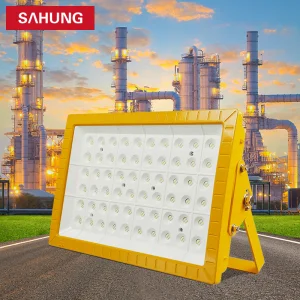
We provide comprehensive engineering, design customization, and testing services. For complex installations, such as coastal chemical processing units or offshore wind installations in Aberdeen, we can modify the structural enclosures of our LED explosion-proof lighting line. We offer custom IP66/IP68 ingress protection, heavy-duty anti-corrosive powder coatings, DALI addressable configurations, and modified bracket mounts to meet specific site layouts and environmental constraints.
Quality control is critical for emergency systems. At Pina Light, every production run is subjected to rigorous testing. Our QA processes include: automated circuit inspection (AOI) to identify PCB defects; high-temperature aging chambers to test electronic stability; 100% cycle-charge testing of lithium packs to verify capacity; and integrating spheres to measure exact lumen output and CRI. This ensures that every luminaire meets its design specifications before leaving the factory.
 Pina Light