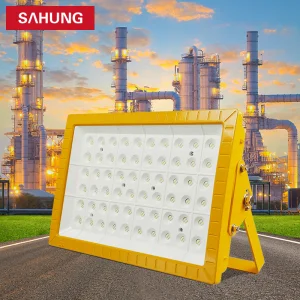
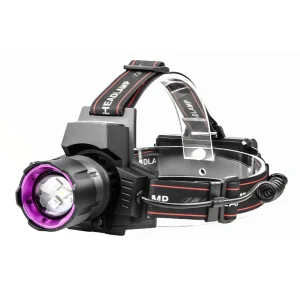
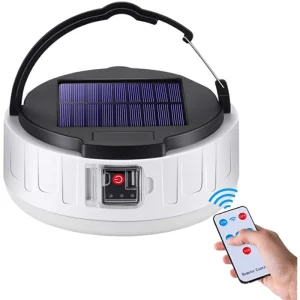
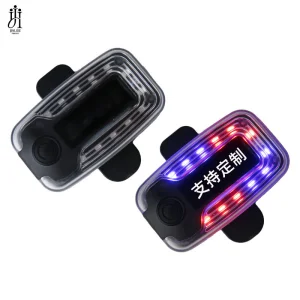
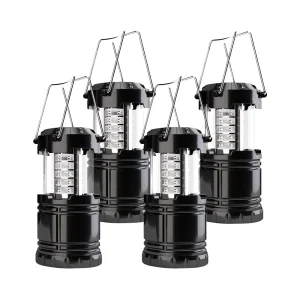
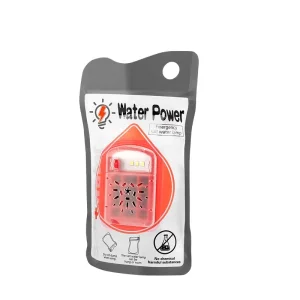
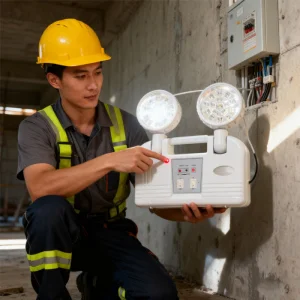
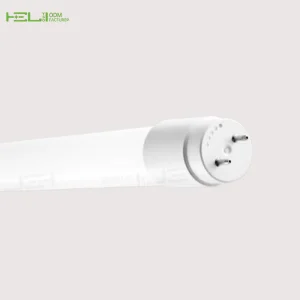
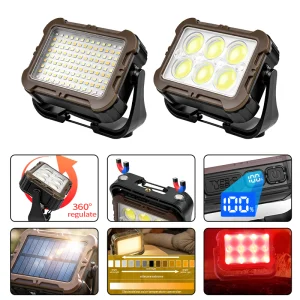
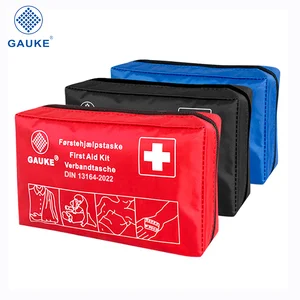
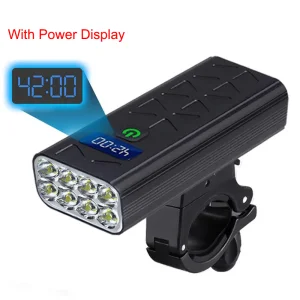
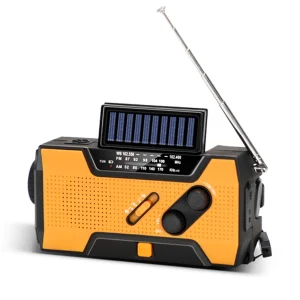
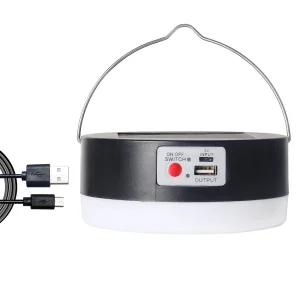
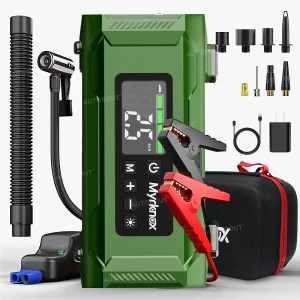
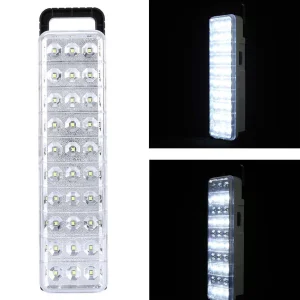
Engineered for instantaneous activation, these core systems represent the vanguard of industrial safety in high-density Lima hubs.
An exhaustive technical whitepaper exploring regulatory structures, geological hazards, and supply chain strategies in the Peruvian capital.
Lima, Peru, is uniquely positioned along the highly active Pacific "Ring of Fire," exposing it to severe seismic threats. Consequently, the safety infrastructure required in high-density areas—such as the financial center of San Isidro, historical landmarks in Centro de Lima, and the massive industrial parks of Lurín and Ate—is subject to some of the strictest standards in South America. The National Institute of Civil Defense (INDECI) enforces rigorous regulations governing commercial, hospitality, and heavy manufacturing installations.
Emergency exit pathways must be equipped with illumination systems that feature independent power sources capable of functioning continuously during prolonged power grid failures. Under Peruvian building code RNE (Reglamento Nacional de Edificaciones) Norma A.130, commercial facilities are required to integrate self-contained emergency lights with at least 90 to 180 minutes of runtime, clear path illumination levels, and anti-corrosive casings capable of surviving structural tremors.
Note for Engineers: In marine environments surrounding the Callao Port zone, standard emergency lights fail prematurely due to high salinity and humidity. IP65 or higher rated casings, coupled with corrosion-resistant polycarbonate lenses, are mandatory to guarantee operational viability.
Globally, procurement managers are shifting away from traditional lead-acid battery emergency twin-spots toward intelligent, low-maintenance LED configurations. Modern compliance frameworks require features like auto-testing (self-diagnostics) to drastically reduce manual maintenance costs.
Key sourcing trends impacting the Latin American market include:
As a premier partner to global distributors, Hangzhou Pina Light Co., Ltd. utilizes an advanced manufacturing model to overcome international supply challenges. By combining China’s dominant electronic supply chain with rigorous testing protocols, we guarantee consistent quality and rapid delivery to the port of Callao.
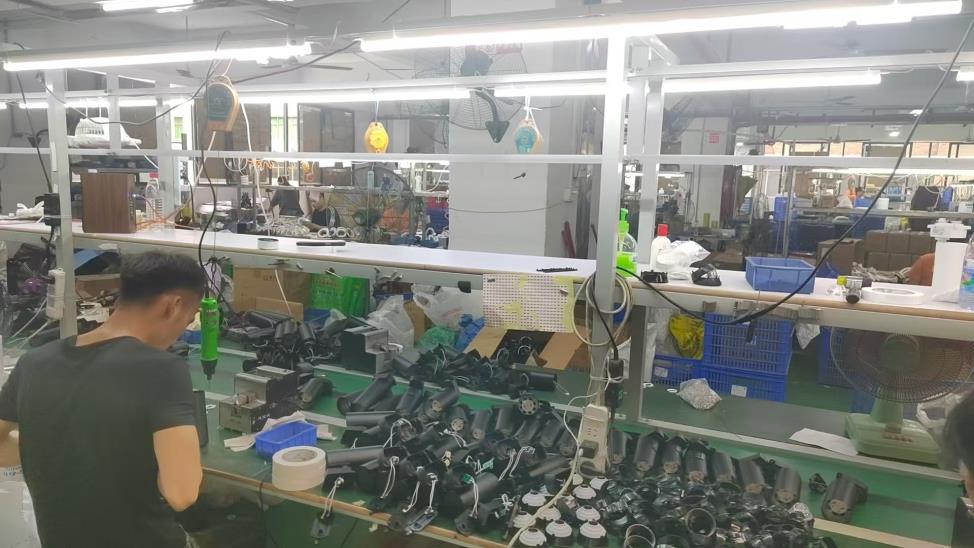
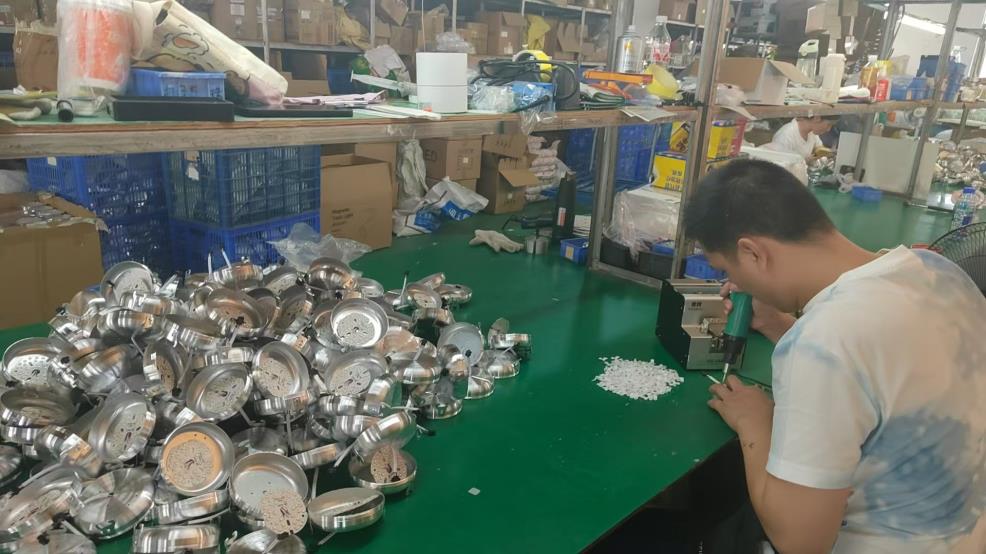
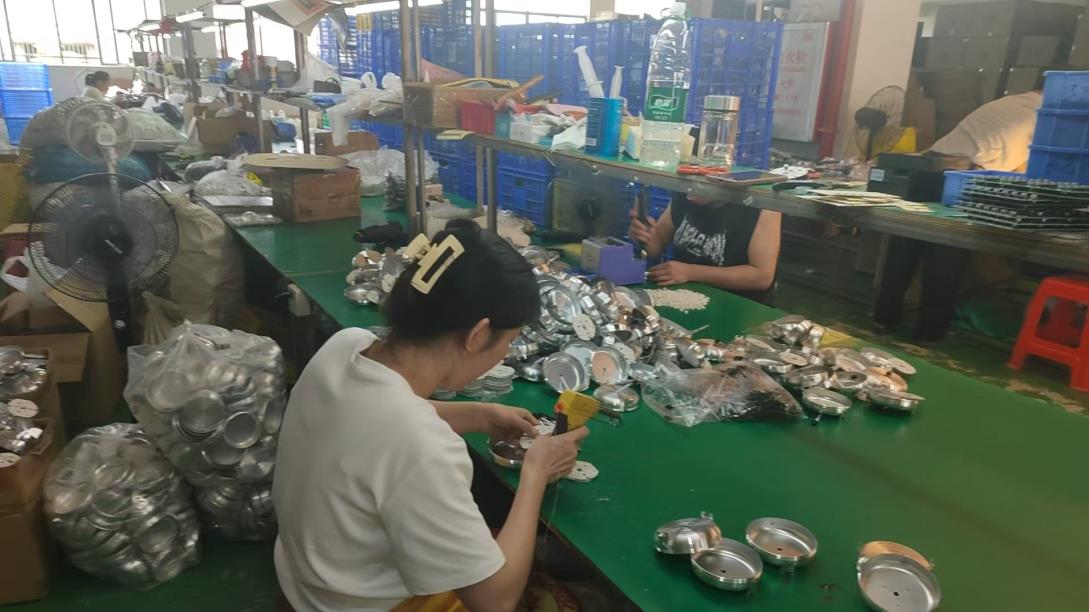
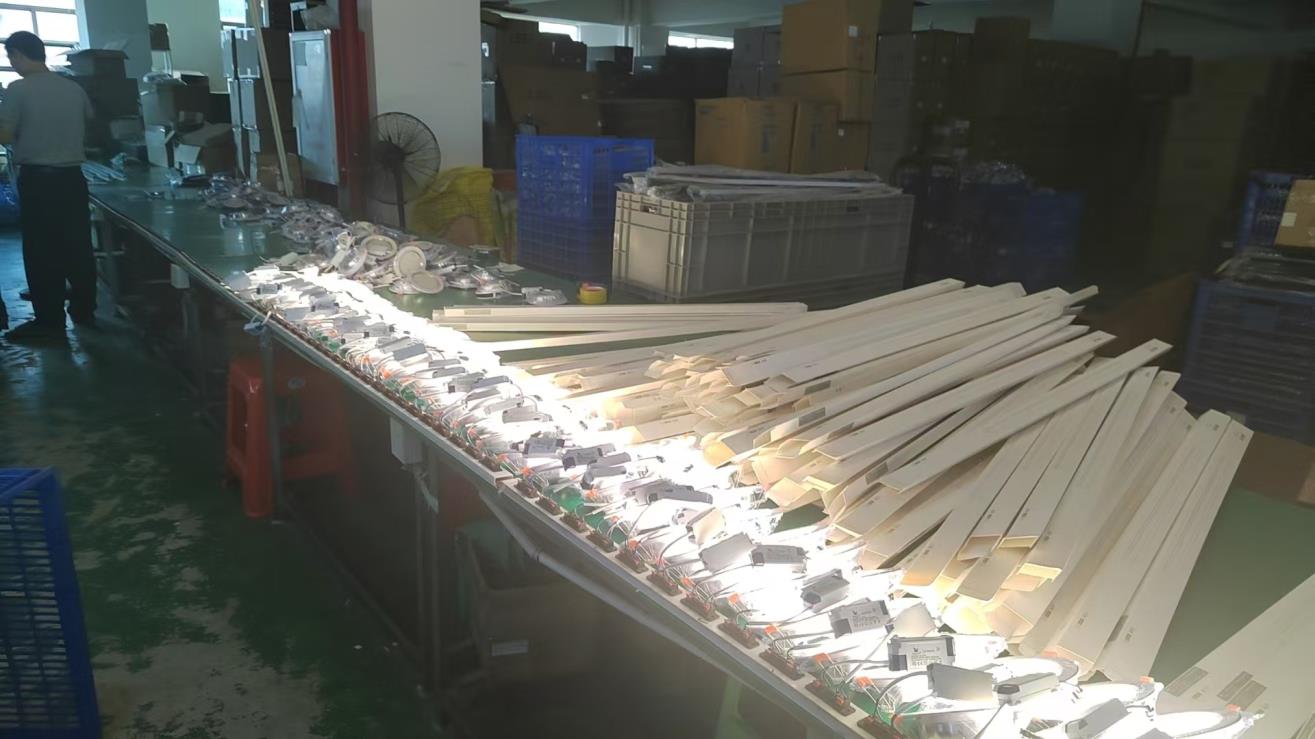
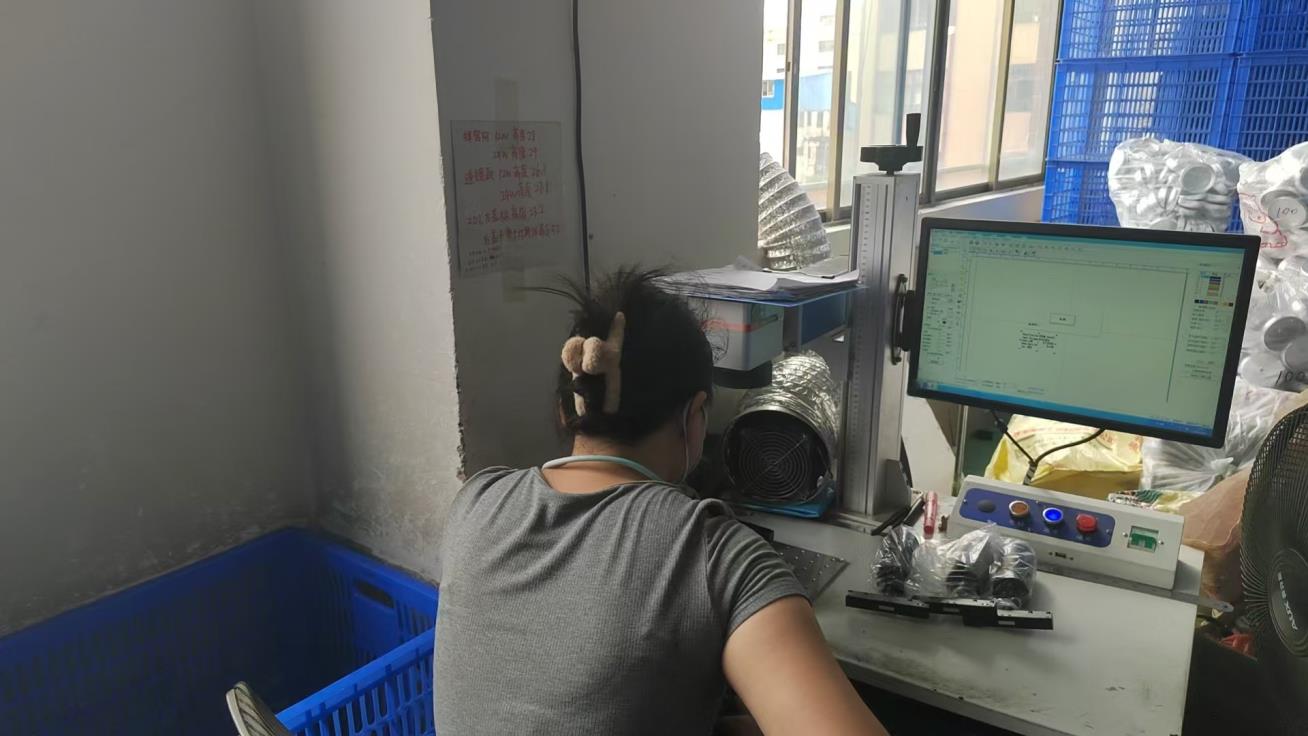
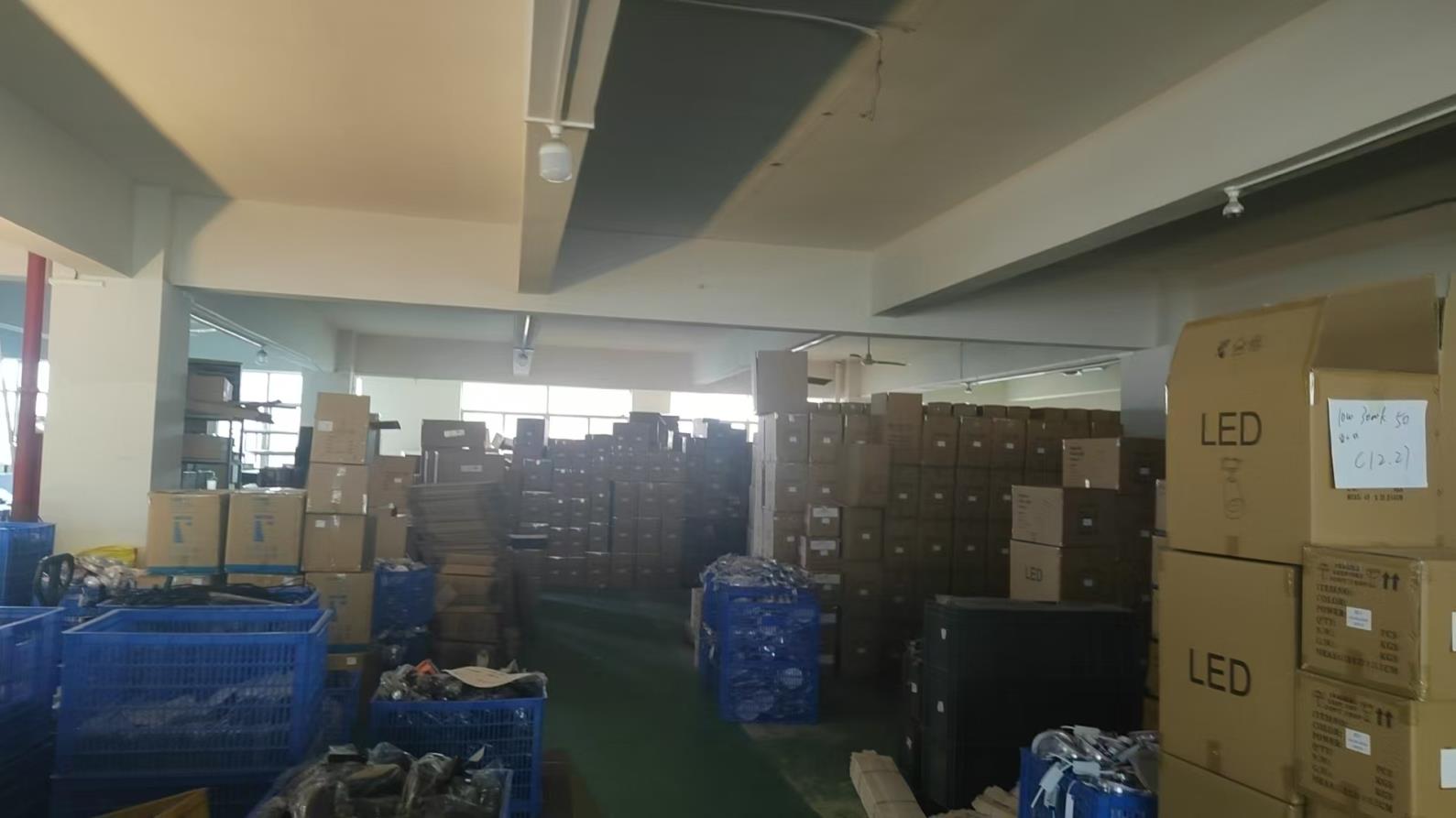
Our production capabilities include automated high-speed SMT placement, automated optical inspection (AOI) to eliminate soldering defects, and computerized battery testing bays. Every batch of emergency drivers is subjected to continuous thermal and cycling stress profiles to match the electrical characteristics of South American electrical grids, which are prone to voltage drops.
How our technical and operational metrics support infrastructure projects across South America.
Quality control at every step. We monitor our processes to ensure every emergency light meets rigorous performance criteria.
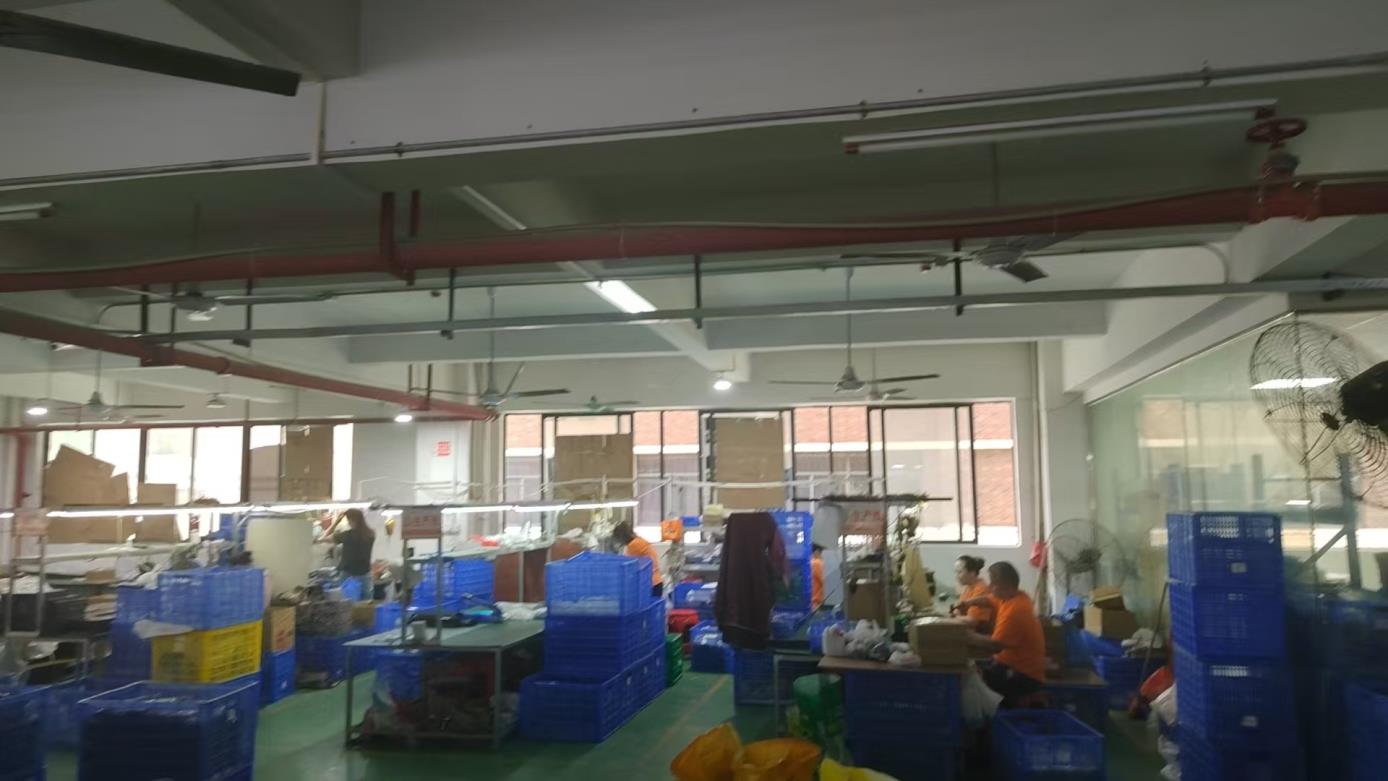
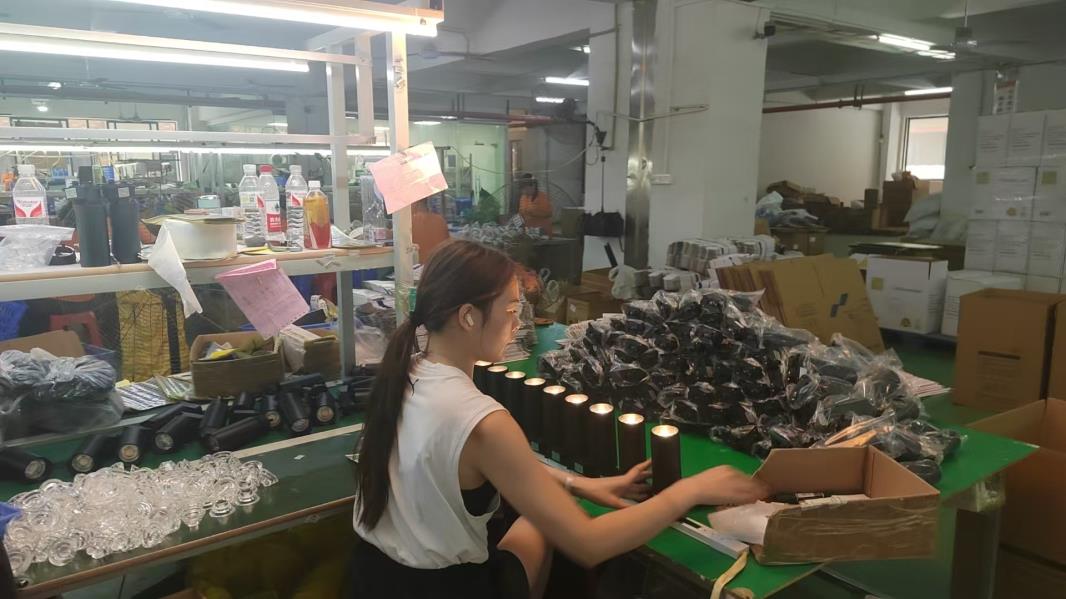
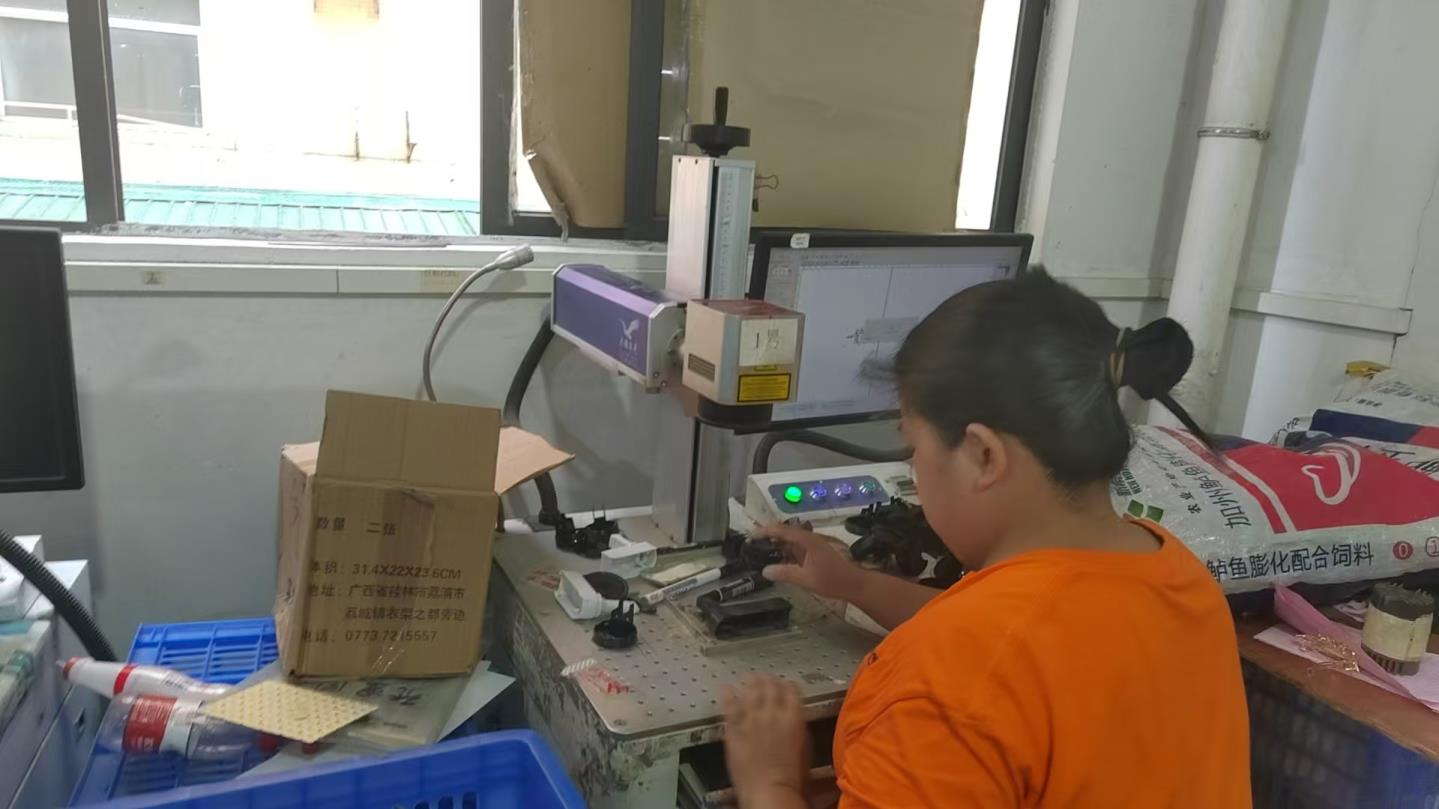
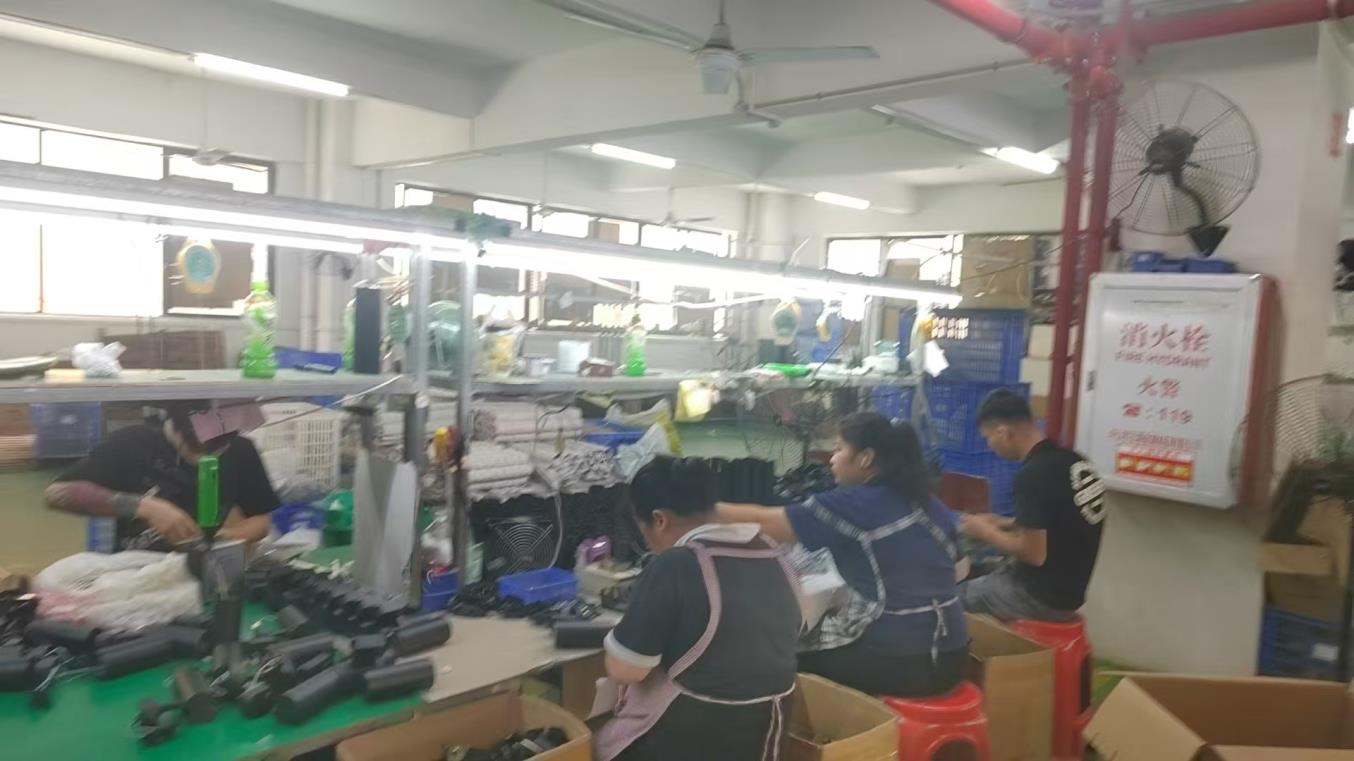
Extended systems engineered for commercial high-rises, logistics networks, maritime projects, and municipal safety centers.
Answers to critical installation, quality, and shipping inquiries for the Andean market.
 Pina Light