Decoding the unique environmental and structural demands for emergency lighting systems across the archipelago
Vanuatu is ranked among the world's most vulnerable nations to natural hazards, frequently weathering Category 5 tropical cyclones, volcanic activity, and seismic disruptions. For key commercial operations in Port Vila and Luganville, as well as remote communities in Malekula, Pentecost, and Tanna, grid electricity is either highly expensive or vulnerable to prolonged blackouts. When disasters strike, centralized grids systematically fail, shifting the burden of safety onto self-contained, battery-powered emergency illumination systems.
To navigate this reality, emergency lighting must transcend standard domestic specifications. Industrial operations, marine ports, and tourism resorts require rugged configurations that offer extensive battery backup, corrosion resistance, and intelligent off-grid charging capability.
The tropical maritime climate of Vanuatu exposes building equipment to continuous high relative humidity (often exceeding 85%) and airborne salt spray. Standard emergency lighting fixtures succumb to electrolytic corrosion within months, resulting in short circuits, PCB degradation, and battery failures.
“For infrastructure projects in Vanuatu, specifications must require high ingress protection (IP65 to IP68), UV-stabilized polycarbonate or marine-grade anodized aluminum enclosures, and conformal-coated electronics to isolate circuits from coastal salt mist.”
Engineered for high durability, coastal protection, and disaster preparedness
The global emergency lighting sector is witnessing a massive transition toward Lithium Iron Phosphate (LiFePO4) battery chemistry. Compared to legacy Nickel-Cadmium (NiCd) and Lead-Acid systems, LiFePO4 batteries offer a lifespan of up to 10 years, can withstand elevated tropical temperatures without thermal runaway, and have a minimal environmental footprint.
Simultaneously, smart self-testing technologies are becoming the standard. Automated monitoring systems carry out mandatory monthly discharge tests and report status changes via LED indicator codes, mitigating the labor cost and human error associated with manual inspections across multi-site resorts or industrial complexes.
Building codes in Vanuatu align closely with Australian and New Zealand standards (AS/NZS 2293). To achieve regulatory sign-off for commercial properties, emergency lights must operate for at least 90 minutes on battery backup following primary utility failure.
Our industrial products are manufactured in compliance with international standards, carrying CE, RoHS, and ATEX certifications. We prioritize high-grade, fire-retardant housings that meet regional fire safety standards, ensuring that when projects are audited, our fixtures guarantee smooth compliance pathways for local developers.
Your Strategic OEM/ODM Emergency Lighting Partner with Global Quality Certifications
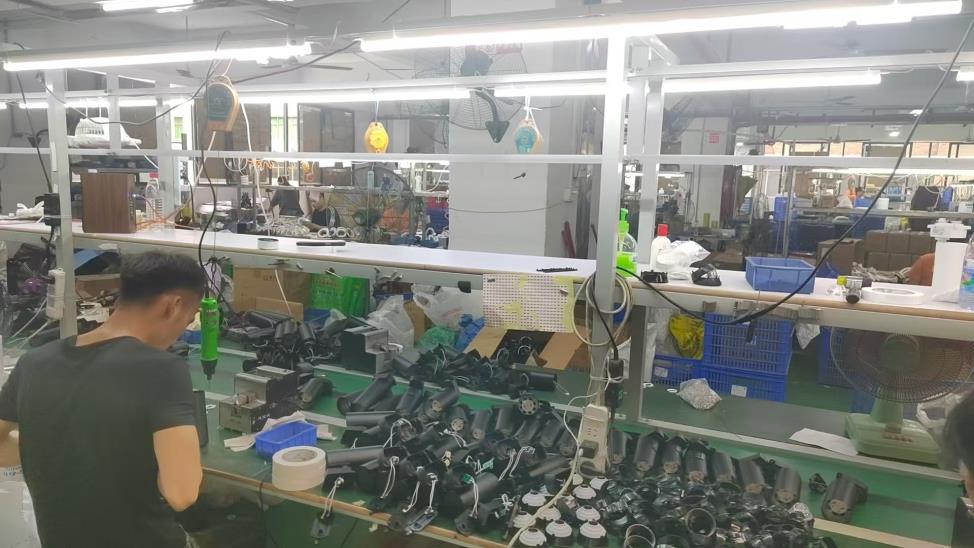
Hangzhou Pina Light Co., Ltd. is a professional manufacturer and exporter of innovative LED lighting solutions, headquartered in Hangzhou, China. Utilizing advanced LED technology and intelligent emergency backup circuits, we design, develop, and distribute high-performance lighting systems globally. Our manufacturing systems comply with strict international regulatory standards, ensuring our products hold globally recognized certifications such as CE, RoHS, FCC, ETL, and UL to provide seamless integration and safety compliance across Vanuatu and the broader Pacific region.
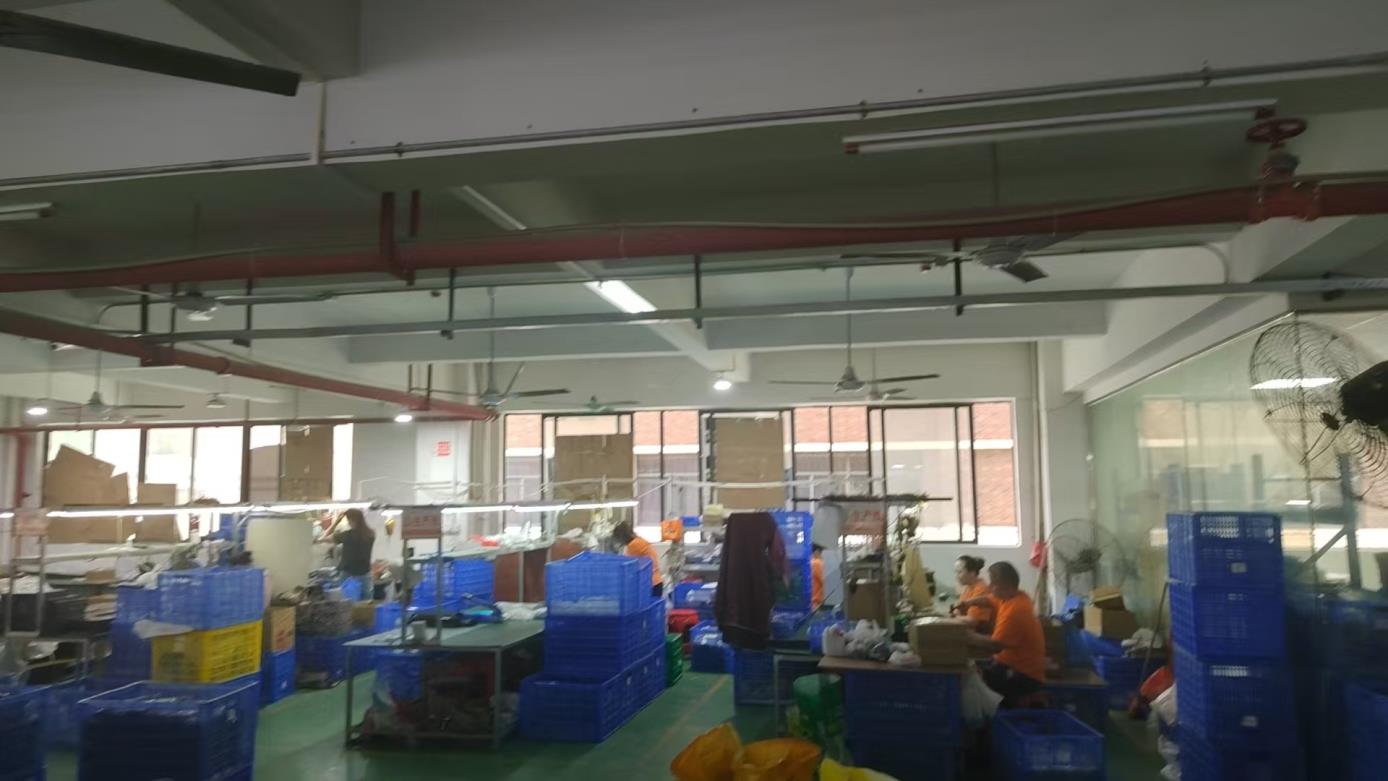
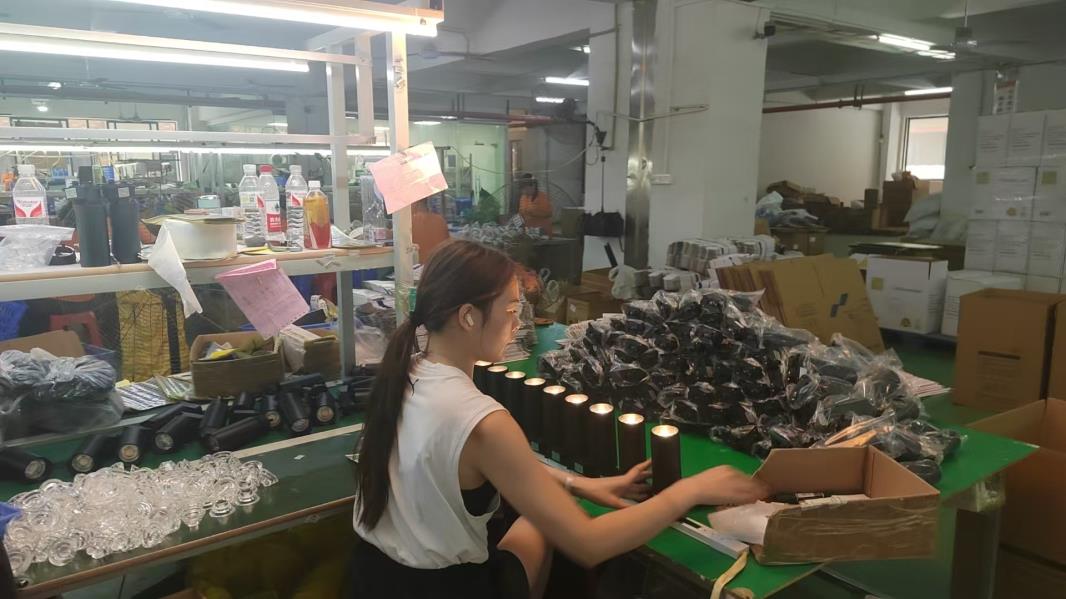
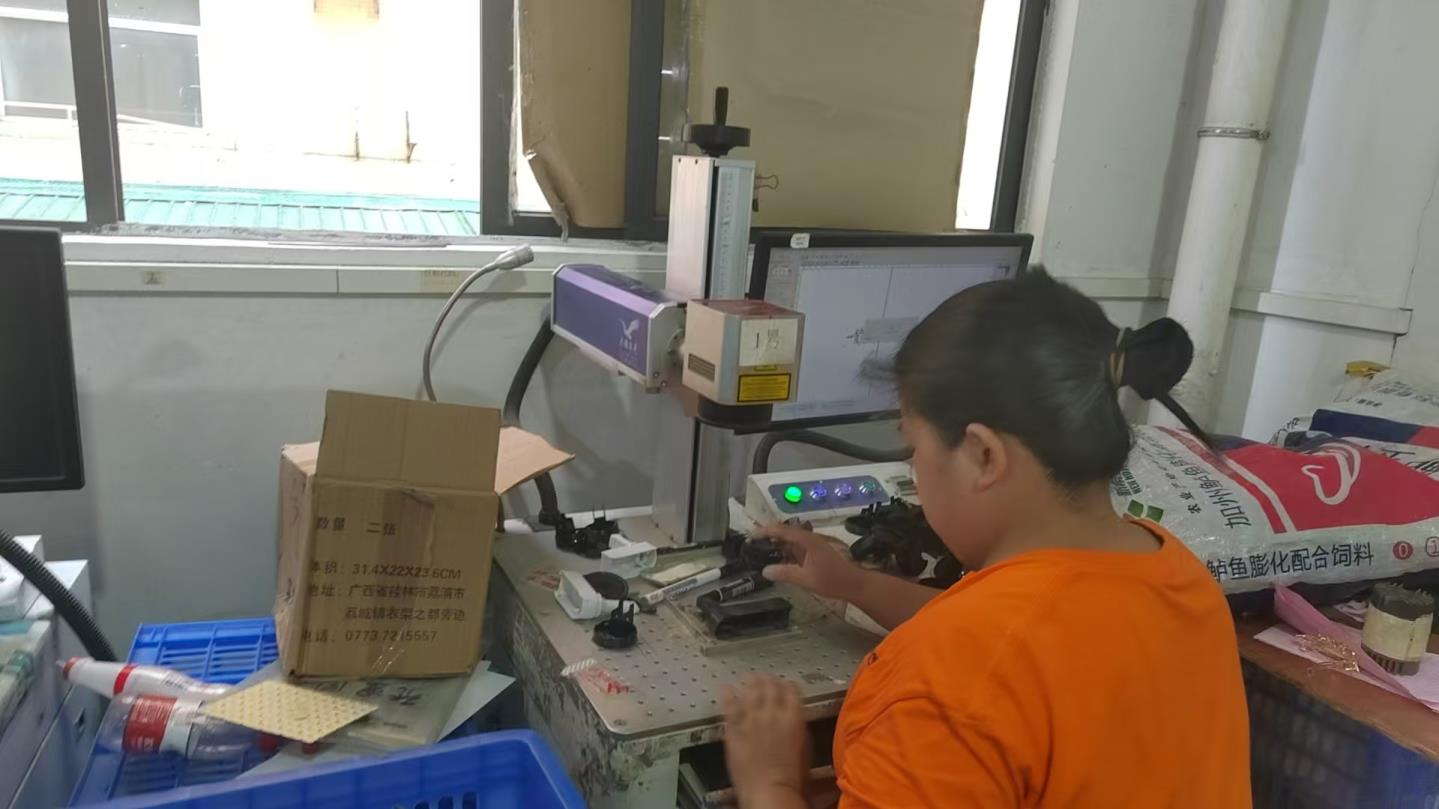
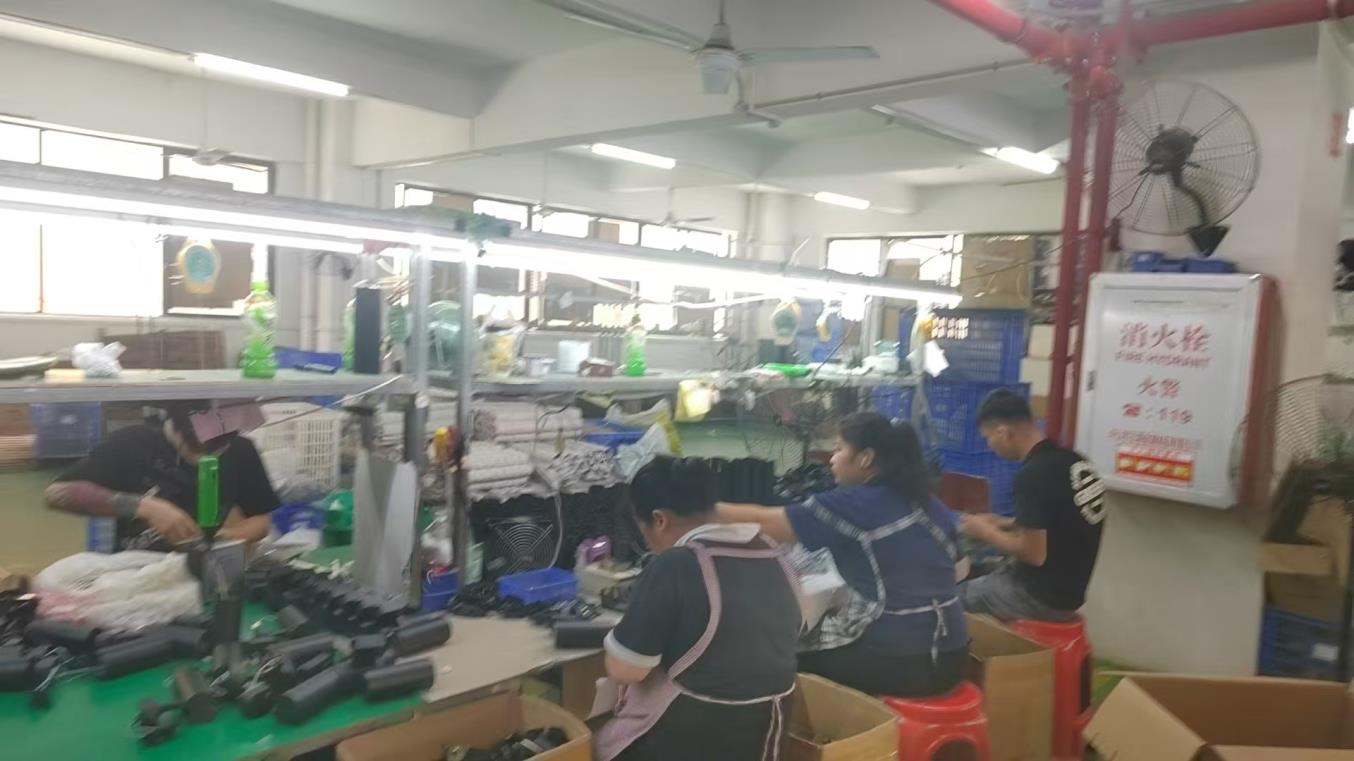
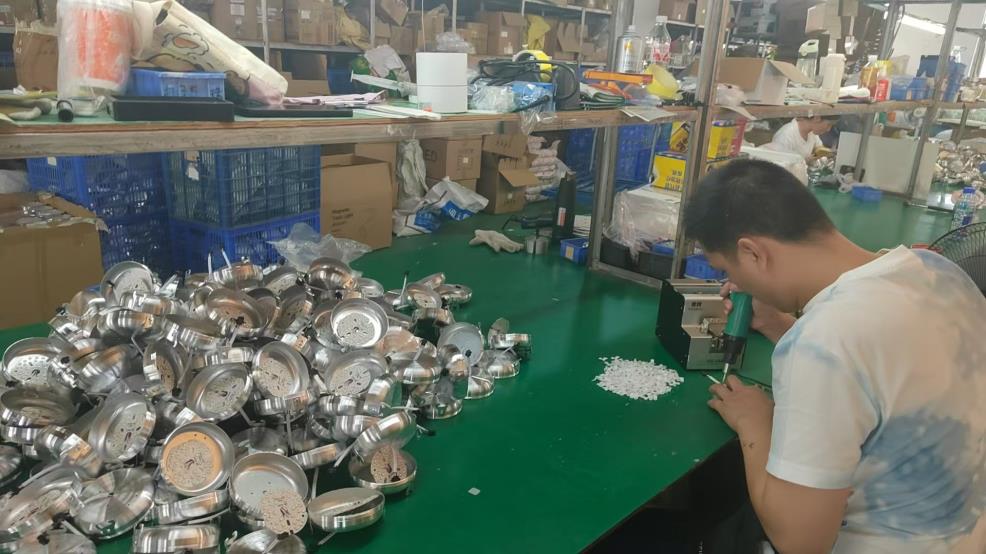
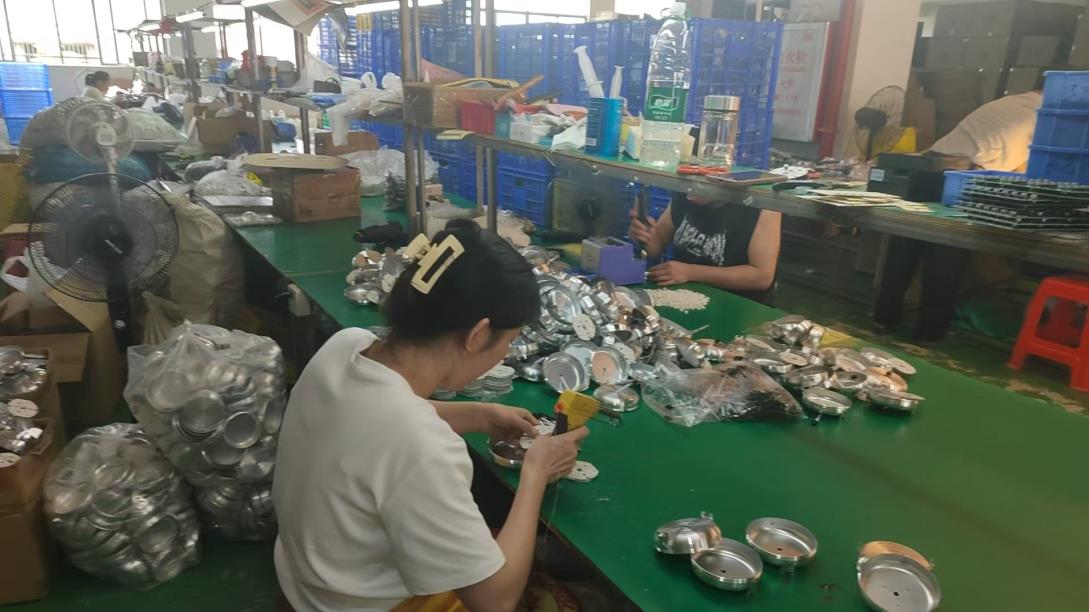
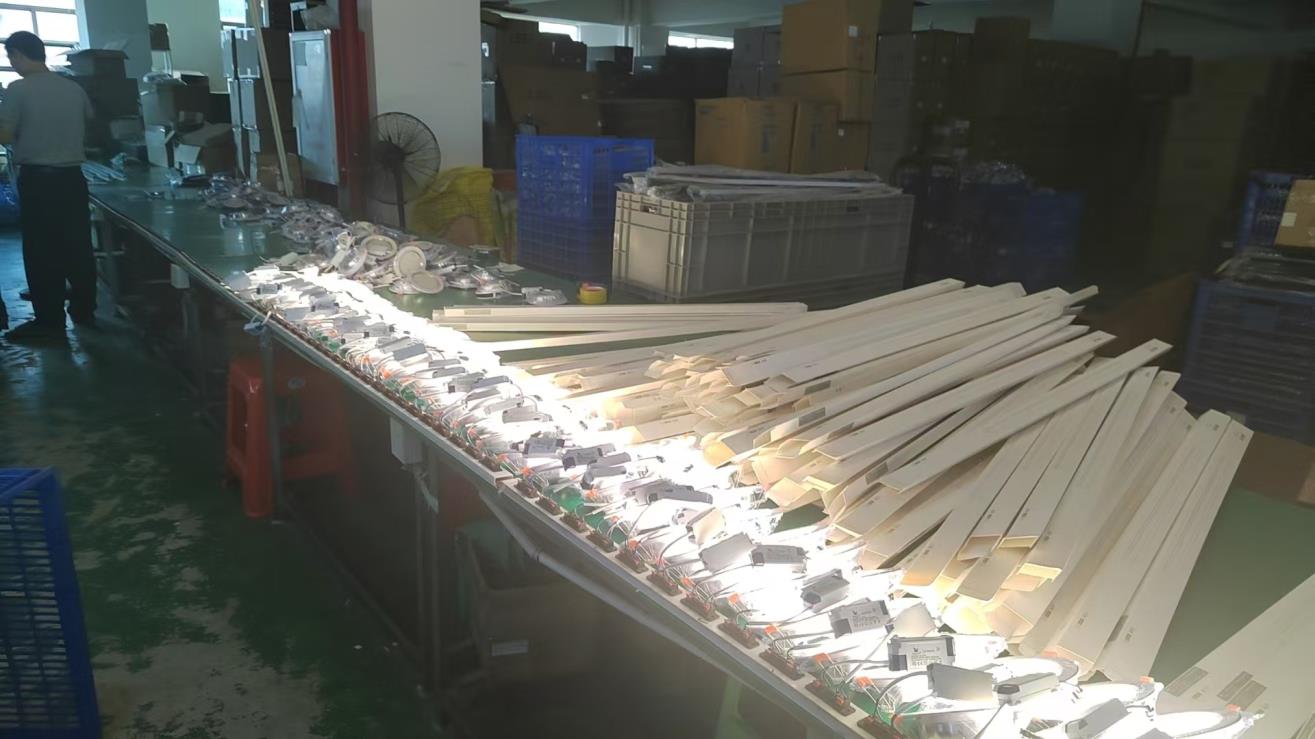
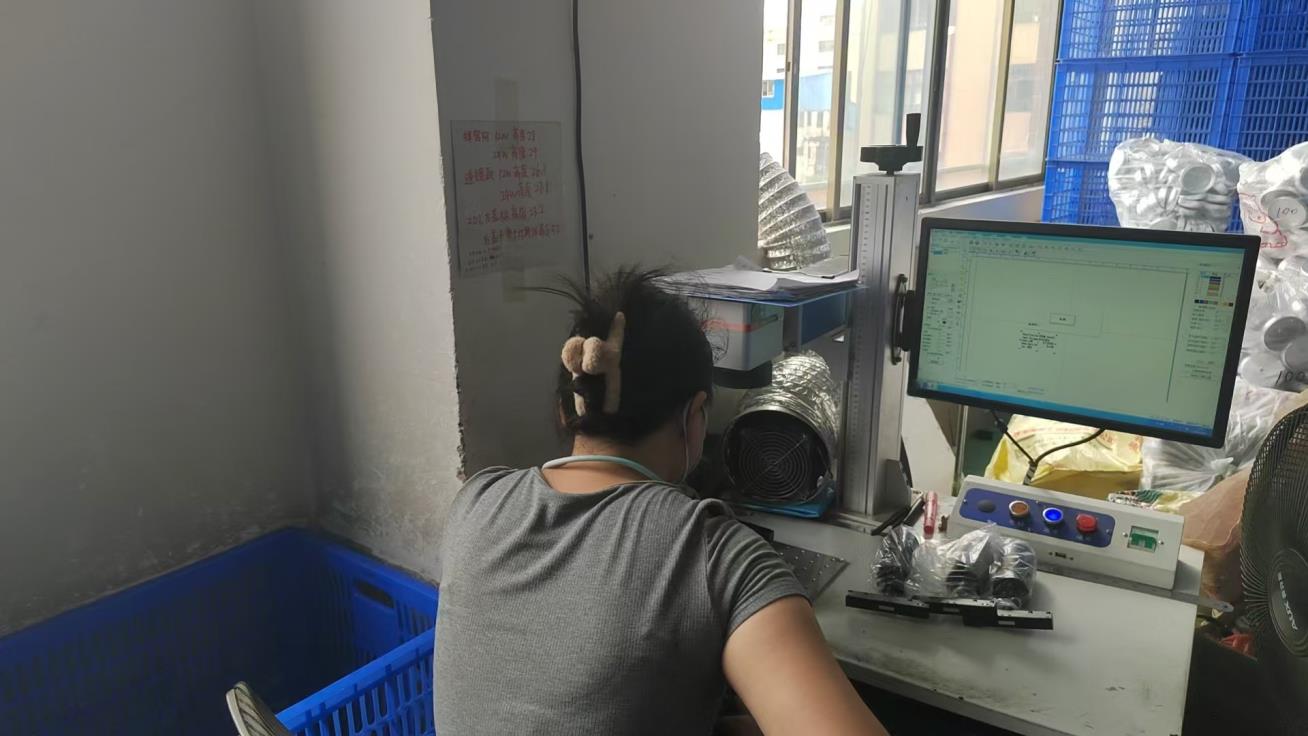
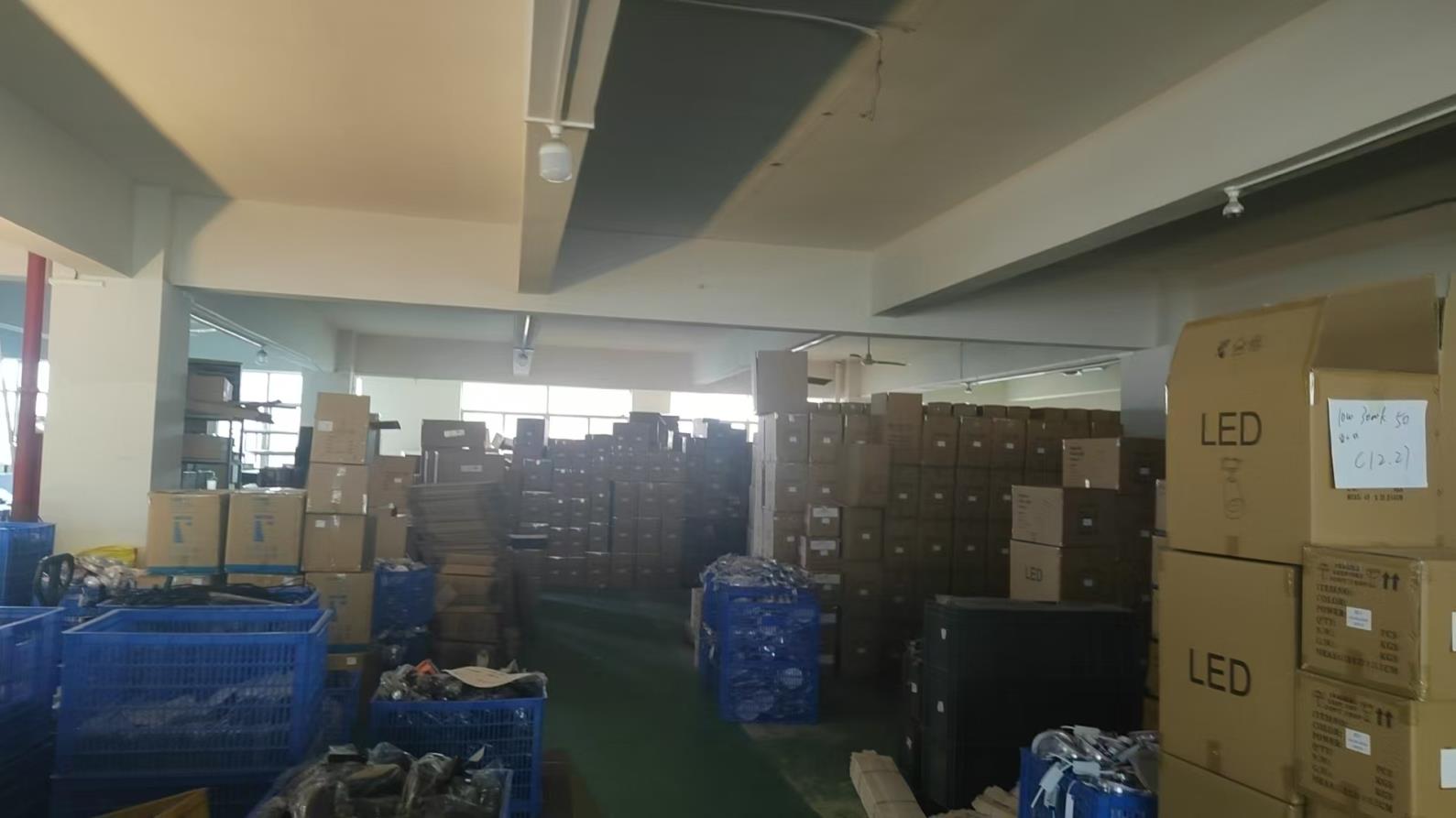
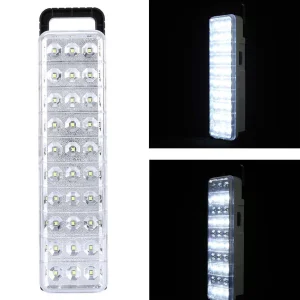
Commercial-grade hardware designed to deliver long runtimes, rugged waterproof performance, and multi-power charge modes
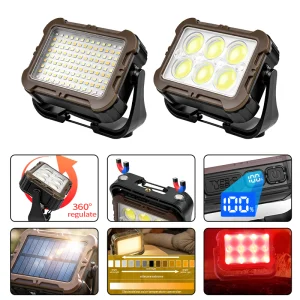
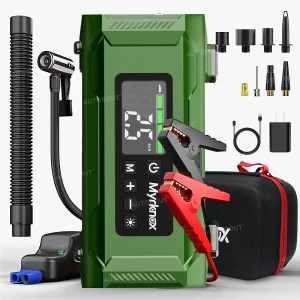
High-energy-density configurations ensuring uninterrupted illumination and power during regional outages
How we tailor lighting technologies to meet specific regional requirements and deployment conditions
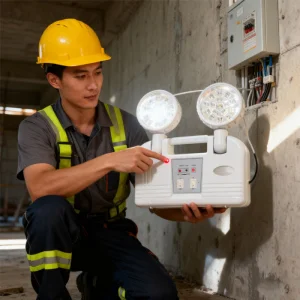
Boutique tourist resorts in Espiritu Santo require emergency lighting systems that match their eco-friendly design aesthetic while providing high durability. In coastal areas, emergency lights must resist humidity and salt air. Our IP65/IP66 decorative twin-spot lights and rechargeable solar fixtures provide reliable operation without compromising architectural design.
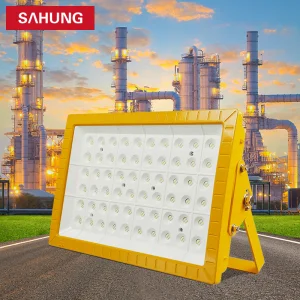
The marine cargo hubs in Luganville handling copra and coconut oil require explosion-proof (ATEX-certified) emergency lights. These hazardous industrial settings demand heavy-duty IP66 flood lights to prevent volatile fumes from contacting electrical components, assuring safety during power outages.
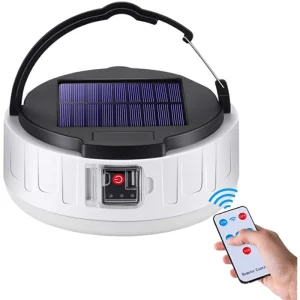
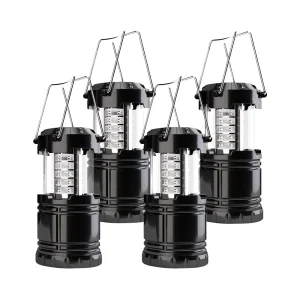
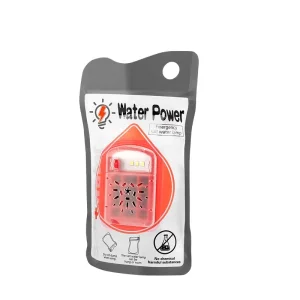
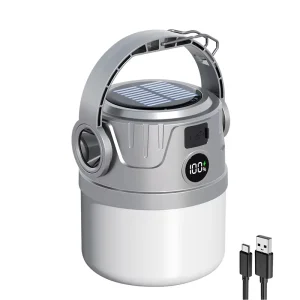
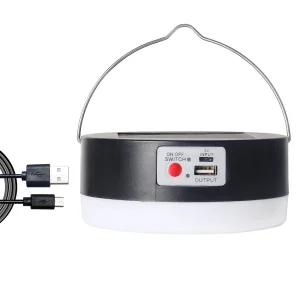
For outlying communities without local power grids, specialized emergency systems like our Salt Water LED Lamp and Solar Charging Lanterns provide essential off-grid lighting. Using readily available ocean water or sunlight, these systems supply up to 120 hours of continuous light during cyclone recovery efforts.
Get in touch with our design and engineering team today to receive a customized quote, compliance advice, or to request custom OEM/ODM configurations.
Send Inquiry NowKey information regarding compliance, battery lifespan, shipping, and customization for the Vanuatu market
 Pina Light