Engineered to meet NF C 15-100 standards and European Directive 2014/35/EU, these premier units provide immediate emergency performance.
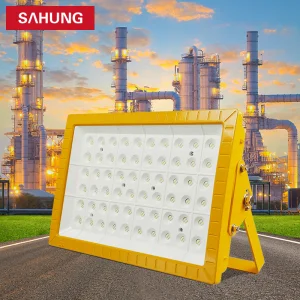
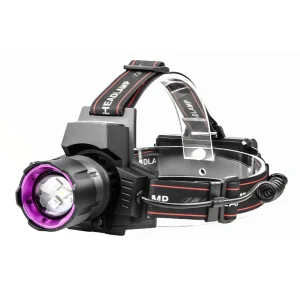
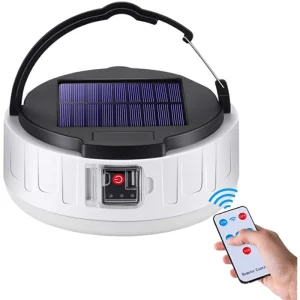
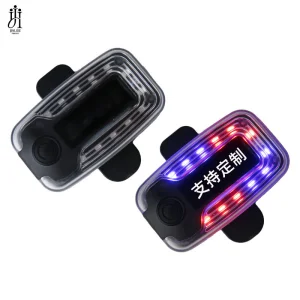
Emergency lighting in France is not merely a component of general building convenience; it is a critical, legally mandated safety system designed to prevent panic and facilitate safe evacuations in times of grid failure. The regulatory backbone is built upon the Decree of June 25, 1980, governing public structures (ERP - Établissements Recevant du Public), as well as article R4227-14 of the French Labour Code (Code du Travail) for workplaces.
These legal frameworks categorize buildings based on capacity and usage, dictate clear luminescence levels (minimum 5 lumens per square meter for escape routes), and enforce autonomous operational capabilities of at least one hour (and up to three hours for industrial zones). As France modernizes its industrial base (from logistics hubs in Île-de-France to petrochemical plants in Marseille and Le Havre), the demand for high-spec, ATEX-certified, dustproof, and waterproof emergency systems has escalated rapidly.
Furthermore, energy conservation initiatives driven by the French government, such as the *Éco-Énergie Tertiaire* scheme, are forcing companies to transition from legacy incandescent or fluorescent emergency devices to ultra-low-consumption LED systems integrated with intelligent monitoring interfaces.
Regulatory Focus (NF EN 60598-2-22): Any emergency light deployed in French commerce or industry must carry the CE mark and satisfy EN 60598-2-22. Compliance with the French national system NF AEAS (NF C 71-800 series) is highly recommended to secure smooth approval from local fire and safety safety commissions (Commissions de Sécurité).
Understanding the bridge between French electrical code demands and Hangzhou manufacturing efficiency.
French standards isolate *Blocs Autonomes d'Éclairage de Sécurité* (BAES) for evacuation lighting and *Blocs Autonomes d'Éclairage d'Habitation* (BAEH) for multi-family residential setups. Our factory-direct OEM products are equipped with high-durability LiFePO4 batteries configured to sustain active discharge matching these distinct localized parameters.
Based in Hangzhou, China, Hangzhou Pina Light Co., Ltd. orchestrates an extensive network of sub-assembly manufacturers and material providers. This geographic synergy allows us to produce high-grade components (such as constant-current IC drivers and thermal-dissipating PC housings) at speed, guaranteeing minimal lead times for major European distributors.
Under French regulation NF C 71-830, commercial sites must undergo regular testing. Our emergency luminaires support Digital Addressable Lighting Interface (DALI-2) protocols, allowing facility managers in France to conduct remote diagnostic queries, battery capacity assessments, and lamp status monitoring automatically.
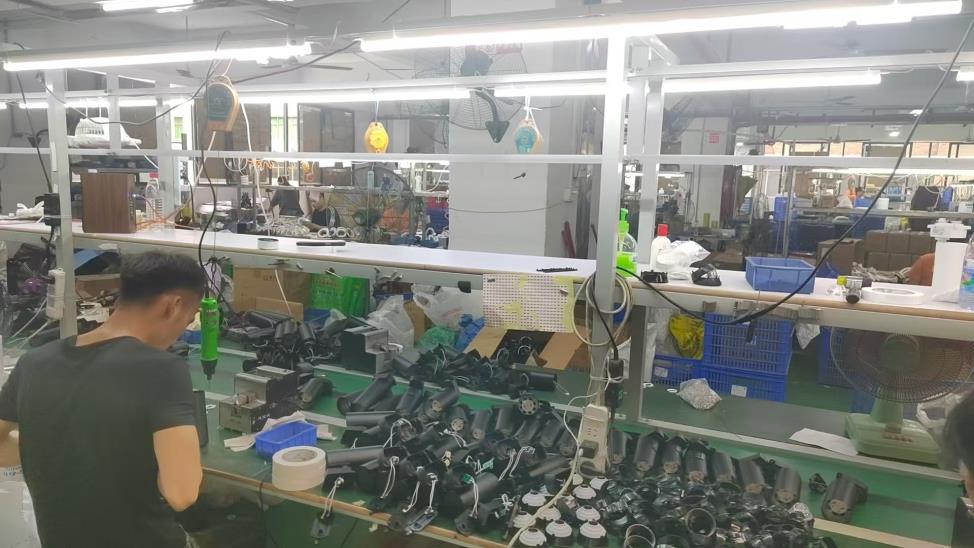
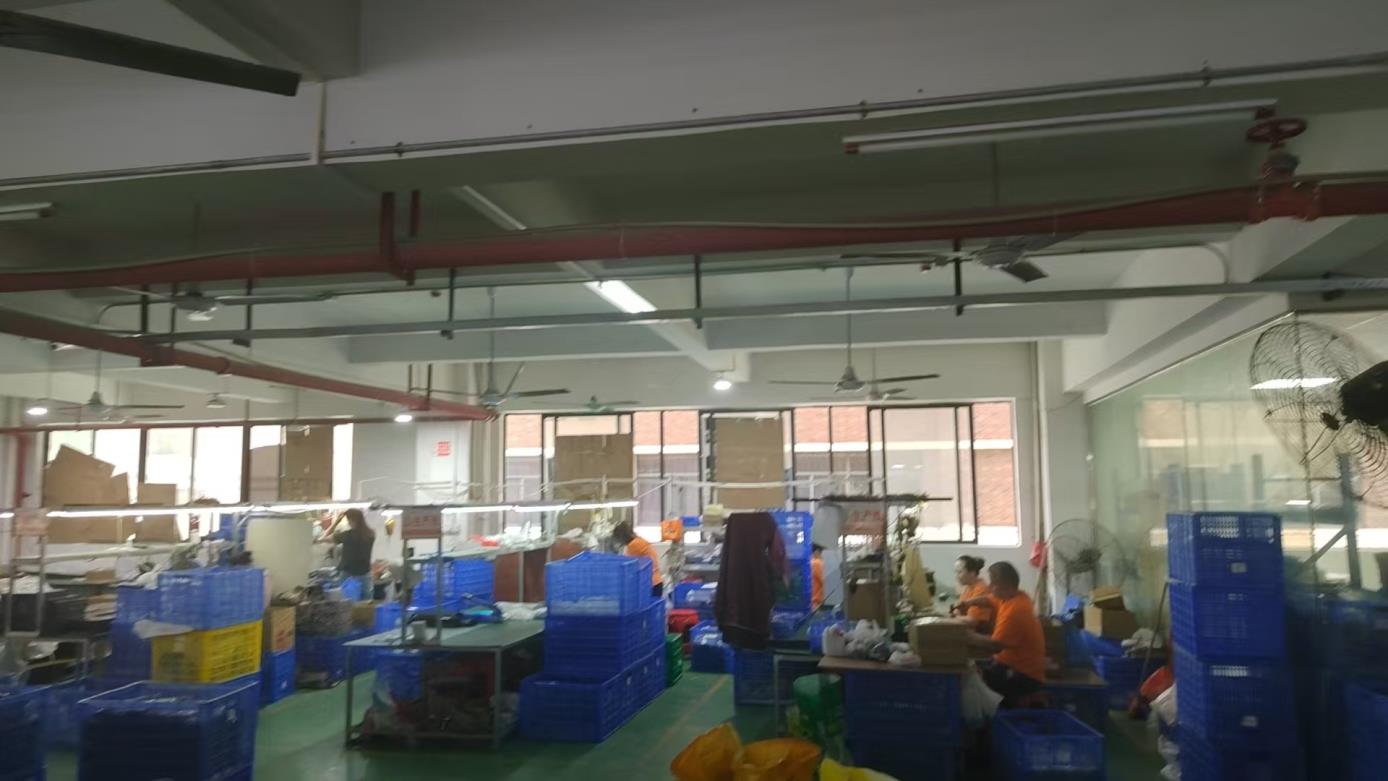
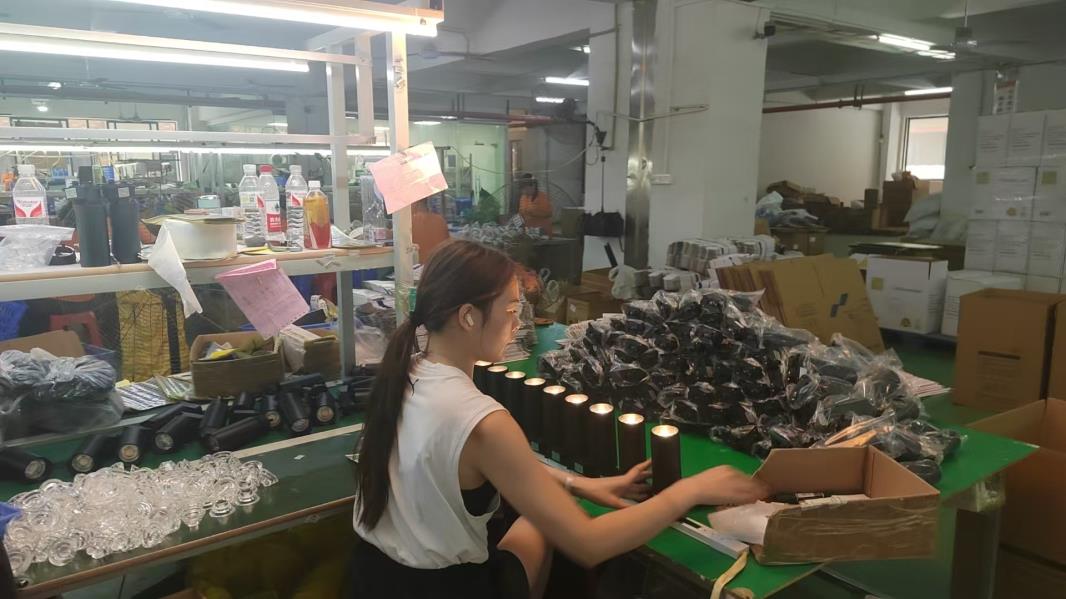
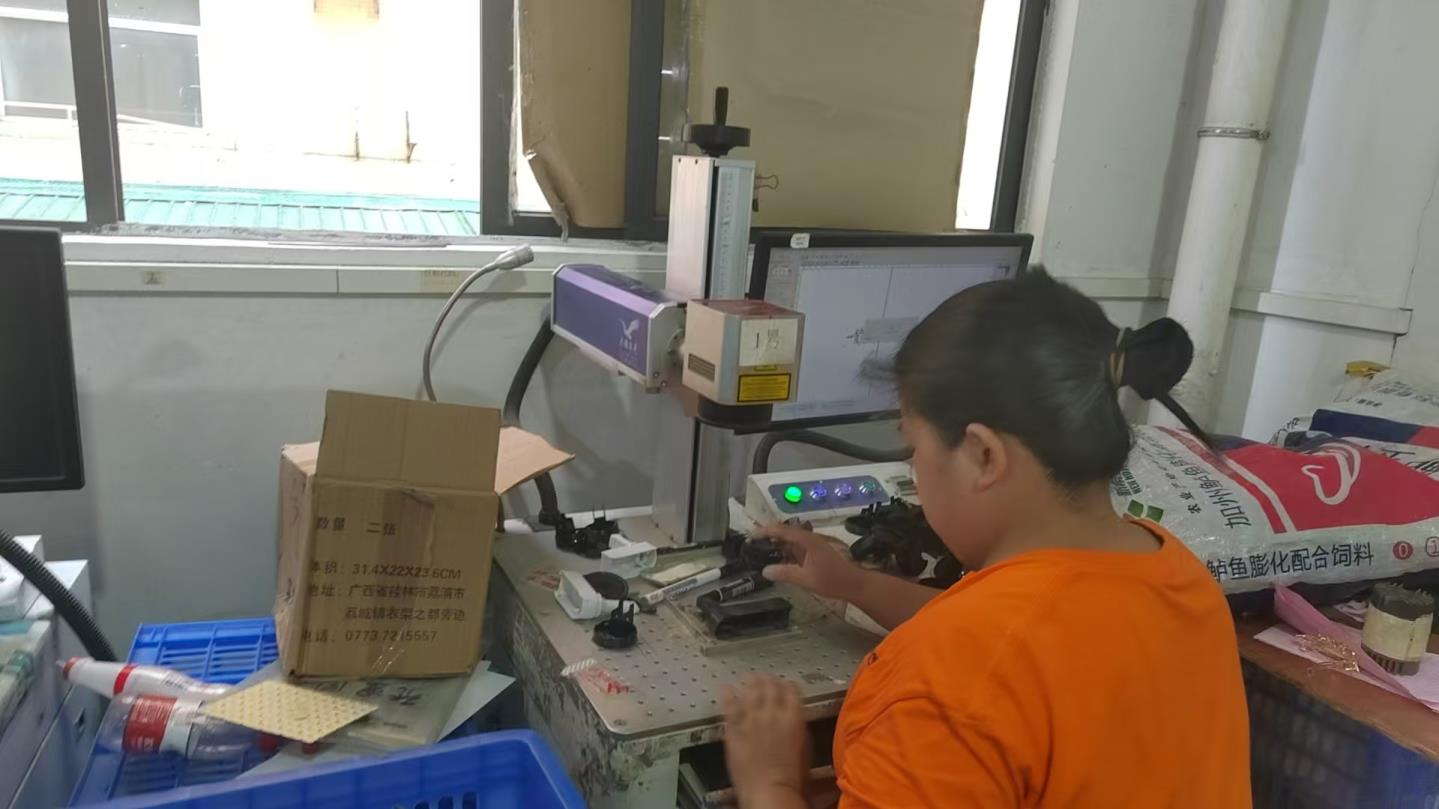
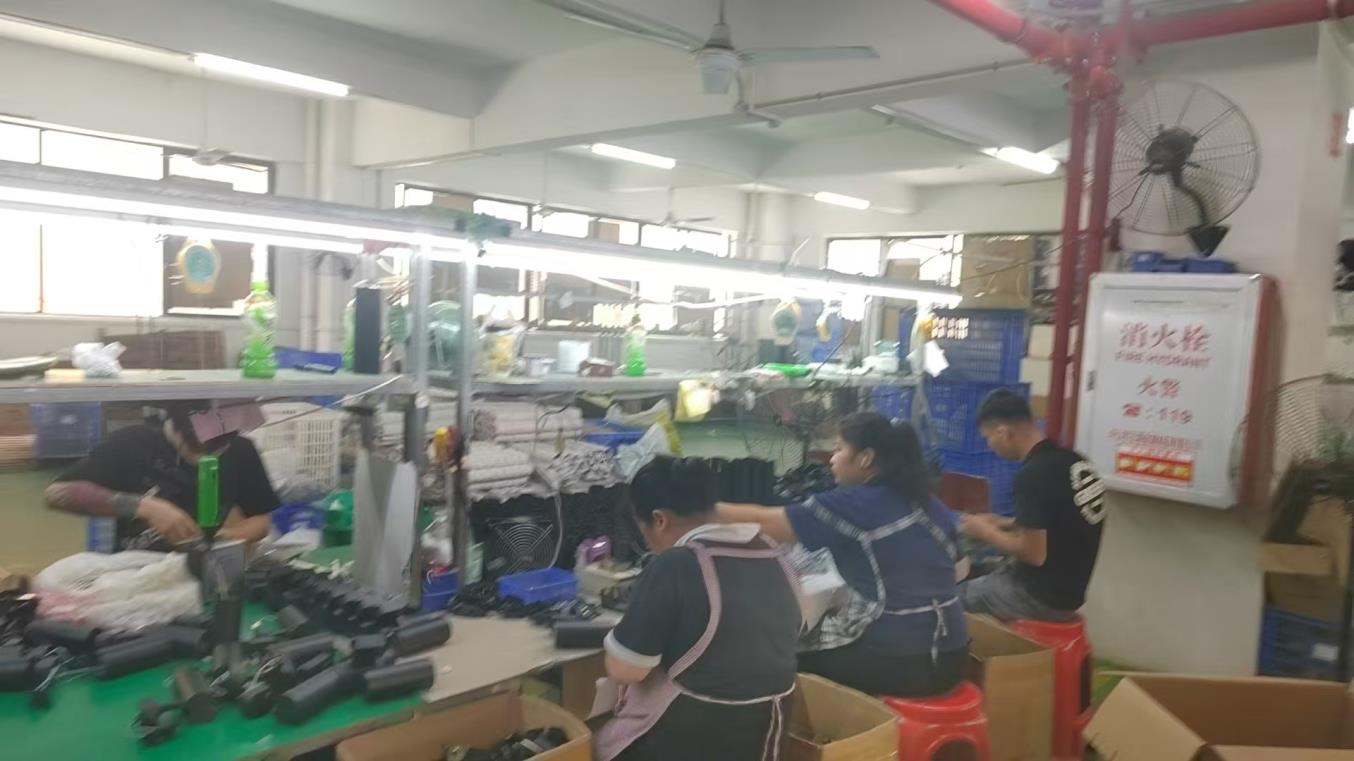
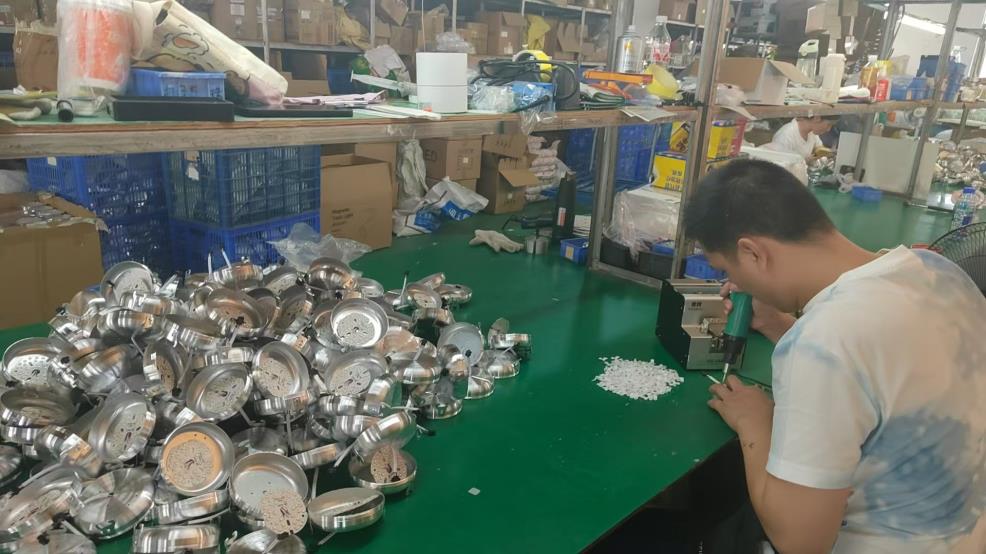
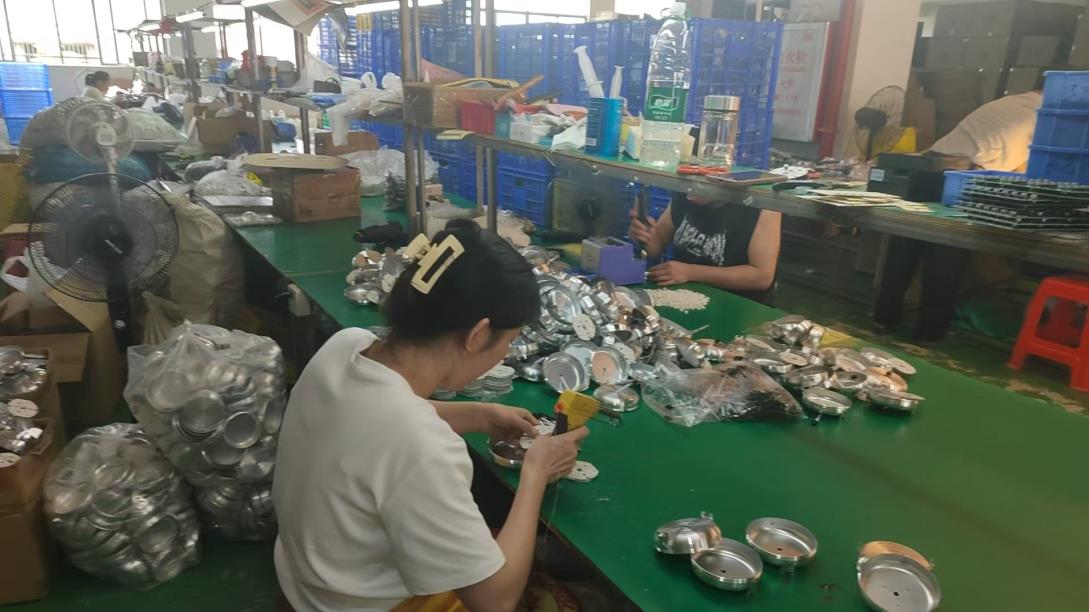
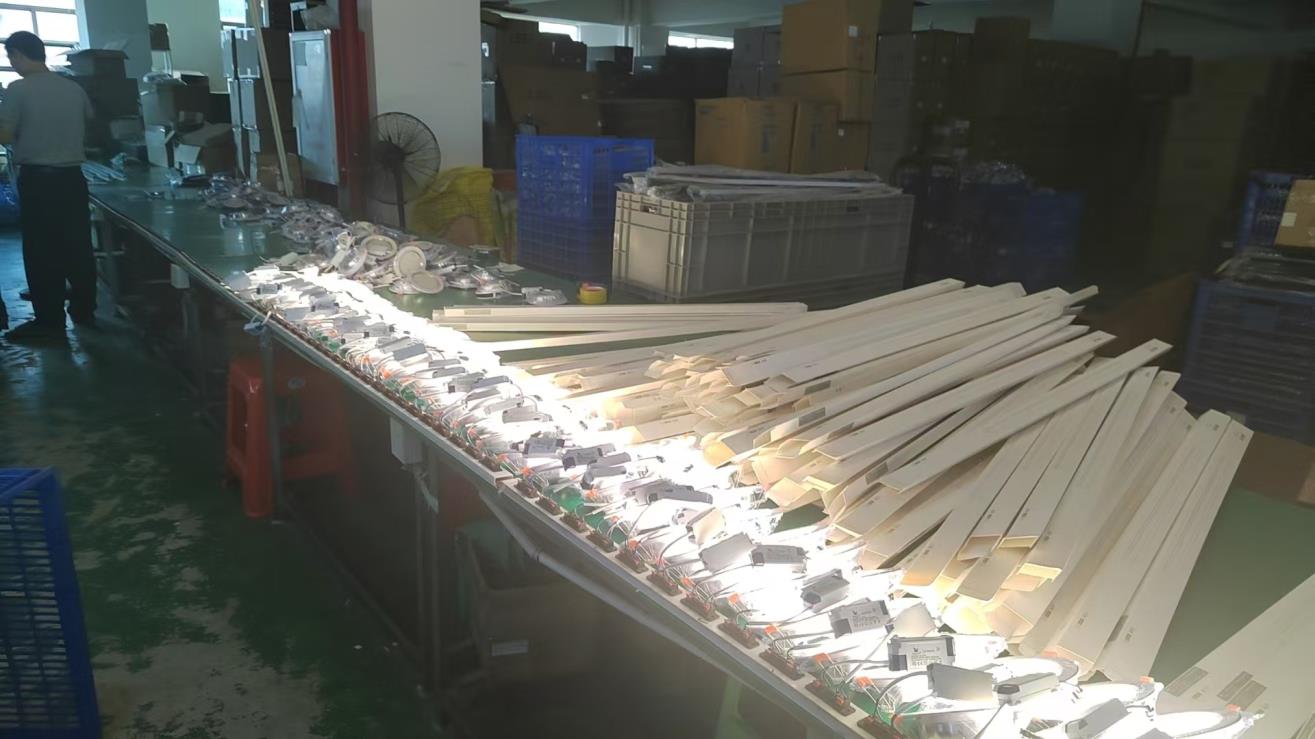
Every stage of production at Hangzhou Pina Light Co., Ltd. is strictly controlled. Here is an inside look at our advanced manufacturing lines, assembly zones, and rigorous testing setups.
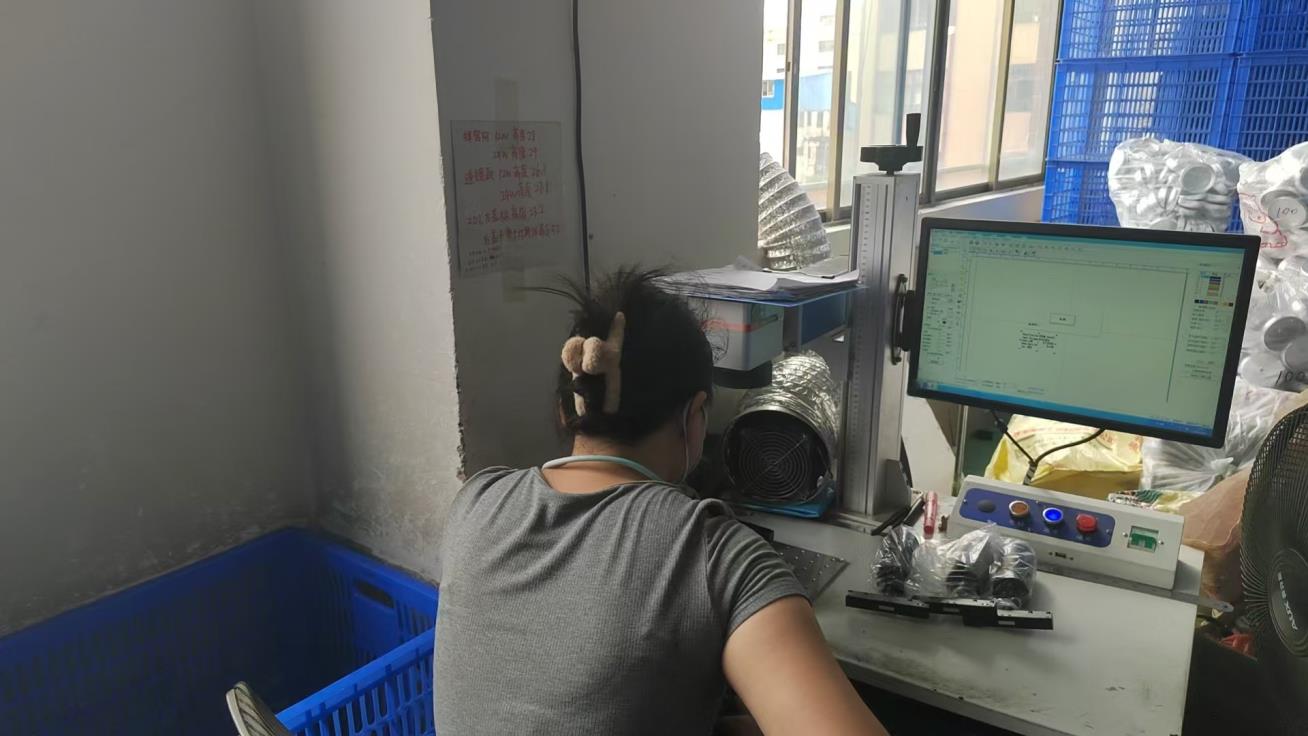
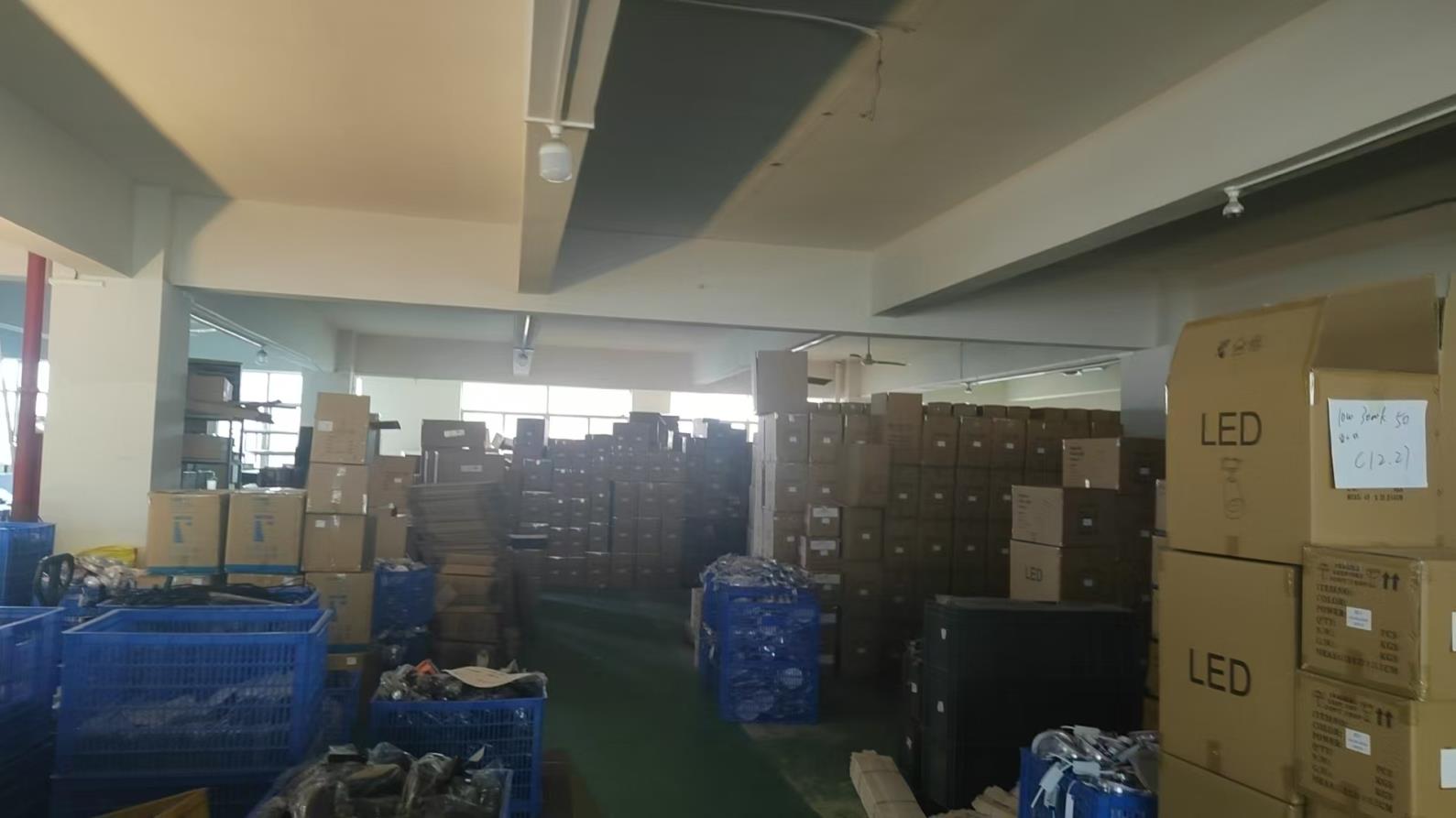
B2B lighting procurement in France involves structured compliance verification. To help engineering, procurement, and construction (EPC) companies streamline their request for proposals (RFPs), our team provides comprehensive documentation covering technical parameters:
French fire safety codes (specifically ERP regulations Article CO 19 to CO 26) dictate stringent requirements regarding reaction to fire. Materials must pass the 850°C glow-wire test (NF EN 60695-2-11) for public installations. Pina Light utilizes premium, self-extinguishing polycarbonate (PC) housings that guarantee compliance while resisting impact and yellowing under UV exposure.
Historically, nickel-cadmium (Ni-Cd) batteries dominated the emergency lighting sector. Modern European directives encourage eco-compatible alternatives. We have transitioned our core product configurations to Lithium Iron Phosphate (LiFePO4). This chemistry offers up to 5x longer lifecycle profiles, lower toxicity, and superior performance in lower or higher ambient temperature conditions.
Under French law, manual testing of hundreds of individual emergency units is cost-prohibitive. Procurement teams prioritize units built with *Système Automatique de Test Intégré* (SATI) capabilities. By building microprocessor-controlled self-checking systems into our luminaires, we enable automatic verification of light source status and battery backup capability, with status indicators visible via bi-color diagnostic LEDs.
Every batch leaving our facility is serialized and marked. We provide complete CE declarations, RoHS verification files, and photometric files (IES/LDT format) to ease integration into lighting design software like Dialux, supporting French architectural calculations.
From historical sites in Paris to manufacturing sites in Lyon, emergency lighting requires custom configurations.
High-bay warehouses in Île-de-France require emergency lighting installed at high mounting points (above 10 meters). These applications require high-output, twin-spot directional LED luminaires with focused lenses to ensure exit routes are properly lit.
Petrochemical zones in Le Havre and Fos-sur-Mer require ATEX-certified, explosion-proof, IP66-rated luminaires. The equipment must withstand corrosive atmospheres, combustible gases (Zone 1 and Zone 2), and thermal fluctuations without spark risk.
French transit hubs (metro stations, airports, train platforms) require highly visible, IP65-rated, impact-resistant emergency warning lights and strobe units to direct pedestrian flow safely through dense networks during outages.
A comprehensive range of portable, industrial, and specialized safety products for French importers and distributors.
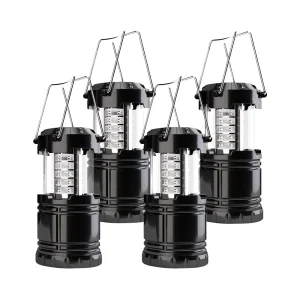
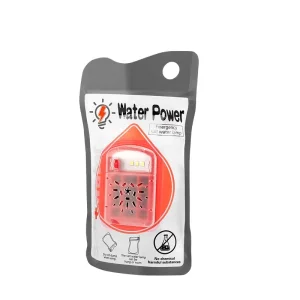
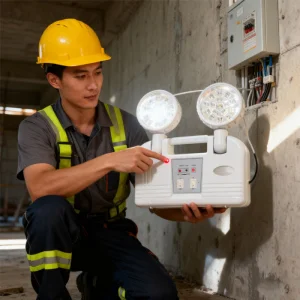
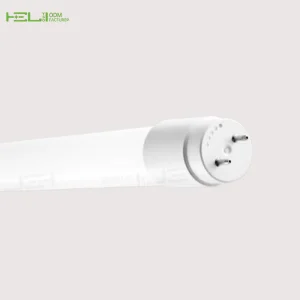
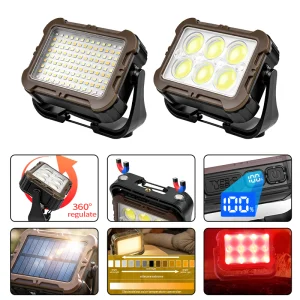
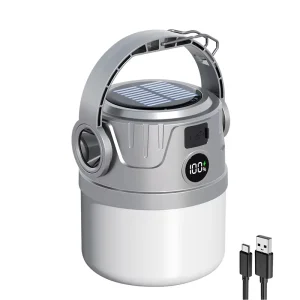
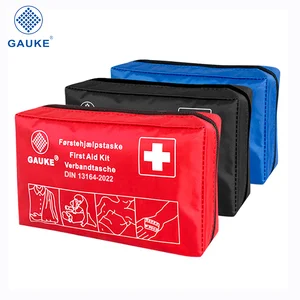
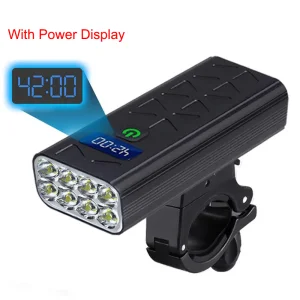
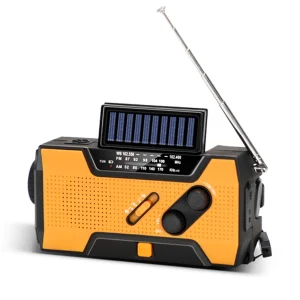
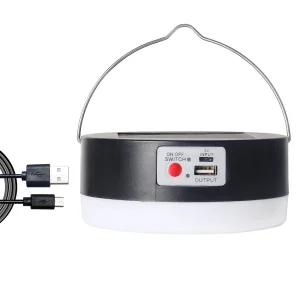
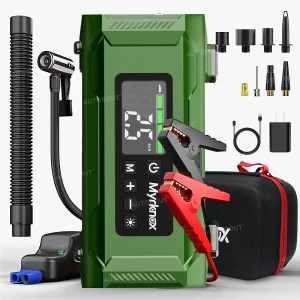
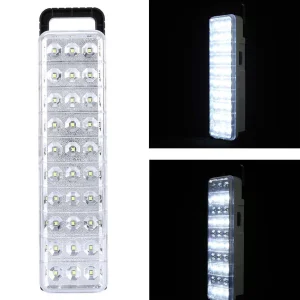
The global emergency lighting sector is experiencing a massive technological shift driven by three primary vectors: energy efficiency mandates, digitalization, and battery technology breakthroughs.
Modern commercial buildings in major European cities like Paris and Lyon are moving toward fully integrated BMS networks. Emergency luminaires are no longer isolated safety units; they are nodes on an IP network. Using technologies like wireless Zigbee or wired DALI-2 pathways, these devices report real-time diagnostic parameters to a central computer, enabling facilities managers to oversee routine safety compliance testing and schedule replacements before outages occur.
In accordance with the European Union’s Circular Economy Action Plan (CEAP), manufacturers must minimize their ecological footprint. This regulation influences how emergency lights are assembled. The industry is phasing out single-use plastics and shifting toward recycled polymers and easy-to-disassemble modules. Battery management systems (BMS) are designed to prolong cell health, minimizing waste and ensuring compliance with RoHS 3 (Directive 2015/863).
Hangzhou Pina Light Co., Ltd. is a professional manufacturer and exporter of innovative LED lighting solutions, headquartered in Hangzhou, China. With a strong manufacturing network and strategic partnerships across China, the company specializes in the design, development, production, and global distribution of high-quality lighting products for commercial, industrial, residential, and specialty applications.
Our core product portfolio includes LED grow lights, commercial lighting, warehouse and high-bay lighting, flood lights, street lights, area lighting, security lighting, retrofit solutions, and customized OEM/ODM lighting products. Leveraging advanced LED technology and intelligent lighting systems, Pina Light is committed to providing energy-efficient, environmentally friendly, and cost-effective solutions for customers worldwide.
Serving clients across North America, Europe, South America, the Middle East, Southeast Asia, and other international markets, our products are manufactured in accordance with strict international quality and safety standards. Many of our products carry globally recognized certifications such as CE, RoHS, FCC, ETL, UL, and other market-specific approvals, ensuring reliable performance and regulatory compliance.
At Hangzhou Pina Light, innovation is at the heart of our business. Our experienced engineering and R&D teams continuously develop new products and improve existing technologies to meet evolving market demands. From product design and prototyping to mass production and quality assurance, every stage of the manufacturing process is carefully monitored to ensure superior quality, consistency, and long-term reliability.
With years of experience in the lighting industry, we have established an efficient supply chain and comprehensive quality management system that enable us to deliver competitive pricing, stable production capacity, and timely shipment schedules. Our dedicated quality control team conducts rigorous inspections throughout the production process, guaranteeing that every product meets customer expectations before leaving the factory.
In addition to our standard product range, we provide flexible OEM and ODM services for lighting brands, distributors, wholesalers, contractors, and project developers. Our team works closely with customers to create customized solutions tailored to specific technical requirements, market preferences, and branding needs.
Clear answers on technical parameters, compliance certifications, and ordering protocols for the French market.
Whether you require ATEX-rated industrial flood lights, battery-backup twin-spots, or custom-branded BAES emergency systems, our engineering team in Hangzhou is ready to review your project files and provide tailored quotations.
Send Inquiry Now Pina Light