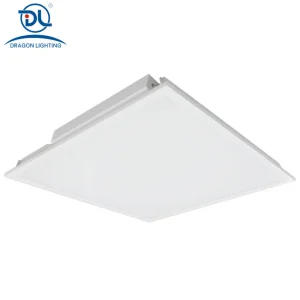
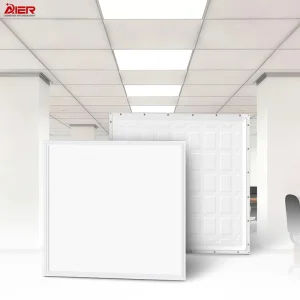
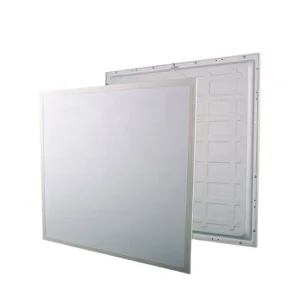
Engineered for architectural elegance, low-energy footprints, and optimal thermal management in Baku and regional markets
Azerbaijan, strategically situated at the crossroads of Eastern Europe and Western Asia, has emerged as a major economic powerhouse in the Caspian region. Driven by large-scale urban development initiatives like the Baku White City project, the modernization of Sumqayit, and the extensive reconstruction of infrastructure across the Karabakh region, there is an unprecedented demand for high-efficiency commercial lighting solutions. Modern administrative structures, luxury hotels in Baku, health clinics, and educational complexes require lighting setups that minimize operational overhead while conforming to international standards for safety and structural longevity.
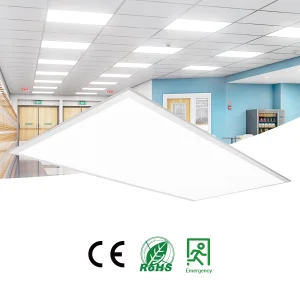
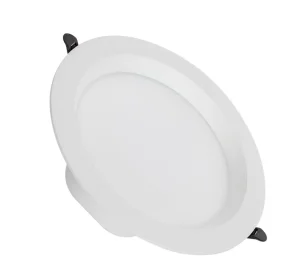
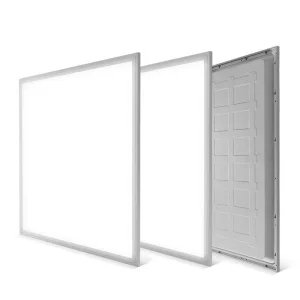
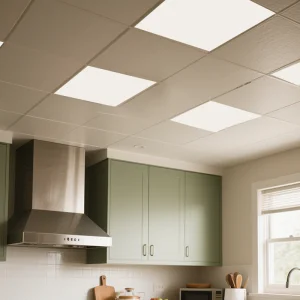
As the country transitions toward energy diversification and green building technologies under the State Agency on Alternative and Renewable Energy Sources, corporate buyers and municipal developers are increasingly turning to advanced solid-state LED systems. Recessed and surface-mounted flat-panel LED lights have become the structural standard for suspended ceilings (such as Armstrong and metal-baffle ceilings) commonly deployed across commercial and public infrastructures in Azerbaijan. These installations require high luminous efficiency, minimal glare indices, and resilience to voltage irregularities inherent in regional grids.
B2B Technical Insight: The extreme environmental variations in Azerbaijan—ranging from the arid, windy semi-desert climate of Baku to the colder, humid mountainous regions—necessitate lighting fixtures with superior thermal dissipation and robust structural IP ratings (such as IP20 for dry indoor offices and IP44/IP54 for high-traffic or high-humidity spaces like kitchens and hospital corridors).
The global solid-state lighting sector is undergoing a profound paradigm shift, driven by three major vectors: smart building integration, human-centric lighting (HCL), and decarbonization. Modern panel lights are no longer static illumination sources; they are dynamic architectural elements that interface directly with building management systems (BMS) through protocols like DALI (Digital Addressable Lighting Interface), ZigBee, and 0-10V analog dimming.
Human-centric lighting focuses on aligning indoor illumination with human circadian rhythms. By utilizing color-correlated temperature (CCT) selectable drivers, developers can adjust panel outputs from warm white (3000K) for relaxation areas to cool white (6000K-6500K) for high-focus task zones. Concurrently, international building standards such as LEED (Leadership in Energy and Environmental Design) and BREEAM (Building Research Establishment Environmental Assessment Method) place strict limits on building energy density. High-efficacy panel lights reaching up to 130–150 lm/W allow developers to secure these prestigious environmental ratings easily, enhancing property valuation and corporate sustainability profiles.
China is the global nexus of optoelectronic engineering and lighting manufacturing, producing over 85% of the world's LED components and finished fixtures. This structural dominance is built on comprehensive supply chain integration, advanced robotic assembly lines, and extensive research and development clusters located in technological hubs like Hangzhou, Zhejiang, and Shenzhen, Guangdong.
By keeping design, extrusion, component sourcing, driver manufacturing, and testing within a unified ecosystem, Chinese factories achieve economies of scale that are impossible to replicate elsewhere. Hangzhou Pina Light Co., Ltd. leverages this ecosystem to offer precision-engineered products featuring premium Light Guide Plates (LGP) made of PMMA (which resists yellowing over years of thermal exposure), high-purity aluminum frames for optimized thermal dissipation, and custom LED drivers (such as LIFUD or MeanWell) that guarantee stable power factors (PF > 0.90) and low total harmonic distortion (THD < 15%). This structural efficiency translates directly to high-reliability products offered at competitive B2B factory pricing.
Optimal visual comfort is key for Baku's financial and administrative offices. Low-glare recessed panels (UGR < 19) prevent eye strain during long working hours, boosting employee productivity and aligning with European ergonomics standards.
Hygiene and precision require IP44-rated panel lights with high color rendering indices (CRI > 80 or 90). These profiles permit accurate clinical observations while resisting dust accumulation and sanitary cleaning chemicals.
School classrooms and university lecture theaters across Azerbaijan benefit from 4000K-5000K neutral light. Flicker-free high-efficiency LED panels foster better student focus and long-term ocular safety.
When selecting a manufacturing partner for commercial developments in Azerbaijan, B2B procurement officers, technical engineers, and electrical contractors should scrutinize specific technical metrics to guarantee performance, longevity, and structural safety:
A Premier Global OEM/ODM Manufacturer of High-Performance Industrial & Commercial LED Luminaires
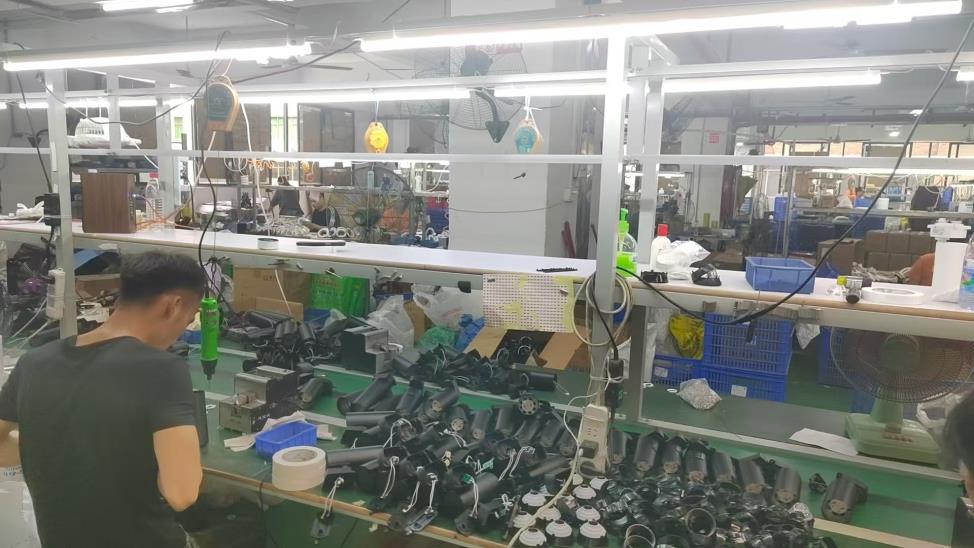
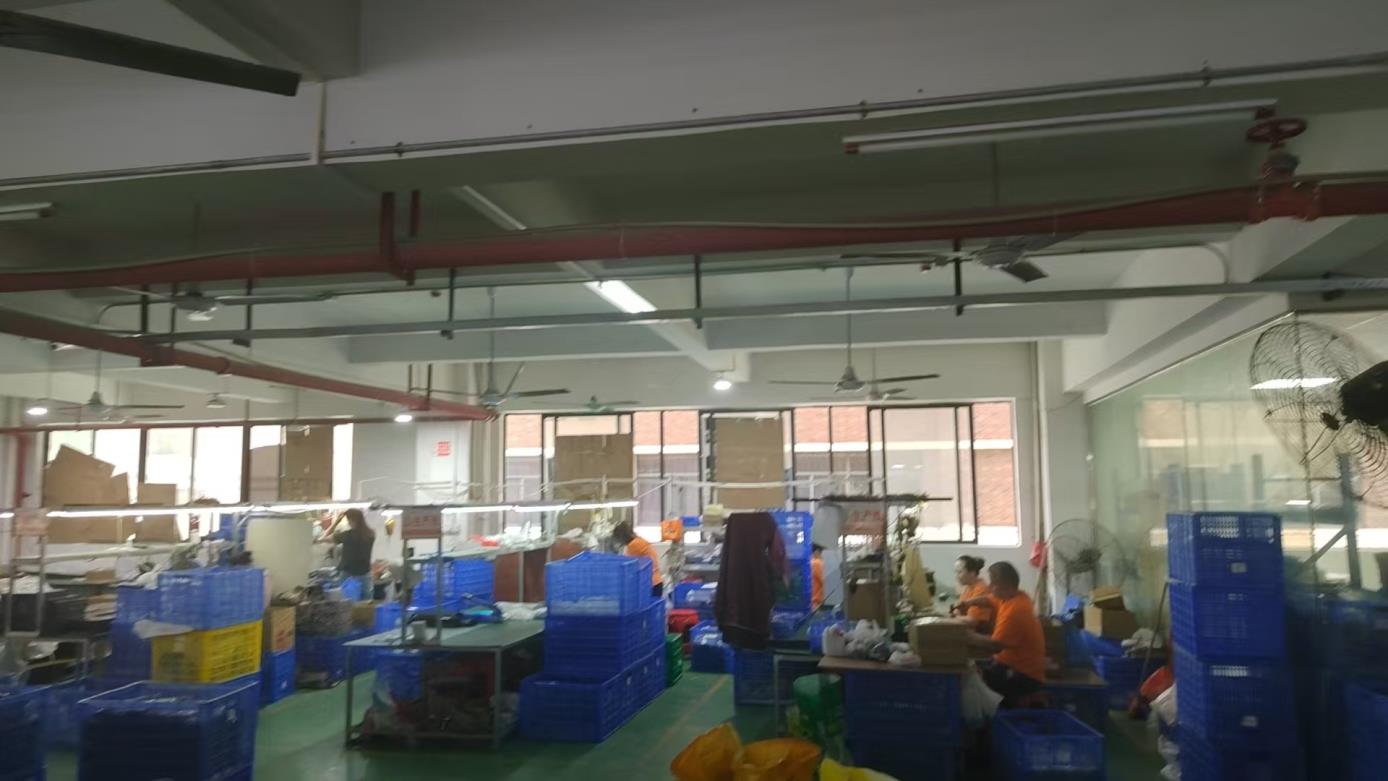
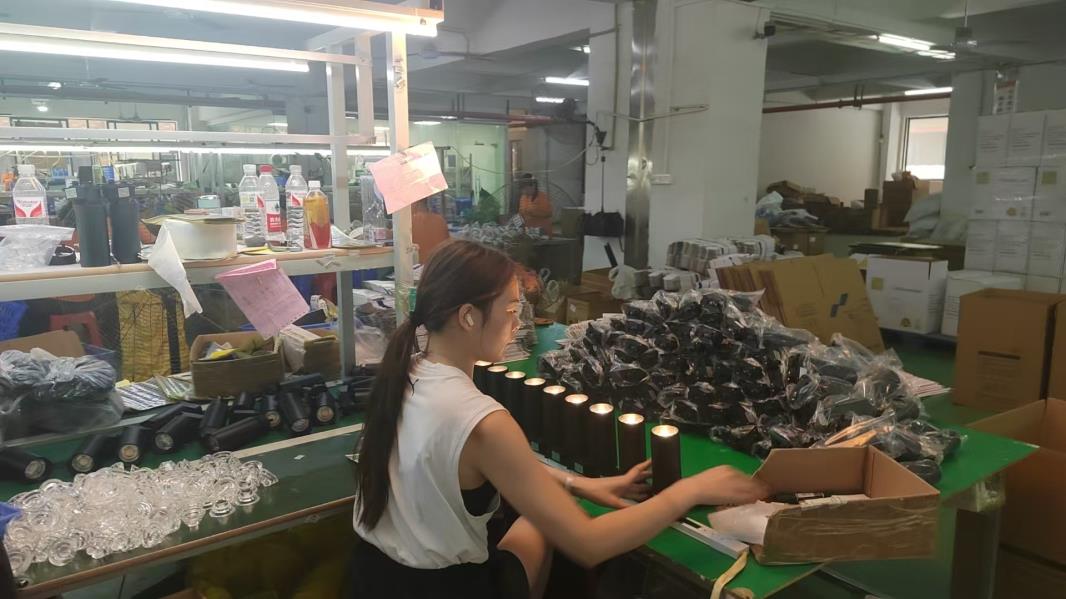
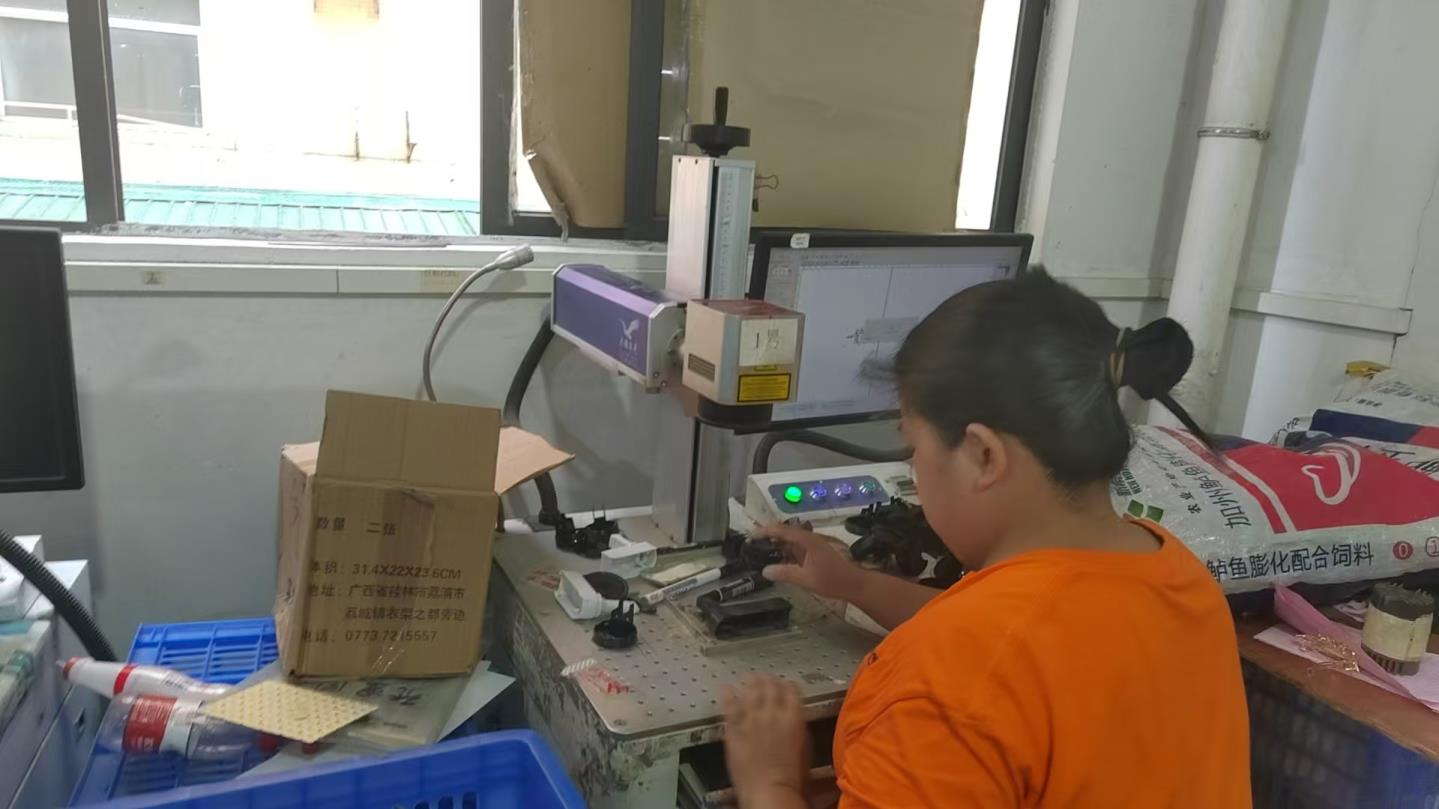
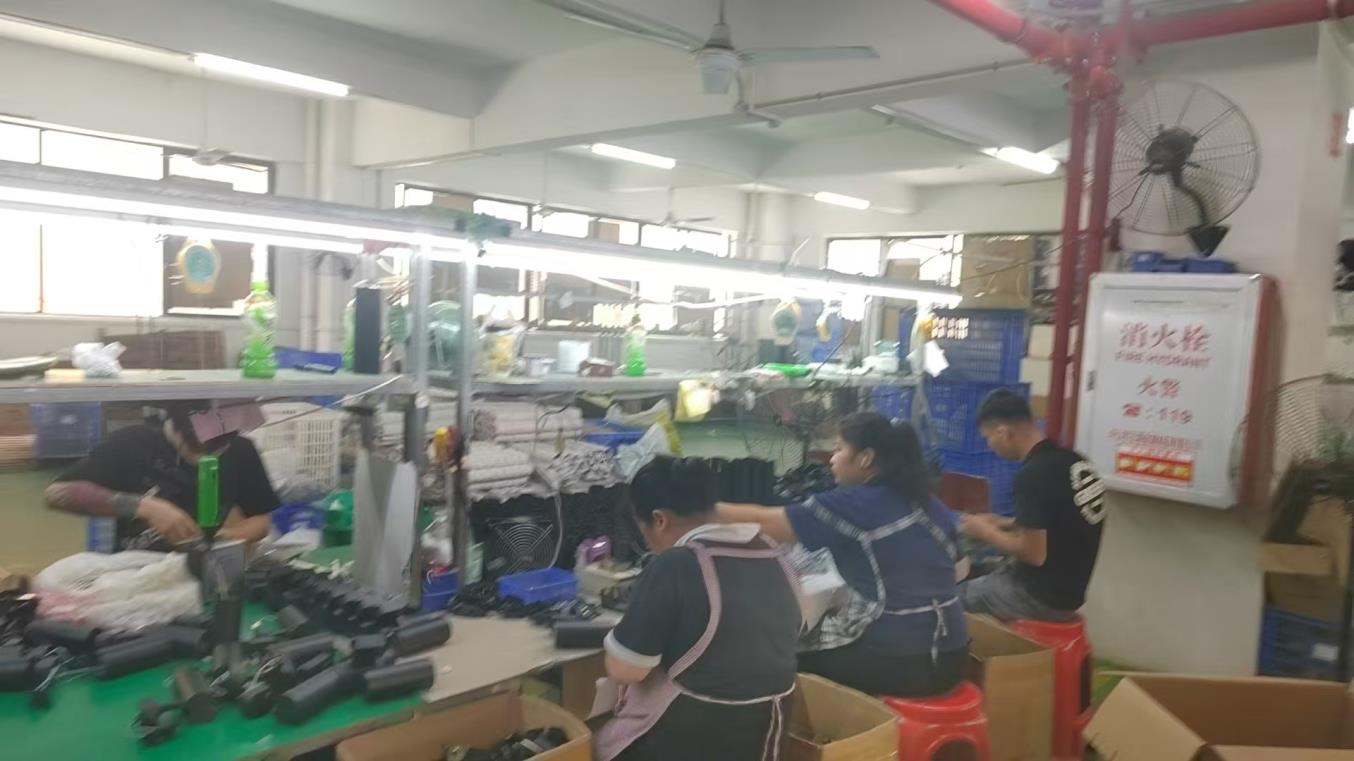
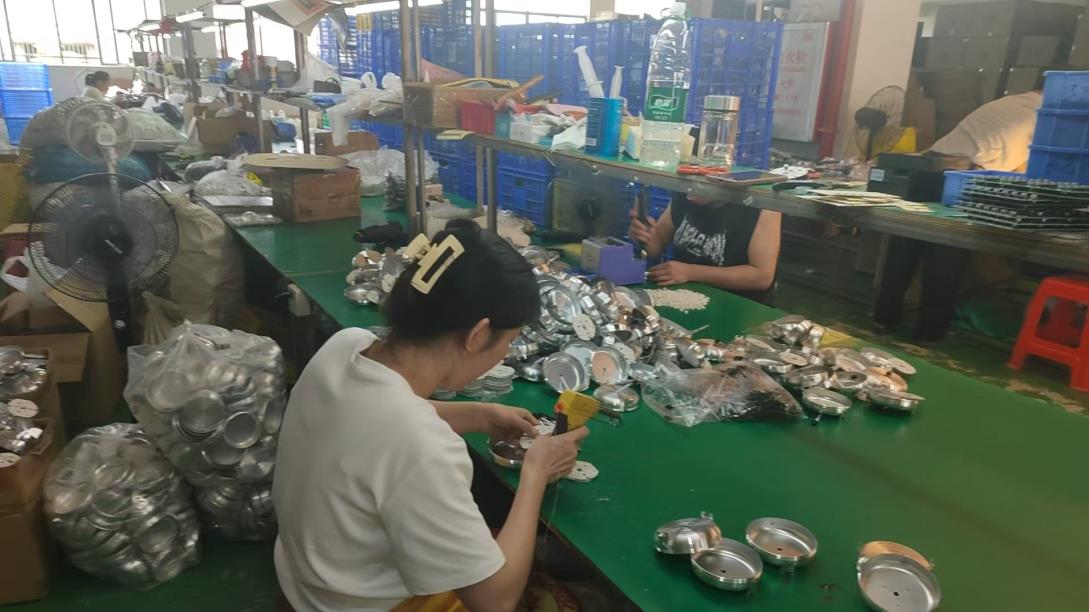
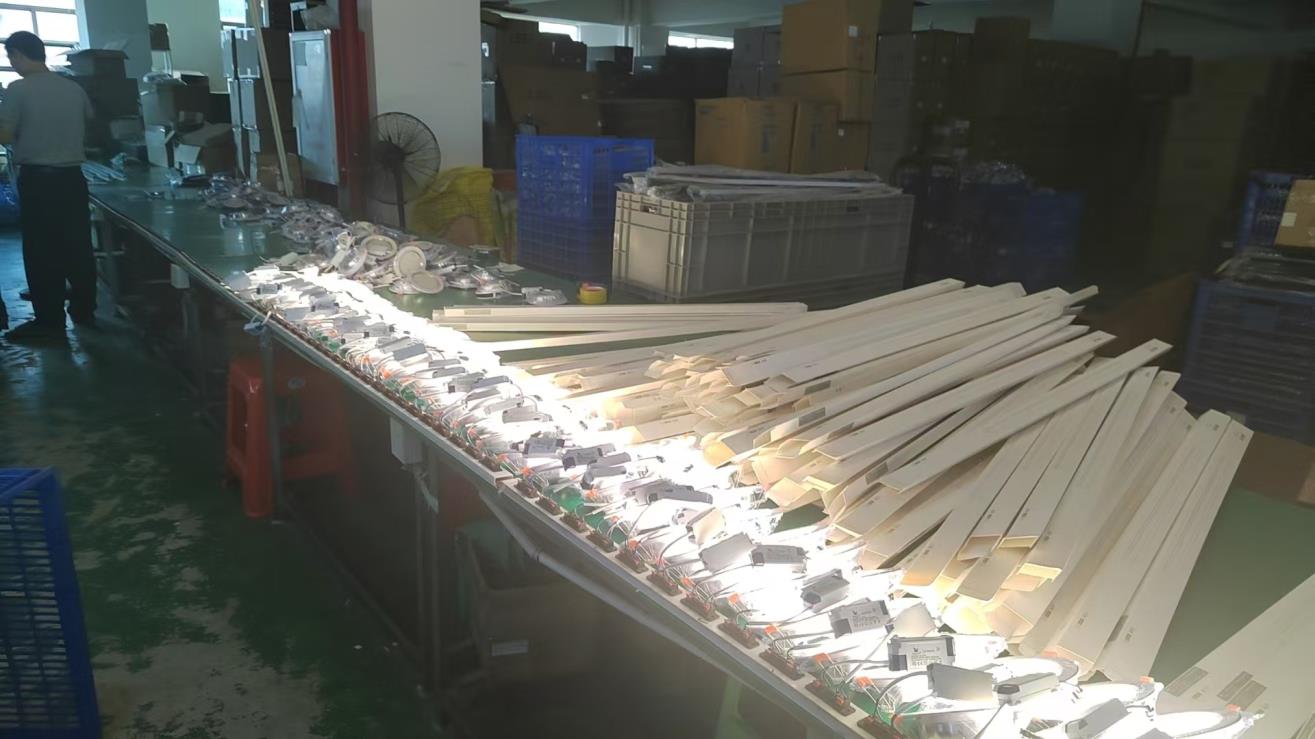
Hangzhou Pina Light Co., Ltd. is a professional manufacturer and exporter of innovative LED lighting solutions, headquartered in Hangzhou, China. Utilizing an expansive, highly modern manufacturing network and strategic industry partnerships across China, we specialize in the custom engineering, prototyping, volume production, and global logistics of elite lighting products for commercial, industrial, residential, and institutional applications.
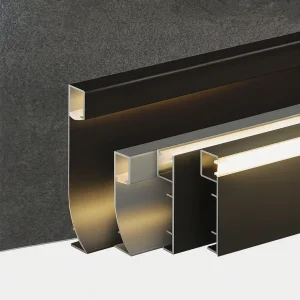
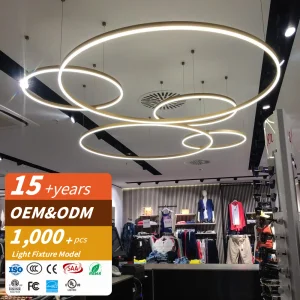
Our comprehensive catalog spans LED grow lights, high-output commercial panels, warehouse high-bay luminaires, architectural linear fixtures, street lights, security floodlights, and direct retrofit solutions. By utilizing advanced SMD technology and intelligent, sensor-driven controls, we deliver lighting options that reduce carbon footprints, minimize operations and maintenance costs, and increase long-term ROI for global contractors and distributors.
Serving clients across North America, Europe, South America, the Middle East, Southeast Asia, and Central Asia (including the emerging market of Azerbaijan), our products strictly adhere to rigorous quality standards. Our product catalog features recognized certifications such as CE, RoHS, FCC, ETL, UL, and localized CB approvals, ensuring seamless integration and compliance with regional electrical codes and import guidelines.
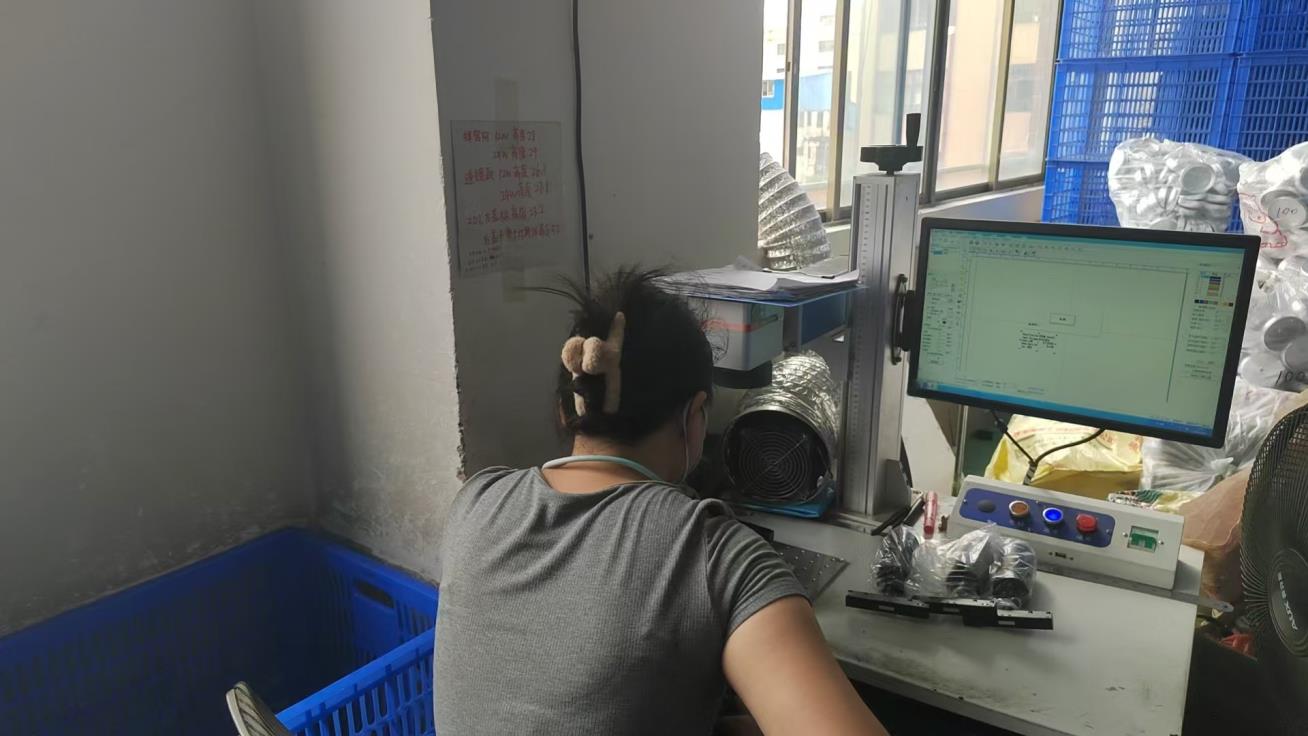
At Hangzhou Pina Light, continuous technological innovation is the foundation of our market success. Our specialized R&D teams and electrical engineers constantly refine thermal management, driver efficiencies, and light distribution patterns to address changing consumer requirements. Every phase of production, from initial structural layout and photometric testing to surface mount technology (SMT) and aging validation, is monitored under strict ISO9001:2015 guidelines.
Sustainability and resource stewardship are core components of our organizational philosophy. Through the development of highly efficient solid-state illumination, we help businesses transition toward carbon-neutral operations while reducing utility expenditures. Whether you are a lighting importer, regional distributor, electrical contractor, project developer, or OEM brand partner, Hangzhou Pina Light is committed to being your reliable, long-term lighting supplier.

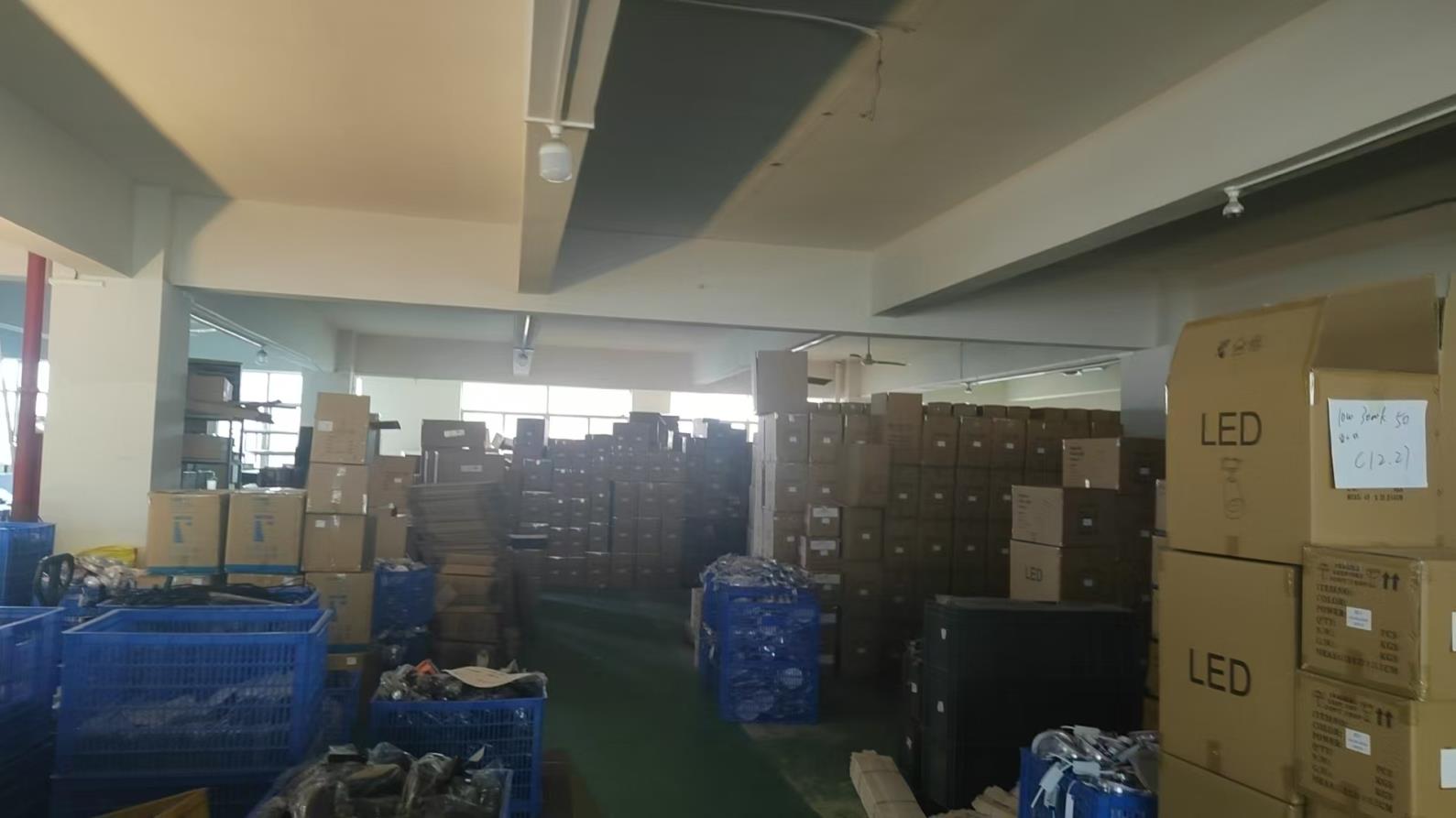
For lighting distributors and construction companies in Azerbaijan, managing logistics efficiently is essential for project timelines. Importing bulk LED panel lights from Hangzhou, China, to Baku involves choosing the most efficient transport routes. The primary shipping routes are:
Cargo is dispatched from Chinese ports such as Ningbo or Shanghai, traversing maritime lanes to the Black Sea, then transported overland or via rail networks through Georgia directly into Baku. Alternatively, shipments transit the Middle Corridor (Trans-Caspian International Transport Route), crossing Kazakhstan via rail, transiting the Caspian Sea by feeder vessels, and arriving directly at the Port of Baku in Alat. This route takes approximately 25 to 35 days and offers a balanced cost-to-speed ratio for large volume orders.
For high-priority commercial bids, architectural build-outs, or immediate replacement cycles, air freight from Shanghai Pudong (PVG) or Guangzhou Baiyun (CAN) directly to Baku Heydar Aliyev International Airport (GYD) reduces transit times to 3 to 7 days, though at a higher shipping cost.
When entering the Azerbaijani customs territory, importers must ensure all technical documentation is aligned with regional standardizations. Important compliance steps include:
Technical answers regarding importing, installing, and certifying LED panel lights for the Azerbaijan market
Factory-direct solid-state lighting engineered for diverse residential, commercial, and hospitality applications
 Pina Light