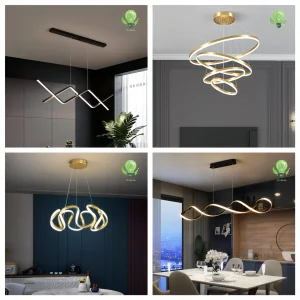
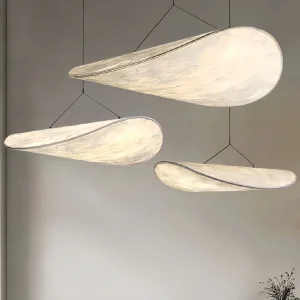
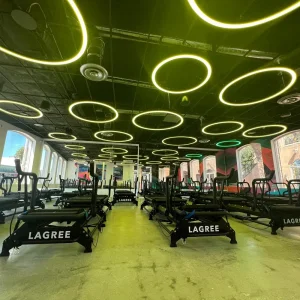
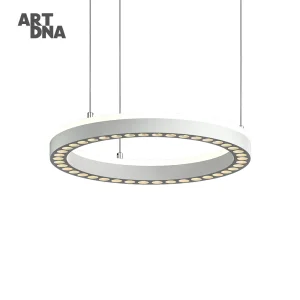
Discover our initial selection of high-end luminaires customized for premium installations across Tokyo's corporate offices and high-end commercial spaces.
Tokyo stands at the global vanguard of architectural innovation and urban density. In districts like Minato, Otemachi, Shibuya, and Ginza, space is a premium resource, and environmental regulations are exceptionally stringent. The Tokyo Metropolitan Government's "Zero Emission Tokyo Strategy" sets aggressive metrics for carbon neutralization, directly shaping how developers, architects, and lighting engineers approach system specifications. Consequently, modern interior projects demand commercial-grade lighting systems that deliver maximum efficacy (lm/W), precise optical distribution, and zero visual clutter.
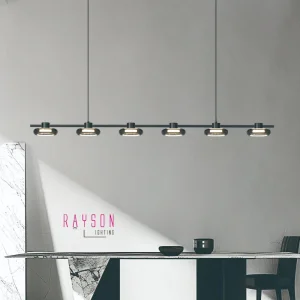
In modern Japanese offices and high-end commercial hubs, the integration of pendant lighting serves a dual functional purpose: localizing illumination levels to eliminate wasted energy on empty transit paths, and creating visual zones within multi-functional, open-plan spaces. Standard commercial overhead grids are increasingly being replaced by linear architectural pendants and acoustic LED fixtures. These solutions satisfy both the stringent building codes and the Japanese aesthetic of Shibui (unobtrusive beauty) and Ma (the spatial interval), aligning with both aesthetic trends and regulatory frameworks.
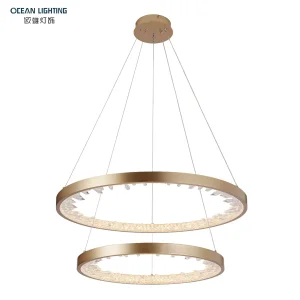
Tokyo's lower ceiling heights in retrofitted high-rises necessitate ultra-slim profiles, shallow canopy systems, and field-adjustable suspension cables to maximize usable vertical clearance.
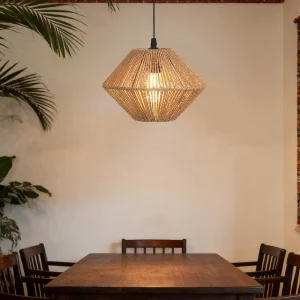
A harmonious synthesis of traditional Wabi-Sabi textures (such as handmade paper-like materials, brushed brass, and matte blacks) with clean, geometric modernism.
Strict compliance with Japanese Energy Conservation Standards (JIS). Fixtures must hit performance thresholds exceeding 120 lm/W while maintaining CRI values > 90.
The global solid-state lighting market is evolving rapidly from basic illumination to intelligent, data-driven systems. As a leading manufacturer serving Tokyo's critical commercial sectors, our product engineering roadmap focuses heavily on integrated smart building networks. Tokyo's high density of tech-enabled Grade-A office buildings requires seamless protocols for remote maintenance and automated energy conservation.
| Technology Vector | Current Industry Standard | Pina Light Next-Gen Implementation | Tokyo Market Impact |
|---|---|---|---|
| Dimming Controls | Analog 0-10V / Phase Cut | DALI-2, Zigbee 3.0, Casambi Bluetooth Mesh | Wireless retrofits with no new control wiring |
| Spectral Quality | CRI > 80 (Standard R9) | CRI > 95, R9 > 80, TM-30 Rf > 92 / Rg > 100 | Highly accurate color rendering for luxury retail and museums |
| Tunable White Range | Static CCT (3000K or 4000K) | Dynamic Tunable White (1800K to 6500K) | Circadian support for corporate wellness (Well Building Standard) |
| Driver Efficiency | PF > 0.90, THD < 20% | Flicker-Free, PF > 0.98, THD < 10% (METI Compliant) | Stable operation under fluctuating microgrid voltages |
By incorporating CASAMBI and Zigbee Smart Dimming Protocols, our customizable pendant systems allow building operators to execute daylight harvesting strategies. Sensors detect external solar glare entering floor-to-ceiling perimeter windows in high-rises, automatically lowering the output of the nearest pendant run, preserving lumen consistency while cutting energy usage by up to 40%.
Lumen/Watt Efficacy
METI & PSE Compliant
Rated Lifetime Hours (L90B10)
Rapid Engineering Support
We design and manufacture scalable, project-specific lighting portfolios that resolve unique environmental challenges across three distinct real estate verticals.
Modern open-plan offices in Tokyo face acoustic issues and monitor glare. Our solutions combine micro-prismatic optical lenses with custom pendant configurations that maintain a Unified Glare Rating (UGR) below 19, maximizing work efficiency.
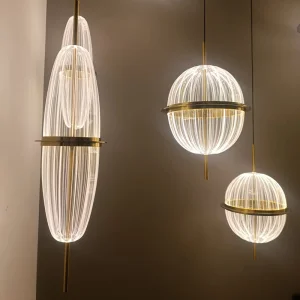
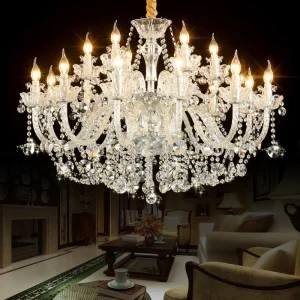
Fine dining venues in Ginza and Roppongi demand dramatic, focused light that reveals natural materials. Our high-CRI, warm-dim (3000K to 1800K) glass and crystal pendants deliver smooth transitioning for intimate dining environments.
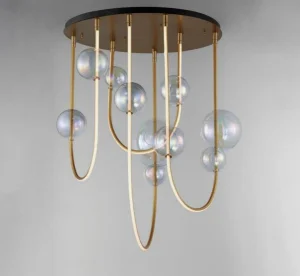
For developers building high-rise residential properties along Tokyo Bay, lighting is key to premium positioning. Custom brass, stone, and blown-glass fixtures provide distinct visual appeal, supporting pre-sale property valuations.
Exporting structural luminaires to Japan demands strict adherence to safety and electrical regulations. The Japanese domestic market features unique specifications, starting with the nominal input voltage. Unlike Europe (230V) or North America (120/277V), Japan operates on a dual-frequency 100V grid (50Hz in Eastern Japan including Tokyo, and 60Hz in Western Japan). Inadequately designed drivers installed on a 100V system will cause flickering, rapid thermal build-up, and premature failure. All of our drivers are engineered to support 100-240V wide-voltage input, optimized specifically for Tokyo's grid reliability.
Under Japan's Electrical Appliance and Material Safety Law (DENAN), LED luminaires are categorized as "Class B" electrical appliances. They must bear the circular PSE Mark. Drivers, as independent sub-assemblies, require the rigorous Diamond PSE certification.
Given Tokyo's seismic profile, all pendant lighting suspensions must conform to standard earthquake resilience practices. Our designs incorporate secure safety tether cables, anti-sway lock systems, and heavy-duty ceiling bracket assemblies.
We align our photometric testing with JIS C 8106 standards, ensuring reported luminaire efficiency, spatial distribution curves (IES/LDT files), and light spill patterns correspond exactly to local regulatory requirements.
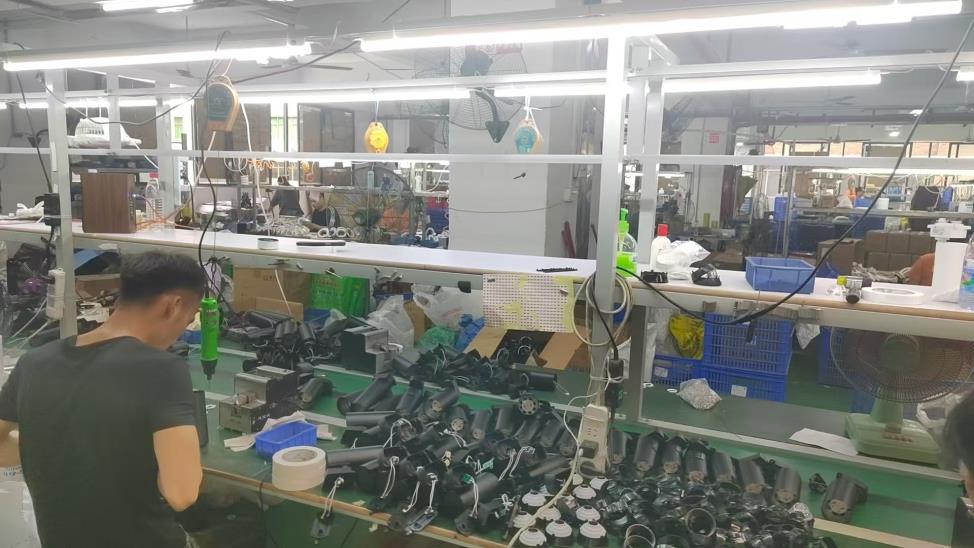
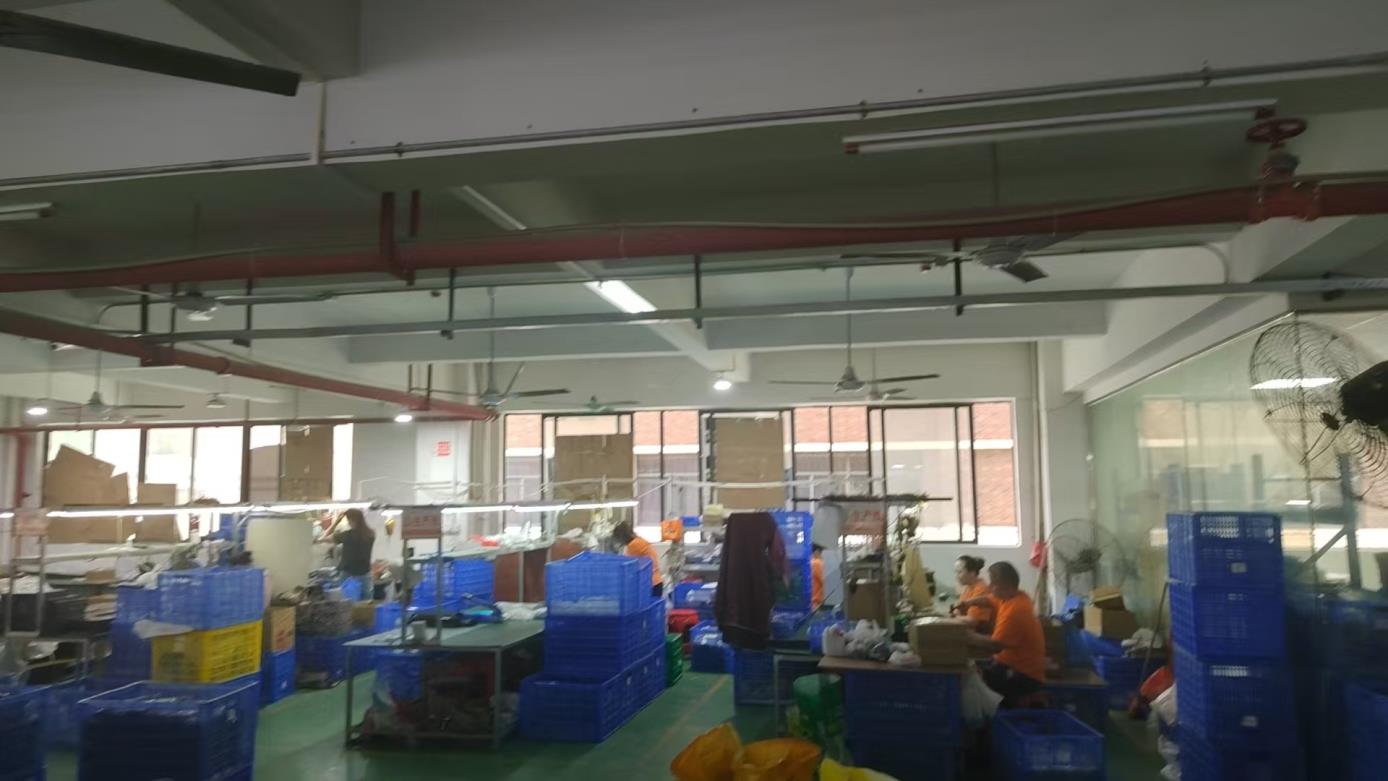
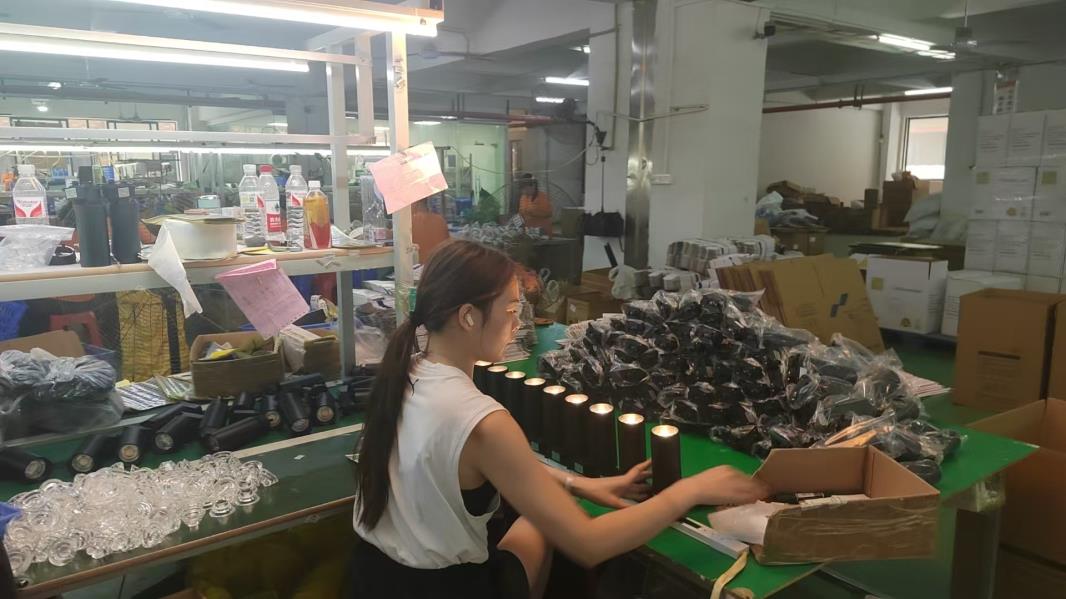
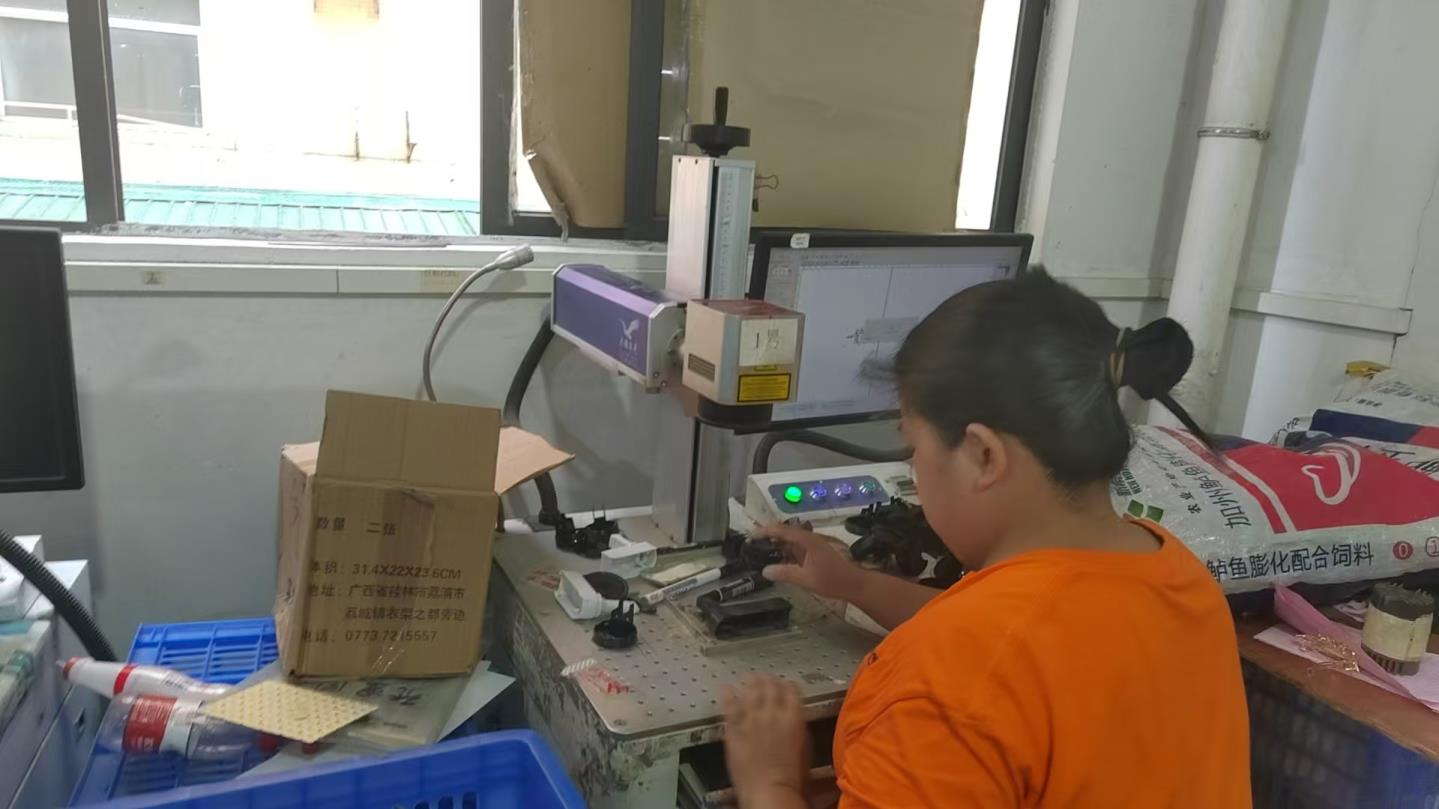
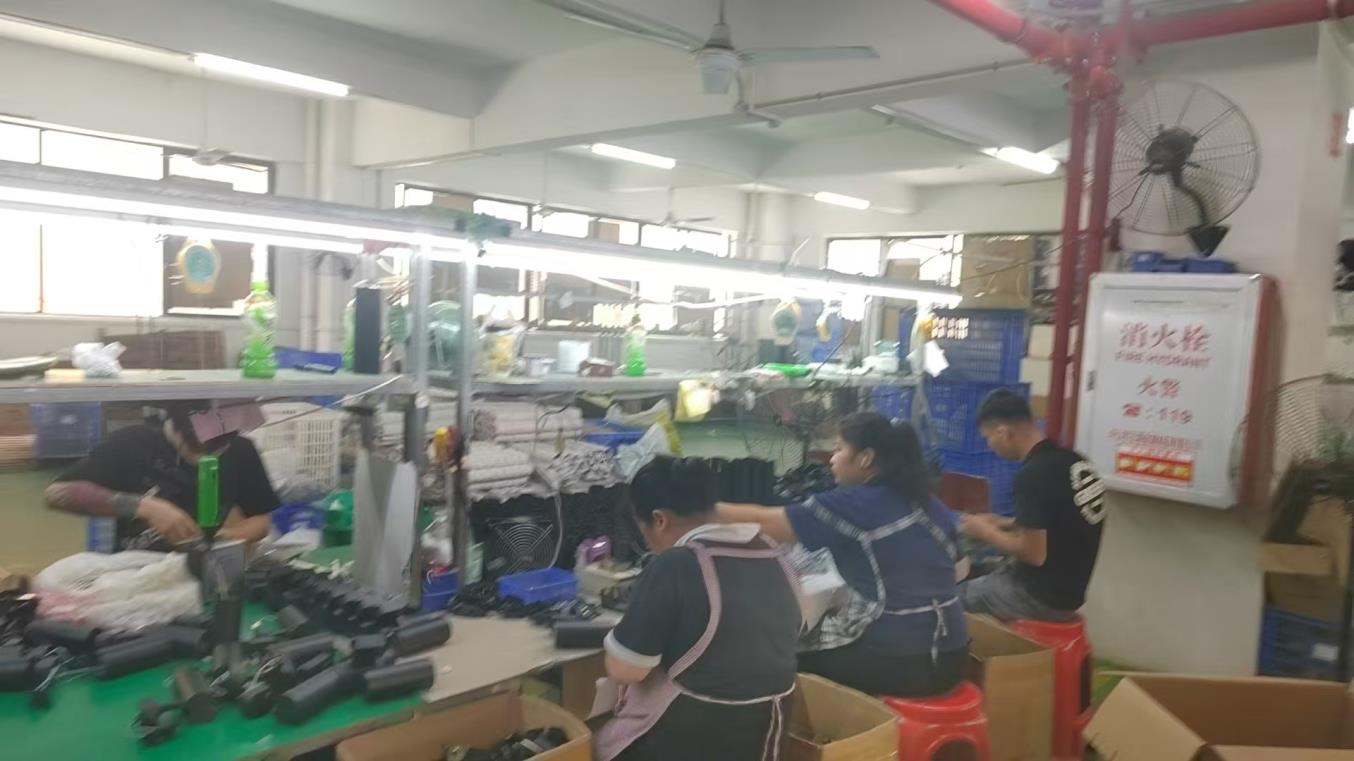
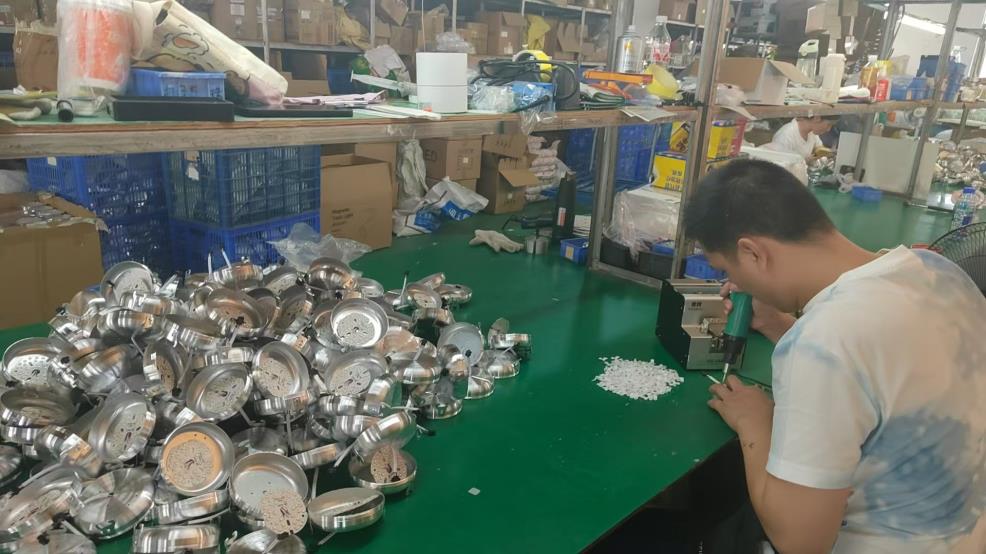
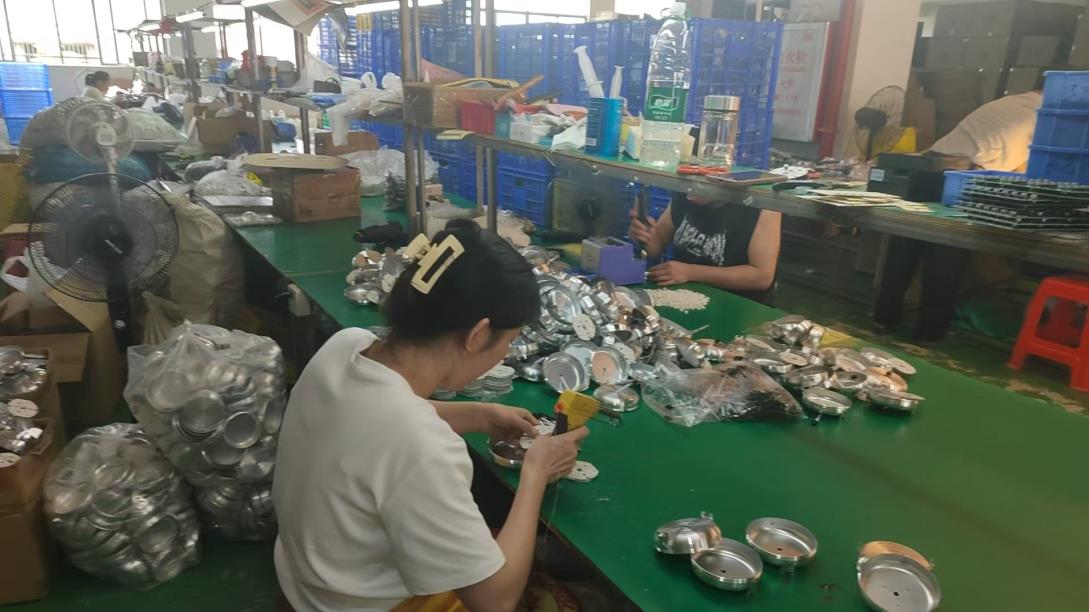
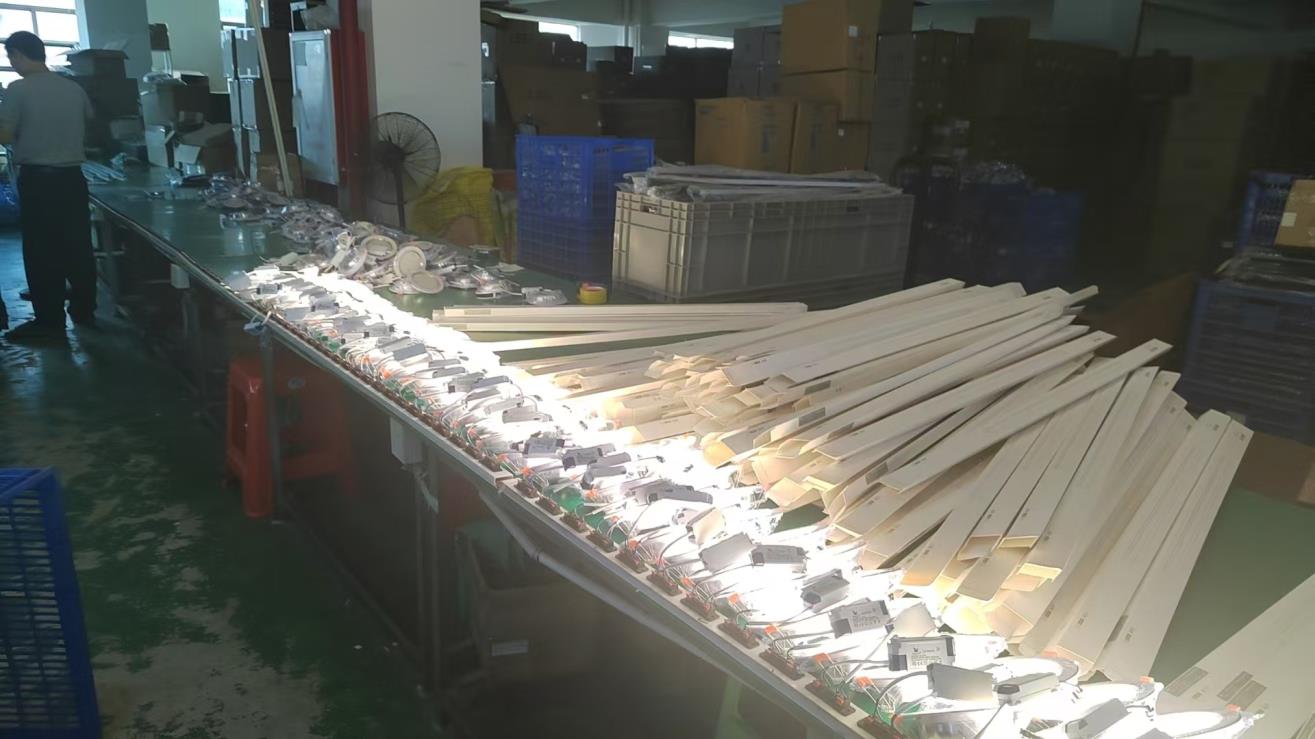
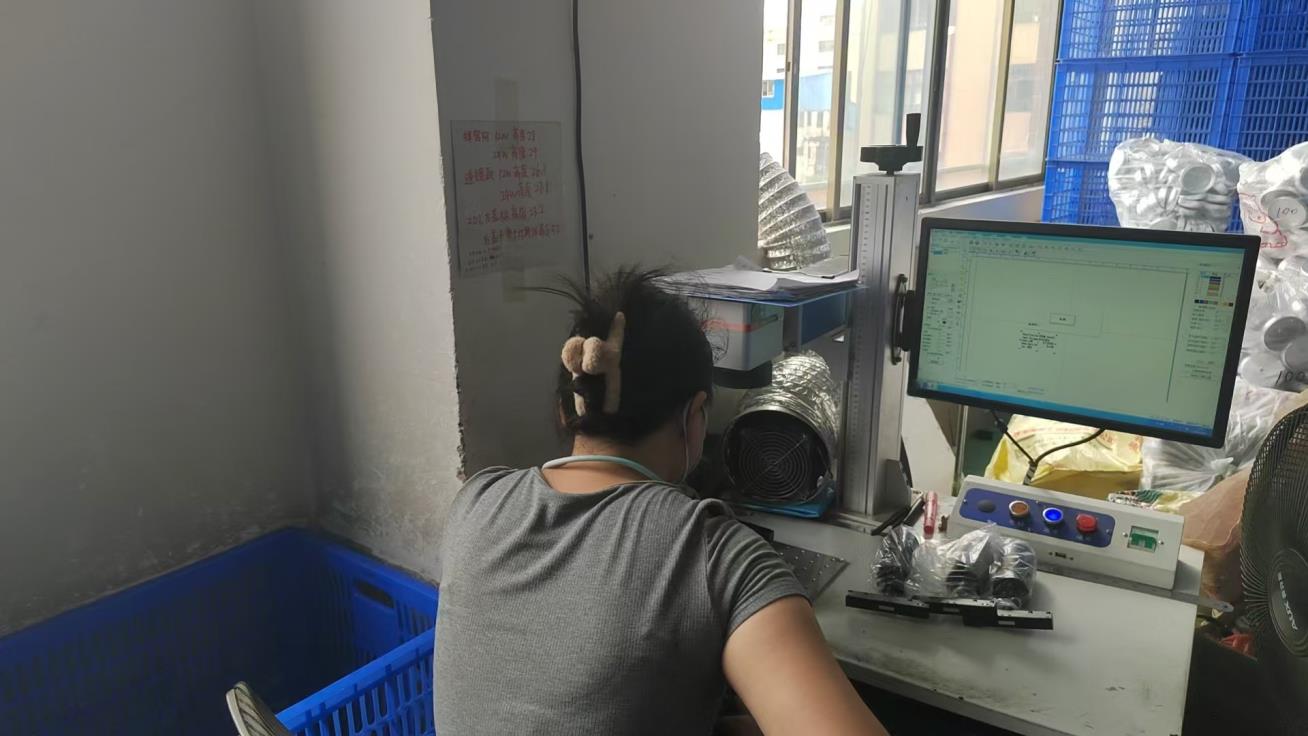
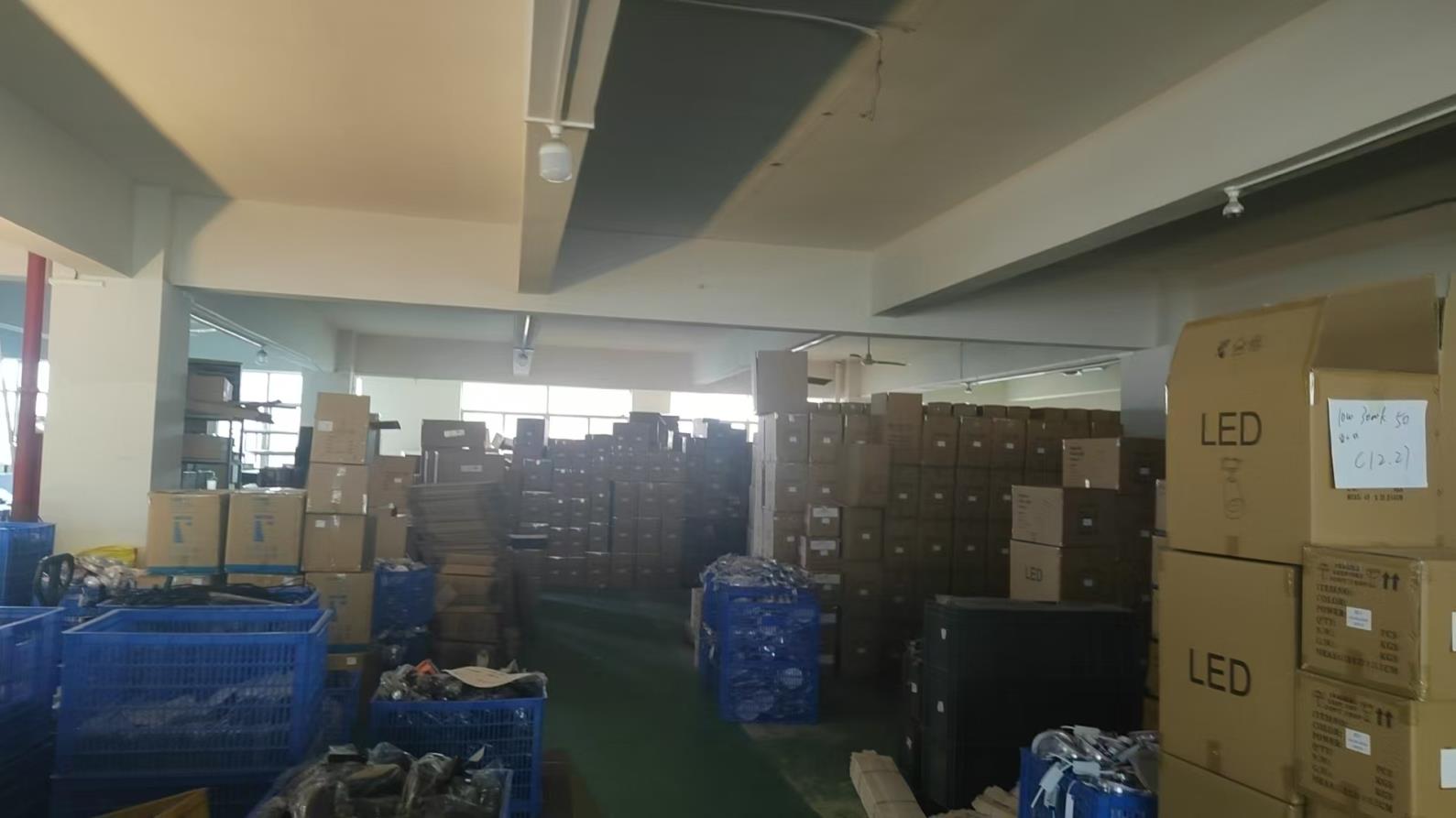
Hangzhou Pina Light Co., Ltd., based in the manufacturing hub of Hangzhou, China, operates a modern production network that bridges advanced engineering and global logistics. Our production system is structured around the principles of Industry 4.0: high automation, real-time quality monitoring, and rapid prototyping capabilities. By consolidating component manufacturing, metal fabrication, powder coating, SMT LED placement, and assembly under a single quality control standard, we reduce standard lead times for custom projects from months to weeks.
For our clients in Tokyo, this translates to competitive pricing, customizable design options, and stable product supply. Rather than relying on rigid catalog items, architects can modify housing lengths, specify custom RAL powder coat colors, integrate specialized Japanese-compatible drivers, and adjust lumen output packages. Our facility utilizes automated SMT lines for precise LED positioning, CNC machinery for aluminum housings, and computerized aging systems that run all fixtures under load to prevent early field failures.
From initial concept and Dialux rendering to manufacturing and final customs delivery in Tokyo, we provide clear milestone tracking.
Our engineers evaluate layout requirements, calculate average lux metrics, and select the optimal beam spread to eliminate hot spots.
We generate 3D CAD files and build operational physical samples for photometrical integration and structural testing.
Housings are CNC milled, powder coated, fitted with high-efficiency LEDs, and subjected to a 48-hour continuous burn-in.
Safe cargo shipping utilizing custom heavy-ply wood crates. Direct delivery to the Port of Tokyo or Port of Yokohama.
Explore our range of commercial and residential pendant luminaires, designed for performance, control integration, and minimal design.
Technical clarifications on importing, electrical integration, and custom manufacturing for Tokyo projects.
Contact our sales engineers for photometric simulations, sample units, structural drawings, and comprehensive quotes tailored to Japanese building codes.
 Pina Light