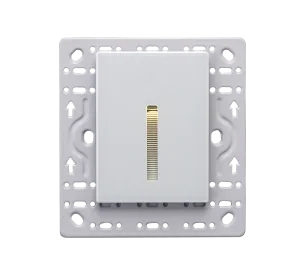
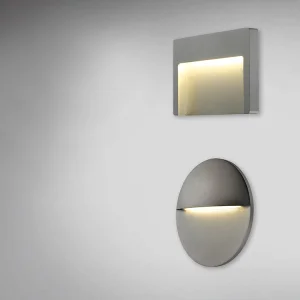
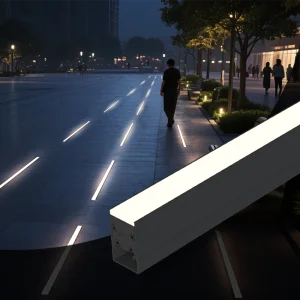
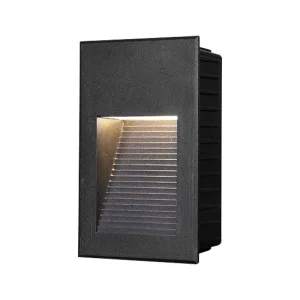
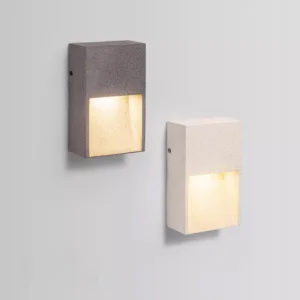
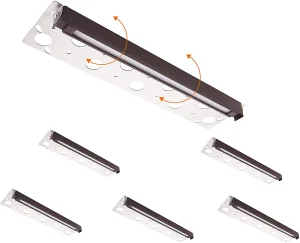
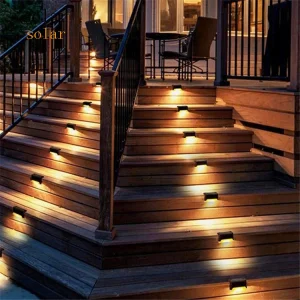
Step Lights Factories & Exporters for the Latvia Market

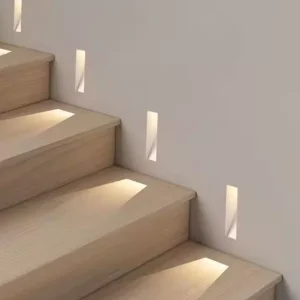
High-reliability, IP-rated, low-voltage recessed LED step lighting engineered for Baltic climates, historic restorations, and contemporary architectural systems.

The Latvian Commercial & Lighting Infrastructure

Latvia is rapidly positioning itself as a central logistics and technology hub in the Baltic region. Driven by large-scale commercial developments, urban rejuvenation projects in Riga's historical center (a UNESCO World Heritage Site), and the modernization of transit infrastructure such as Rail Baltica, the demand for high-performance outdoor and indoor step lighting has expanded exponentially.

Operating in the Baltic market requires step lights to survive extreme conditions. Winter temperatures drop below -25°C, coupled with significant snow, ice, and salt usage for de-icing. Lighting solutions must exhibit superior ingress protection (minimum IP65/IP66) and strong impact resistance (IK08+ ratings). Architects and municipal planners in Latvia demand luminaires that merge functional structural durability with minimalist Scandinavian and Baltic design ethics.

Baltic Regional Compliance & Thermal Integration

European Union energy directives demand strict compliance with ecological design criteria and energy labeling rules. In Latvia, step lights are integrated into smart building automation setups (KNX, DALI-2, or wireless Casambi platforms) to lower structural operating costs. Because architectural steps, escape corridors, and municipal parks rely on persistent security illumination, high luminous efficacy (lm/W) combined with precise low-glare optics is critical.
Global Procurement Demands for Importers

For Latvian engineering companies, commercial developers, and electrical distributors, importing luminaires directly from specialized factories presents a major cost and quality advantage. Successful procurement hinges on verifying technical benchmarks. It is not just about the upfront cost per unit, but the total cost of ownership (TCO) and long-term stability.

Modern purchasing managers focus heavily on factory capabilities, checking for structural certifiability (CE, RoHS, ENEC) and verifying the component supply chain (such as Cree, Osram, or Bridgelux LED packages and MeanWell or Lifud drivers). Low-quality imports lead to high failure rates in cold climates due to rapid driver failure and housing seal degradation. Partnering with a manufacturer capable of providing OEM/ODM customization is crucial for custom integration into stone paver networks or concrete forms.

Key Purchasing Checklist for the Latvian Market:

1. Weatherproofing: Verify double-cable entries, PG glands, and high-performance silicone gasket seals.
2. Low Temperature Resistance: Confirm standard operation down to -30°C.
3. Anti-Corrosion Finish: Check for marine-grade powder coatings or 316 stainless steel faceplates for high salt-exposure safety.
4. Intelligent Drivers: Request low-ripple drivers with high power factors (PF > 0.90) and integrated surge protection (up to 4kV).

Technical Roadmap & Performance Benchmarks

Engineering high-performance lighting to meet European Green Deal initiatives and strict Baltic infrastructure regulations.

IP66
Ingress Protection
IK10
Impact Resistance
120 lm/W
Luminous Efficacy
-40°C
Min Operating Temp

Adaptive Smart City Control & Low Voltage Safety

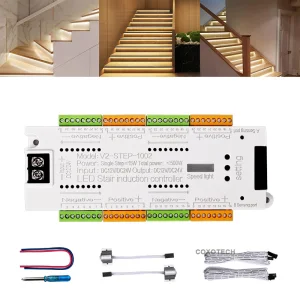
As urban environments in Europe pivot to smart grid structures, step lights are evolving beyond simple fixtures into node systems. Modern installations incorporate motion-activated sensors using localized PIR (Passive Infrared) or high-frequency microwave detection. This reduces energy consumption by maintaining step lights at a low 10% standby glow, ramping up to 100% brightness only when pedestrian movement is registered.

Low voltage DC systems (12V/24V) have become the default standard for public and landscape installations in Latvia. Operating step lights on SELV (Safety Extra-Low Voltage) paths prevents electrical hazards in wet environments, simplifying ground wiring and aligning with the rigorous safety standards of Latvia's State Construction Control Bureau (Būvniecības valsts kontroles birojs - BVKB).

Hangzhou Pina Light Co., Ltd.

Hangzhou Pina Light Co., Ltd. is a leading professional manufacturer and exporter of innovative, industrial-grade LED lighting solutions. Based in Hangzhou, China, and leveraging a robust, state-of-the-art manufacturing infrastructure, Pina Light specializes in the design, engineering, production, and global supply of high-end luminaires. Our catalog includes commercial, industrial, landscape, and customized OEM/ODM lighting equipment designed for challenging markets worldwide.

With years of industry expertise, our product portfolio spans LED step lights, high-output grow lights, warehouse high-bay fixtures, architectural floodlights, street lights, security lighting, and intelligent retrofits. Pina Light is dedicated to manufacturing excellence, ensuring all step lights comply with strict international quality, environmental, and safety benchmarks.

Our dedicated, in-house R&D engineering teams work continuously to drive advancements in optics, thermal dissipation, and smart lighting protocols. From precision prototyping to large-scale production, every step of the process is overseen by our quality assurance teams to guarantee long-term performance and reliability.

Advanced Manufacturing & Global Certifications

Pina Light operates an agile, vertical supply chain that delivers stable production times, consistent quality, and competitive pricing structures. Our products carry globally recognized certifications, including CE, RoHS, FCC, ETL, and UL, ensuring quick custom clearance and compliance in European markets.

We provide flexible OEM/ODM collaboration routes for lighting brands, global contractors, and municipal lighting engineers in Latvia and across Europe. Whether designing specific CCT outputs (such as warm 2700K for historic districts or 4000K neutral light for contemporary walkways), custom finishes (anodized bronze, brushed steel), or integrating specific sensor packages, Pina Light delivers customized, high-reliability products.

Eco-Design and Sustainable Focus

In line with the EU Green Deal and global carbon neutrality targets, Pina Light focuses on high-efficacy designs, recyclable aluminum components, and environmentally safe, plastic-free packaging options to minimize carbon footprints across the value chain.

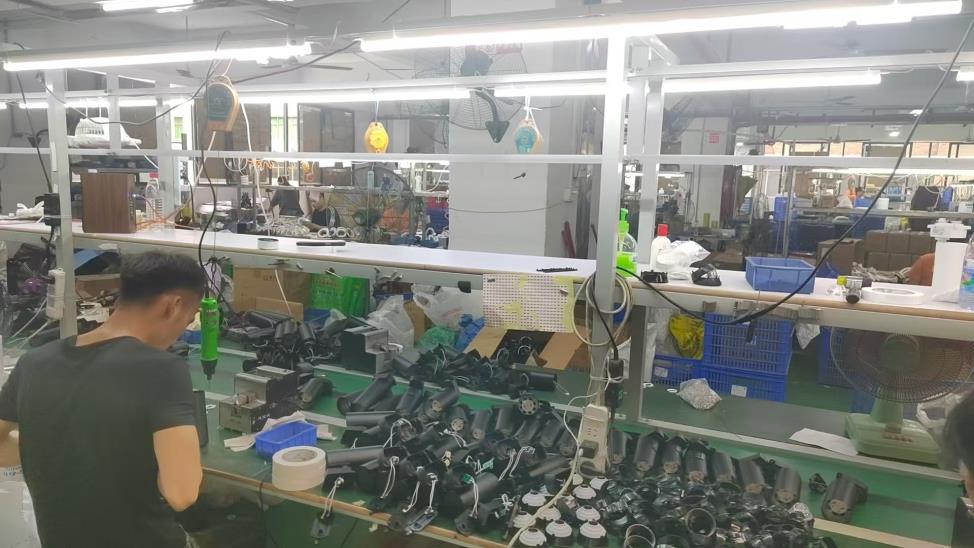
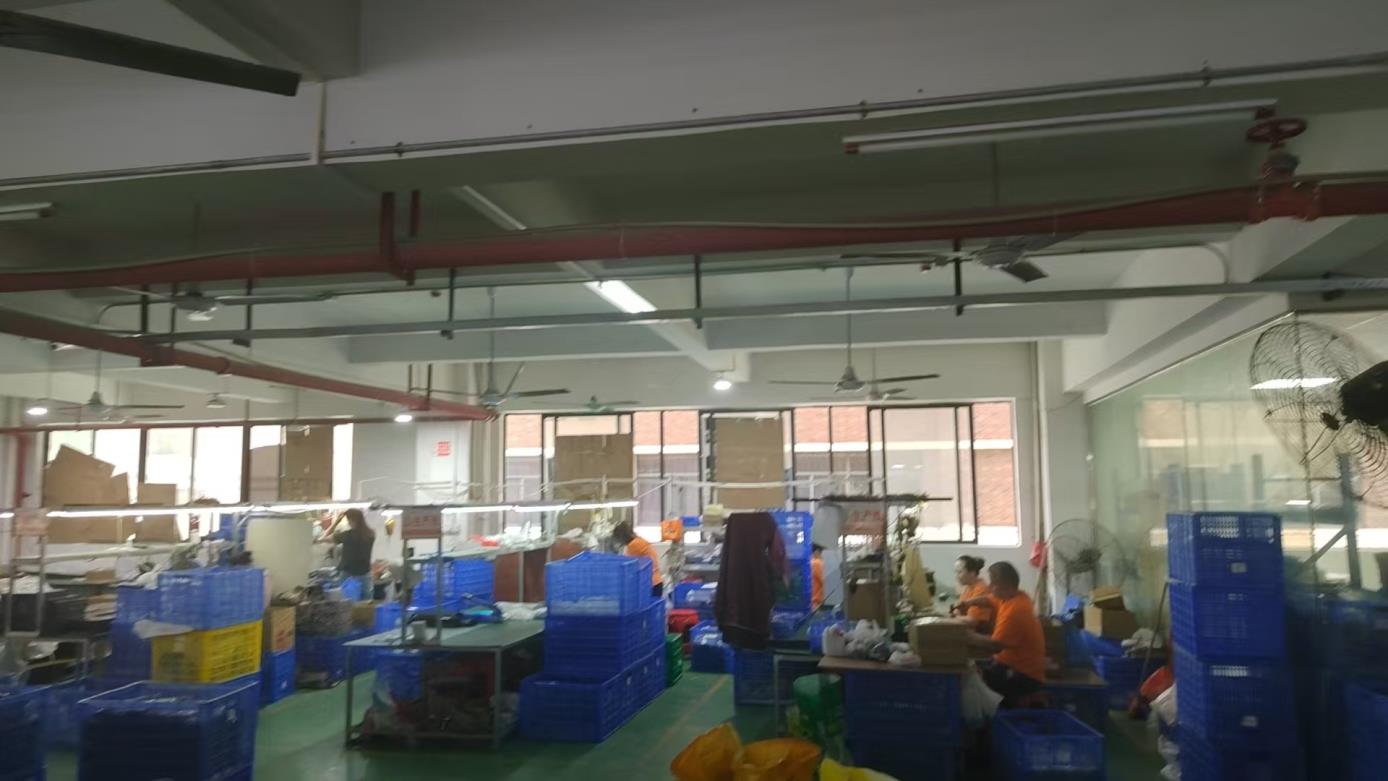
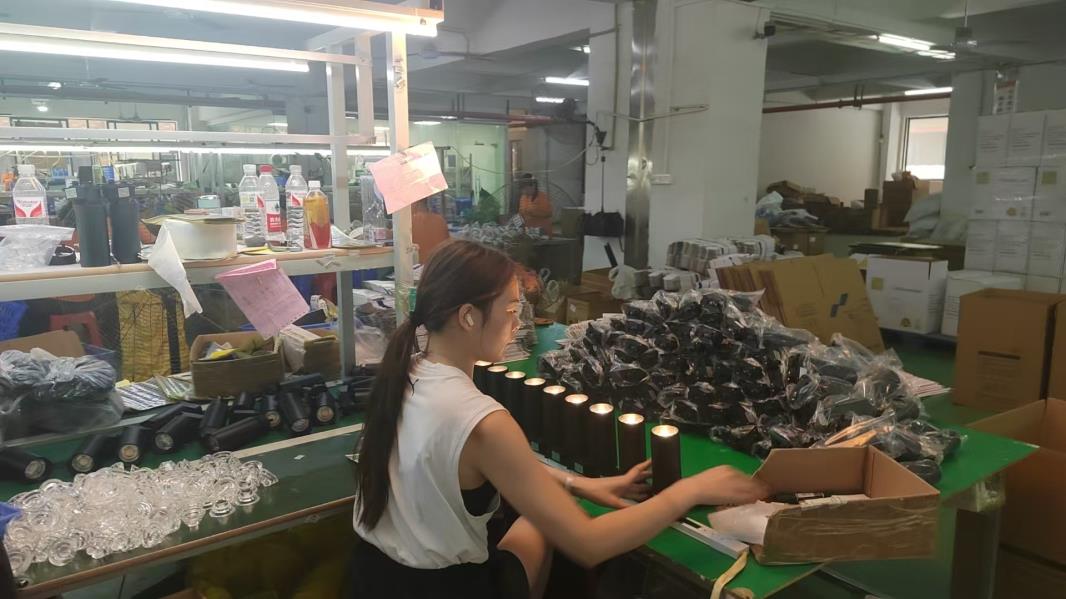
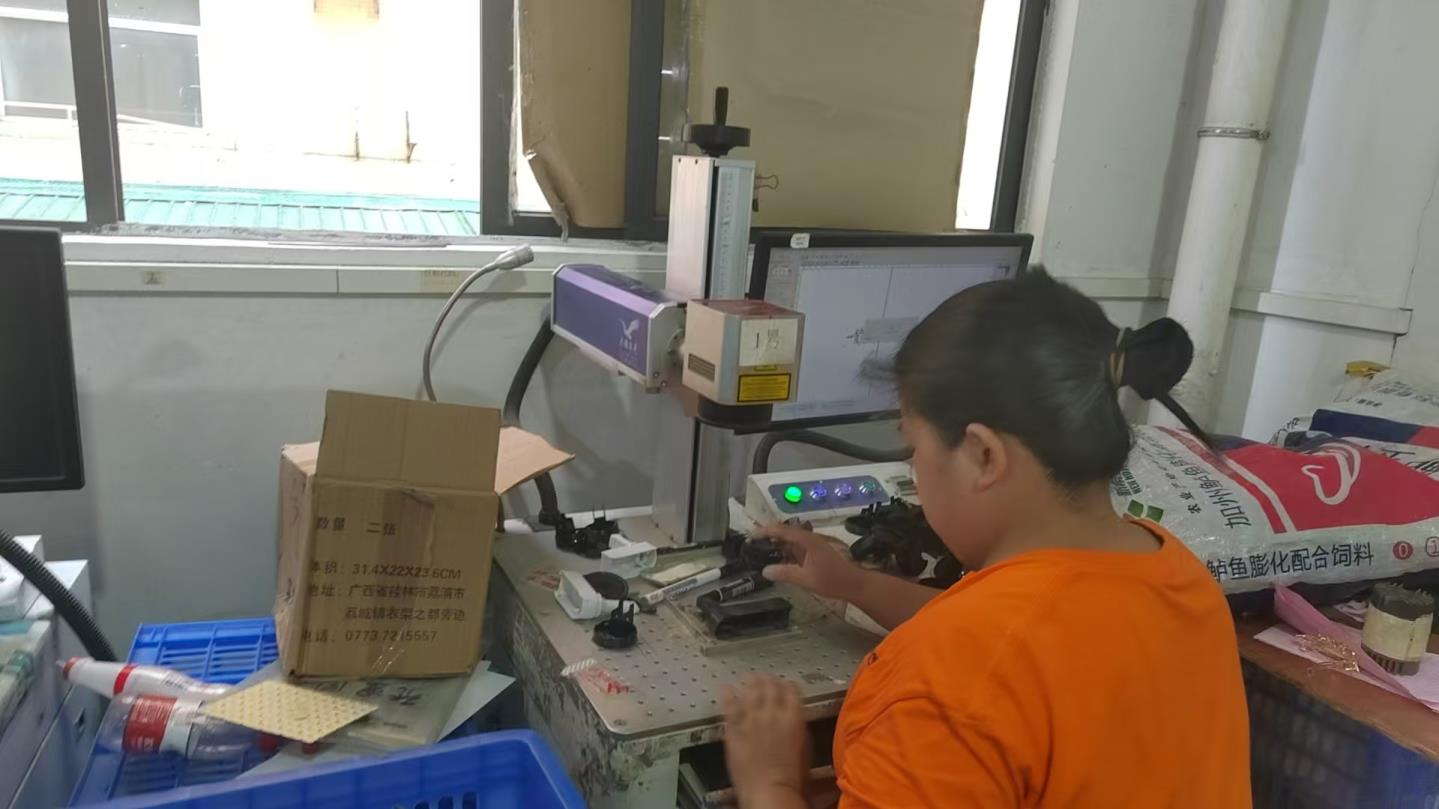
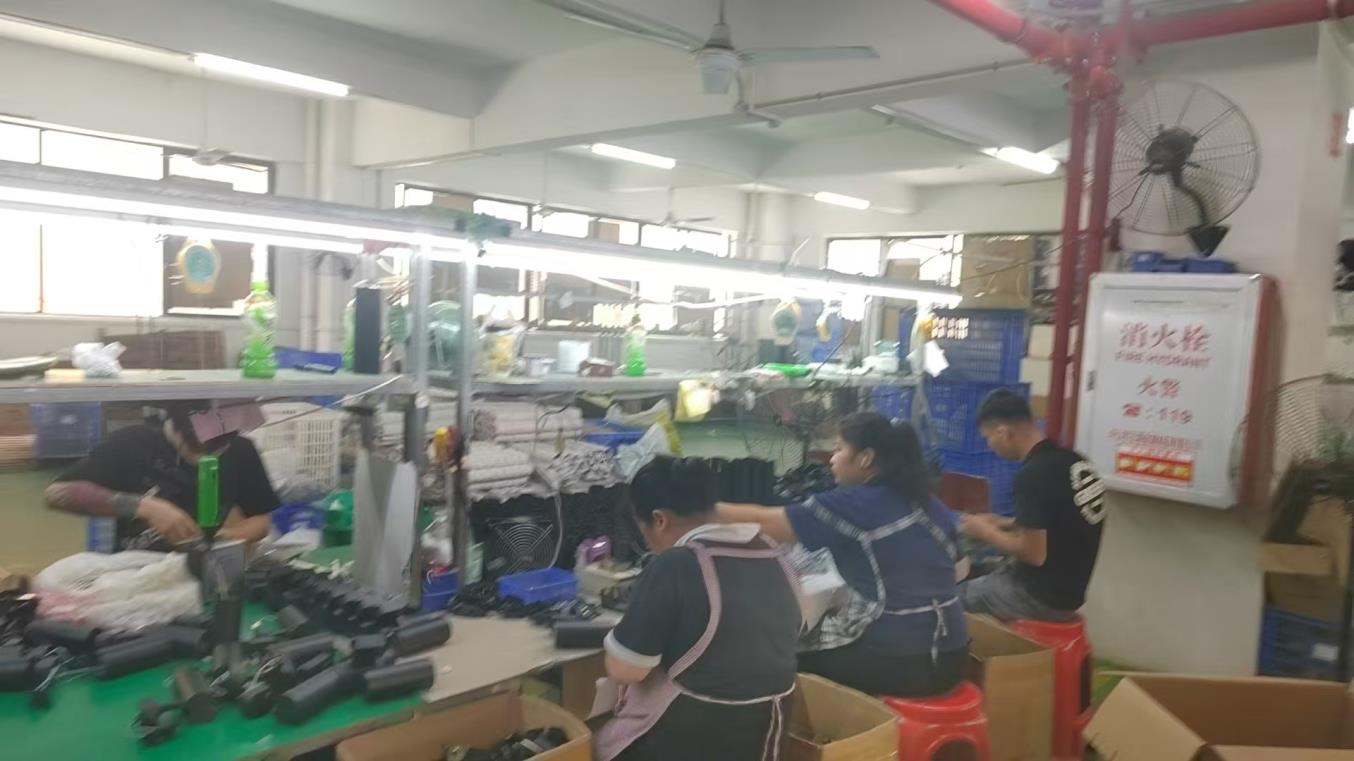
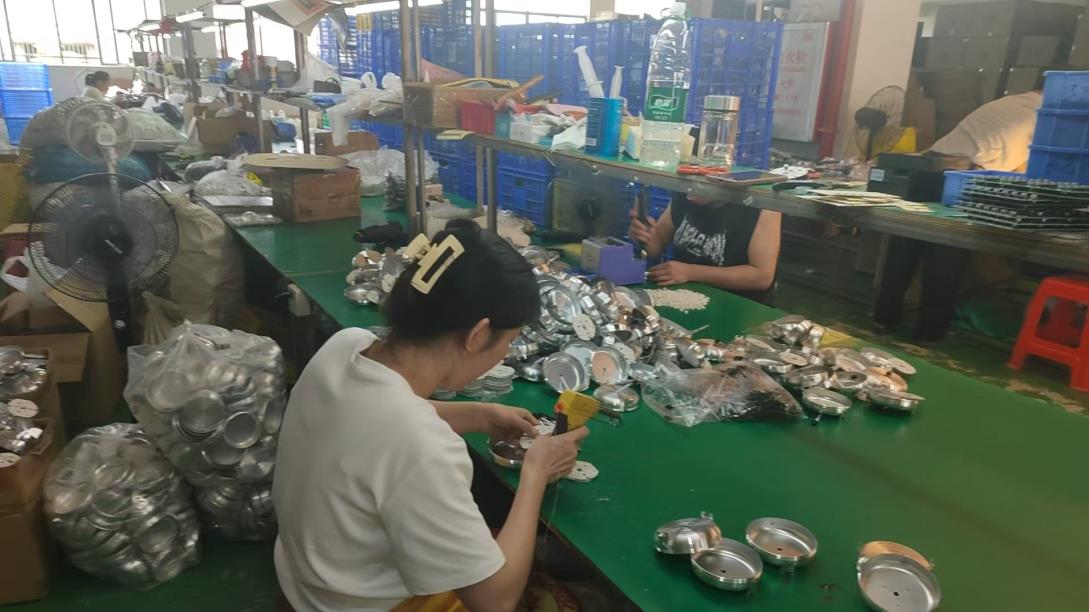
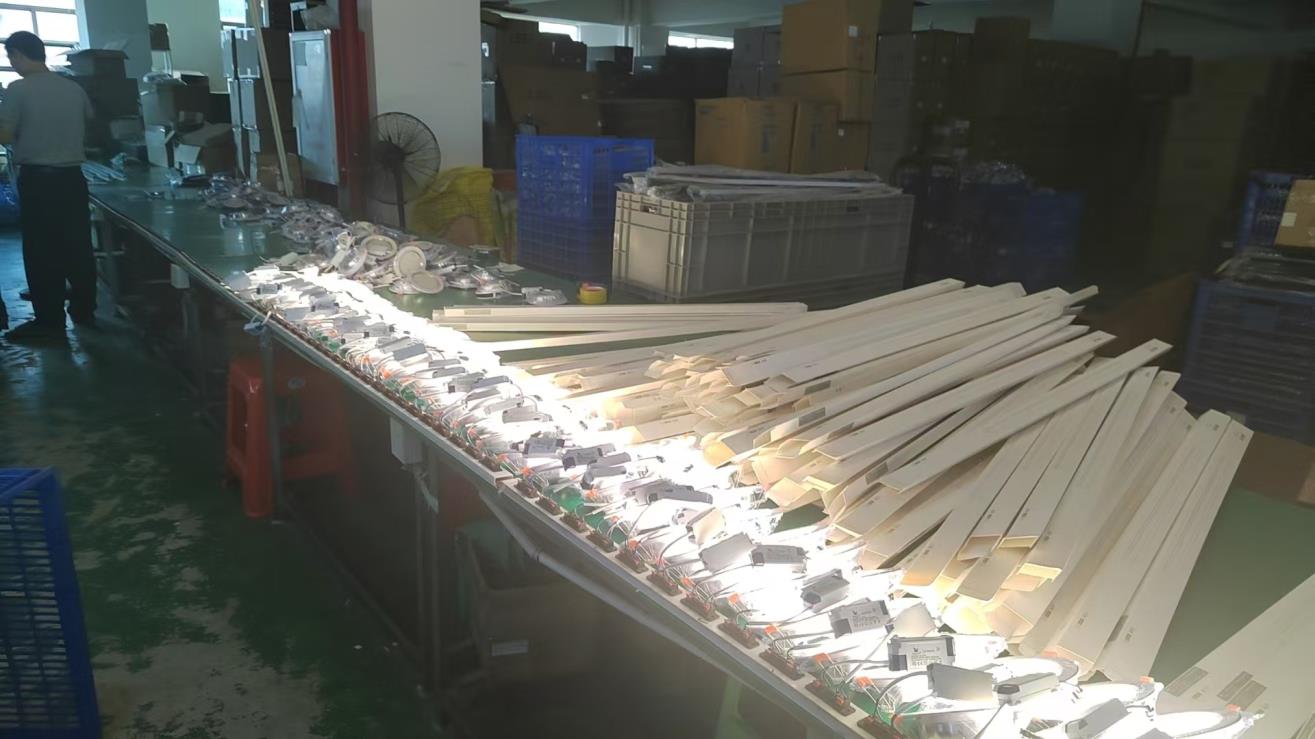
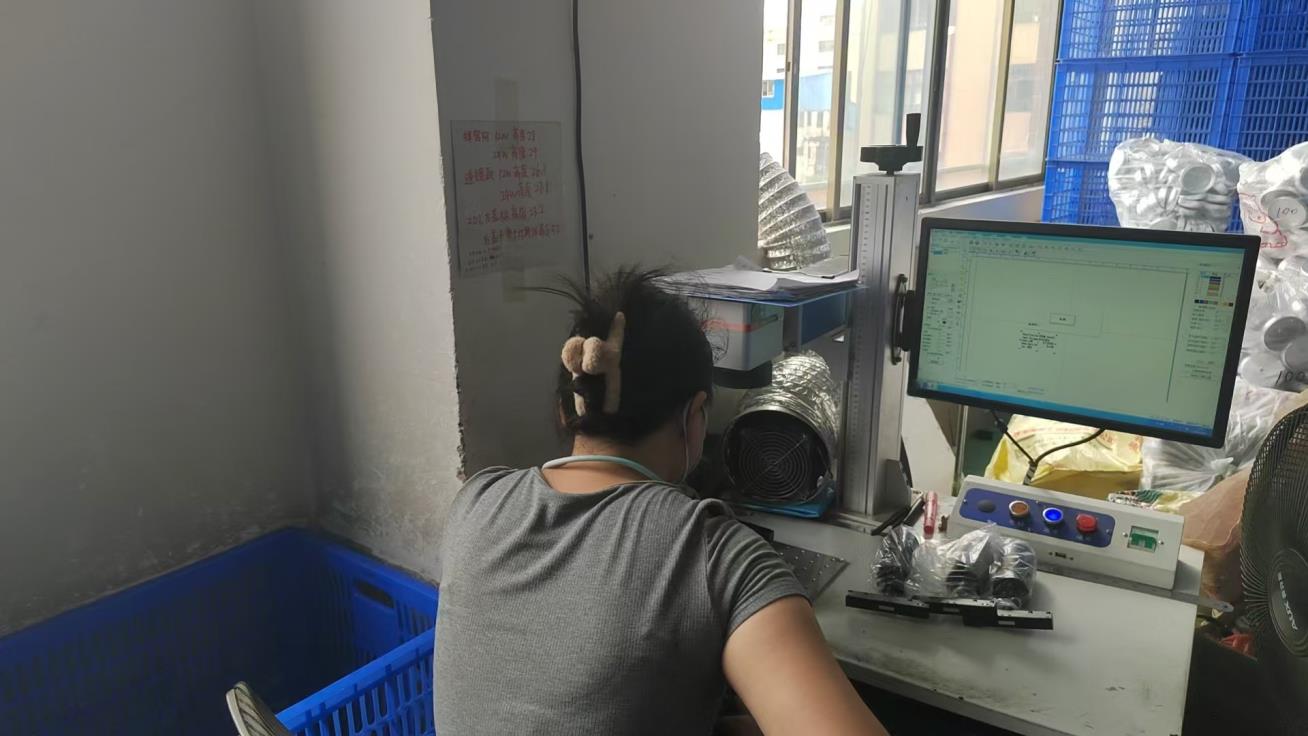
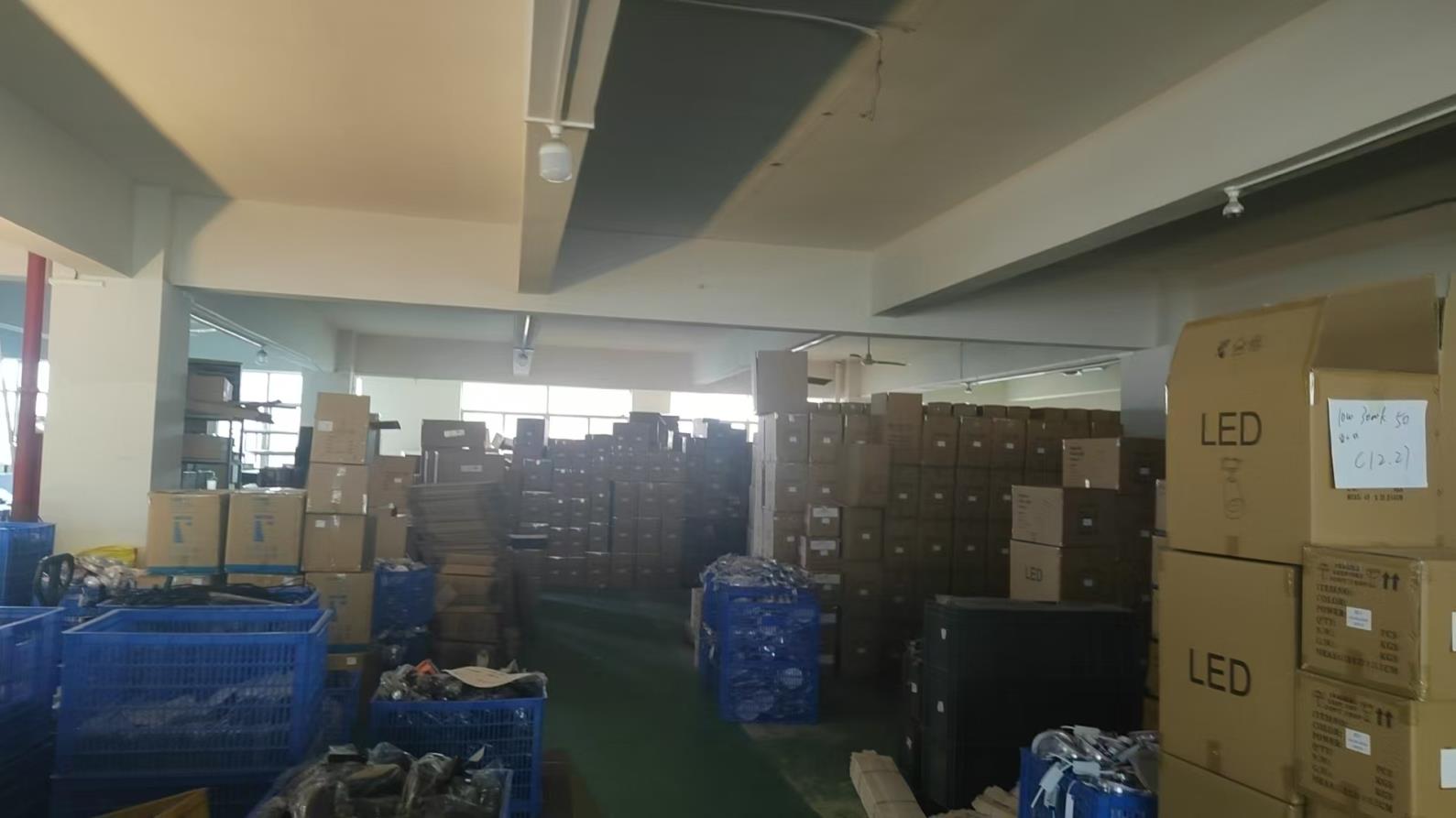
Our Smart Manufacturing & Quality Control Facilities

Industry Technical Q&A

Expert answers on technical compliance, materials testing, and importing procedures for Baltic lighting distributors.

What IK rating is required for step lights in Latvian public projects?
For standard public walkways, urban parks, and commercial stairs in Latvia, we strongly recommend a minimum rating of IK08. For high-traffic pedestrian steps in city centers like Riga or near transit hubs, IK10-rated vandal-resistant fixtures with cast-aluminum or 316 stainless steel faceplates are preferred. This protects the luminaires from vandalism, snow removal equipment, and heavy impacts.
How do step lights perform during extreme Baltic winters?
Pina Light fixtures feature internal component engineering designed for cold starts. Our LED drivers use low-temperature capacitors designed to start and operate smoothly down to -40°C. Additionally, we use high-grade silicone gaskets and precision-machined aluminum housings to prevent material contraction, ensuring seals remain intact during temperature changes to block moisture ingress from melting ice.
What certifications are required for importing into Latvia?
As Latvia is a member of the European Union, all imported step lights must carry the CE mark. They must also comply with the RoHS directive (Restriction of Hazardous Substances) and the WEEE directive (Waste Electrical and Electronic Equipment). Our products are fully tested under EN 60598 (General requirements for luminaires) and EN 62471 (Photobiological safety of lamps and lamp systems), ensuring hassle-free clearance and approval for municipal projects.
Can you customize color temperatures (CCT) for historical renovation projects in Riga?
Yes, customization is one of our key strengths. Historical projects in Riga's Old Town often require warm, low-glare lighting (e.g., 2200K or 2700K) to complement historic facades and cobblestones. Modern commercial zones typically specify 3000K or 4000K. We offer precise CCT options alongside high CRI (Color Rendering Index) values of Ra > 90 to ensure true color representation.