China Wholesale Ultra-thin Lights Manufacturers & Supplier

Your Trusted Global B2B Partner for Premium High-Efficiency LED OEM/ODM Systems, Global Compliance Engineering, and Unmatched Supply Chain Solutions.

Industry Whitepaper

Technological Edge & Market Dynamics of Ultra-Thin LED Lights

An authoritative analysis of optical innovation, supply chain structures, and compliance ecosystems for global importers.

1. The Engineering Paradigm Shift: How Ultra-Thin LED Lighting Systems are Designed

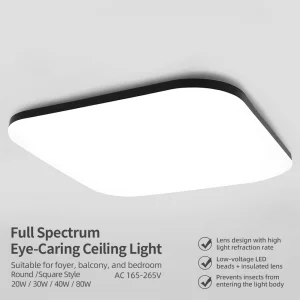
In modern commercial architecture and residential spaces, the demand for sleek, space-saving lighting solutions has driven structural developments from traditional bulky luminaires to ultra-thin profiles. The integration of Light Guide Plate (LGP) technology represents a significant optical paradigm shift. By placing the LEDs along the edges of the fixture rather than directly behind the diffuser, manufacturers can construct panels that measure less than 10mm in thickness while maintaining premium photometric characteristics.

For a commercial builder or distributor, selecting the right LGP material is crucial. At Hangzhou Pina Light Co., Ltd., we use premium-grade PMMA (Polymethyl Methacrylate) instead of low-cost PS (Polystyrene). PMMA features a light transmission rate exceeding 92% and exhibits high resistance to yellowing and degradation caused by heat and UV exposure. This ensures long-term color uniformity (Color Consistency < 3-step MacAdam Ellipses) and maintains the luminous flux of the fixture over its rated lifetime (L70 > 50,000 hours).

2. Solving the Heat Dissipation Bottleneck in Low-Profile Fixtures

The primary engineering challenge associated with reducing the thickness of an LED light fixture is heat dissipation. Since the physical surface area for heat conduction is minimized in ultra-thin structures, standard cooling solutions are insufficient. To prevent premature thermal degradation of the LED chips and driver capacitors, advanced thermal path design is required.

Our ultra-thin lights feature die-cast aluminum (ADC12) or aviation-grade 6063 aluminum backplates. These act as passive heat sinks, transferring heat directly away from the MCPCB (Metal Core Printed Circuit Board) through high-conductivity thermal interfaces (typically > 2.0 W/mK). Keeping the junction temperature of the LED chips below 85°C helps prevent lumen depreciation and maintains the fixture's long-term electrical safety profile.

50K+ hrs
Operational L70 Lifespan
< 3 Step
MacAdam Ellipse CCT
92%+
PMMA Optical Efficacy
ADC12
Aviation Heat-sink Aluminum

3. Global Compliance Standards: Meeting Market Entry Requirements

For international lighting procurement, regulatory compliance is non-negotiable. Importers must ensure that their products carry the necessary markings for their specific regions to mitigate risks related to legal liabilities and custom clearances.

  • European Union (EU): Products must strictly comply with CE, RoHS, and ErP (Energy-related Products) directives. Testing for EMC (Electromagnetic Compatibility) and LVD (Low Voltage Directive) ensures the fixture does not cause signal interference and is safe for users.
  • North America (US & Canada): UL and ETL listings represent the gold standard for electrical safety testing. Furthermore, FCC certification confirms that RF emissions are kept within strict limits, while DLC (DesignLights Consortium) qualification helps verify eligibility for local utility rebates.
  • Global Markets: CB certificates streamline the process of obtaining local national certifications across international markets, while SAA certifications are required for compliant entry into Australia and New Zealand.
Manufacturing Excellence

Inside Hangzhou Pina Light Co., Ltd.

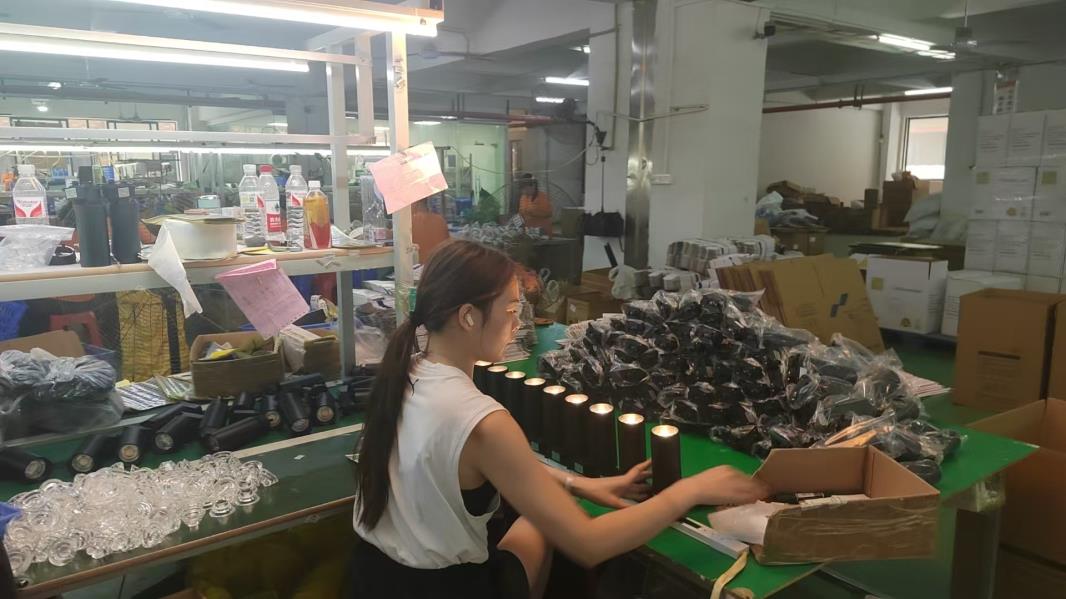
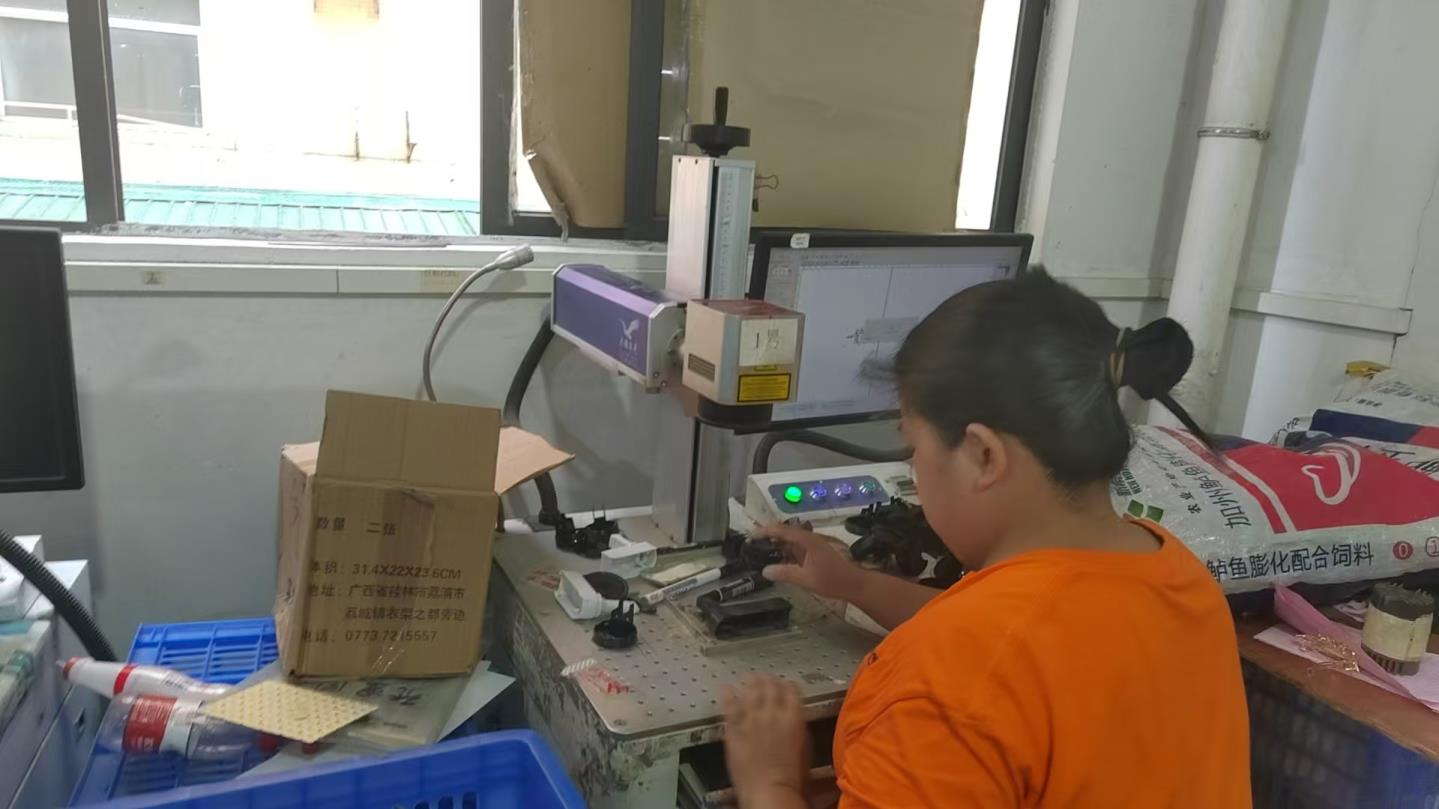
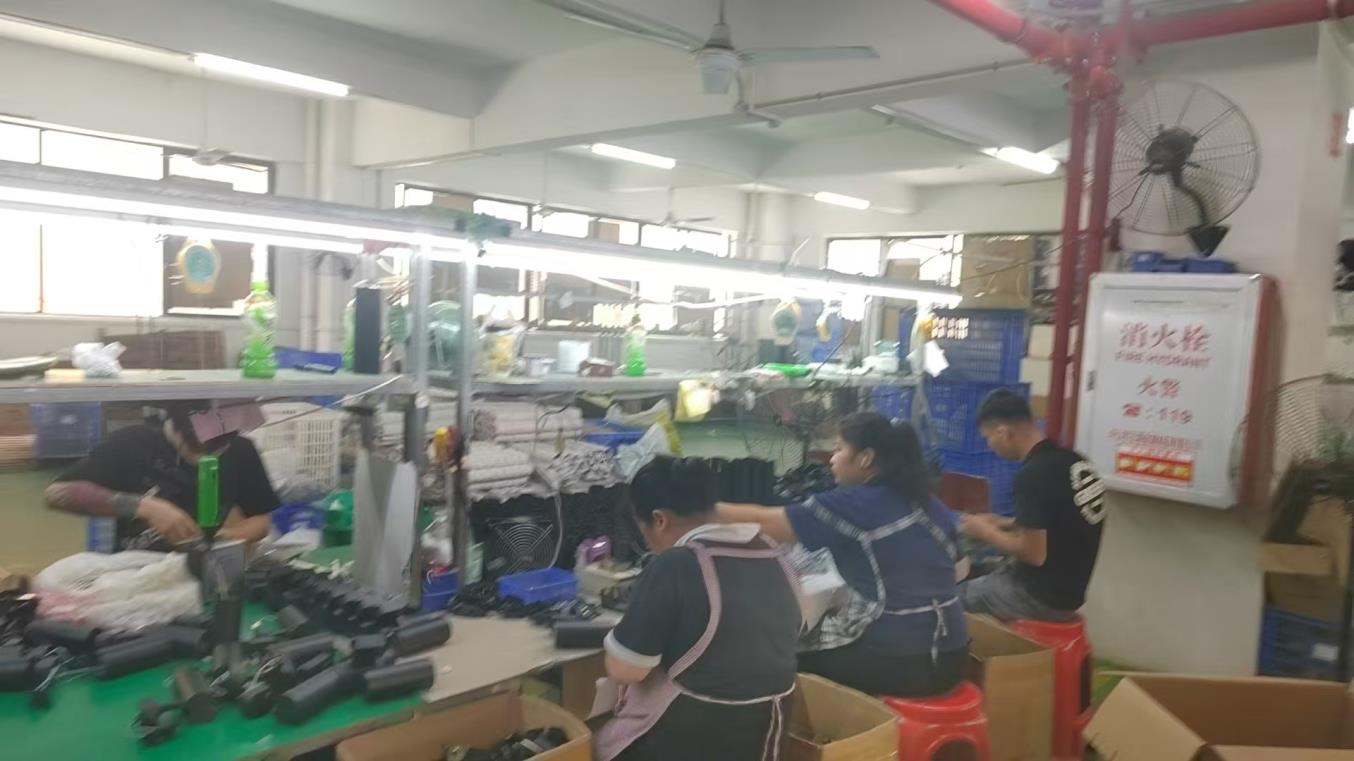
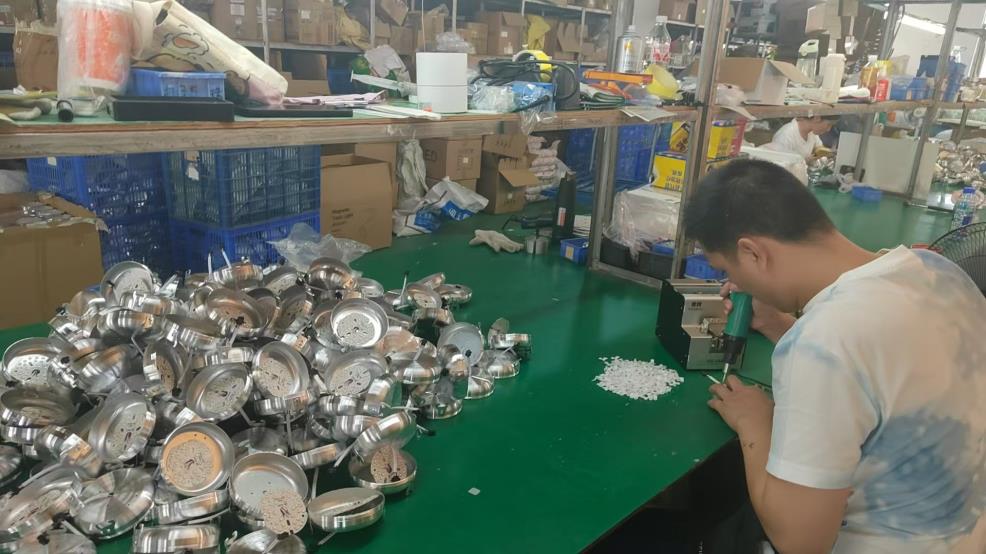
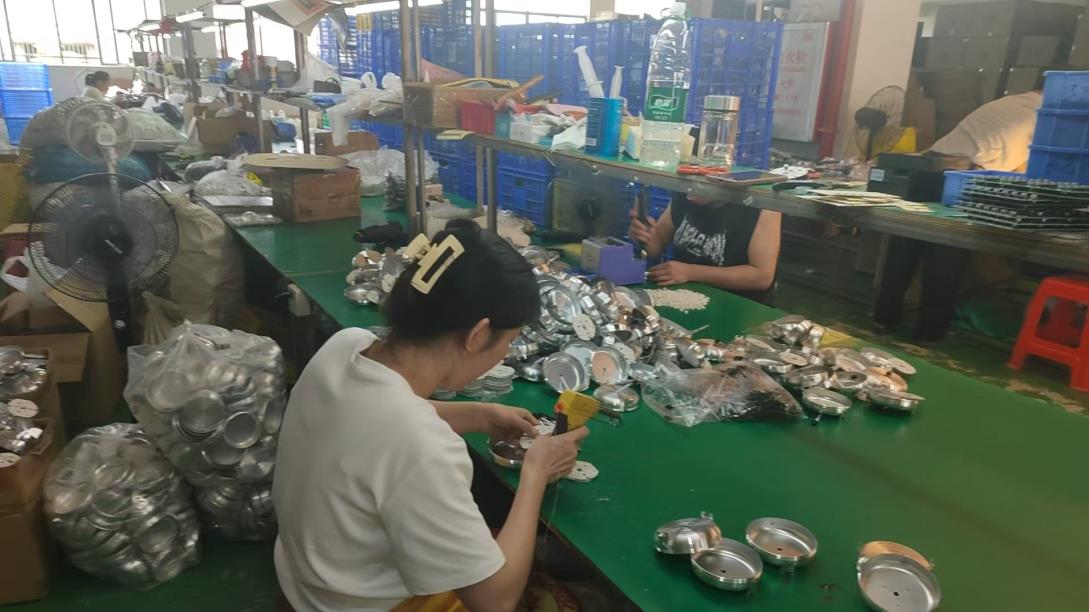
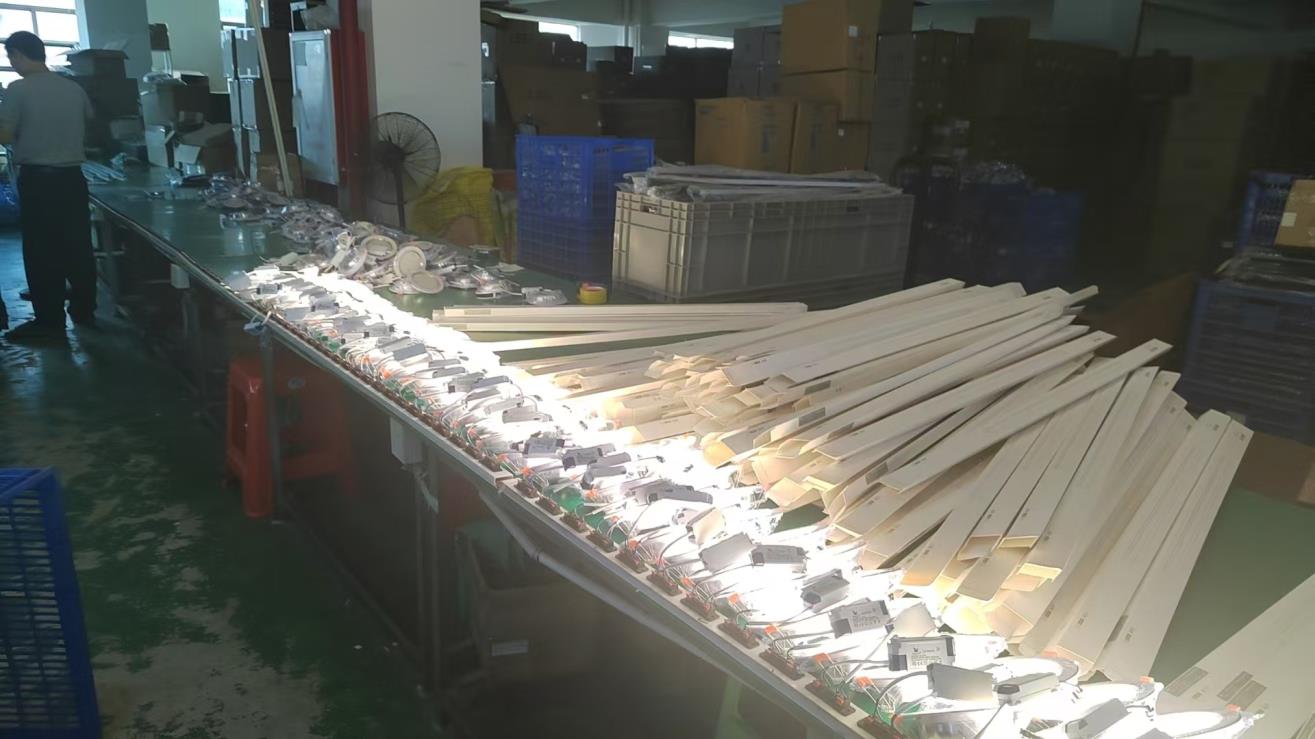
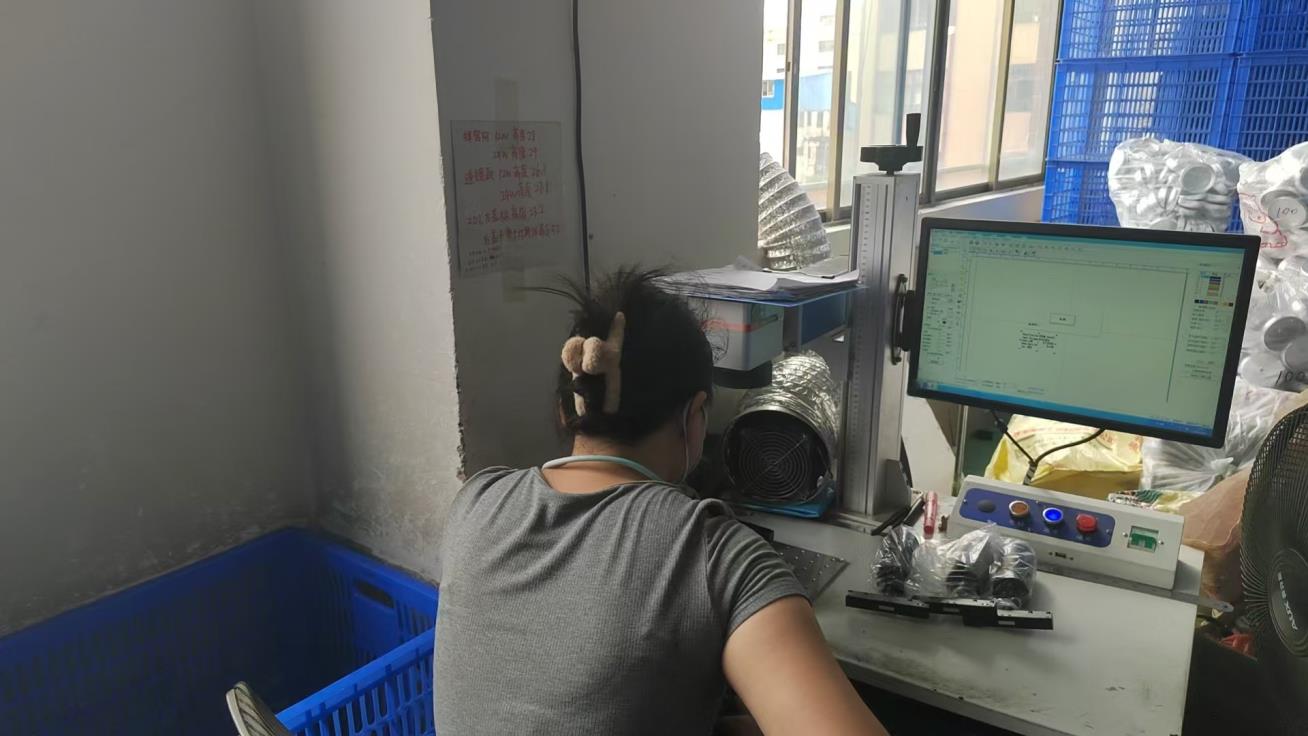
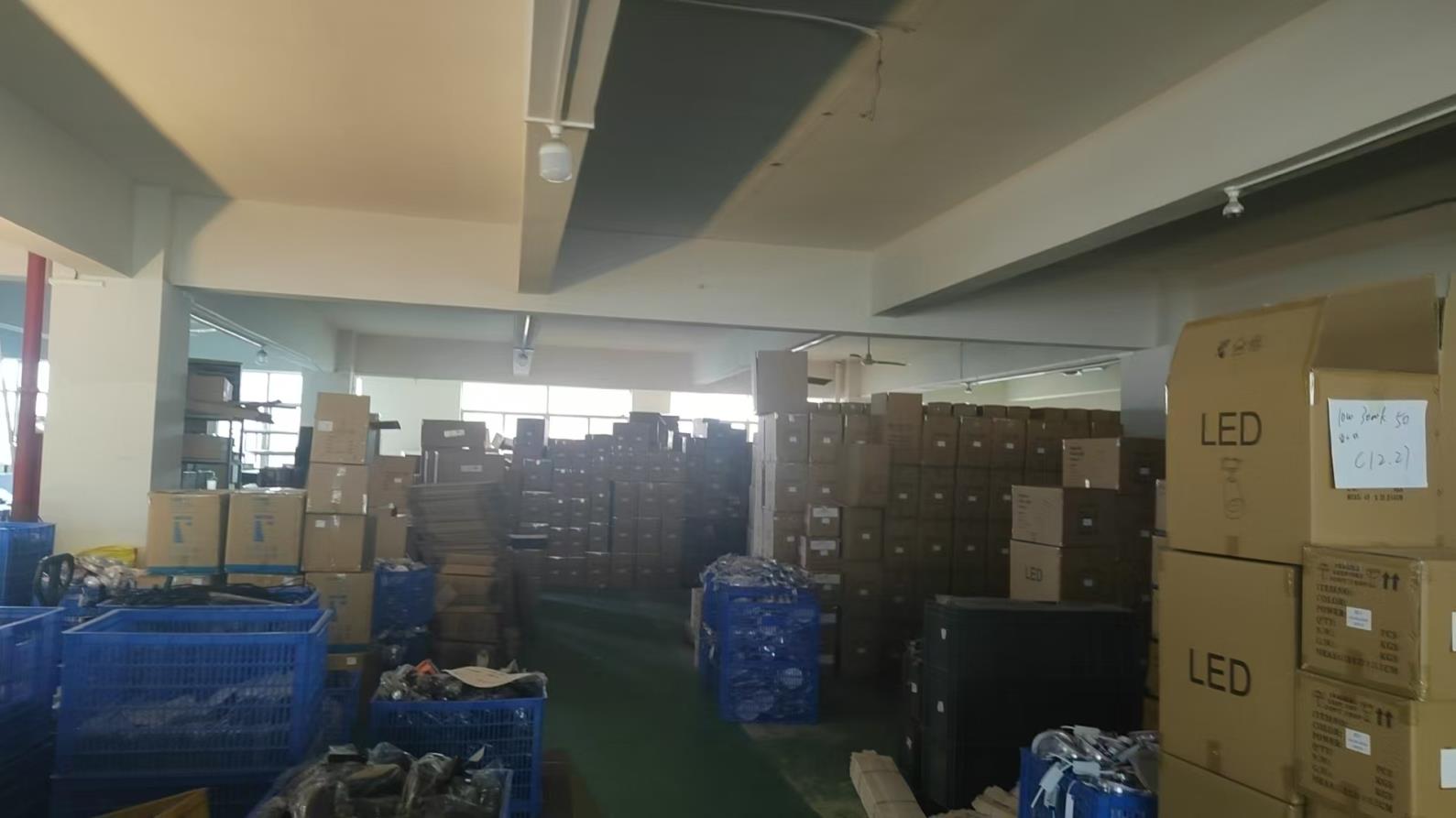
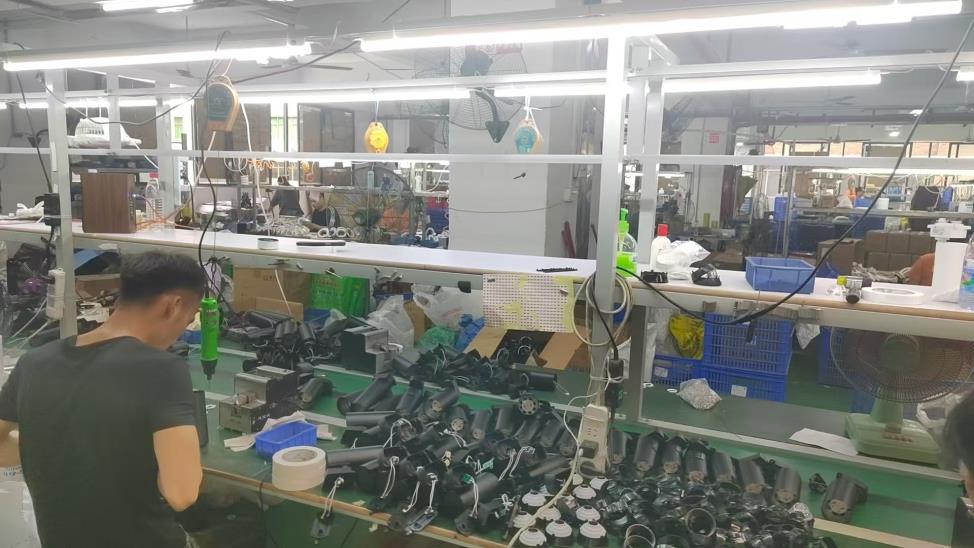
Take a look inside our manufacturing processes and advanced Quality Control facilities, where quality is ensured at every stage.

Based in the manufacturing hub of Hangzhou, China, Hangzhou Pina Light Co., Ltd. is a dedicated manufacturer and exporter of innovative B2B LED lighting solutions. By integrating regional supply chains with advanced automated production lines, we offer reliable lead times, custom engineering (OEM/ODM), and competitive wholesale pricing.

Our manufacturing strategy focuses on end-to-end quality control, from inspecting incoming raw materials (IQC) to carrying out extensive aging tests (OQC). We maintain strong partnerships with major optical diffuser extruders and LED packaging companies (such as Epistar, San'an, and Lumileds), which enables us to control cost and quality at the source.
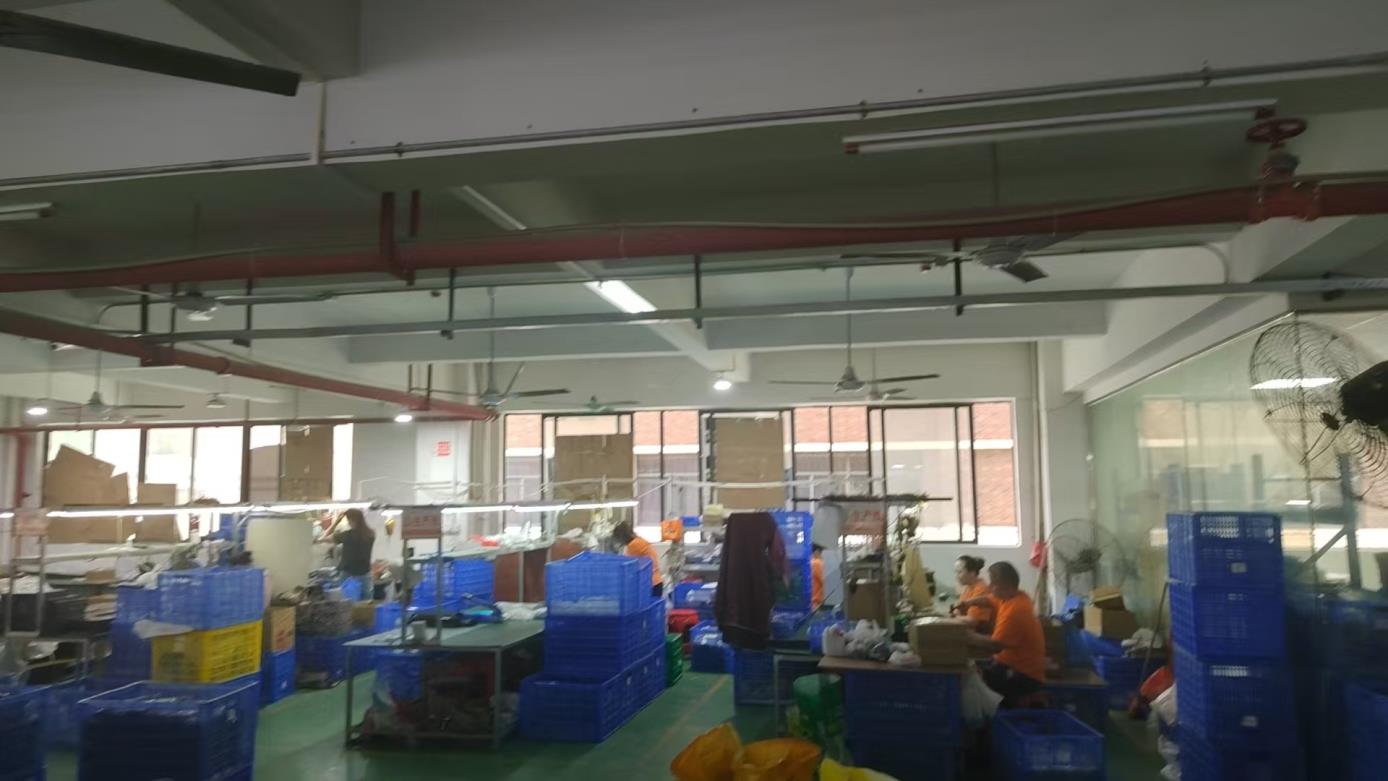
Assembly Process
Assembly
Assembly Line 2
Assembly 2
Quality Inspection
Inspection
Product Marking
Marking
Product Packing
Packing
Advanced Assembly
Assembly
Assembly Operations 2
Assembly 2
Aging Test Area
Aging
Laser Marking
Marking
Finished Goods Warehouse
Warehouse
Global Operations

Supply Chain Advantages & Localized Support

How we partner with distributors, importers, and projects worldwide to ensure smooth procurement and deployment.

OEM/ODM Adaptability

From optical layouts and custom color temperatures to branded packaging, we specialize in tailoring products for regional market demands.

Global Standards Compliance

We support certifications like ETL, UL, CE, RoHS, and FCC, ensuring smooth customs clearance and compliance in North America, Europe, and Asia-Pacific.

Efficient Logistics Solutions

We assist with regional compliance filings, bulk shipping rates, custom warehousing, and flexible delivery schedules to manage inventory overhead.

Practical Applications: Delivering Value Across Sectors

Our ultra-thin LED fixtures are designed to support a wide range of installation styles across multiple environments:

  • Commercial Offices and Academic Facilities: Designed to fit directly into standard T-grid ceilings, these fixtures provide uniform illumination and reduce glare (UGR < 19), contributing to focused work and study environments.
  • Modern Residential Spaces: Ideal for properties with minimal ceiling clearance, offering clean lines and integrated aesthetics without sacrificing lumen output.
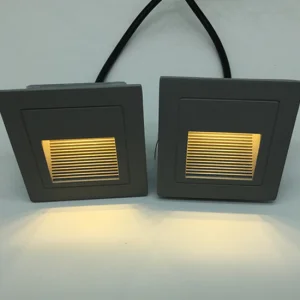
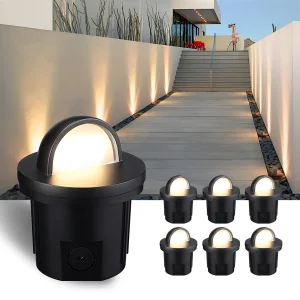
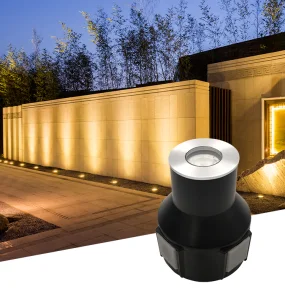
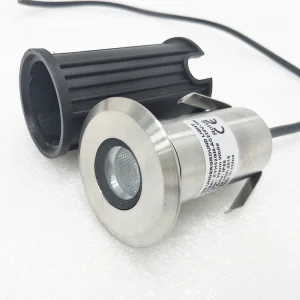
  • Safety-Critical Corridors and Pathways: Recessed LED stair lights and twin-spot emergency lighting systems ensure continuous pathways are lit during emergencies, adhering to local building codes.
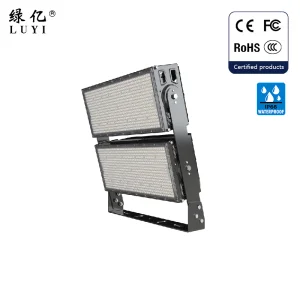
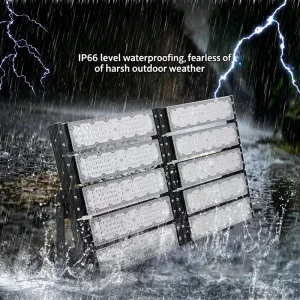
  • Industrial & Construction Sites: Heavy-duty flood lighting systems, built with modular aluminum structures, deliver targeted, high-output illumination for demanding physical sites and highway projects.
Knowledge Base

Frequently Asked Questions

Expert technical insights regarding product specifications, ordering logistics, and performance benchmarks.

What is the typical lifespan and warranty period for your wholesale ultra-thin LED panel lights?

Our premium ultra-thin panels are engineered for an operational lifespan of over 50,000 hours (L70 benchmark). We use high-grade PMMA light guide plates and reliable drivers, allowing us to offer a standard 3-to-5-year warranty depending on the driver configuration and project environment.

How does Hangzhou Pina Light manage thermal dissipation in ultra-thin structures?

We use CNC-machined 6063 aviation-grade aluminum and die-cast alloys (ADC12) for our backplates and outer frames. By combining these with high-conductivity thermal interfaces, we keep the junction temperature of the LED chips below 85°C to protect light output and prolong system life.

Can you provide custom driver brands for smart lighting integrations?

Yes, our ODM division works with prominent driver brands like Mean Well, Lifud, Philips, and Tridonic. We can support dimming protocols such as DALI-2, 0-10V, Triac, and Zigbee/Wi-Fi smart controls to integrate into automated building networks.

What certifications do you provide for North American and European imports?

We offer fully certified product lines carrying CE, RoHS, and ErP compliance marks for the EU, alongside ETL, UL, and FCC certifications for the North American market. We provide compliance documentation to help streamline importing and distribution.

What is your lead time for bulk wholesale orders?

For standard specifications, our average manufacturing lead time is 25-30 days. Custom OEM/ODM orders, which may require structural tooling modifications or specialized optical engineering, typically take 40-50 days.