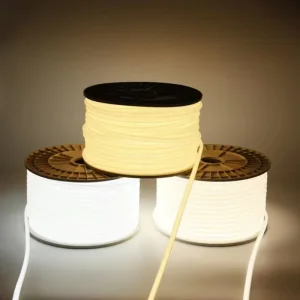
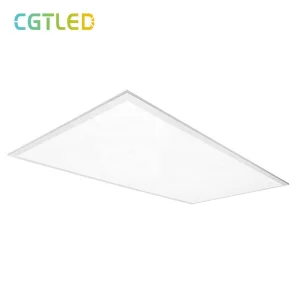
The global market for decorative and architectural lighting, particularly LED string lights and strip systems, has undergone a fundamental paradigm shift. What once was regarded as seasonal, low-tech consumer novelty lighting has evolved into a key element of high-performance architectural design, smart city infrastructure, and experiential hospitality styling. In today’s market, commercial B2B buyers—ranging from electrical contractors to global retail distributors and municipal planners—demand solutions that combine advanced optical performance with robust physical durability.
"Modern LED string lights and architectural strip systems are no longer temporary fixtures. Engineering specifications now require standard compliance equivalent to permanent outdoor installations, focusing heavily on photobiological safety, long-term degradation control, and intelligent protocol compatibility."
The transition from traditional incandescent bulbs to modern solid-state lighting (SSL) technology has allowed for dramatic reductions in energy consumption, while opening up unprecedented possibilities in design flexibility. Today's commercial-grade string lights utilize advanced chipsets, high-efficiency drivers, and superior encapsulation materials. These specifications prevent the typical failure modes associated with cheap consumer-grade strings, such as voltage drops along extended runs, water ingress, and color temperature shifting over time.
Sourcing directly from Top China String Lights Suppliers & Exporters provides global enterprises with access to deep engineering expertise, specialized manufacturing setups, and vertically integrated supply chains. This setup allows for rapid custom prototyping and scalable production capacities that meet strict global regulatory frameworks. By analyzing the engineering paths of leading manufacturers like Hangzhou Pina Light Co., Ltd., global procurement officers can secure products that offer both cost efficiency and technological longevity.
| Performance Parameter | Commercial Grade (Pina Light Spec) | Consumer Grade Standard | Operational Impact |
|---|---|---|---|
| Ingress Protection (IP Rating) | IP65 to IP67 (Solderless COB / Double Insulated) | IP44 / Single Sleeve | Protects against heavy rain, dust ingress, and prolonged outdoor exposure. |
| Cable Material & Gauge | Heavy-duty H05RN-F Rubber / 18-20 AWG Pure Copper | Thin PVC Sleeve / Copper-Clad Aluminum (CCA) | Ensures high tensile strength, UV resistance, and minimal voltage drop. |
| Color Consistency (SDCM) | < 3-step MacAdam Ellipse (SDCM < 3) | Unregulated (often > 5 SDCM) | Guarantees uniform color matching across large-scale commercial installations. |
| Control Interface Support | DMX512, RDM, ArtNet, Tuya Smart, Zigbee | Basic Analog / Manual Controller | Enables integration into building management systems (BMS) and smart platforms. |
China's dominance in the global solid-state lighting export market is not merely a product of labor optimization. Instead, it is built on a highly integrated industrial ecosystem that offers unmatched manufacturing resilience, raw material access, and engineering flexibility. The Zhejiang and Guangdong manufacturing corridors host specialized clusters for silicone compounding, copper extrusion, electronic driver design, and automated testing equipment.
For instance, a premier manufacturer headquartered in Hangzhou, such as Hangzhou Pina Light Co., Ltd., leverages local supply chains to source high-grade polycarbonate diffusers, specialized Epistar or Citizen LED dies, and high-performance drivers. This concentration of component suppliers minimizes lead times, enables rapid design iterations (OEM/ODM), and cushions production against global material shortages.
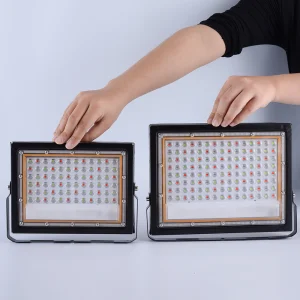
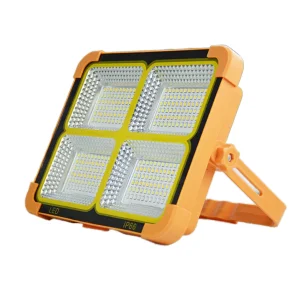
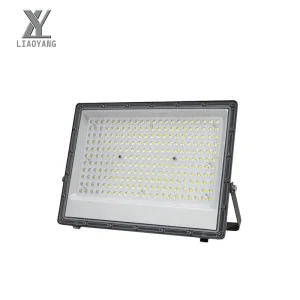
When evaluating top-tier exporters, global buyers must consider the depth of vertical integration. The production journey of a high-power commercial floodlight or a smart strip lighting system involves complex steps: raw PCB assembly (SMT), protective conformal coating, mechanical housing assembly, precision calibration, and extended high-stress burn-in (aging) cycles. Having these processes located close to major shipping terminals like Ningbo or Shanghai guarantees optimized shipping lanes, predictable transit schedules, and reduced logistical costs.
In-house CAD and rapid component sourcing allow for custom-designed prototypes to be completed in as little as 7 to 10 working days.
High-speed surface-mount technology ensures precision placement of sub-millimeter components, minimizing structural failure rates.
All manufactured items undergo simulated real-world conditions, including high-humidity thermal cycling, before packaging.
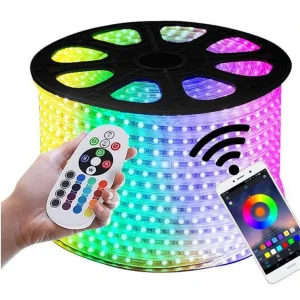
The commercial lighting landscape is shifting rapidly toward connected control networks. In the domain of decorative and string lighting, this has driven a move away from simple analog circuits toward addressable pixel control. Modern addressable systems use IC-integrated LEDs (such as WS2811, UCS1903, or DMX512-compatible chips) to allow users to control each node's color, brightness, and flashing sequence individually.
Furthermore, materials science advances have resolved issues with UV exposure and environmental cracking. Traditionally, PVC-jacketed cables would become brittle and crack when exposed to sub-zero winter temperatures, leading to water penetration and electrical shorts. The introduction of synthetic rubber cables (like H05RN-F or SJTW-rated neoprene) guarantees flexibility down to -40°C, while retaining physical integrity under direct, intense sunlight.
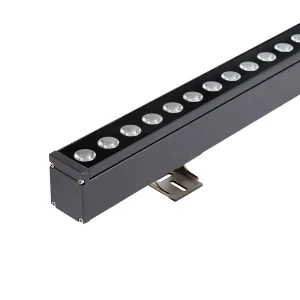
For continuous architectural accent lighting, Chip-on-Board (COB) technology represents a major evolutionary leap. Standard SMD (Surface Mounted Device) strips show visible dotting and uneven brightness, which can ruin clean design lines. COB strips place thousands of tiny light sources under a single phosphor coating, delivering smooth, dot-free lighting. When combined with solderless connection clips and IP67 silicone extrusion casing, these strips become highly durable solutions for outdoor building facades, bridges, and commercial entryways.
The versatility of modern industrial-grade string lights and high-performance strips allows them to be deployed in diverse, harsh environments globally.
For global importers, buying electrical equipment from overseas involves managing complex regulatory compliance risks. Selling non-compliant lighting fixtures can lead to customs seizures, retail recall orders, and major liability issues. Top-tier Chinese lighting manufacturers mitigate these risks by maintaining an up-to-date portfolio of global certifications.
| Geographic Region | Required Certifications | Technical Focus Areas | Pina Light Assurance Level |
|---|---|---|---|
| North America (USA & Canada) | UL 588, UL 8750, ETL, FCC Part 15 | Fire safety, electrical shock risk mitigation, electromagnetic interference limits. | Certified components and full assembly listings. | European Union (EU) | CE (LVD & EMC), RoHS, ErP Directive | Hazardous materials restriction, low-voltage directive compliance, energy efficiency. | Eco-design compliant, lead-free soldering processes. |
| Global Maritime / Wet Environments | IP65, IP66, IP67 Waterproof Ratings | Dust tightness, water spray protection, resistance to brief immersion. | Verified by third-party testing with full laboratory test reports. |
In addition to regulatory compliance, top manufacturers provide localized product customization. This includes designing correct plug configurations for various countries (such as NEMA for North America, Schuko for Europe, and BS1363 for the UK), optimizing driver voltages for localized power grids (120V vs. 230V), and adjusting cable compounds to match regional climates.
Hangzhou Pina Light Co., Ltd. is a professional manufacturer and exporter of innovative LED lighting solutions, headquartered in Hangzhou, China. With a strong manufacturing network and strategic partnerships across China, the company specializes in the design, development, production, and global distribution of high-quality lighting products for commercial, industrial, residential, and specialty applications.
Our core product portfolio includes LED grow lights, commercial lighting, warehouse and high-bay lighting, flood lights, street lights, area lighting, security lighting, retrofit solutions, and customized OEM/ODM lighting products. Leveraging advanced LED technology and intelligent lighting systems, Pina Light is committed to providing energy-efficient, environmentally friendly, and cost-effective solutions for customers worldwide.
Serving clients across North America, Europe, South America, the Middle East, Southeast Asia, and other international markets, our products are manufactured in accordance with strict international quality and safety standards. Many of our products carry globally recognized certifications such as CE, RoHS, FCC, ETL, UL, and other market-specific approvals, ensuring reliable performance and regulatory compliance.
At Hangzhou Pina Light, innovation is at the heart of our business. Our experienced engineering and R&D teams continuously develop new products and improve existing technologies to meet evolving market demands. From product design and prototyping to mass production and quality assurance, every stage of the manufacturing process is carefully monitored to ensure superior quality, consistency, and long-term reliability.
Our manufacturing facility operates under ISO 9001:2015 quality management guidelines. To guarantee that every batch of string lights, LED strips, and high-output floodlights meets our standards, we maintain a transparent, documented quality-control workflow:
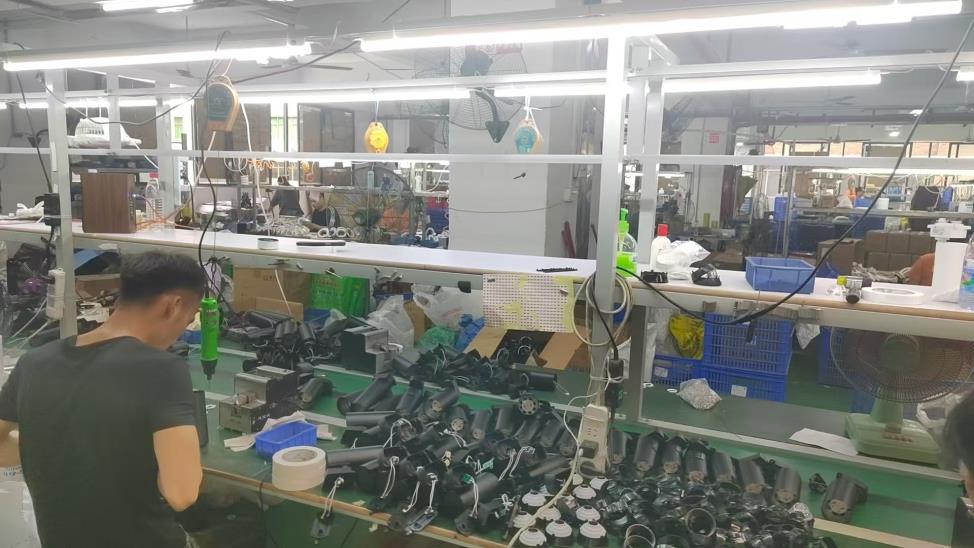
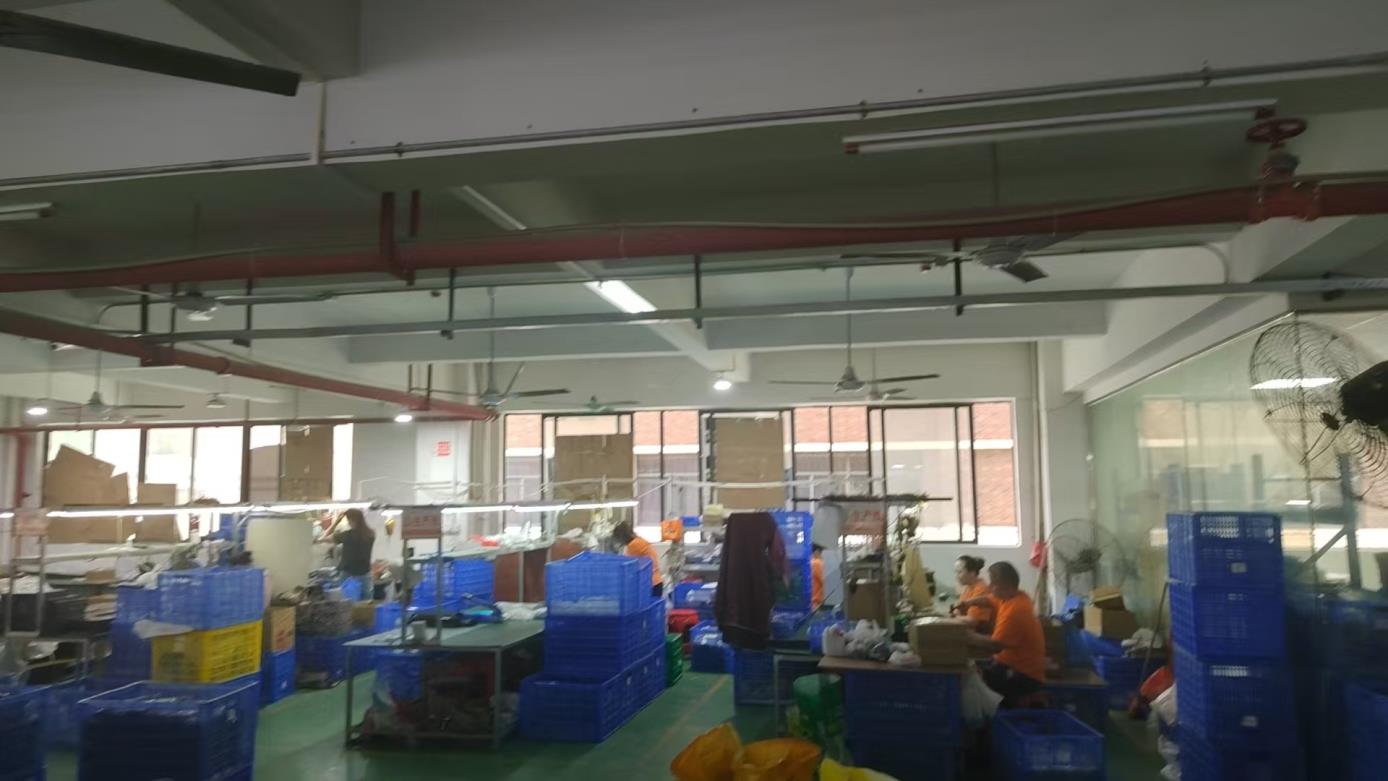
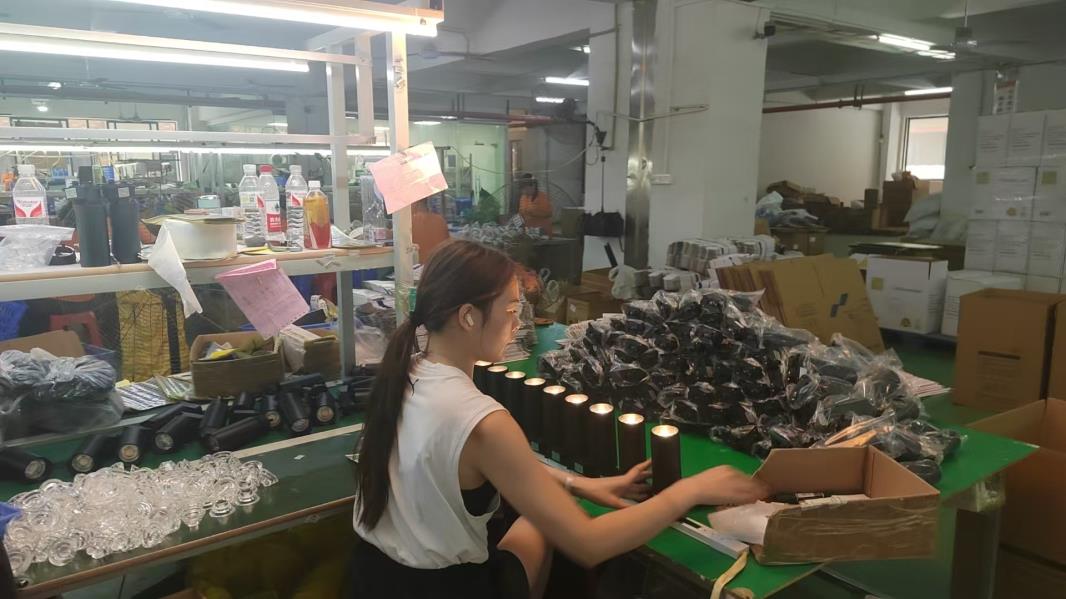
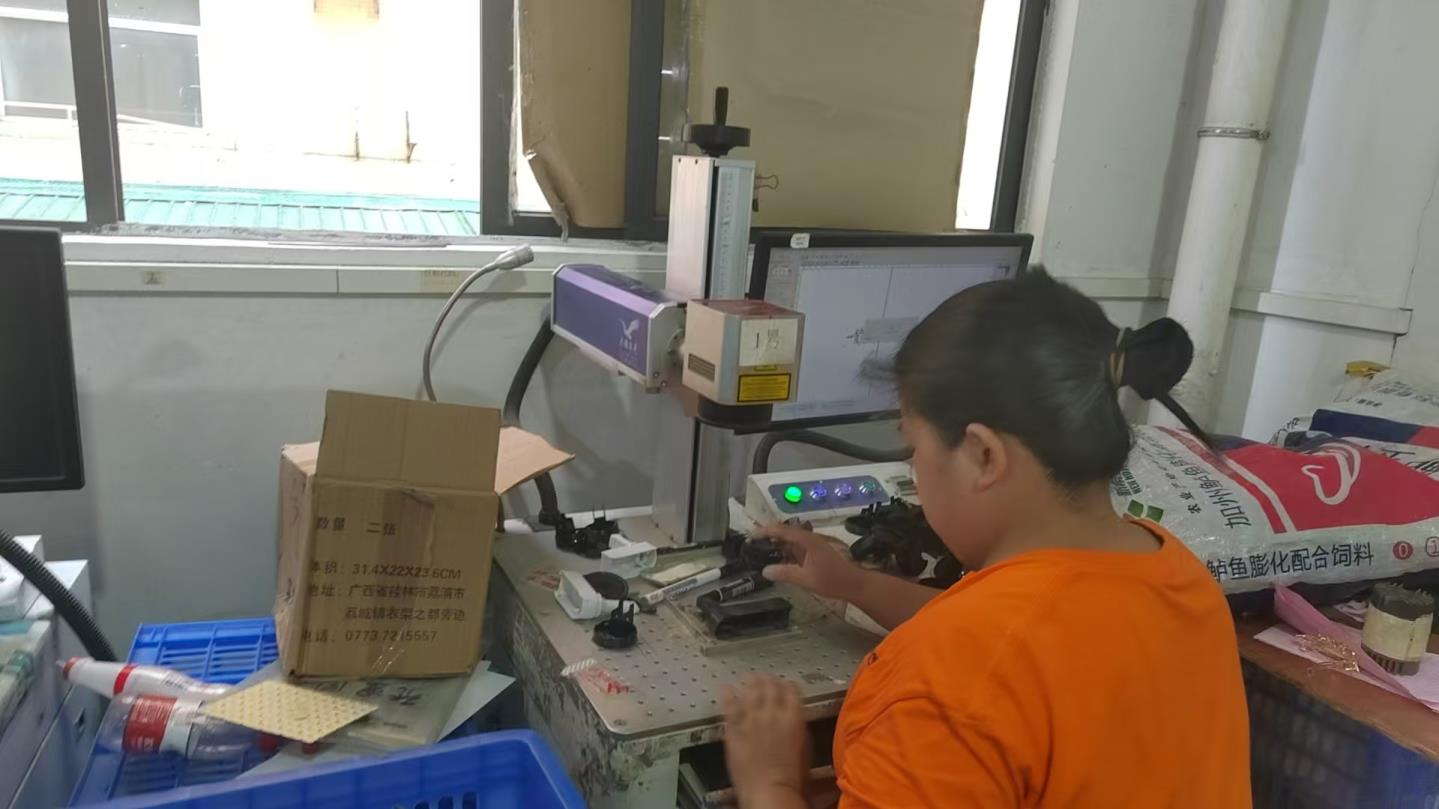
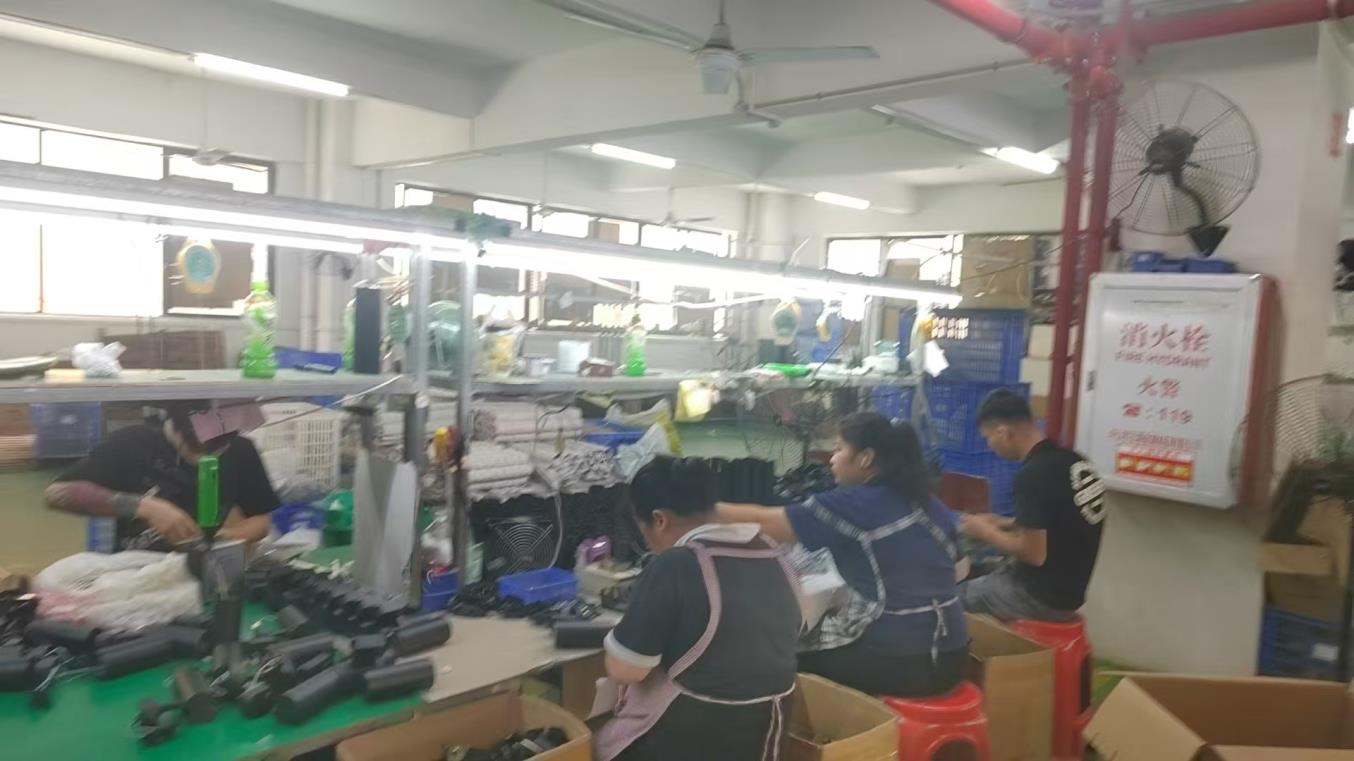
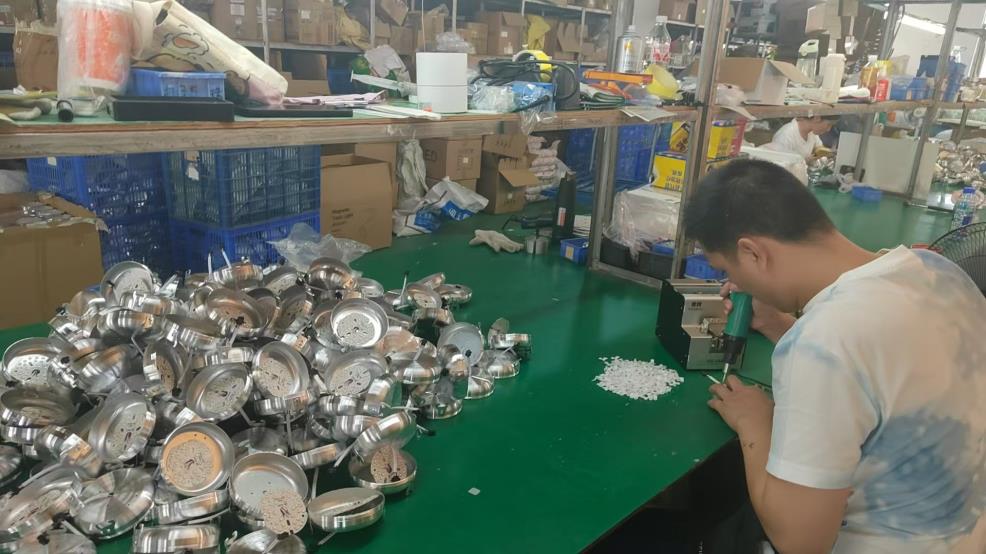
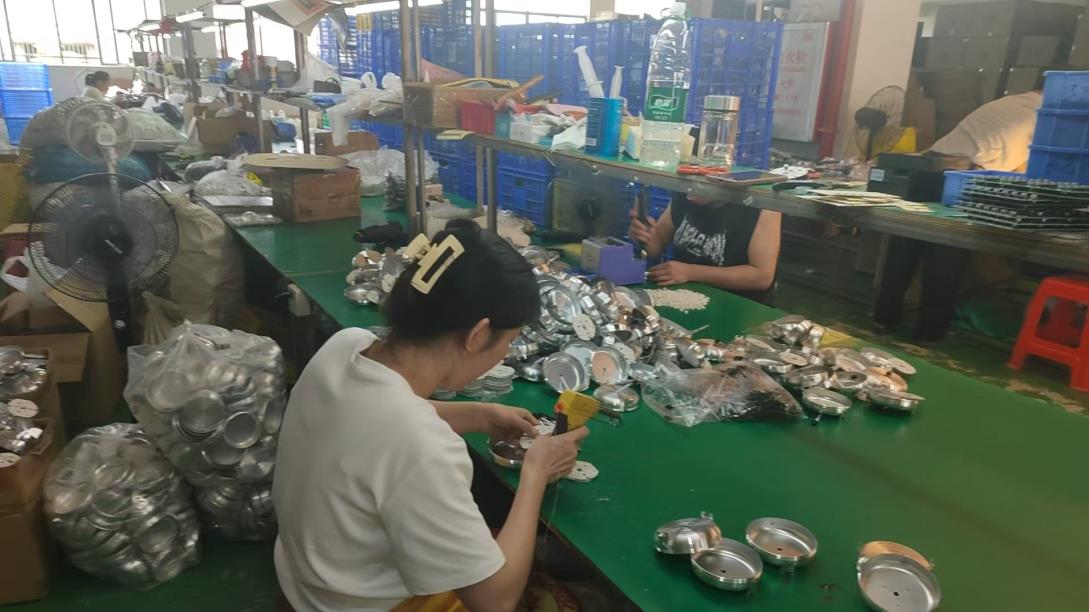
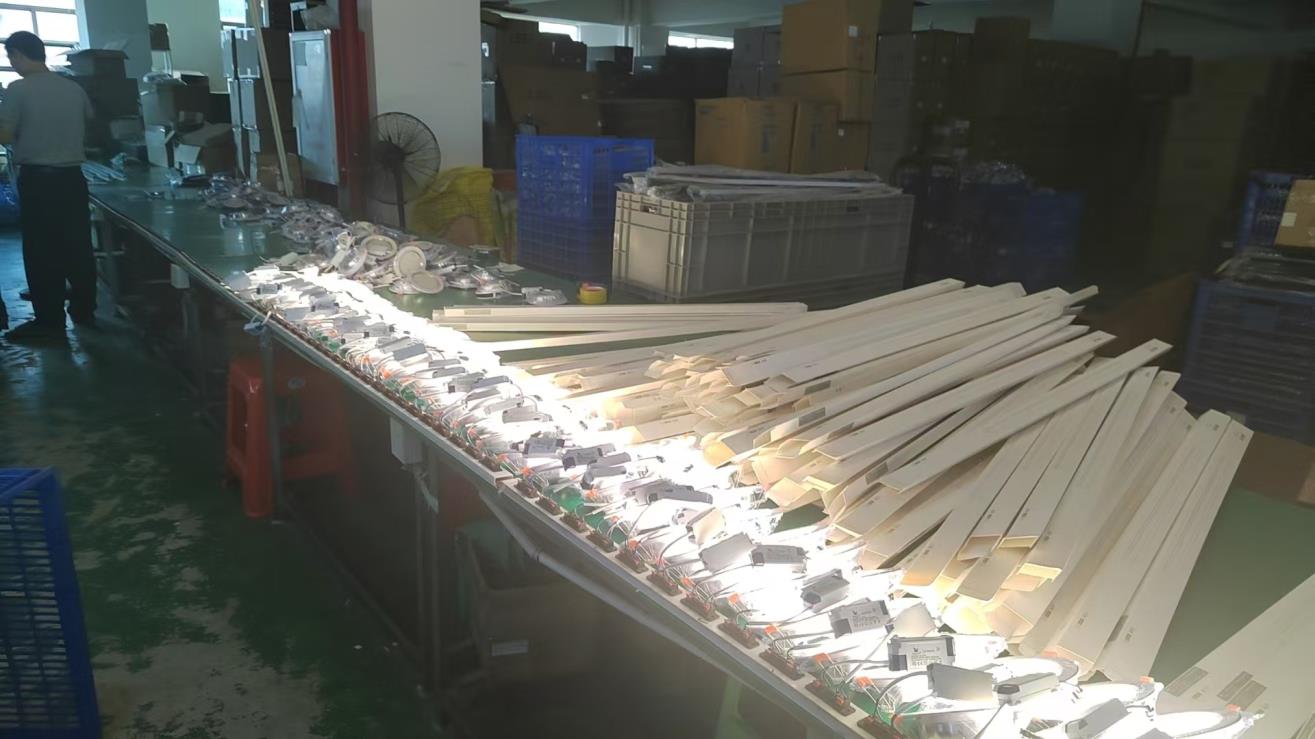
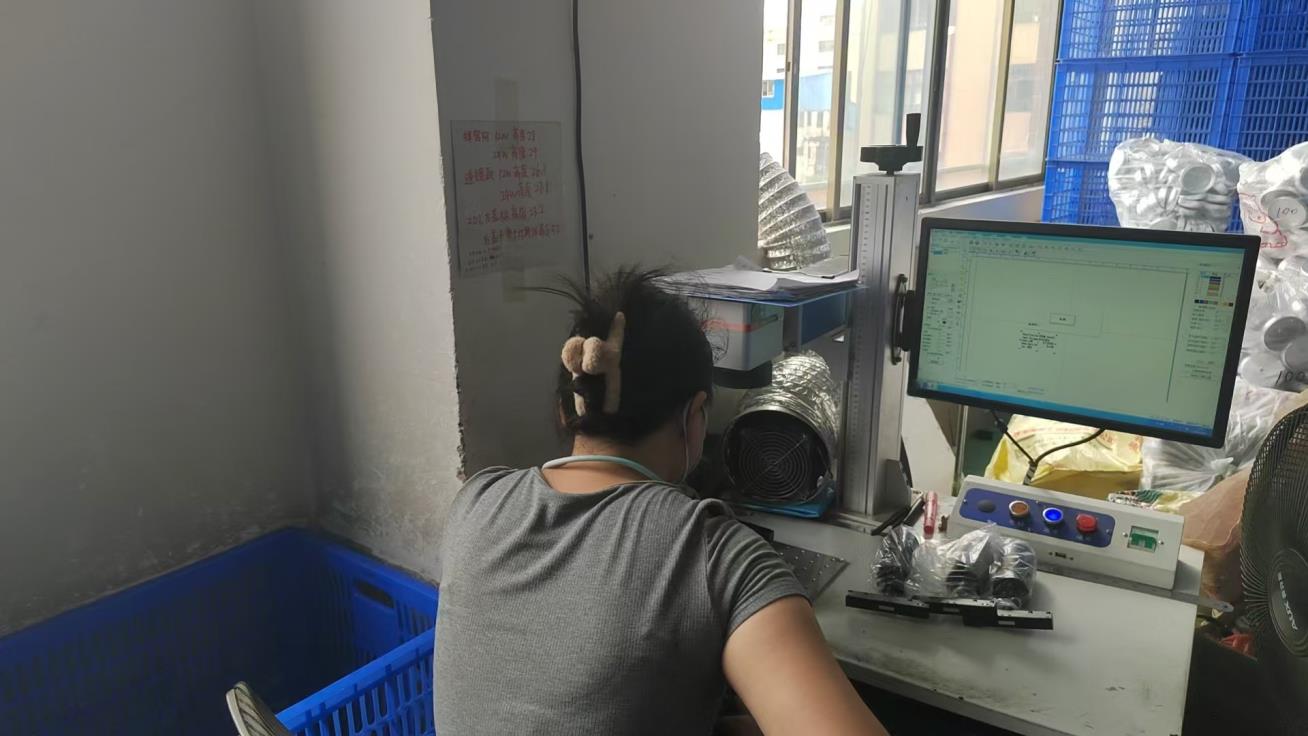
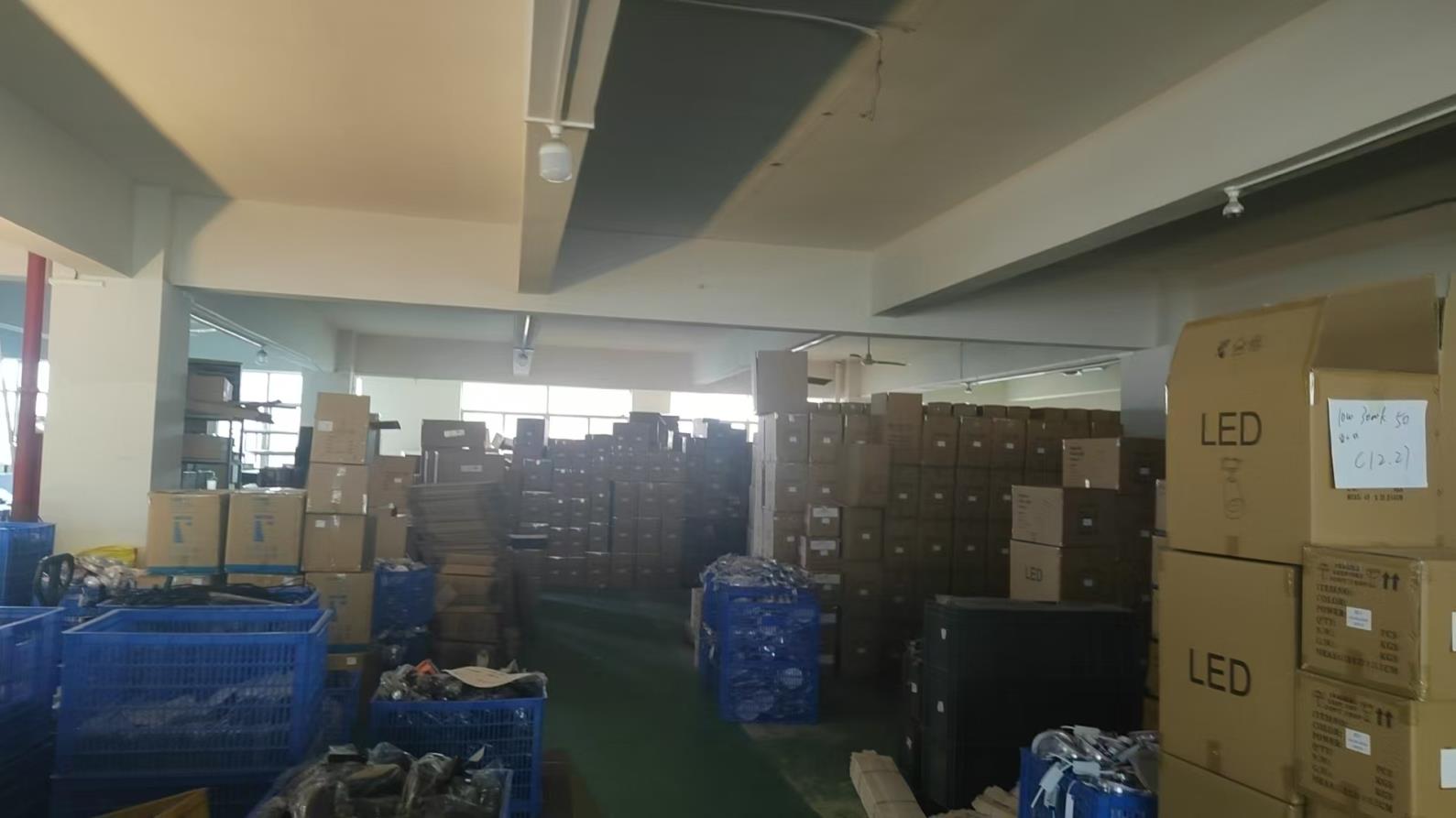
During the Assembly phase, automated machinery places and solders components to guarantee high structural strength. Our Inspection technicians then test the electrical parameters of each fixture. Next, the products move to the Marking area for clear regulatory printing, followed by a detailed Aging process where they are powered up for 24-72 hours under maximum voltage load to weed out infant mortality failures. Finally, products are carefully packed in our structured Warehouse facility to ensure safe transit globally.
 Pina Light