In modern commercial architecture and high-end residential spaces, task illumination has undergone a paradigm shift. Once treated as a mere secondary design detail, under-counter lighting has evolved into a critical element of functional zoning. These low-profile luminaires provide localized high-CRI (Color Rendering Index) illumination exactly where tasks are executed. They eliminate unwanted shadows cast by overhead ambient luminaires and improve visual ergonomics, energy efficiency, and safety.
According to industry analyst data, the global under-cabinet and under-counter lighting market is projected to reach USD 7.8 Billion by 2030, driven by the rapid growth of smart building automation systems, rising requirements for energy savings (such as European ErP regulations and California Title 24), and an increasing focus on human-centric lighting (HCL) designs. To meet this surging global demand, international buyers, commercial contractors, and lighting OEMs look to specialized manufacturers in China. Chinese manufacturing hubs utilize highly optimized supply chains, robust raw-material sourcing, and advanced automated assembly to deliver solutions that balance cutting-edge technology with commercial feasibility.
Hangzhou Pina Light Co., Ltd. represents the forefront of this industrial transformation. Located within the Yangtze River Delta's high-technology manufacturing belt, Hangzhou Pina Light combines advanced optical engineering with rigorous quality control. This integration allows us to produce high-performance luminaires that comply with demanding global regulatory frameworks such as CE, RoHS, FCC, ETL, and UL. Our solutions cater to key global markets in North America, Europe, South America, and Asia.
As architectural requirements demand thinner profiles and more uniform light output, the under-counter lighting industry is transitioning through several critical technical advancements:
While traditional SMD linear tapes (such as 2835 or 5050 LEDs) are cost-effective, they require deep diffuse profiles to avoid "dotting" (hotspots of light). In contrast, modern COB technology deposits multiple semiconductor dies directly onto the PCB substrate, creating a continuous, uninterrupted line of light even within ultra-shallow aluminum profiles. This creates a uniform luminance that eliminates secondary reflections on high-gloss worktops, such as polished granite or stainless steel.
Low-voltage systems operating at 24V DC have replaced older 12V DC setups because they reduce current draw by half, mitigating voltage drop over long linear runs. Top-tier manufacturers utilize constant-current (CC) linear driver circuits integrated on the flexible PCB itself. This ensures that the first foot and the twentieth foot of a linear light run maintain identical brightness levels. Additionally, our power supplies use high-frequency pulse-width modulation (PWM) dimming that is camera-flicker-free (supporting IEEE 1789 standards for biological safety).
| Lighting Tech Matrix | SMD Linear Systems | COB High-Density Linear | Rigid Linear Bar Fixtures |
|---|---|---|---|
| Typical Efficacy | 90 - 110 Lm/W | 100 - 120 Lm/W | 110 - 130 Lm/W |
| Visual Hotspots (Dotting) | High (requires deep diffuser) | Zero (completely seamless) | Low to Medium (with integrated lens) |
| Bending & Customization | Excellent (highly flexible) | Excellent (cuttable at short intervals) | Rigid (fixed modular lengths) |
| Thermal Performance | Moderate (requires thin heat sink) | High (requires direct heat-dissipating PCB) | Excellent (integrated aluminum chassis) |
Color rendering accuracy is critical under counter surfaces, particularly in kitchen prep areas and laboratories where color variation indicates freshness or chemical reaction. Premium under-counter luminaires must maintain a high general Color Rendering Index ($R_a \ge 90$) and a strong $R_9$ value (red spectrum rendering) of at least 50. Achieving these metrics requires using premium, narrow-bin blue LED chips paired with high-quality phosphors, preventing color shifts over the lifetime of the product.
Different regions and installation environments have unique electrical, optical, and mechanical requirements. Successful architectural projects require choosing under-counter lighting that matches the specific localization scenario:
In modern residential projects, fixtures must blend seamlessly into the cabinetry. Thin, recessed profiles (less than 8mm deep) are routed directly into the bottom of the wall cabinets. Tunable white technology (2700K - 6500K) allows the color temperature to adapt throughout the day, supporting the occupant's circadian rhythm.
In hotels, bars, and restaurants, fixtures are exposed to steam, oils, and physical impacts. Sourced solutions must be IP44 or IP65 rated, with clear or frosted polyurethane encapsulations. These materials protect against moisture ingress while resisting yellowing from high ambient heat.
In medical laboratories and microelectronic cleanrooms, under-counter task lighting must be chemically resistant, anti-static, and easy to sanitize. Housings use anodized 6063-T5 aluminum, and drivers must maintain low electromagnetic interference (EMI) profiles to avoid disrupting sensitive diagnostic instrumentation.
Sourcing lighting internationally can introduce challenges with thermal performance, dimming compatibility, and regulatory certifications. Address these challenges early in the planning phase to ensure a successful installation:
Hangzhou Pina Light Co., Ltd. is a developer, manufacturer, and exporter of professional LED lighting solutions based in Hangzhou, China. Utilizing our regional manufacturing network and strategic supply chain partnerships across China, we specialize in the engineering, design, development, and international distribution of high-efficacy luminaires for commercial, industrial, and residential projects.
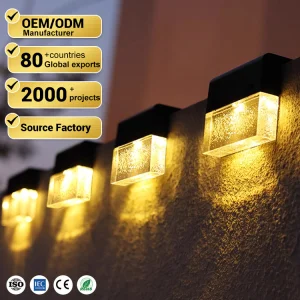
Our product line includes high-efficiency under-counter linear systems, LED grow lights, commercial downlights, UFO industrial high-bays, floodlights, smart solar deck lighting, and customizable OEM/ODM solutions. By integrating state-of-the-art SMD and COB technology with smart drivers, we deliver energy-efficient, robust, and cost-effective lighting designs to global importers, distributors, electrical contractors, and OEM brands.
We export to diverse markets across North America, Europe, South America, the Middle East, and Southeast Asia. To ensure global regulatory compliance, our manufacturing facilities adhere to strict international quality management standards. Our products carry globally recognized certifications, including CE, RoHS, FCC, ETL, and UL.
We support our partners with comprehensive OEM/ODM design services. From initial concept sketch and optical CAD modeling to rapid prototyping, photometrics testing, and final safety certification, our engineering teams help bring your custom products to market quickly. We manage quality at every stage, including SMT line placement, aluminum extrusion processing, thermal testing, automated aging cycles, and final packaging.
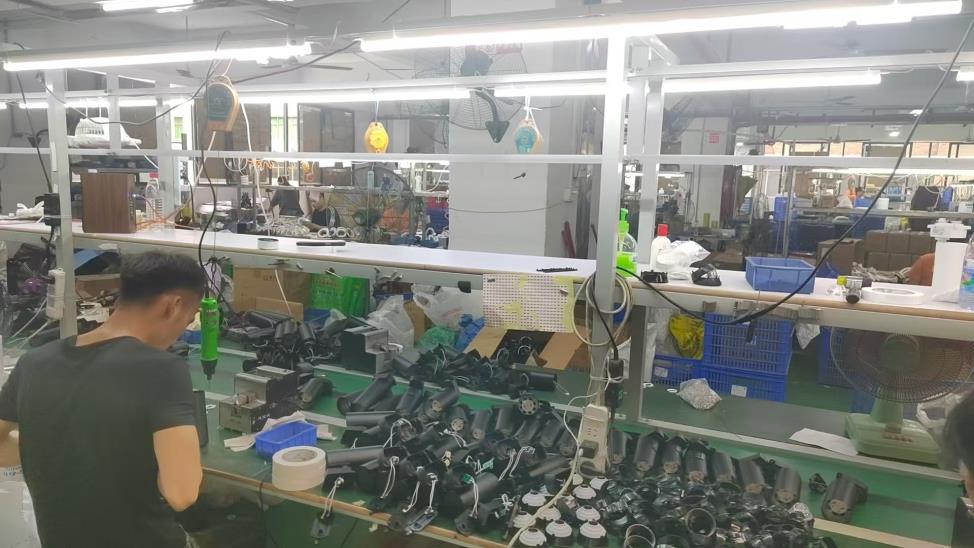
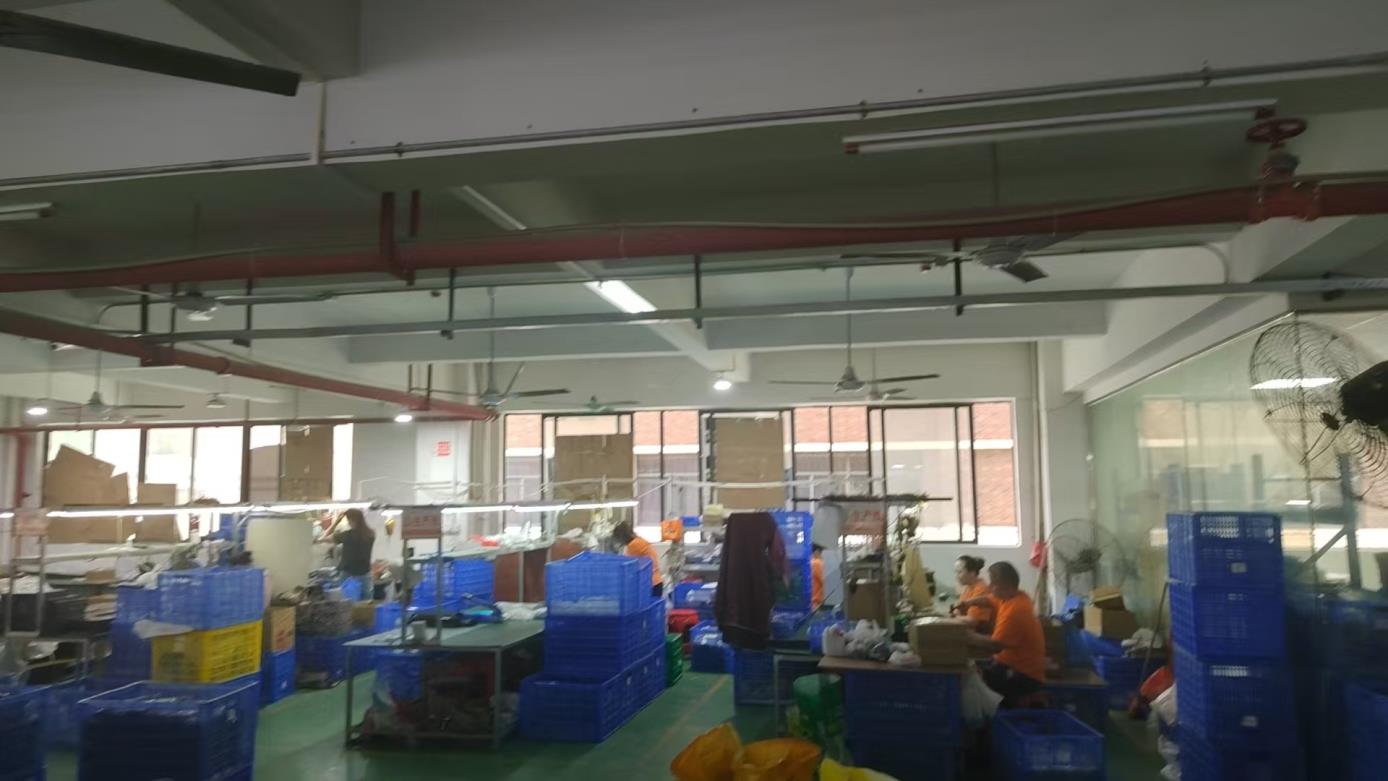
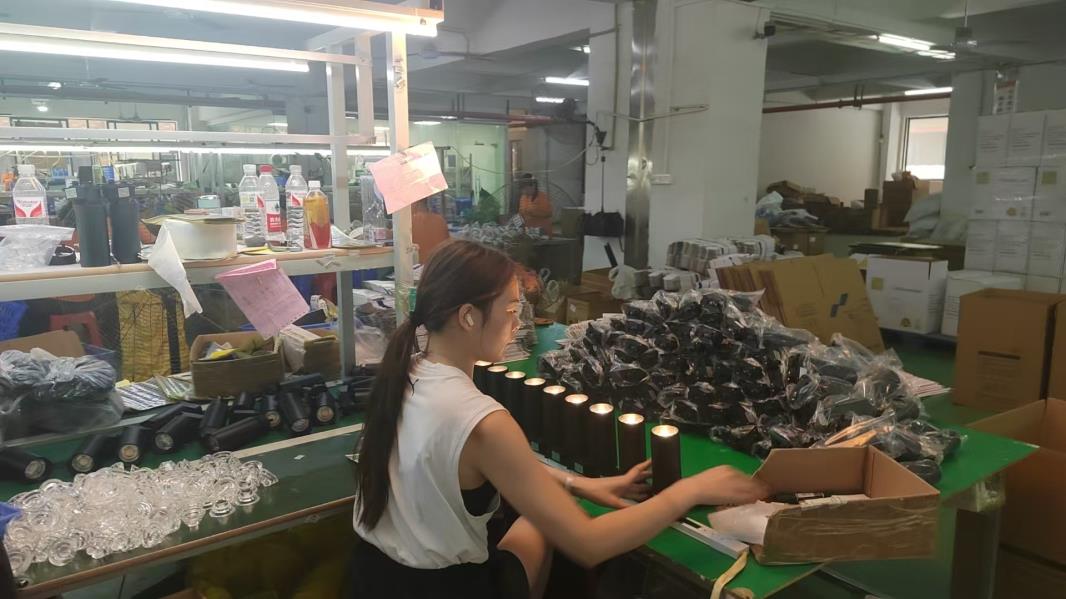
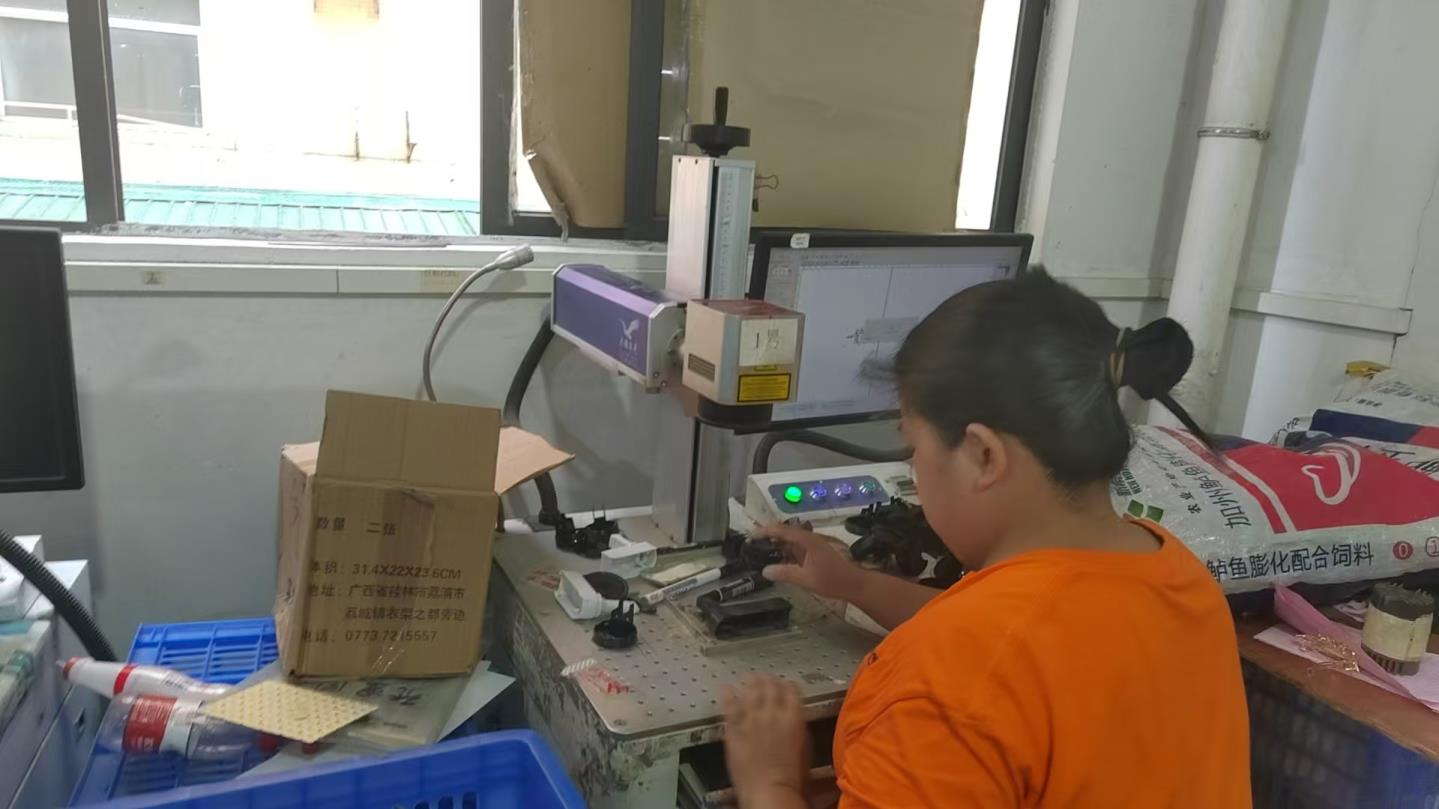
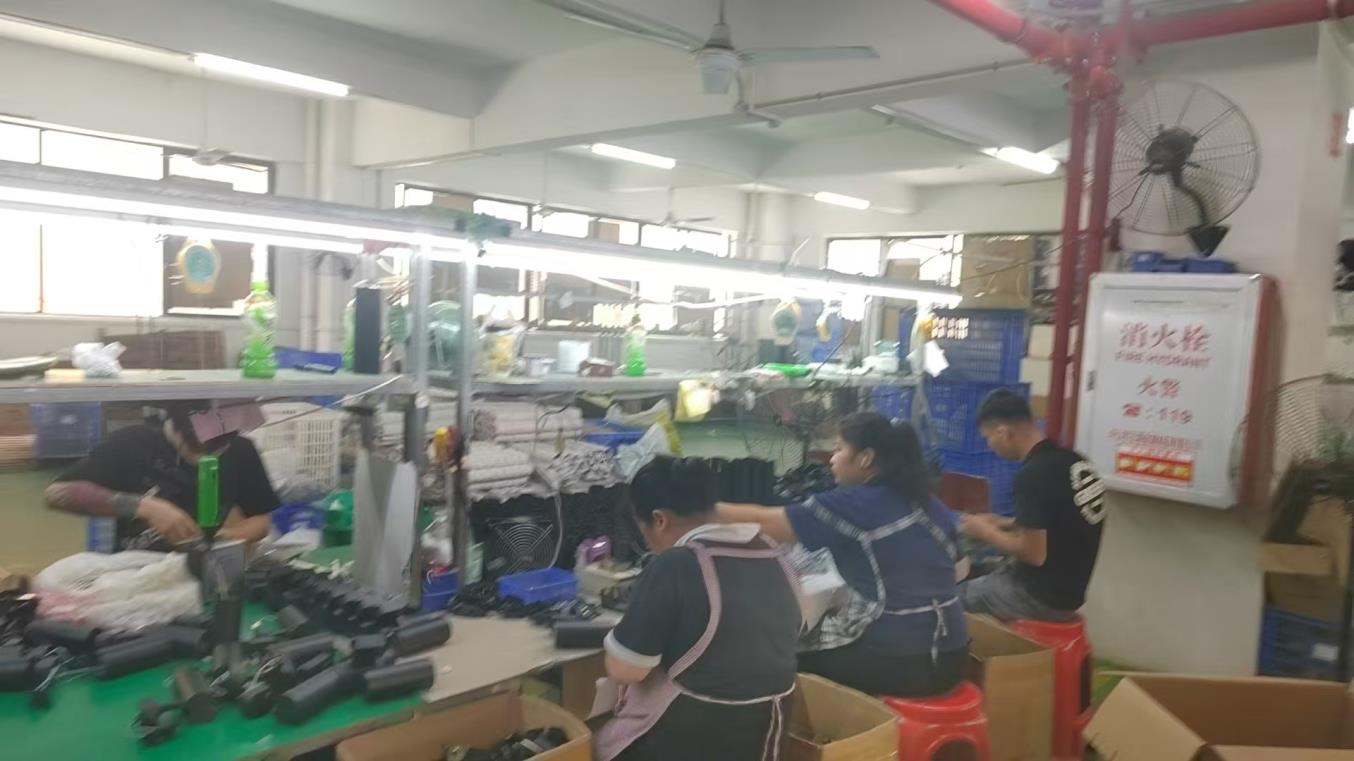
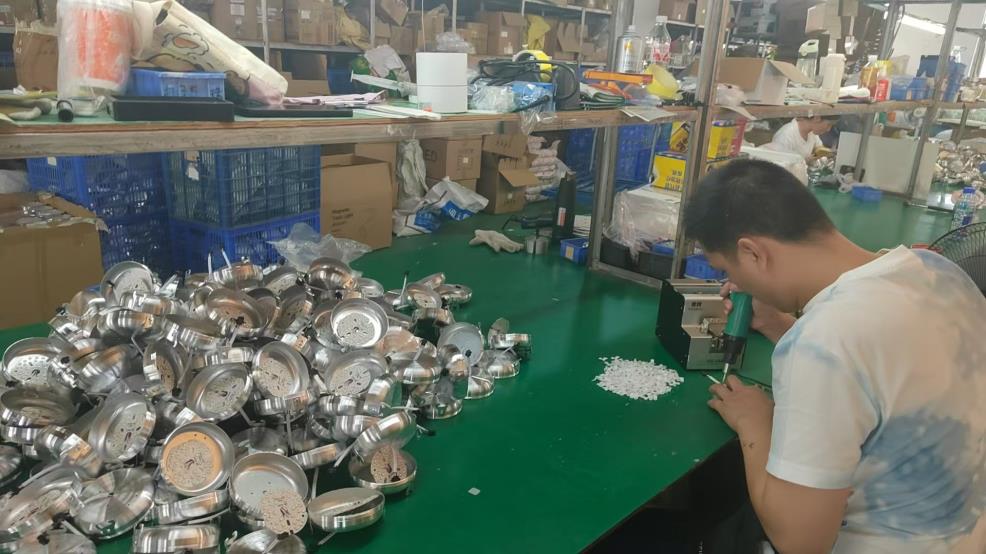
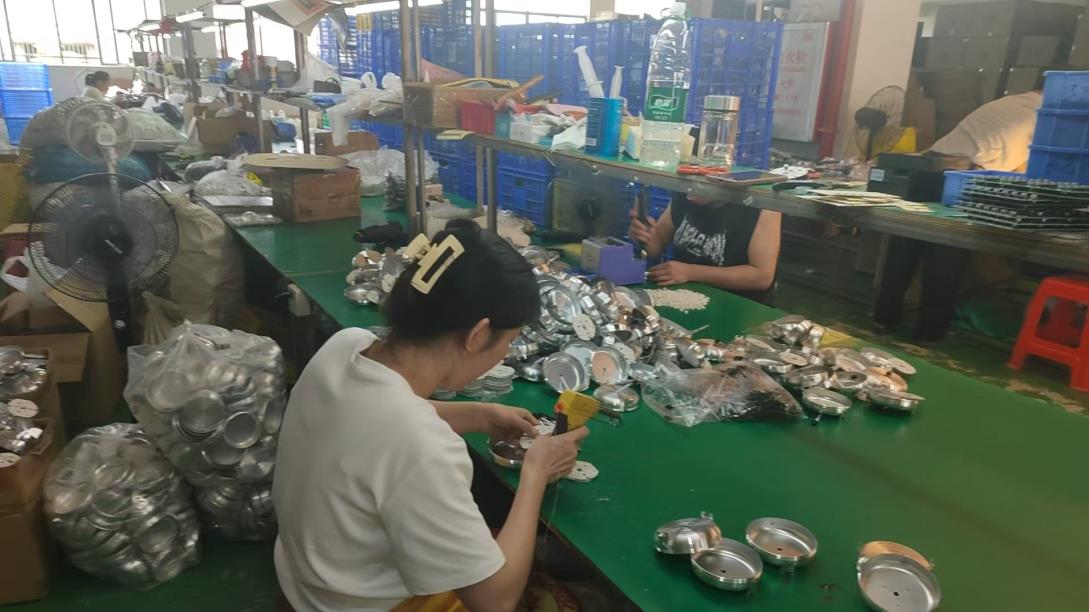
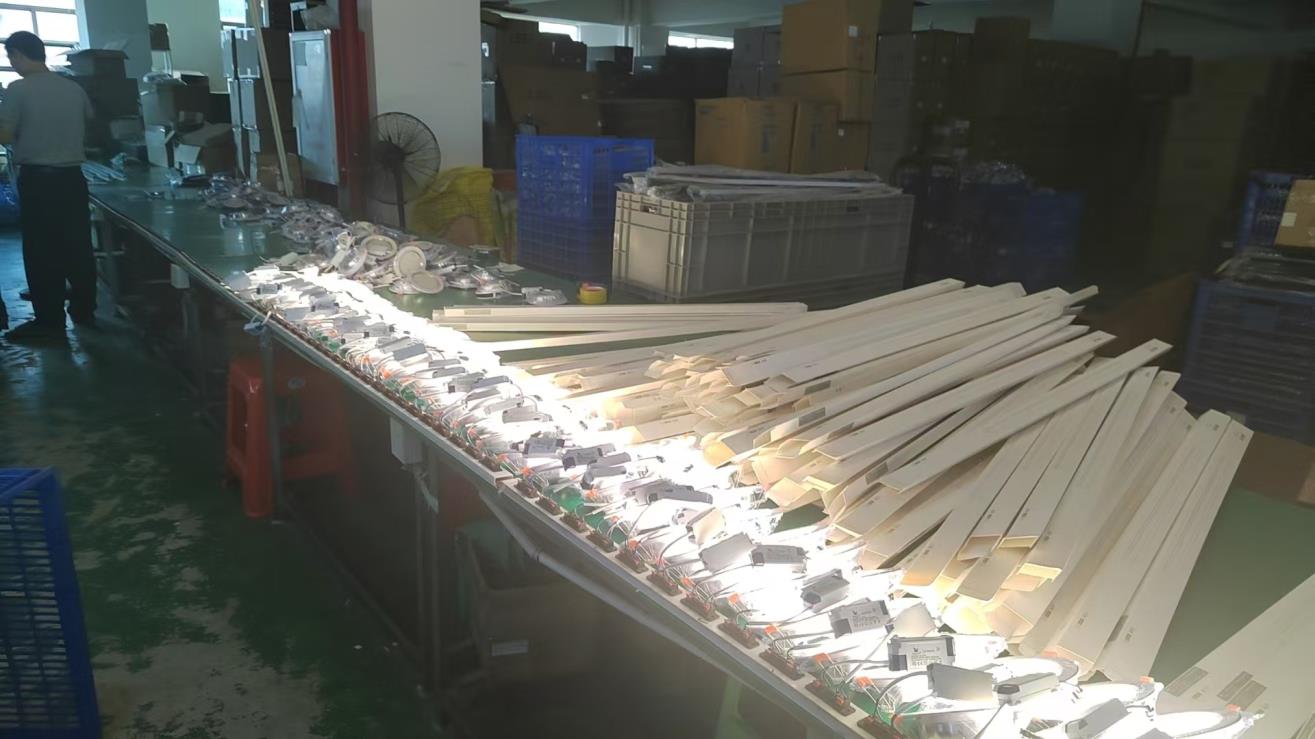
Explore our production floor, assembly lines, and testing facilities. Every lighting system undergoes rigorous quality control to ensure long-term performance and reliability in the field:
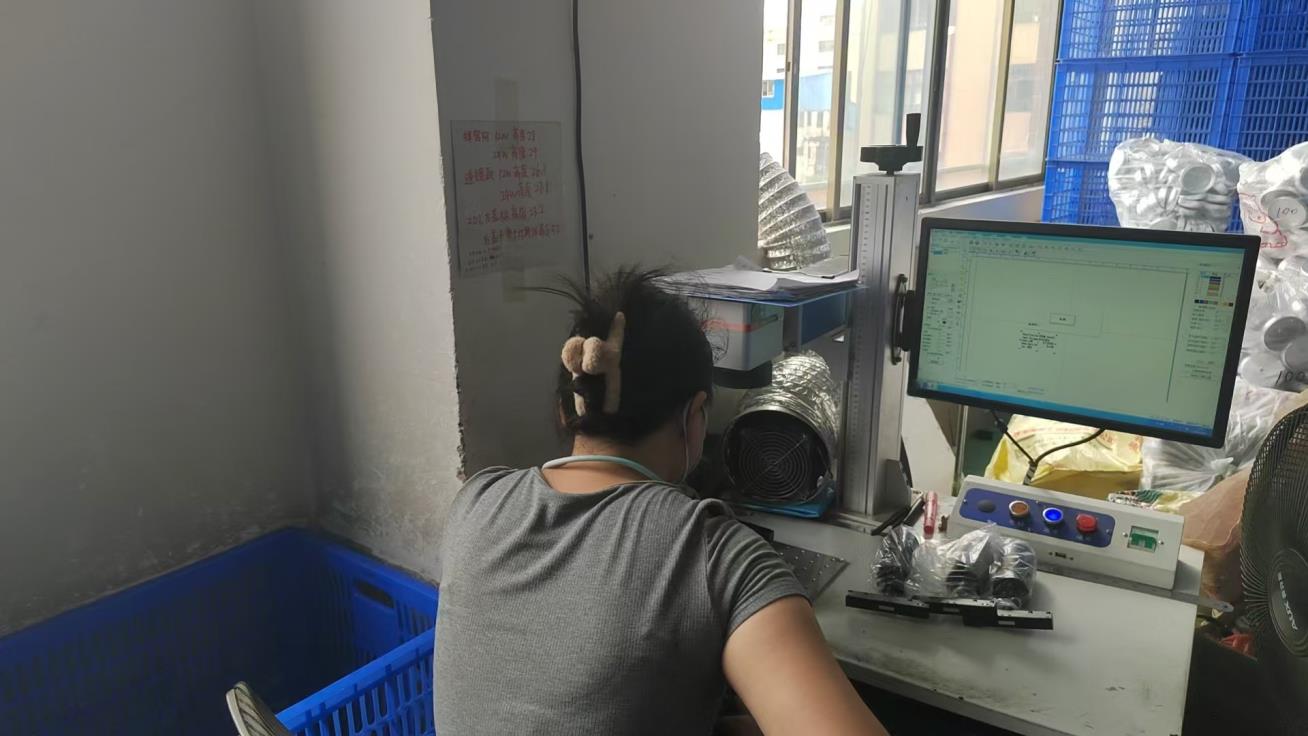
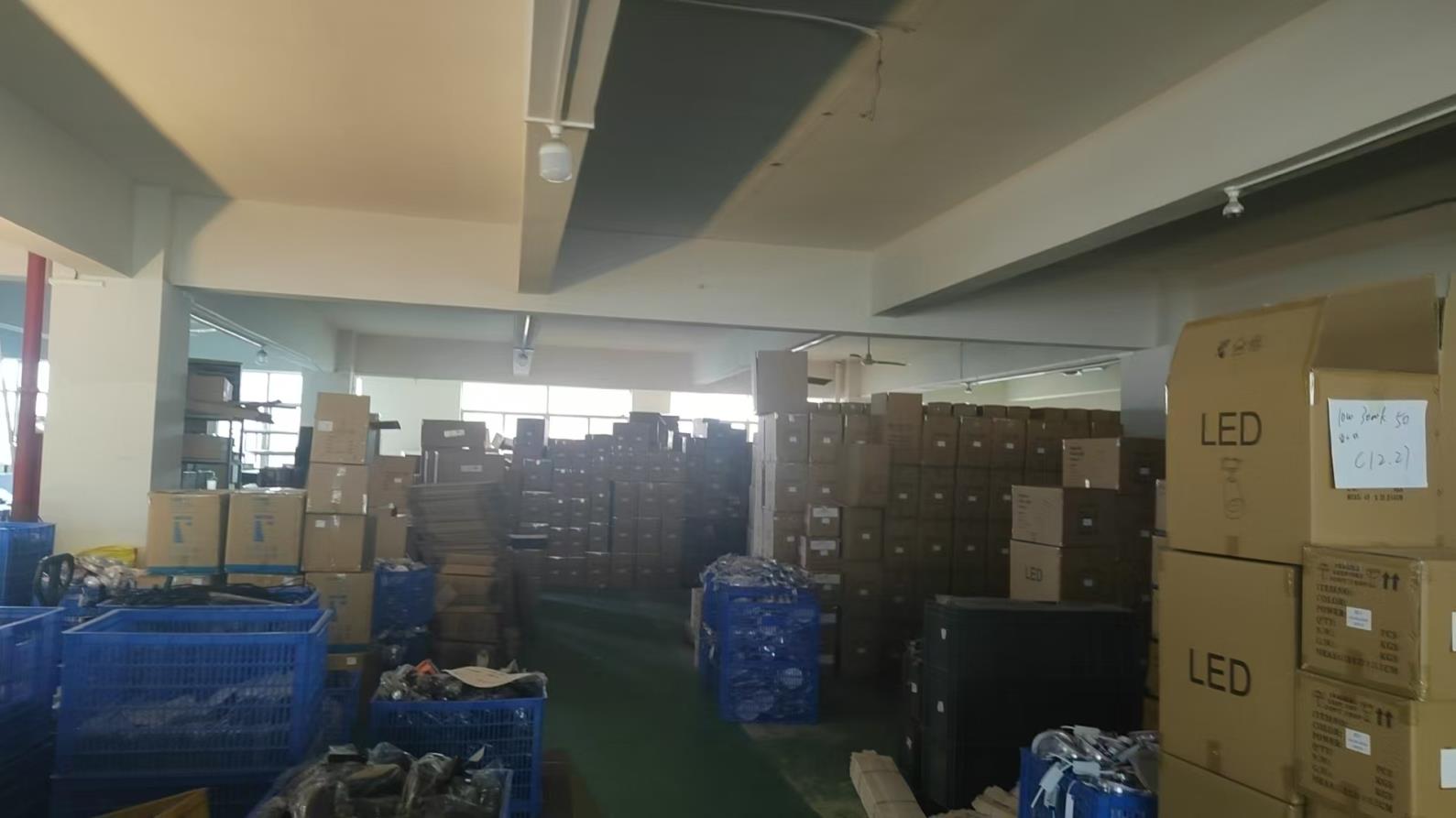
Get answers to the most common technical questions asked by commercial engineers, architects, and procurement managers when sourcing under-counter systems from China.
COB (Chip-on-Board) under-cabinet lighting provides a continuous line of light without the visible "dots" or hotspots associated with SMD tapes. Because the LED chips are mounted directly to the PCB substrate, heat is distributed more evenly. This allows for thinner aluminum profiles and eliminates glare reflections on polished work surfaces like granite, marble, or stainless steel.
We use a 24V DC input instead of 12V DC, which reduces the electrical current draw by 50% and allows for longer continuous runs. In addition, our high-performance light strips feature integrated constant-current ICs that regulate current across the entire run. For runs exceeding 8 meters, we recommend supplying power from both ends of the strip or running parallel home-run lines from the central driver.
The standard Color Rendering Index ($R_a$) is based on the first eight pastel colors ($R_1$-$R_8$), which does not include strong red tones. The $R_9$ index measures how accurately a light source renders saturated red. High $R_9$ values are essential in kitchen and laboratory spaces for distinguishing the freshness of foods and the details of materials. Premium projects typically specify a general $R_a \ge 90$ with an $R_9 \ge 50$.
For the North American market, under-cabinet systems must carry UL or ETL listings (specifically UL 2108 for low-voltage lighting systems or UL 1598 for luminaires), and comply with FCC Part 15 for electromagnetic interference. For European markets, fixtures must carry CE marking, comply with RoHS restrictions on hazardous materials, and meet ErP (Energy-Related Products) eco-design requirements.
Anodized 6063-T5 aluminum provides thermal conductivity ($160-200\text{ W/m}\cdot\text{K}$) that helps draw heat away from the LED junction. This thermal management keeps junction temperatures below $85^\circ\text{C}$, preventing premature lumen decay and extending the lifespan of the fixture. The anodized finish also protects against corrosion in high-humidity kitchen environments.
Our power supplies are designed to be compatible with a wide range of control protocols, including Phase (TRIAC/ELV), 0-10V analog dimming, DALI-2 for commercial building automation, and wireless solutions like Zigbee, Bluetooth Mesh, and Matter for smart ecosystems. This compatibility ensures smooth dimming control without flickering.
SDCM stands for Standard Deviation of Color Matching and refers to MacAdam Ellipses. In projects that require multiple linear fixtures installed near each other, small variations in color temperature are easily noticed. By sourcing LEDs within a 3-step MacAdam Ellipse (3 SDCM), we ensure color consistency across all fixtures.
For areas near sinks or steam vents, we recommend using IP44 or IP65 rated fixtures. These use protective polyurethane or silicone encapsulations that seal the LEDs against moisture and dust without yellowing or cracking when exposed to heat.
 Pina Light