High-efficiency, IP-rated smart illumination components engineered for long-term outdoor operation and extreme environmental conditions.
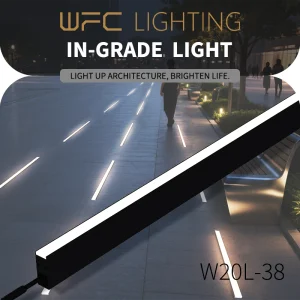
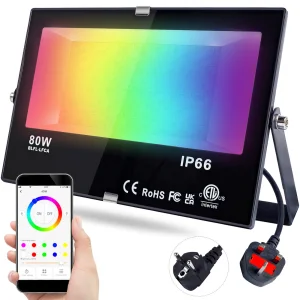
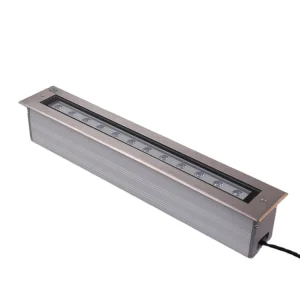
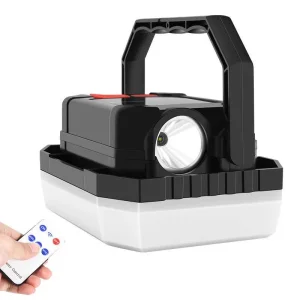
Decoding the technical specifications, supply-chain parameters, and reliability indicators that govern high-output outdoor luminaires.
In modern municipal, commercial, and industrial planning, outdoor illumination acts as a foundational pillar of public safety, operational efficiency, and architectural identity. Selecting an outdoor floodlights factory demands an analytical approach that transcends unit pricing. Key engineering variables such as junction temperature thermal management, driver degradation curves, transient surge tolerance, and housing corrosion resistance under hostile environments dictate project ROI. This white paper analyzes the structural advantages of direct sourcing from leading Chinese manufacturing clusters, examines current developmental paradigms, and identifies the core competencies necessary to qualify industrial-grade lighting OEM/ODM partners.
Reliable outdoor floodlighting requires deep integration between light source engineering, optical dispersion patterns, and driver power topologies. When negotiating with global suppliers, procurement officers must look beyond generic marketing materials. E-E-A-T (Experience, Expertise, Authoritativeness, and Trustworthiness) metrics dictate that premium manufacturers back up their claims with third-party verified test reports. This includes IES photometric files, LM-79 reports (which specify luminaire electrical and photometric measurements), LM-80 test data for individual LED packages, and comprehensive ISTMT (In-Situ Temperature Measurement Test) profiles. These data sheets verify that the luminaires can survive the harsh physical stress of continuous outdoor exposure.
How industrial ecosystems, upstream component integration, and advanced automation secure unmatched cost-to-performance ratios.
China's Yangtze River Delta and Pearl River Delta regions, specifically clusters in Zhejiang (Ningbo, Hangzhou) and Guangdong (Shenzhen, Guzhen), host the most integrated lighting ecosystems globally. Sourcing from these mature clusters provides several structural advantages:
From primary die-cast aluminum ingot smelting to surface-mount technology (SMT) packaging and driver assembly, every stage of production occurs within small geographic clusters. This proximity reduces transit latency, optimizes material flows, and allows factories to adapt component designs rapidly.
Top-tier Chinese factories maintain direct alliances with globally recognized component providers. By pairing tier-one LED light sources (such as Citizen COB, Lumileds, or Cree) with robust, high-efficiency drivers (like Inventronics, Mean Well, or Sosen), factories achieve optimal optical efficacy and system longevity.
With massive R&D engineering divisions, top-tier factories translate architectural sketches and photometric design files into functional, IP-rated prototypes in a fraction of the time required by Western fabricators. Flexible tooling and automated plastic/metal stamping lines accelerate time-to-market.
Furthermore, Chinese manufacturers invest heavily in automated testing infrastructure. This includes automated goniophotometer test chambers, integrating spheres for luminous flux verification, salt-spray chambers for marine-grade paint testing, and high-temperature environmental aging rooms. Having these resources in-house ensures that production runs maintain tight dimensional and output tolerances, matching or exceeding international performance metrics.
Analyzing the convergence of solid-state lighting, digital control protocols, and ecological sustainability standards.
The outdoor floodlight segment is undergoing rapid technological evolution. Simple static illumination has transitioned to intelligent, dynamic, and adaptive lighting networks. Industry leaders are focusing on several major development trends:
Modern municipal and industrial projects demand integration with Smart City frameworks. Outdoor floodlights are increasingly designed to support 7-pin NEMA or Zhaga receptacles, enabling plug-and-play installation of photocells, motion sensors, and wireless communication nodes (utilizing LoRaWAN, Zigbee, or cellular NB-IoT protocols). These smart systems allow real-time diagnostic reporting, active energy monitoring, and dynamic dimming schedules that adjust output based on real-time pedestrian or traffic activity.
Ecological concern regarding light pollution has led to strict "Dark Sky" regulations globally. Advanced factories are designing luminaires with custom asymmetric optics, shields, and cut-off visors that direct light precisely where it is needed, minimizing uplight and back-light spill. Low Unified Glare Ratings (UGR) and carefully controlled beam angles reduce impact on migratory birds and local ecosystems while enhancing visual comfort for operators and pedestrians on the ground.
Coupling high-efficacy LED modules with high-density Lithium Iron Phosphate (LiFePO4) battery storage and monocrystalline solar panels has opened new horizons for remote areas. Today's industrial solar street lamps and floodlights employ intelligent MPPT (Maximum Power Point Tracking) charge controllers that optimize power output even in low-sunlight winter seasons, achieving complete off-grid autonomy for remote industrial compounds, container terminals, and border areas.
Tailoring photometrics, protective coatings, and structural integrity to specific spatial and atmospheric profiles.
Environmental Challenges: High saline humidity, continuous salt spray, high wind speeds, and constant vibration from gantry cranes.
Engineering Solution: Industrial floodlights featuring heavy-duty ADC12 die-cast aluminum housings treated with electrophoretic primers and double-layer thermosetting powder coatings. These treatments pass 1000-hour salt spray tests (ASTM B117) and achieve C5-M marine-grade corrosion resistance. Mounts must be rated for vibration resistance under ANSI C136.31.
Environmental Challenges: Ambient high temperatures, airborne chemical solvents, volatile gases, dust accumulation, and power grid instability.
Engineering Solution: High-bay and flood luminaires designed with isolated driver compartments to optimize thermal separation. Features include IP65/IP66 enclosures, impact-resistant tempered glass, and high-efficiency heat sinks designed to prevent dust accumulation. In addition, integrated surge protection devices (SPDs) rated up to 10kV/20kV protect sensitive electronics from voltage surges on the grid.
Environmental Challenges: Requirements for flicker-free high-speed TV broadcasting, strict horizontal and vertical illuminance uniformity, and long-range projection.
Engineering Solution: High-output floodlights equipped with advanced optical PC lenses (with light transmittance >92%), narrow beam angles (15°/30°/45°), and high-rendering light sources (CRI >80, TLCI >90). These luminaires use high-frequency, flicker-free drivers positioned either in remote ground-level enclosures or directly on the fixture to ensure reliable broadcast quality and easy maintenance.
A professional manufacturer and exporter of innovative, high-performance LED lighting solutions.
Hangzhou Pina Light Co., Ltd. is a professional manufacturer and exporter of innovative LED lighting solutions, headquartered in Hangzhou, China. With a strong manufacturing network and strategic partnerships across China, the company specializes in the design, development, production, and global distribution of high-quality lighting products for commercial, industrial, residential, and specialty applications.
Our core product portfolio includes LED grow lights, commercial lighting, warehouse and high-bay lighting, flood lights, street lights, area lighting, security lighting, retrofit solutions, and customized OEM/ODM lighting products. Leveraging advanced LED technology and intelligent lighting systems, Pina Light is committed to providing energy-efficient, environmentally friendly, and cost-effective solutions for customers worldwide.
Serving clients across North America, Europe, South America, the Middle East, Southeast Asia, and other international markets, our products are manufactured in accordance with strict international quality and safety standards. Many of our products carry globally recognized certifications such as CE, RoHS, FCC, ETL, UL, and other market-specific approvals, ensuring reliable performance and regulatory compliance.
At Hangzhou Pina Light, innovation is at the heart of our business. Our experienced engineering and R&D teams continuously develop new products and improve existing technologies to meet evolving market demands. From product design and prototyping to mass production and quality assurance, every stage of the manufacturing process is carefully monitored to ensure superior quality, consistency, and long-term reliability.
With years of experience in the lighting industry, we have established an efficient supply chain and comprehensive quality management system that enable us to deliver competitive pricing, stable production capacity, and timely shipment schedules. Our dedicated quality control team conducts rigorous inspections throughout the production process, guaranteeing that every product meets customer expectations before leaving the factory.
In addition to our standard product range, we provide flexible OEM and ODM services for lighting brands, distributors, wholesalers, contractors, and project developers. Our team works closely with customers to create customized solutions tailored to specific technical requirements, market preferences, and branding needs.
Sustainability is an important part of our corporate philosophy. By promoting energy-saving LED technologies and environmentally responsible manufacturing practices, we help customers reduce energy consumption, lower operating costs, and contribute to a greener future.
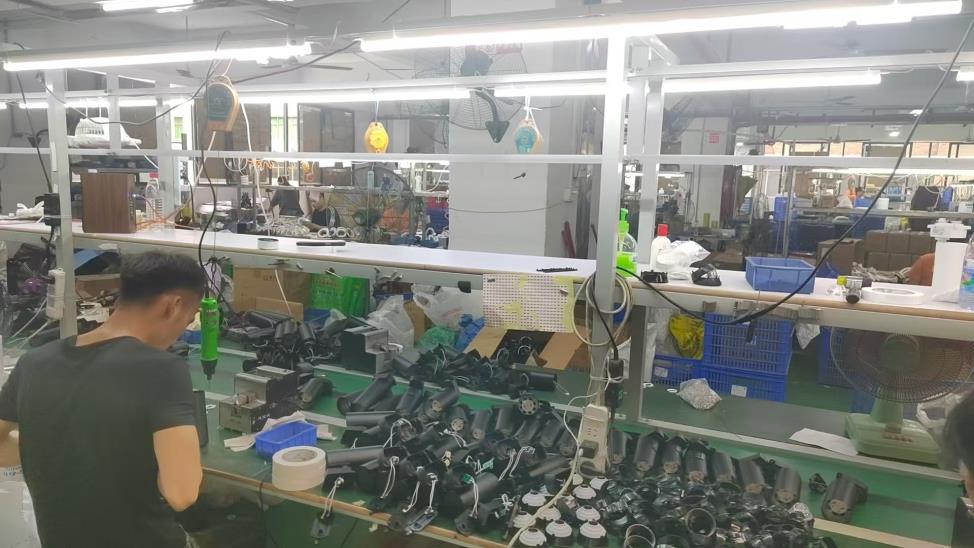
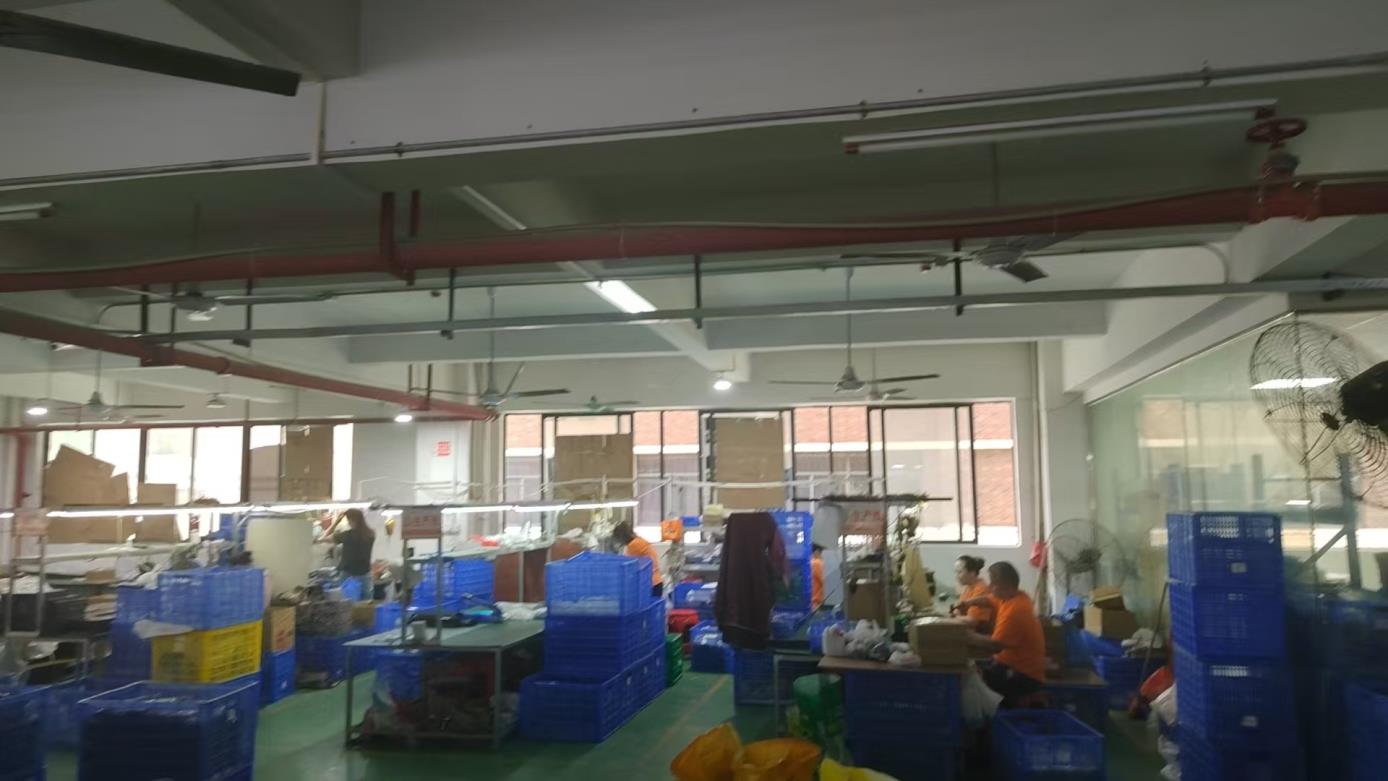
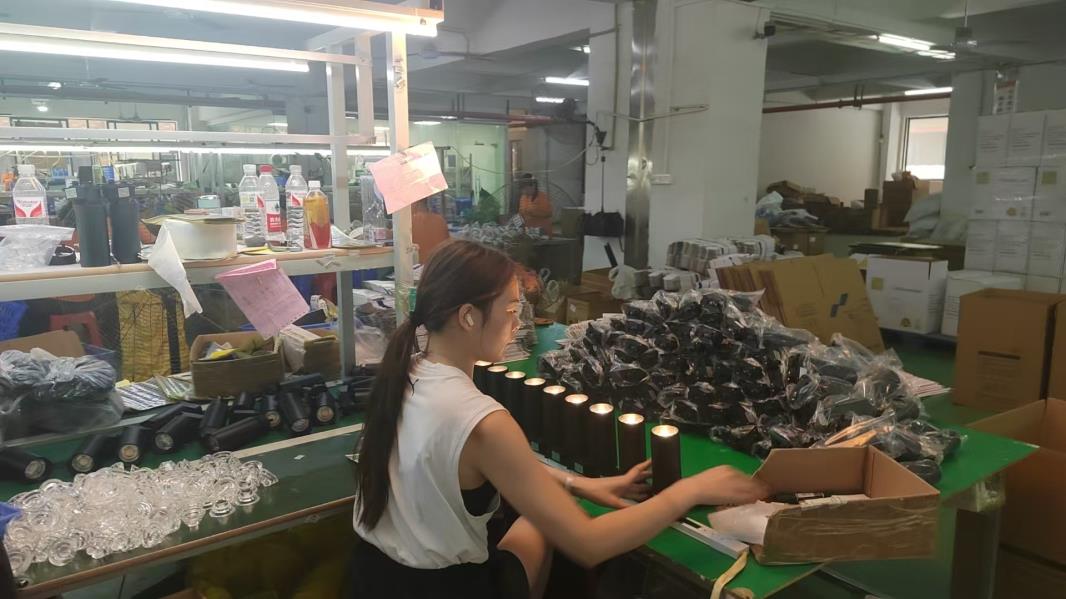
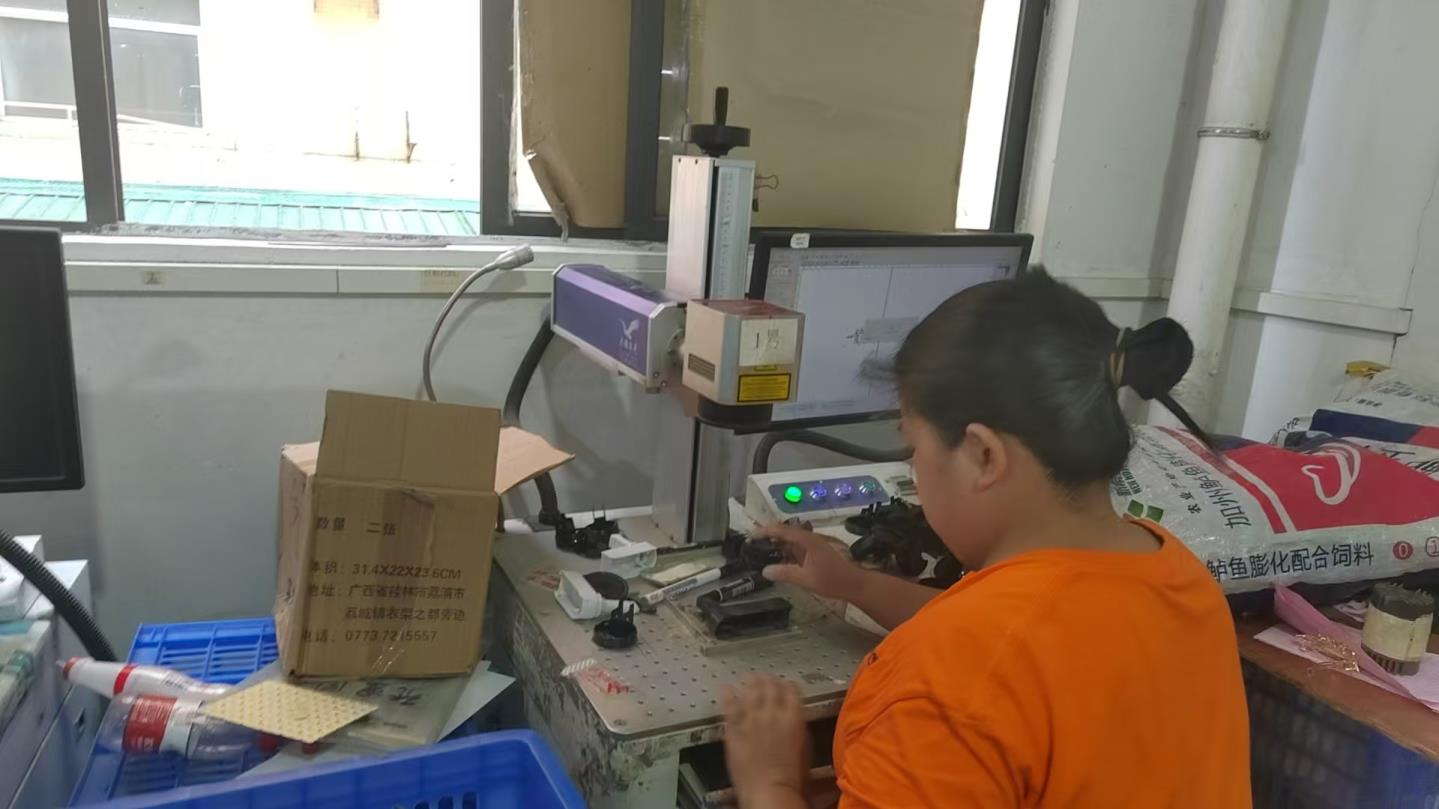
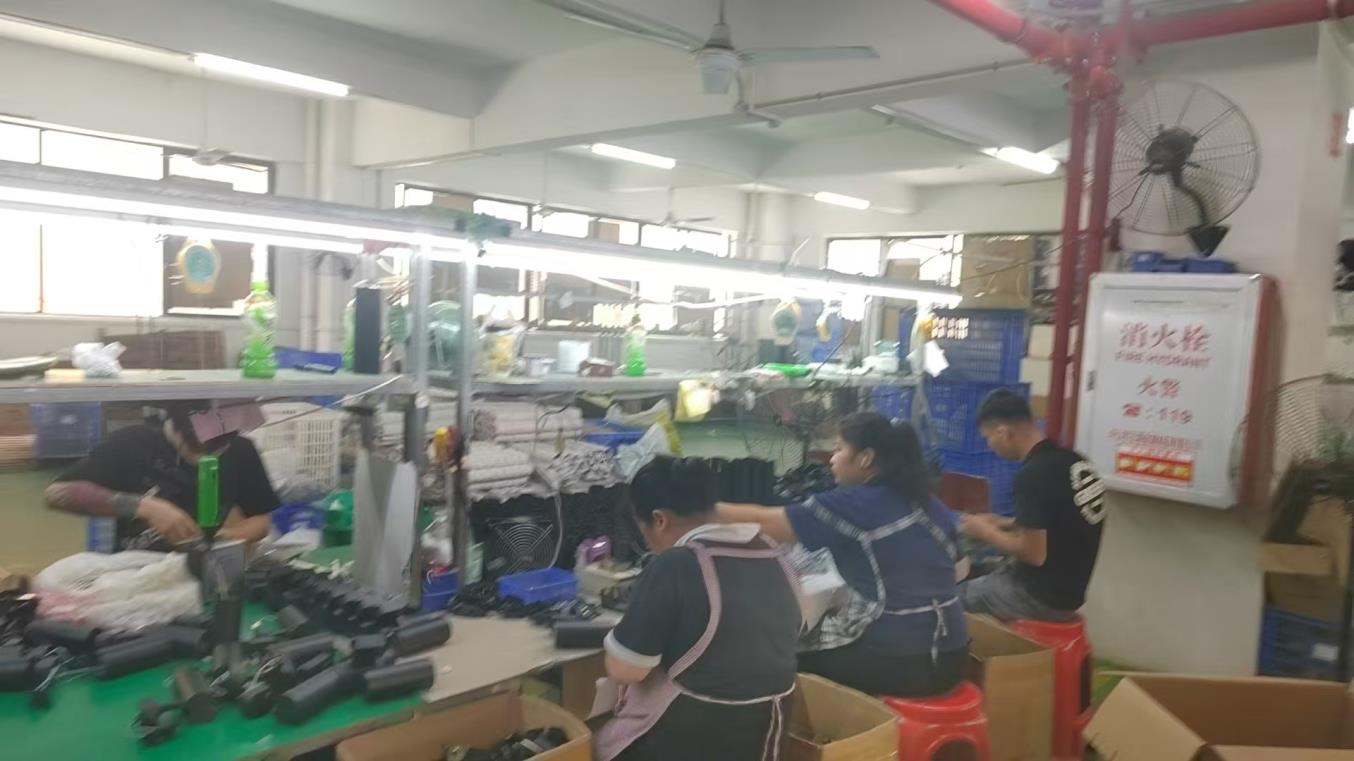
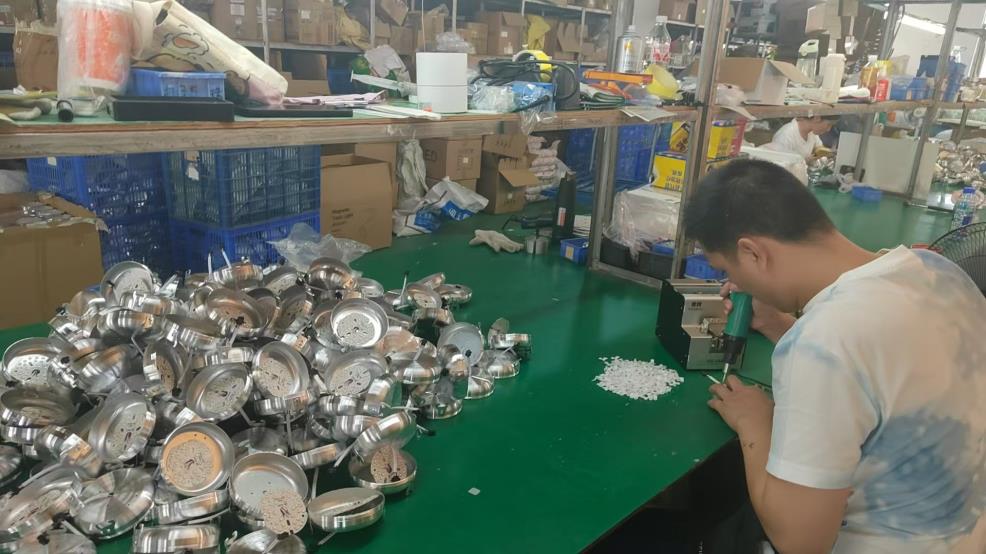
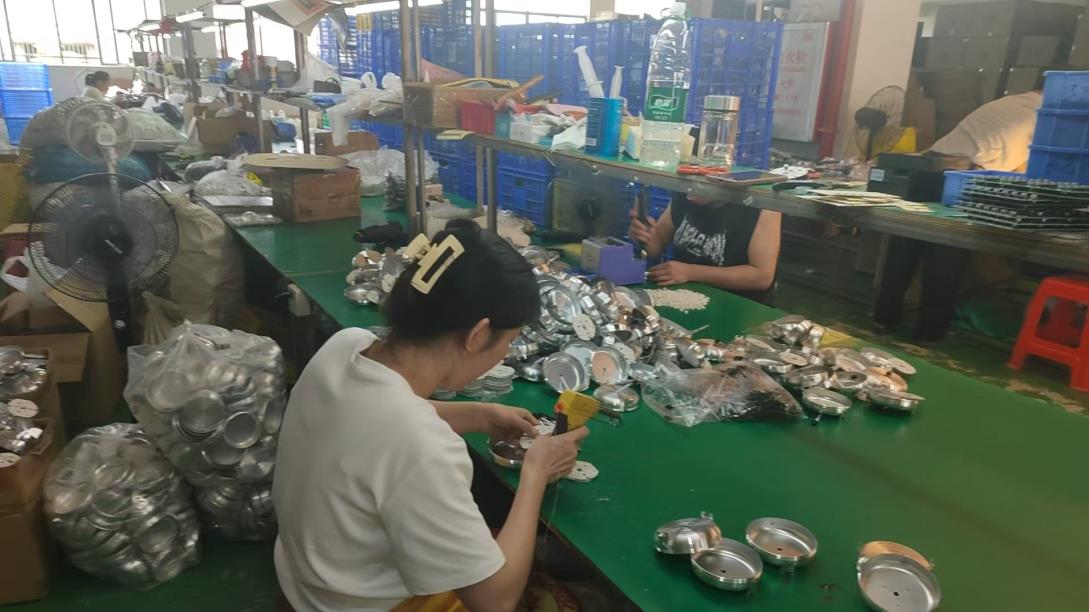
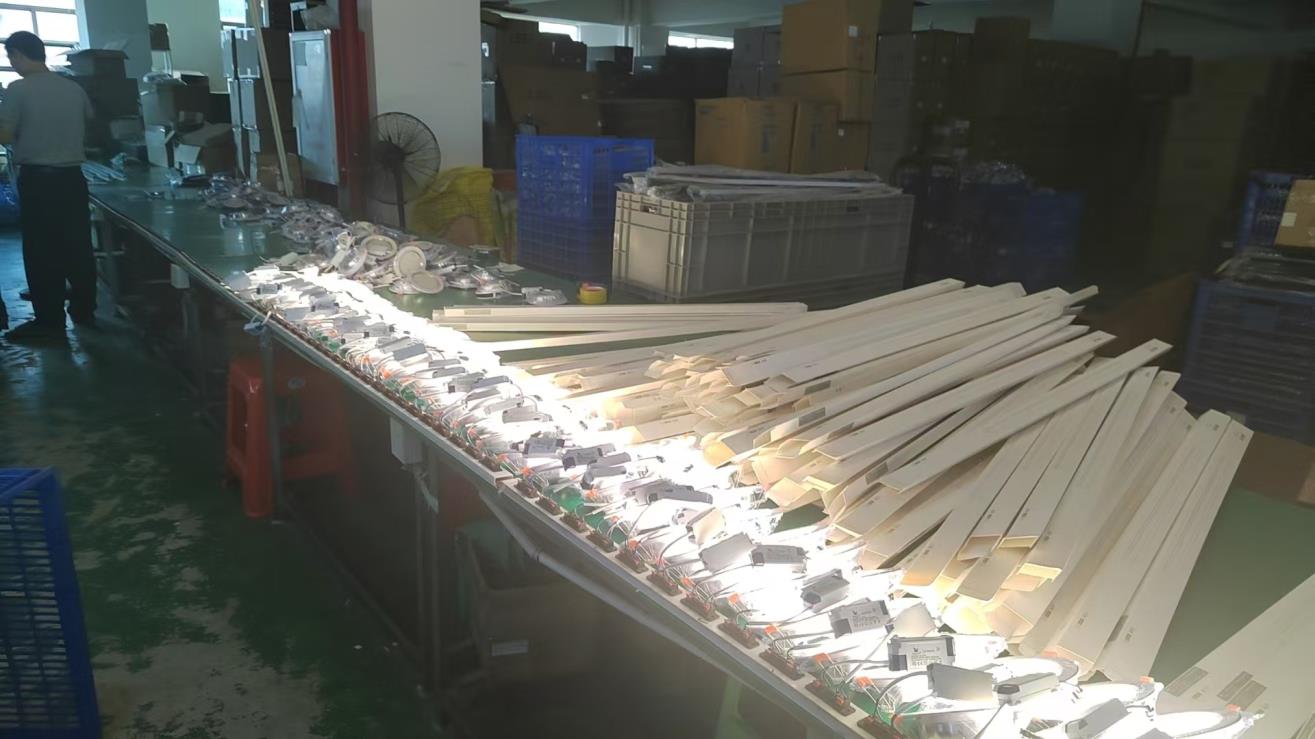
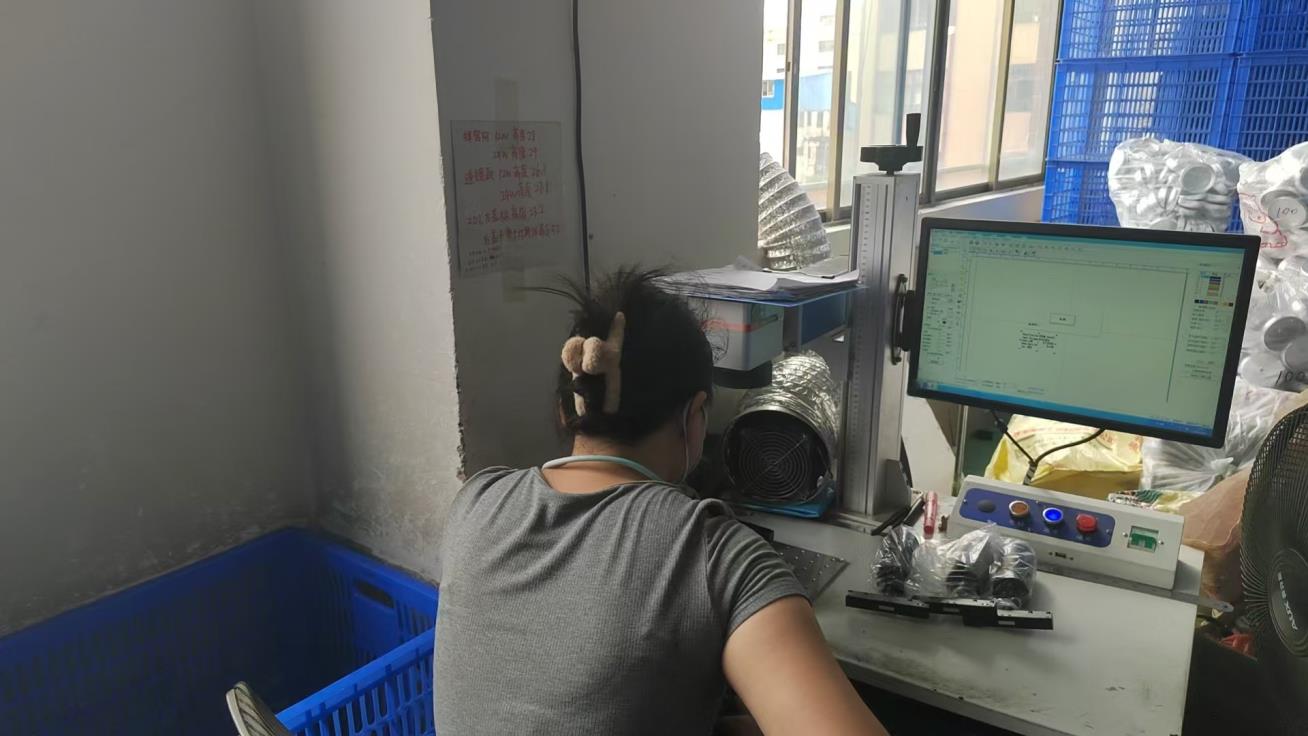
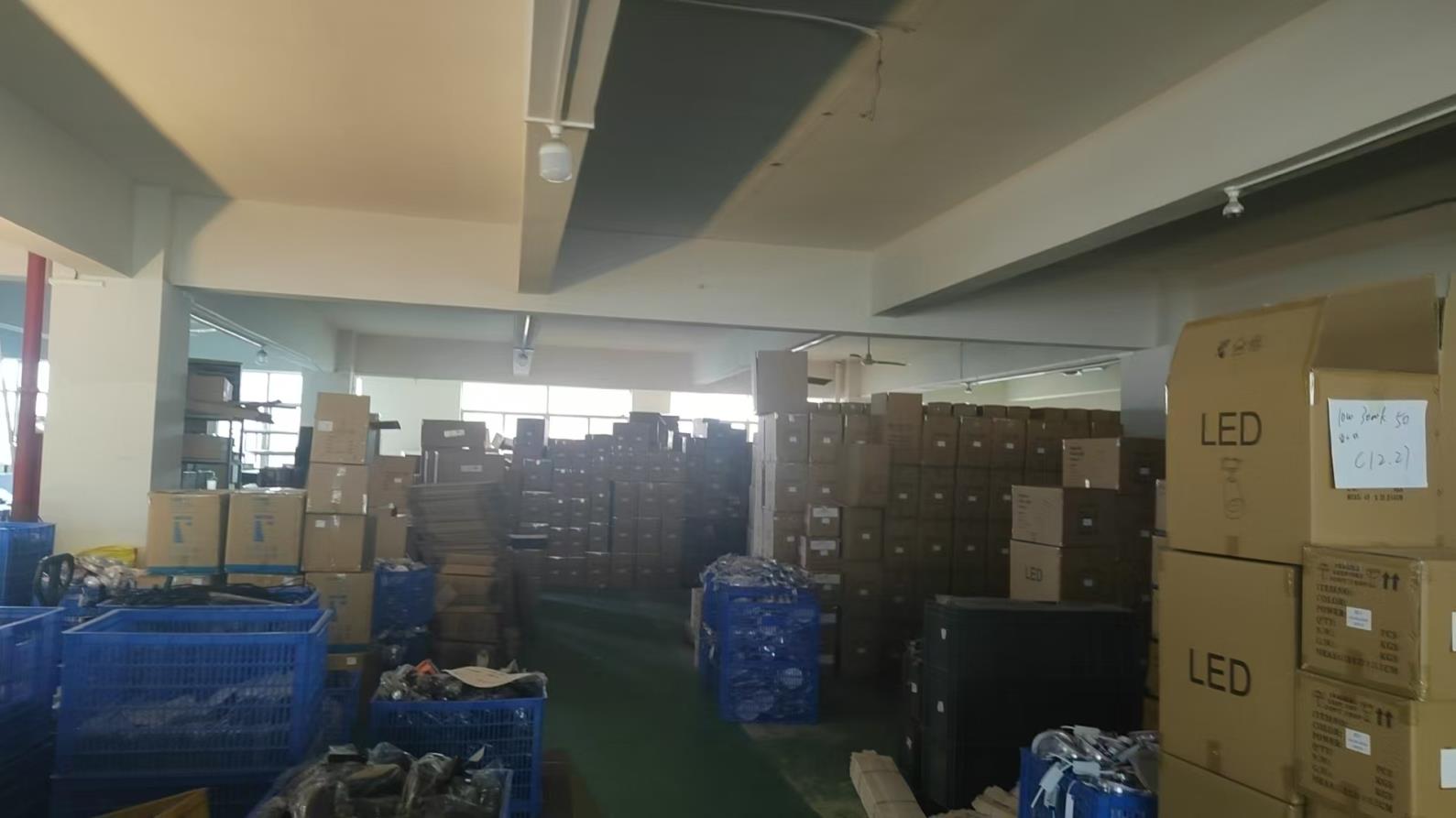
Transparency is key to verifying a partner's manufacturing capability. Below are direct views of our manufacturing floor, showcasing assembly, quality testing, and logistics operations:
A practical framework for B2B buyers, EPC contractors, and importers during supplier evaluations.
For international projects, purchasing commercial lighting equipment involves managing compliance, logistical risks, and long-term warranties. A structured qualification framework helps prevent field failures and project delays:
Answering the most critical technical questions regarding the procurement, life cycle, and application of outdoor floodlighting.
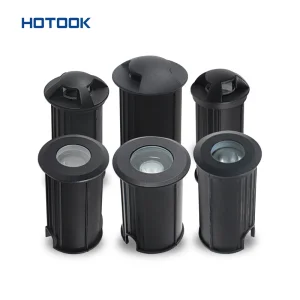
These ratings define ingress protection levels. IP65 indicates resistance to water jets from any direction. IP66 indicates protection against high-pressure water jets and heavy seas, which is suitable for coastal environments. IP67 represents temporary submersion protection (up to 1 meter depth for 30 minutes). For standard ground installations, in-ground well lights must be IP67 or higher to handle temporary pooling, while standard pole-mounted floodlights are typically IP65 or IP66.
Outdoor lighting systems are exposed to lightning strikes and switching transients on the electrical grid. Without a dedicated surge protection device (usually 10kV or 20kV), voltage spikes will easily damage the driver's sensitive metal-oxide varistors (MOVs) and integrated circuits. High-quality outdoor fixtures incorporate replaceable SPDs to protect the primary electronic components.
While LEDs do not emit heat in their beam, their internal semiconductor junction generates significant heat. If this heat is not dissipated, the junction temperature increases, accelerating chip degradation and causing rapid lumen decay. Top factories design housings with deep cooling fins and use high-grade thermal interface materials (TIMs) to conduct heat away from the PCB. This design keeps the junction temperature below 85°C to secure a lifetime exceeding 50,000 hours (L70).
Symmetric optics distribute light in a uniform cone. Asymmetric optics project light forward at a specific angle (e.g., 60° x 120°), directing the illumination onto target surfaces (such as roads, parking spaces, or billboards) without wasting light behind the fixture. This minimizes glare, saves energy, and helps comply with local Dark Sky policies.
Premium housings use ADC12 die-cast aluminum due to its mechanical strength and thermal conductivity. Lower-grade scrap aluminum contains impurities that form pockets during casting, reducing thermal dissipation efficiency and making the housing susceptible to corrosion. High-quality housings are finished with anti-corrosion powders to withstand outdoor exposure.
NEMA and Zhaga receptacles provide standardized plug-and-play interfaces on the top of the luminaire. This makes it simple to add smart control nodes later without rewiring the fixture. System operators can remotely monitor energy use, change brightness schedules, detect component failures, and integrate the system with broader smart-city control networks.
High-efficiency, IP-rated smart illumination components engineered for long-term outdoor operation and extreme environmental conditions.
 Pina Light