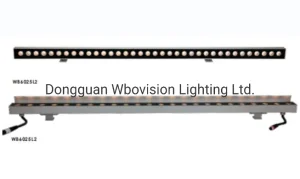
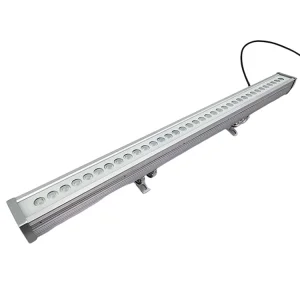
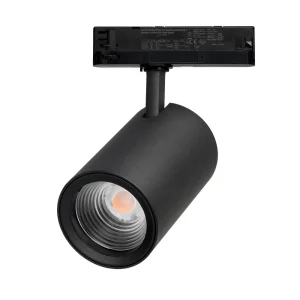
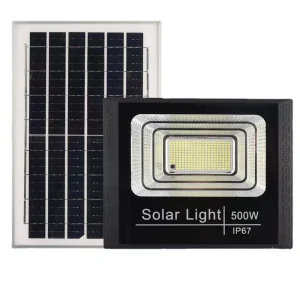
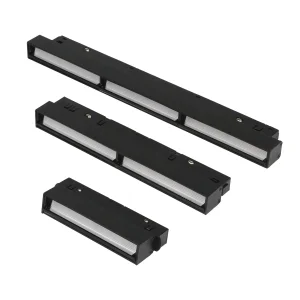
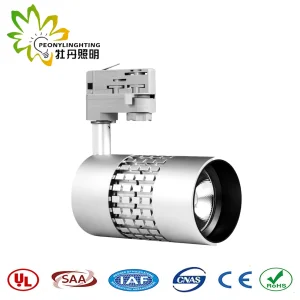
Engineered for durability, high efficacy, and precise thermal control. Explore our first set of commercial-grade solutions.
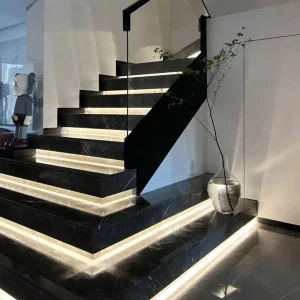
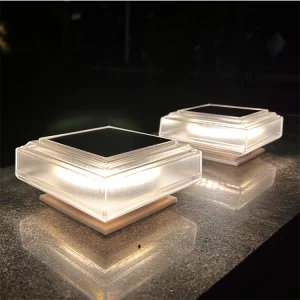
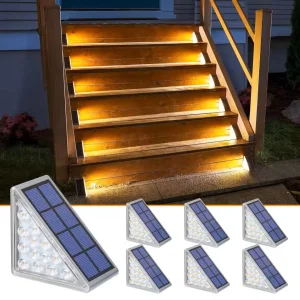
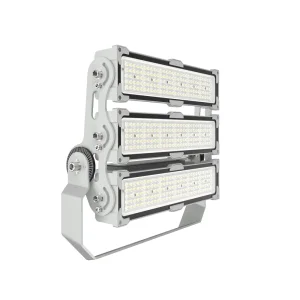
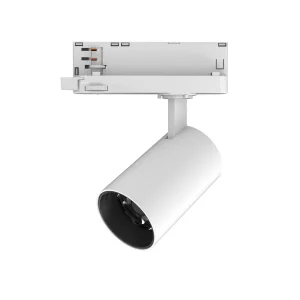
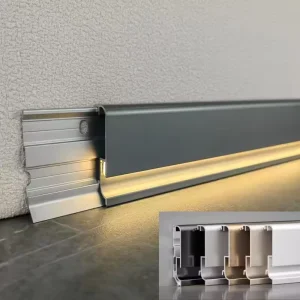
Modern commercial architecture is no longer static. It demands dynamic illumination systems that adapt to circadian rhythms, seasonal variations, brand identity guidelines, and spatial functions. As global industries move toward sustainability and advanced control networks, color-changing LED lighting systems have progressed from decorative novelty to essential building infrastructure.
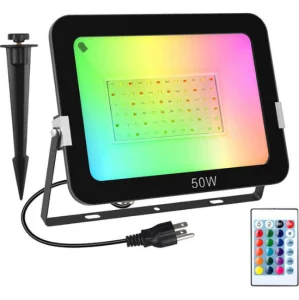
The core technology behind state-of-the-art color-changing fixtures lies in precise spectral engineering. Standard RGB systems combine Red, Green, and Blue diodes to generate millions of colors, but often fail to deliver high-quality white light. By integrating dedicated warm white and cool white chips—forming RGBW or RGBCCT matrices—contemporary fixtures achieve a high Color Rendering Index (CRI > 80, and up to CRI > 90 for architectural requirements). This ensures that structural textures and skin tones are rendered accurately, while retaining the capability to project rich, saturated primary hues for dramatic facade lighting.
Utilizing high-binning SMD and COB LED chips to ensure uniform color mixing, preventing chromatic aberration even when viewed from short distances.
Seamless integration with DALI, DMX512, Bluetooth mesh, and Zigbee systems. Allows facility managers to program dynamic lighting sequences.
Heavy-duty extruded aluminum casings act as passive heat sinks, maintaining junction temperature below critical limits to ensure a 50,000+ hour lifespan.
China remains the undisputed epicentre of global optoelectronic manufacturing. By sourcing color-changing lights from established industrial clusters in cities like Hangzhou, international enterprises secure significant advantages in R&D speed, component vertical integration, and cost efficiencies. Hangzhou Pina Light Co., Ltd. leverages this geographic advantage to provide rapid prototyping, reliable lead times, and tailored OEM/ODM support.
The Chinese supply chain is not merely about low-cost labor; it represents a highly integrated technology cluster. From silicon wafer fabrication and LED packaging to micro-controller assembly and die-cast tooling, all nodes are located within a 200km radius. This proximity reduces development cycles for custom fixtures from months to weeks, enabling lighting distributors and engineering contractors to respond immediately to changing project requirements.
| Supply Chain Dimension | China Ecosystem (Pina Light) | Western Local Competitors | Strategic Impact on Buyers |
|---|---|---|---|
| R&D to Prototype Lead Time | 10 to 15 business days | 6 to 8 weeks | Allows faster adaptation to project changes and immediate bid submissions. |
| Vertical Component Sourcing | Integrated local ecosystem (Alu housing, drivers, SMDs, optics) | Fragmented global sourcing, subject to shipping delays | Significantly reduces per-unit costs while keeping quality consistent. |
| Customization Scope (OEM/ODM) | Fully flexible PCB modification, customized optics & housing finishes | Limited catalog selection; high tooling costs for custom requests | Enables unique architectural branding without cost barriers. |
| Scalable Manufacturing Capacity | Capable of producing 100,000+ units monthly with automated testing lines | Medium to low output, high overhead costs | Ensures stable supply lines for multi-phase infrastructure developments. |
Hangzhou Pina Light Co., Ltd. — Delivering excellence in engineering and global lighting distribution.
Headquartered in the high-tech hub of Hangzhou, Hangzhou Pina Light Co., Ltd. is a professional manufacturer and exporter specializing in innovative LED lighting solutions. Our manufacturing networks and strategic partnerships across China enable us to develop, produce, and distribute commercial, industrial, residential, and custom lighting fixtures globally.
Our comprehensive portfolio ranges from high-bay warehouse fixtures, streetlights, and architectural floodlights to sophisticated smart magnetic track lines and color-changing outdoor wall washers. By implementing strict quality controls at every stage—from design and prototyping to mass assembly and aging tests—we guarantee that every fixture meets the performance standards required by global municipal and commercial projects.
Sustainability is our fundamental philosophy. We focus on high-efficiency drivers (MeanWell, Inventronics, Sosen) and premium LED chips (Citizen COB, Osram, Lumileds) that optimize lumens-per-watt ratios, lowering operational costs and helping clients meet strict carbon-reduction targets.
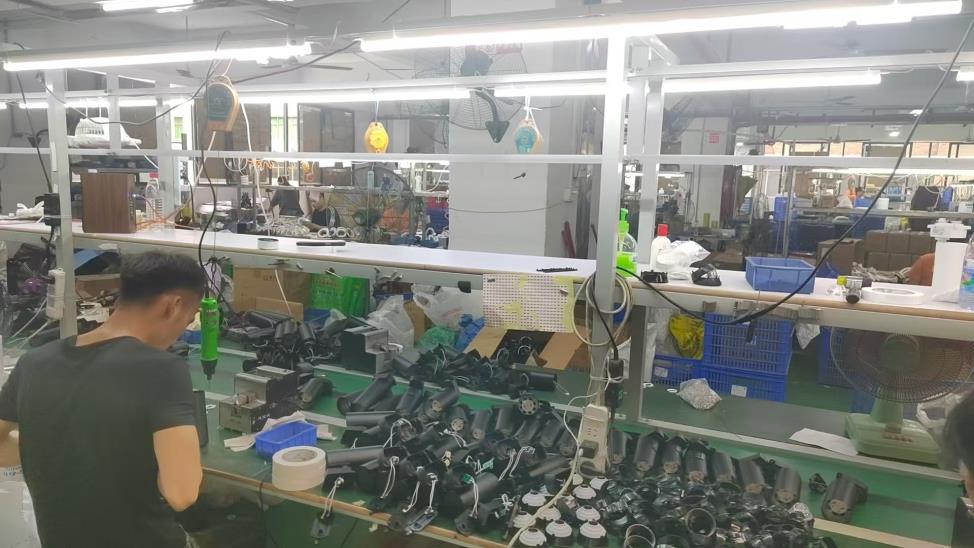
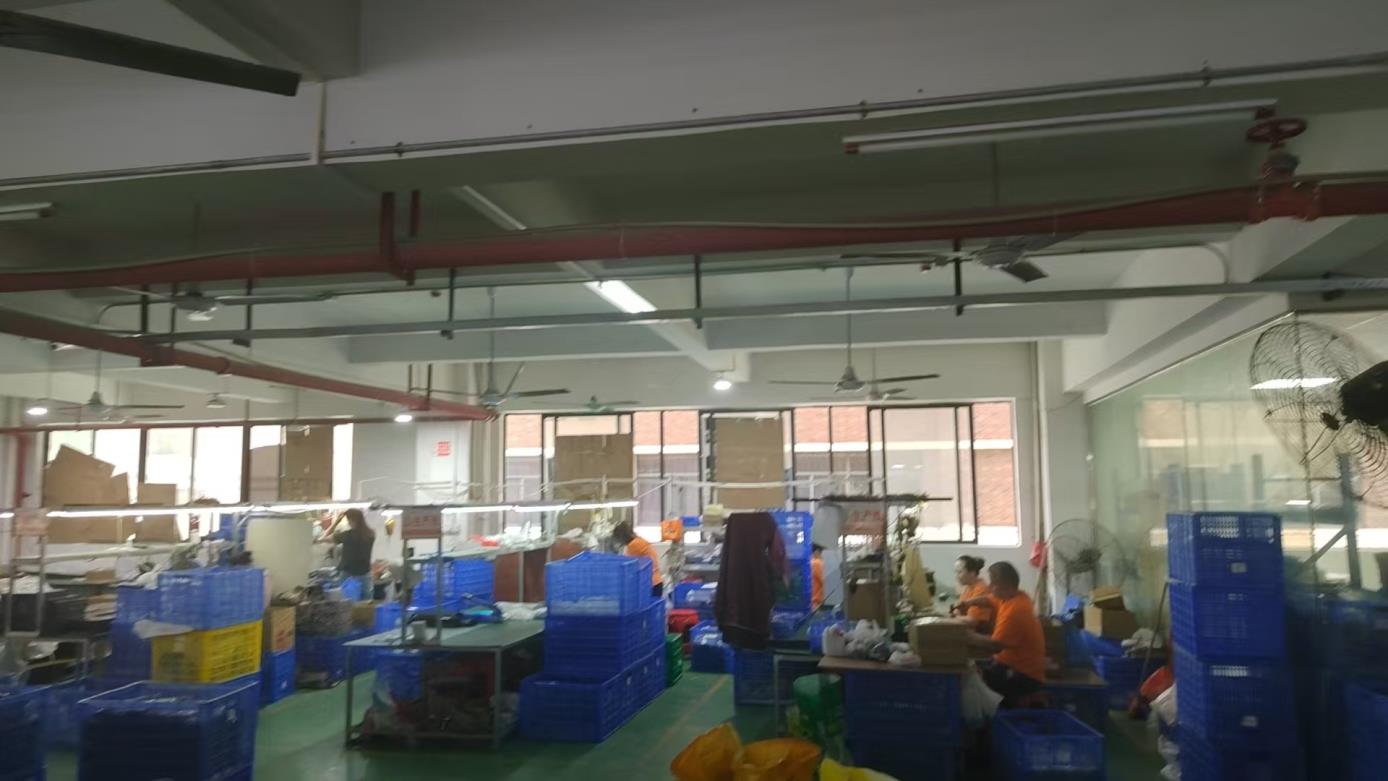
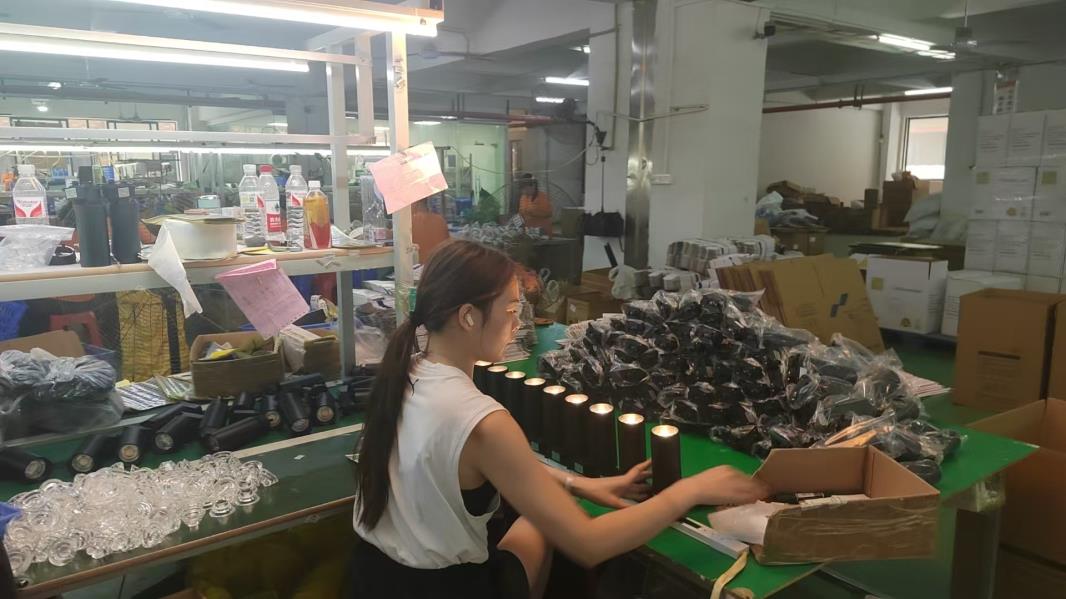


Sourcing large-scale commercial lighting involves navigating technical compliance, logistics, and quality assurance. Different stakeholders prioritize different operational values, making unified technical clarity crucial.
Entering international markets requires strict adherence to localized electrical, safety, and environmental standards. Standardizing production protocols guarantees smooth customs clearance and compliant commercial building installations.
Our product portfolio is manufactured to meet localized safety certifications worldwide. This compliance shields our clients from regulatory risks and project completion delays.
Complies with EU electrical safety guidelines, Electromagnetic Compatibility (EMC), and hazardous substance restrictions, facilitating streamlined project installations across Europe.
Conforms to UL 1598 standards for luminaire safety and FCC Part 15 regulations for radio frequency interference, supporting compliance with regional electrical codes.
Complies with Energy Star and ERP directives, helping projects qualify for government-sponsored energy-efficiency rebates and reducing operating costs.
Smart, color-changing lighting systems are highly adaptable, supporting diverse designs in municipal, retail, and commercial spaces.
The global color-changing lighting market is shifting toward unified wireless mesh systems. Multi-protocol drivers now support Bluetooth, Zigbee, DALI, and DMX networks natively, allowing developers to manage multiple zones from a single dashboard. Combined with Matter compatibility and Tuya-based IoT software, modern lighting systems integrate smoothly into broader building automation and smart city systems.
Essential technical information for engineering and procurement managers.
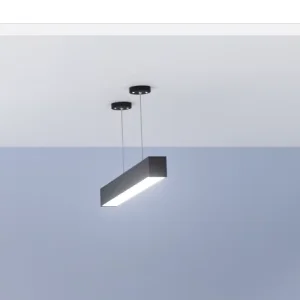
From interior track lights to high-end pendant fixtures, browse our complete line of architectural lighting.
 Pina Light