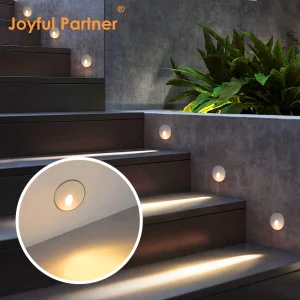
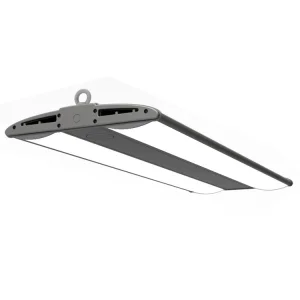
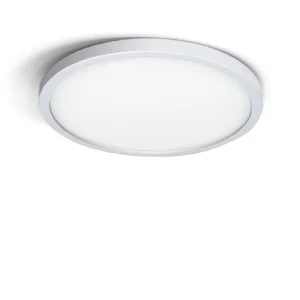
High-reliability lighting solutions engineered for performance, compliance, and energy savings in heavy-duty commercial and industrial applications.
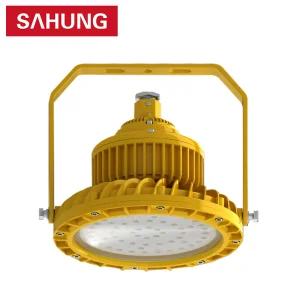
An In-Depth Look into Engineering Quality, Global Procurement Logistics, and Technology Integrations of Hangzhou Pina Light Co., Ltd.
In the contemporary landscape of global industrial and architectural development, professional-grade illumination plays an indispensable role. Whether securing hazardous oil fields, scaling logistics facilities, or highlighting architectural monuments, high-performance exterior flood lights function as critical infrastructure. As a premier China flood lights supplier and exporter, Hangzhou Pina Light Co., Ltd. spearheads the evolution of next-generation LED luminaires by offering unrivaled design engineering, manufacturing capabilities, and global logistical services.
Headquartered in Hangzhou, China, our company represents the pinnacle of modern Chinese manufacturing—where traditional engineering efficiency converges with Industry 4.0 automation and intelligent IoT solutions. Hangzhou Pina Light has systematically structured its R&D, material acquisition, component assembly, and quality assurance workflows to directly respond to the complex and evolving demands of international project developers, lighting importers, wholesalers, and structural contractors.
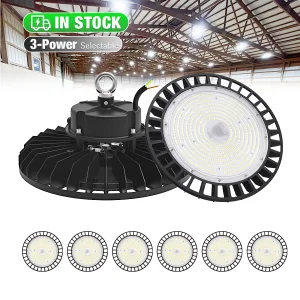
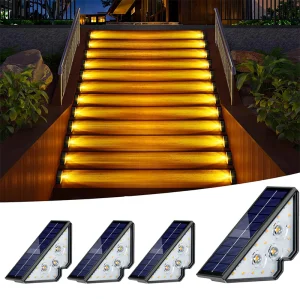
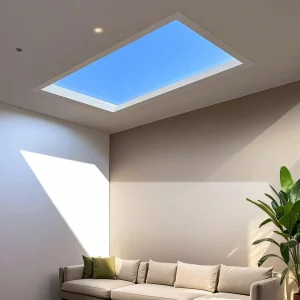
We specialize in fabricating a diversified range of luminaires, including hazardous-rated ATEX explosion-proof high bays, ultra-efficient UFO high bays, architectural track lights, IP65/IP66 smart emergency configurations, and sustainable, grid-independent solar step lighting. This expansive portfolio positions Pina Light as a versatile, single-source manufacturing partner capable of executing customized OEM/ODM projects that satisfy both North American and European regulatory paradigms.
How Advanced Optics, Thermal Management, and Smart Integration are Redefining Industrial Flood Lighting
Integration of DALI-2, Zigbee, and LoRaWAN wireless protocols allows modern flood lights to act as localized data relays. Advanced occupancy tracking, daytime harvesting, and auto-dimming maximize energy savings up to 85% compared to standard metal-halide legacy systems.
Deploying marine-grade anodized aluminum alloy, anti-static electrostatic powder coatings, and 316 stainless-steel hardware. This ensures resistance to harsh salt-water environments, chemical fumes, and tropical humidity, eliminating structural oxidation risks.
Custom-engineered optical polycarbonate lenses generate precise, asymmetrical light distribution angles (e.g., 30°/60°/90°/120°). This eliminates hazardous glare, minimizes upward skyglow, and concentrates optimal lux values precisely where required on ground-level operations.
Industrial LED illumination has progressed beyond basic luminance. Today, globally certified procurement officers require floodlights characterized by high luminous efficacy (reaching up to 160 lm/W to 180 lm/W) and exceptional thermal endurance. Standard thermal management must survive ambient operational temperatures of -40°C to +55°C without triggering lumen depreciation. Our design engineers solve these operational constraints using 3D computational fluid dynamics (CFD) models to maximize natural heat dissipation across our heavy-duty industrial fixtures.
Furthermore, sustainability and the drive toward Net-Zero carbon emissions have transformed architectural planning. Large-scale distribution warehouses, mining operations, and regional freight ports are swapping high-pressure sodium (HPS) fixtures for smart solid-state LEDs. By utilizing premium Bridgelux, Osram, and Citizen COB packages integrated with ultra-reliable Inventronics or Mean Well drivers, Hangzhou Pina Light guarantees a minimum operational lifespan of 50,000 to 100,000 hours, slashing long-term maintenance costs and minimizing the global carbon footprint of our commercial clients.
Deciphering Regulatory Standards, Lead-Times, and Technical Validation in Lighting Procurement
Securing heavy-duty lighting systems requires crossing a complex web of certifications, electrical criteria, and shipping timelines. For commercial projects in North America, products must carry UL or ETL listings alongside FCC compliance for electromagnetic interference. Conversely, European markets demand rigorous CE, RoHS, and ENEC certifications. Additionally, industrial applications near coastal shipping hubs or chemical plants require specialized ingress protection ratings (such as IP66, IP67, or IP68) alongside explosion-proof certificates like ATEX and IECEx.
At Hangzhou Pina Light Co., Ltd., we eliminate these regulatory obstacles by verifying and certifying our entire output with internationally recognized testing bodies. This guarantees our clients smooth customs clearance, fast local inspection approvals, and reduced liability. Our comprehensive E-E-A-T framework is supported by real-world laboratory testing documentation, including LM-79 reports (luminous flux, electrical power, chromaticity), TM-21 lumen maintenance calculations, and IES photometric files that aid electrical contractors in running detailed DIALux simulations.
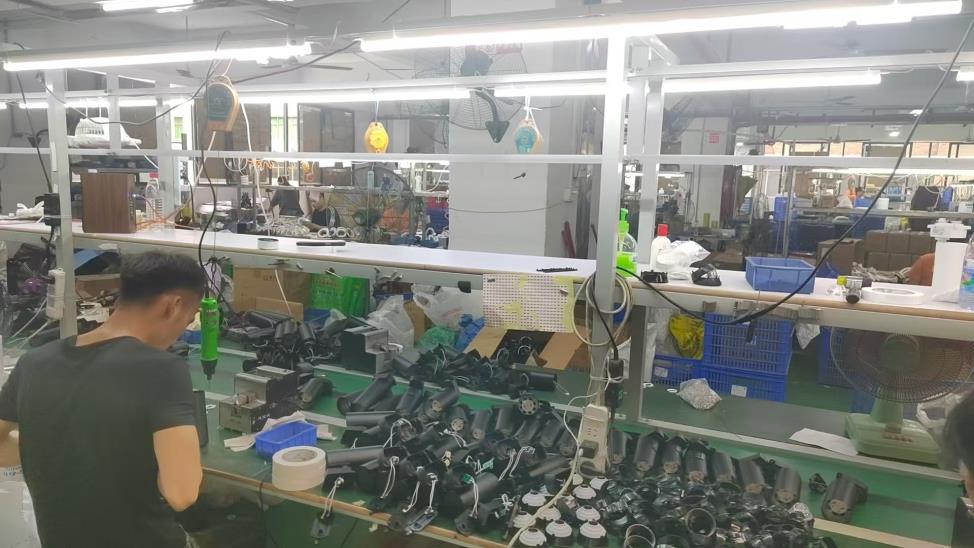
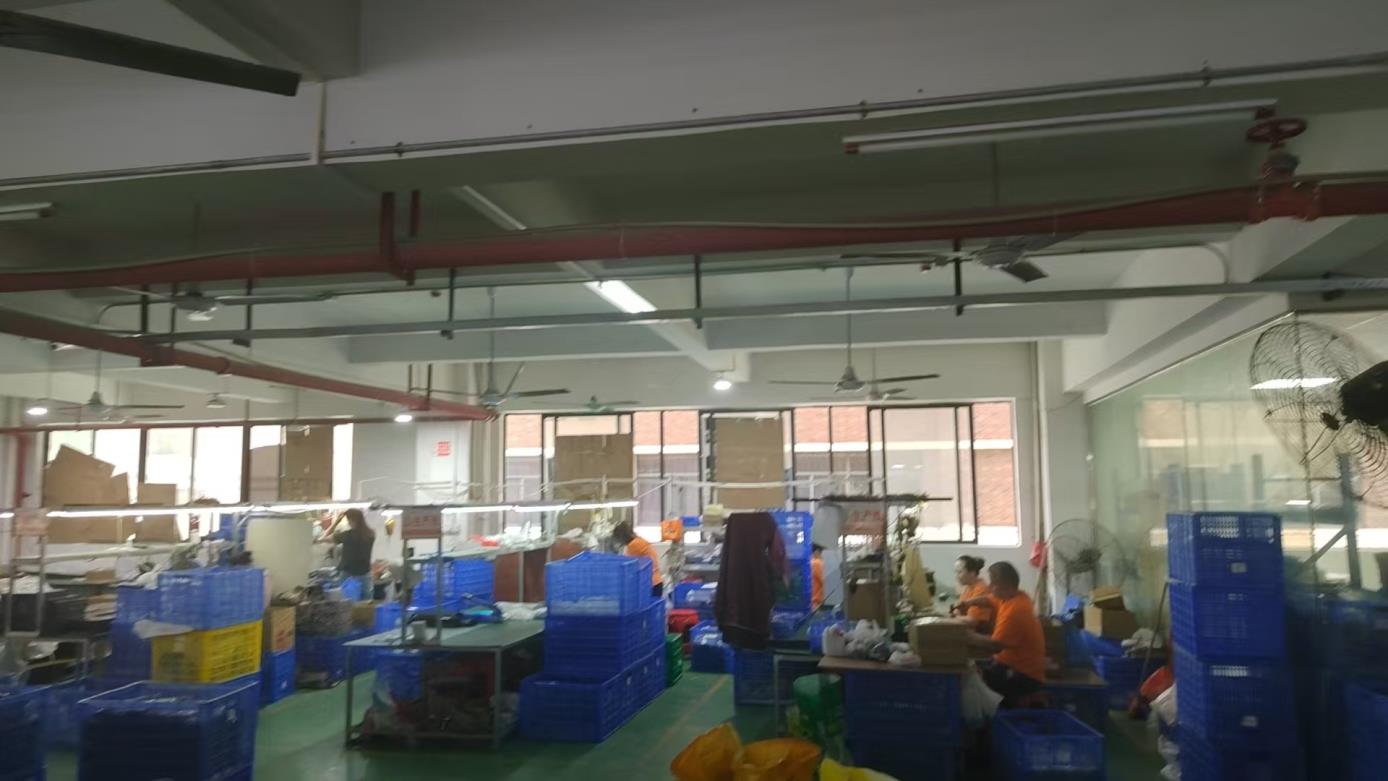
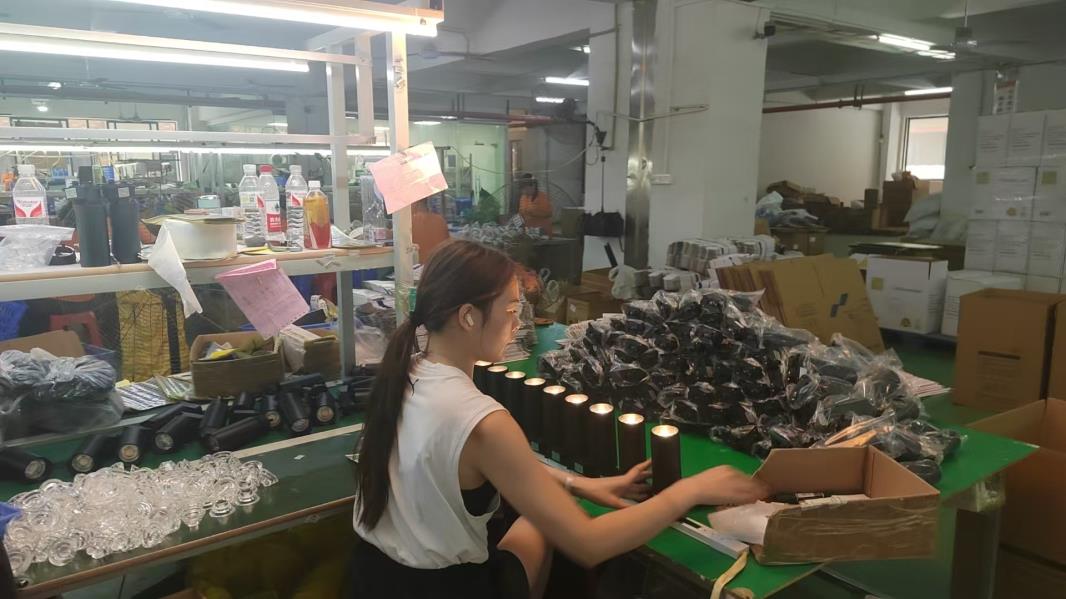
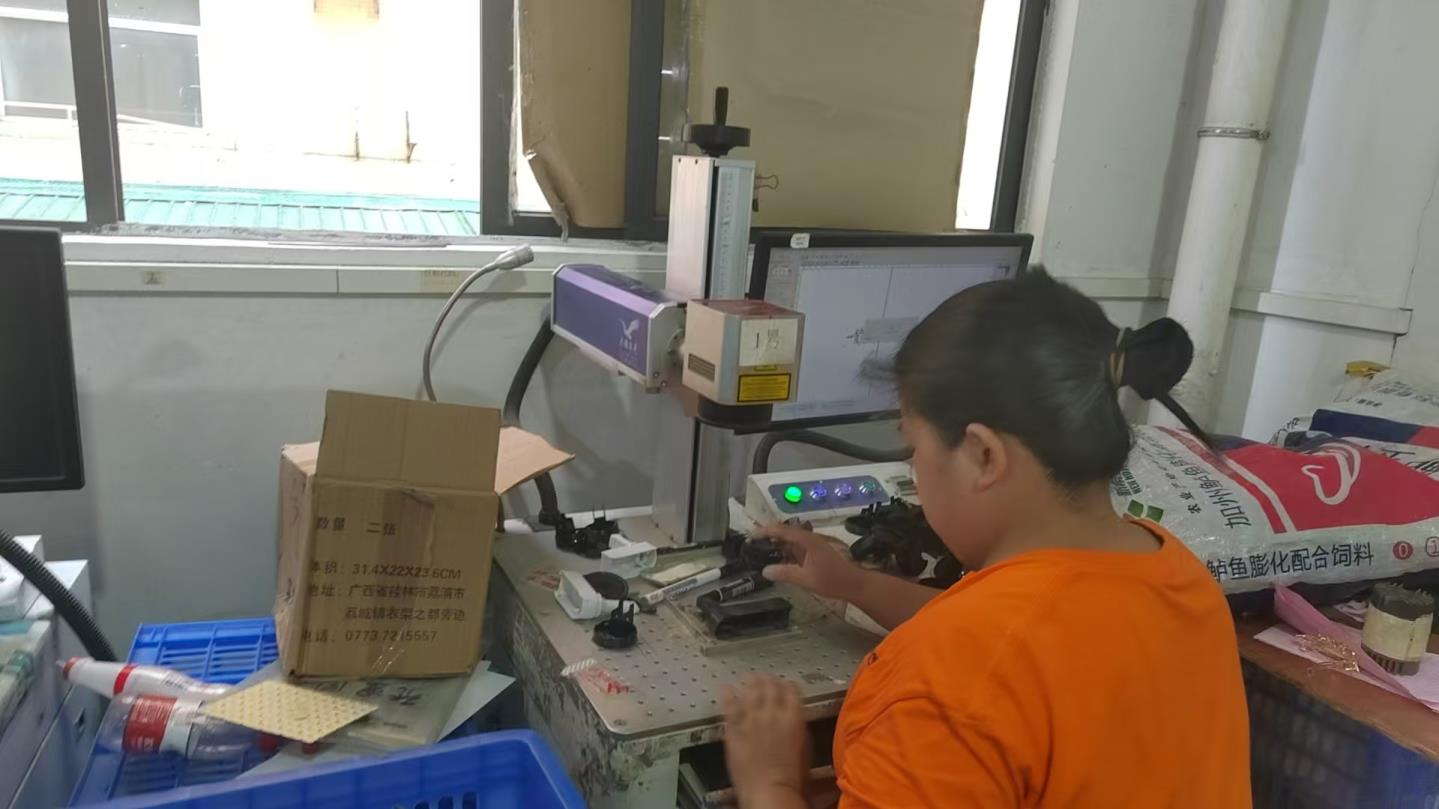
Inside Hangzhou Pina Light's Modern Production Ecosystem and Integrated Quality Control Measures
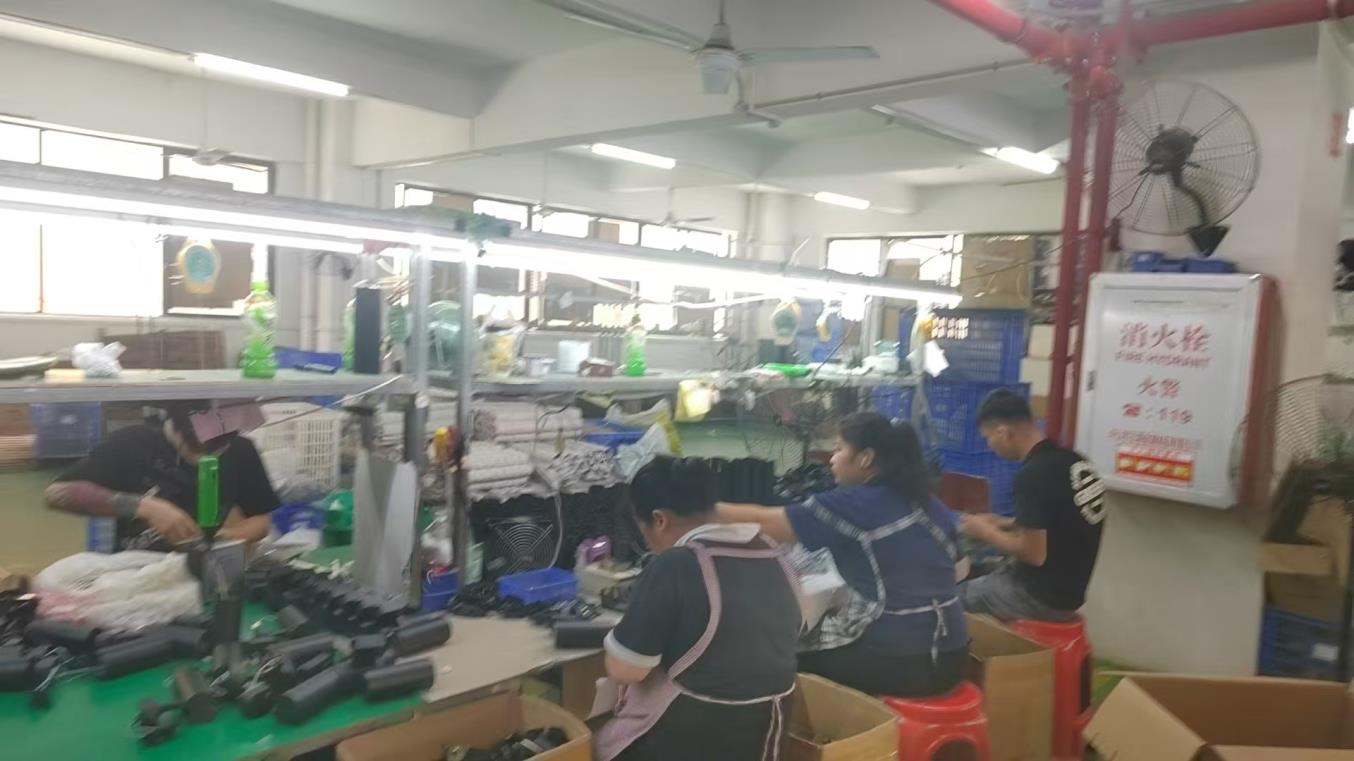
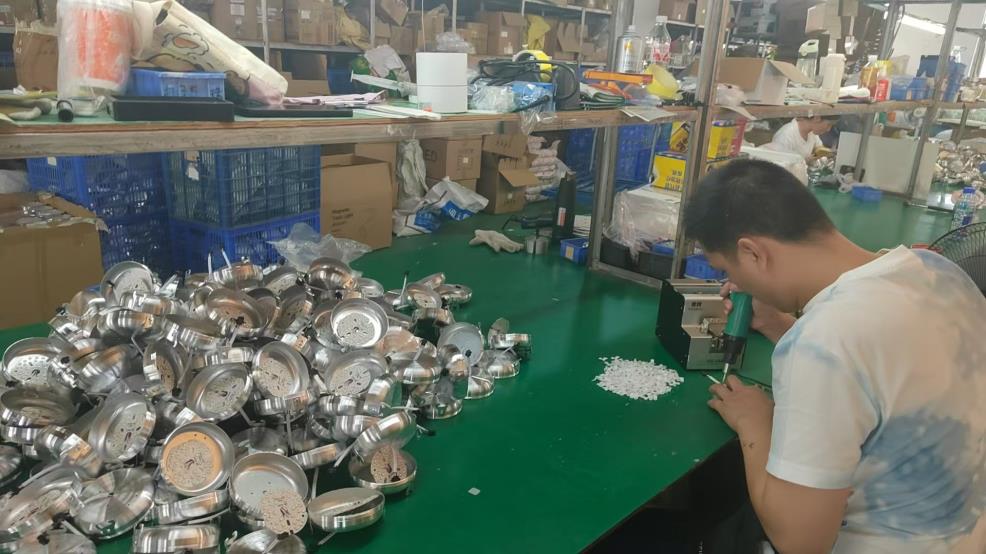
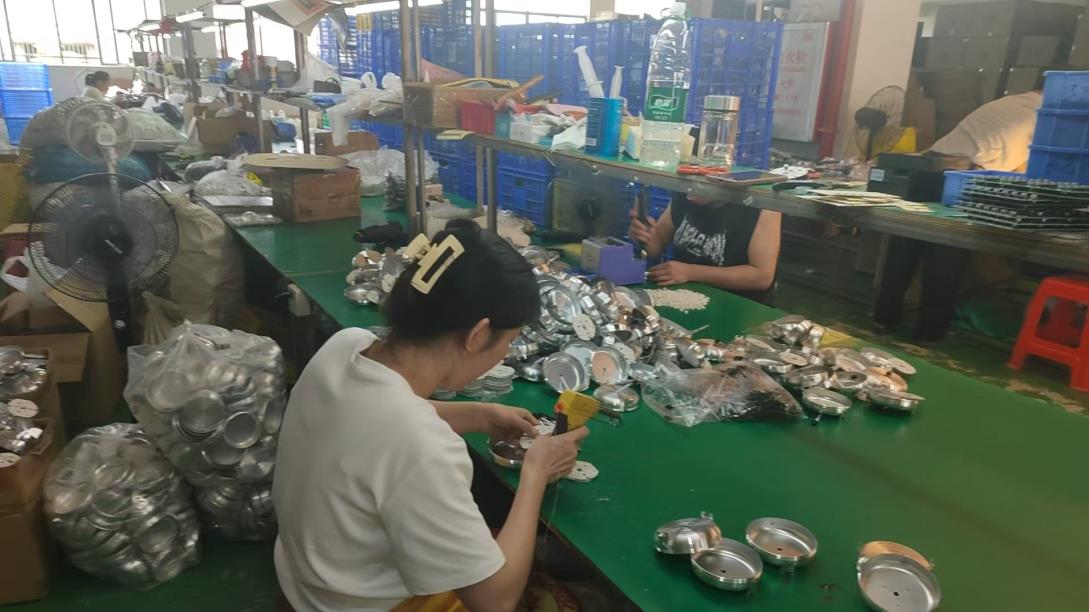
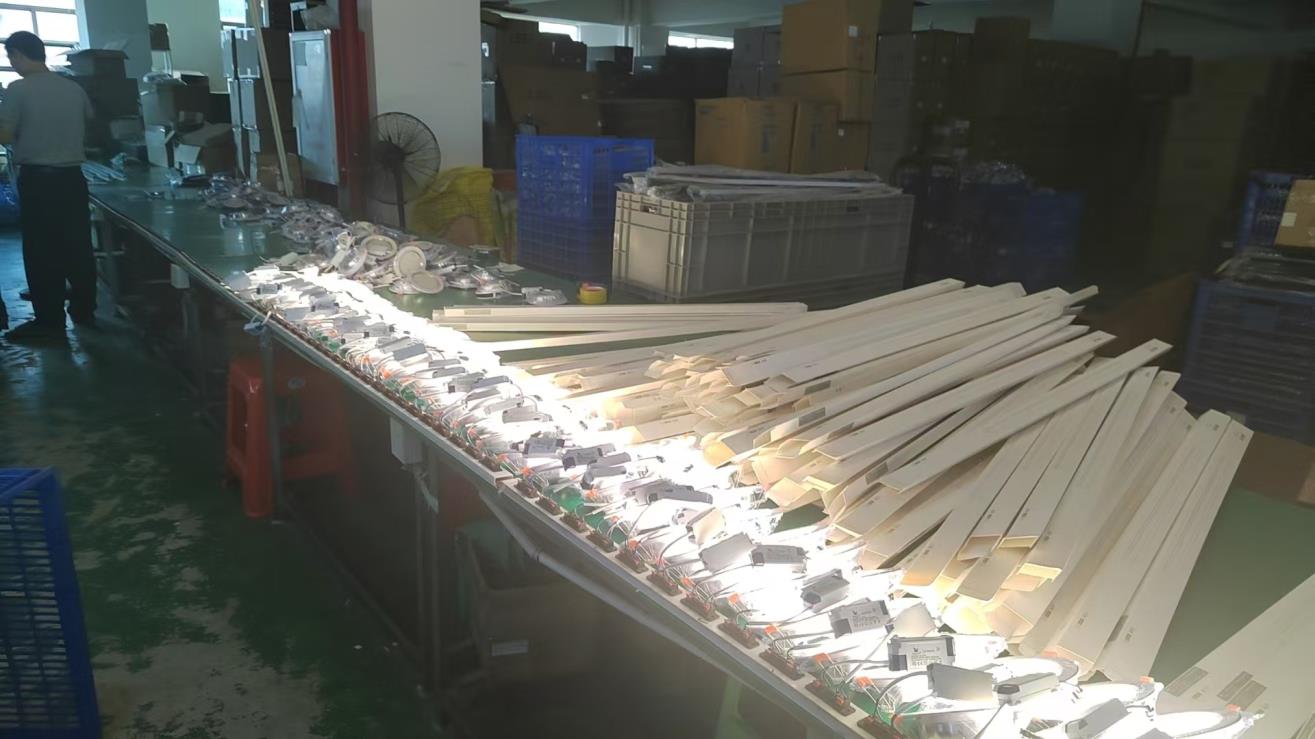
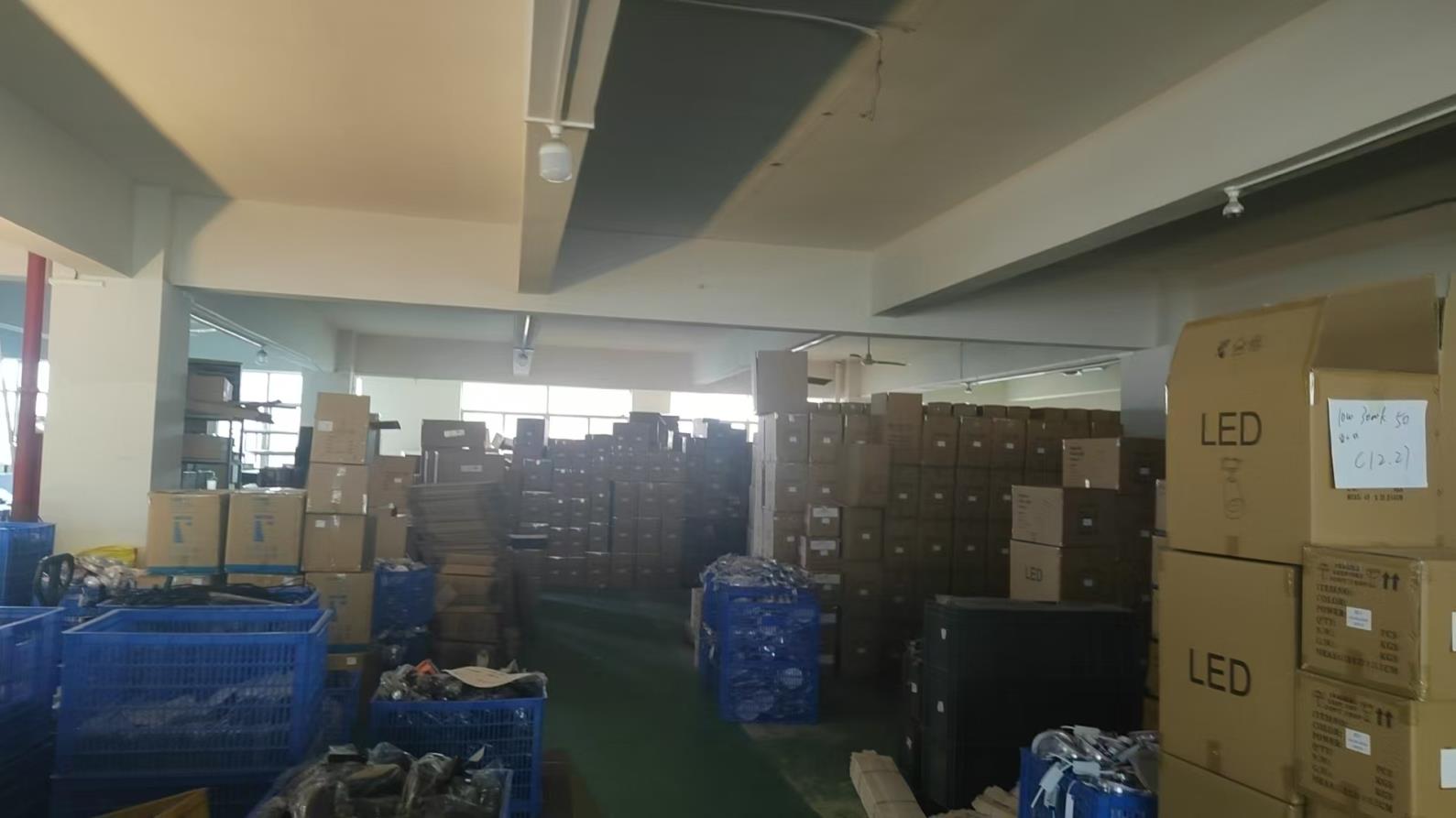
China's manufacturing dominance is no longer defined by low-cost labor. Instead, it is driven by automated precision, vertically integrated supply chains, and superior logistics speed. At Hangzhou Pina Light Co., Ltd., our manufacturing network leverages these advanced resources to offer highly resilient manufacturing systems. Our engineering workflows integrate advanced surface-mount technology (SMT) for circuit board population, semi-automated assembly steps, and automated packaging units.
A core component of our E-E-A-T guarantee is our meticulous 5-stage quality control protocol. This includes Incoming Quality Control (IQC) for components like LEDs and drivers, In-Process Quality Control (IPQC) during assembly, a mandatory 24-hour high-voltage aging test (FQC) to eliminate premature component failures, and Outgoing Quality Control (OQC) checks to ensure that every shipment matches our technical datasheets.

Matching Optical Design and Durability Standards to Specific Project Environments
Different environments demand tailored engineering solutions. For example, high-ceiling logistics facilities and industrial complexes benefit from UFO LED high bays with 120° beam spreads. These fixtures project even floor lux levels, eliminating shadows that can compromise operator safety and picking accuracy. In contrast, ports, rail terminals, and container storage yards depend on high-wattage floodlights designed with narrow 30° to 60° asymmetric optics. These ensure clear visibility over long distances while preventing glare for crane operators and truck drivers.
Hazardous zones, such as petrochemical installations, grain silos, and wastewater processing plants, present highly volatile working conditions. In these areas, standard commercial lighting poses a major hazard, as a tiny electrical spark could ignite surrounding gases or dust. The engineering solution requires specialized ATEX explosion-proof certified lighting. Built with thick copper-free die-cast aluminum enclosures and explosion-proof tempered glass lenses, these fixtures isolate internal sparks and maintain low surface temperatures to ensure safety in Zone 1 and Zone 2 environments.
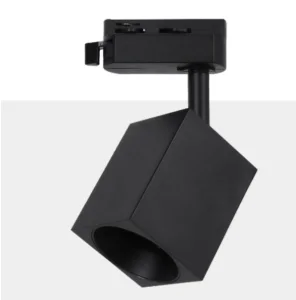
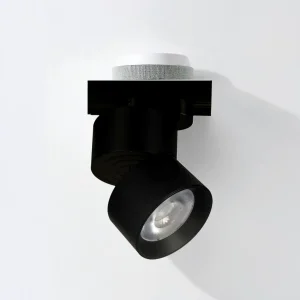
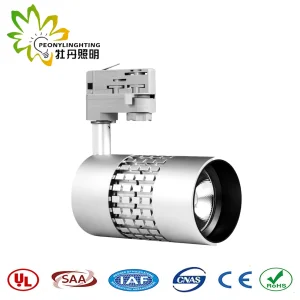
Beyond large-scale industrial projects, commercial retail spaces and modern offices require precise architectural track lighting. Utilizing Citizen COB light sources, our retail lighting provides excellent color rendering index (CRI >90) and effective glare control. This is ideal for commercial galleries, high-end automotive showrooms, and modern corporate interiors where exact color representation and visual comfort are paramount.
An Analytical Guide to LED Components, Driver Topologies, and Mechanical Ingress Ratings
Evaluating the total cost of ownership (TCO) of an industrial lighting installation requires looking beyond the initial purchase price. The true metric of reliability lies in the engineering details of its components. A high-durability LED flood light relies on three critical subsystems:
Hangzhou Pina Light Co., Ltd. builds these technical safeguards into all standard products. Every manufacturing run is validated inside our dedicated photometric laboratory, giving clients access to verified test reports, IES file packets, and engineering support for complex projects.
Expert technical answers to help sourcing managers, contractors, and project developers select the right systems.
From architectural indoor setups to high-efficiency solar lighting systems, we deliver reliability across all environments.
 Pina Light