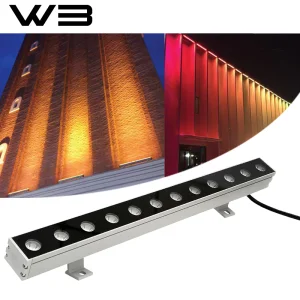
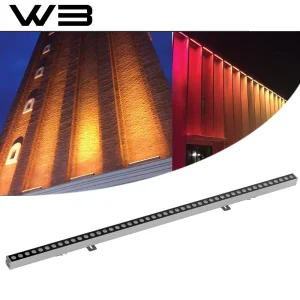
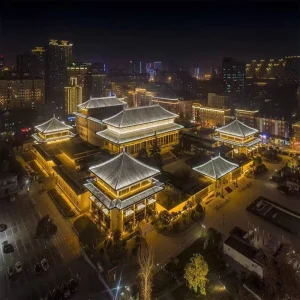
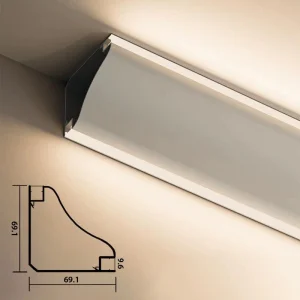
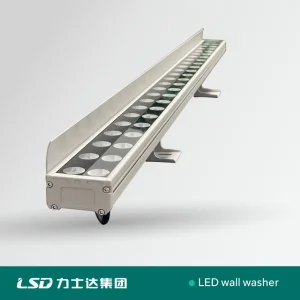
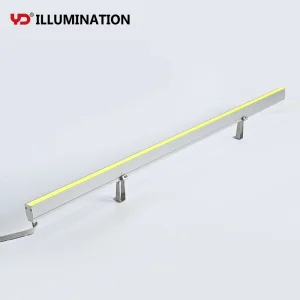
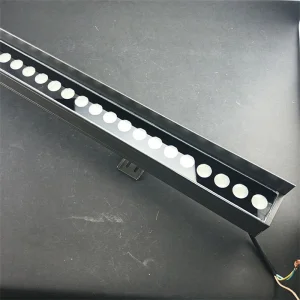
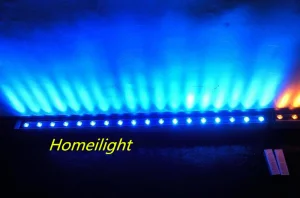
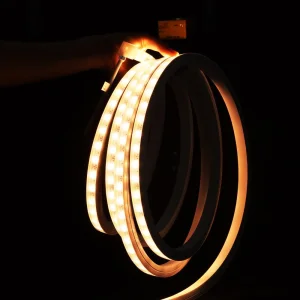
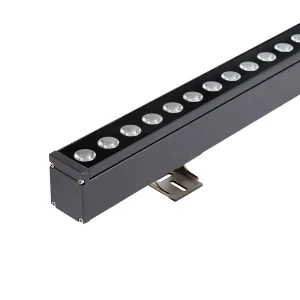
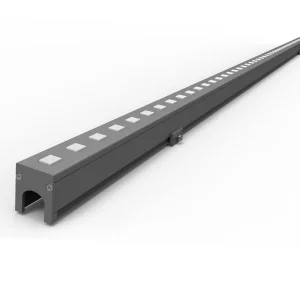
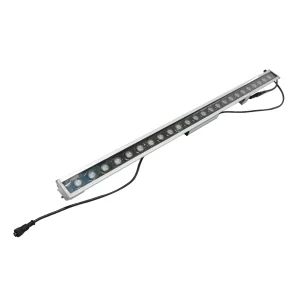
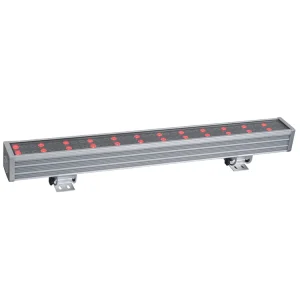
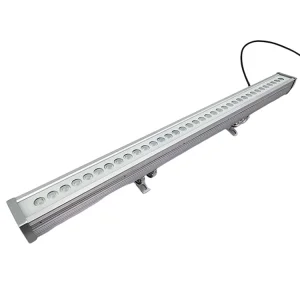
Engineered specifically to support the structural transformation and modern facade projects across Tashkent and Samarkand.
Uzbekistan is witnessing an unprecedented economic and urban structural renaissance. Dynamic state-backed projects like Tashkent City, the expansion of high-end hotels, tourism infrastructure in Samarkand and Bukhara, and new industrial free zones in Namangan are redefining the Central Asian nightscape. This rapid expansion demands highly robust, scalable, and visually superior architectural exterior lighting solutions.
However, the local environmental reality presents strict engineering challenges. Uzbekistan features a harsh semi-arid, extreme continental climate. Outdoor solid-state luminaires are subjected to intensive atmospheric dust storms, freezing winter drafts dropping below -20°C, and scorching summers exceeding +45°C. Without state-of-the-art thermal engineering and premium ingress-protected seals, standard wall washers fail prematurely due to thermal shock, condensation, and chemical dust accumulation.
Our wall washers are designed with 6063-T5 extruded structural aluminum housings, maximizing heat dissipation area to prevent junction-temperature breakdown during long high-ambient summer runs.
Seamlessly interface with global control consoles to deliver sophisticated color-shifting sequences, pixel-mapping, and dimming for large-scale municipal projects.
Ensures absolute insulation against fine loam and clay dust storms characteristic of Tashkent and rural Uzbekistan, ensuring clear, maintenance-free lumen output.
Accentuates the natural, intricate sand-textured terracotta bricks of heritage sites in Samarkand and Bukhara, boosting tourist engagement.
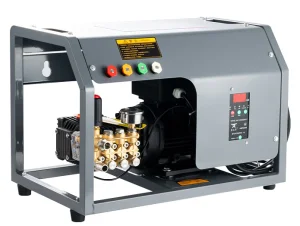
Take an in-depth tour of the Hangzhou Pina Light Co., Ltd. modern production line, showcasing advanced quality checks, high-precision assembly, and rigorous testing protocols.
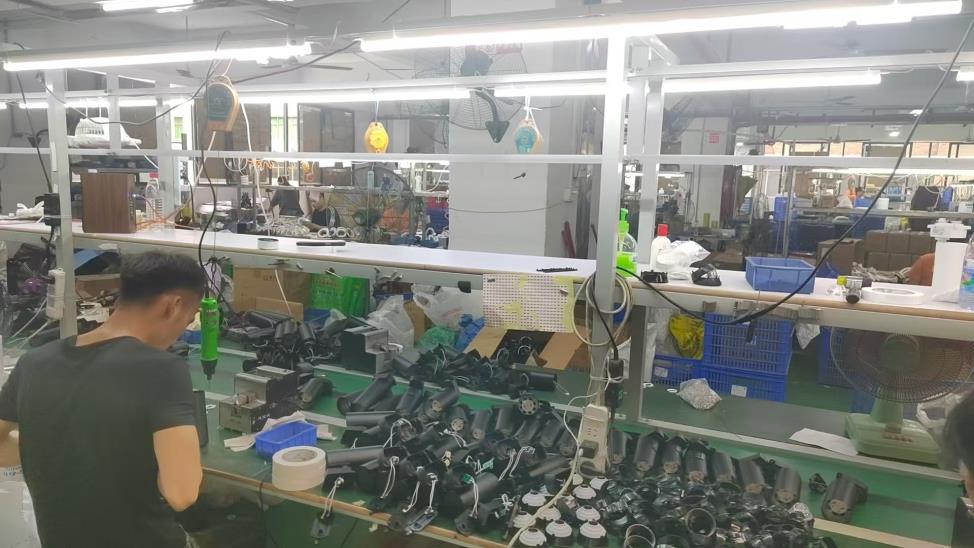
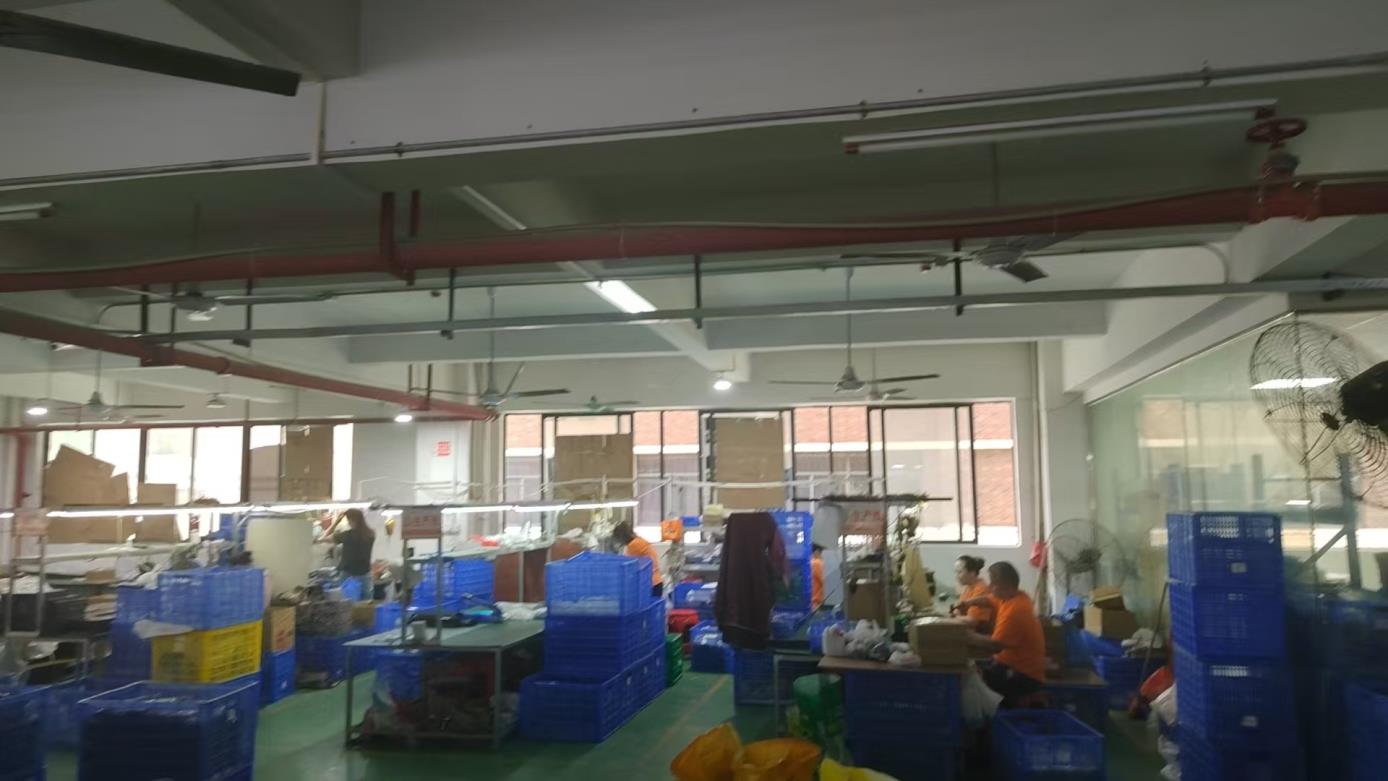
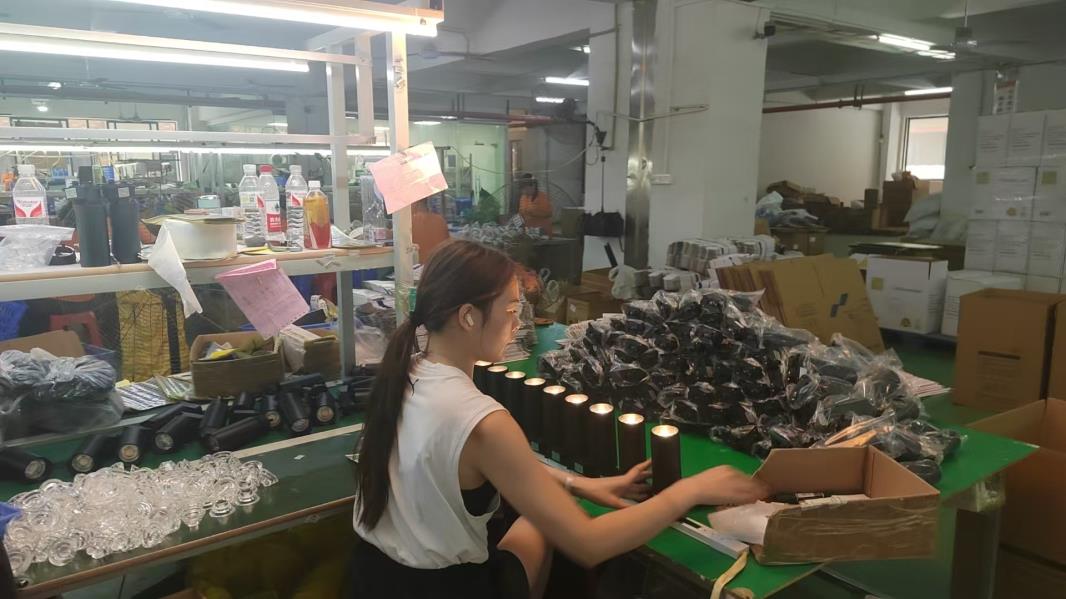
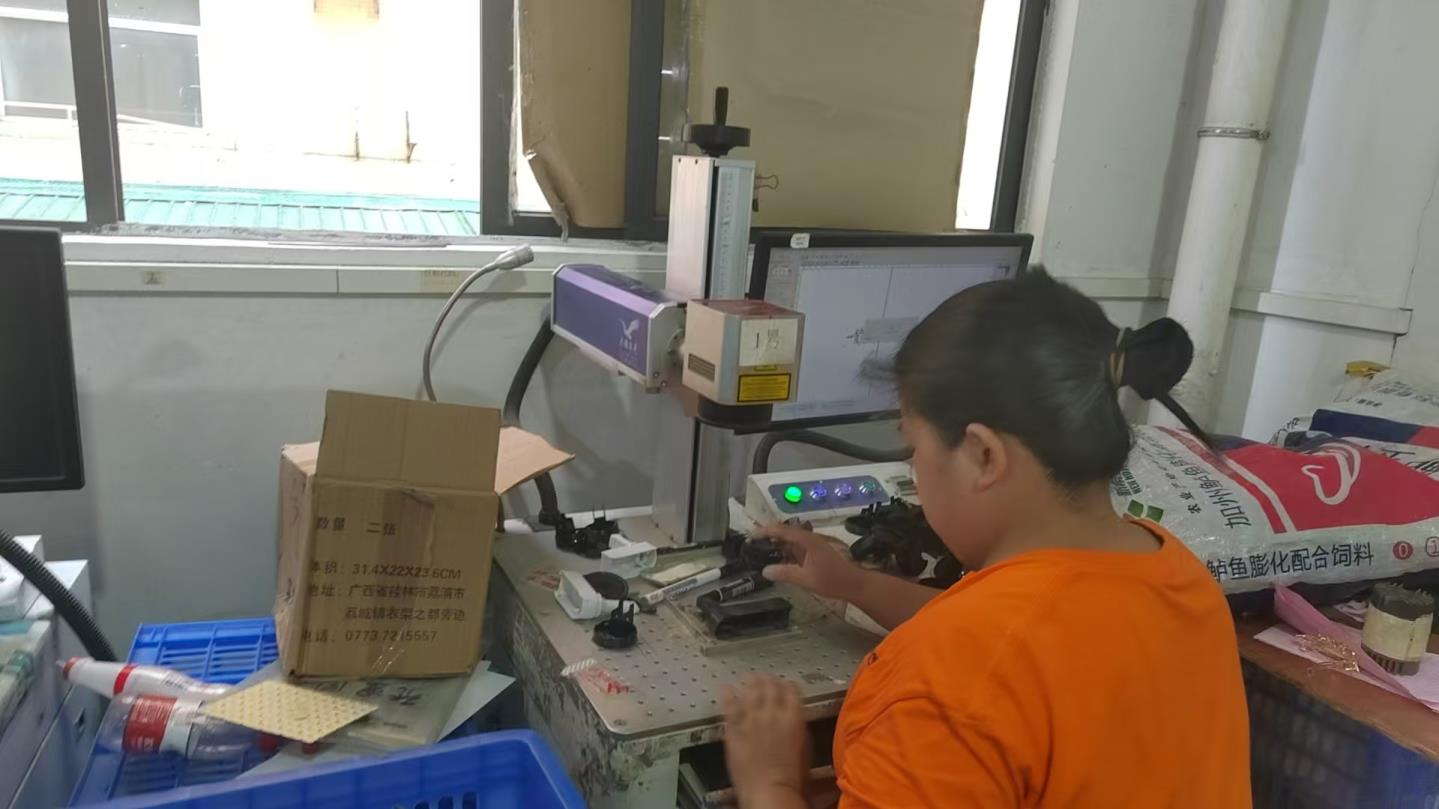
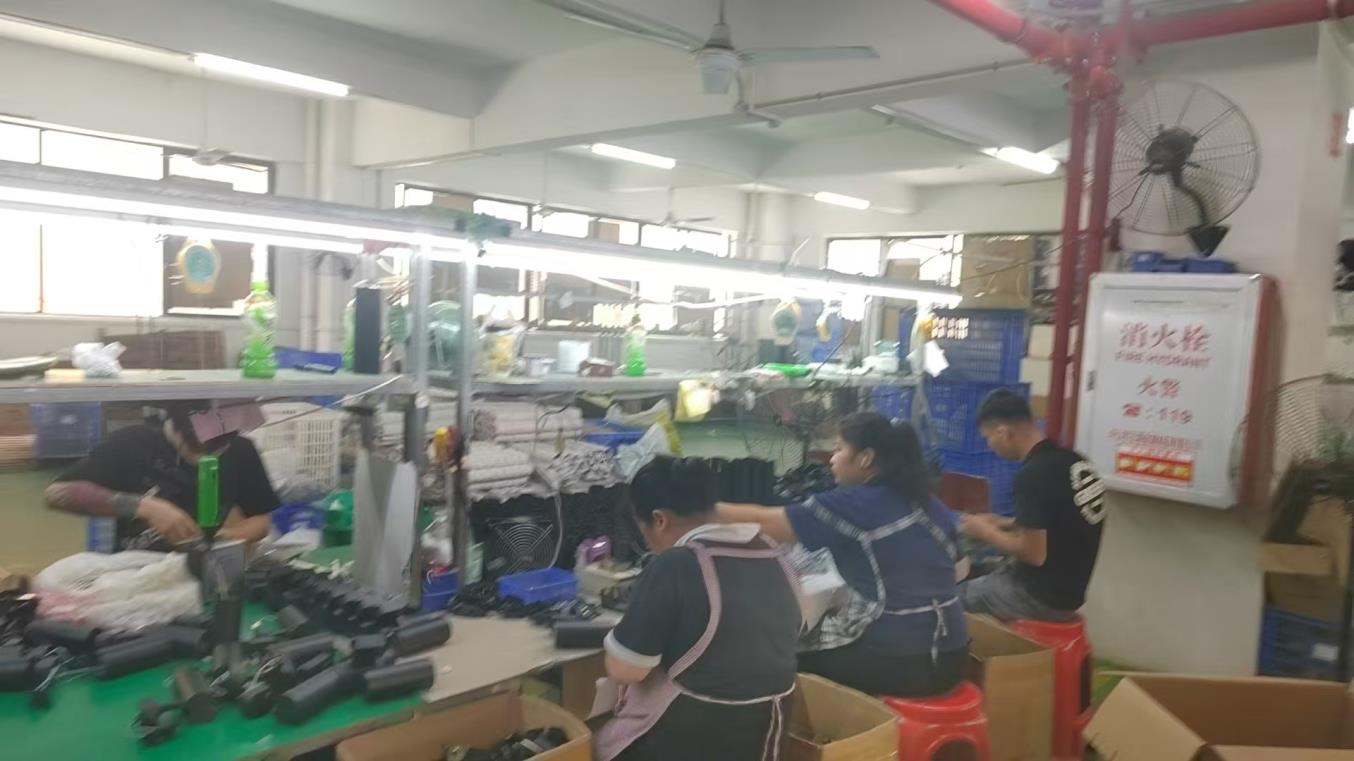
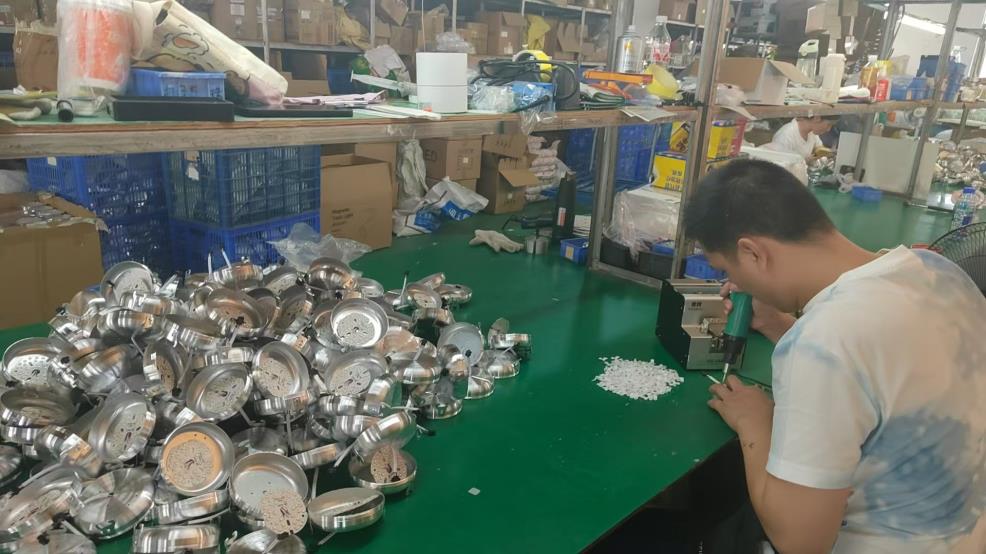
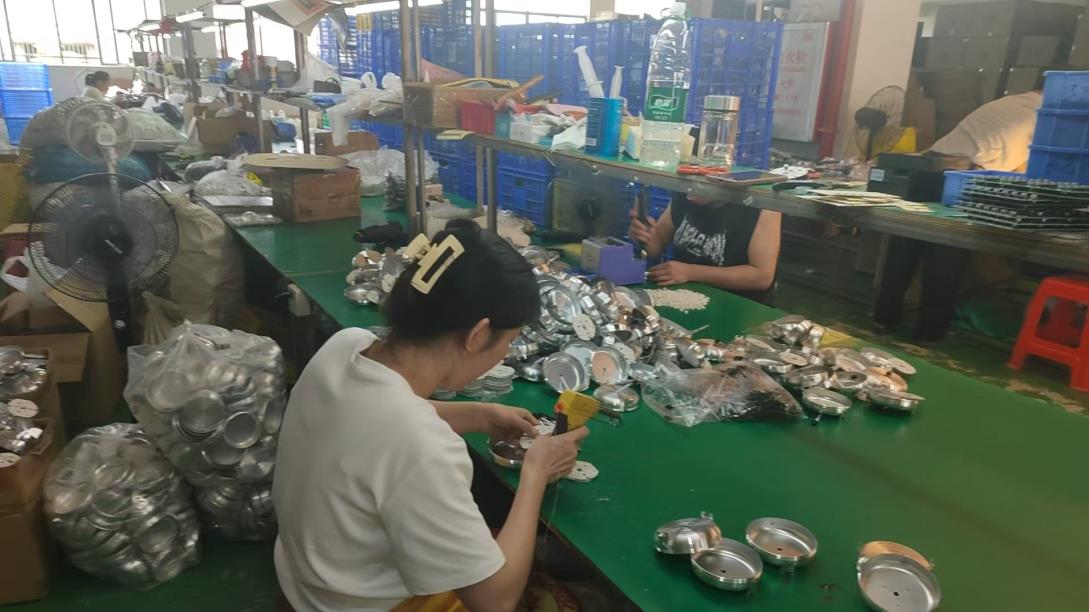
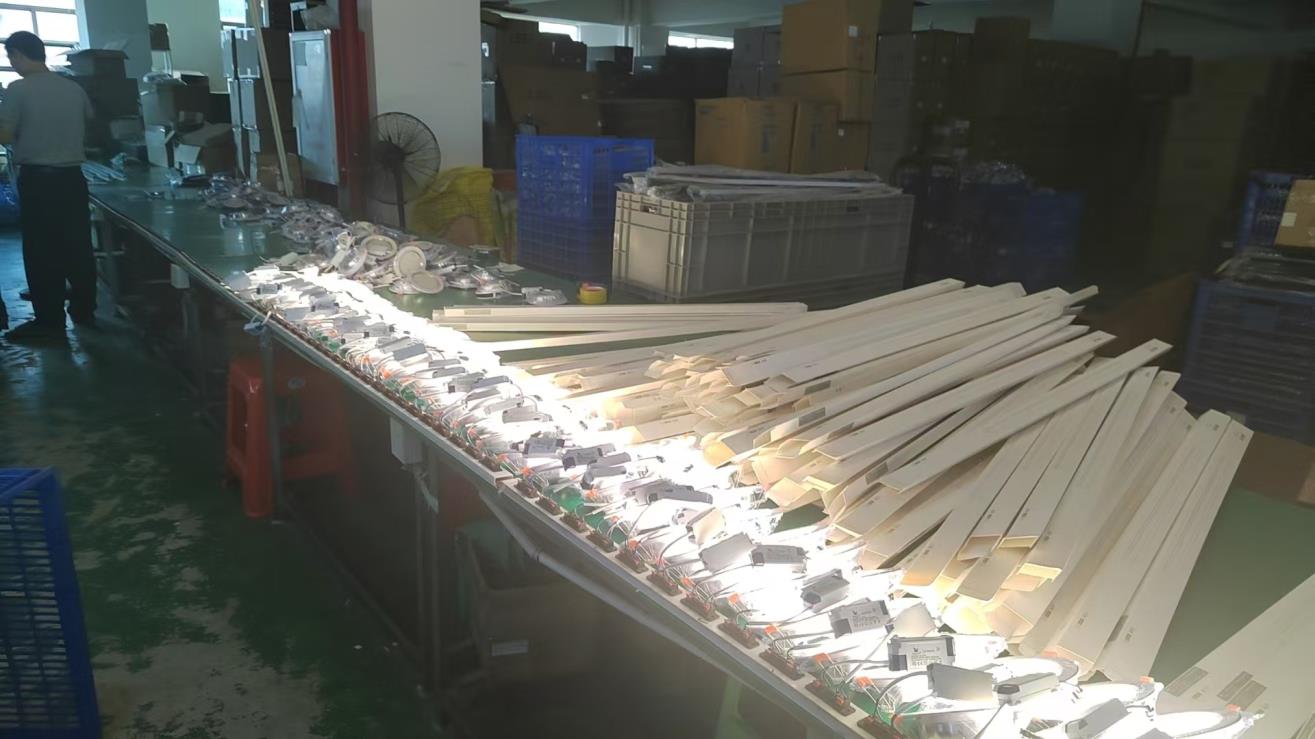
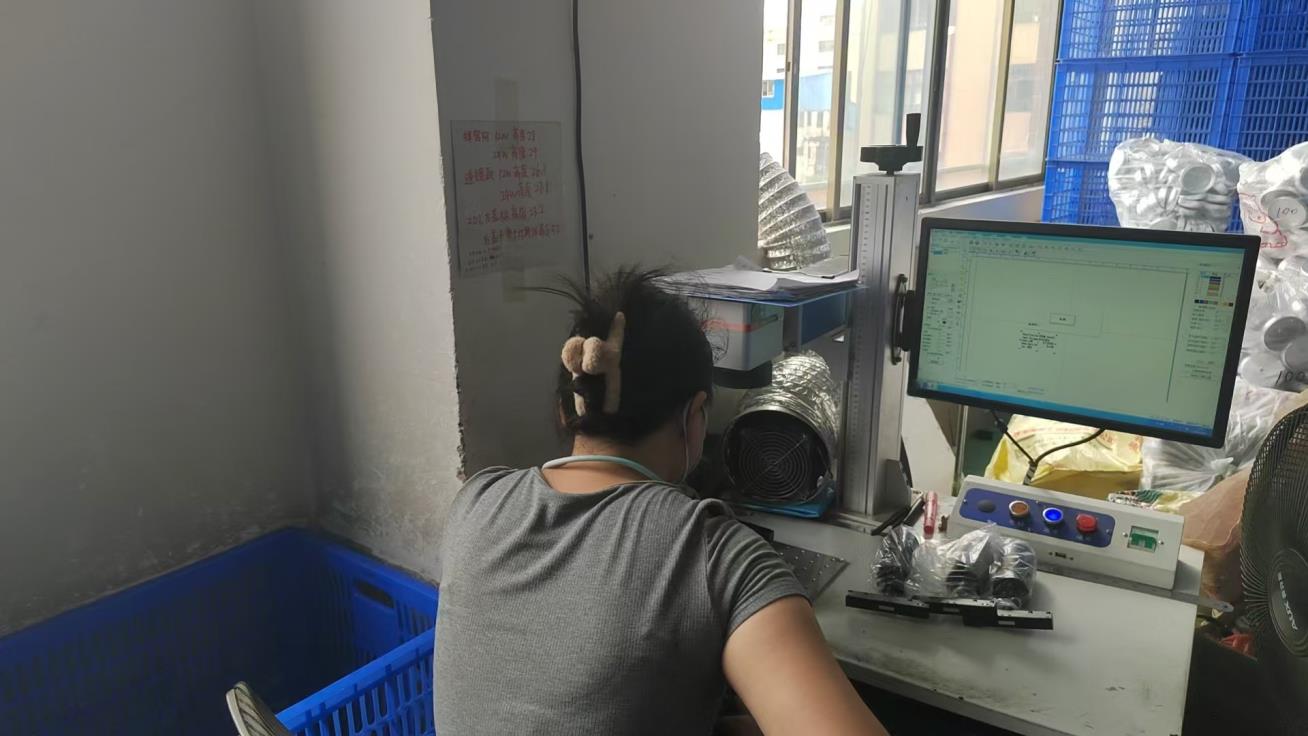
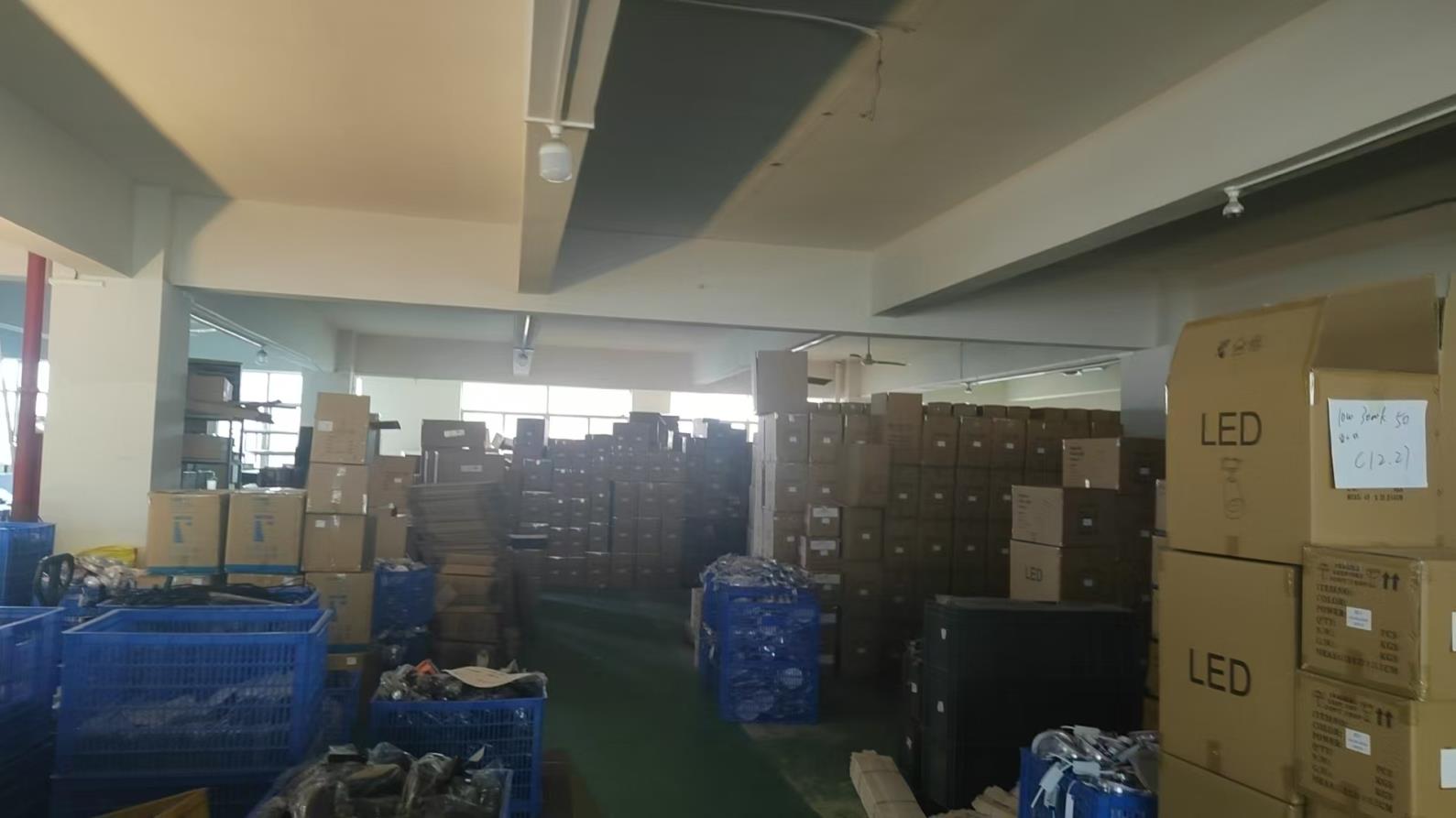
Through advanced smart inventory control, our Hangzhou-based infrastructure streamlines rapid logistics access via direct rail freights to Tashkent, saving up to 40% in shipping and customs preparation schedules compared to standard sea-to-land routing.
Understanding architectural integration, compliance standards, and investment longevity metrics.
Modern dynamic facades require asymmetrical light distributions (e.g., 10°x60° or 15°x45°) to wash tall structures uniformly without lighting pollution or spilling lumens into adjacent window structures. High color-rendering parameters assure structural textures look crisp and lifelike under the night sky.
Using high-grade structural silicone rubber rings and tempered protective glass ensures that thermal expansion and contraction over temperature shifts of 65°C do not rupture seals. This continuous mechanical stability eliminates operational cost overheads.
Remote Device Management (RDM) is critical for commercial complexes. It enables technical support engineers to identify potential voltage anomalies, locate failed drivers, and change dynamic addresses directly from the central control server without manual inspection climbs.
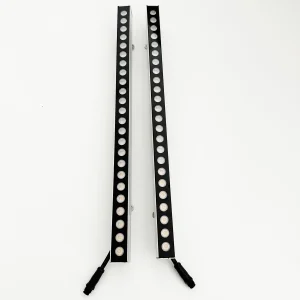
Full collection of architectural dynamic washes, flexible strips, and linear illumination systems optimized for the Central Asian market.
How our technical designs solve the physical problems of structural facades in harsh desert-edge climates.
Developing solid-state exterior dynamic washes requires strict alignment with thermal physics, advanced material science, and optical dynamics. Simply deploying high-power LED matrices inside an aluminum channel will lead to rapid light degradation and eventual product failure if environmental stresses are not calculated.
The lifespan of a high-power LED is inversely proportional to its inner semiconductor junction temperature. Under continuous operation in direct exposure to summer solar radiation, the exterior surface of architectural installations can reach up to 60°C. In such extreme conditions, poor structural heat management will push internal junction temperatures beyond 105°C, triggering dramatic color shifts and rapid phosphor breakdown.
Our solutions incorporate a thermal barrier design using structural profiles made of 6063-T5 anodized aluminum. This configuration provides a thermal conductivity rating of 200 W/m·K. It maintains a direct mechanical connection between the metal core PCB and the fixture's housing. We also use premium Dow Corning thermal paste with a conductivity of >3.0 W/m·K, keeping the LED junction temperature well below 80°C and ensuring a stable L70 lifetime of over 50,000 hours.
Dust storms carry fine silicate particles that can penetrate micro-crevices. When temperatures drop rapidly at night, condensation forms inside the light fixture, causing corrosion on the driver circuits and optical lenses. Our production processes mitigate this through a comprehensive multi-layered sealing strategy:
When washing large flat structures, even minor color deviations look highly distracting. To prevent color shifts, our production utilizes single-bin sourcing from reliable manufacturers like Cree, Osram, or Lumileds. This ensures strict color consistency within a 3-step MacAdam Ellipse, guaranteeing that every single fixture matches perfectly across the entire installation site.
Common inquiries from architectural project developers and industrial lighting buyers in Central Asia.
We work with dedicated freight forwarding networks along the Belt and Road corridor. Shipments are transported securely via the China-Kyrgyzstan-Uzbekistan rail and road routes directly to Tashkent. This direct rail land bridge cuts transit time down to 12-15 days, avoiding the long transit delays of traditional maritime shipping lanes.
Yes. Our fixtures are designed with IP65 to IP67-rated double-sealed chambers, high-density silicone gaskets, and integrated hydrophobic breather valves. This design balances inner housing pressures, preventing dust, sand, and ambient humidity from entering the optical system even under extreme temperature swings from -25°C up to +45°C.
Absolutely. We offer customized optical distributions, including ultra-narrow 10° spot beams for high columns and asymmetric 15°x45° or 10°x60° elliptical distributions. These options enable precise lighting control, washing architectural textures evenly while minimizing light pollution in surrounding window structures.
Our dynamic luminaires are designed to interface seamlessly with standard DMX512 controllers. We also support standard RDM protocols. This allows control consoles to detect fixtures automatically, configure starting addresses remotely, and monitor critical telemetry data like driver temperatures directly from the control desk.
We source all LEDs within a strict 3-step MacAdam Ellipse chromaticity bin. This guarantees color uniformity across every production run, ensuring that fixtures installed years apart will continue to match perfectly with identical color temperatures and rendering accuracy.
Yes. Our complete product lines are manufactured in compliance with international quality and safety regulations, holding certifications such as CE, RoHS, and FCC. These certifications ensure reliable performance, long-term durability, and smooth customs clearance for projects across Uzbekistan and regional trade zones.
Connect directly with our senior application engineering team to request customized IES photometry files, engineering drawings, or wholesale pricing tailored for projects in Uzbekistan.
Send Inquiry Now Pina Light