Explore our advanced technical inventory designed to optimize luminescent efficacy, control heat dissipation, and meet global utility standards.
The global demand for portable LED lighting systems is experiencing a tectonic structural shift. Moving beyond recreational use, professional applications in disaster response, hazardous work environments, precision industrial operations, and defense sectors are demanding longer battery lifes, higher mechanical robustness, and smarter optical properties.
As energy efficiency mandates tighten worldwide (such as the EU's ErP Directive and the US Energy Star benchmarks), traditional battery-operated incandescents and legacy gas-discharge lamps have been effectively rendered obsolete. The modern landscape demands high-performance Solid-State Lighting (SSL) platforms engineered with customized spectrums, advanced thermal management architectures, and highly adaptable mechanical form factors.
Evaluating an OEM/ODM partner requires analyzing more than generic datasheets. Professional buyers prioritize sub-surface performance indicators: phosphor thermal decay rates, solder joint reliability under mechanical stress, driver mean time between failures (MTBF), and electrolyte integrity in corrosive marine or chemical environments.
Creating reliable portable LED systems requires optimizing complex trade-offs between battery weight, thermal management, and optical efficiency. Our engineering teams at Hangzhou Pina Light Co., Ltd. continuously iterate across three foundational pillars of lighting physics:
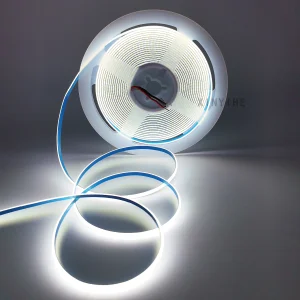
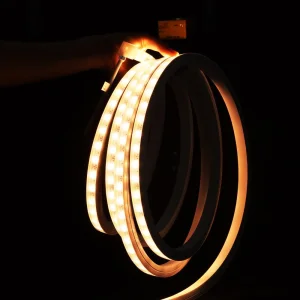
Traditional Surface Mounted Device (SMD) arrays can create multiple point shadows, which can cause eye strain during precision tasks. Our high-density COB packaging embeds multiple micro-diodes under a single phosphor layer, producing uniform, high-lumen density beams. Our cuttable 3mm-width and 10mm COB configurations allow designers to integrate continuous, hotspot-free lighting into spaces where spatial geometry is highly constrained.
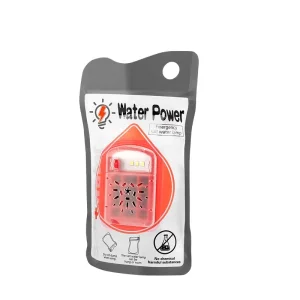
While lithium-based chemistries dominate, emergency and defense sectors require robust off-grid backup options. Our Salt Water Activated Emergency Lamp utilizes a galvanic reaction, generating electrical current through magnesium-air oxidation. This allows emergency workers to activate 120 hours of continuous lighting with simple brine solution, avoiding the storage degradation risks associated with lithium cells.
Modern portable systems must communicate dynamically. Integrated microcontrollers allow for real-time dimming, DMX512 signal protocols for event staging, and automated PWM (Pulse Width Modulation) power throttling. This dynamically balances thermal emission against remaining battery levels to maximize overall runtime.
Integration of gallium nitride (GaN) drivers to reduce component size by 40% and push driver efficiency beyond 95%.
Commercial scale-up of solid-state lithium-metal micro-batteries, doubling volumetric energy densities.
AI-optimized localized mesh nodes, allowing portable industrial lights to form self-healing local communication networks.
Full carbon-neutral closed-loop bio-plastics and recycled structural aluminum housing assemblies.
Every installation environment introduces distinct challenges. Portable systems must adapt to variable operating temperatures, mechanical impacts, and chemical exposures:
In earthquakes, hurricanes, or floods, conventional power grids fail instantly. Rescuers need sealed, floating, and chemical-safe systems. Our salt-water activated designs provide immediate, reliable lighting using sea water or ambient fluids. This bypasses the shelf-life issues and thermal runaway risks of lithium batteries in disaster areas.
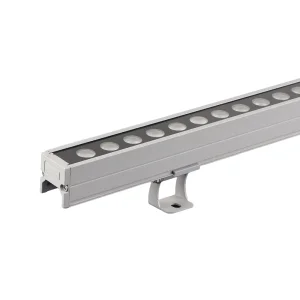
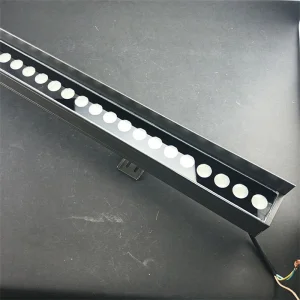
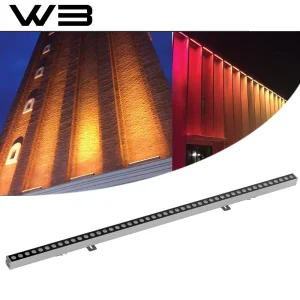
Modern exterior facade lighting requires rugged solutions that can withstand severe weather. Our IP67 and IP65 DMX-controlled linear wall washers and flexible silicone-jacketed strip lighting can be shaped to follow complex building contours, providing durable illumination for bridges, monuments, and commercial properties.
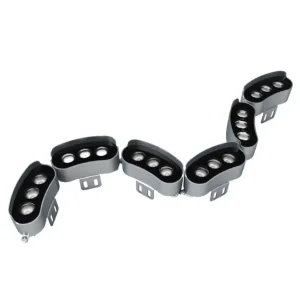
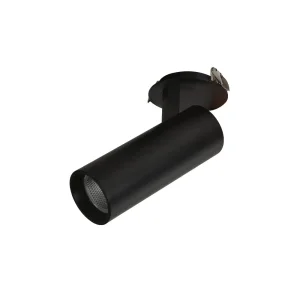
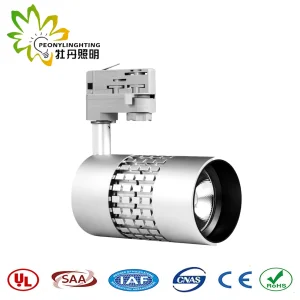
Refineries, underground storage areas, and petrochemical processing facilities require specialized equipment to prevent ignition risks. Our track systems and spotlights feature spark-resistant structures, high chemical resistance, and durable anti-glare COB optics to ensure operator safety during close-up visual inspections.
As a premier manufacturing hub, Hangzhou offers strategic access to a highly integrated industrial cluster. From high-quality raw materials and efficient metal extrusion plants to automated SMT processing lines, every component of our supply chain is optimized for speed, quality, and cost efficiency.
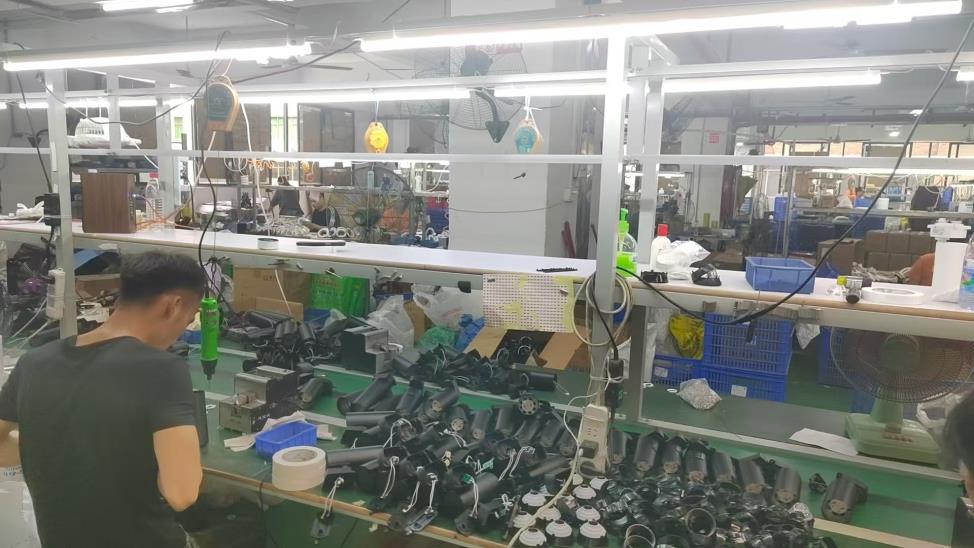
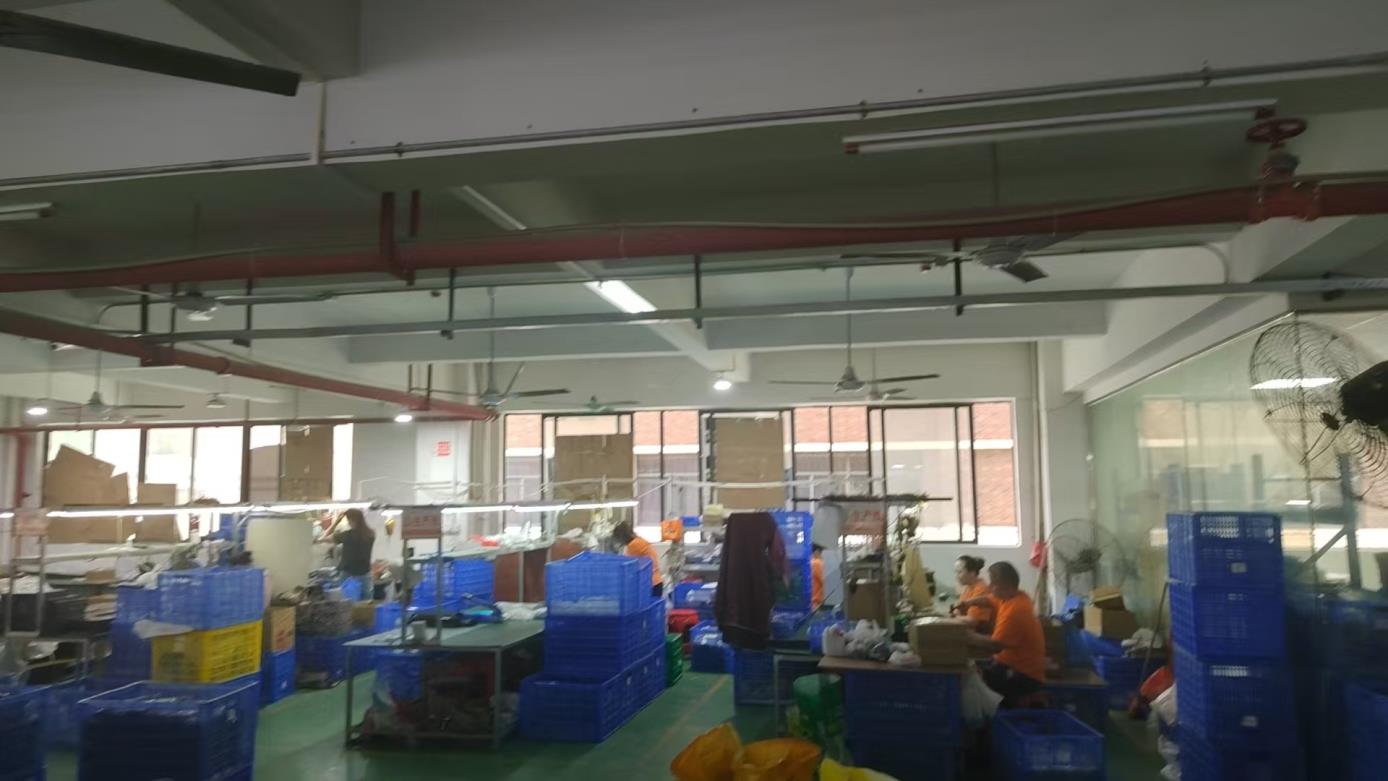
At Hangzhou Pina Light Co., Ltd., we combine this geographic advantage with strict manufacturing workflows. We maintain full traceability from raw copper and aluminum stock through to completed assemblies. This direct control allows us to offer flexible, high-volume OEM/ODM production runs with reliable, predictable lead times.
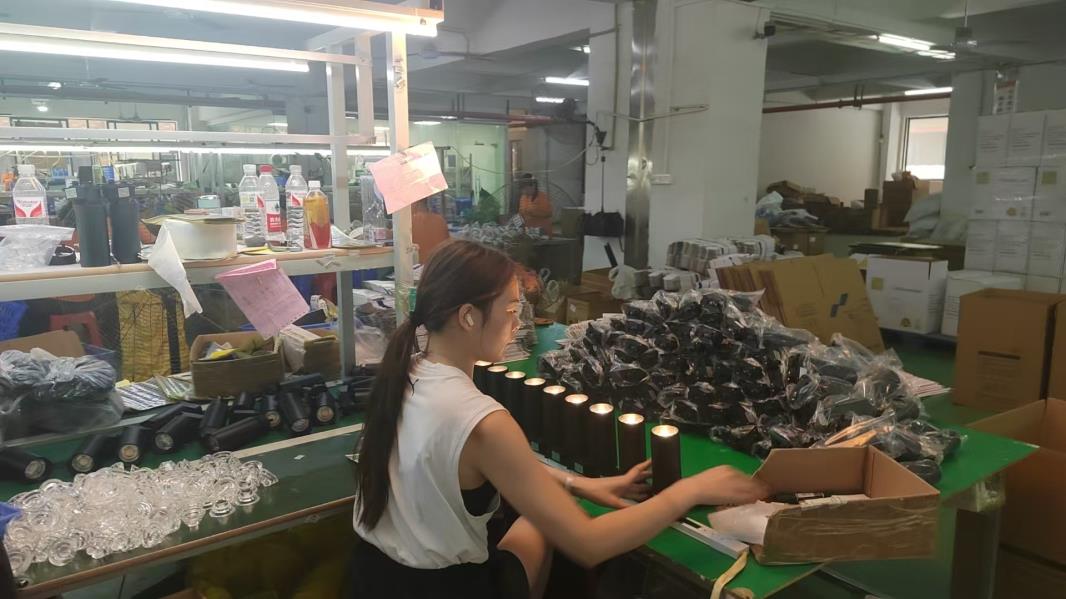
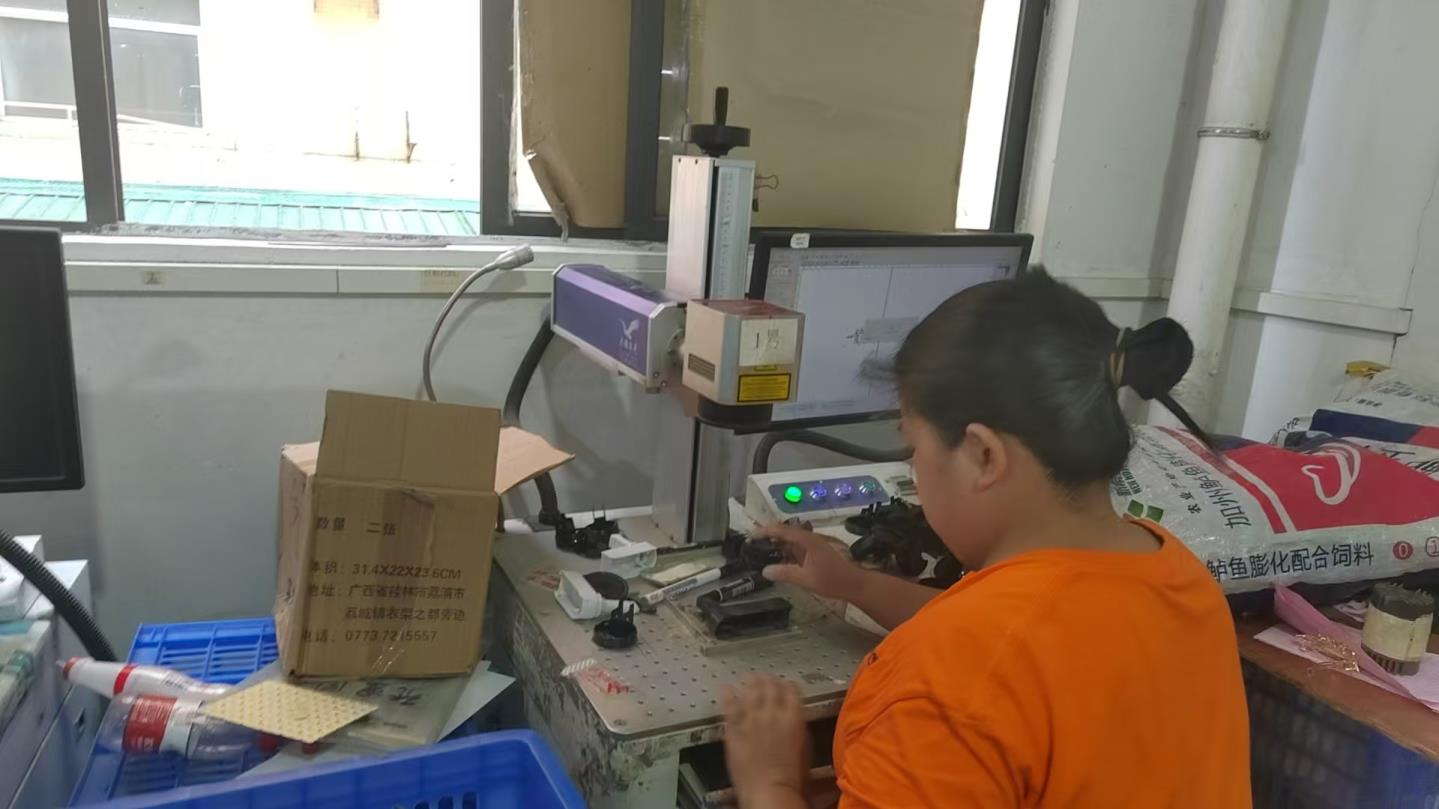
Every production run undergoes a rigorous QC pipeline: Automated Optical Inspection (AOI) for SMD solder pads, high-temperature environmental aging chambers to catch infant mortality failures in drivers, and goniophotometric profiling to verify spatial luminous flux distribution.
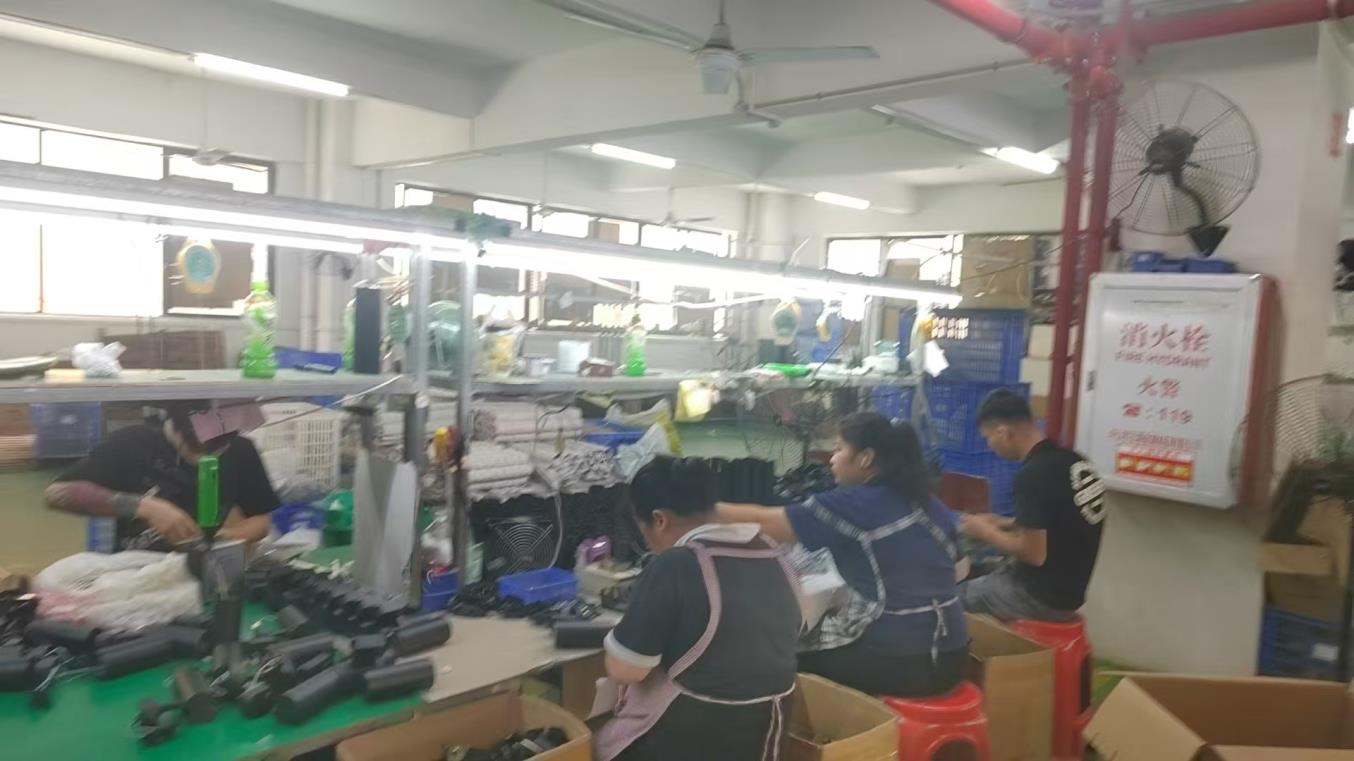
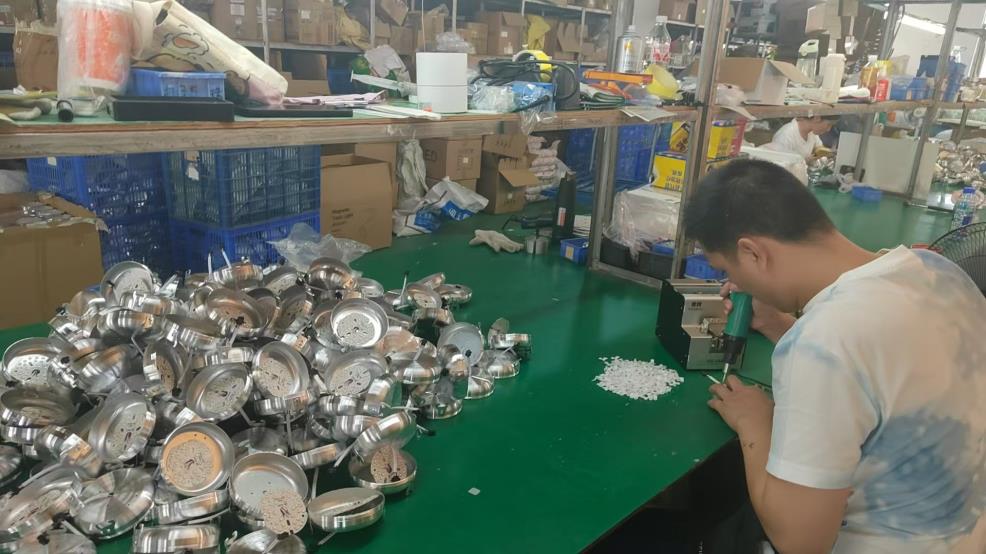
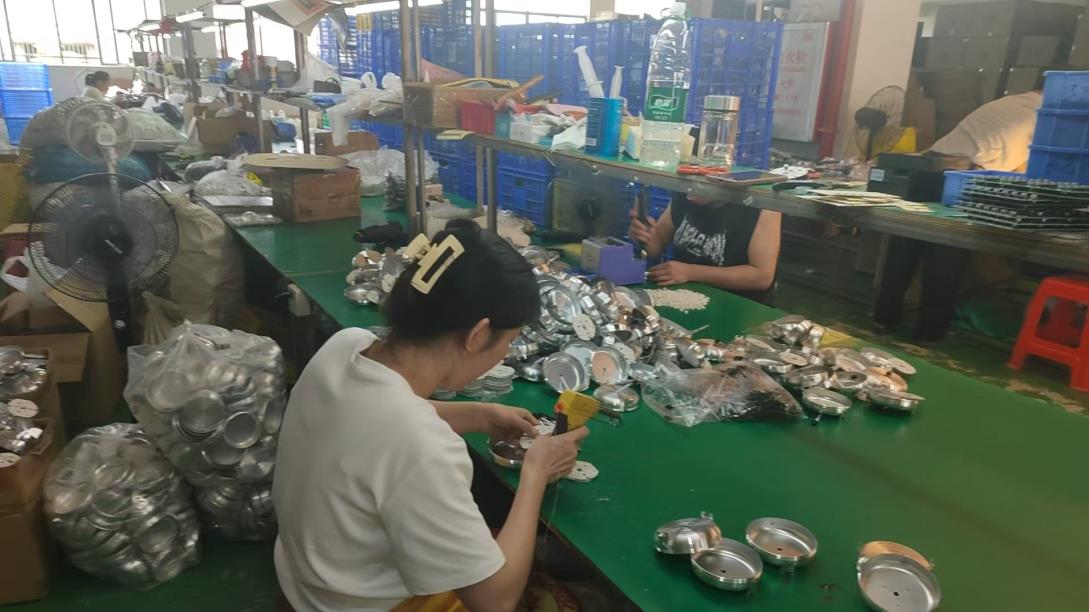
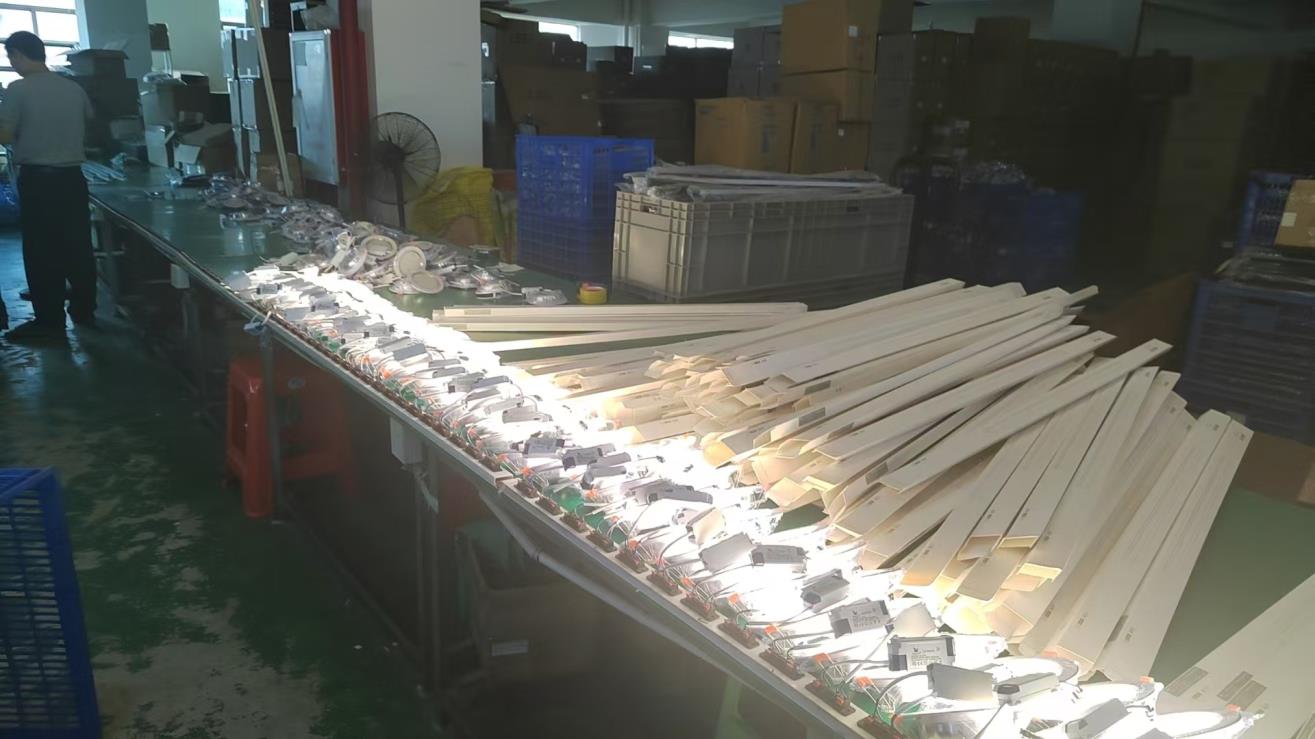
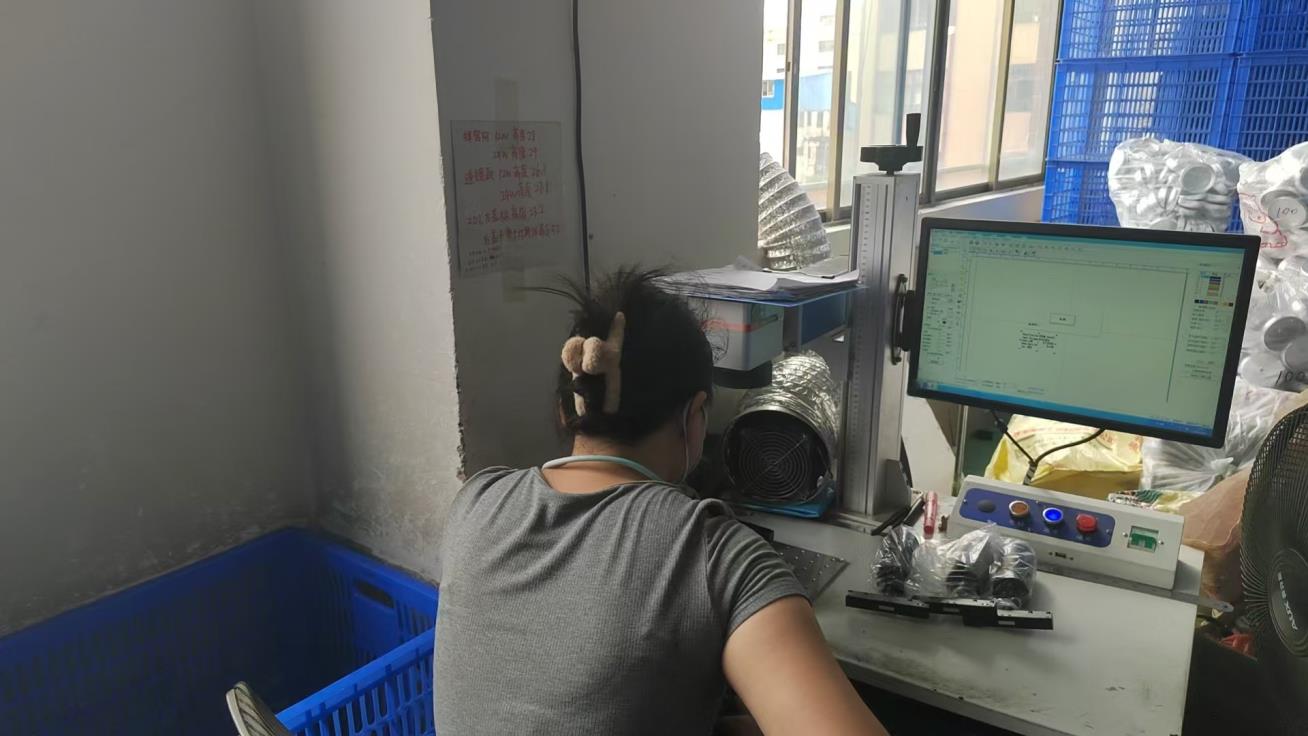
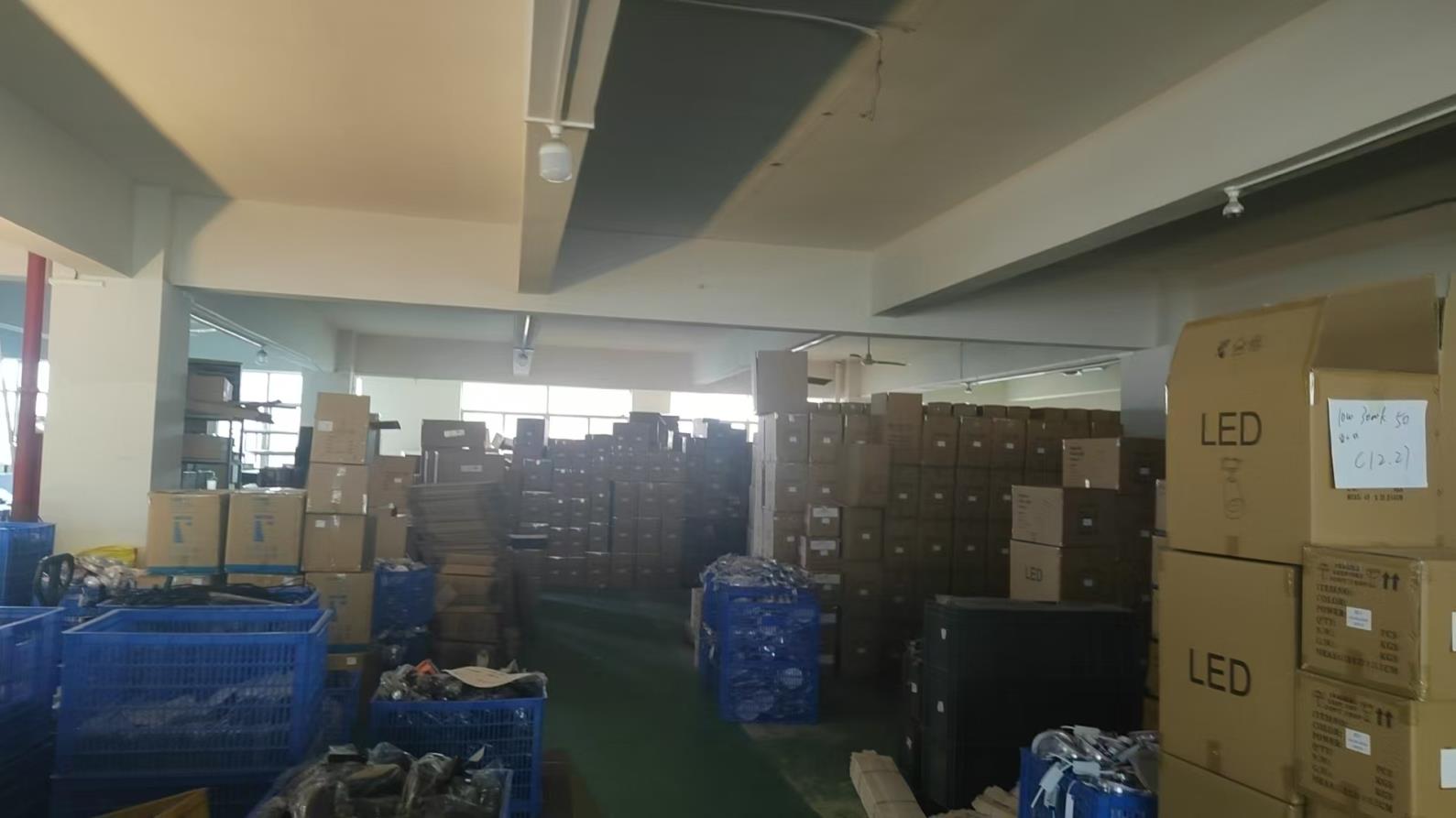
Take an inside look at our manufacturing facilities, showing the precision assembly, validation, and logistics operations carried out at Hangzhou Pina Light Co., Ltd.
Exporting solid-state lighting systems globally requires navigating complex regulatory standards. Different markets demand specific certifications to ensure safety, efficiency, and electromagnetic compatibility:
Compliance requires testing under UL1598 (luminaires) and UL1973 (batteries for mobile applications). FCC Part 15 subpart B testing ensures our high-frequency LED drivers do not interfere with local wireless communication channels.
All import batches comply with the Low Voltage Directive (LVD) and Electromagnetic Compatibility (EMC) regulations. In line with RoHS mandates, our lead-free soldering processes protect both user health and environmental safety.
Transporting lithium batteries requires strict compliance with UN38.3 packaging standards. For our Salt Water Activated products, shipping is simplified: because they contain no lithium, they bypass hazardous goods transport restrictions, streamlining global shipping logistics.
Review our engineering FAQ designed to help procurement officers and hardware designers clarify key technical specifications and integration options.
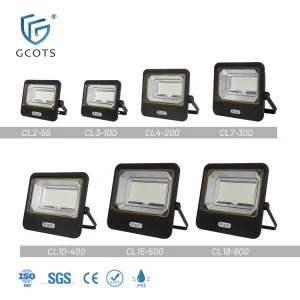
Review our specialized portfolio, engineered to meet rigorous lighting standards across global markets.


 Pina Light